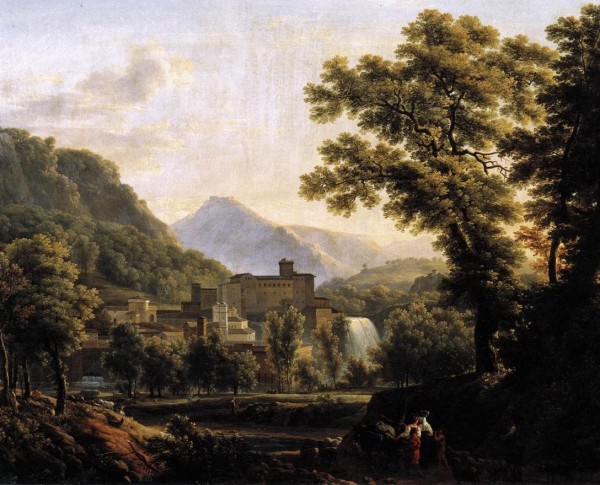
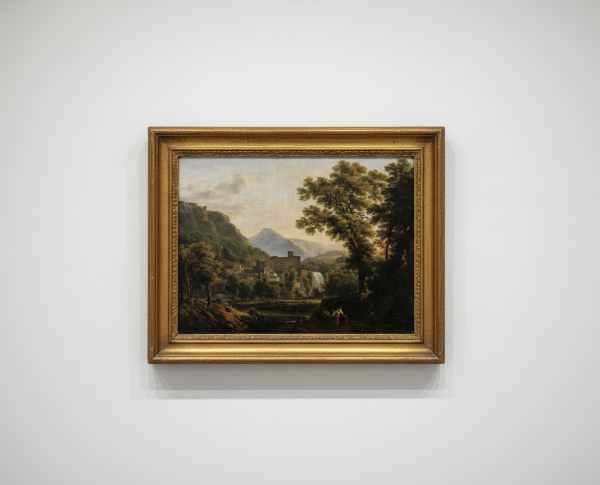
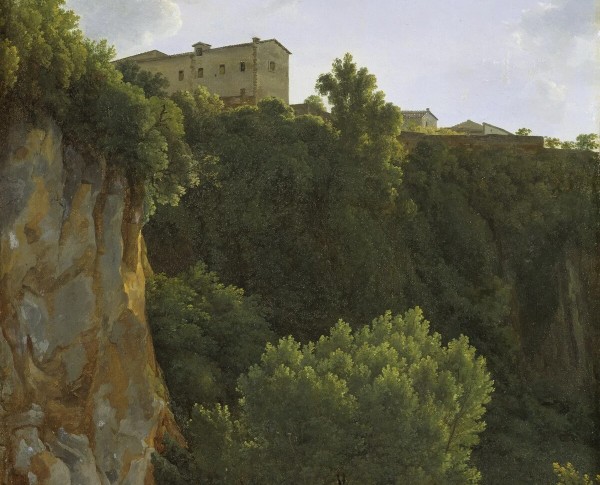
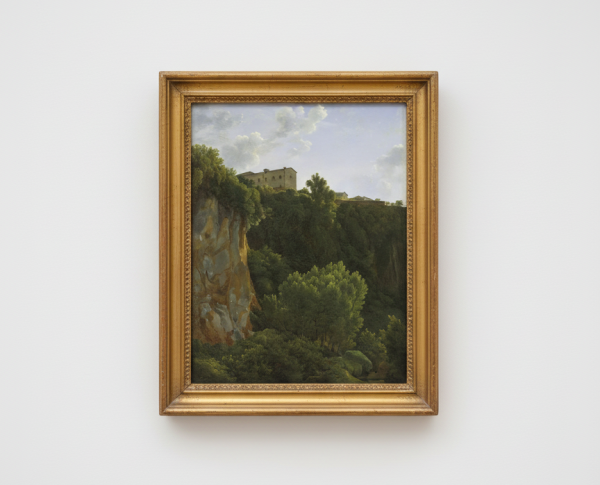
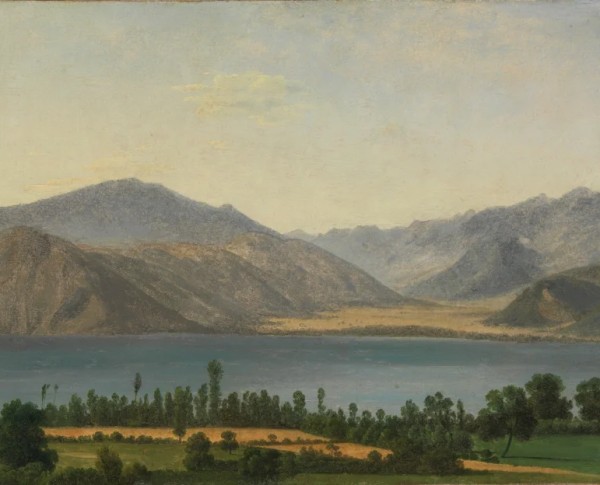
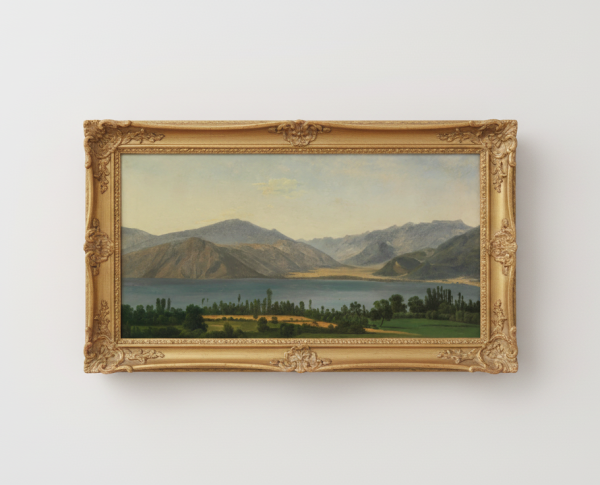
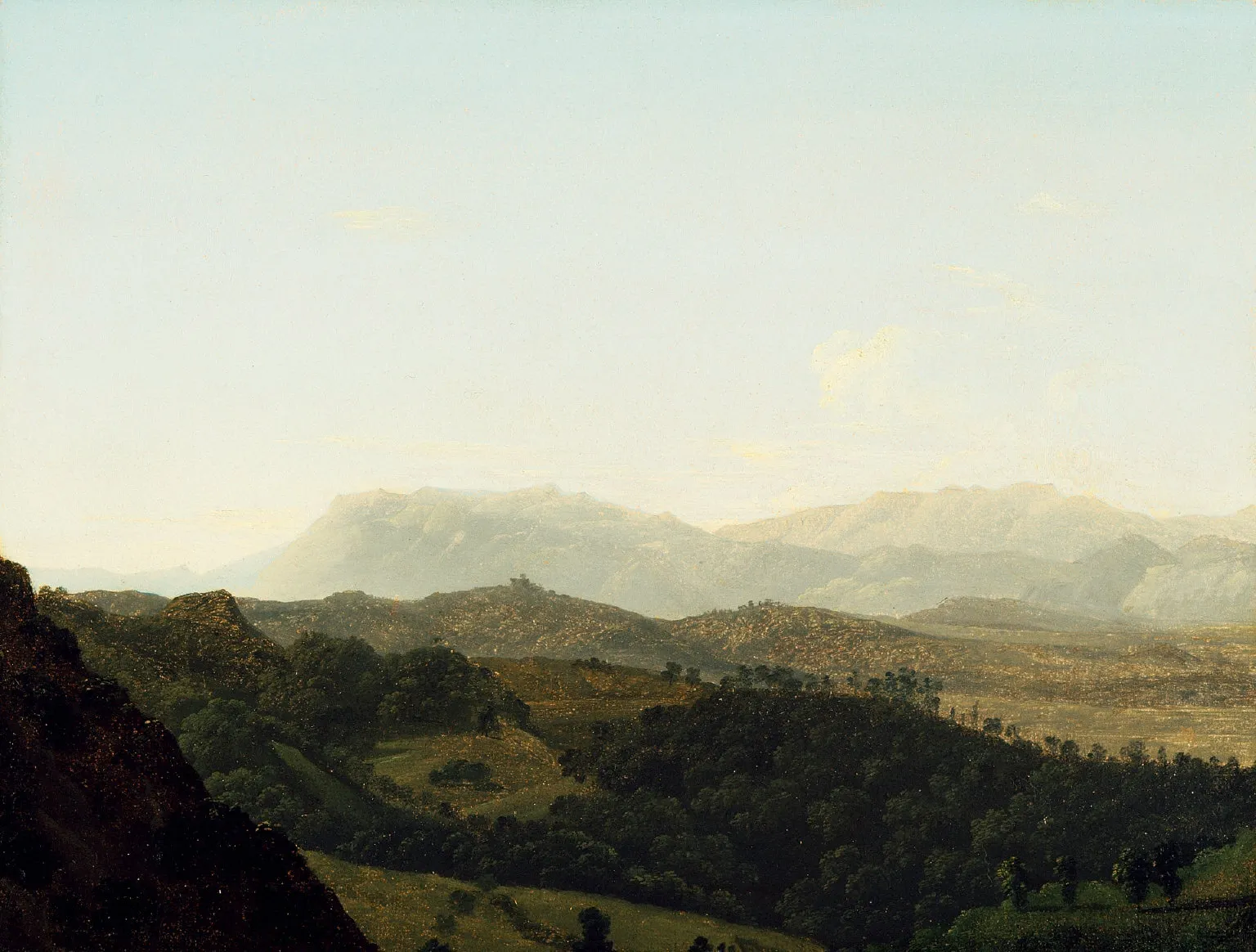
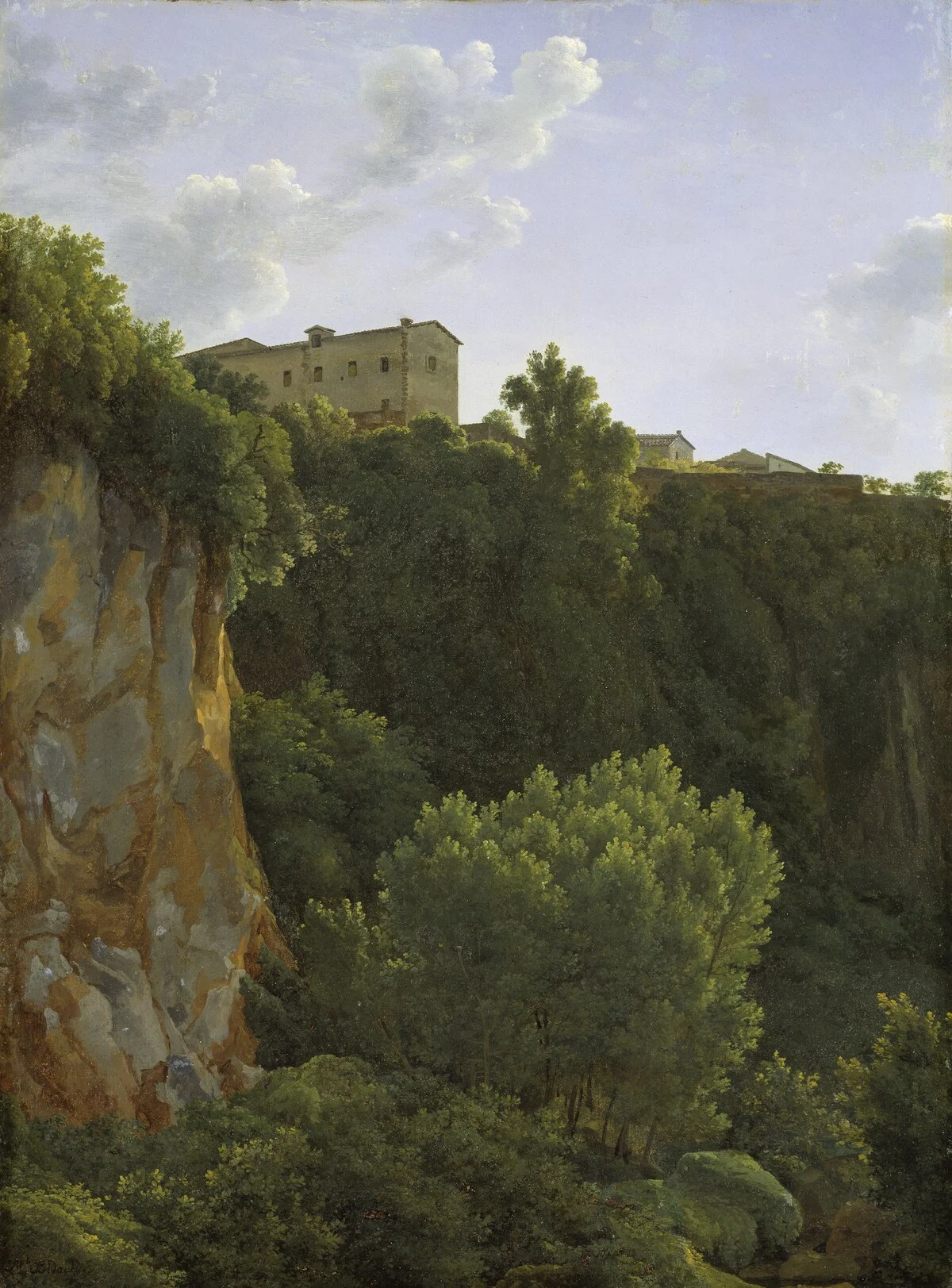
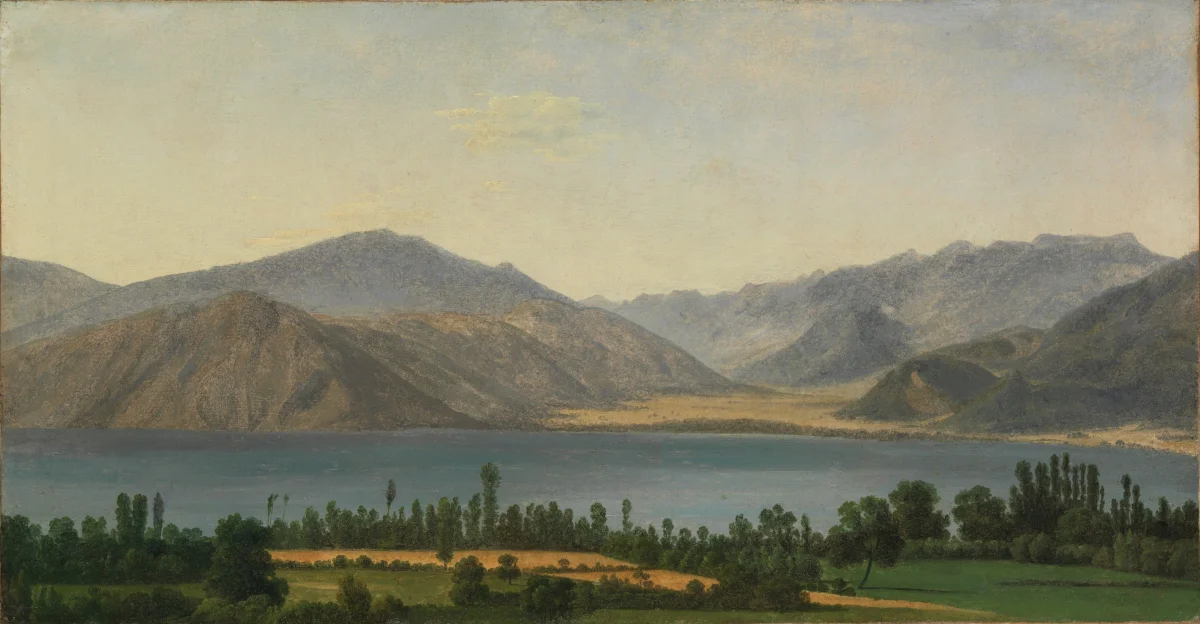
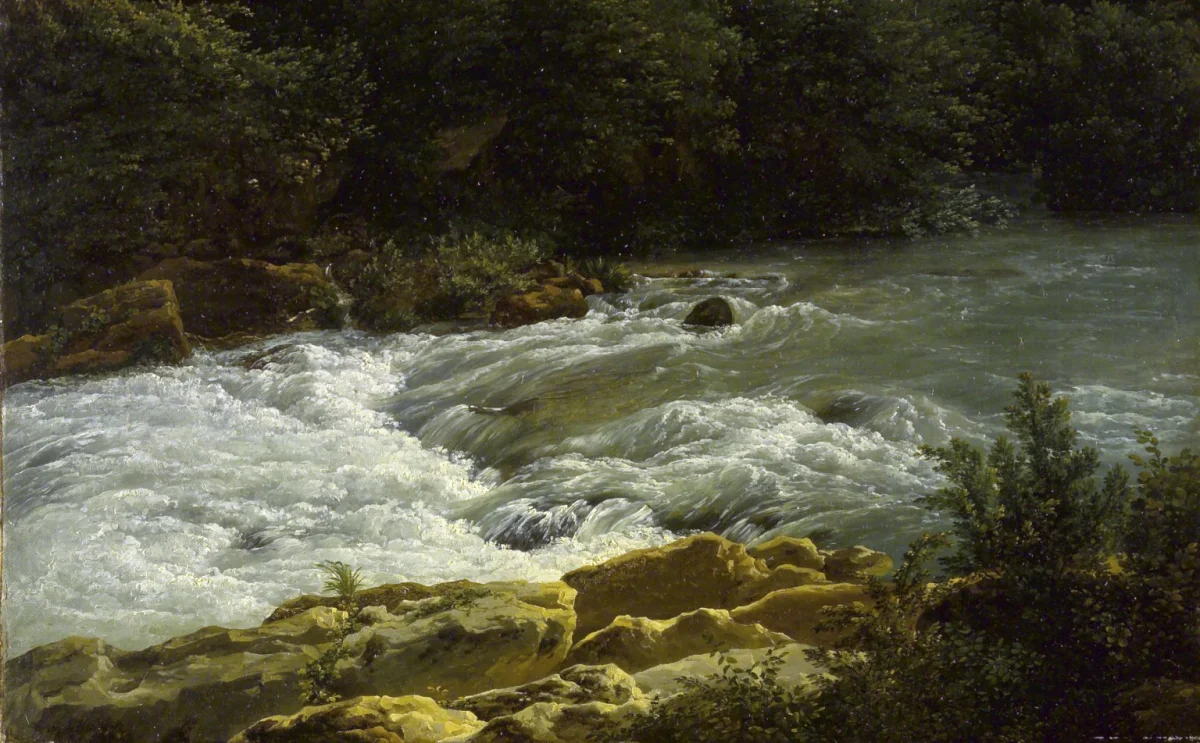
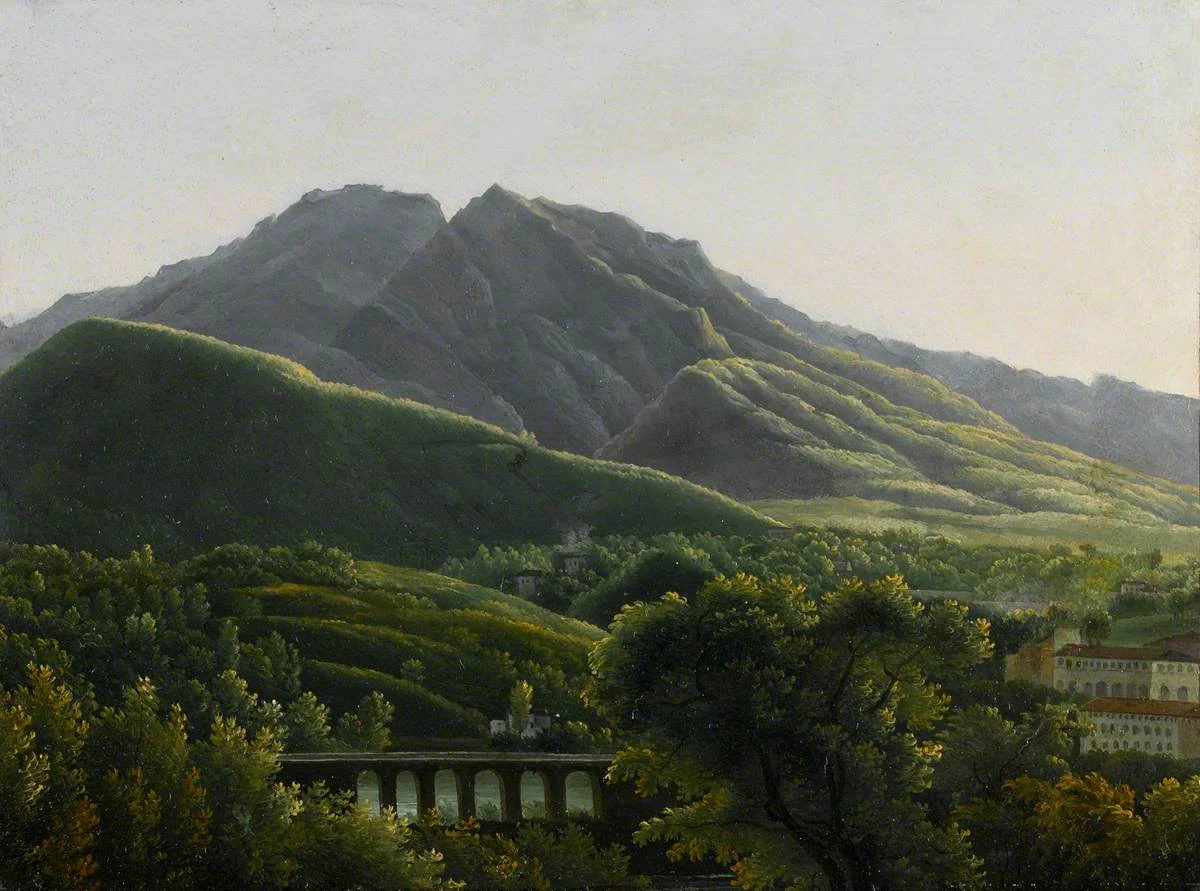
"The Sabine Mountains" exemplifies the artist’s skillful application of oil on canvas, showcasing Bidauld’s command over light, shadow, and meticulous detail. His Neo-Classical roots shine through in the balanced composition and tranquil atmosphere. The painting’s harmonious palette and precise brushwork make it a standout among fine art. For admirers of this style, related pieces such as "View of the Waterfalls at Tivoli" and "A Southern River Landscape" offer further opportunities to experience Bidauld’s mastery.
Within "The Sabine Mountains," Jean-Joseph-Xavier Bidauld weaves subtle narratives through his depiction of the Italian countryside. This fine art painting for sale invites viewers to explore the symbolism of nature’s grandeur and humanity’s place within it, hallmarks of the Neo-Classical movement. Collectors are drawn to the painting’s contemplative mood, echoed in related works like "Paysage de riviére animé d'un pêcheur et de baigneuses" and "The Park at Mortefontaine," which also reveal hidden stories.
For art connoisseurs, "The Sabine Mountains" by Jean-Joseph-Xavier Bidauld is more than just an oil on canvas; it is a prized addition to any collection. The painting’s Neo-Classical elegance and exceptional craftsmanship make it highly sought after. Those interested in expanding their collection can consider complementary pieces such as "Monte Cavo Du Lac D'albano" or "The Park at Mortefontaine," each a testament to Bidauld’s enduring influence in fine art painting for sale.
When Art Meets History
"The Sabine Mountains" by Jean-Joseph-Xavier Bidauld stands as a testament to the Neo-Classical movement’s reverence for antiquity and nature. Painted with meticulous care, this hand-painted oil painting captures the serene landscapes that inspired generations. Bidauld’s work is often compared to masterpieces like "Young Lady with Drawing Utensils" and "The Sea Maiden." Through its historical lens, the painting invites viewers to explore the classical ideals that shaped European art during the late eighteenth century.
Techniques That Speak
Jean-Joseph-Xavier Bidauld’s mastery of oil on canvas shines in "The Sabine Mountains." His precise brushwork and harmonious color palette evoke the grandeur of nature, a hallmark of the Neo-Classical movement. The artist’s techniques can also be appreciated in related works such as "Prince Vasili Vasiljevits Dolgoruki." Each stroke in this painting exemplifies the balance and clarity that define Neo-Classical landscapes, offering viewers a glimpse into the artist’s refined approach to oil on canvas.
Emotions on Display
"The Sabine Mountains" channels a profound sense of tranquility and admiration for the natural world. Jean-Joseph-Xavier Bidauld’s composition invites viewers to experience the awe felt by those who first encountered these majestic vistas. Like "The Sortie Made by the Garrison of Gibraltar, 1789," this fine art painting for sale evokes emotions of peace, nostalgia, and reverence, making it a timeless piece that resonates with art lovers and collectors alike.
Coveted by Collectors
Collectors highly prize "The Sabine Mountains" for its historical significance and exquisite artistry. Jean-Joseph-Xavier Bidauld’s reputation in the Neo-Classical movement ensures that this hand-painted oil painting is sought after alongside works like "Bildnis Des Aquasie Boachi." As a fine art painting for sale, it represents a unique opportunity to own a piece of art history, cherished by connoisseurs who appreciate both its aesthetic and cultural value.
Related Neo-Classical Hand-Painted Oil Paintings by Other Artists
Other Famous Neo-Classical Artists:
Frequently Asked Questions About The Sabine Mountains
What is the historical context of The Sabine Mountains?
The Sabine Mountains, painted by Jean-Joseph-Xavier Bidauld in the late 18th century, reflects the Romantic movement's fascination with nature and the sublime. This period was marked by a shift from the neoclassical ideals of order and reason to an appreciation for emotion and the beauty of the natural world.
What artistic techniques did Bidauld employ in The Sabine Mountains?
Bidauld utilized a combination of oil painting techniques, including layering and glazing, to create depth and luminosity in the landscape. His attention to detail in the foliage and atmospheric effects showcases his mastery of light and shadow.
What themes are explored in The Sabine Mountains?
The painting explores themes of nature's grandeur and the relationship between humanity and the natural environment. It evokes a sense of tranquility and reflection, inviting viewers to contemplate the beauty and majesty of the landscape.
How does The Sabine Mountains reflect the Romantic ideals?
The Sabine Mountains embodies Romantic ideals by emphasizing emotion, individual experience, and the sublime power of nature. The dramatic composition and rich colors evoke feelings of awe and reverence for the natural world.
What symbolism can be found in The Sabine Mountains?
The mountains symbolize permanence and stability, contrasting with the transient nature of human life. The lush landscape can also represent the idea of paradise, serving as a refuge from the chaos of urban existence.
What influences can be seen in Bidauld's style in this painting?
Bidauld's style in The Sabine Mountains shows influences from both the Italian landscape tradition and the emerging Romantic style. His use of vibrant colors and dramatic compositions reflects the influence of artists such as Claude Lorrain and Salvator Rosa.
What is the significance of the location depicted in The Sabine Mountains?
The Sabine Mountains, located near Rome, were a popular subject for artists of the time, symbolizing the idealized beauty of the Italian countryside. This location was often associated with pastoral themes and the idyllic life, resonating with the Romantic yearning for simplicity and nature.
How does The Sabine Mountains compare to other works by Bidauld?
Compared to other works by Bidauld, The Sabine Mountains showcases his ability to capture the essence of landscape through a more emotive and atmospheric lens. While he often painted serene landscapes, this piece stands out for its dramatic portrayal of nature's grandeur.
What impact did The Sabine Mountains have on subsequent landscape painting?
The Sabine Mountains influenced subsequent generations of landscape painters by reinforcing the importance of emotional expression and the sublime in nature. It paved the way for later Romantic artists to explore similar themes in their work.
What can viewers learn from The Sabine Mountains about the artist's perspective on nature?
Viewers can glean that Bidauld viewed nature as a powerful, transformative force. His portrayal of the Sabine Mountains suggests a deep reverence for the natural world, encouraging an appreciation for its beauty and the emotions it can evoke in individuals.























_GFM_Painting_(1).webp)


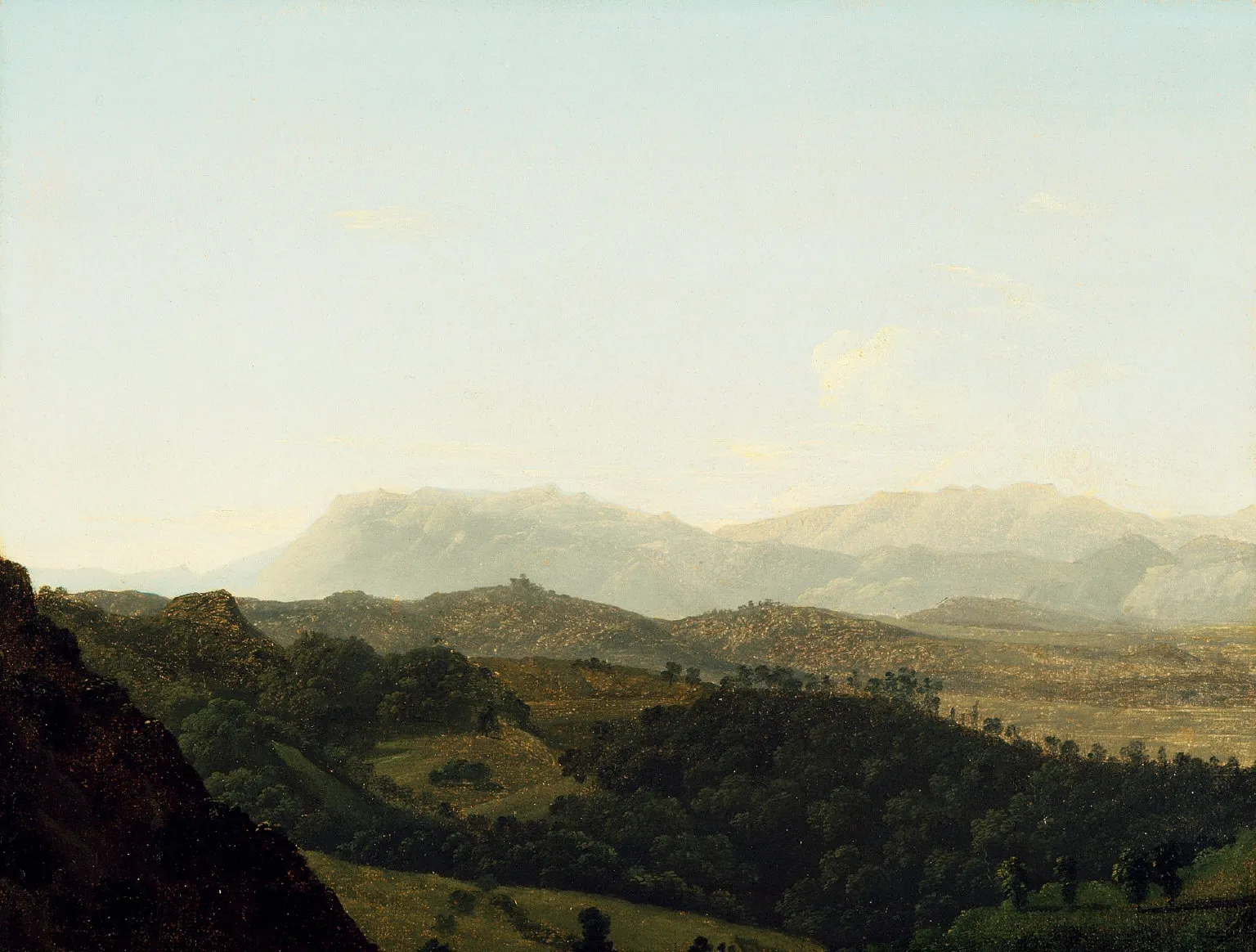
 100% Hand-Painted: Finished in 3-6 Weeks

.png)















_(1).webp)