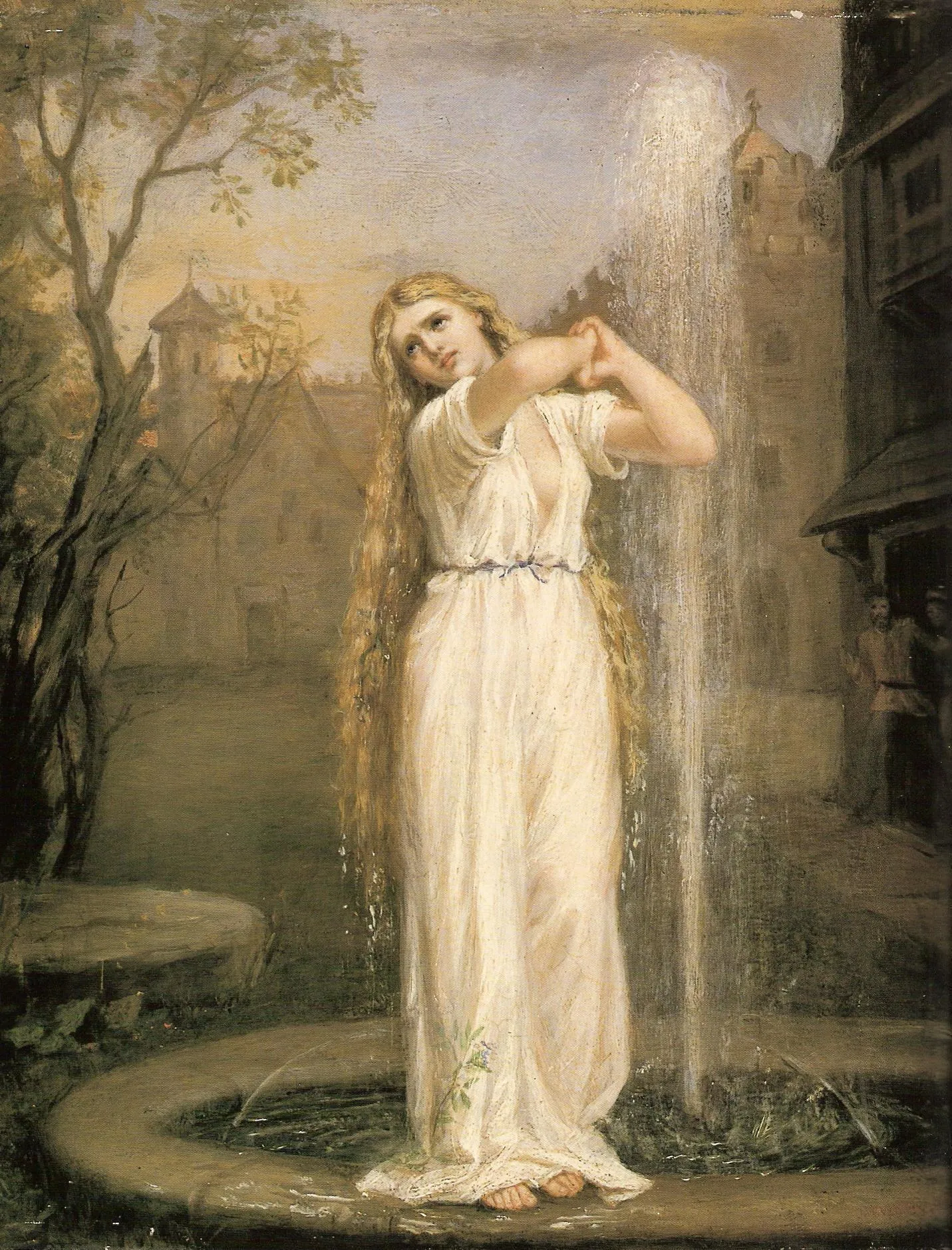
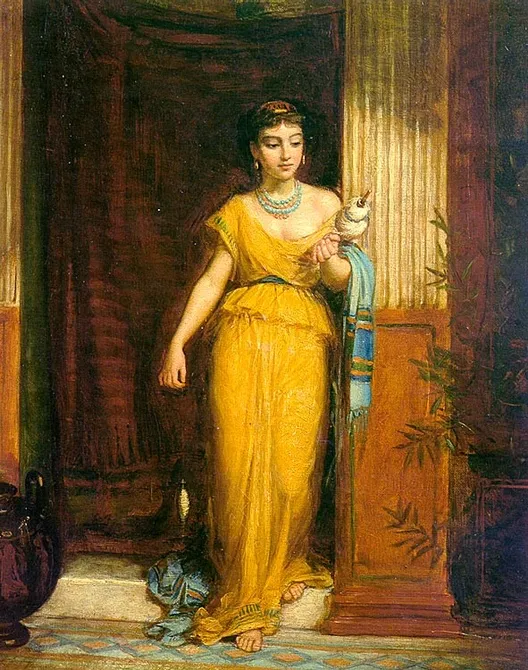
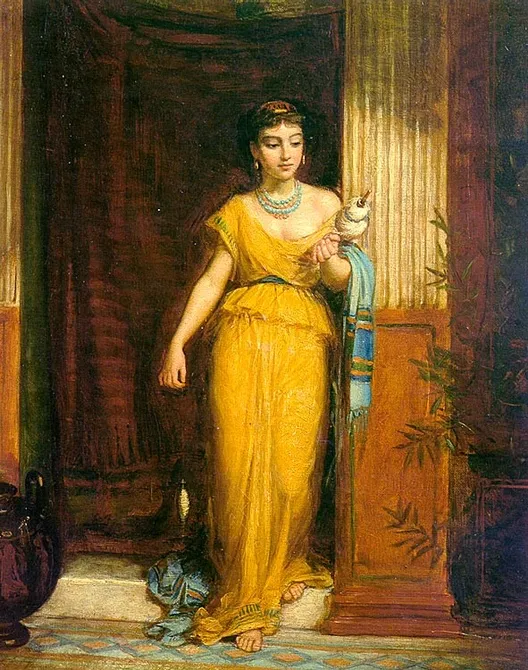
John William Waterhouse’s expert technique is evident in every brushstroke of "The Spinner," which is rendered in exquisite oil on canvas. The artist’s dedication to realism and emotional depth marks this piece as a highlight of the Pre-Raphaelites. Each layer of paint reveals Waterhouse’s mastery, inviting viewers to appreciate the tactile quality of his art. For those seeking more, pieces like "Gone, But Not Forgotten" and "Undine" offer similar artistic brilliance.
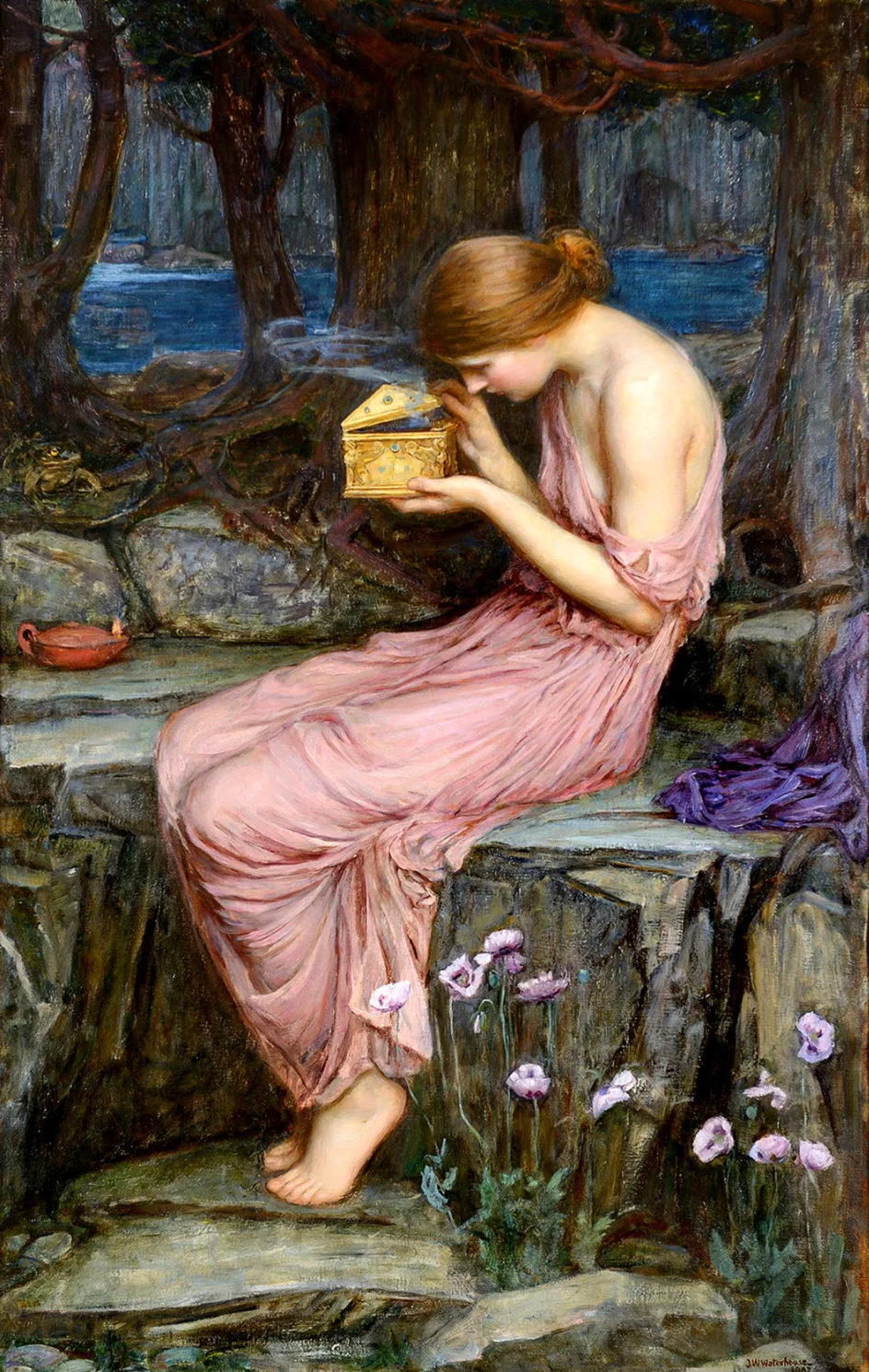
"The Spinner" weaves a compelling narrative, rich with the symbolic storytelling that defines the Pre-Raphaelites movement. Waterhouse’s depiction of the solitary figure evokes themes of fate and transformation, making this fine art painting for sale a conversation starter for any collection. Collectors often pair this work with related products such as "The Slave" or "Psyche Opening the Golden Box 1903" to deepen their understanding of Waterhouse’s symbolic language.
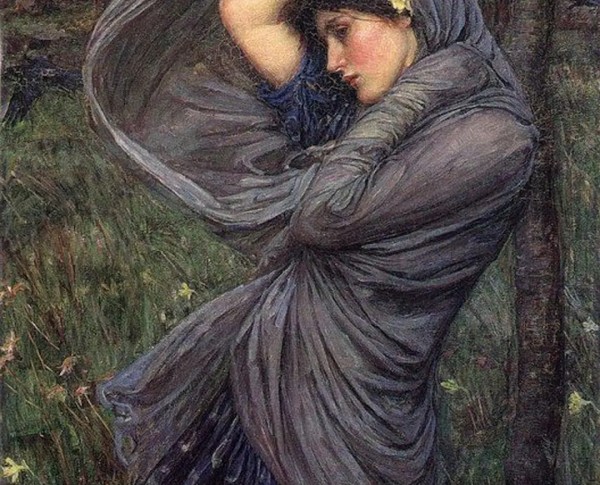
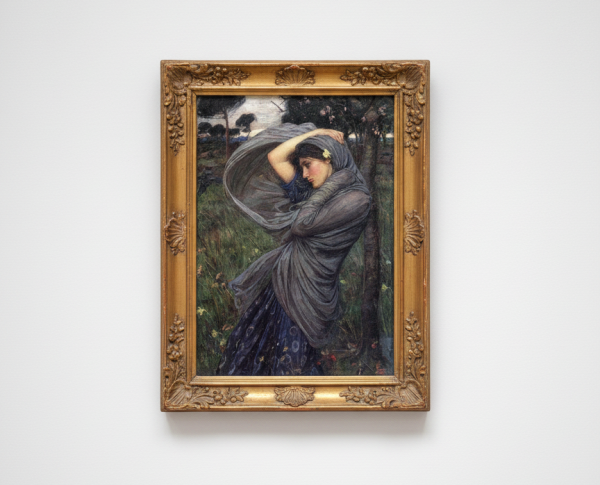
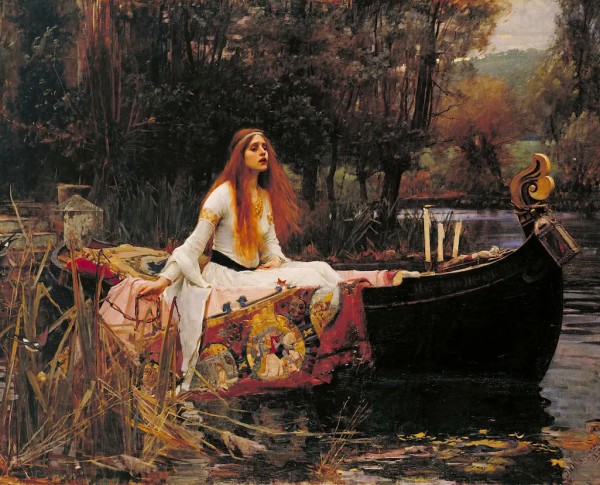
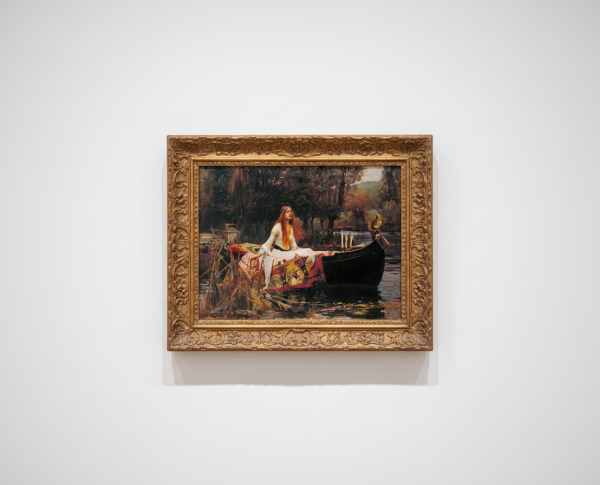
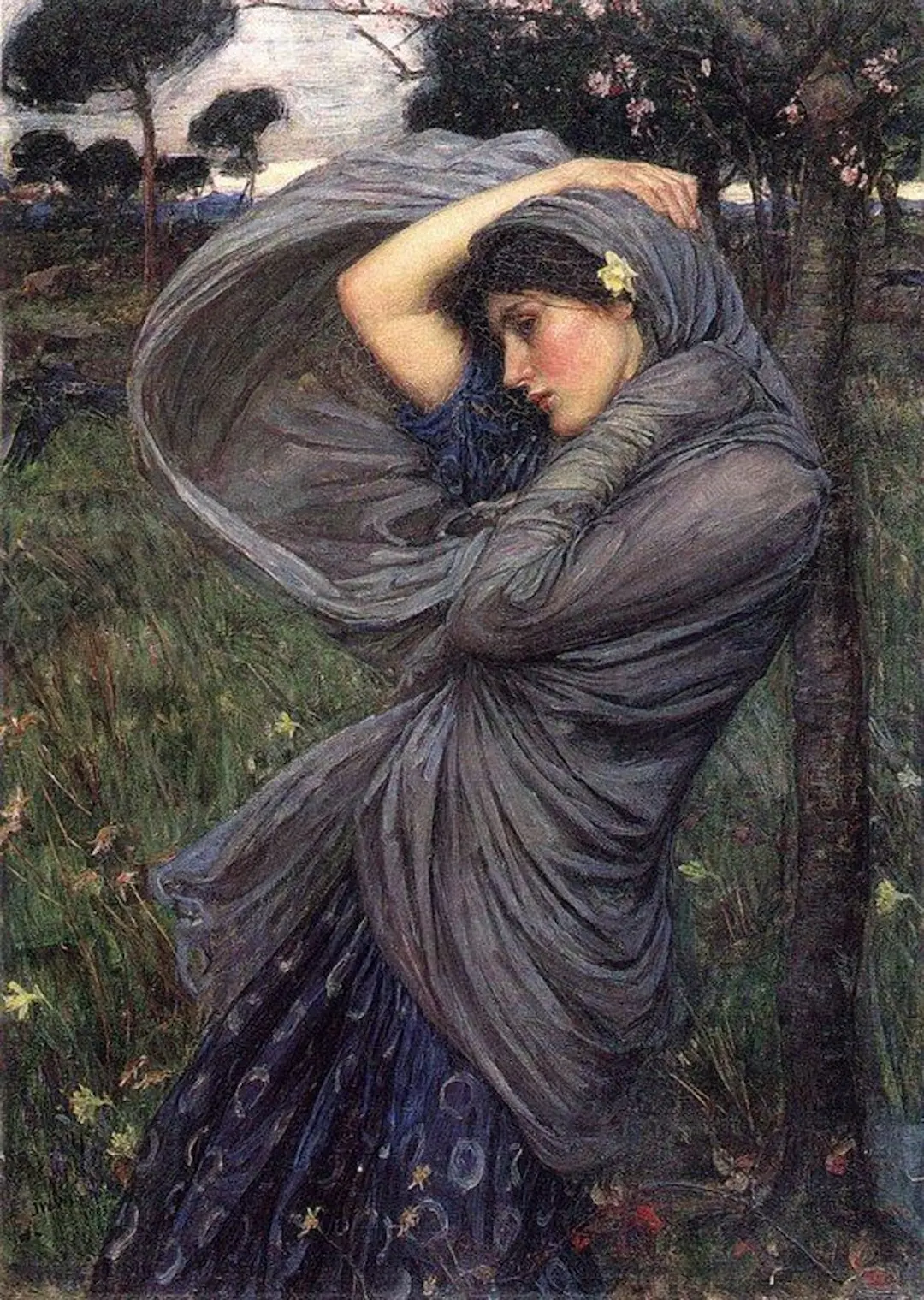
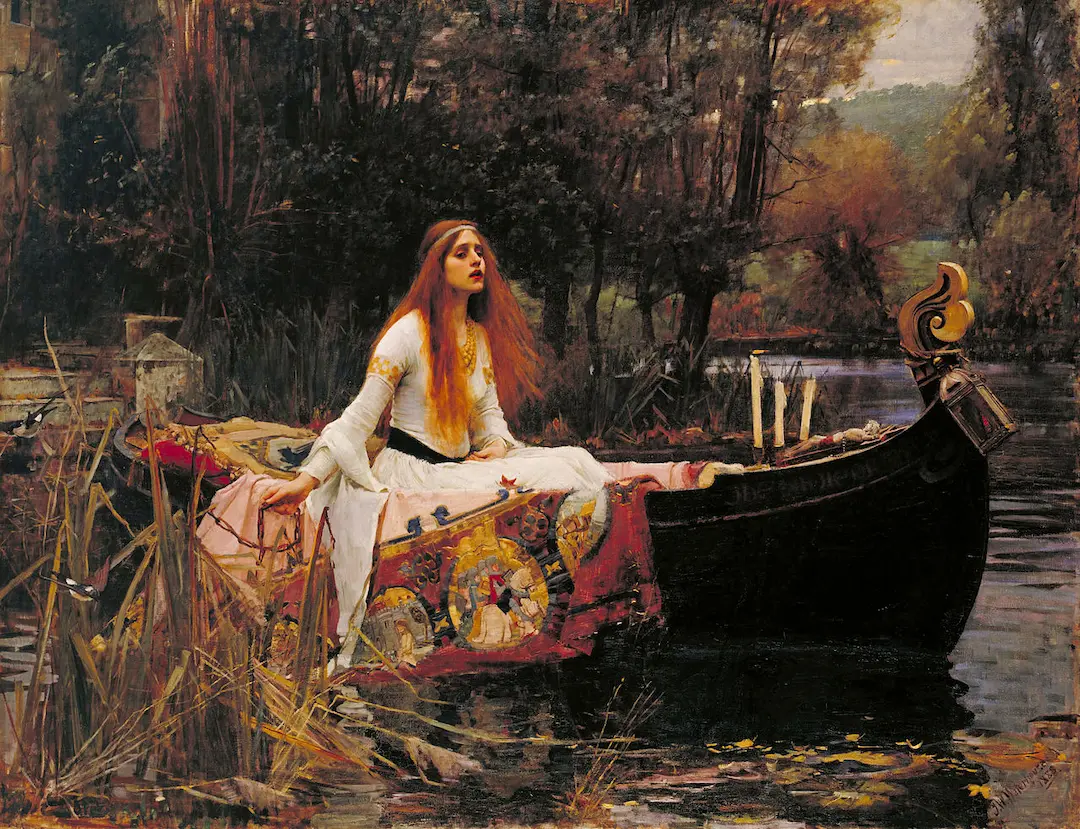
Owning "The Spinner" by John William Waterhouse means possessing a piece of Pre-Raphaelite history. This hand-painted oil painting is highly sought after by collectors who value both its artistic merit and historical significance. As a centerpiece, it complements other notable works like "Boreas 1903" and "The Lady of Shalott 1888," making it a prized addition for anyone seeking a fine art painting for sale that embodies timeless elegance.
When Art Meets History
"The Spinner" by John William Waterhouse stands as a remarkable example of the Pre-Raphaelites movement, echoing the era's fascination with myth, history, and detailed realism. This hand-painted oil painting draws viewers into a world where tradition and storytelling intertwine. Waterhouse, much like contemporaries behind works such as "William Boxall, Portrait of the Artist's Husband Henry with a Pipe," skillfully captures the spirit of his time, making "The Spinner" a pivotal piece in the narrative of 19th-century British art.
Techniques That Speak
John William Waterhouse’s mastery is evident in his use of oil on canvas, a preferred medium among Pre-Raphaelites for its depth and luminosity. In "The Spinner," every brushstroke brings texture and vibrancy to life, echoing the meticulous techniques seen in related pieces like "John Owen, Fellow, Secretary, British and Foreign Bible Society." Waterhouse's careful layering and soft blending create an ethereal atmosphere, emphasizing the movement’s dedication to vivid detail and emotional resonance within each composition.
Emotions on Display
In "The Spinner," Waterhouse conveys a profound sense of contemplation and quiet strength, hallmark traits of the Pre-Raphaelites. The subject’s gentle focus and delicate pose evoke emotions akin to those found in "Right Reverend Talbot" and "Portrait of Caroline Hill." This fine art painting for sale immerses viewers in its narrative, inviting them to explore the inner world of its subject. Waterhouse’s sensitivity to mood and expression ensures the painting’s enduring emotional appeal.
Coveted by Collectors
As a distinguished fine art painting for sale from the Pre-Raphaelites movement, "The Spinner" by John William Waterhouse is highly sought after by collectors worldwide. Its historical importance and exquisite craftsmanship set it alongside works like "William Boxall, Portrait of the Artist's Husband Henry with a Pipe." Owning such a piece is not merely an investment in oil on canvas, but a celebration of a time when artistry and storytelling merged to create timeless masterpieces.
Related Pre-Raphaelites Hand-Painted Oil Paintings by Other Artists
Other Famous Pre-Raphaelites Artists:
Frequently Asked Questions About The Spinner
What is the historical context of "The Spinner"?
"The Spinner," painted by John William Waterhouse in 1896, reflects the Pre-Raphaelite movement's fascination with classical themes and the natural world, set against the backdrop of the late Victorian era's artistic revival.
What artistic techniques did Waterhouse employ in "The Spinner"?
Waterhouse utilized a combination of rich color palettes, intricate detailing, and soft brushwork to create a sense of depth and realism, characteristic of his style and the Pre-Raphaelite approach.
What symbolism is present in "The Spinner"?
The act of spinning in the painting symbolizes the weaving of fate and destiny, reflecting themes of time, creation, and the interconnectedness of life, which are prevalent in Waterhouse's works.
Who is the central figure in "The Spinner," and what does she represent?
The central figure in "The Spinner" is often interpreted as a representation of the Fates from Greek mythology, embodying the concept of control over one's destiny through the act of spinning thread.
How does "The Spinner" reflect the ideals of the Pre-Raphaelite Brotherhood?
The painting embodies the Pre-Raphaelite ideals of beauty, nature, and mythological themes, emphasizing emotional depth and a return to the detailed observation of the natural world.
What role does color play in "The Spinner"?
Color in "The Spinner" is used to evoke mood and emotion, with warm tones enhancing the sense of intimacy and the natural environment, while contrasting shades highlight the figure's significance.
What influences can be seen in Waterhouse's depiction of women in "The Spinner"?
Waterhouse's depiction of women often draws from classical mythology and literature, portraying them as strong yet ethereal figures, which is evident in the serene yet powerful presence of the spinner.
How does "The Spinner" compare to other works by Waterhouse?
Compared to other works by Waterhouse, "The Spinner" shares thematic elements of femininity and mythology, yet it uniquely emphasizes the act of creation and the passage of time through the motif of spinning.
What impact did "The Spinner" have on the art community during Waterhouse's time?
"The Spinner" contributed to the growing appreciation for narrative painting in the late 19th century, reinforcing the significance of storytelling in art and influencing subsequent generations of artists.
In what ways has "The Spinner" been interpreted by art critics?
Art critics have interpreted "The Spinner" as a commentary on the role of women in society, the nature of creativity, and the philosophical implications of fate, highlighting its layered meanings and artistic depth.























_GFM_Painting_(1).webp)


 100% Hand-Painted: Finished in 3-6 Weeks

.png)















_(1).webp)