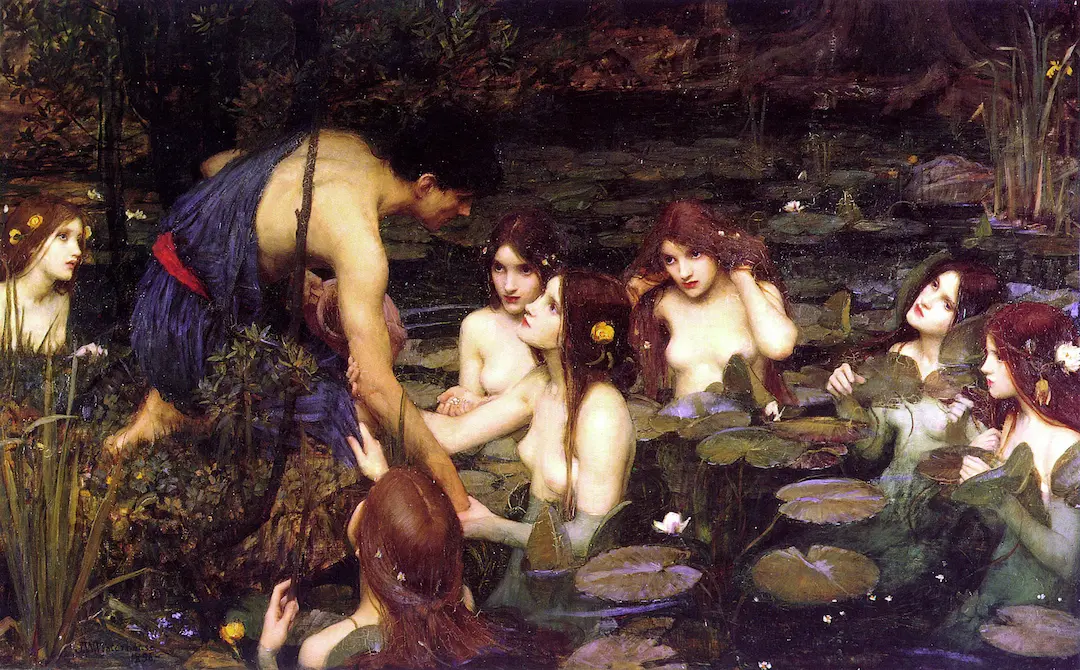
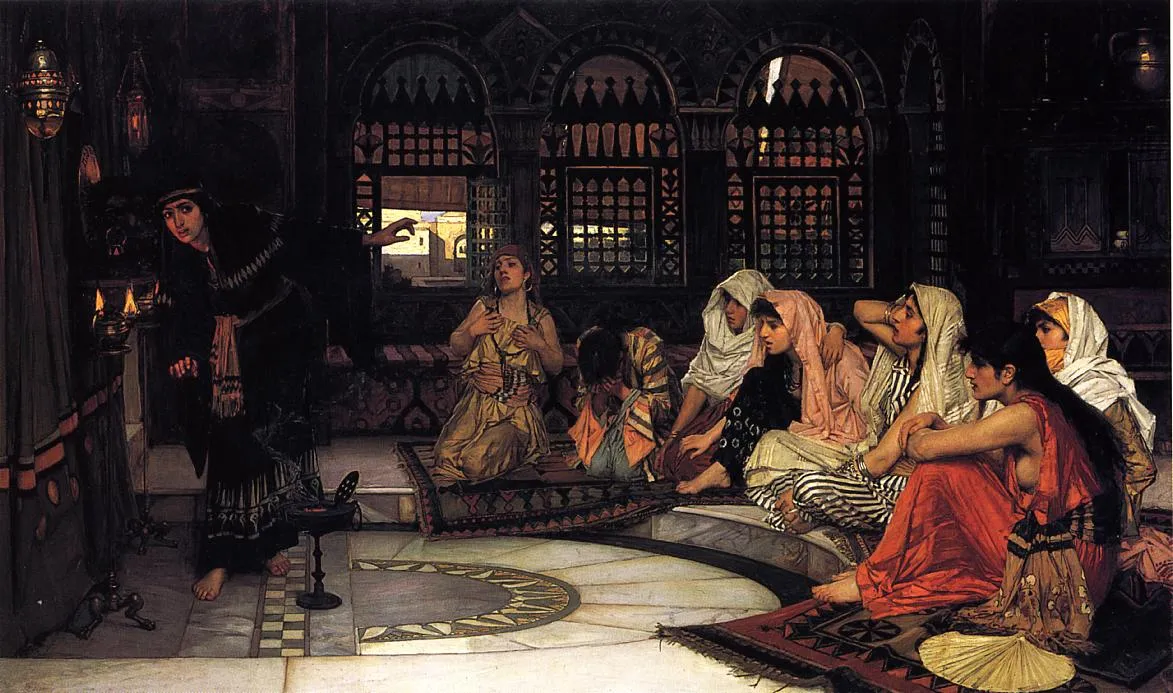
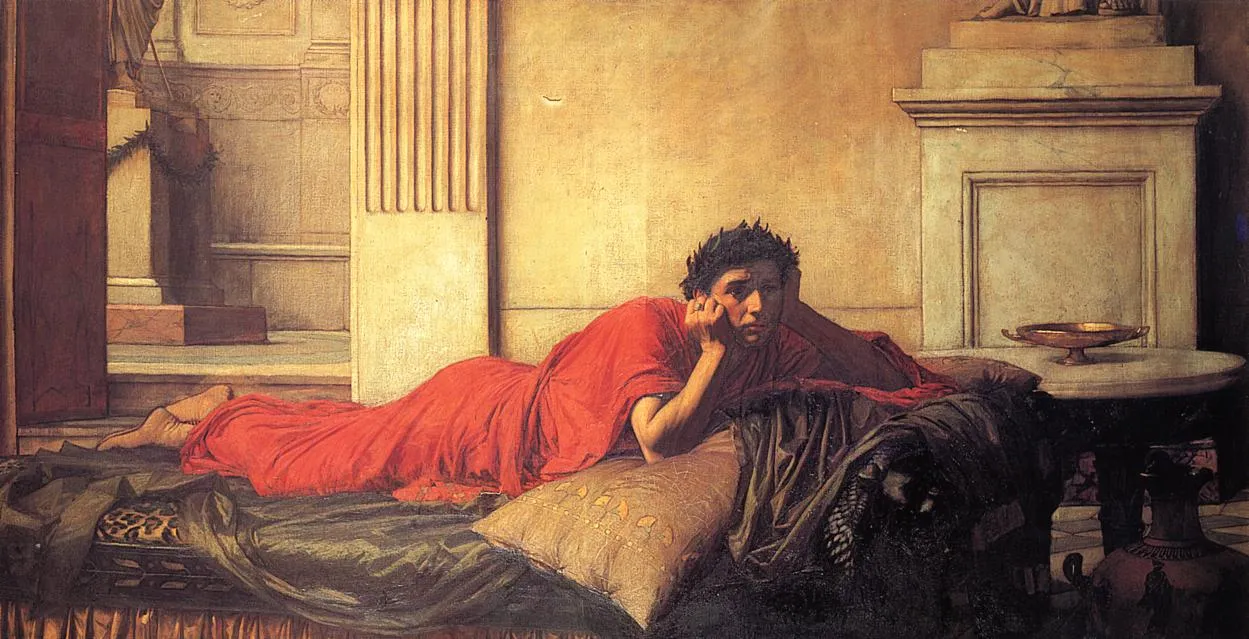
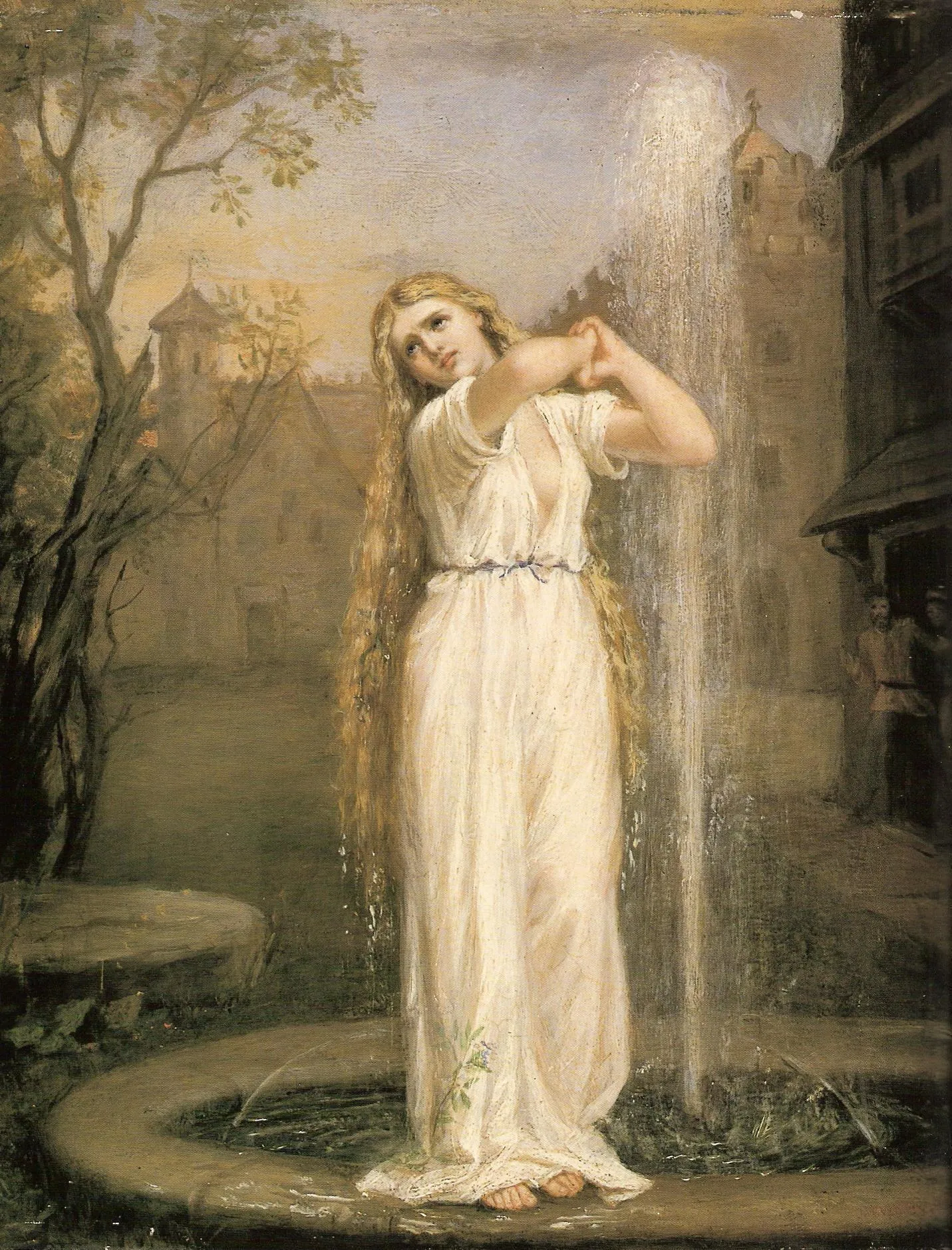
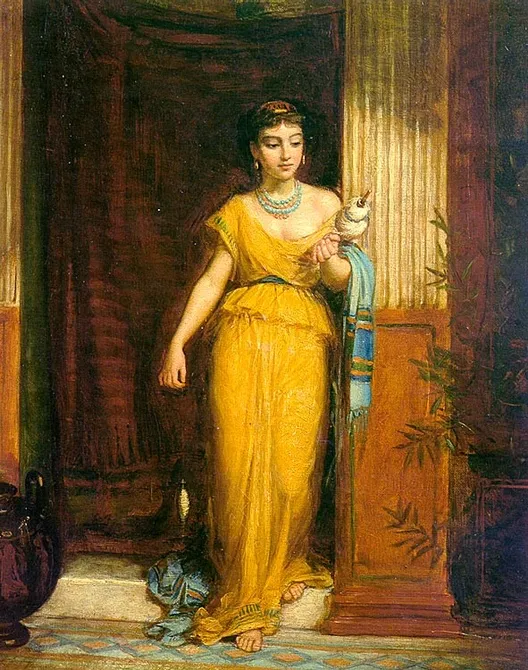
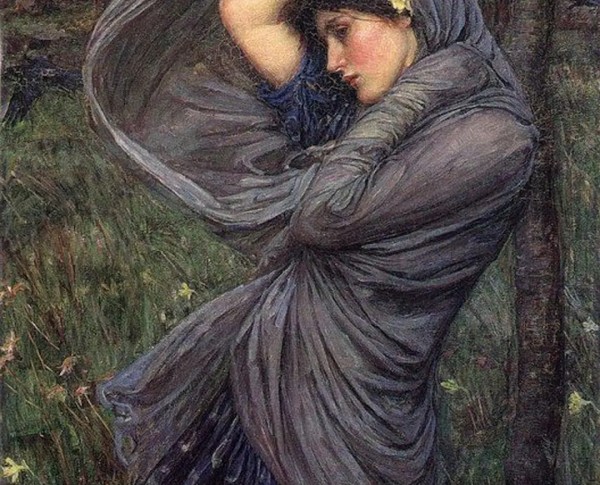
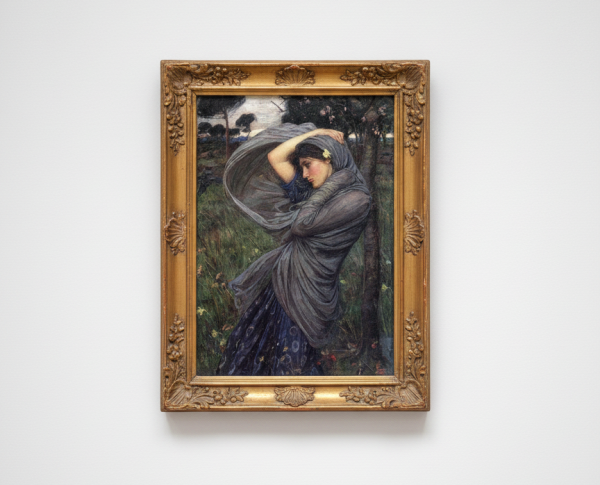
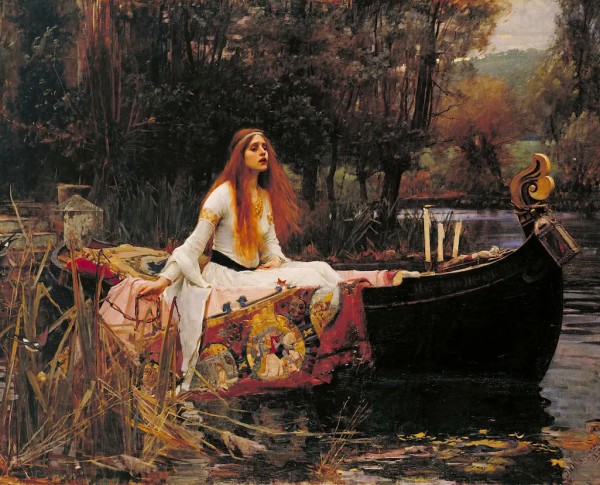
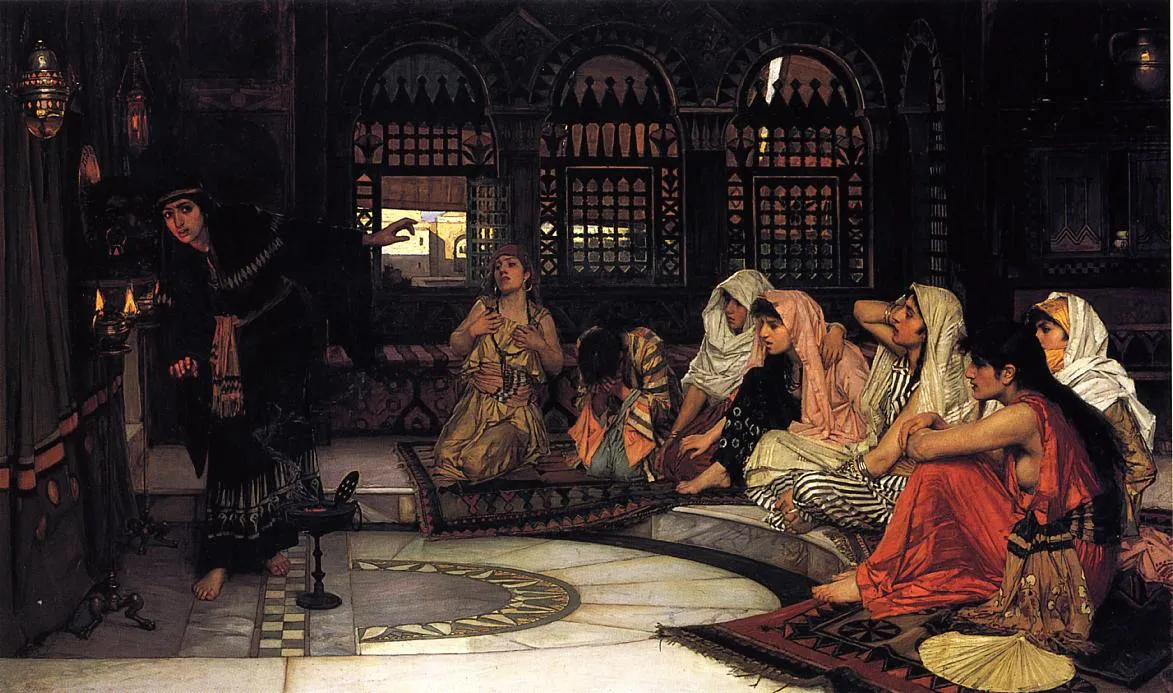
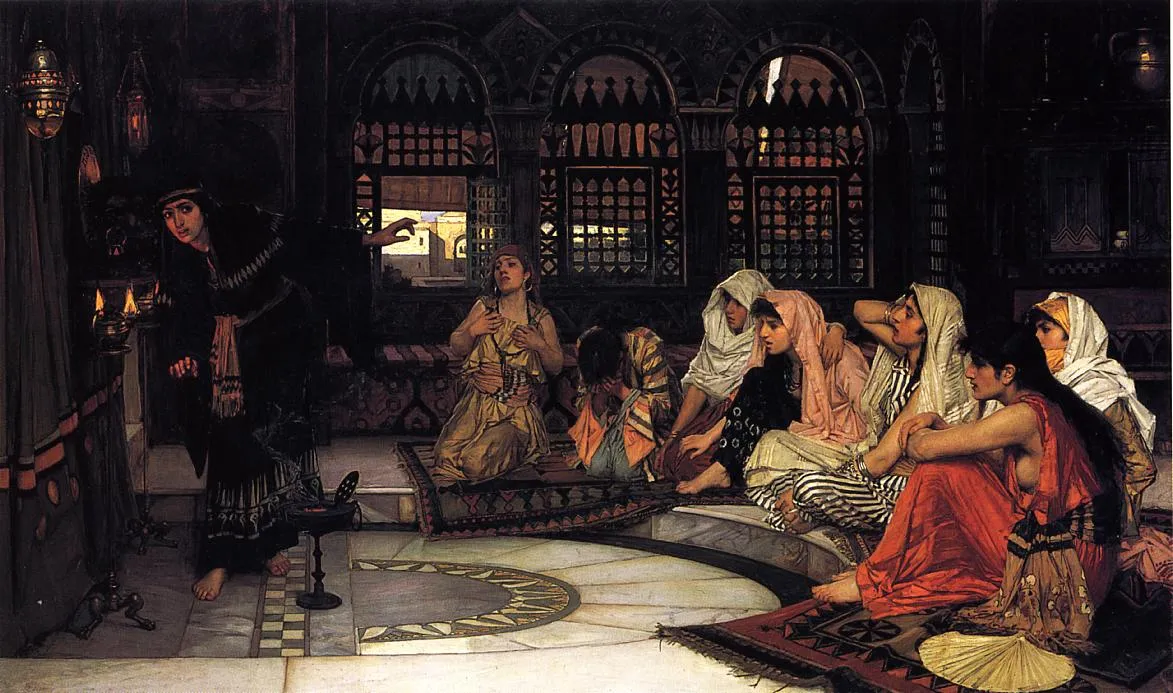
With "Consulting the Oracle," Waterhouse demonstrates exceptional skill in oil on canvas, blending rich colors and lifelike textures. The Pre-Raphaelites’ devotion to realism and storytelling is evident in every brushstroke. This painting’s vibrant palette and intricate details evoke a sense of wonder, inviting viewers to explore its mysteries. For those interested in similar works, "The Visit of a Sick Child to the Temple of Aesculapius" and "The spinner" exemplify Waterhouse’s mastery in this revered medium.
"Consulting the Oracle" is more than a fine art painting for sale; it is a tapestry of ancient myths and enigmatic figures. Waterhouse’s depiction of women seeking guidance from the oracle is steeped in symbolism, reflecting the Pre-Raphaelites’ passion for allegory and narrative. Themes of fate, wisdom, and mysticism permeate the scene, resonating with fans of Waterhouse’s other works like "In the Peristyle" and "Its sweet doing nothing," each weaving stories through art.
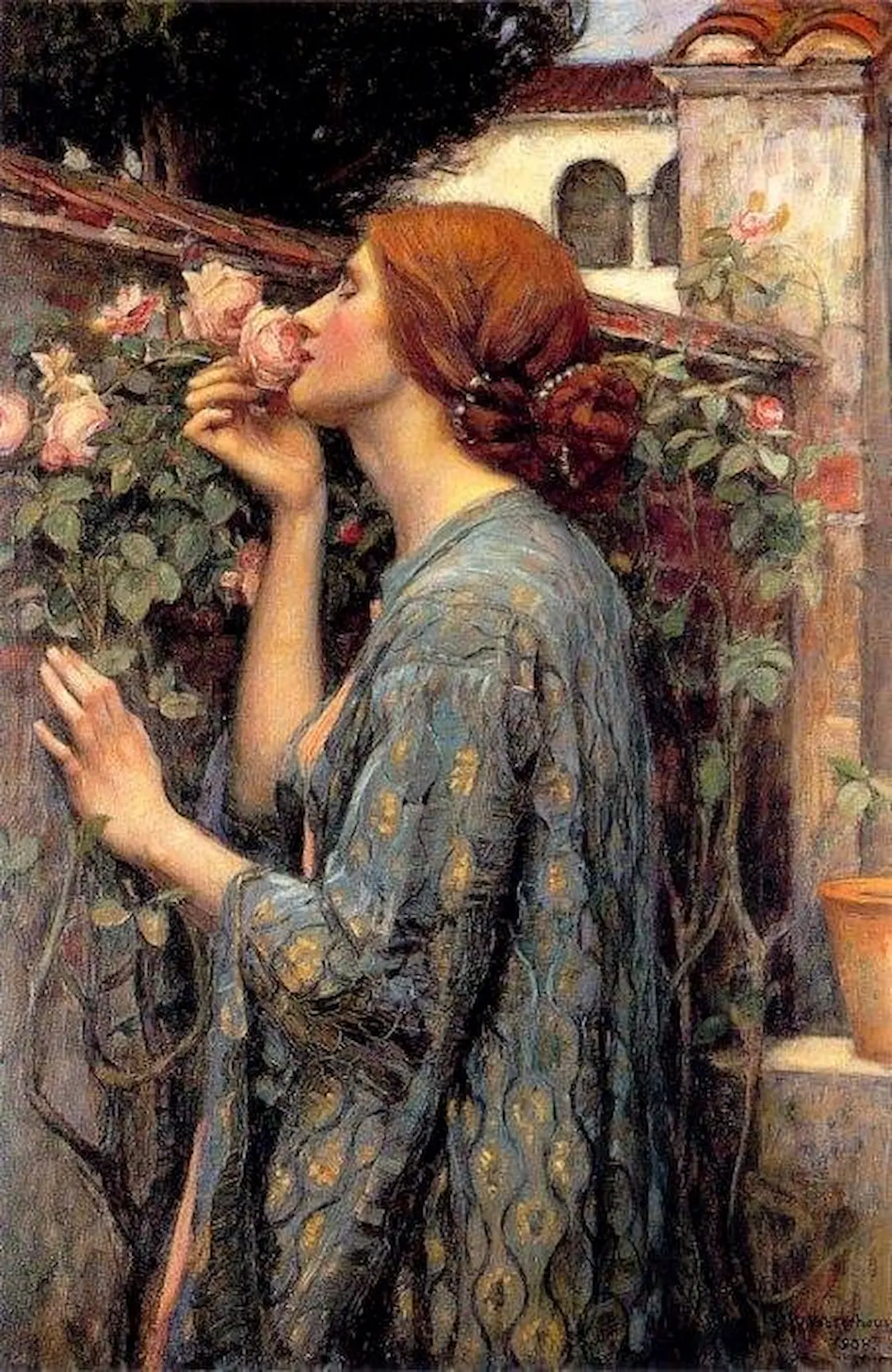
Owning "Consulting the Oracle" by John William Waterhouse is a privilege for any art collector seeking a hand-painted oil painting from the Pre-Raphaelites movement. This masterpiece, along with related products such as "The Soul of the Rose 1908" and "After the Dance," represents the pinnacle of nineteenth-century artistic achievement. Displaying such works elevates any collection, offering timeless beauty and historical significance that will be cherished for generations to come.
When Art Meets History
"Consulting the Oracle" by John William Waterhouse is a remarkable example of the Pre-Raphaelites movement, blending mythological storytelling with historical ambiance. Painted as an exquisite oil on canvas, this artwork immerses viewers in the ancient practice of seeking wisdom from mystical sources. Waterhouse, also known for related paintings like "Love Locked Out" and "Mrs I. Holman Hunt," captures a pivotal moment, making this hand-painted oil painting a significant intersection of art and history.
Techniques That Speak
John William Waterhouse’s mastery shines through in "Consulting the Oracle," where delicate brushwork and vibrant hues typify the Pre-Raphaelites approach. The rich textures and intricate details of this oil on canvas highlight his dedication to realism and emotional depth. Similar to his other works, such as "The Four Elder Agar-Robartes Children," Waterhouse’s technique ensures that each hand-painted oil painting stands as a testament to fine craftsmanship within the movement.
Emotions on Display
Within "Consulting the Oracle," Waterhouse conveys an atmosphere charged with anticipation and reverence, hallmarks of the Pre-Raphaelites’ emotional intensity. Each figure’s expression tells a story, echoing the sentiment in related pieces like "Mrs Stirling as the Nurse" and "Right Reverend Talbot." The painting’s evocative nature makes it a sought-after fine art painting for sale, inviting collectors to experience the profound emotions depicted on the canvas.
Coveted by Collectors
As a distinguished work by John William Waterhouse, "Consulting the Oracle" holds a special place among collectors of Pre-Raphaelites art. Its status as a hand-painted oil painting enhances its allure, much like Waterhouse’s admired pieces "Love Locked Out" and "Mrs I. Holman Hunt." The timeless appeal and historical significance of this oil on canvas make it a fine art painting for sale that is highly prized in today’s art market.
Related Pre-Raphaelites Hand-Painted Oil Paintings by Other Artists
Other Famous Pre-Raphaelites Artists:
Frequently Asked Questions About Consulting the Oracle
What is the historical context of "Consulting the Oracle"?
"Consulting the Oracle," painted by John William Waterhouse in 1898, reflects the late Victorian fascination with classical mythology and the occult. This period saw a resurgence of interest in ancient cultures, which influenced many artists of the time.
What themes are explored in "Consulting the Oracle"?
The painting explores themes of fate, knowledge, and the human desire to seek guidance from higher powers. It encapsulates the tension between the known and the unknown, as well as the quest for truth.
Who are the figures depicted in the painting?
The painting features a priestess, representing the Oracle, who is consulted by a seeker. The figures embody the archetypes of wisdom and inquiry, central to the theme of divination.
What artistic techniques did Waterhouse employ in this painting?
Waterhouse utilized a rich color palette and intricate detailing to create a sense of depth and atmosphere. His use of light and shadow enhances the mystical quality of the scene, drawing the viewer into the moment of consultation.
What symbolism is present in "Consulting the Oracle"?
The Oracle symbolizes divine insight and prophecy, while the seeker represents humanity's yearning for understanding. The setting, often depicted with natural elements, signifies the connection between the spiritual and the earthly realms.
How does "Consulting the Oracle" reflect the Pre-Raphaelite movement?
Waterhouse was associated with the Pre-Raphaelite Brotherhood, which emphasized detail, vibrant colors, and complex compositions. This painting exemplifies those characteristics, showcasing a narrative steeped in mythological and emotional depth.
What influences can be seen in Waterhouse's portrayal of the Oracle?
Waterhouse's portrayal of the Oracle draws from classical literature and art, particularly the works of ancient Greek and Roman mythology. His interpretation captures the enigmatic nature of oracles as both revered and feared figures.
What role does the setting play in the painting?
The setting is integral to the painting, as it creates an atmosphere of mystery and reverence. The natural elements, such as the lush greenery and soft lighting, enhance the otherworldly experience of consulting the Oracle.
How has "Consulting the Oracle" been received by critics and art historians?
Critics have praised "Consulting the Oracle" for its emotional resonance and technical mastery. Art historians often cite it as a significant work that encapsulates the transition from Victorian ideals to modern interpretations of mythology.
What is the significance of the Oracle in various cultures?
Oracles have held significant roles in many cultures, serving as intermediaries between the divine and humanity. They symbolize the quest for knowledge and the complexities of fate, themes that resonate deeply in Waterhouse's painting.























_GFM_Painting_(1).webp)


 100% Hand-Painted: Finished in 3-6 Weeks

.png)















_(1).webp)