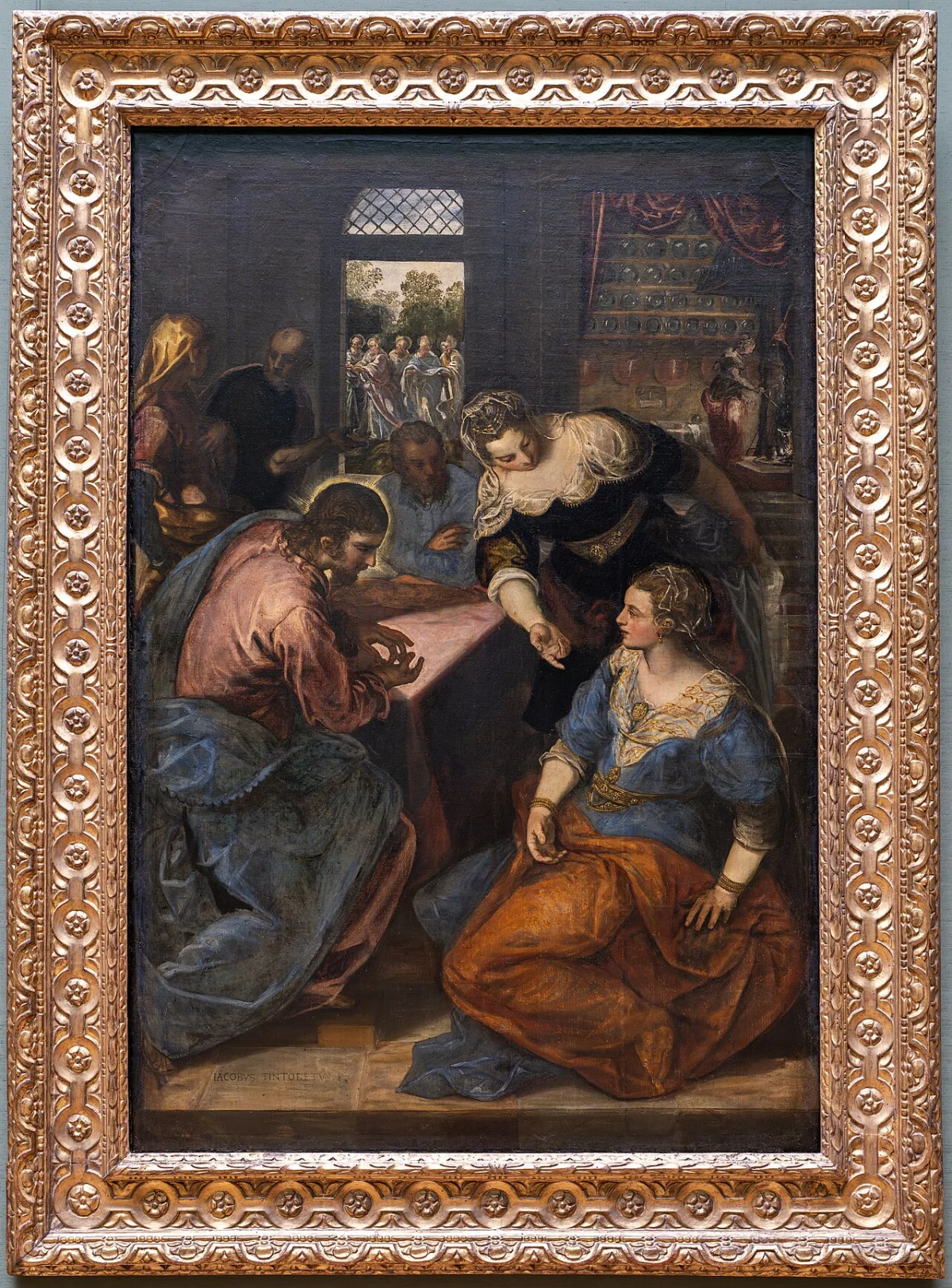
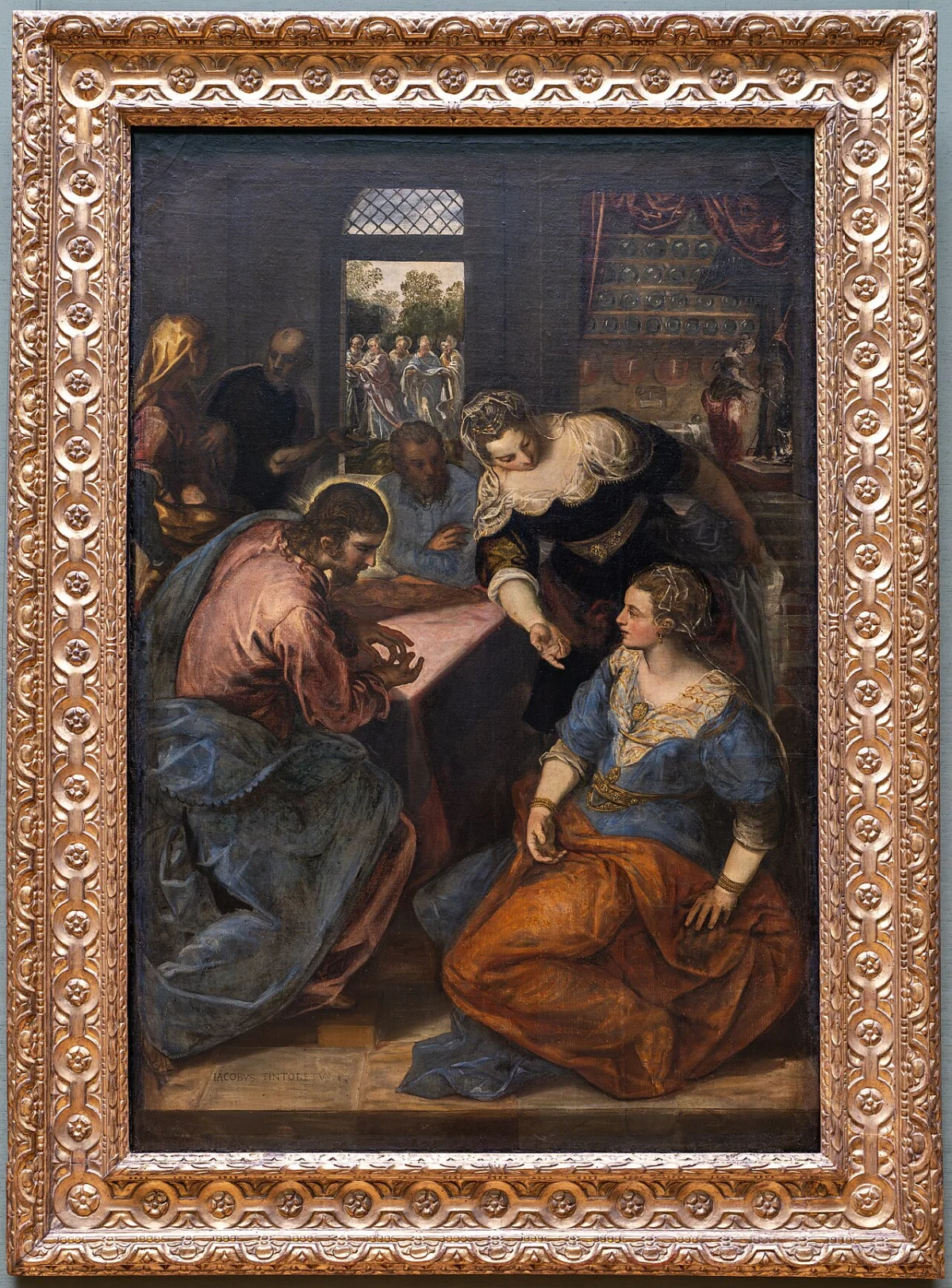
Velazquez’s "Christ in the House of Mary and Martha" showcases his remarkable skill with oil on canvas, a medium he used to achieve lifelike textures and subtle lighting effects. Through meticulous brushwork, the artist highlights both the spiritual and domestic themes, making this painting a prized example of Realism. Art lovers may also explore related works such as "Breakfast" and "Kitchen Scene with the Supper in Emmaus" for further inspiration in classic oil on canvas artistry.
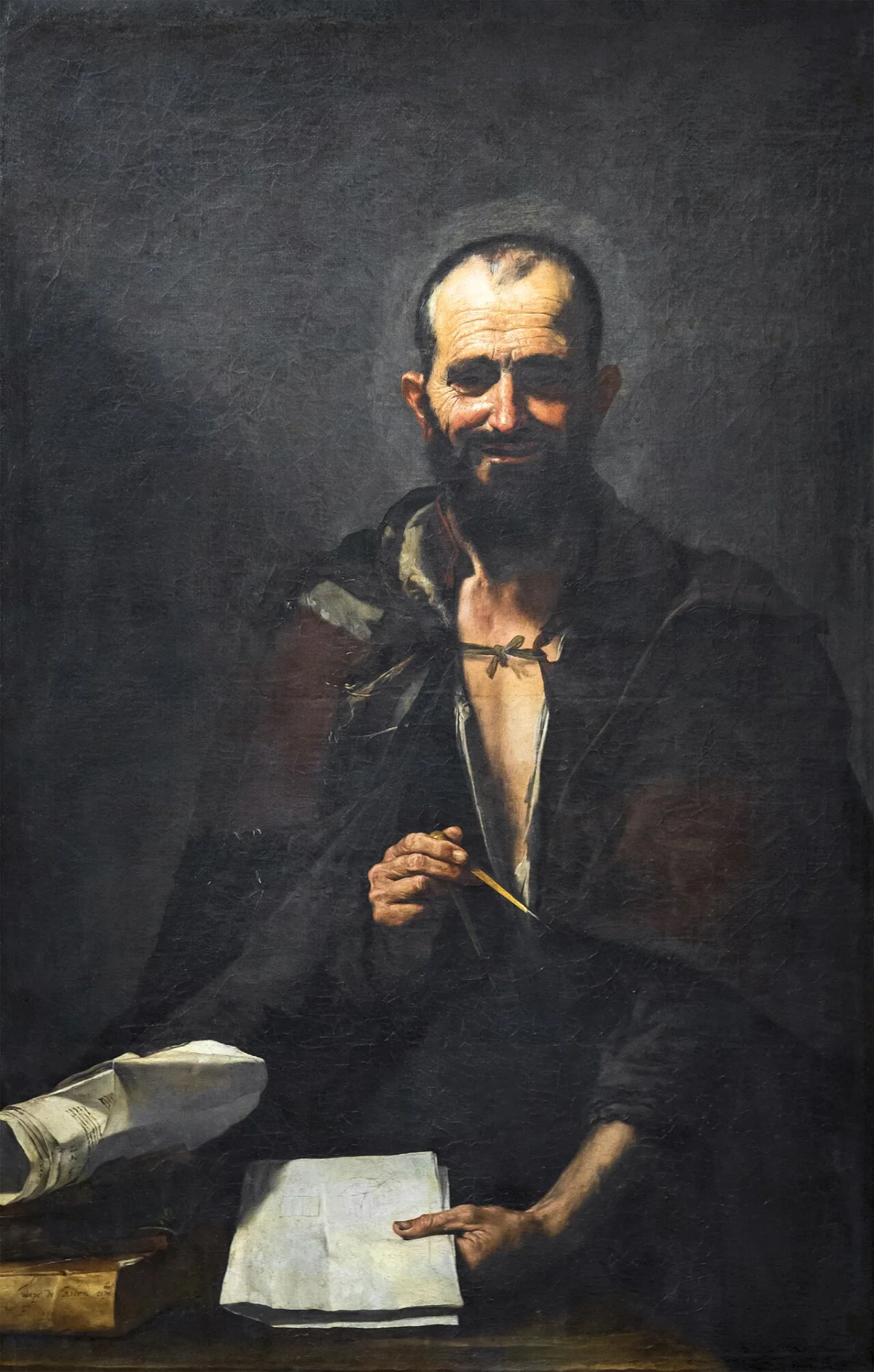
This fine art painting for sale reveals intricate storytelling as Velazquez weaves biblical themes with everyday life. "Christ in the House of Mary and Martha" subtly contrasts action and contemplation, inviting viewers to reflect on faith and duty. The Realism movement’s focus on authentic detail is evident here, and collectors may find similar symbolic richness in Velazquez’s other works, including "The Immaculate Conception" and "Democritus," each a testament to his narrative skill.
For those passionate about hand-painted oil paintings, Velazquez’s "Christ in the House of Mary and Martha" represents a unique opportunity. This piece, rooted in the Realism movement, stands alongside legendary works like "An Old Woman Cooking Eggs" and "Las Meninas" as a must-have for discerning collectors. With its historical significance and masterful execution, this painting is not just a visual delight but a valuable fine art painting for sale that enriches any personal collection.
When Art Meets History
Diego Rodriguez de Silva y Velazquez’s masterpiece, "Christ in the House of Mary and Martha," stands as a testament to the Realism movement. Painted in the early seventeenth century, this hand-painted oil painting captures a pivotal biblical moment with extraordinary detail. Velazquez, renowned for his lifelike representations, influenced later Realist artists. Comparable works, such as "The Gleaners" and "The Spanish Singer," echo his commitment to authenticity and historical context within the realm of fine art.
Techniques That Speak
Velazquez’s "Christ in the House of Mary and Martha" is a prime example of oil on canvas mastery. He skillfully blends light and shadow to create depth, while his brushwork renders textures with astonishing realism. The Realism movement’s focus on everyday life is evident, much like in "A Dash for the Timber" and "In the Wild North…". The painting’s composition and lifelike quality make it a significant milestone in the evolution of oil on canvas techniques.
Emotions on Display
This fine art painting for sale showcases Velazquez’s ability to evoke deep emotion through subtle expressions and body language. In "Christ in the House of Mary and Martha," the tension between spiritual devotion and domestic duty unfolds through the characters’ gestures. The Realist approach is mirrored in works like "Breezing Up (or A Fair Wind)," where genuine emotion is central. Velazquez’s portrayal invites viewers to connect personally with the scene’s timeless narrative.
Coveted by Collectors
"Christ in the House of Mary and Martha" remains highly sought after among art enthusiasts and collectors of hand-painted oil paintings. Velazquez’s reputation, solidified within the Realism movement, ensures the painting’s enduring value. Its influence can be seen in related works such as "The Spanish Singer" and "The Gleaners." As a cornerstone of Realist art, this masterpiece continues to captivate those searching for a unique fine art painting for sale.
Related Realism Hand-Painted Oil Paintings by Other Artists
Other Famous Realism Artists:
Frequently Asked Questions About Christ in the House of Mary and Martha
What is the historical context of "Christ in the House of Mary and Martha"?
This painting was created by Diego Rodriguez de Silva y Velazquez in 1618, during the Spanish Golden Age, a period marked by flourishing arts and culture in Spain. It reflects the religious and social dynamics of the time, particularly the importance of hospitality and piety in Christian life.
What is the significance of the subject matter in the painting?
The painting depicts the biblical story of Mary and Martha, sisters who hosted Jesus in their home. It symbolizes the dichotomy between the contemplative life (Mary) and the active life (Martha), prompting viewers to reflect on the balance between spiritual devotion and daily responsibilities.
How does Velazquez's style contribute to the painting's impact?
Velazquez employs a naturalistic style characterized by realistic figures and expressive gestures. His use of light and shadow enhances the emotional depth of the scene, drawing the viewer's attention to the interactions between the characters and emphasizing the moment's significance.
What artistic techniques are evident in this work?
In "Christ in the House of Mary and Martha," Velazquez utilizes chiaroscuro to create depth and volume, as well as a rich color palette that adds warmth to the scene. The careful arrangement of figures and objects leads the viewer's eye through the composition, highlighting the narrative's key elements.
What role does symbolism play in the painting?
The painting is rich in symbolism; for instance, the contrasting positions of Mary and Martha represent different approaches to faith and duty. Additionally, the presence of Christ signifies divine wisdom, while the domestic setting underscores the importance of hospitality in Christian teachings.
How does this painting reflect Velazquez's artistic evolution?
This work showcases Velazquez's early mastery of composition and character portrayal, which would later evolve into more complex narratives in his mature works. It marks a significant step in his journey towards becoming one of the most influential painters of the Baroque period.
What influence did "Christ in the House of Mary and Martha" have on later artists?
The painting has inspired numerous artists who explore similar themes of domesticity and spirituality. Its blend of realism and narrative depth set a precedent for future works that seek to capture the human experience within a religious context.
Where is the painting currently housed?
"Christ in the House of Mary and Martha" is part of the collection at the National Gallery of Scotland in Edinburgh. It is a key piece that represents Velazquez's early career and is frequently studied for its artistic and historical significance.
What are the notable features of the figures in the painting?
The figures are depicted with a remarkable sense of individuality and emotion. Velazquez captures the distinct personalities of Mary and Martha through their expressions and postures, with Martha appearing busy and concerned, while Mary is portrayed in a moment of contemplation.
How does the painting reflect the cultural values of 17th-century Spain?
The painting reflects the cultural values of 17th-century Spain by emphasizing the importance of family, hospitality, and religious devotion. It illustrates the societal expectation of women to fulfill domestic roles while also highlighting the spiritual significance of their actions.























_GFM_Painting_(1).webp)


 100% Hand-Painted: Finished in 3-6 Weeks

.png)















_(1).webp)