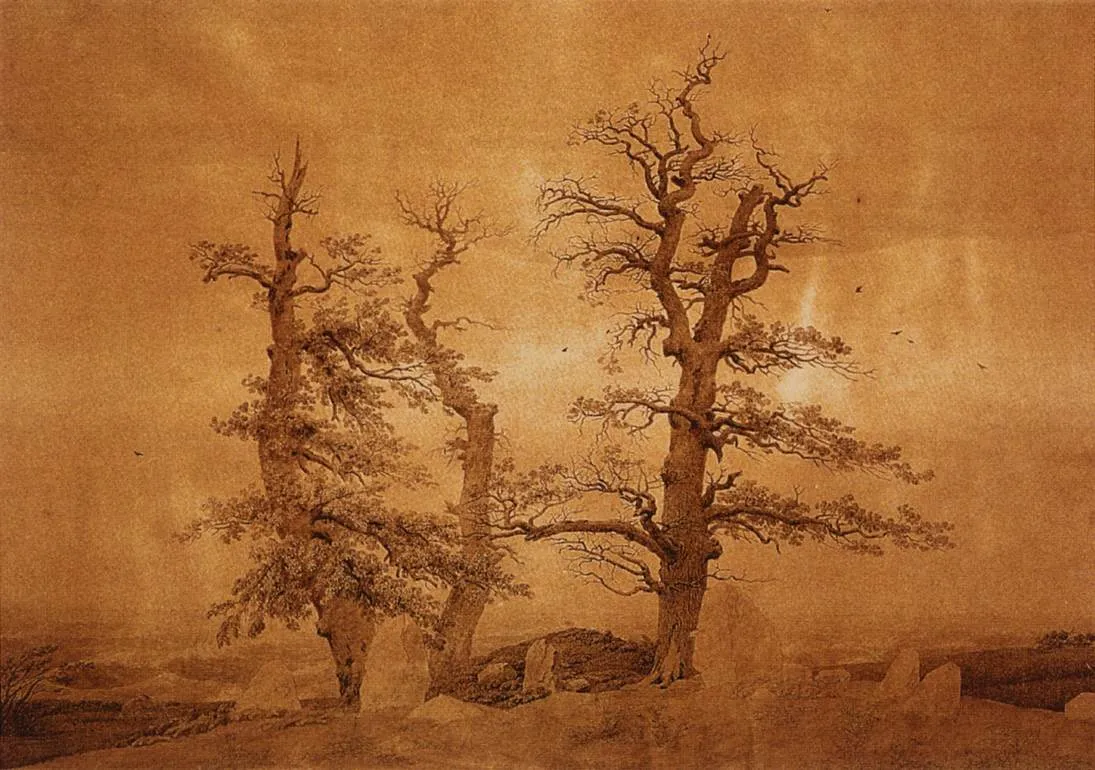
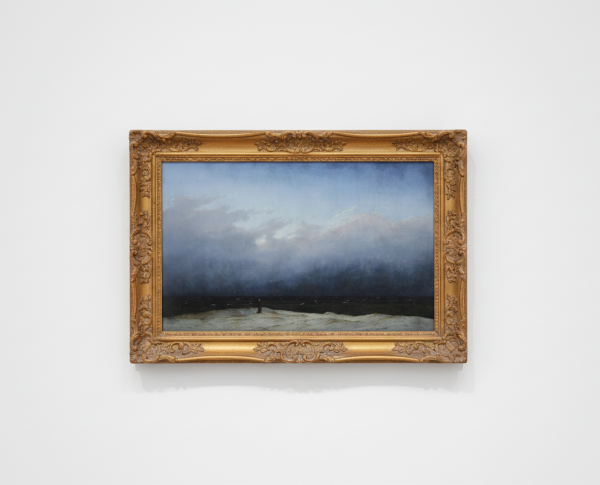
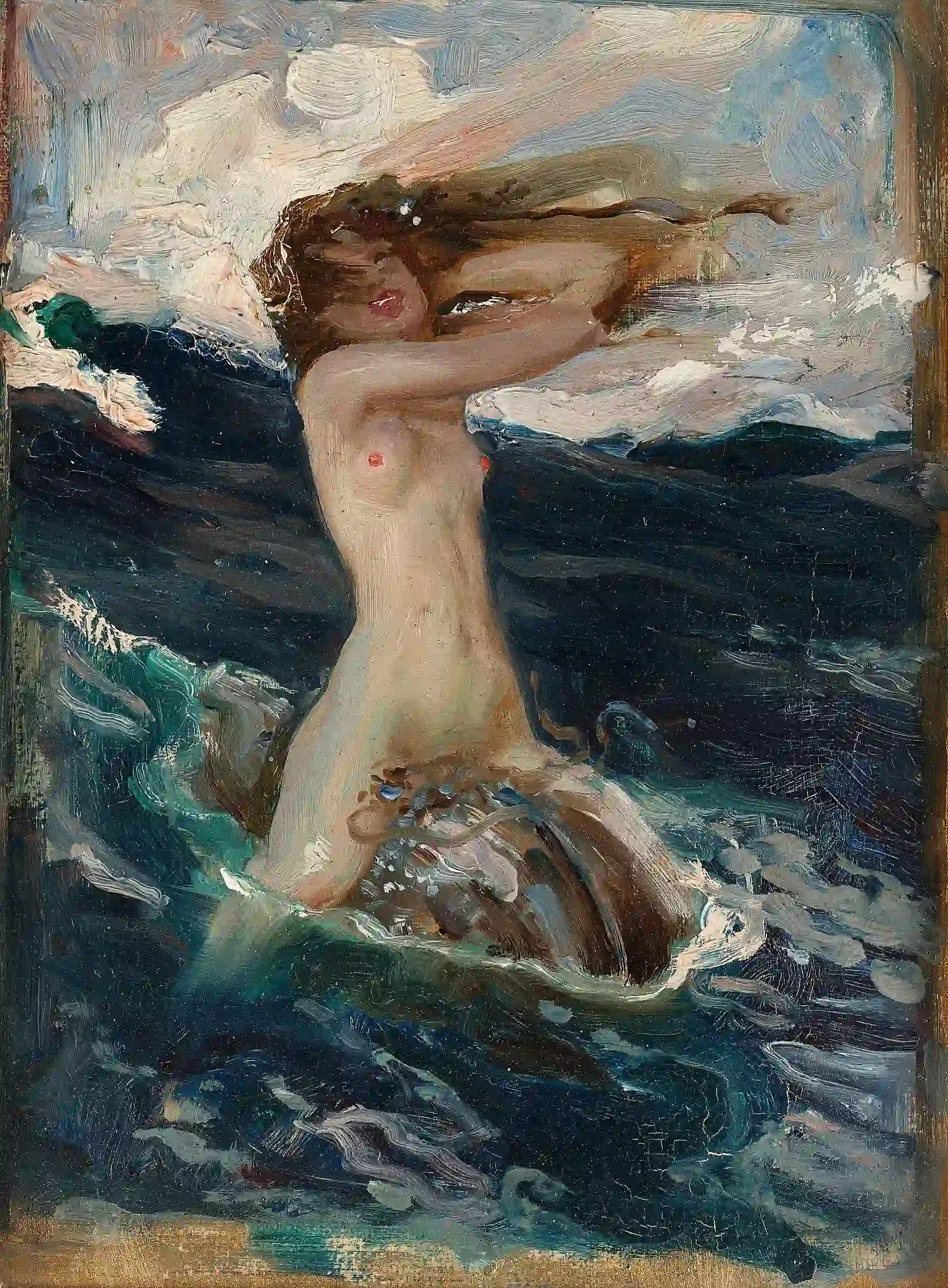
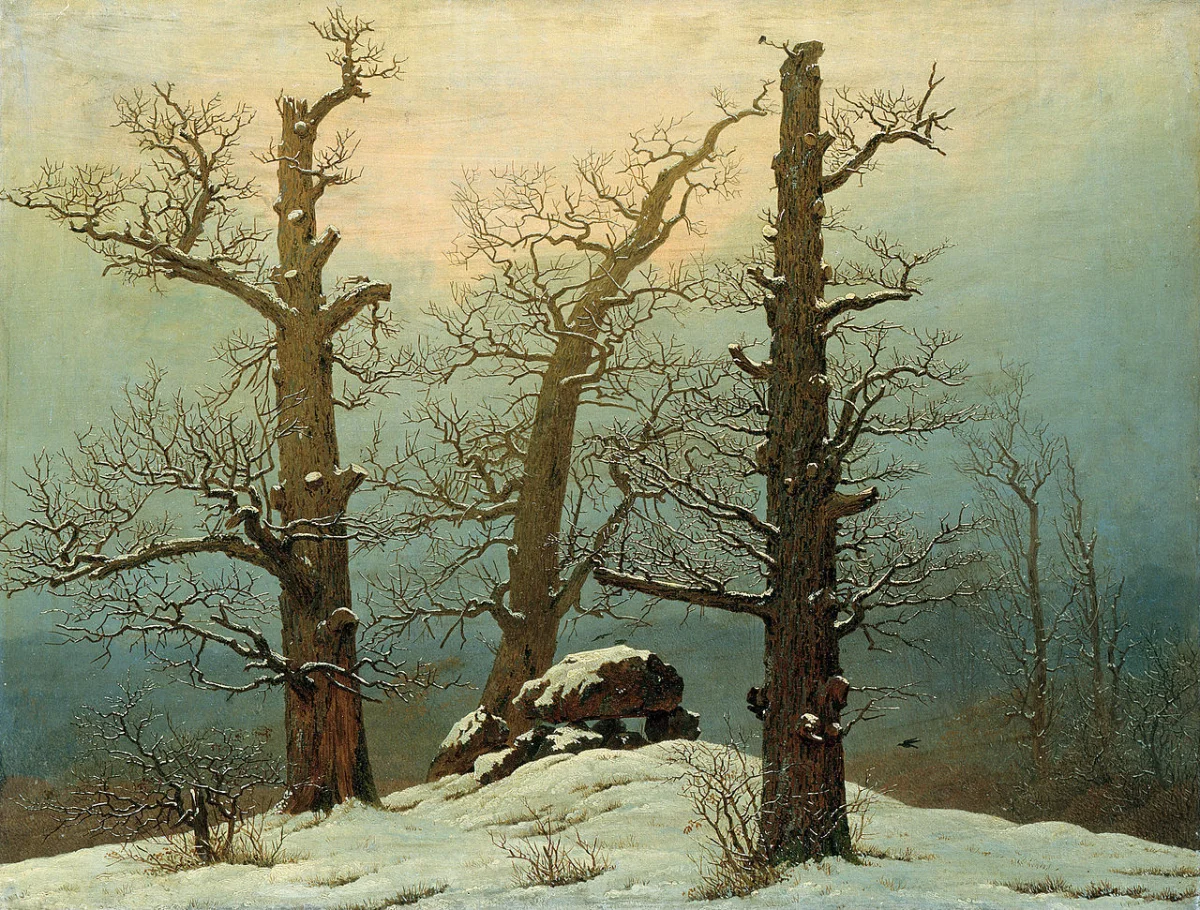
Caspar David Friedrich’s "Dolmen in snow" showcases his technical prowess with oil on canvas, blending subtle color transitions to evoke the chill and tranquility of a snowy scene. His meticulous brushwork, evident in works like "View of Arkona with Moon Rising" and "Rock arch in the Uttewalder Grund," solidifies his reputation within the Romanticism movement. Each oil on canvas painting by Friedrich demonstrates a masterful balance between composition, light, and mood, making his pieces sought-after by discerning collectors.
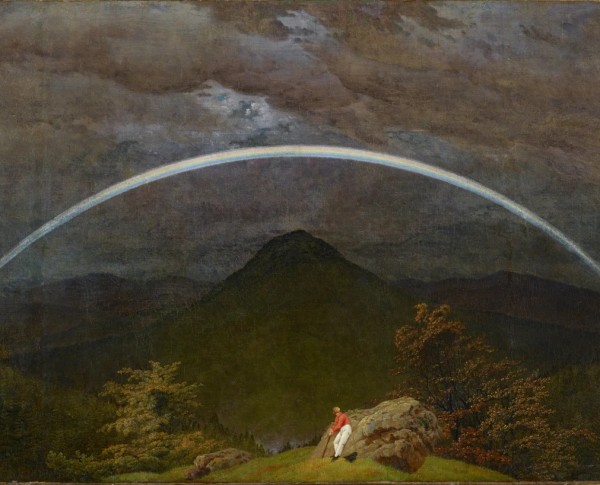
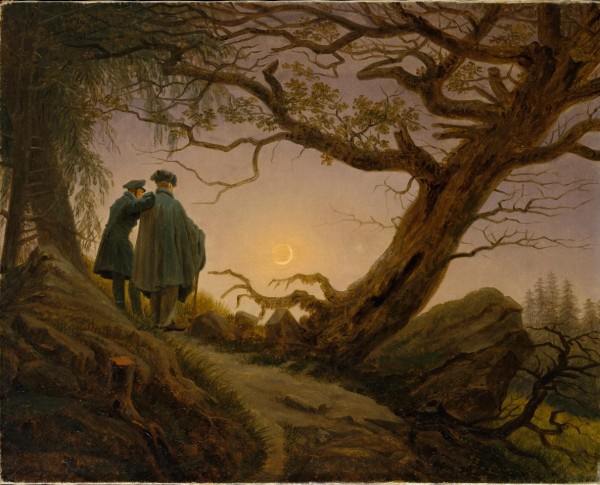
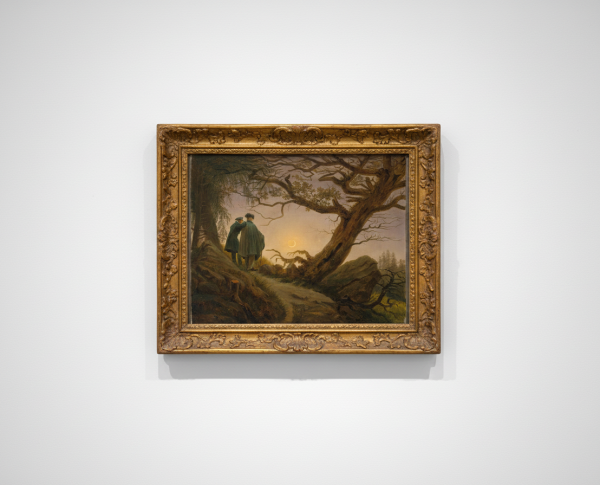
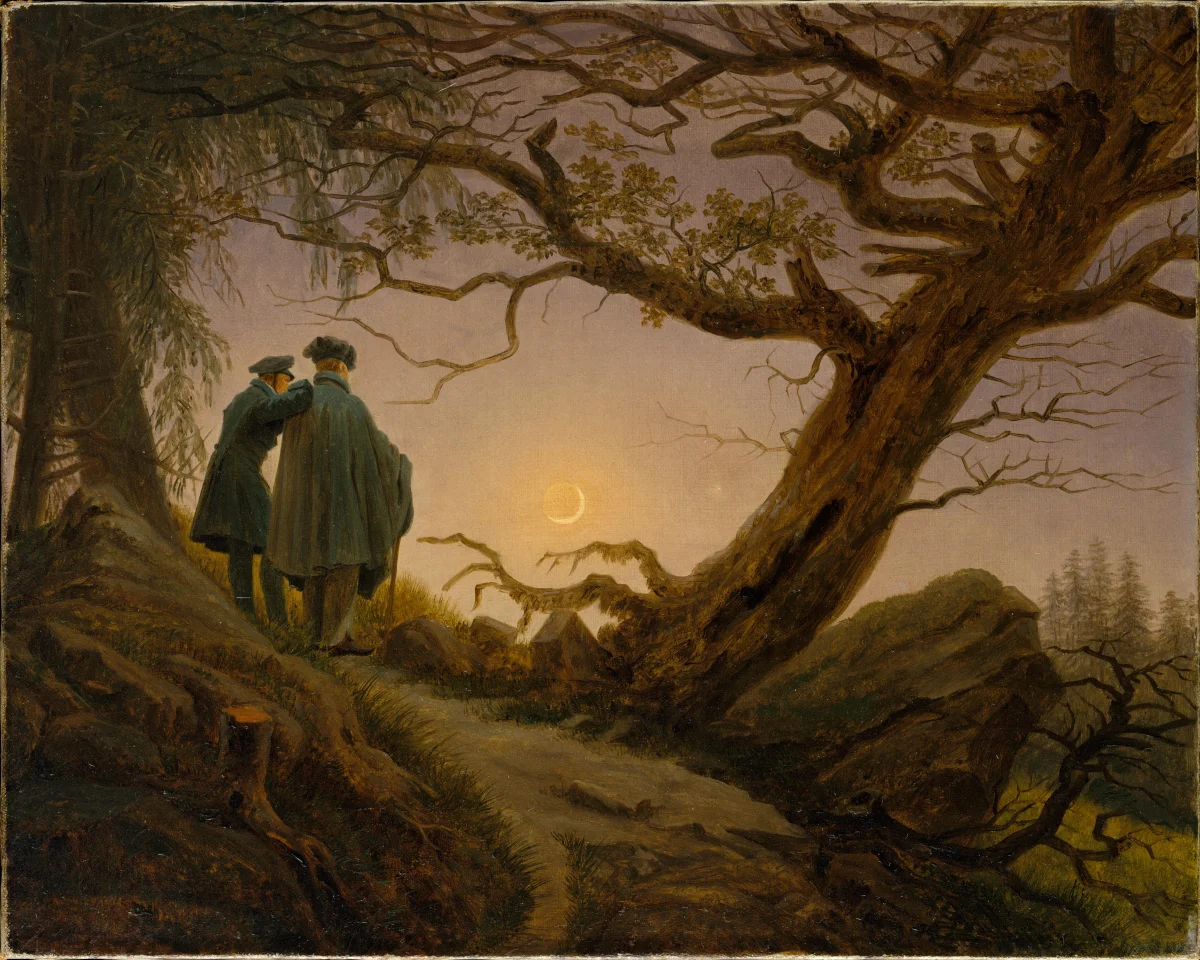
Within "Dolmen in snow," Friedrich weaves layers of symbolism and narrative typical of Romanticism. The dolmen, shrouded in snow, hints at ancient rituals and the enduring mysteries of nature. Like "Two men contemplating the Moon," this hand-painted oil painting invites viewers to reflect on life’s transience and the sublime. Friedrich’s symbolic landscapes, including "The Summer," offer a gateway into deeper philosophical exploration, making them captivating additions to any fine art collection.
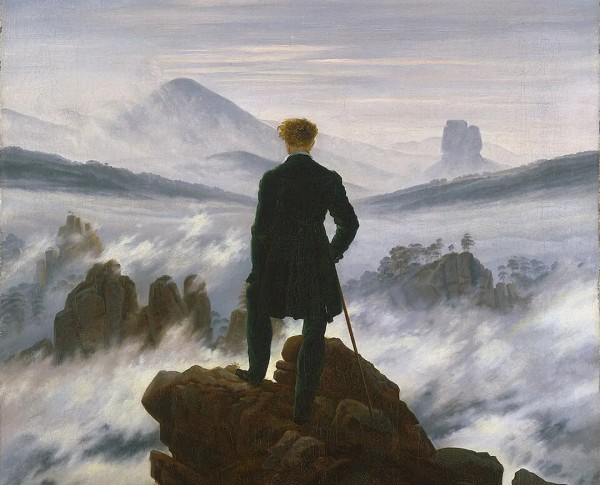
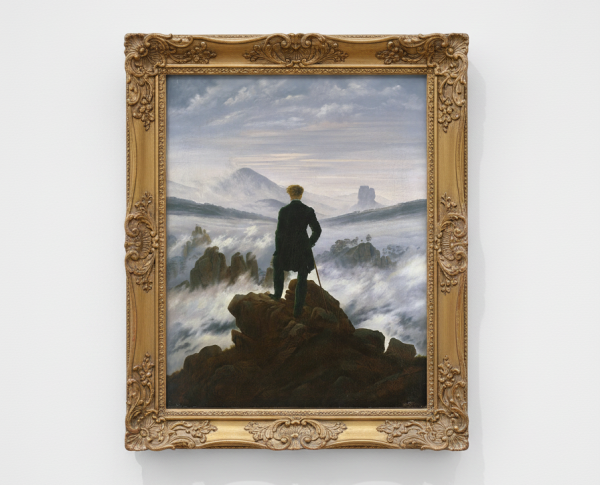
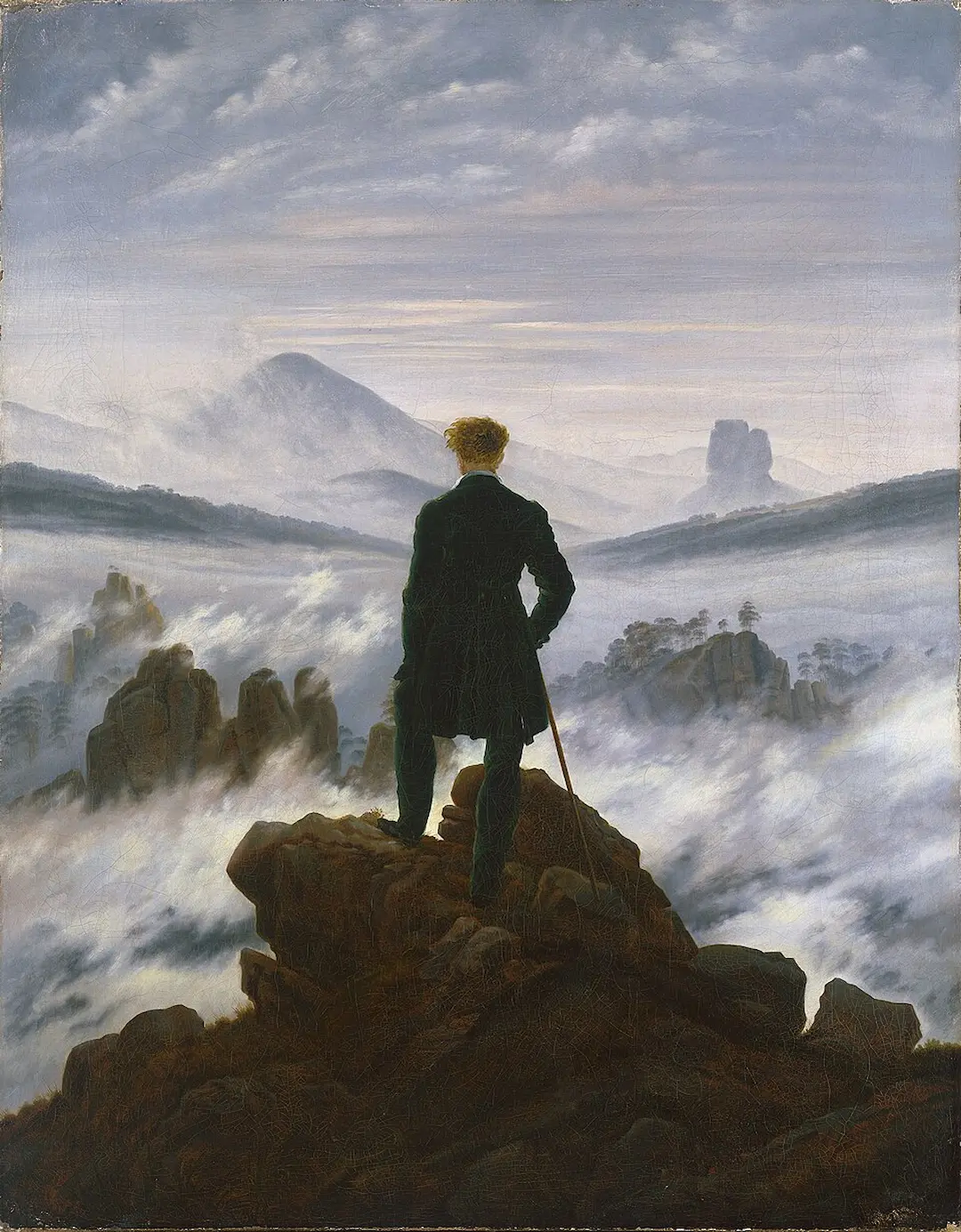
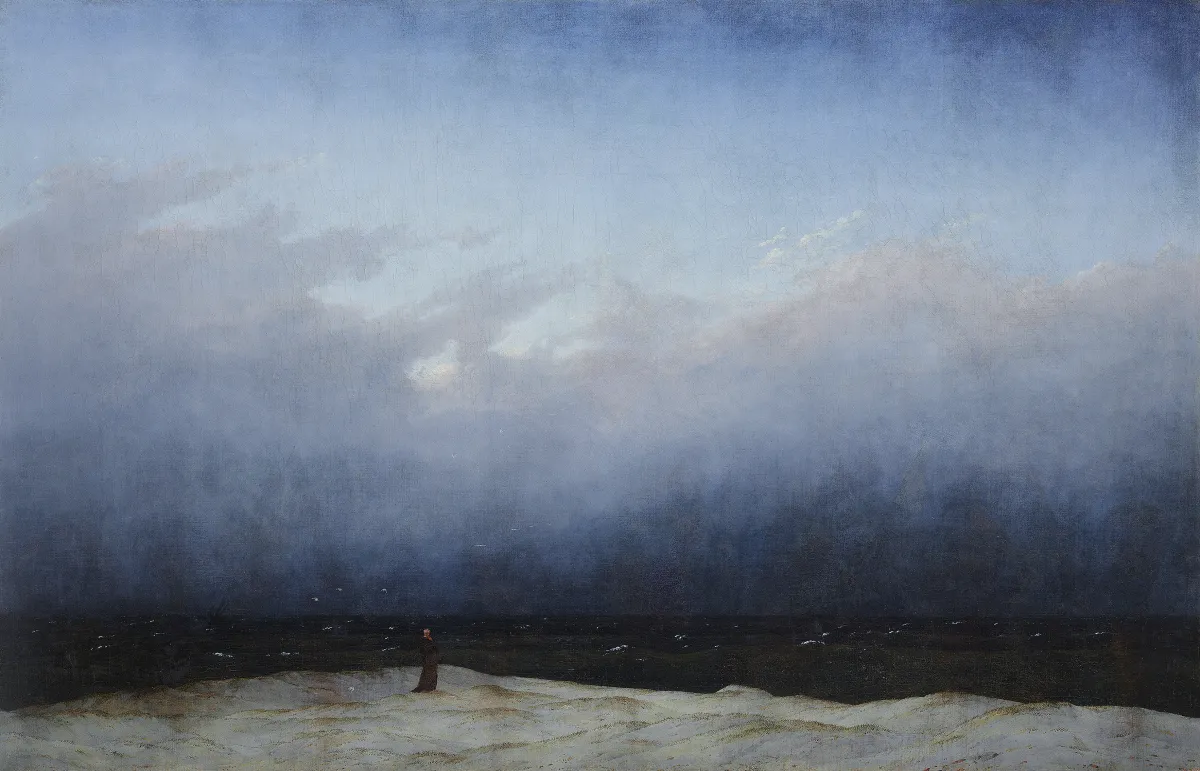
For collectors seeking a fine art painting for sale that embodies the essence of Romanticism, Caspar David Friedrich’s "Dolmen in snow" is an exceptional choice. Its evocative landscape and expert technique place it among the most revered oil on canvas works of the era, alongside related masterpieces such as "The Wanderer above the Mists 1817-18" and "View of Arkona with Moon Rising." Owning this painting means possessing a piece of art history and timeless beauty.
When Art Meets History
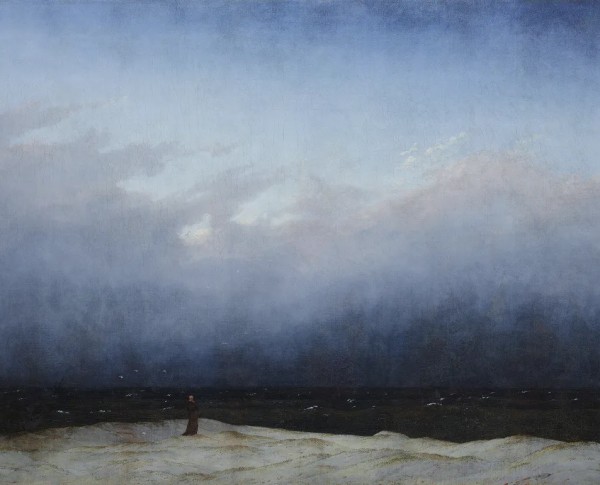
"Dolmen in Snow" by Caspar David Friedrich stands as a testament to Romanticism, where nature and ancient history intertwine. This hand-painted oil painting captures the solemn beauty of a snow-covered megalith, evoking a sense of mystery and reverence. Friedrich, renowned for works like "The Sea" and "Ulysses at the court of Alcinous," masterfully uses landscape to reflect on humanity’s past. The painting’s historical depth makes it a sought-after piece among those who appreciate art with a story.
Techniques That Speak
Caspar David Friedrich’s "Dolmen in Snow" demonstrates his exceptional skill with oil on canvas. The brushwork brings out the icy textures and the weight of the ancient stones, while subtle color gradations evoke a chilling, tranquil atmosphere. This technique is also evident in related paintings such as "Granada" and "Bear and Cubs." Friedrich’s use of oil on canvas not only enhances realism but also imparts a timeless quality, making each piece a remarkable example of Romanticist artistry.
Emotions on Display
In "Dolmen in Snow," Friedrich conveys profound solitude and contemplation, hallmarks of the Romanticism movement. The stark winter landscape and enigmatic dolmen stir deep emotions, inviting viewers to reflect on life, death, and nature’s majesty. Like his work "Sappho at Leucate," this fine art painting for sale resonates with those seeking emotional depth in art. The painting’s evocative mood continues to captivate collectors and admirers of Friedrich’s expressive vision.
Coveted by Collectors
Caspar David Friedrich’s "Dolmen in Snow" is highly coveted by collectors of Romanticism and historical art. As with his celebrated pieces "The Sea" and "Granada," this hand-painted oil painting exemplifies the era’s fascination with nature and ancient monuments. Its rarity and emotional impact make it a prized acquisition for those seeking a fine art painting for sale that combines artistic mastery with historical intrigue, ensuring its enduring appeal in prestigious collections.
Related Romanticism Hand-Painted Oil Paintings by Other Artists
Other Famous Romanticism Artists:
Frequently Asked Questions About Dolmen in snow
What is the historical context of "Dolmen in snow"?
"Dolmen in snow" was painted by Caspar David Friedrich in the early 19th century, a period marked by Romanticism, which emphasized emotion and nature. This painting reflects the artist's fascination with the sublime and the interplay between humanity and the natural world.
What artistic techniques did Caspar David Friedrich use in "Dolmen in snow"?
Friedrich employed a combination of chiaroscuro and atmospheric perspective to create depth and mood in "Dolmen in snow." The use of light and shadow enhances the emotional impact of the scene, drawing the viewer's eye to the dolmen as a focal point amidst the snowy landscape.
What is the significance of the dolmen in the painting?
The dolmen serves as a symbol of ancient human presence and connection to the past. It represents the intersection of nature and human history, evoking themes of memory, time, and the transience of life within the vastness of the natural world.
How does the snow contribute to the painting's symbolism?
The snow in "Dolmen in snow" symbolizes purity, tranquility, and the passage of time. It creates a serene atmosphere while also suggesting the harshness of nature, reflecting the duality of beauty and desolation that Friedrich often explored in his works.
What emotions does "Dolmen in snow" evoke in viewers?
The painting evokes a sense of solitude and contemplation, inviting viewers to reflect on their own existence in relation to nature. The stark contrast between the dolmen and the surrounding snow creates a poignant meditation on mortality and the enduring nature of the past.
In what ways does "Dolmen in snow" reflect Romantic ideals?
"Dolmen in snow" embodies Romantic ideals through its emphasis on individual experience, the beauty of nature, and the exploration of the sublime. Friedrich's portrayal of the dolmen against a vast, snowy landscape highlights the emotional resonance of the natural world.
What role does light play in "Dolmen in snow"?
Light in "Dolmen in snow" plays a crucial role in creating mood and atmosphere. The soft, diffused light enhances the ethereal quality of the scene, illuminating the dolmen and emphasizing its significance as a historical and cultural artifact within the landscape.
How does "Dolmen in snow" compare to other works by Caspar David Friedrich?
What influence did "Dolmen in snow" have on later artists?
"Dolmen in snow" has influenced later artists by reinforcing the importance of landscape and emotion in art. Its exploration of the sublime and the relationship between humanity and nature can be seen in the works of later Romantic and Symbolist painters.
What is the legacy of Caspar David Friedrich's work, particularly "Dolmen in snow"?
The legacy of Caspar David Friedrich's work, including "Dolmen in snow," lies in its profound impact on the Romantic movement and its exploration of existential themes. His ability to evoke deep emotional responses through landscape painting continues to resonate with artists and audiences today.























_GFM_Painting_(1).webp)


 100% Hand-Painted: Finished in 3-6 Weeks

.png)















_(1).webp)