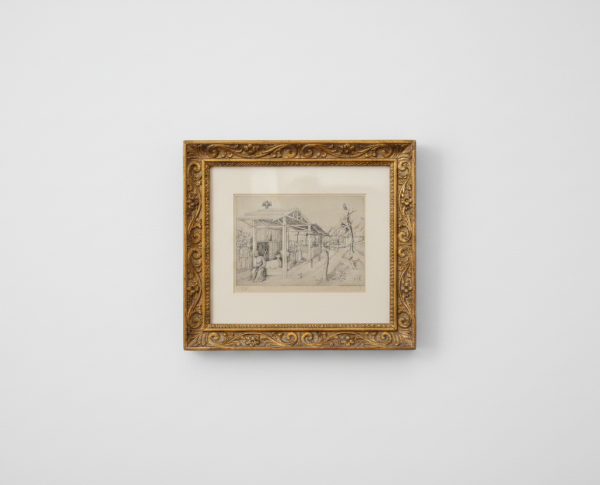
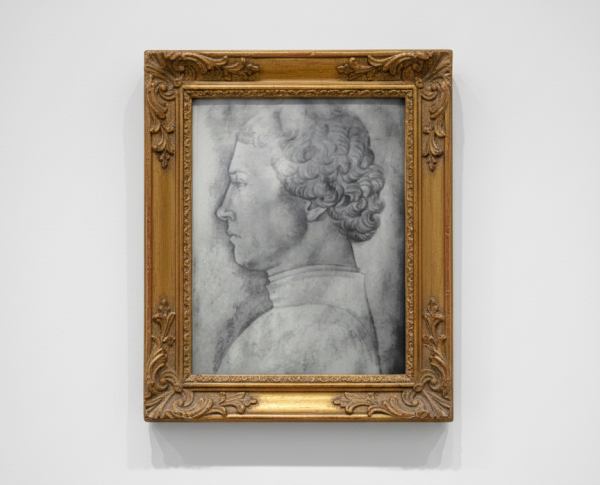
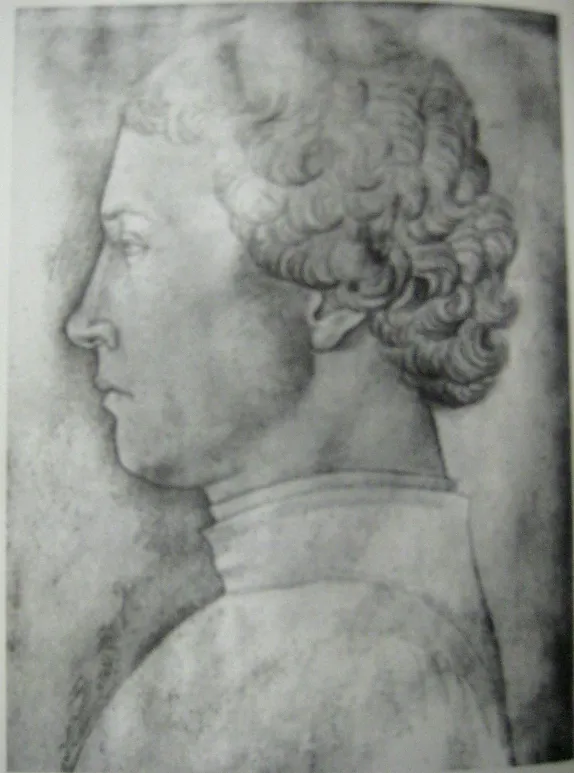
Jacopo Bellini’s "Flagellation" exemplifies the Early Renaissance devotion to realism and detail. The artist’s deft use of oil on canvas brings the scene to life, highlighting the emotional intensity and dynamic movement of the figures. Bellini’s innovative techniques influenced contemporaries and future generations alike. Collectors appreciate his meticulous craftsmanship, often exploring related works such as "Profile of a Man" and "Presentation of the Virgin at the Temple" for their collections of oil on canvas masterpieces.
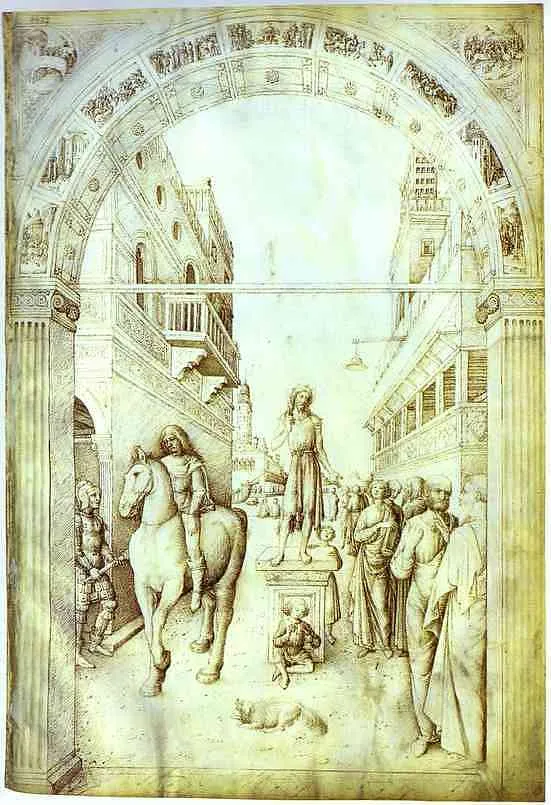
The narrative depth in "Flagellation" by Jacopo Bellini is enhanced by symbolic elements characteristic of the Early Renaissance period. This fine art painting for sale invites viewers to interpret the emotional expressions and intricate details woven throughout the composition. Bellini’s storytelling prowess is matched by his peers, as seen in related artworks like "St John the Baptist Preaching" and "The Agony in the Garden," each offering a unique glimpse into the spiritual and cultural themes of the era.
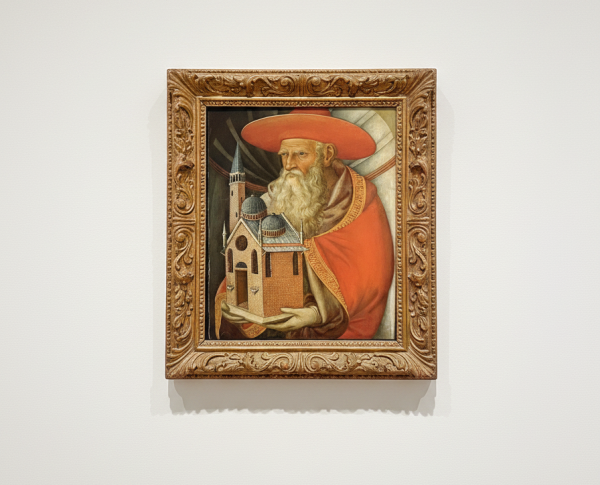
Owning "Flagellation" by Jacopo Bellini is a remarkable opportunity for any art enthusiast passionate about the Early Renaissance. This hand-painted oil painting not only showcases exceptional artistry but also a rich historical narrative. Collectors seeking a unique addition to their galleries often explore related masterpieces such as "Saint Jerome" and "Presentation of the Virgin at the Temple," recognizing Bellini’s works as both cultural treasures and timeless investments in the world of fine art.
When Art Meets History
"Flagellation" by Jacopo Bellini stands as a testament to the Early Renaissance movement, a period marked by innovation and a renewed interest in classical traditions. This hand-painted oil painting captures a pivotal biblical moment, reflecting not only Bellini's mastery but also the era's fascination with religious themes. Similar to related works like "Portrait of a Young Man" and "The Penance of St Jerome," Bellini’s composition invites viewers to step back in time and witness history through the lens of fine art.
Techniques That Speak
Jacopo Bellini’s "Flagellation" demonstrates refined oil on canvas techniques that were groundbreaking during the Early Renaissance. The artist’s use of perspective, delicate brushwork, and attention to anatomical detail set his work apart. Like his contemporaries who created "Allegory Of Spring La Primavera" and "The Madonna of Mercy," Bellini employed innovative methods that brought depth and realism to religious narratives, leaving a lasting influence on generations of painters who followed his esteemed tradition.
Emotions on Display
In "Flagellation," Jacopo Bellini masterfully conveys intense human emotion, a hallmark of Early Renaissance art. The anguish and devotion depicted in this fine art painting for sale resonate with viewers, echoing the sentiments found in works such as "Lamentation over the Dead Christ." Through expressive faces and dynamic composition, Bellini invites us to experience the emotional gravity of the scene, highlighting his ability to unite spiritual storytelling with vivid, relatable human feelings.
Coveted by Collectors
"Flagellation" by Jacopo Bellini remains highly sought after by collectors of Early Renaissance art. As with renowned pieces like "The Madonna of Mercy" and "Portrait of a Young Man," owning an original or reproduction of this oil on canvas masterpiece symbolizes an appreciation for historical artistry. Collectors value Bellini’s work for its historical significance and technical brilliance, making this painting a prized addition to any fine art collection focused on Renaissance masterpieces.
Related Early Renaissance Hand-Painted Oil Paintings by Other Artists
Other Famous Early Renaissance Artists:
Frequently Asked Questions About Flagellation
What is the historical context of "Flagellation" by Jacopo Bellini?
"Flagellation" was created during the early Renaissance period, a time marked by a renewed interest in classical antiquity and humanism. Jacopo Bellini, a pivotal figure in Venetian painting, produced this work in the 15th century, reflecting the era's evolving artistic techniques and spiritual themes.
What are the main themes depicted in "Flagellation"?
The painting explores themes of suffering, redemption, and the human condition. It illustrates the moment of Christ's flagellation, emphasizing both physical pain and spiritual significance, which invites viewers to contemplate the nature of sacrifice and salvation.
How does "Flagellation" reflect the artistic style of Jacopo Bellini?
What symbolism is present in "Flagellation"?
The flagellation itself symbolizes the suffering of Christ and serves as a reminder of the passion and sacrifice inherent in Christian theology. The presence of other figures in the painting may represent various responses to suffering, from compassion to indifference.
Who are the figures depicted alongside Christ in "Flagellation"?
Alongside Christ, the painting features figures such as soldiers and religious leaders, each contributing to the narrative of Christ's suffering. Their expressions and postures provide insight into the societal and religious attitudes of the time regarding punishment and authority.
What techniques did Jacopo Bellini use in "Flagellation" to convey emotion?
Bellini employed techniques such as expressive facial features, dynamic poses, and a carefully constructed composition to evoke a sense of drama and emotional depth. The use of light and shadow further enhances the emotional impact of the scene.
How does "Flagellation" compare to other works of the same theme?
Compared to other depictions of the flagellation of Christ, Bellini's work is notable for its psychological depth and the intricate interplay of figures. His approach contrasts with more traditional representations by focusing on the emotional responses of the characters involved.
What influence did "Flagellation" have on later artists?
"Flagellation" influenced subsequent generations of artists by demonstrating the potential for emotional expression and narrative complexity in religious art. Bellini's techniques and thematic choices inspired artists such as Giovanni Bellini and Titian, who further developed these ideas in their own works.
What materials and techniques were used in the creation of "Flagellation"?
Jacopo Bellini likely used tempera on wood for "Flagellation," a common medium of the time. His meticulous layering of paint and attention to detail reflect the high level of craftsmanship characteristic of early Renaissance art.
What is the significance of the setting in "Flagellation"?
The setting of "Flagellation" plays a crucial role in establishing the narrative context. The architectural elements and background details provide a sense of place, grounding the dramatic event in a recognizable environment that enhances the viewer's engagement with the scene.






















_GFM_Painting_(1).webp)

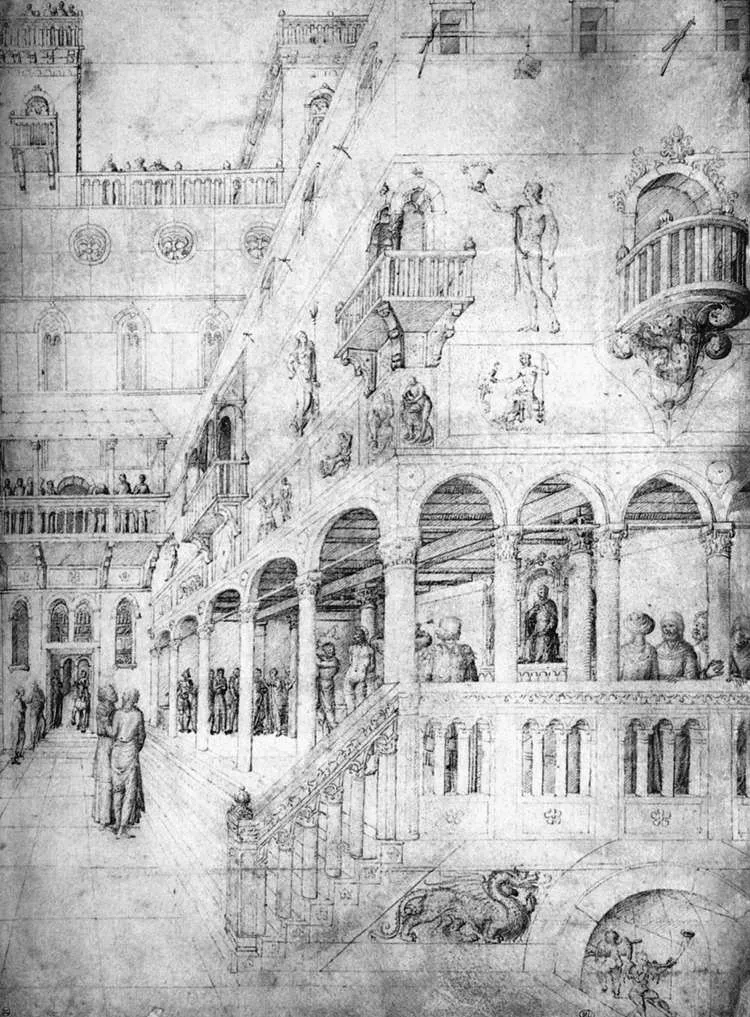

 100% Hand-Painted: Finished in 3-6 Weeks

.png)
















_(1).webp)