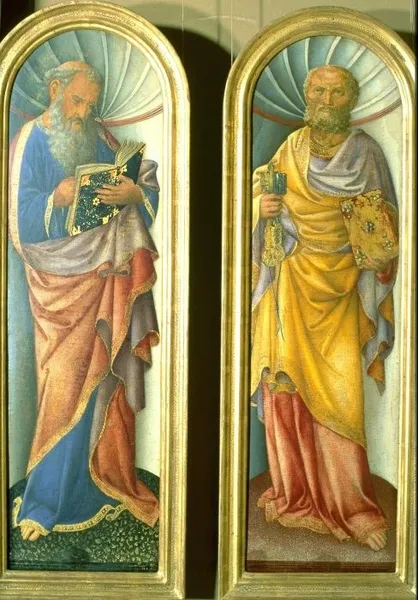
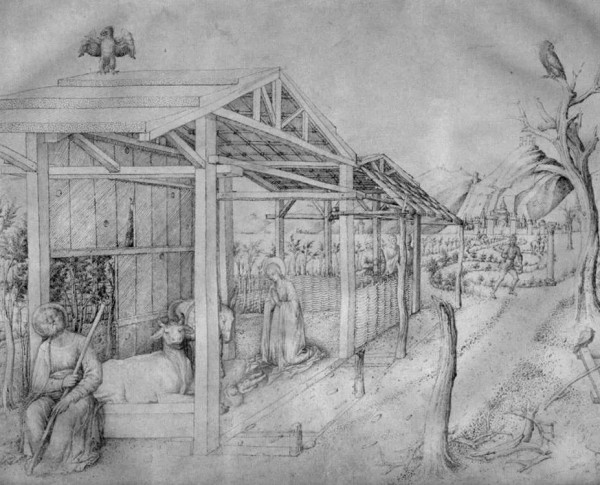
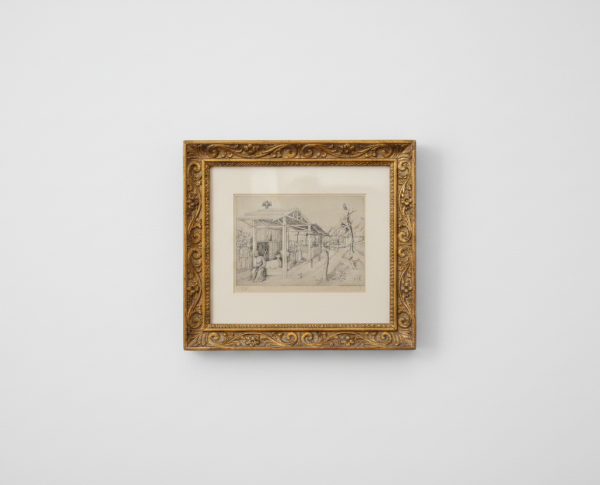
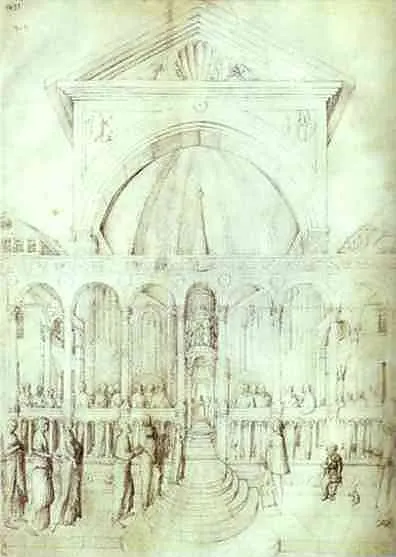
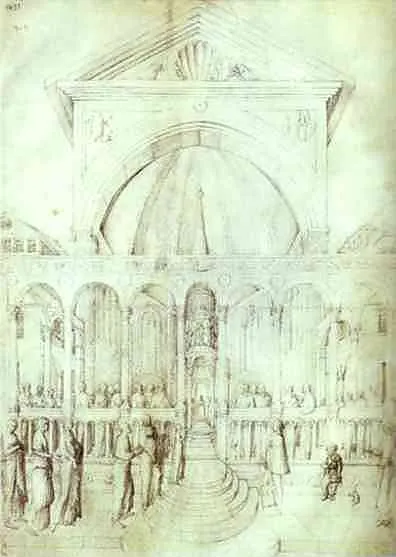
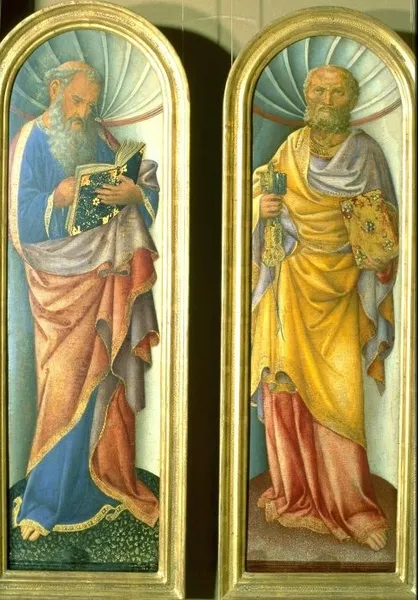
Crafted with exceptional skill, Bellini’s "Presentation of the Virgin at the Temple" showcases the meticulous detail and vibrant color typical of oil on canvas during the Early Renaissance. Each brushstroke demonstrates the artist’s devotion to realism and depth, setting a standard for his contemporaries. Collectors and enthusiasts admire similar masterpieces such as "John the Evangelist" and "the Apostle Peter," both reflecting Bellini’s technical prowess and his influence on generations of artists.
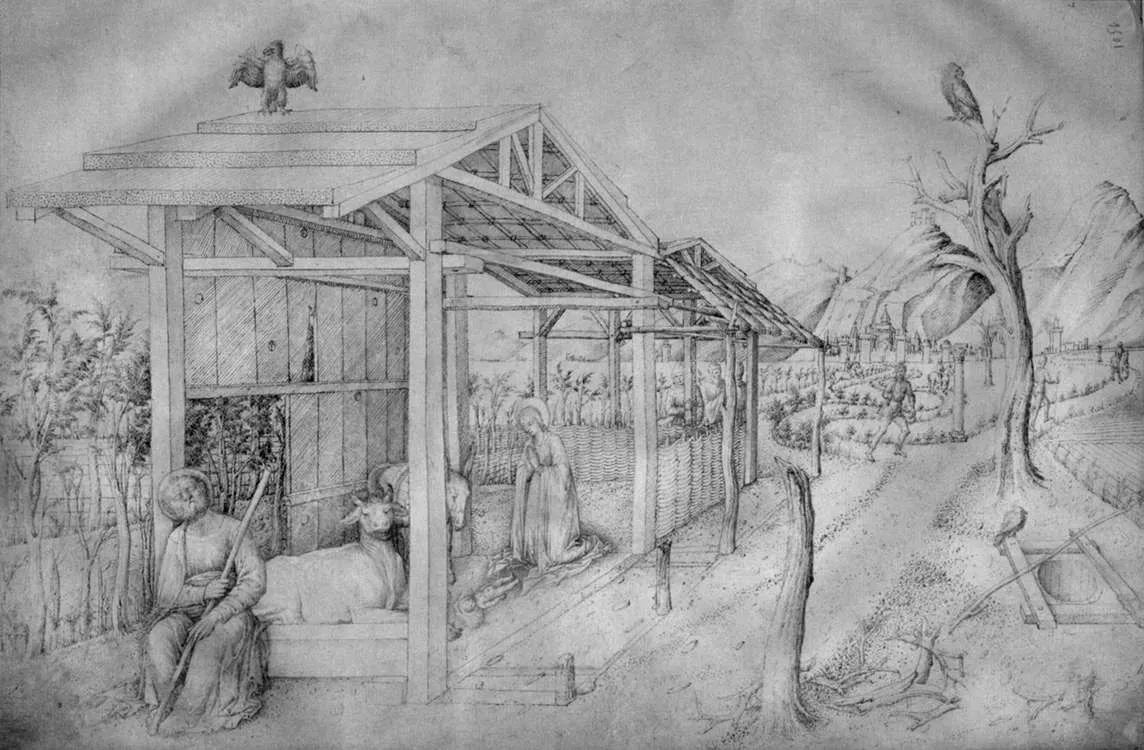
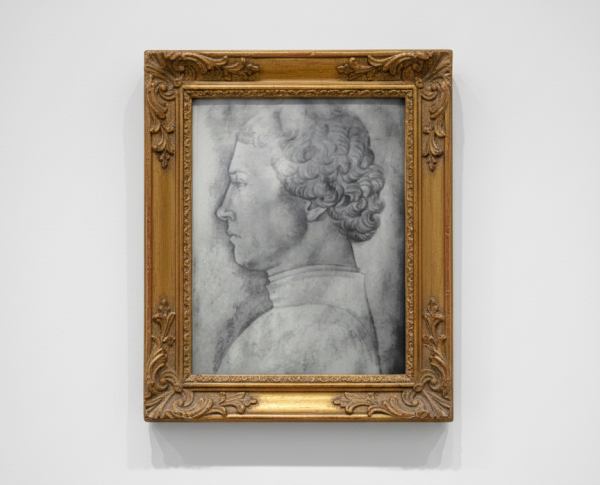
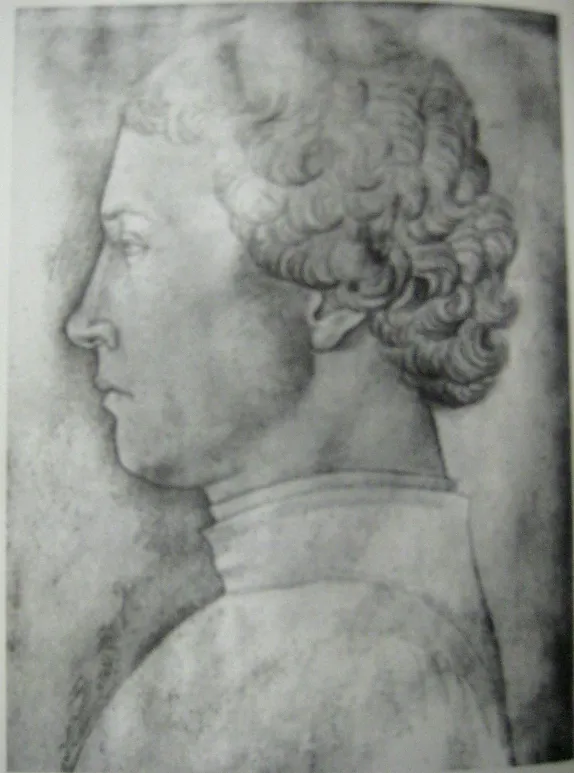
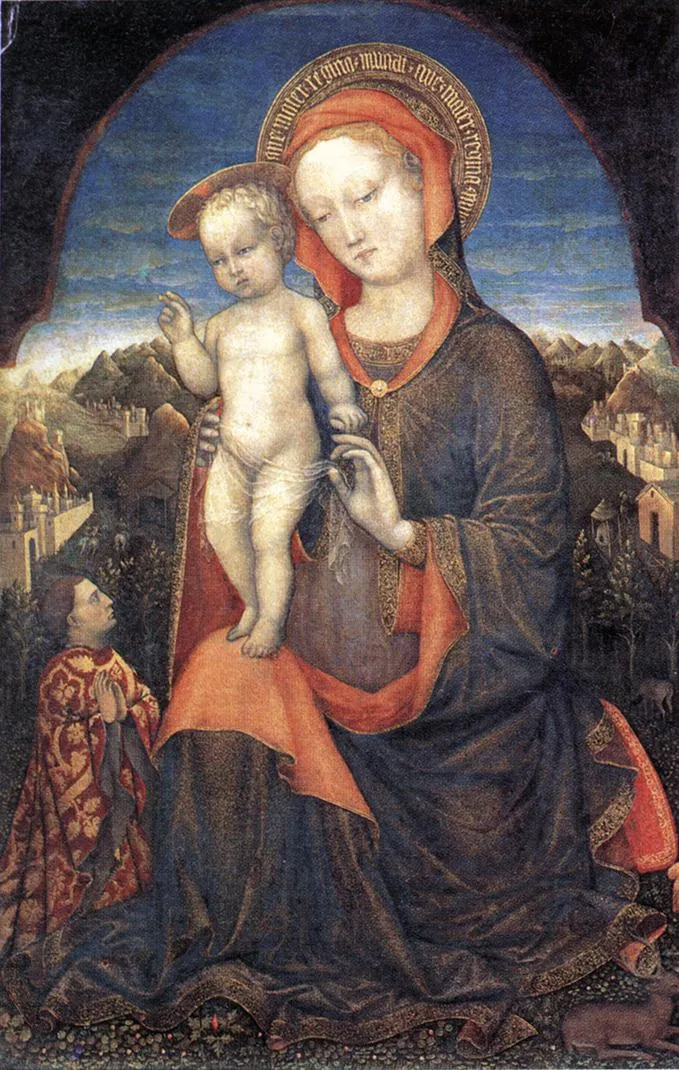
In this fine art painting for sale, Jacopo Bellini weaves a narrative rich in symbolism, portraying the Virgin Mary’s dedication at the temple. The composition is filled with meaningful gestures and figures, inviting viewers to interpret its spiritual significance. Bellini’s storytelling ability is evident in his other works, including "Profile of a man" and "The Madonna of Humility adored by Leonello d'Este," where each detail enhances the overall message and emotional impact.
Owning "Presentation of the Virgin at the Temple" by Jacopo Bellini means possessing a hand-painted oil painting that embodies the innovation of the Early Renaissance. This masterpiece, along with others like "The Agony in the Garden," represents a pivotal moment in art history. Collectors value these works not only for their beauty but also for their connection to a transformative era, making them essential additions to any distinguished art collection.
When Art Meets History
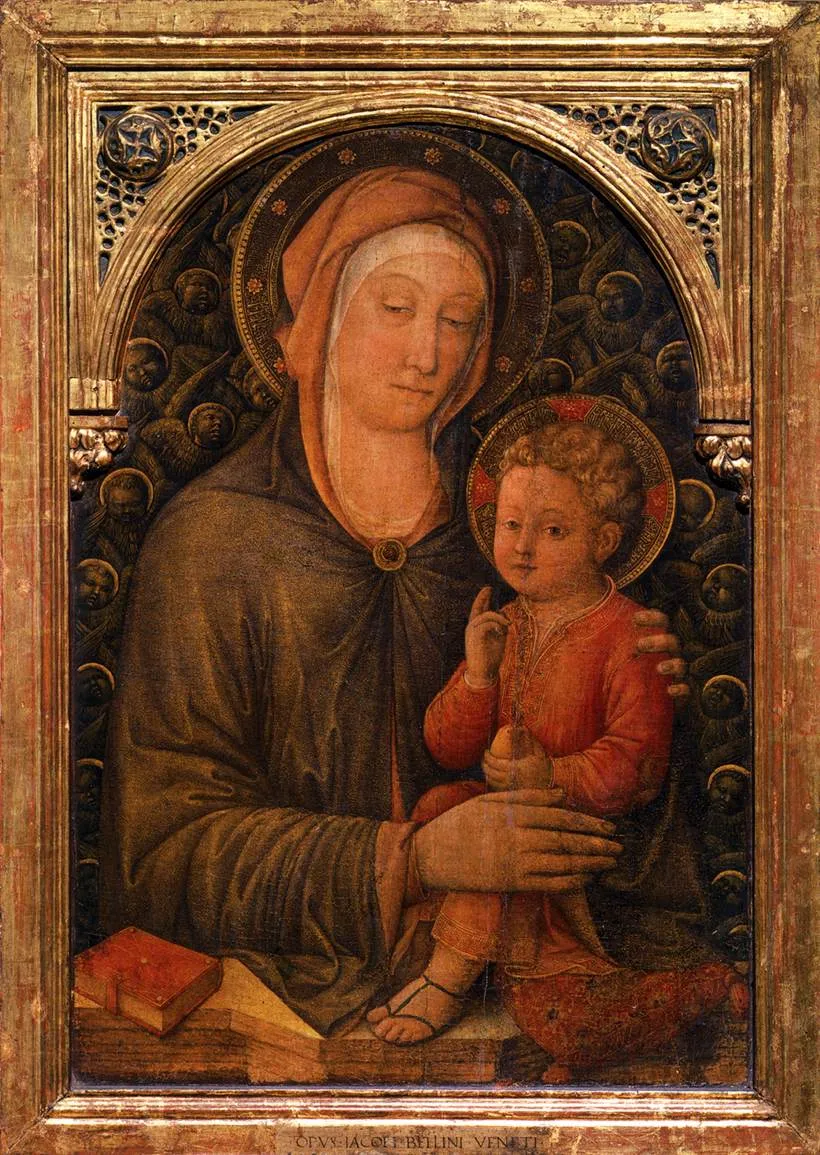
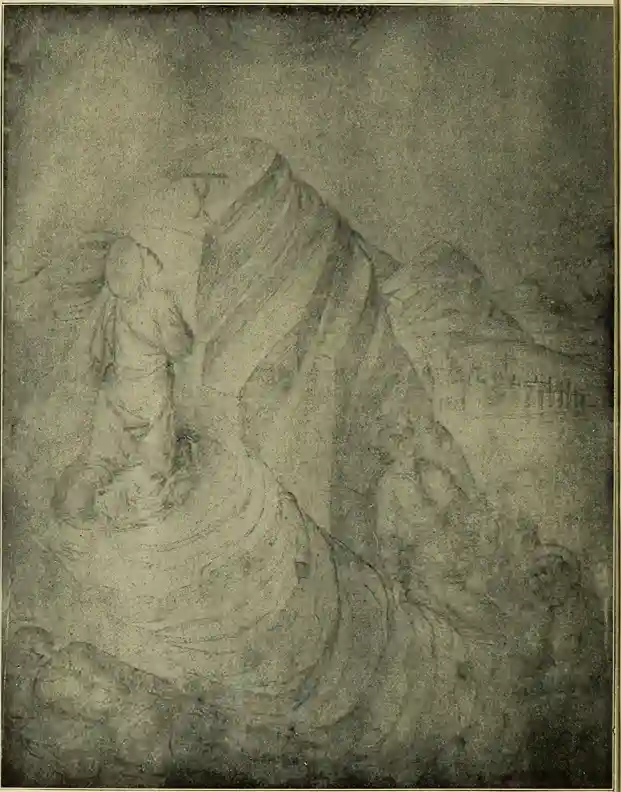
"Presentation of the Virgin at the Temple" by Jacopo Bellini stands as a remarkable testament to the Early Renaissance movement. This hand-painted oil painting captures a pivotal biblical moment, blending religious storytelling with the era’s evolving artistic vision. Bellini, renowned for works like "Madonna and Child" and "The Madonna of Mercy," merges historical context with artistic mastery, making this piece a centerpiece for any collection of fine art. The painting exemplifies how Renaissance artists brought sacred stories to life.
Techniques That Speak
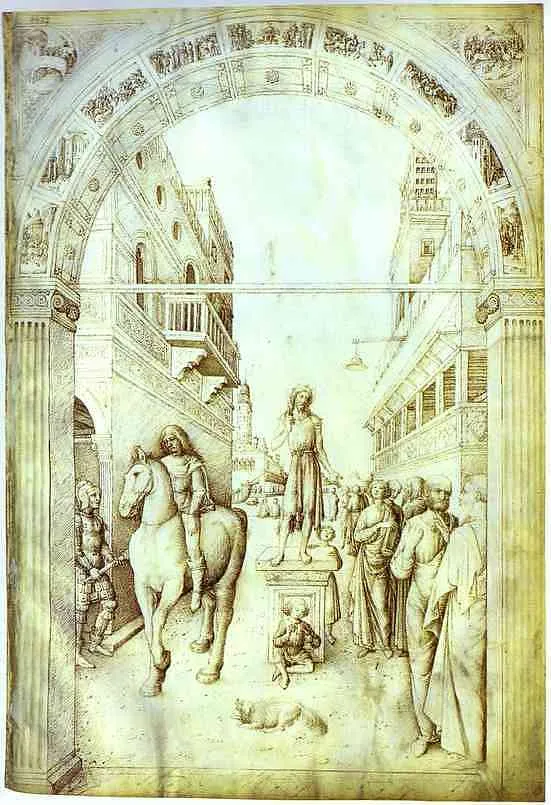
Jacopo Bellini’s "Presentation of the Virgin at the Temple" showcases innovative oil on canvas techniques that defined the Early Renaissance. His use of perspective and delicate brushwork gives depth and realism to the temple scene. The interplay of light and shadow reveals Bellini’s mastery, akin to his treatment in "Sigismondo Malatesta" and "Madonna and Child with an Angel." The oil on canvas medium allows for vibrant colors and lifelike figures, inviting viewers into the sacred narrative.
Emotions on Display
This fine art painting for sale radiates emotional intensity through Bellini’s expressive characters and serene composition. The gentle faces and graceful gestures evoke reverence and wonder, hallmarks of the Early Renaissance spirit. Bellini’s skill in conveying emotion links "Presentation of the Virgin at the Temple" to masterpieces like "Birth of Venus (La Nascita di Venere)" and "The Madonna of Mercy." Each figure’s posture and gaze draw the viewer into a heartfelt spiritual experience.
Coveted by Collectors
Collectors prize "Presentation of the Virgin at the Temple" as a hand-painted oil painting that embodies the essence of Jacopo Bellini’s genius and the Early Renaissance movement. Its historical significance and artistic finesse make it a sought-after gem, much like "Madonna and Child" and "Sigismondo Malatesta." As interest in fine art painting for sale grows, pieces such as this continue to inspire admiration and demand among art lovers and connoisseurs worldwide.
Related Early Renaissance Hand-Painted Oil Paintings by Other Artists
Other Famous Early Renaissance Artists:
Frequently Asked Questions About Presentation of the Virgin at the Temple
What is the historical context of "Presentation of the Virgin at the Temple"?
This painting was created during the early Renaissance period, a time marked by a renewed interest in classical antiquity and humanism. Jacopo Bellini, a prominent Venetian painter, contributed to the development of the Venetian school of painting, which emphasized color and light.
What are the main themes depicted in the painting?
The painting illustrates the biblical narrative of the Presentation of the Virgin Mary at the Temple, symbolizing her dedication to God. Themes of faith, purity, and divine grace are central to the artwork.
Who are the key figures represented in the painting?
The central figures include the Virgin Mary, who is depicted as a young girl, and her parents, Saints Joachim and Anne. The high priest, who receives her, is also a significant figure, symbolizing the religious authority of the Temple.
What artistic techniques did Jacopo Bellini employ in this work?
Jacopo Bellini utilized linear perspective to create depth and spatial organization within the composition. His use of color and light enhances the emotional tone of the scene, drawing attention to the figures and their expressions.
How does this painting reflect the stylistic characteristics of the Venetian Renaissance?
The painting showcases the Venetian Renaissance's characteristic use of vibrant colors and soft, atmospheric light. Bellini's attention to detail and the naturalistic portrayal of figures exemplify the era's shift towards realism in art.
What symbolism is present in the painting?
The Virgin Mary is often depicted with symbols of purity, such as a white dress or lilies, which may be present in this work. The Temple itself represents a sacred space, emphasizing the significance of the event and Mary's role in salvation history.
How does "Presentation of the Virgin at the Temple" compare to other works by Jacopo Bellini?
This painting is notable for its emotional depth and compositional clarity, traits that are consistent in Bellini's oeuvre. However, it stands out for its narrative focus on a singular event, contrasting with his more expansive religious scenes.
What influence did Jacopo Bellini have on future artists?
Jacopo Bellini's innovative techniques and emphasis on naturalism influenced many subsequent artists, including his sons, Gentile and Giovanni Bellini, as well as contemporaries like Andrea Mantegna. His work laid the groundwork for the development of Venetian painting.
Where can I see "Presentation of the Virgin at the Temple" today?
The painting is housed in a prominent art collection, where it can be viewed by the public. Please check the gallery's current exhibitions for specific details on its display.
What impact did this painting have on the depiction of religious subjects in art?
This work contributed to the evolving portrayal of religious subjects by emphasizing human emotion and narrative detail. It encouraged artists to explore personal interpretations of biblical stories, paving the way for more intimate and relatable representations in later art.






















_GFM_Painting_(1).webp)


 100% Hand-Painted: Finished in 3-6 Weeks

.png)
















_(1).webp)