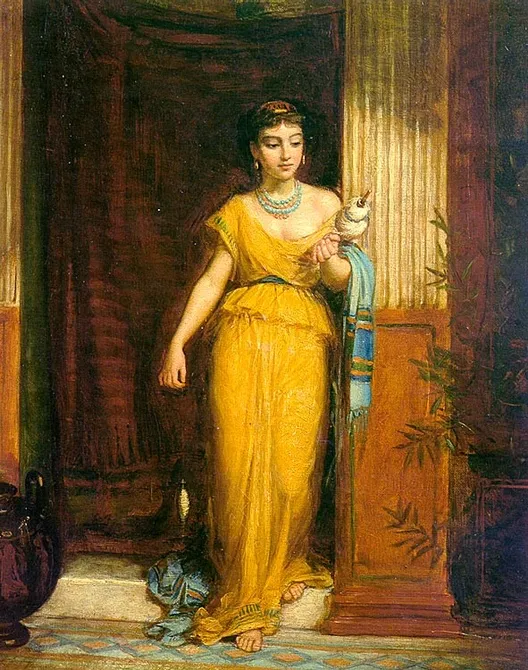
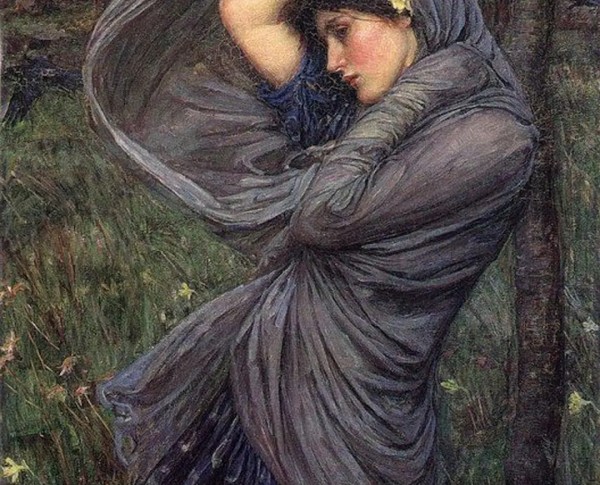
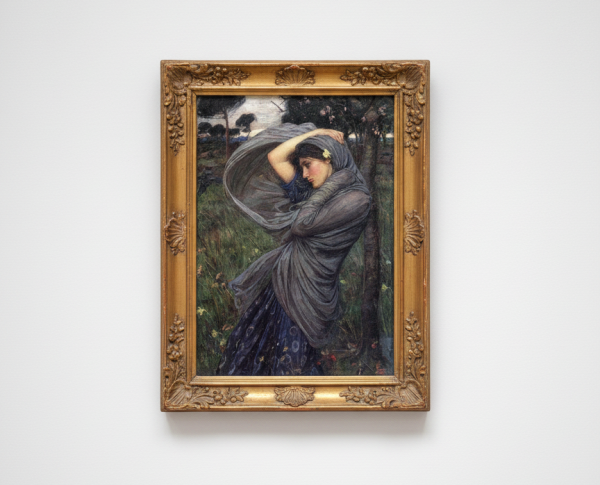
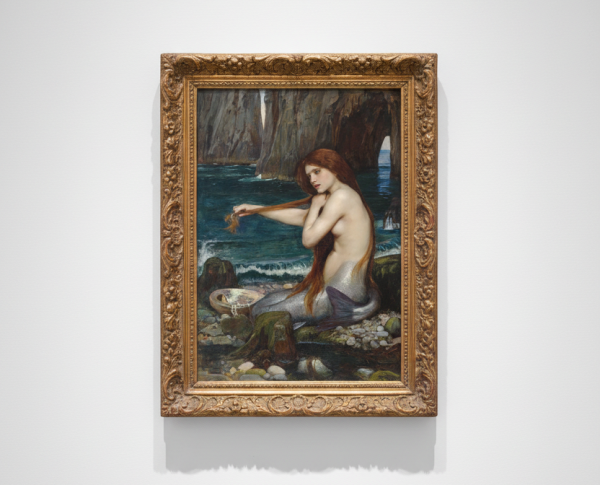
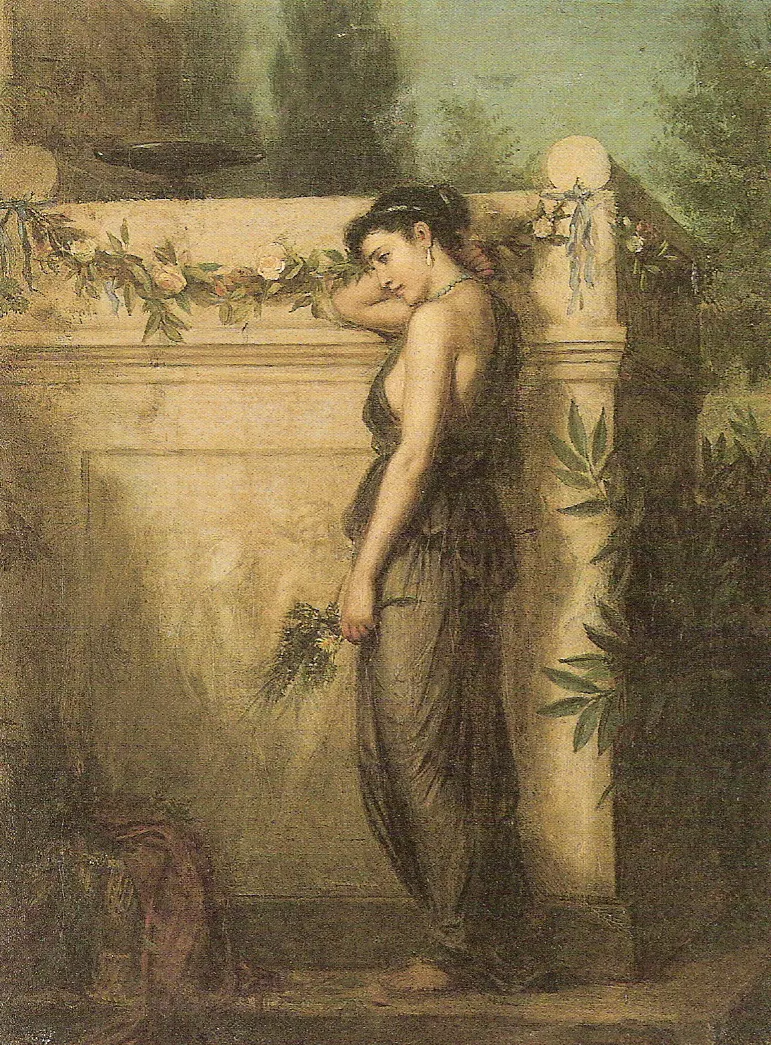
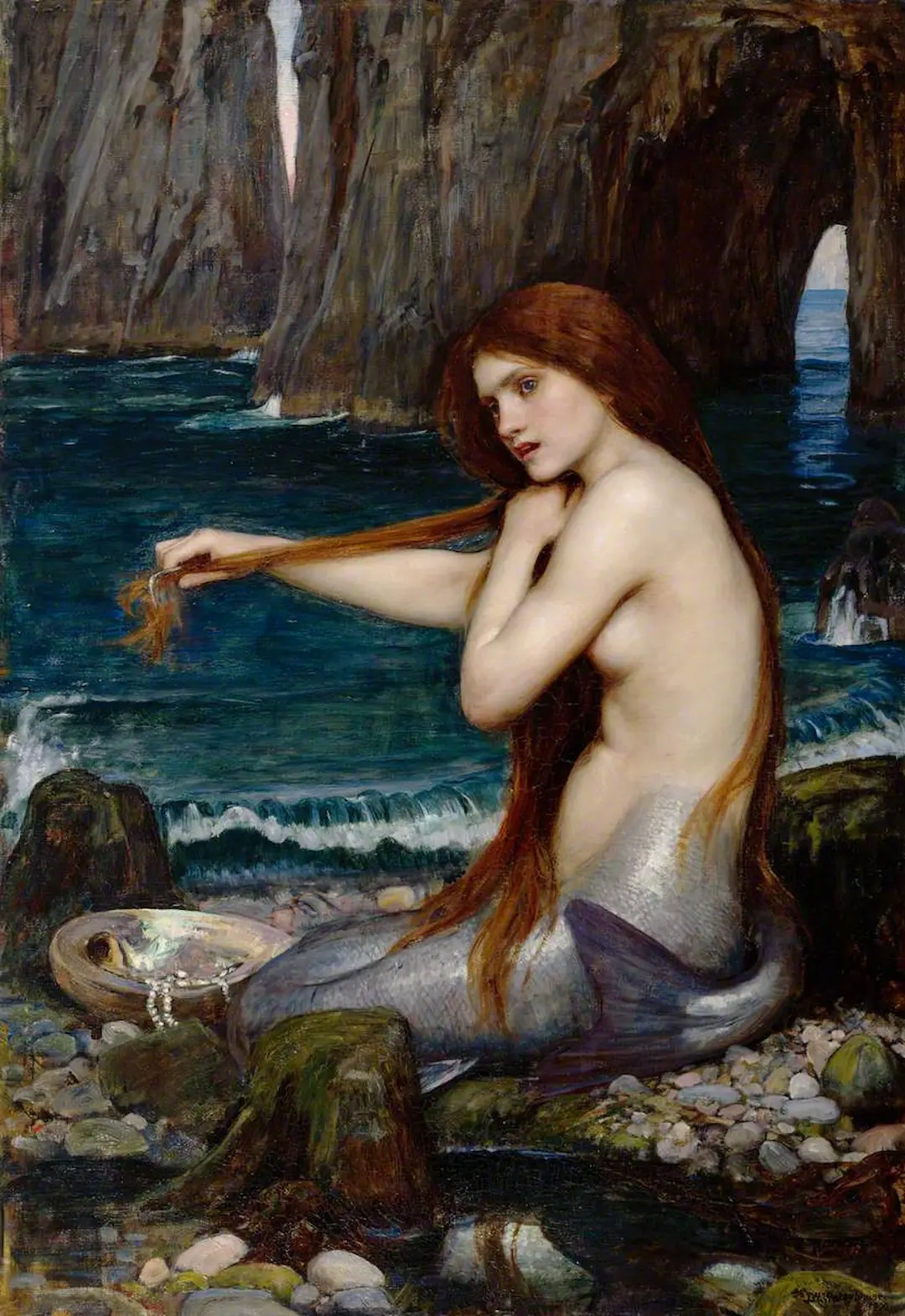
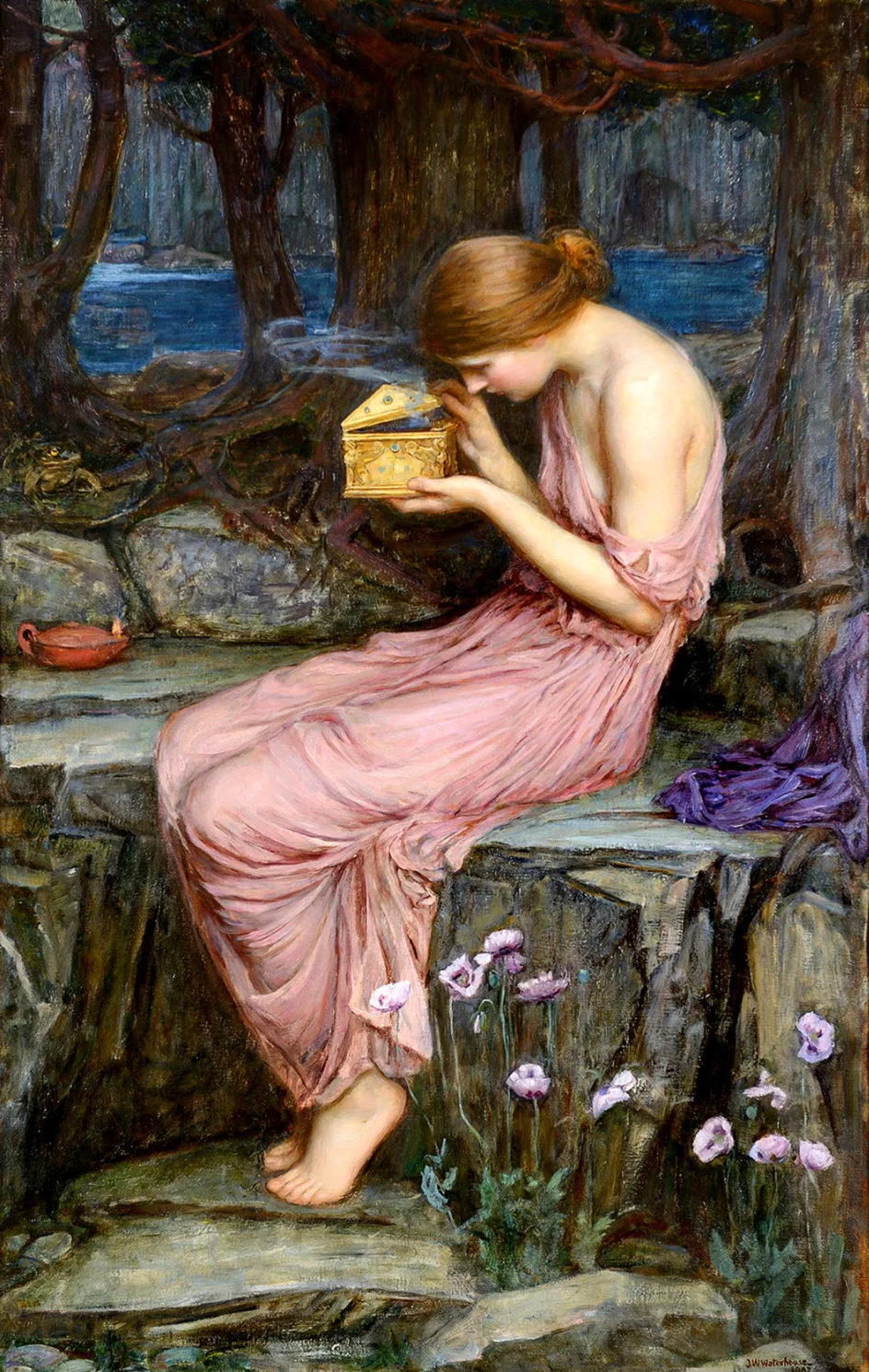
Waterhouse’s "Gone, But Not Forgotten" demonstrates his technical prowess through meticulous use of oil on canvas, a hallmark of the Pre-Raphaelites. The painting’s rich textures and luminous colors evoke the same masterful touch seen in "A Mermaid 1900" and "Psyche Opening the Golden Box 1903." Each detail, from the flowing garments to the subtle play of light, showcases Waterhouse’s commitment to elevating oil on canvas as a medium of storytelling.
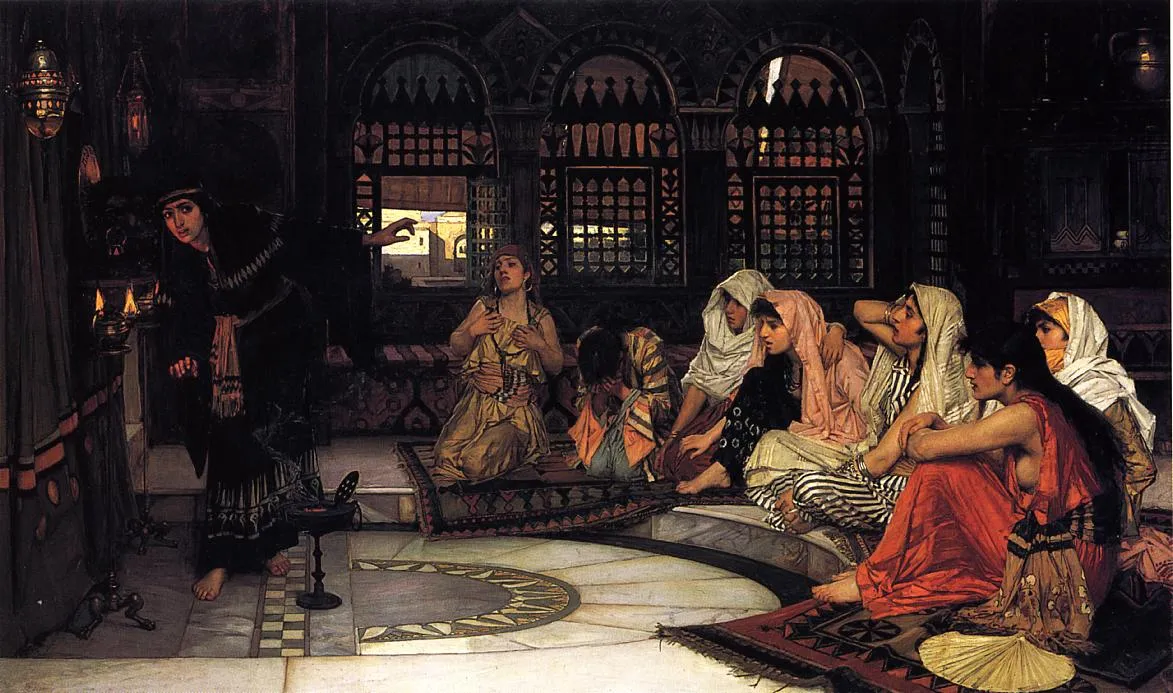
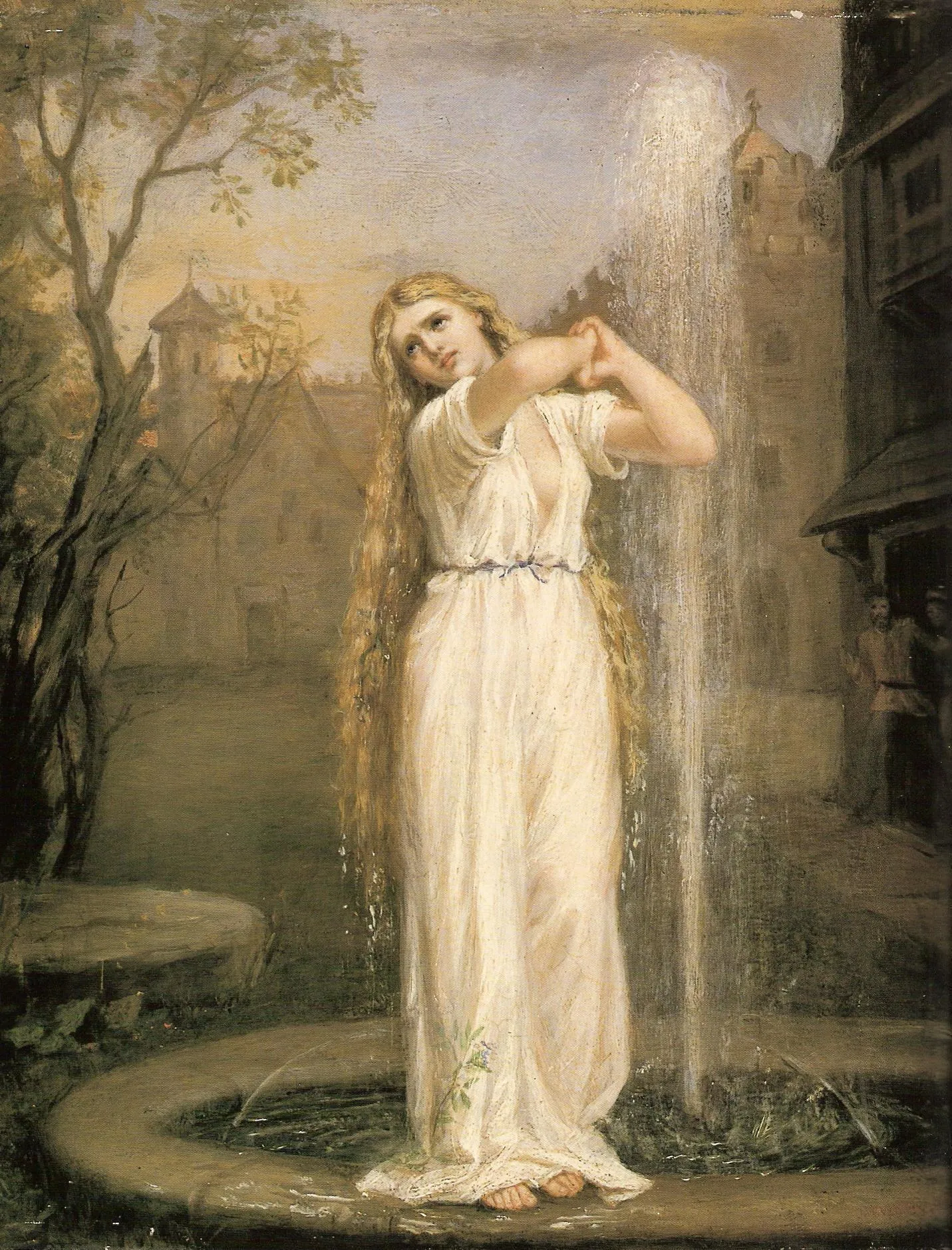
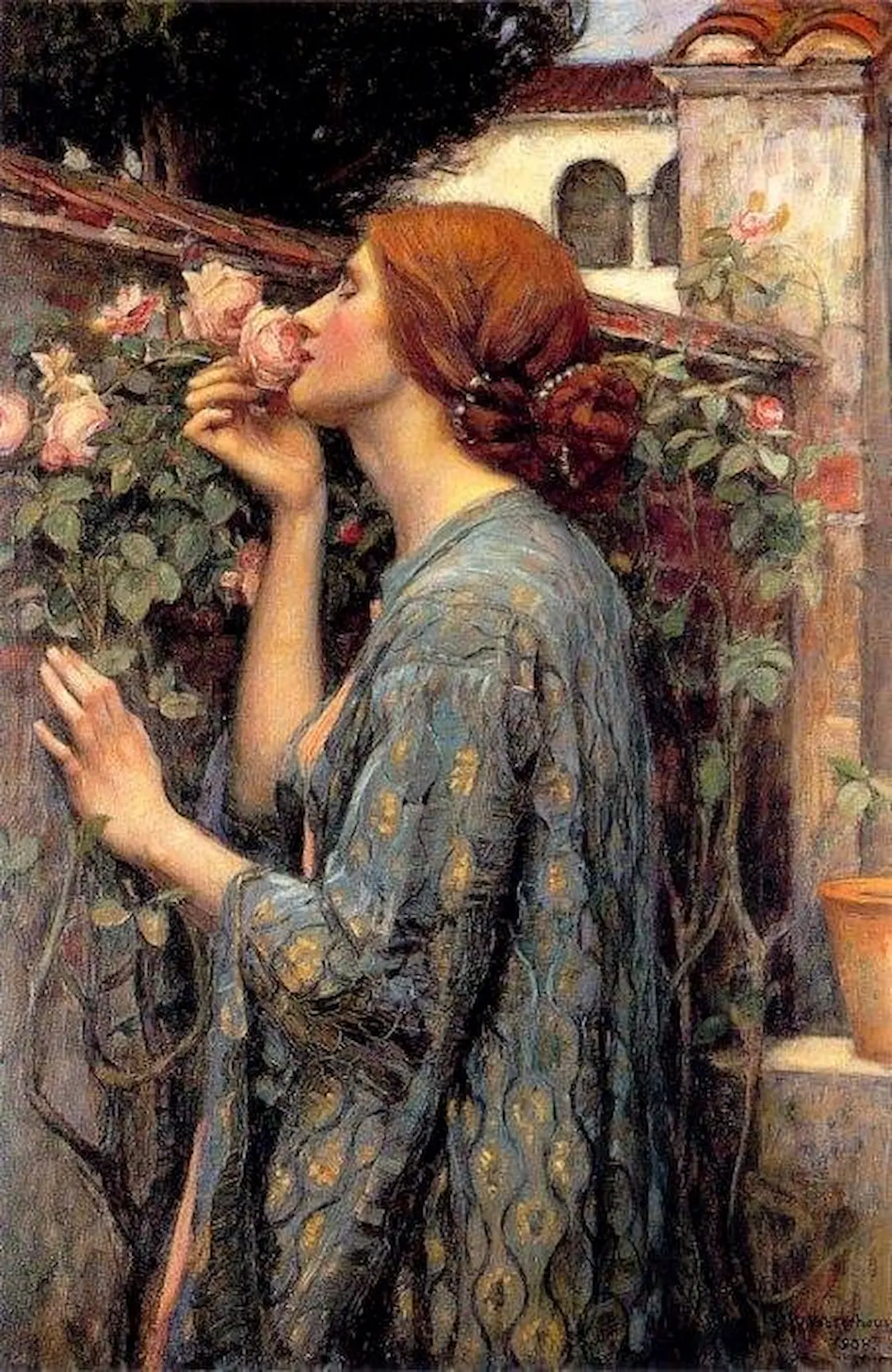
Within "Gone, But Not Forgotten," John William Waterhouse weaves symbolic elements that invite viewers to discover deeper meanings. As with his other fine art painting for sale, such as "Undine" and "The Unwelcome Companion," Waterhouse uses motifs from literature and legend to evoke longing and remembrance. The Pre-Raphaelites’ dedication to narrative shines through, making this piece both visually captivating and emotionally resonant for collectors and admirers.
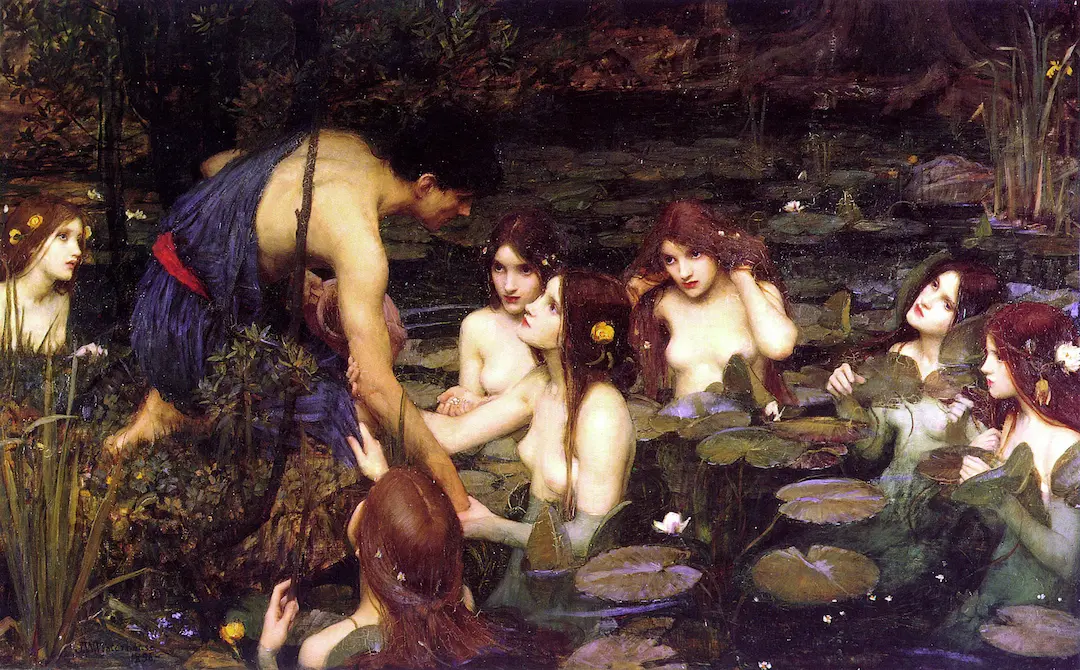
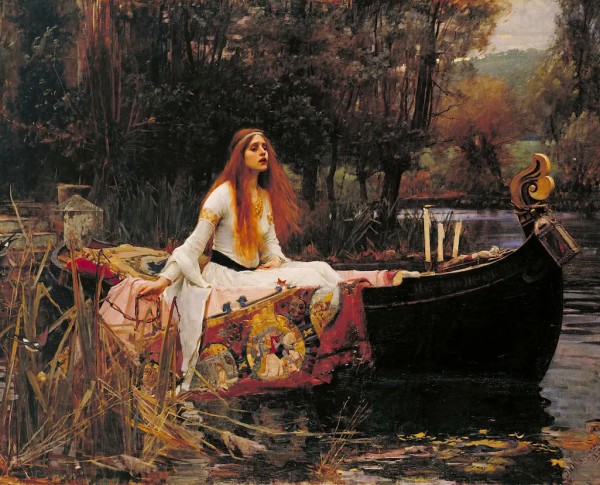
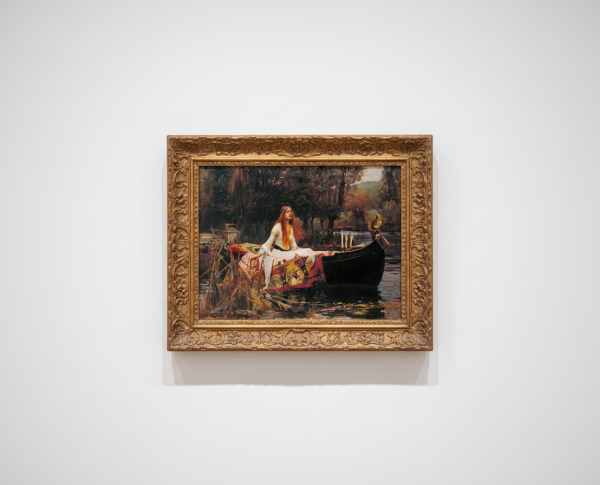
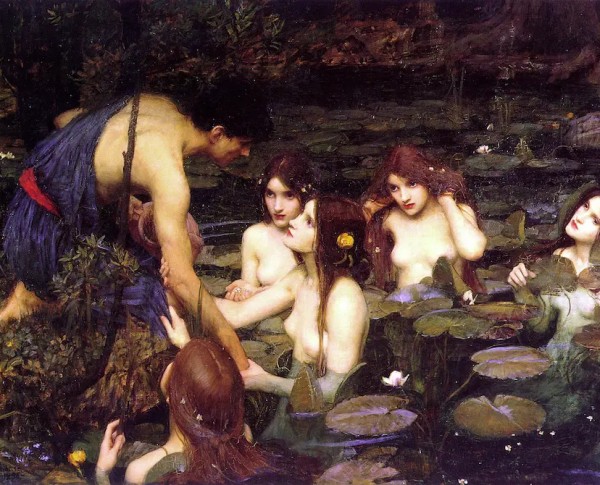
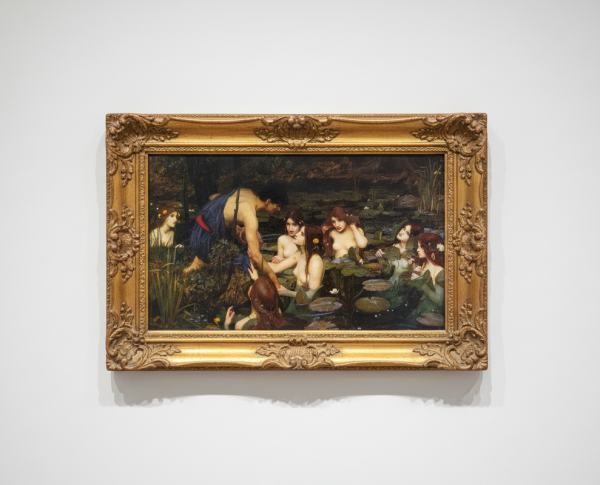
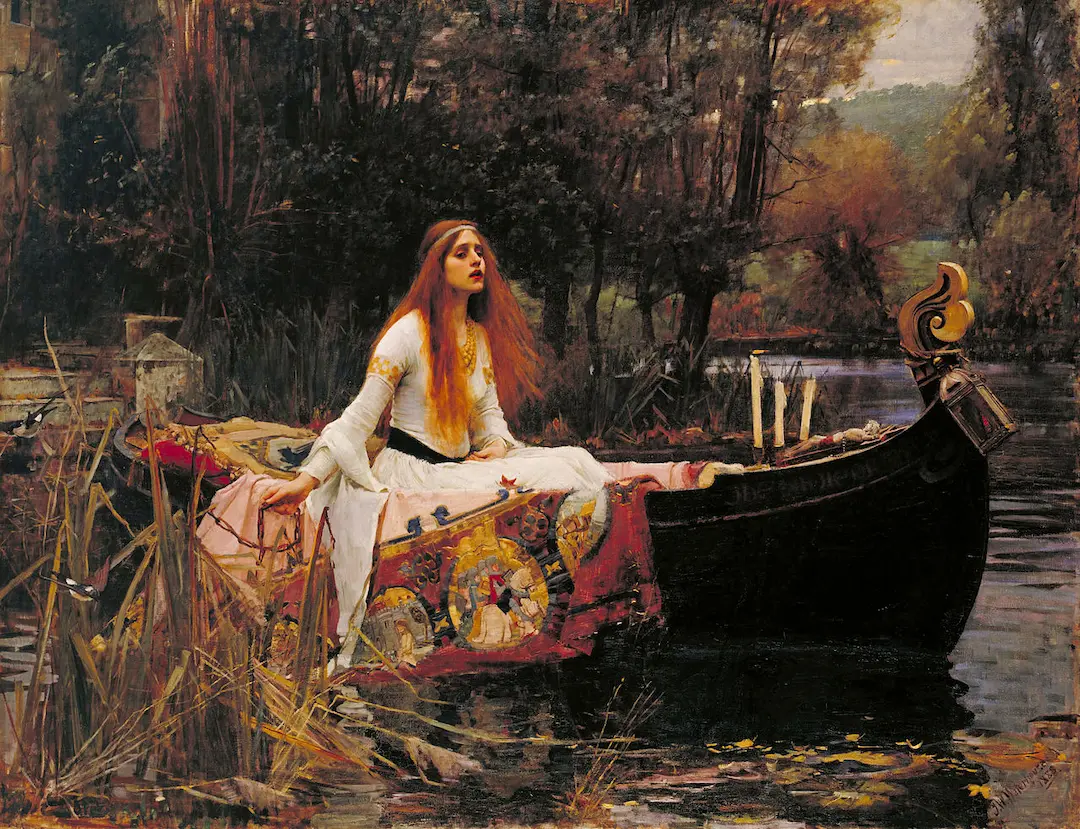
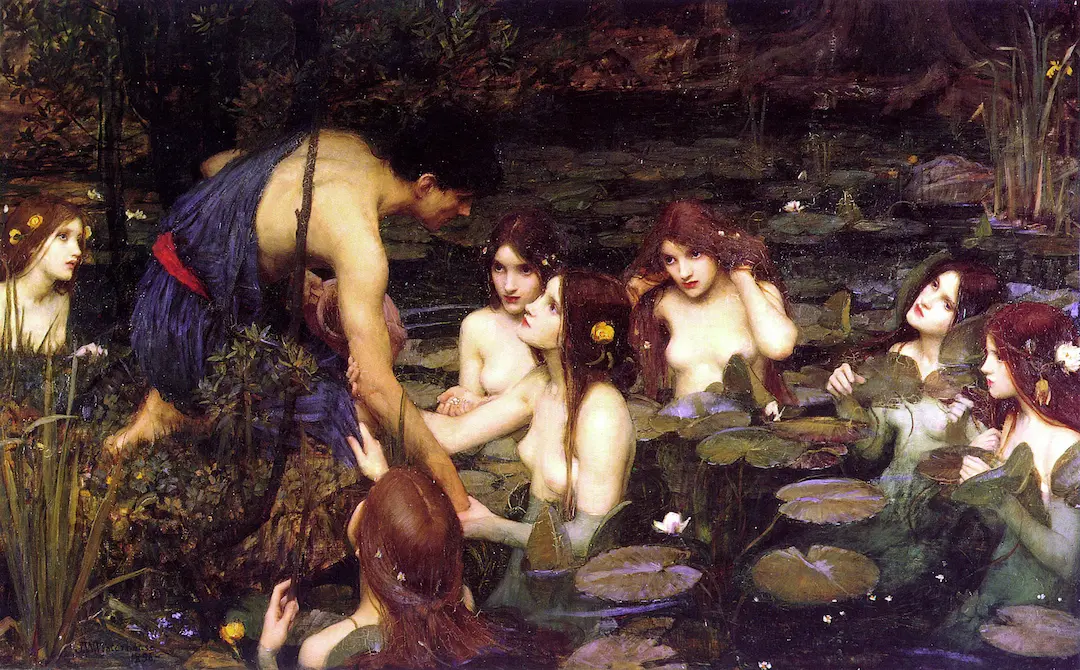
For those seeking a fine art painting for sale that embodies the spirit of Pre-Raphaelite romanticism, "Gone, But Not Forgotten" by John William Waterhouse is a distinguished choice. Its timeless beauty aligns with the artist’s celebrated works, including "The Lady of Shalott 1888" and "Hylas and the Nymphs 1896." Owning this painting connects collectors to a legacy of poetic storytelling and masterful technique cherished across generations.
When Art Meets History
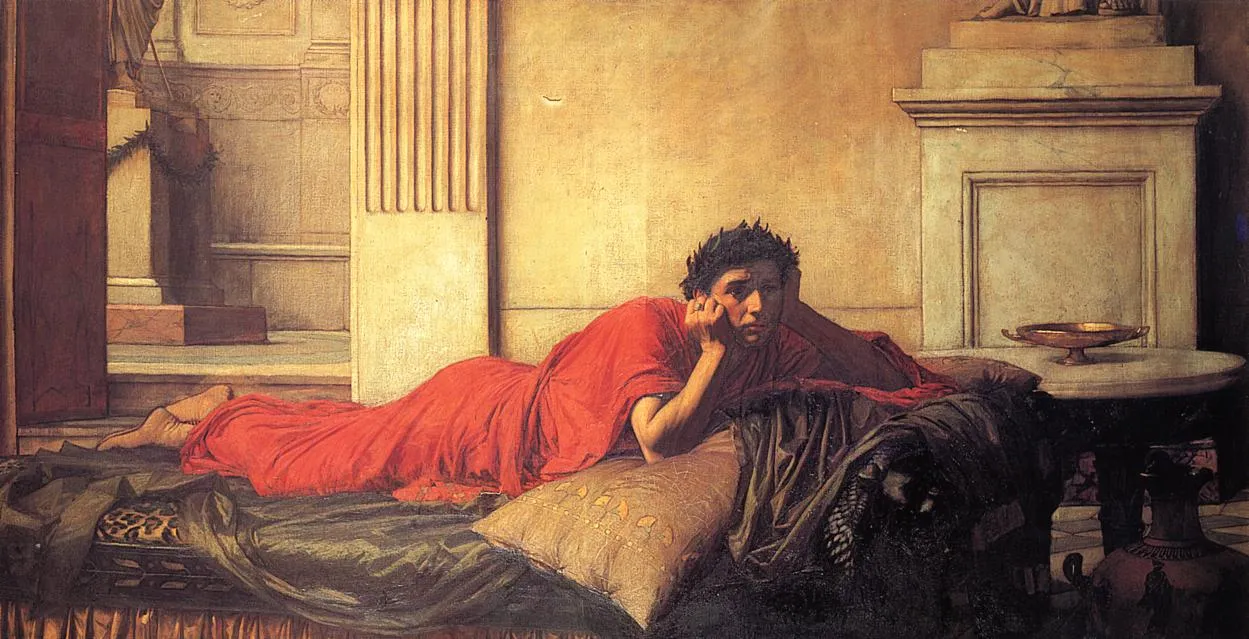
"Gone, But Not Forgotten" by John William Waterhouse is a prime example of the Pre-Raphaelites movement, blending historical themes with timeless emotion. This hand-painted oil painting draws inspiration from myth and memory, much like Waterhouse's other works such as "Piping Shepherd" and "War." Through his evocative brushwork, Waterhouse captures a poignant moment, ensuring that the story behind the scene endures in art history. Collectors and enthusiasts alike admire its narrative depth and masterful execution.
Techniques That Speak
John William Waterhouse was renowned for his meticulous technique, and "Gone, But Not Forgotten" demonstrates his expertise in oil on canvas. The painting’s luminous colors and delicate layering are hallmarks of the Pre-Raphaelites, echoing the careful detail seen in "The Four Elder Agar-Robartes Children" and "Portrait of Gray Hill." Waterhouse’s use of light and texture brings the subject to life, making this oil on canvas a standout example of fine craftsmanship within the movement.
Emotions on Display
In "Gone, But Not Forgotten," Waterhouse channels deep emotion, a signature trait of the Pre-Raphaelites. The figure’s expression and posture evoke longing and remembrance, similar to the mood found in "Luna." This fine art painting for sale captures the universal experience of loss, resonating with viewers across generations. Waterhouse’s ability to convey complex feelings through visual storytelling is part of what makes his work so impactful and sought after by art lovers.
Coveted by Collectors
"Gone, But Not Forgotten" remains a highly desirable piece among art collectors, thanks to its status as a hand-painted oil painting by John William Waterhouse. As with his other celebrated works, this painting exemplifies the romanticism and technical precision of the Pre-Raphaelites. Collectors seeking a fine art painting for sale often gravitate toward Waterhouse’s emotionally charged scenes and historical themes, making this work a valued addition to any distinguished collection.
Related Pre-Raphaelites Hand-Painted Oil Paintings by Other Artists
Other Famous Pre-Raphaelites Artists:
Frequently Asked Questions About "Gone, But Not Forgotten"
What is the historical context of "Gone, But Not Forgotten"?
"Gone, But Not Forgotten" was painted during the late 19th century, a period characterized by the Pre-Raphaelite movement, which sought to return to the detail, intense colors, and complex compositions of pre-Renaissance art. John William Waterhouse, associated with this movement, infused his works with themes of mythology and romanticism.
What themes are explored in "Gone, But Not Forgotten"?
The painting explores themes of loss, memory, and the passage of time. It reflects on the emotional weight of absence and the enduring impact of those who have departed, embodying a sense of nostalgia and longing.
What artistic techniques did Waterhouse employ in this painting?
Waterhouse utilized a combination of rich color palettes, intricate detail, and soft brushwork to create a dreamlike quality. His use of light and shadow enhances the emotional depth of the scene, drawing the viewer into the narrative.
What is the significance of the title "Gone, But Not Forgotten"?
The title suggests a duality of absence and memory, indicating that while the subject may be physically gone, their presence and influence remain in the hearts and minds of those left behind. This reflects a universal human experience of grief and remembrance.
How does the composition of the painting contribute to its meaning?
The composition features a central figure surrounded by a serene yet melancholic environment, emphasizing the isolation and introspection of the subject. The arrangement of elements guides the viewer’s gaze and evokes a sense of contemplation.
What symbols are present in "Gone, But Not Forgotten"?
Common symbols in the painting include flowers, which often represent beauty and transience, and the use of light to signify hope or memory. These elements work together to deepen the emotional resonance of the work.
In what ways does "Gone, But Not Forgotten" reflect Waterhouse's artistic style?
The painting exemplifies Waterhouse's signature style, characterized by an emphasis on female figures, mythological themes, and a romanticized view of nature. His ability to convey emotion through facial expressions and body language is particularly evident in this work.
How does "Gone, But Not Forgotten" compare to other works by Waterhouse?
Compared to other works by Waterhouse, such as "The Lady of Shalott," "Gone, But Not Forgotten" shares similar themes of longing and loss. However, it distinguishes itself through its more intimate portrayal of grief and memory, focusing on the internal emotional landscape of the subject.
What influence did the Pre-Raphaelite movement have on "Gone, But Not Forgotten"?
The Pre-Raphaelite movement influenced Waterhouse's emphasis on detail, vibrant colors, and the depiction of romantic themes. The movement's focus on nature and emotional expression is evident in the lush surroundings and the poignant expression of the figure in this painting.
What is the legacy of "Gone, But Not Forgotten" in the art world?
"Gone, But Not Forgotten" remains a significant work within the canon of late 19th-century art, admired for its emotional depth and technical skill. It continues to inspire discussions about memory, loss, and the human experience, solidifying Waterhouse's reputation as a master of narrative painting.























_GFM_Painting_(1).webp)


 100% Hand-Painted: Finished in 3-6 Weeks

.png)















_(1).webp)