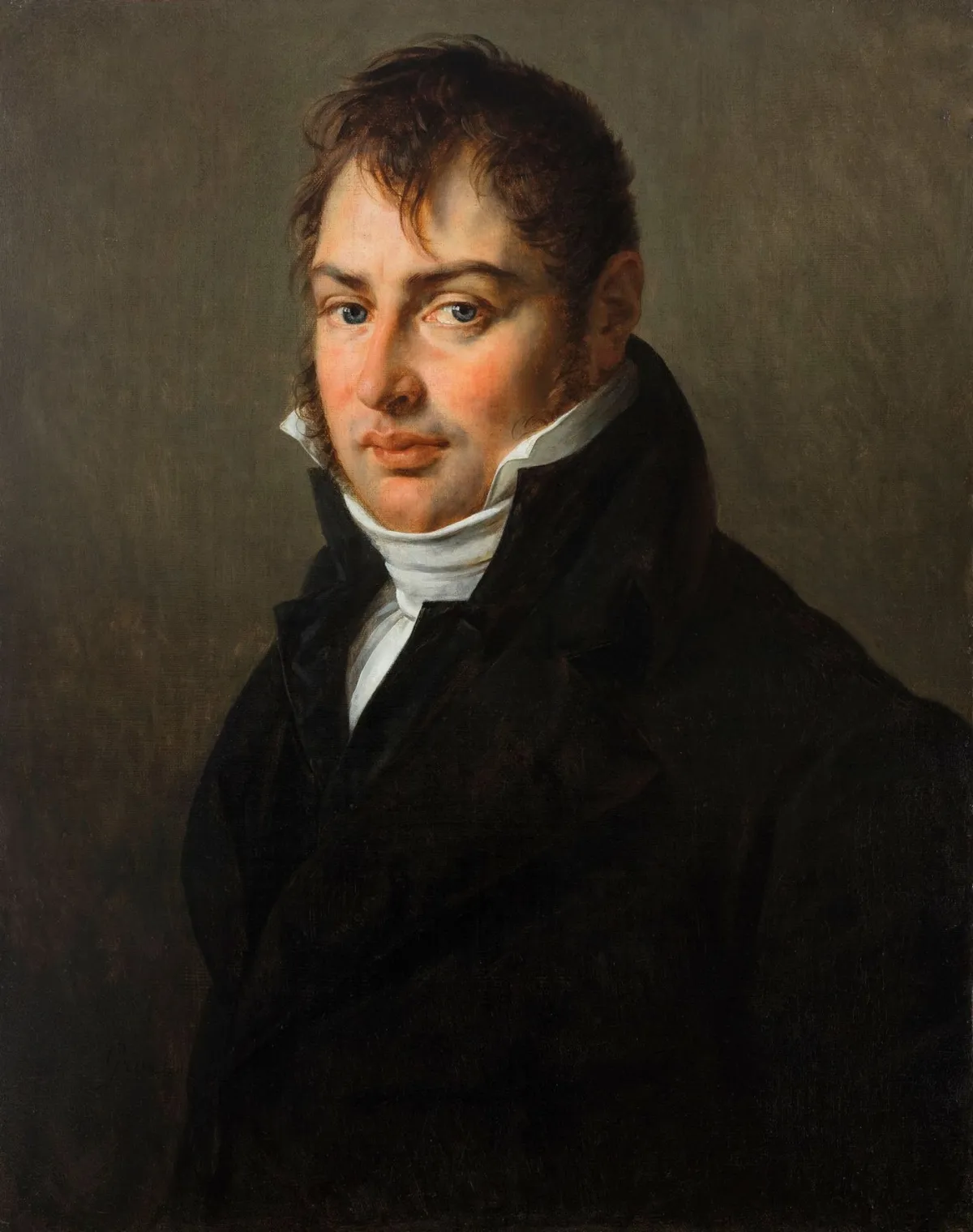
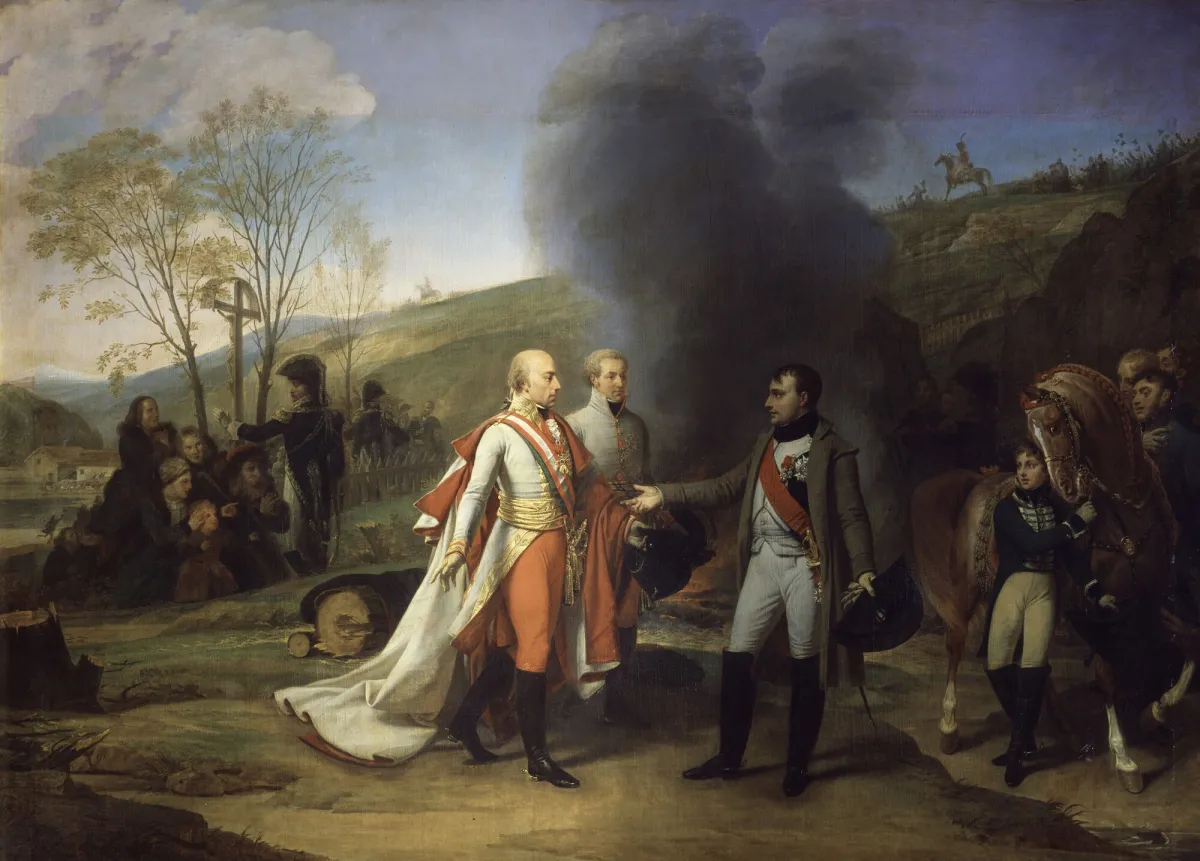
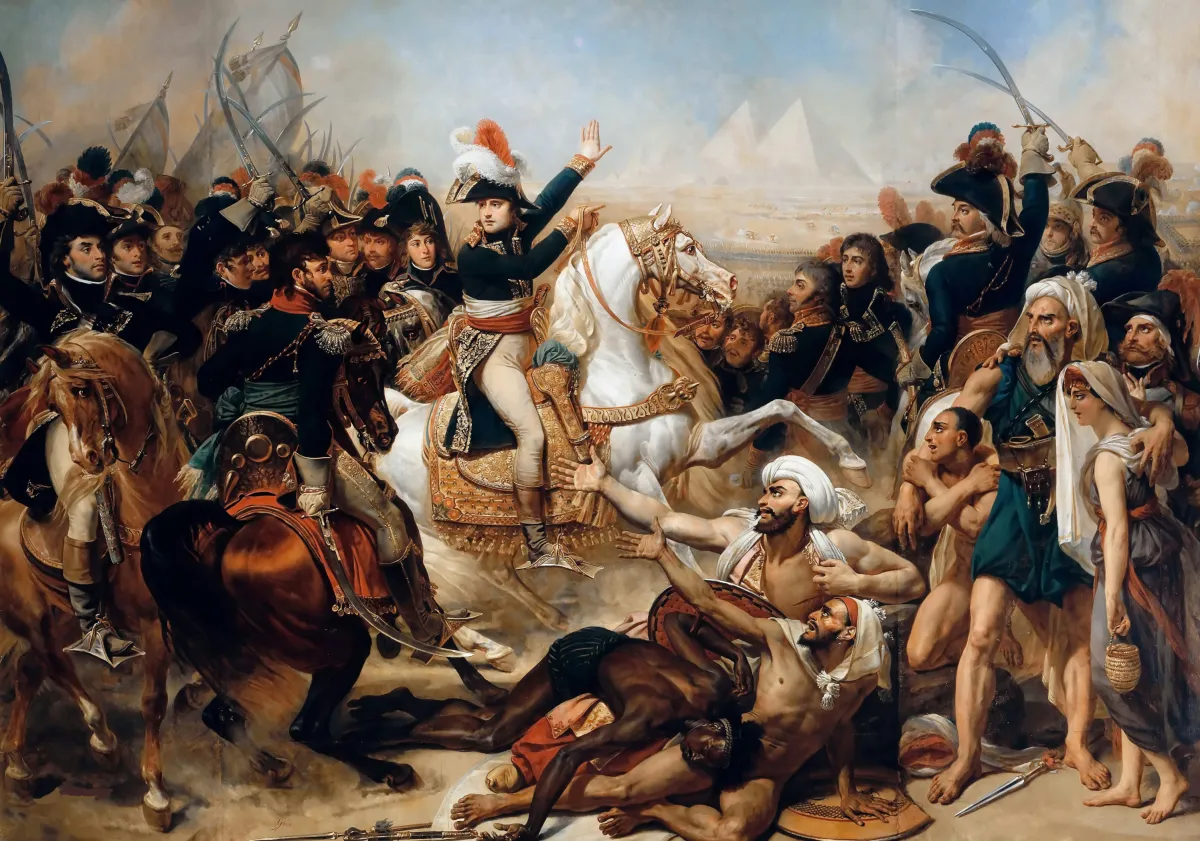
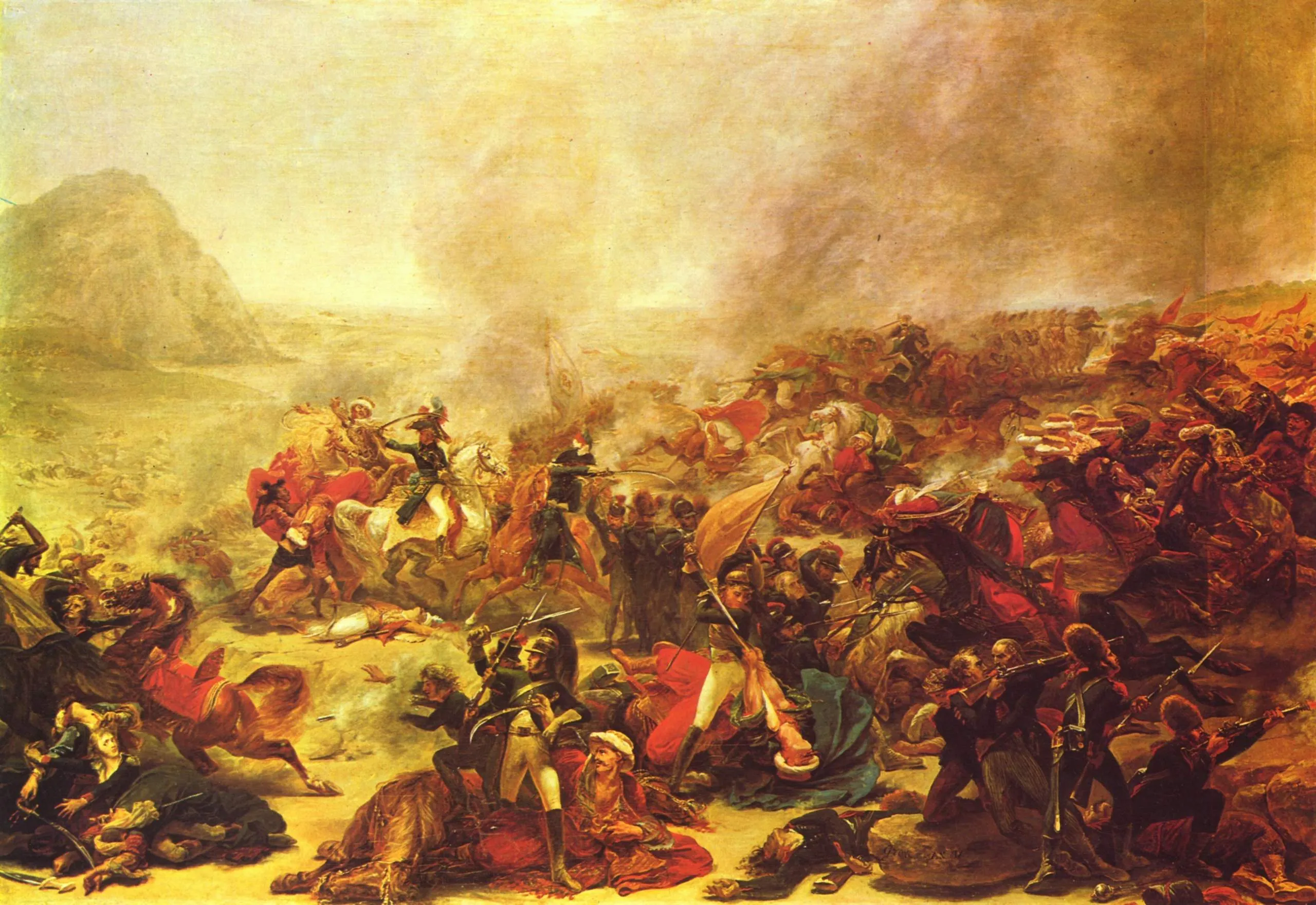
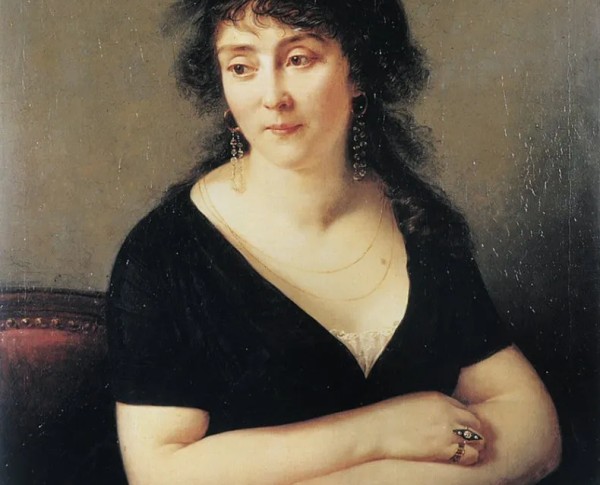
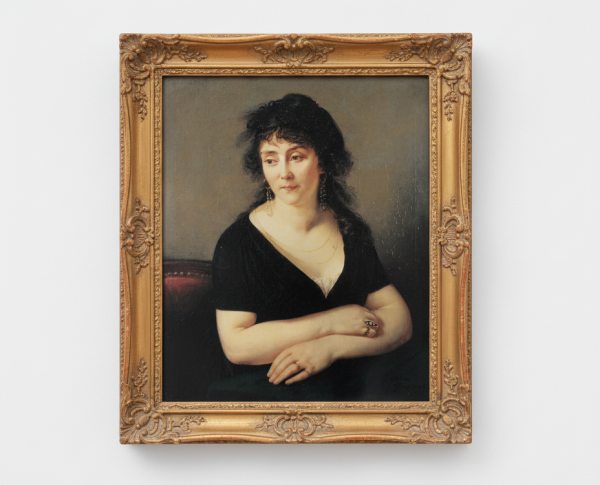
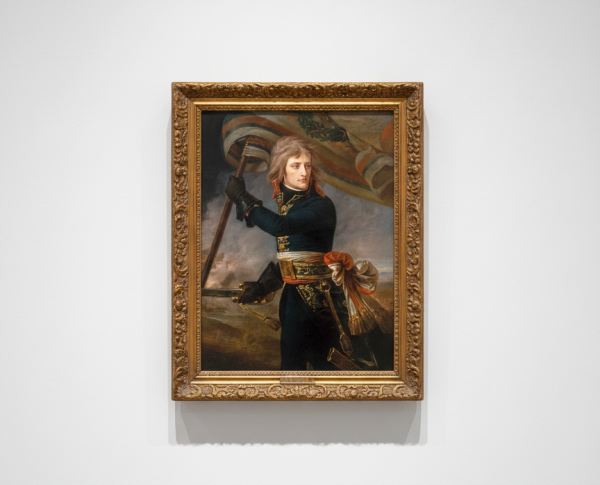
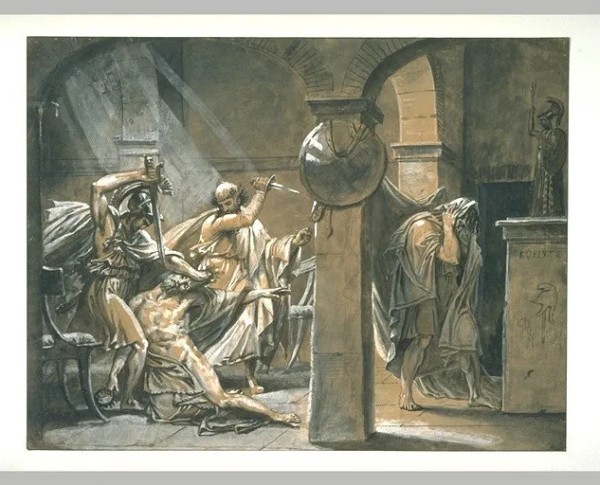
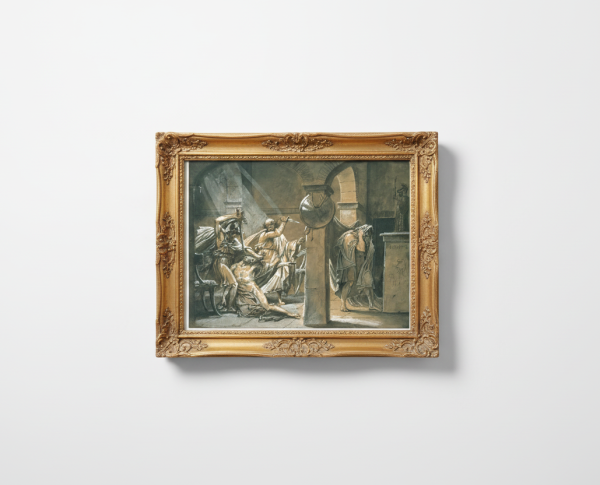
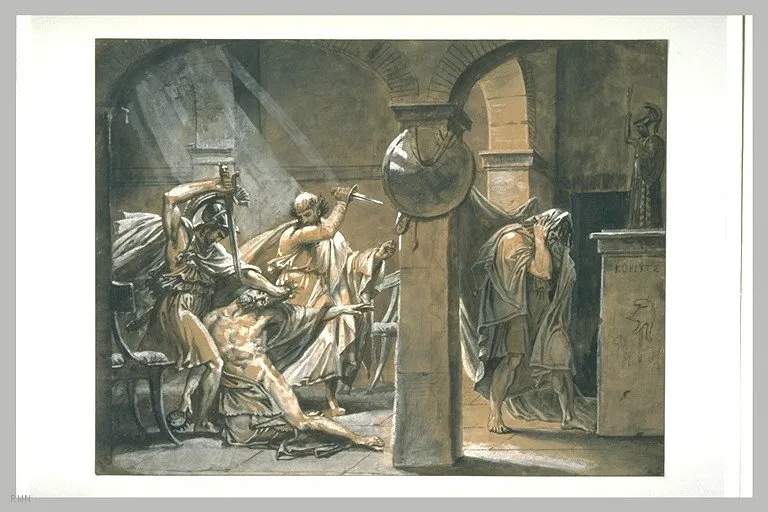
Gros’s technique in this oil on canvas portrait showcases his extraordinary skill and emotional depth, hallmarks of the Romanticism movement. The delicate brushwork and vibrant palette breathe life into the subject, reflecting the artist’s innovative approach. Comparable in artistry to “The Death of Timophanes” and “Battle of Aboukir, July 25, 1799,” this masterpiece exemplifies why oil on canvas remains the medium of choice for timeless portraiture and historical fine art.
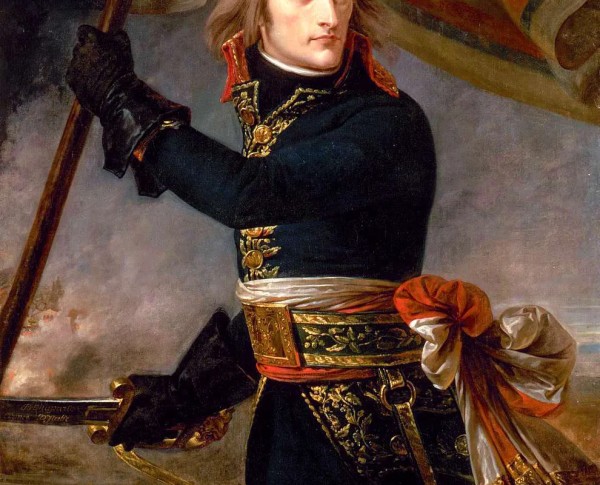
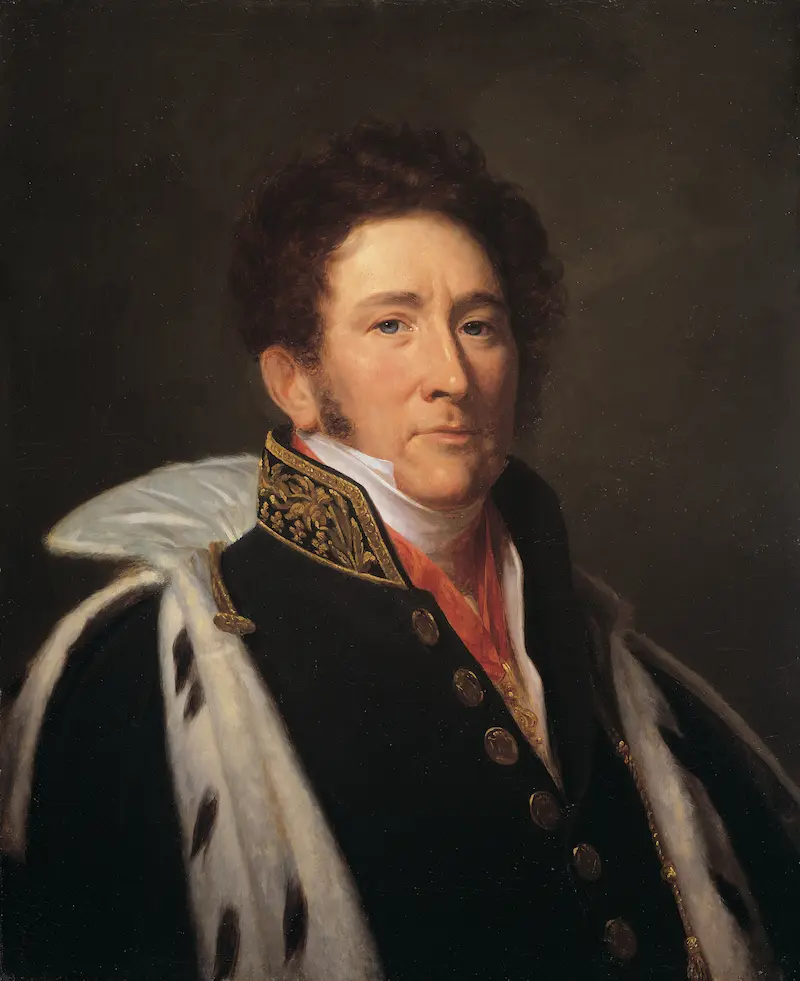
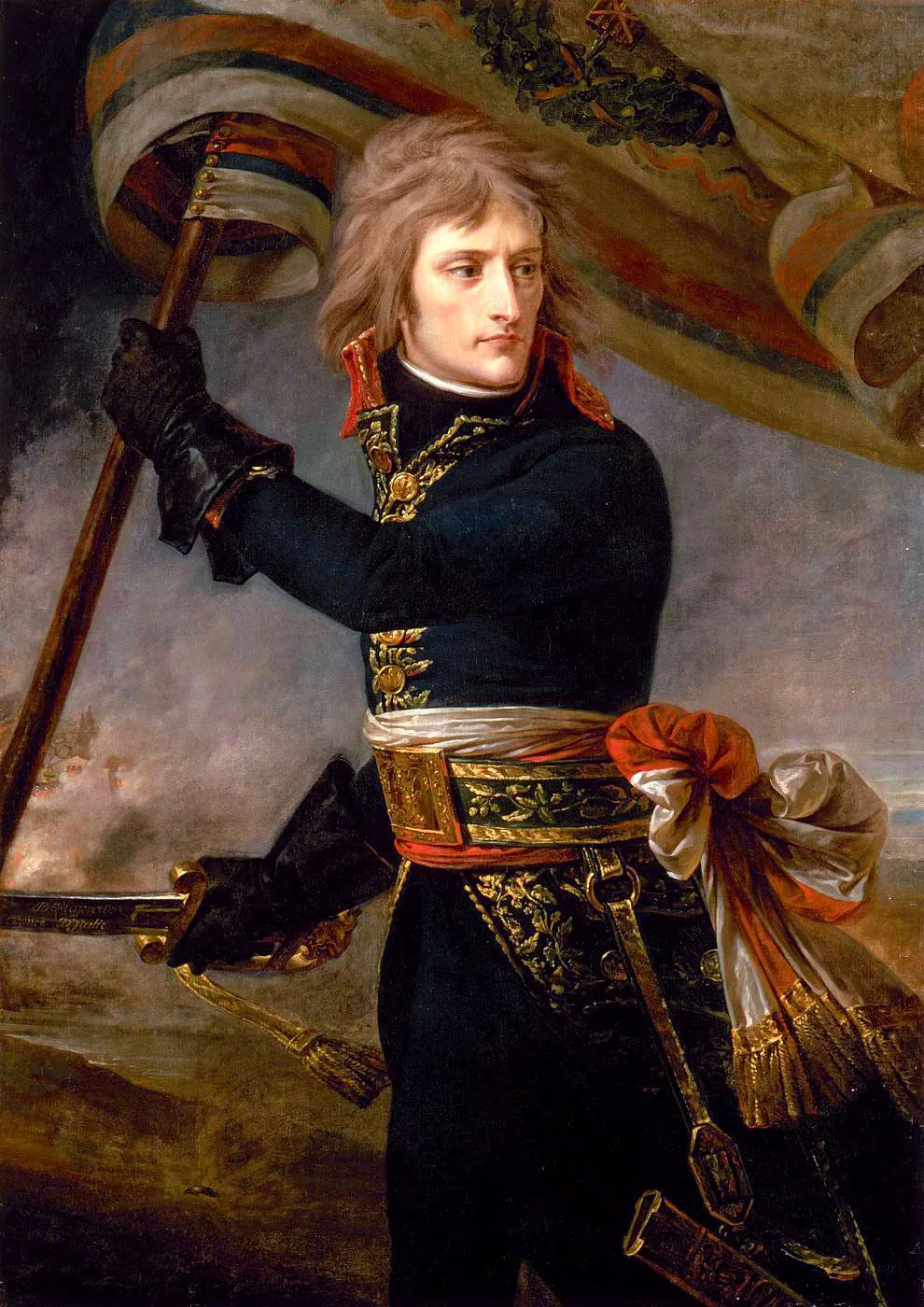
Within the “Portrait of Louis-Marie-Joseph, comte de Brigode-Kemlandt,” subtle symbols and narrative details reveal the sitter’s status and personality, a signature of Antoine-Jean Gros’s style. This hand-painted oil painting invites viewers to consider the era’s social and political context, much like Gros’s other works such as “The Battle of Nazareth” and “First Consul Bonaparte.” Each element within the painting enriches its story, making it a compelling piece in Romanticism art collections.
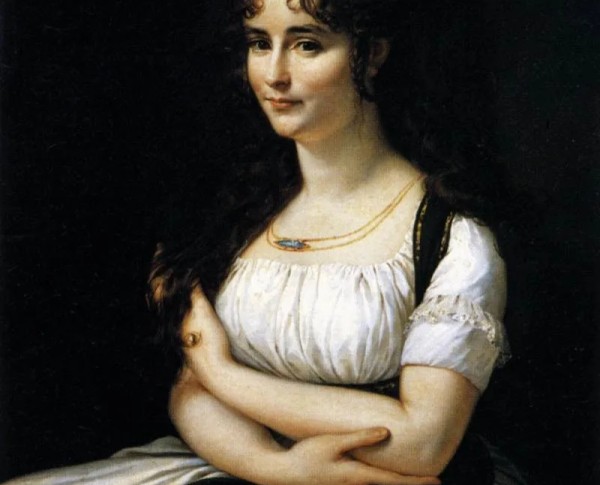
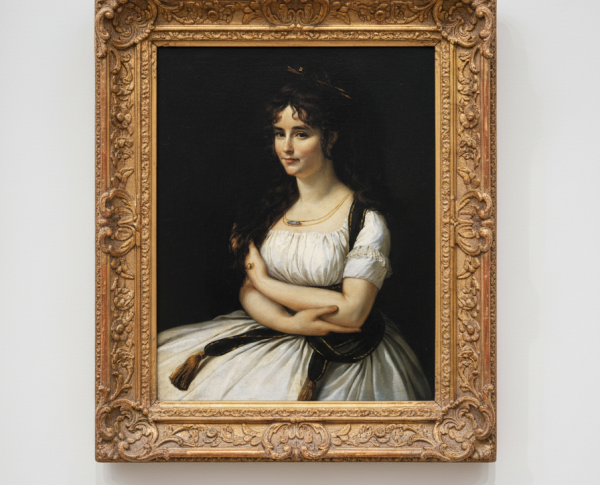
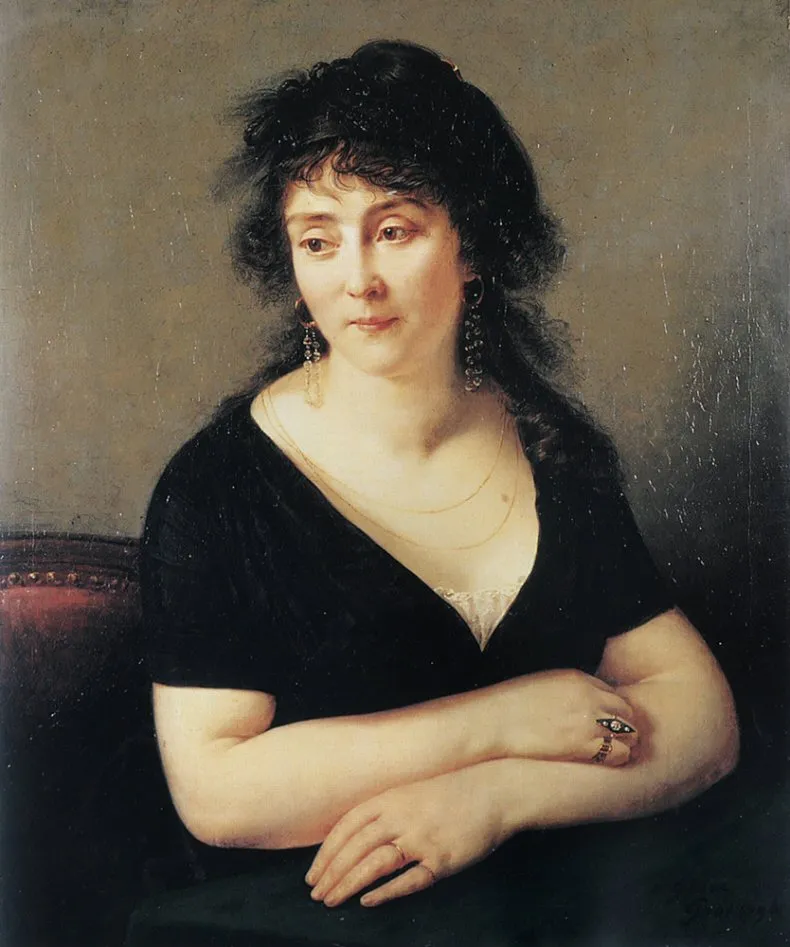
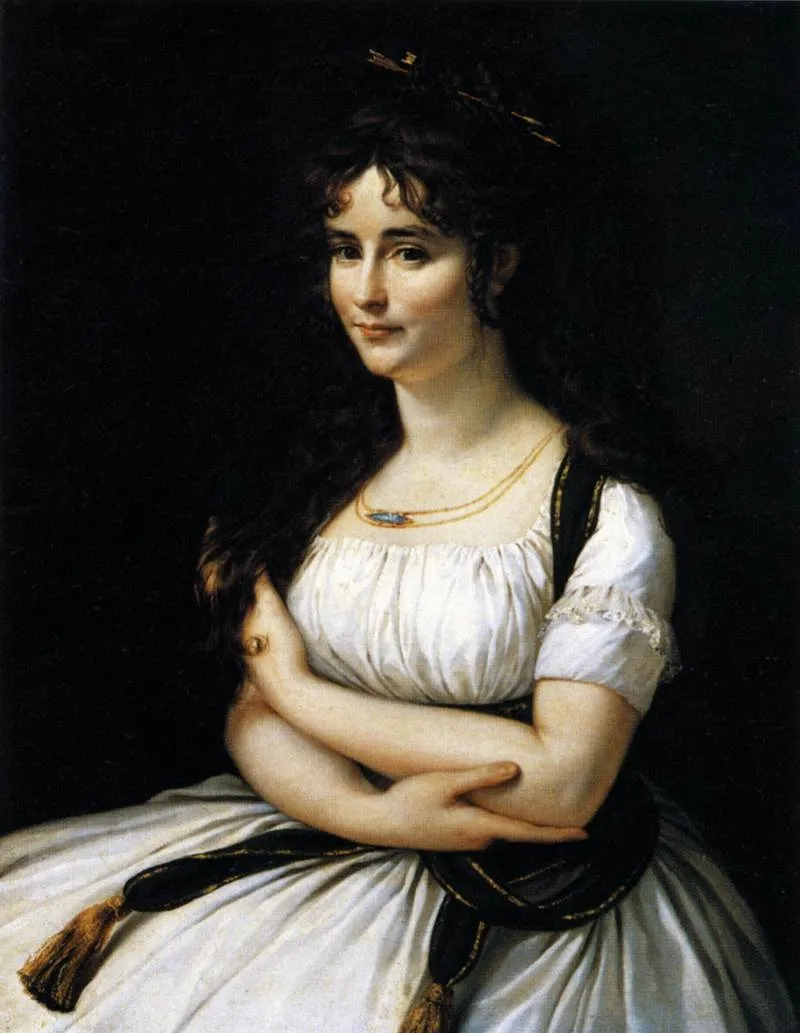
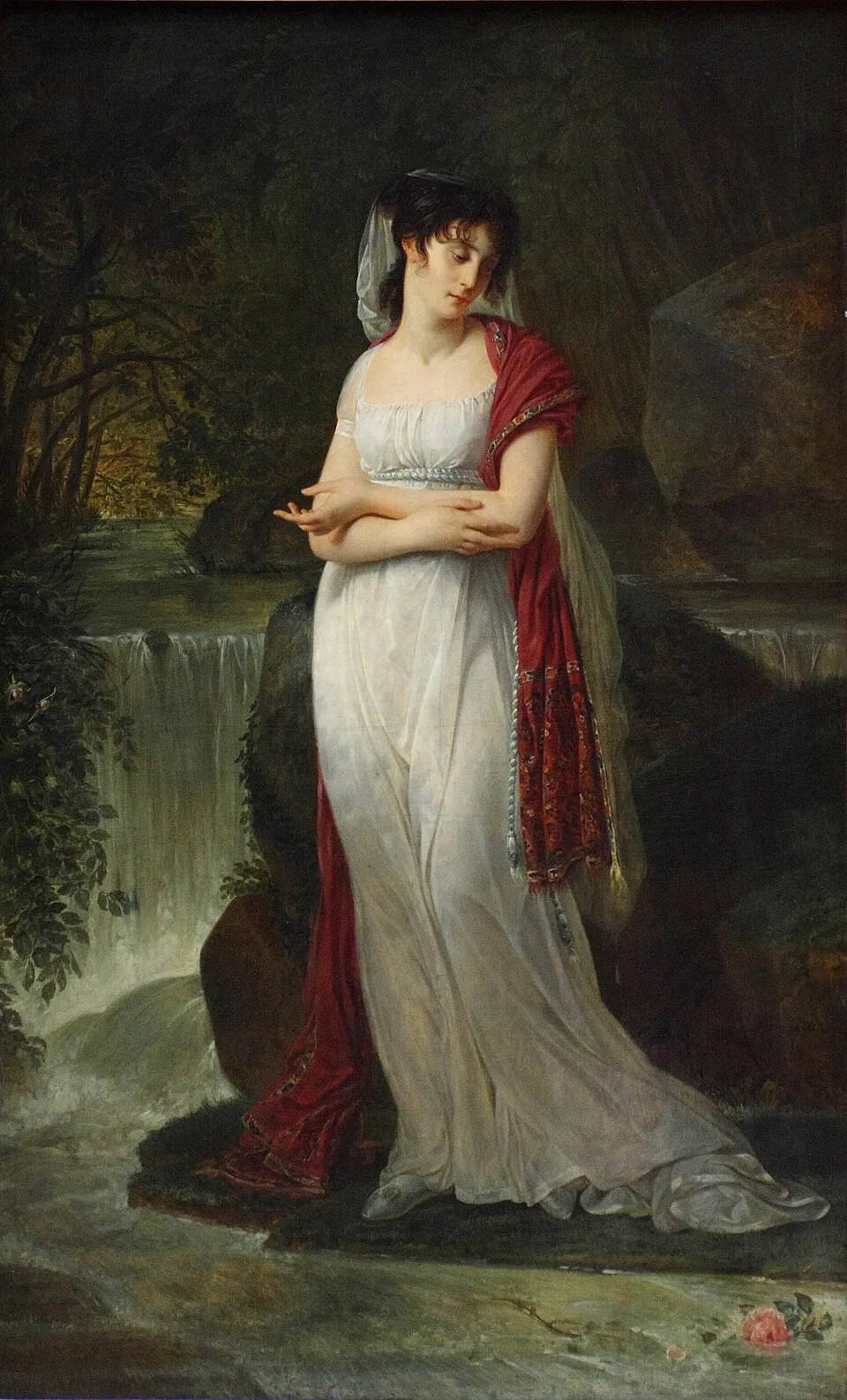
For art collectors, acquiring a fine art painting for sale by Antoine-Jean Gros, especially from the Romanticism movement, is a rare opportunity. The “Portrait of Louis-Marie-Joseph, comte de Brigode-Kemlandt” stands alongside masterpieces like “Madame Pasteur” and “Portrait of Christine Boyer” as a testament to Gros’s enduring influence. Its provenance and exquisite oil on canvas technique make it a prized addition to any collection, appealing to admirers of historical and emotional portraiture.
When Art Meets History
"Portrait of Louis-Marie-Joseph, comte de Brigode-Kemlandt" by Antoine-Jean Gros stands as a remarkable example of the Romanticism movement. This hand-painted oil painting not only captures the likeness of its noble subject but also reflects the turbulent era in which it was created. Gros, known for his dramatic portraiture, immortalizes Brigode-Kemlandt with a sensitivity akin to works like "The Bear Dance" and "Crossing the Brook," blending personal narrative with historical grandeur.
Techniques That Speak
Antoine-Jean Gros employed masterful oil on canvas techniques to bring depth and realism to this portrait. The brushwork reveals detailed textures in fabric and flesh, while the nuanced use of light and shadow heightens the sitter’s presence. This approach aligns with other Romantic masterpieces, such as "The Monk by the Sea" and "Salisbury Cathedral from the Bishop's Grounds," where the tactile quality of oil on canvas enhances emotional impact and artistic expression.
Emotions on Display
In "Portrait of Louis-Marie-Joseph, comte de Brigode-Kemlandt," Gros channels the emotional intensity characteristic of Romanticism. The subject’s thoughtful gaze and poised demeanor evoke a sense of introspection and nobility, reminiscent of the atmosphere in "Sunrise with Sea Monsters." This fine art painting for sale invites viewers to connect with the sitter’s inner world, a testament to Gros’s ability to convey complex human emotions through portraiture.
Coveted by Collectors
As a significant work by Antoine-Jean Gros within the Romanticism movement, this painting is highly sought after by art enthusiasts. Collectors recognize the value of a well-preserved hand-painted oil painting, especially one that shares artistic lineage with renowned pieces like "The Bear Dance" and "The Monk by the Sea." Its historical importance and exquisite craftsmanship make it a prized addition to any fine art painting collection or gallery.
Related Romanticism Hand-Painted Oil Paintings by Other Artists
Other Famous Romanticism Artists:
Frequently Asked Questions About Portrait of Louis-Marie-Joseph, comte de Brigode-Kemlandt
Who is depicted in the painting "Portrait of Louis-Marie-Joseph, comte de Brigode-Kemlandt"?
The painting features Louis-Marie-Joseph, comte de Brigode-Kemlandt, a notable figure in French history, recognized for his contributions during the Napoleonic era.
What artistic style is employed in this portrait?
Antoine-Jean Gros utilized the neoclassical style, characterized by its emphasis on clarity, order, and the depiction of noble subjects, which was prevalent during the late 18th and early 19th centuries.
What is the significance of the attire worn by the subject in the painting?
The attire worn by Louis-Marie-Joseph reflects his noble status and military rank, with elaborate details symbolizing both his authority and the fashion of the time, which was often influenced by classical antiquity.
How does Gros convey the personality of the subject through this portrait?
Gros captures the subject's character through a combination of facial expression, posture, and the choice of background, which together suggest a sense of confidence and dignity befitting a military leader.
What historical context surrounds the creation of this painting?
This portrait was created during a time of political upheaval in France, reflecting the shifting power dynamics and the rise of military leaders during the Napoleonic Wars.
What techniques did Gros use to achieve realism in the portrait?
Gros employed techniques such as chiaroscuro to create depth and volume, as well as meticulous attention to detail in the subject's facial features and clothing, enhancing the overall realism of the work.
What role did Antoine-Jean Gros play in the art world during his time?
Antoine-Jean Gros was a prominent painter known for his historical and military subjects, and he played a significant role in promoting the neoclassical style, influencing future generations of artists.
What symbolic elements can be found in the painting?
Symbolic elements in the portrait include the use of color and light to highlight the subject's nobility, as well as the inclusion of military insignia that signifies his rank and contributions to France.
How does this painting reflect the values of the time period?
The painting reflects the values of honor, duty, and patriotism that were prevalent during the Napoleonic era, showcasing the idealized image of the military leader as a protector of the nation.
Where can I view "Portrait of Louis-Marie-Joseph, comte de Brigode-Kemlandt"?
This painting is part of the collection at our art gallery, where it is displayed alongside other works from the neoclassical period, allowing visitors to appreciate its historical and artistic significance.






















_GFM_Painting_(1).webp)


 100% Hand-Painted: Finished in 3-6 Weeks

.png)















_(1).webp)