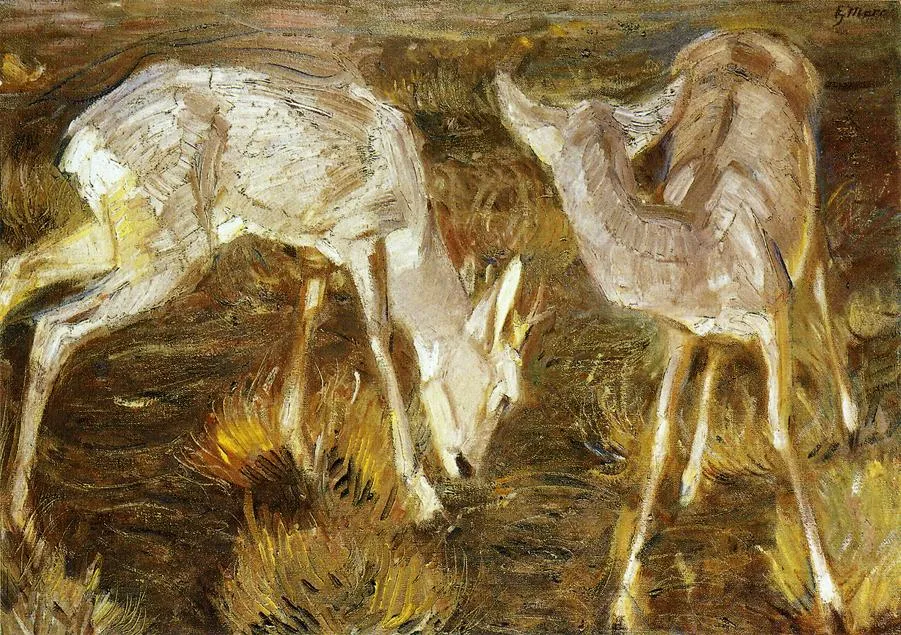
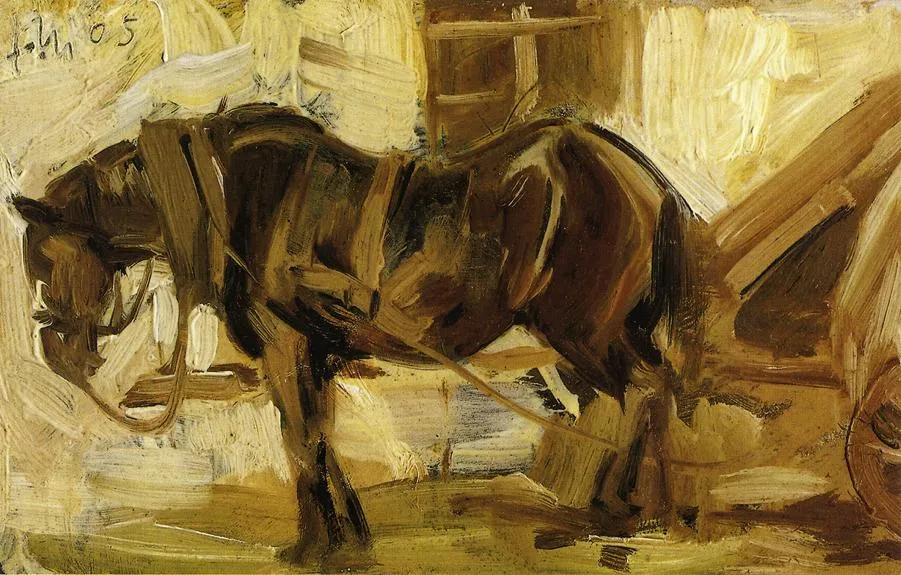
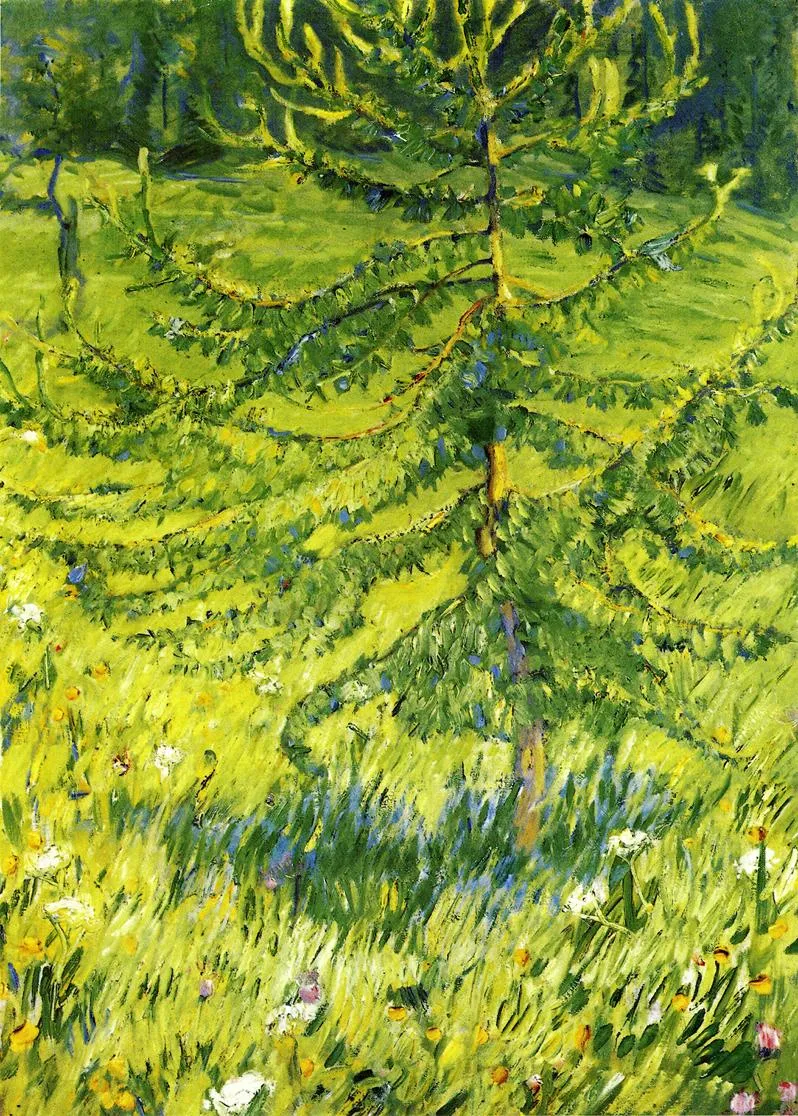
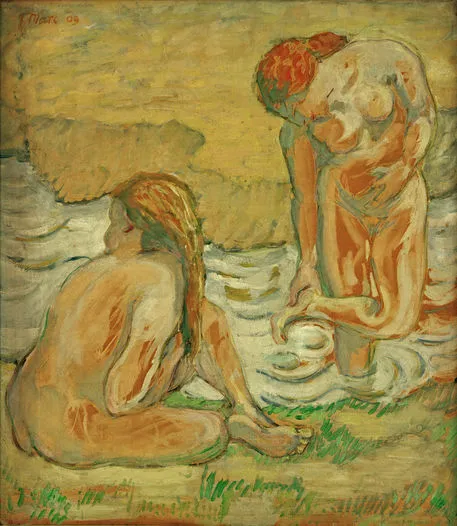
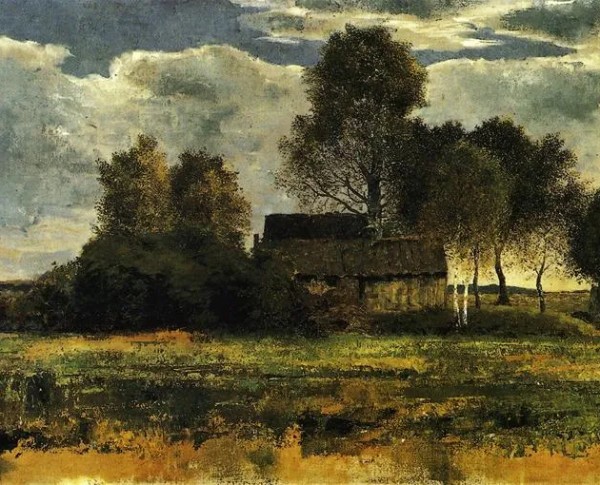
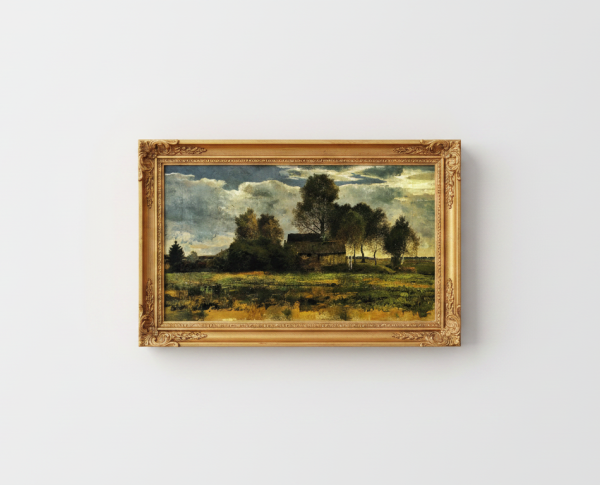
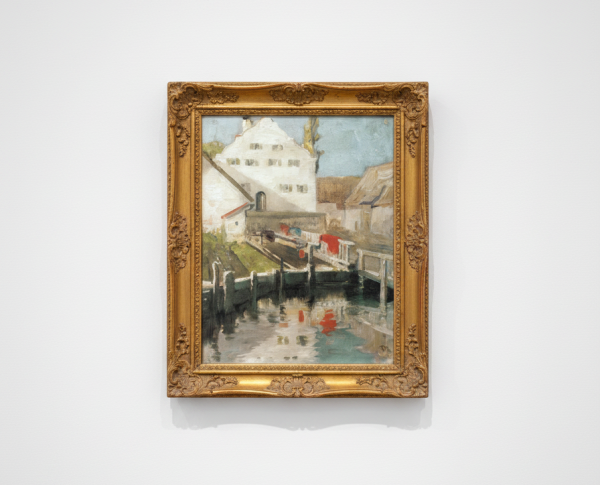
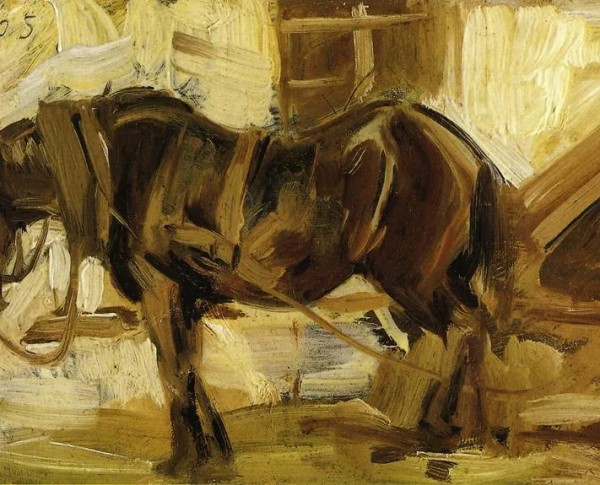
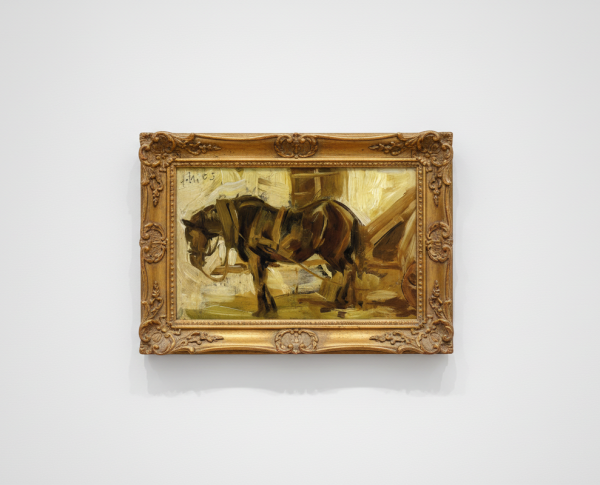
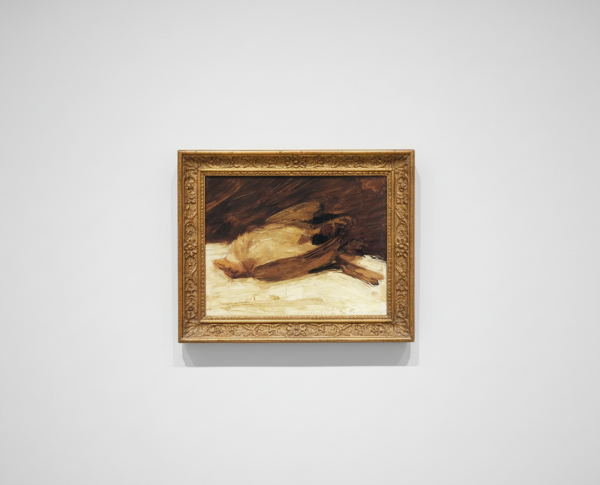
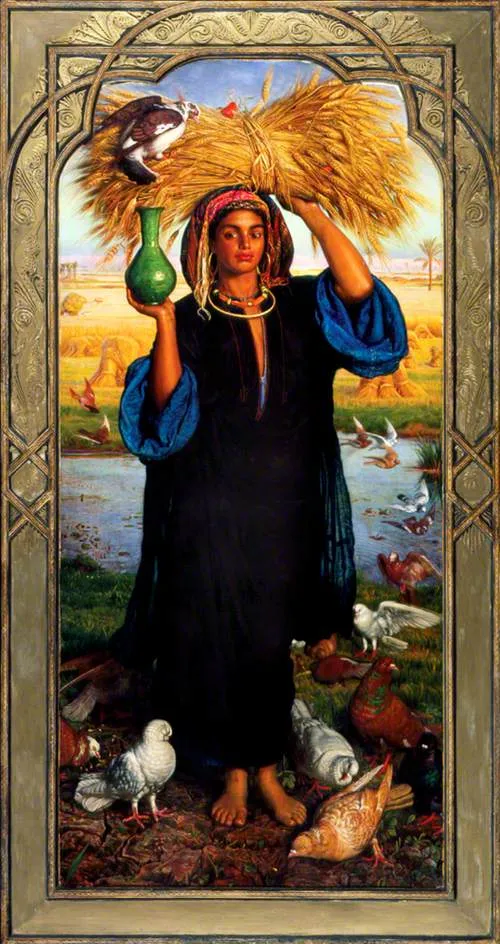
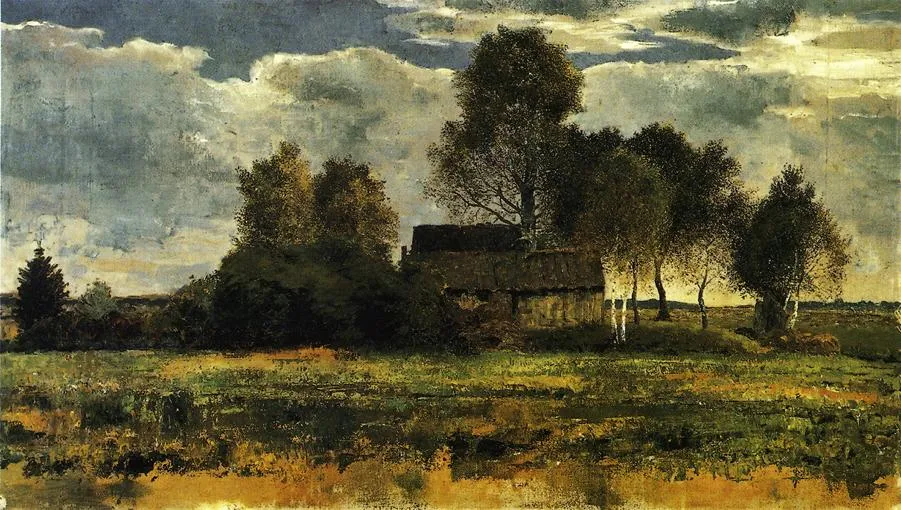
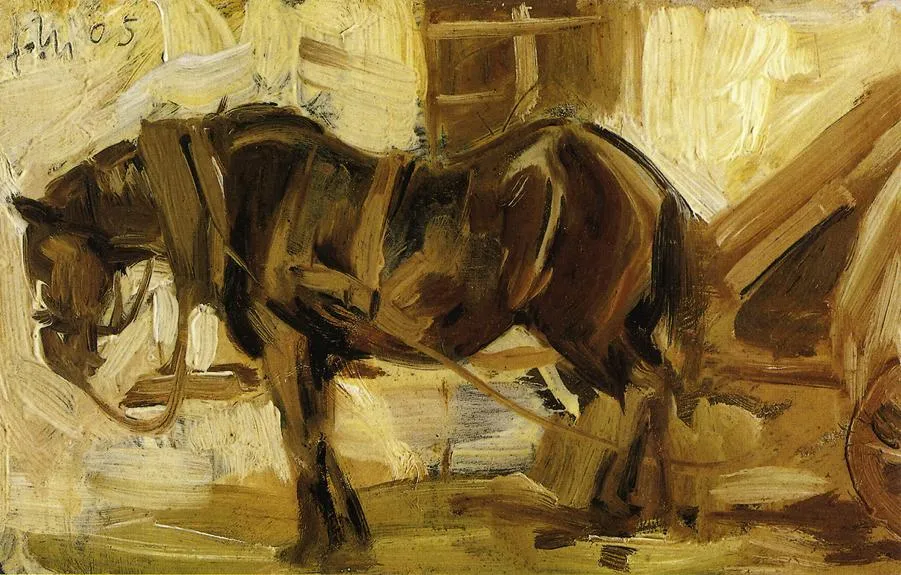
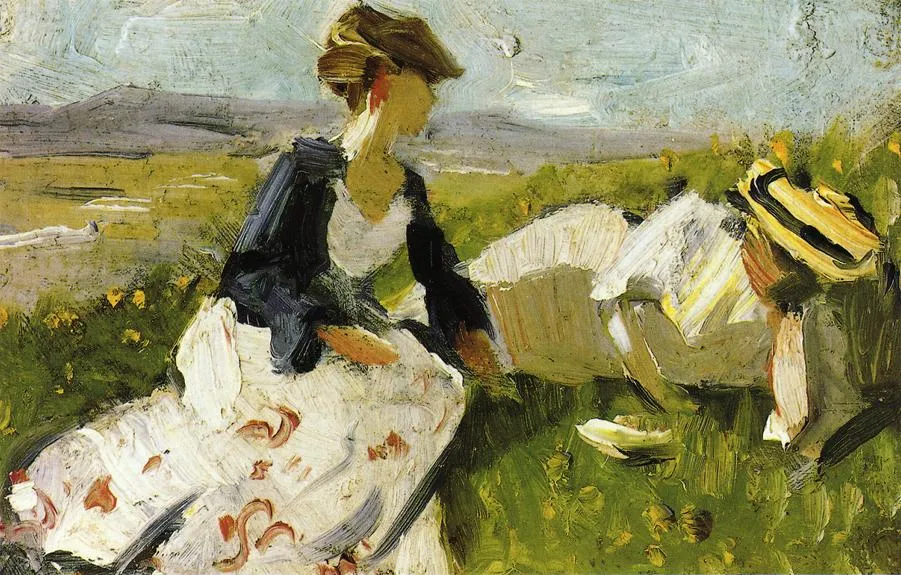
Franz Marc’s "Heidekraut" demonstrates his exceptional skill with oil on canvas, utilizing vibrant hues and dynamic brushwork to evoke a sense of movement and feeling. Each detail is meticulously crafted, revealing Marc’s mastery in translating the beauty of the natural world through the Expressionist lens. For those who appreciate similar artistry, consider exploring related works like "Woman in the Wind by the Sea" and "Zwei Pferde," both reflecting Marc’s signature technique and emotional depth.
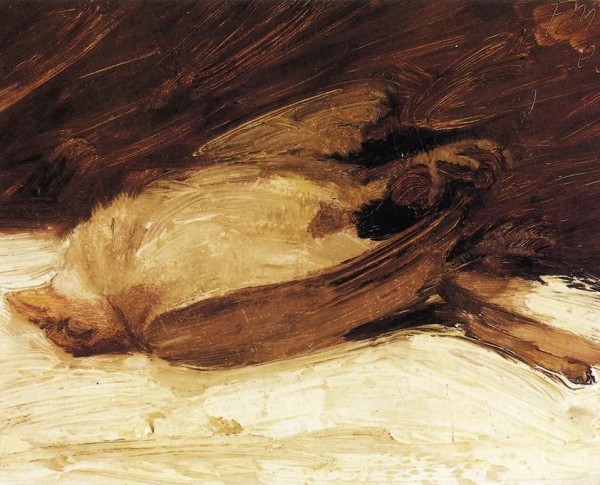
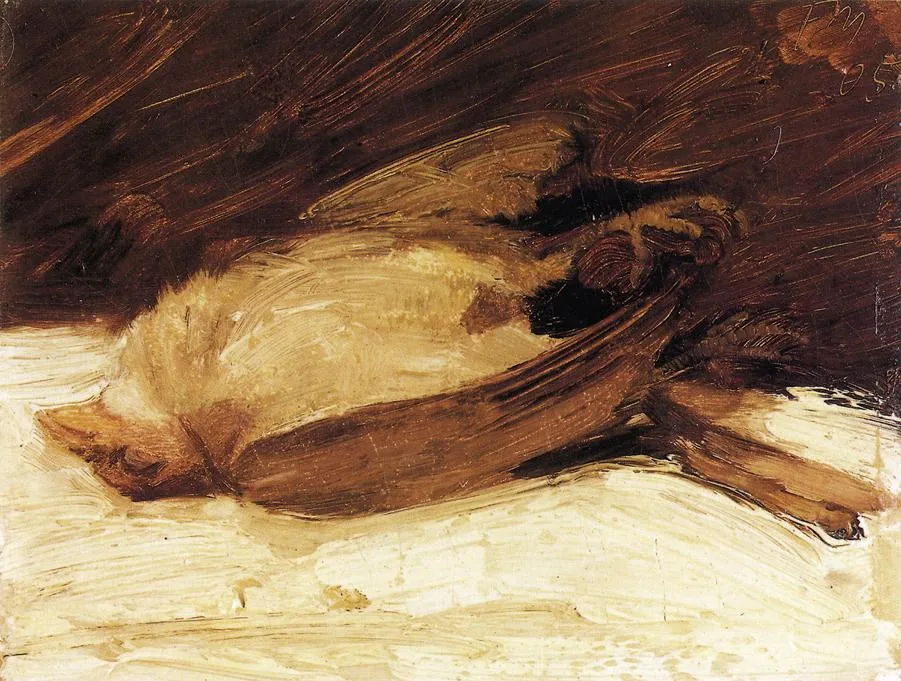
The "Heidekraut" painting is rich with symbolic meaning, characteristic of Franz Marc’s Expressionist style. Through this fine art painting for sale, Marc communicates themes of harmony between humans and nature, using expressive colors and forms. The narrative woven into the oil painting invites viewers to interpret the deeper stories behind each element. Enhance your understanding by pairing it with related products such as "Aufsteigende Nebel" and "The Dead Sparrow," which also delve into symbolic storytelling.
Owning "Heidekraut" by Franz Marc is a true privilege for any art enthusiast seeking a hand-painted oil painting from the Expressionism movement. This masterpiece, along with related products like "Franz Marc," "Zwei Pferde," and "The Dead Sparrow," offers collectors a rare opportunity to invest in the timeless appeal of Marc’s vision. Each piece adds significant value and a touch of historical artistry to any collection, making them highly sought-after treasures in the art world.
When Art Meets History
Franz Marc’s "Heidekraut" stands as a remarkable example of the Expressionism movement, a period that sought to capture raw emotion and the artist’s inner vision. Painted in the early 20th century, this hand-painted oil painting reflects Marc’s fascination with nature and color. Alongside renowned works like "The Scream" and "Morning," "Heidekraut" highlights the era’s innovative spirit and the artist’s unique perspective on the world, making it a timeless treasure in art history.
Techniques That Speak
In "Heidekraut," Franz Marc’s mastery of oil on canvas is evident through his bold use of color and dynamic brushwork. The painting’s expressive lines and vibrant hues are characteristic of Expressionism, conveying both movement and emotion. Compared to related paintings such as "Girl Kindling a Stove" and "Old Aker Church," Marc’s technical approach in "Heidekraut" showcases his commitment to pushing artistic boundaries, making each stroke resonate with energy and purpose.
Emotions on Display
Franz Marc’s "Heidekraut" is more than just a visual experience; it is an emotional journey. The painting’s intense colors and forms evoke feelings of passion and introspection, hallmarks of the Expressionism movement. Like "Aunt Karen in the Rocking Chair" and "The Scream," this fine art painting for sale invites viewers to connect with the underlying sentiments, transforming a simple scene into a profound statement about the human condition and the beauty of nature.
Coveted by Collectors
"Heidekraut" by Franz Marc has become highly sought after by art collectors around the world, much like other masterpieces from the Expressionism movement. Its unique composition and historical significance make it a prized addition to any collection. Whether displayed alongside "Morning" or "Girl Kindling a Stove," this hand-painted oil painting continues to captivate those who appreciate fine art, ensuring its legacy endures in private and public galleries alike.
Related Expressionism Hand-Painted Oil Paintings by Other Artists
Other Famous Expressionism Artists:
Frequently Asked Questions About Heidekraut
What is the historical context of "Heidekraut"?
"Heidekraut," painted by Franz Marc in 1908, reflects the early 20th-century movement towards expressionism, a reaction against the industrialization and urbanization of Europe. This period was marked by a desire to return to nature and explore emotional depth through art.
What artistic techniques did Franz Marc employ in "Heidekraut"?
Franz Marc utilized bold colors and dynamic forms in "Heidekraut," characteristic of his style. He often employed color symbolism, where each hue represents different emotions and ideas, contributing to the overall expressive quality of the work.
What is the significance of the title "Heidekraut"?
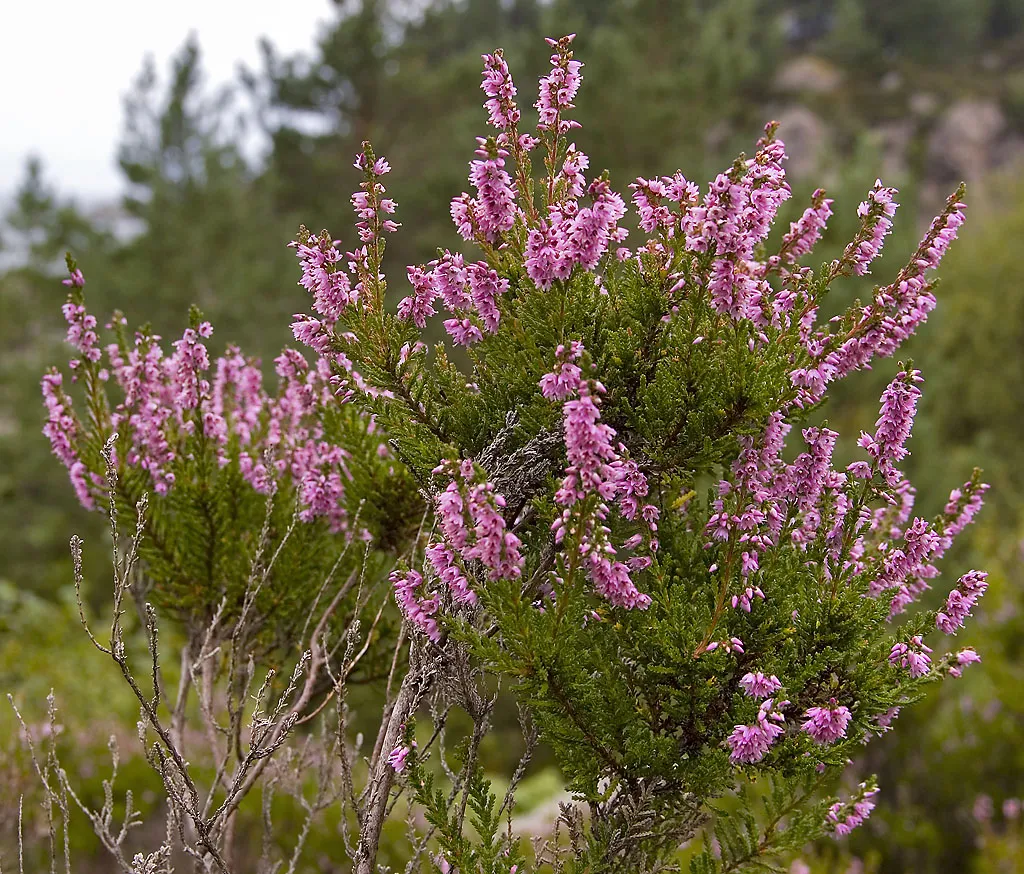
The title "Heidekraut" translates to "heath" or "heather," which symbolizes the natural world and the artist's connection to the landscape. This reflects Marc's fascination with nature and his belief in its spiritual significance.
How does "Heidekraut" represent Franz Marc's artistic philosophy?
Marc's philosophy centered on the idea of representing the essence of nature and animals. In "Heidekraut," he seeks to capture the emotional and spiritual connection between humanity and the natural world, emphasizing harmony and beauty.
What role does color play in "Heidekraut"?
Color in "Heidekraut" serves as a vital element of expression. Marc believed that colors could convey emotions; for instance, he often used blue to represent masculinity and spirituality, while yellow symbolized femininity and joy, creating a vibrant emotional landscape.
In what ways does "Heidekraut" reflect the themes of Expressionism?
"Heidekraut" embodies Expressionist themes through its emotional intensity and abstraction. The painting prioritizes personal expression and the subjective experience of nature over realistic representation, aligning with the core tenets of the Expressionist movement.
What influences can be seen in "Heidekraut"?
Franz Marc was influenced by various artistic movements, including Impressionism and Post-Impressionism, as well as the works of contemporaries like Wassily Kandinsky. These influences are evident in his use of color and form, which seek to transcend mere representation.
What animals or natural elements are depicted in "Heidekraut"?
While "Heidekraut" primarily focuses on the landscape, it often features animals as symbolic representations of nature's purity and innocence. Marc believed that animals were more in tune with the spiritual essence of the world, a theme prevalent in many of his works.
How does "Heidekraut" fit into Franz Marc's body of work?
What impact did "Heidekraut" have on later artists?
"Heidekraut" influenced subsequent generations of artists who sought to explore emotional and spiritual themes in their work. Marc's innovative use of color and form paved the way for future movements, including Abstract Expressionism, which embraced similar ideals of personal expression.























_GFM_Painting_(1).webp)


 100% Hand-Painted: Finished in 3-6 Weeks

.png)















_(1).webp)