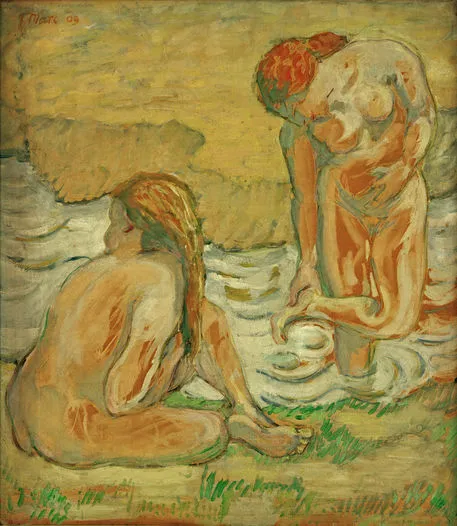
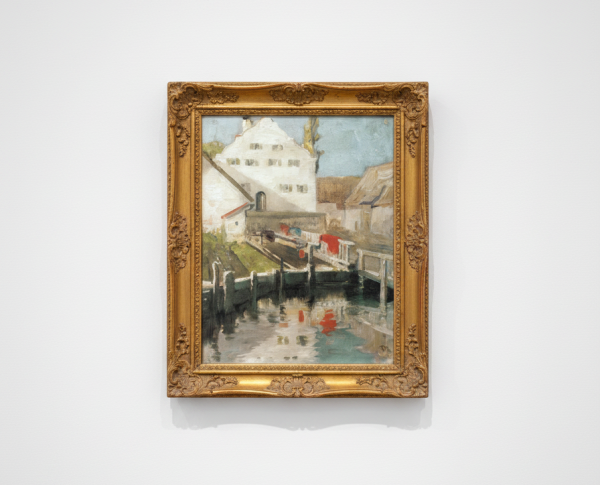
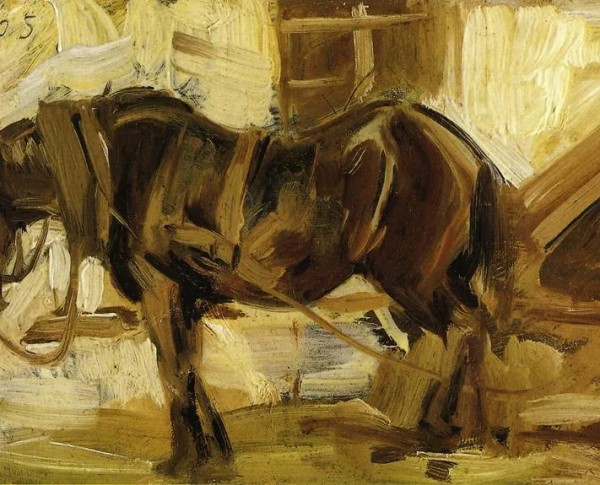
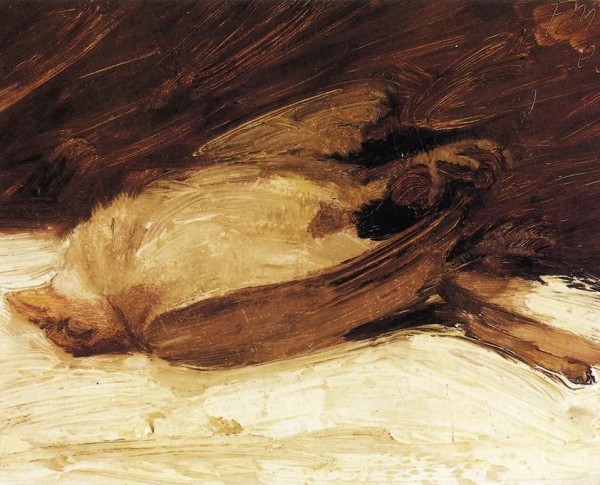
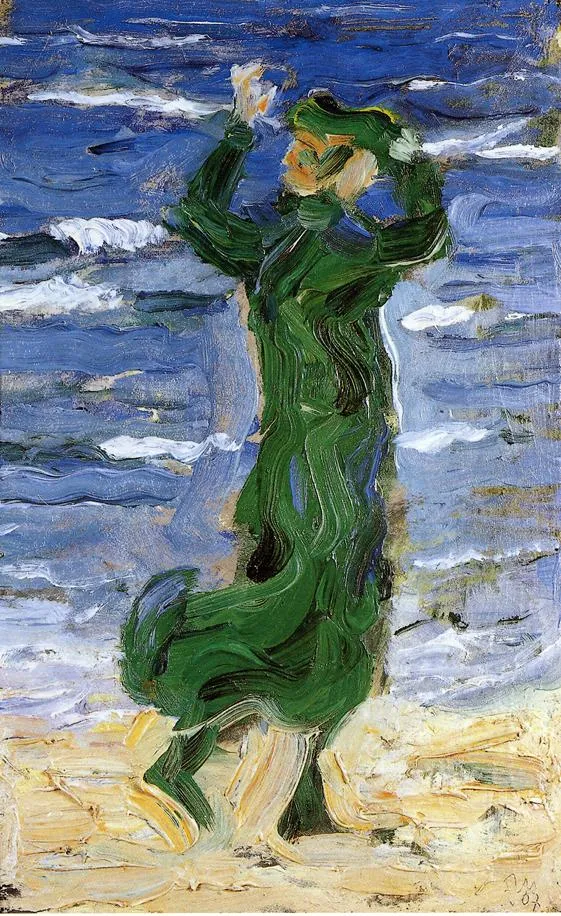
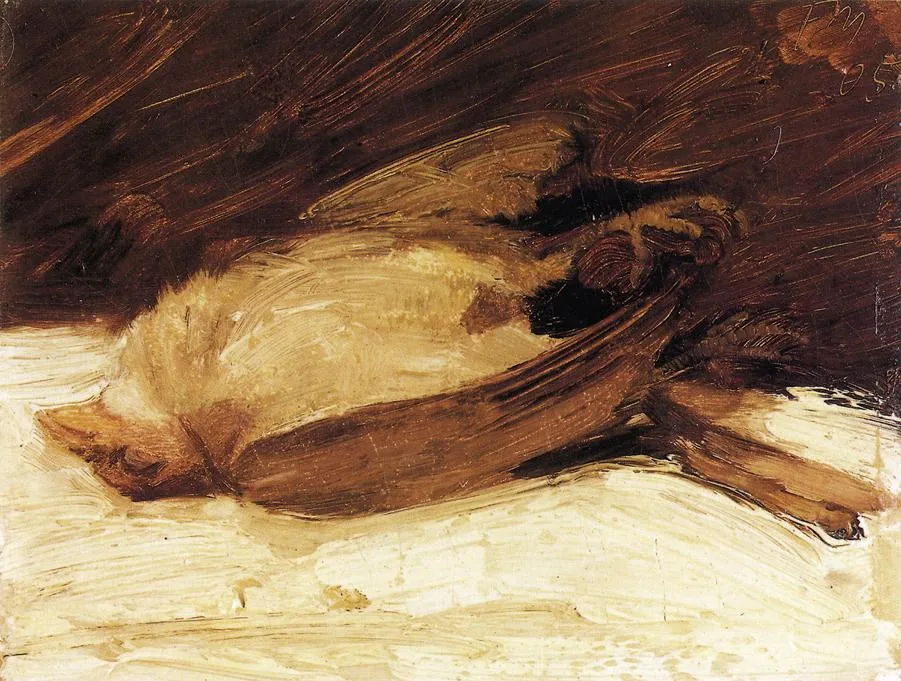
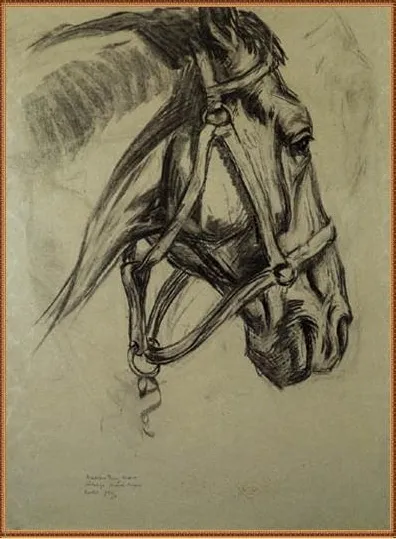
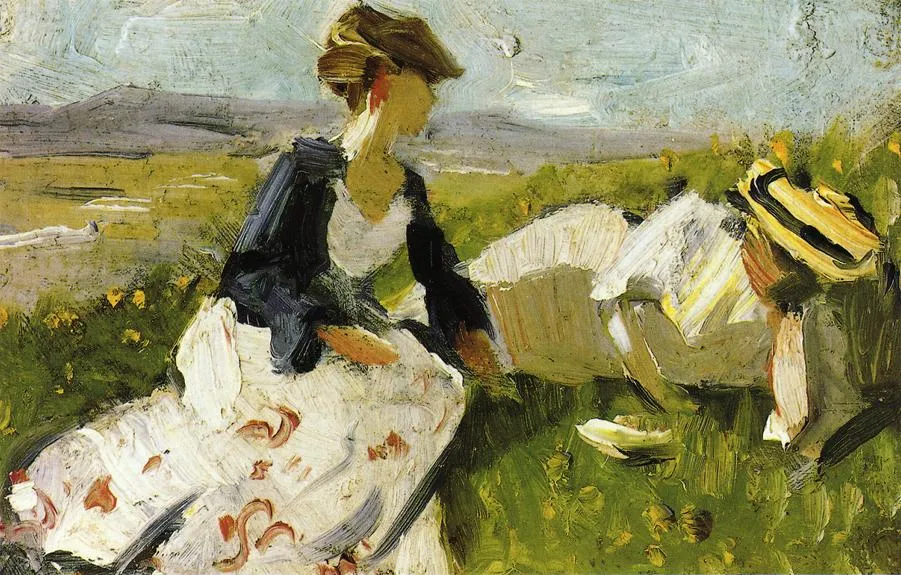
Franz Marc’s "Woman in the Wind by the Sea" is a stunning example of oil on canvas technique, showcasing the artist’s skillful manipulation of color and form. Each brushstroke breathes life into the windswept figure, echoing the energy found in related works such as "Head of the horse" and "Sheaf of Grain." Marc’s expressive style and mastery of oil on canvas make this painting a quintessential piece in the Expressionism movement.
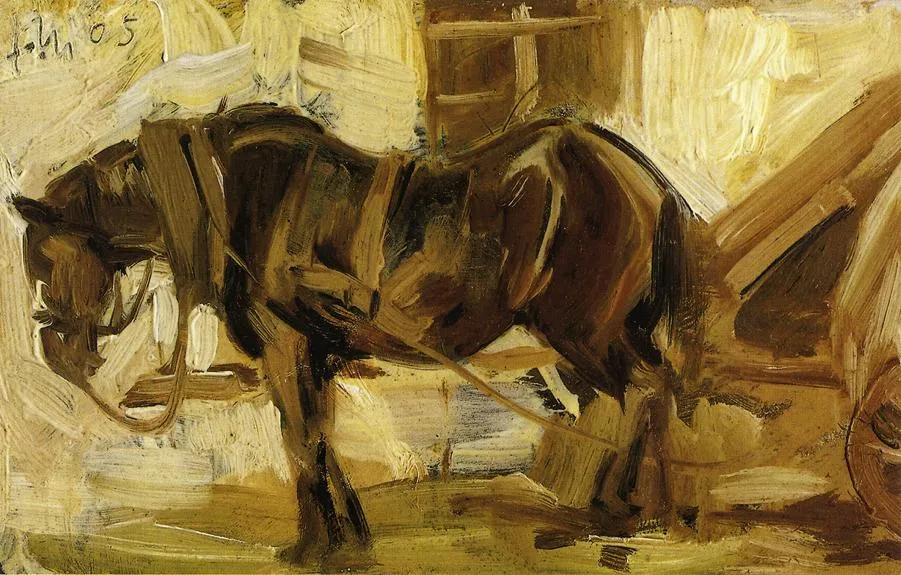
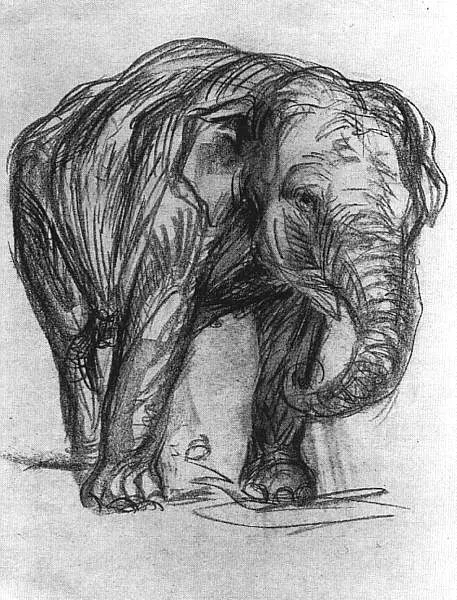
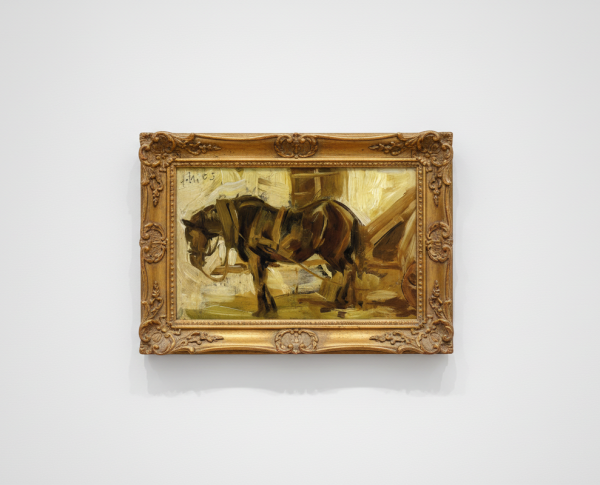
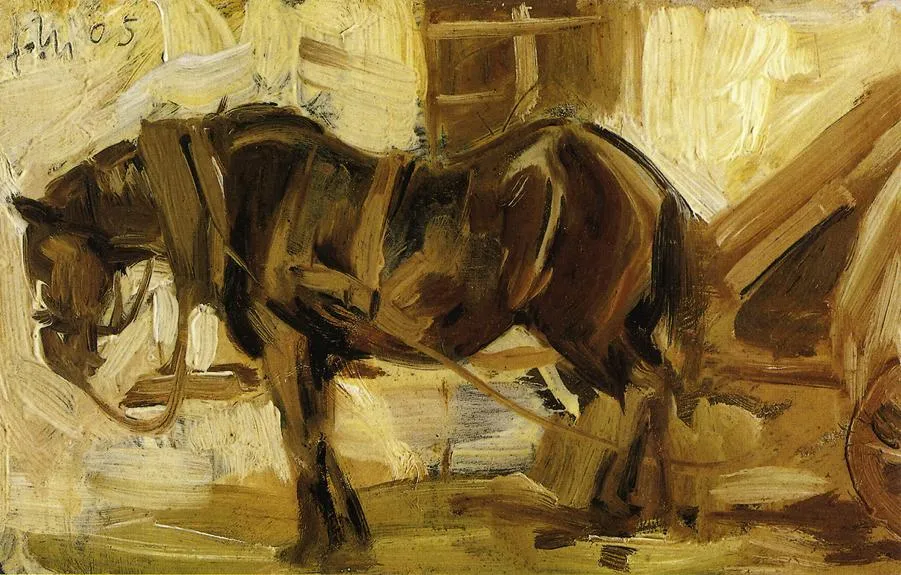
"Woman in the Wind by the Sea" is rich with symbolism, a hallmark of Franz Marc’s approach to Expressionism. The dynamic interplay of nature and human form invites viewers to explore themes of freedom and introspection. Collectors who appreciate symbolic depth in art will find parallels in Marc’s pieces like "Elephant" and "Small Horse Study," all renowned as fine art painting for sale among Expressionist collections.
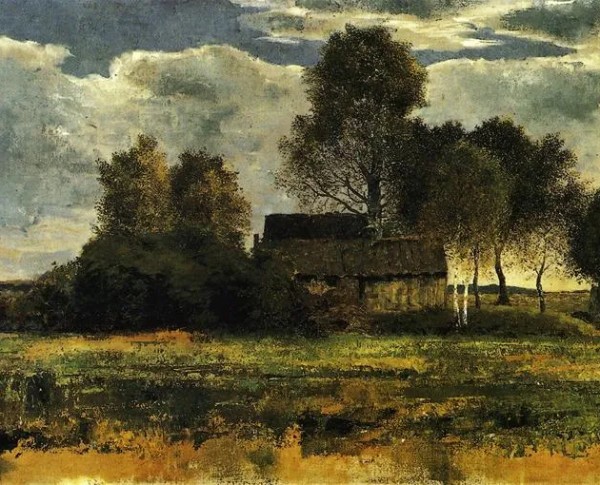
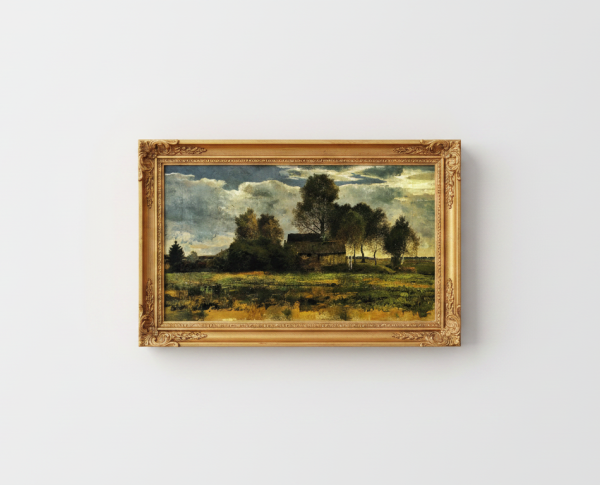
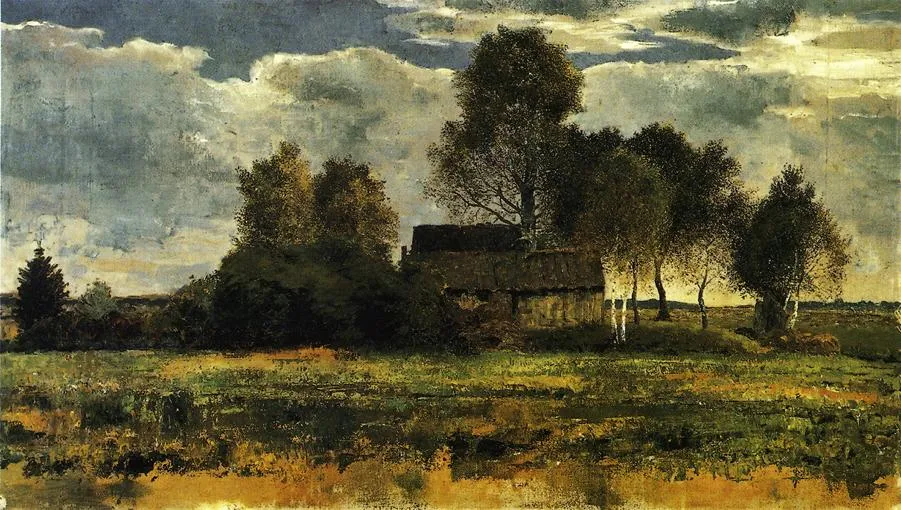
For discerning art lovers, "Woman in the Wind by the Sea" by Franz Marc is a rare fine art painting for sale that embodies the essence of Expressionism. Its unique composition and emotional resonance make it highly sought-after, much like Marc’s other celebrated works. Owning this masterpiece alongside related products such as "Cottages on the Dachau Marsh" or "Elephant" would enhance any collection and honor the timeless genius of Franz Marc.
When Art Meets History
"Woman in the Wind by the Sea" by Franz Marc stands as a testament to the Expressionism movement, capturing the turbulence of early 20th-century Europe. This hand-painted oil painting immerses viewers in a historical moment, much like related works such as "At the Coffee Table" and "The Scream." Marc, renowned for his vivid palette and emotional depth, channels the spirit of Expressionism, making this piece a significant chapter in the story of modern fine art.
Techniques That Speak
Franz Marc’s use of oil on canvas in "Woman in the Wind by the Sea" exemplifies the expressive techniques of the Expressionism movement. His energetic brushwork and bold color choices echo those seen in related paintings like "Vampire" and "Landscape. Maridalen by Oslo." The dynamic composition and textured surface bring the subject to life, making this artwork a stellar example of the technical prowess found in early 20th-century fine art masterpieces.
Emotions on Display
"Woman in the Wind by the Sea" radiates raw emotion, a hallmark of Expressionism, as pioneered by Franz Marc. The swirling forms and vibrant hues evoke feelings of longing and resilience, much like the emotional intensity seen in "The Sick Child" and "The Scream." This fine art painting for sale invites viewers to experience the inner turmoil and hope of its subject, connecting deeply with those who appreciate emotive, transformative art.
Coveted by Collectors
Collectors seeking a hand-painted oil painting that encapsulates the spirit of Expressionism are drawn to "Woman in the Wind by the Sea" by Franz Marc. Its rarity and connection to masterpieces like "At the Coffee Table" and "Vampire" enhance its allure. As a fine art painting for sale, it appeals to those who value emotionally charged, historically significant works, ensuring its place among the most sought-after pieces in modern art collections.
Related Expressionism Hand-Painted Oil Paintings by Other Artists
Other Famous Expressionism Artists:
Frequently Asked Questions About Woman in the Wind by the Sea
What is the historical context of "Woman in the Wind by the Sea"?
"Woman in the Wind by the Sea" was created during the early 20th century, a period marked by significant social and artistic upheaval. Franz Marc, a key figure in the Expressionist movement, sought to depict emotional experiences rather than realistic representations, reflecting the tumultuous nature of the time.
What artistic movement is Franz Marc associated with?
Franz Marc is primarily associated with Expressionism, a movement that emphasized the expression of emotional experience over physical reality. He was also a co-founder of the Blue Rider group, which aimed to explore the spiritual and symbolic aspects of art.
What are the main themes depicted in "Woman in the Wind by the Sea"?
The painting explores themes of nature, femininity, and the relationship between humanity and the environment. The woman in the artwork symbolizes a connection to the natural world, embodying both strength and vulnerability in the face of the elements.
How does color play a role in this painting?
Franz Marc utilized a vibrant color palette to convey emotions and symbolize deeper meanings. The use of blues and greens evokes a sense of calmness and connection to the sea, while warmer tones suggest vitality and passion, reflecting the duality of the human experience.
What symbolism is present in the depiction of the woman?
The woman in the painting represents both the nurturing aspect of nature and the struggle against the forces of the wind and sea. Her pose suggests resilience, embodying the spirit of freedom and the complexities of femininity in a changing world.
What influences can be seen in Marc's style in this work?
Marc's style in "Woman in the Wind by the Sea" reflects influences from both Impressionism and Post-Impressionism, as well as a fascination with the spiritual aspects of color and form. His use of simplified shapes and bold colors creates a dreamlike quality that invites contemplation.
How does this painting relate to Marc's other works?
This painting shares thematic and stylistic similarities with Marc's other works, particularly his focus on animals and nature. Like many of his pieces, it emphasizes emotional resonance and the interconnectedness of all living beings, showcasing his consistent exploration of these motifs.
What is the significance of the sea in this painting?
The sea serves as a powerful symbol of both freedom and the unknown. In "Woman in the Wind by the Sea," it represents the vastness of nature and the challenges that come with it, reflecting the internal and external struggles faced by the figure in the artwork.
What techniques did Franz Marc use in this painting?
Marc employed techniques such as bold brushwork and vibrant color contrasts to create dynamic movement within the composition. His layering of colors and forms enhances the emotional depth of the painting, inviting viewers to engage with the scene on a visceral level.
How has "Woman in the Wind by the Sea" been received by critics and art historians?
The painting has been praised for its emotional intensity and innovative use of color. Critics and art historians recognize it as a significant work within Marc's oeuvre, highlighting its role in advancing the Expressionist movement and its exploration of the relationship between humanity and nature.























_GFM_Painting_(1).webp)


 100% Hand-Painted: Finished in 3-6 Weeks

.png)















_(1).webp)