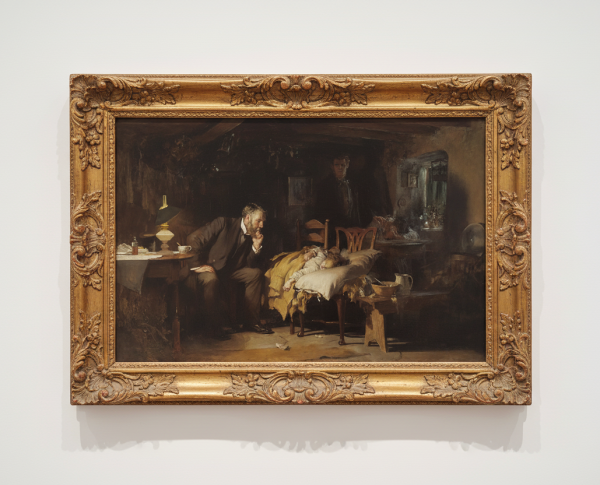
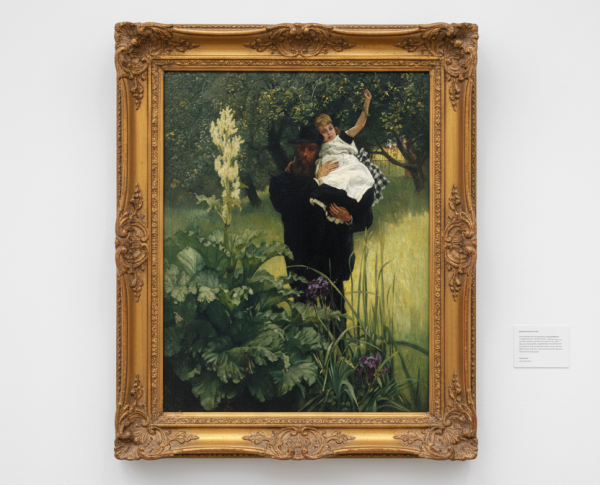
Samuel Luke Fildes’ technique in "Jessica" exemplifies the meticulous attention to detail characteristic of oil on canvas masterpieces. Each brushstroke reveals his skill in rendering light, texture, and emotion, hallmarks of the Social Realism movement. Collectors and admirers of fine art will notice similarities in craftsmanship when comparing "Jessica" to related works such as "Rosa Siega" and "The return of the penitent," underscoring Fildes’ enduring influence in art history.
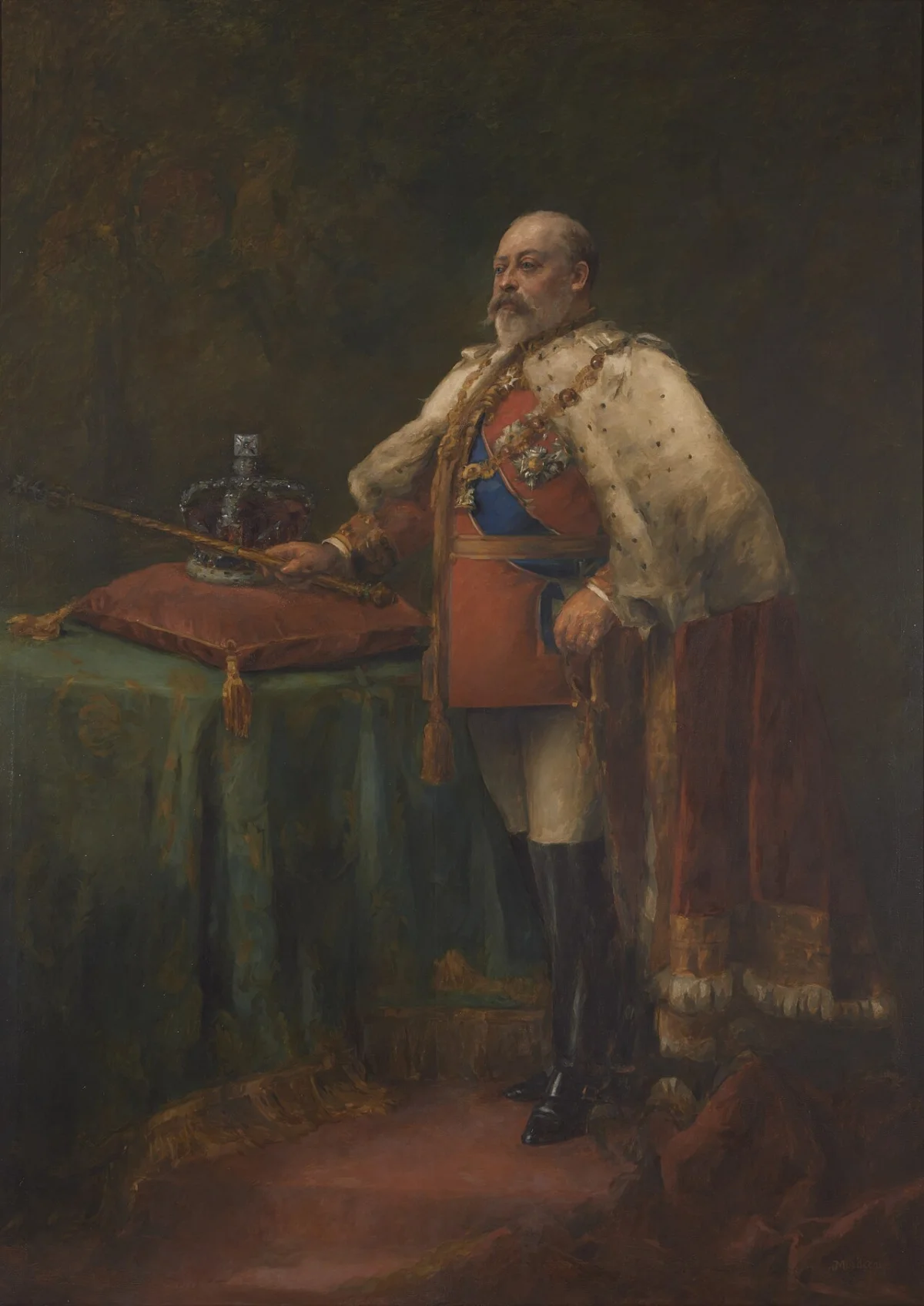
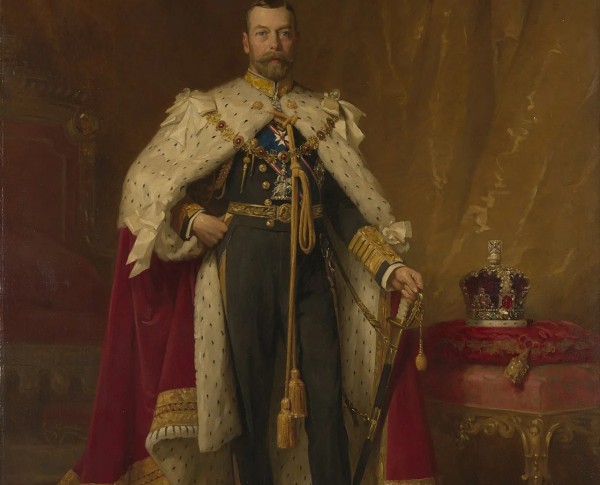
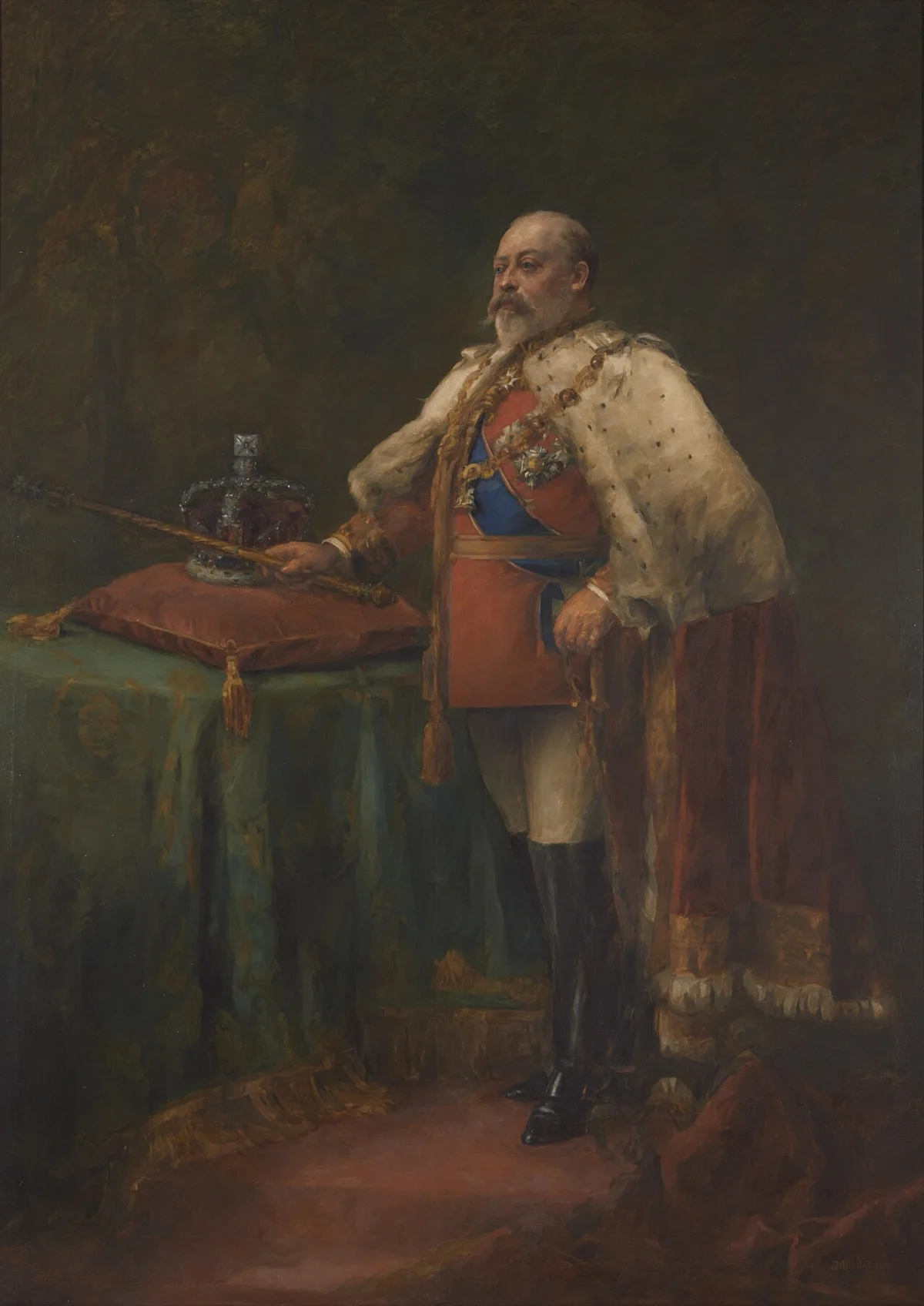
The narrative depth within "Jessica" is emblematic of Samuel Luke Fildes’ approach to Social Realism, where every element contributes to a broader social commentary. This fine art painting for sale invites viewers to ponder the personal history and societal context of its subject, much like Fildes’ other notable pieces including "King George V (1865-1936)." The symbolism embedded in "Jessica" continues to inspire interpretation, making it a standout among oil paintings of its era.
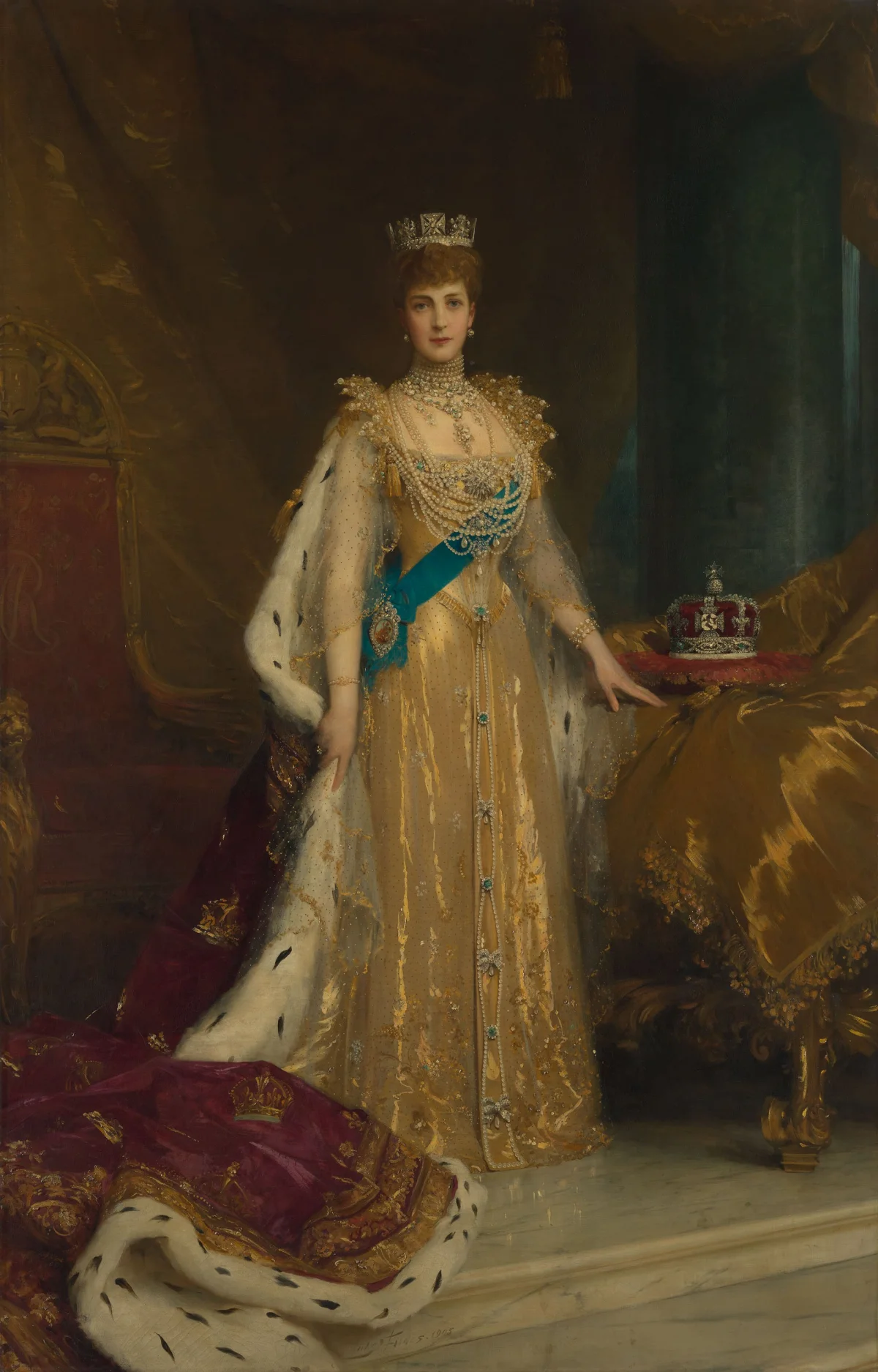
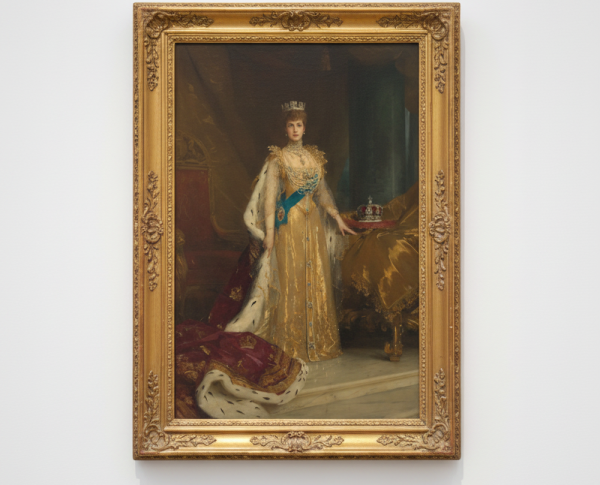
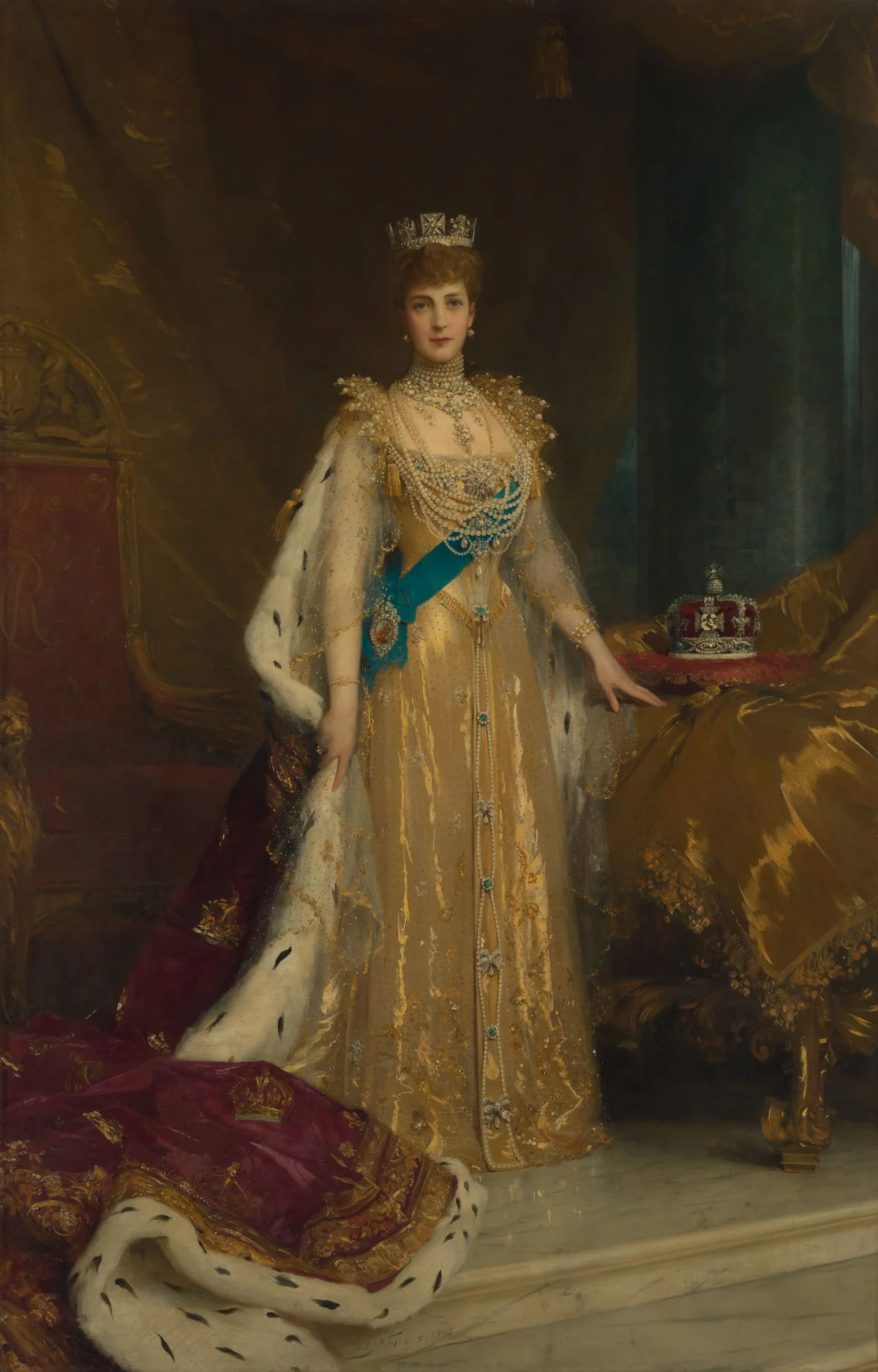
Owning "Jessica" by Samuel Luke Fildes means acquiring a significant piece of the Social Realism movement. As a hand-painted oil painting, it offers both aesthetic beauty and historical value, appealing to discerning collectors. Whether displayed alongside works like "Queen Alexandra, Queen Alexandra (1844-1925)," or "The widower," "Jessica" elevates any collection, reinforcing the enduring appeal of Fildes’ artistry and the timeless nature of oil on canvas masterpieces.
When Art Meets History
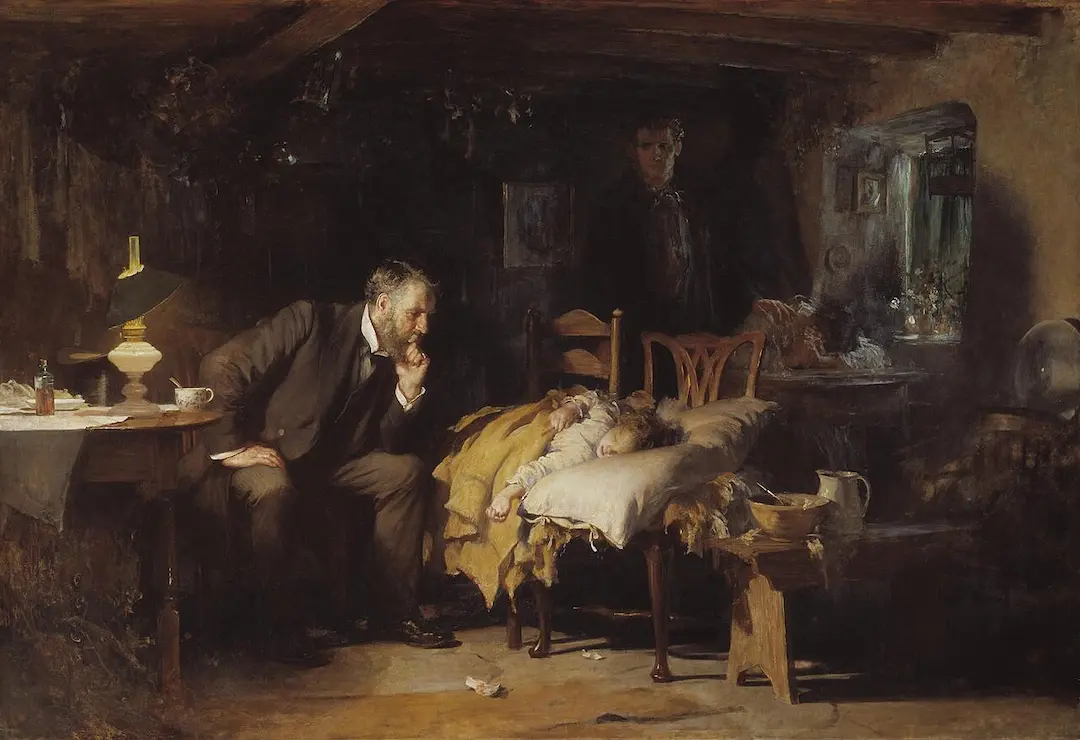
"Jessica" by Samuel Luke Fildes stands as a testament to the Social Realism movement, capturing the nuanced lives of everyday people in Victorian England. This hand-painted oil painting offers a window into a bygone era, reflecting the social conditions and emotions of its time. Through Fildes’ skilled artistry, the viewer is invited to appreciate not only the beauty of the subject but also the broader historical and societal context that influenced this remarkable work.
Techniques That Speak
Samuel Luke Fildes employed masterful techniques in his creation of "Jessica," utilizing oil on canvas to achieve depth, texture, and vibrant realism. His meticulous brushwork and attention to detail highlight the technical prowess synonymous with the Social Realism movement. The artist's approach in this piece mirrors his dedication to authenticity and emotional resonance, setting "Jessica" apart as a striking example of how oil on canvas can bring a subject vividly to life.
Emotions on Display
In "Jessica," Fildes masterfully conveys a spectrum of emotions, from quiet introspection to subtle resilience, characteristic of the figures portrayed in Social Realism. The hand-painted oil painting draws viewers into the sitter’s inner world, creating a strong emotional connection. Fildes’ sensitive portrayal invites empathy, making "Jessica" a compelling study in human expression. This emotional depth is a hallmark of the movement and a defining feature of this fine art painting for sale.
Coveted by Collectors
Collectors seeking exceptional pieces from the Social Realism movement often look to Samuel Luke Fildes’ works, with "Jessica" being a prime example. The painting’s historical significance, technical mastery, and emotional resonance contribute to its desirability as a fine art painting for sale. Fildes’ reputation as a leading artist and the enduring appeal of "Jessica" make it a valuable addition to any art collection, reflecting both artistic heritage and investment potential.
Frequently Asked Questions About Jessica
What is the historical context of "Jessica"?
"Jessica" was painted by Samuel Luke Fildes in the late 19th century, a period characterized by the rise of realism in art. This movement sought to depict everyday life and ordinary people, moving away from romanticized subjects.
Who is the subject of the painting "Jessica"?
The painting features a young girl named Jessica, who is often interpreted as a representation of innocence and childhood. Fildes was known for his ability to capture the essence of his subjects, making them relatable and poignant.
What artistic techniques did Fildes employ in "Jessica"?
Fildes utilized a combination of realism and naturalism in "Jessica," employing meticulous detail and a soft color palette to evoke emotion. His use of light and shadow enhances the three-dimensionality of the figure, drawing the viewer's attention to her expression.
What symbolism can be found in "Jessica"?
The painting symbolizes the purity and vulnerability of childhood. Jessica's expression and posture convey a sense of introspection, inviting viewers to reflect on the complexities of youth and the passage of time.
How does "Jessica" reflect the themes of Victorian society?
In Victorian society, childhood was often idealized, and "Jessica" embodies this sentiment. The painting reflects societal values of the time, emphasizing the importance of nurturing innocence and the moral responsibilities of adults towards children.
What influence did Samuel Luke Fildes have on future artists?
Fildes' focus on realism and his ability to portray emotional depth influenced subsequent generations of artists. His work paved the way for a greater appreciation of psychological complexity in portraiture and narrative painting.
In what ways does "Jessica" exemplify the characteristics of Fildes' style?
"Jessica" exemplifies Fildes' characteristic style through its detailed representation, emotional resonance, and the ability to convey a story through a single moment. His portraits often reflect a deep understanding of human nature.
What materials and techniques were used in the creation of "Jessica"?
Fildes likely used oil on canvas for "Jessica," a common medium during the period. His technique involved layering paint to create depth and texture, allowing for a lifelike representation of the subject.
How does "Jessica" compare to other works by Fildes?
What is the significance of "Jessica" in the context of art history?
"Jessica" is significant as it represents a shift towards realism in art, highlighting the importance of depicting real-life subjects with emotional depth. It serves as an important example of the Victorian era's artistic evolution and its focus on social themes.























_GFM_Painting_(1).webp)



 100% Hand-Painted: Finished in 3-6 Weeks


.png)


















_(1).webp)