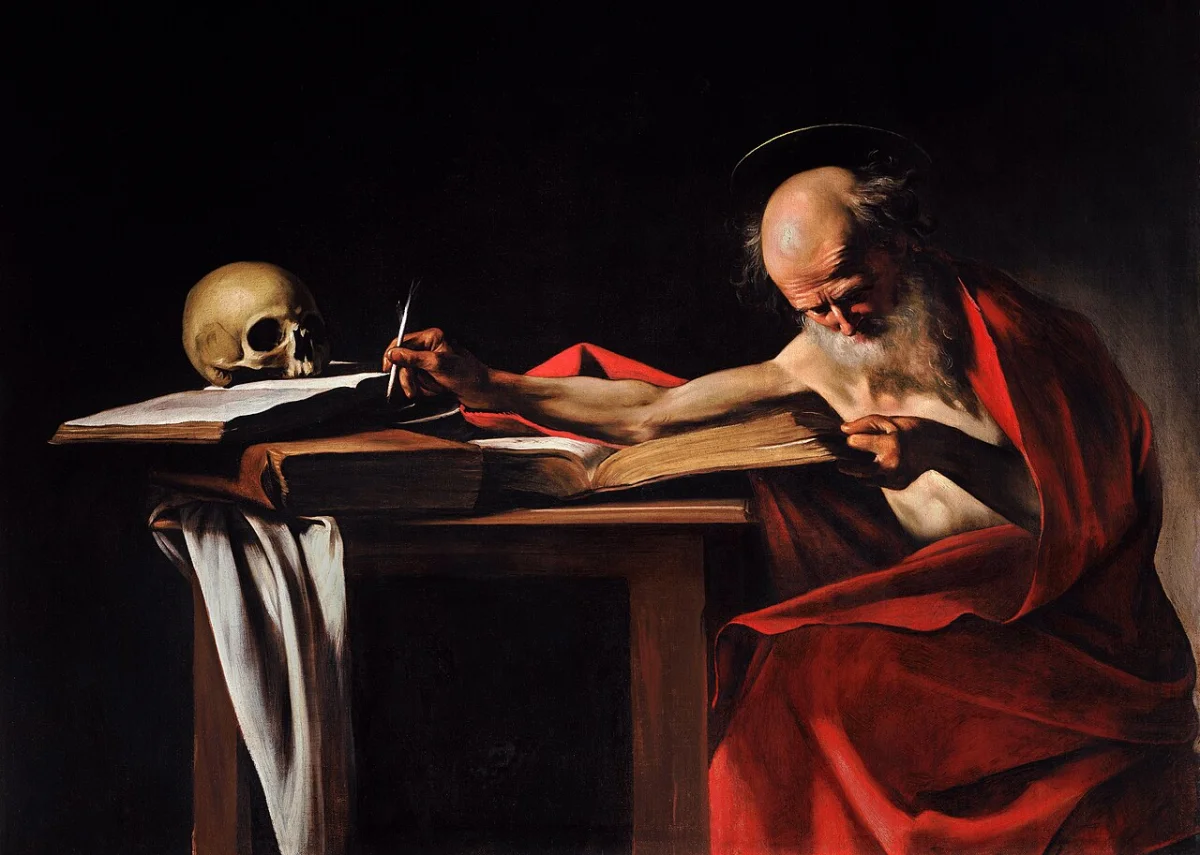
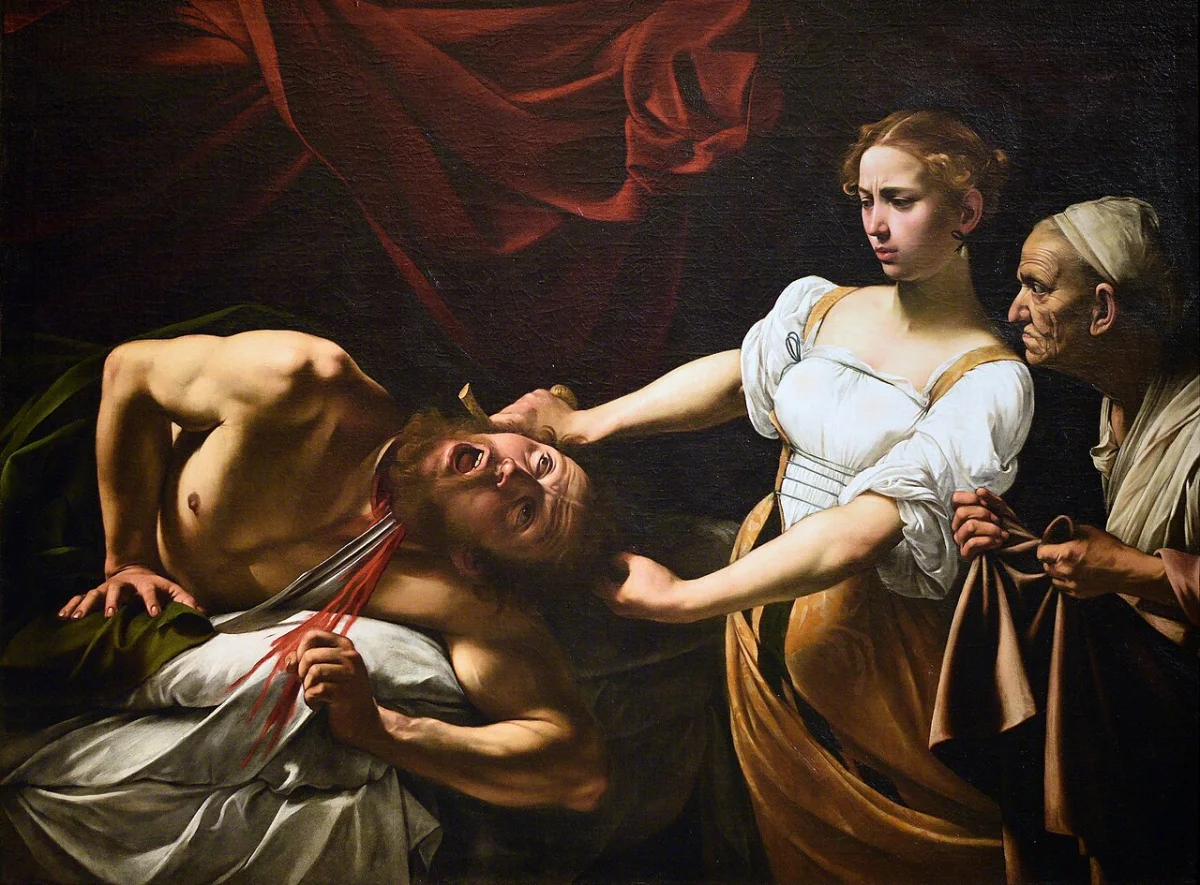
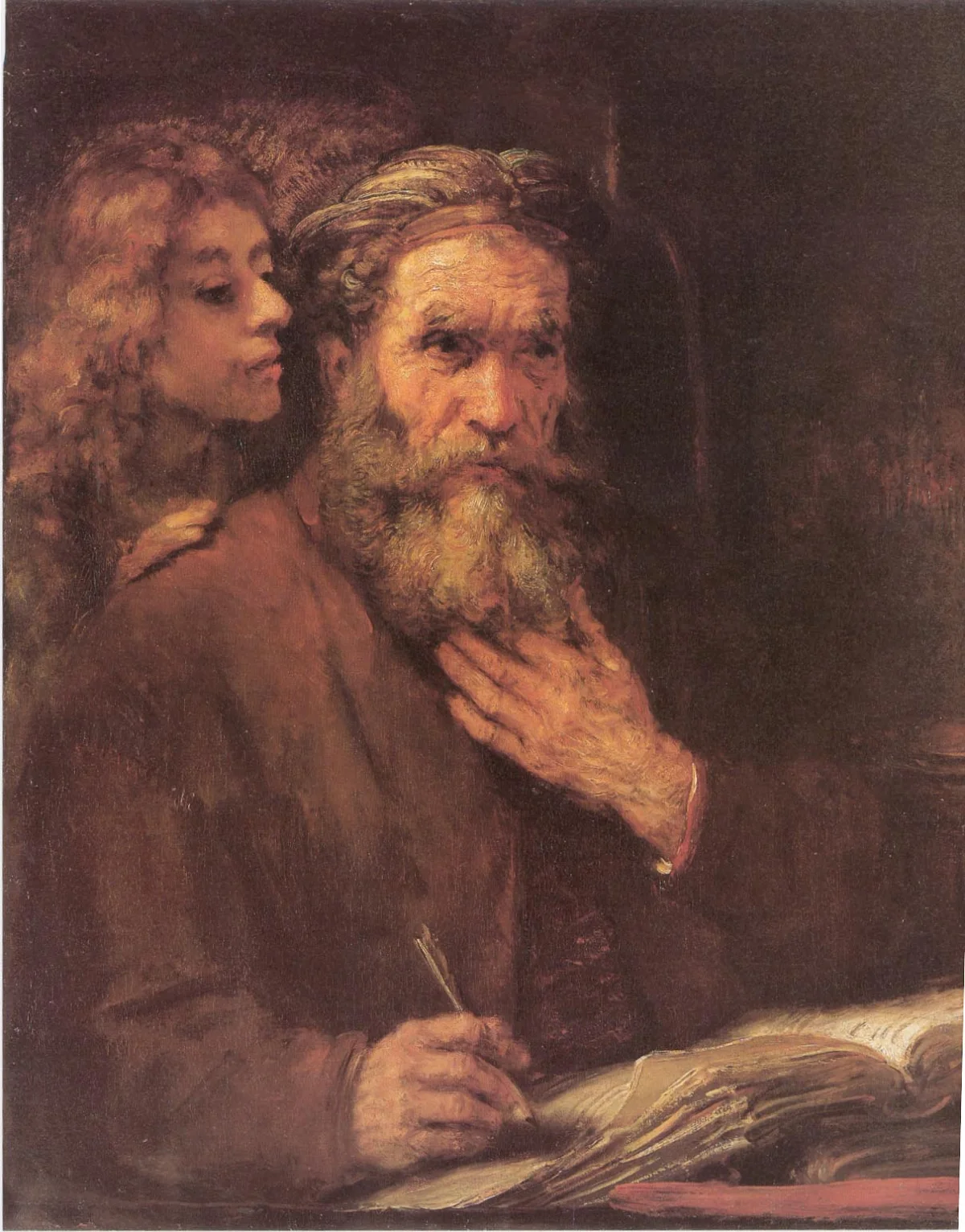
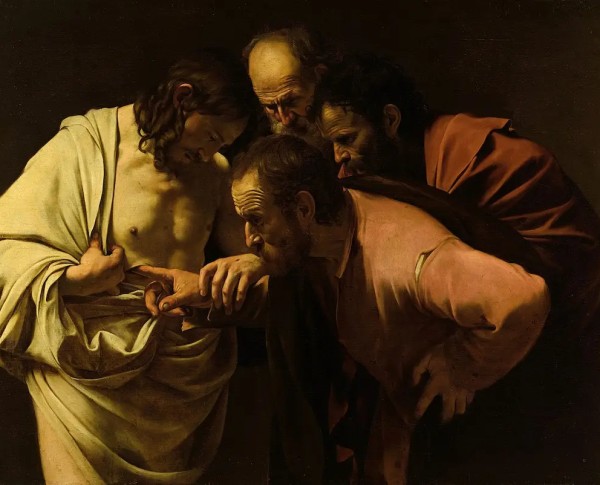
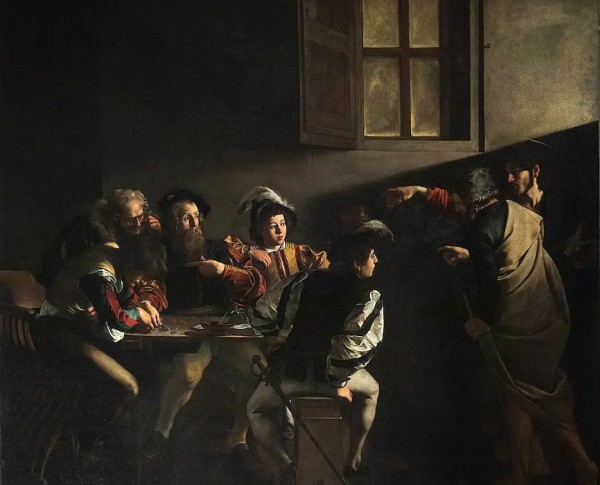
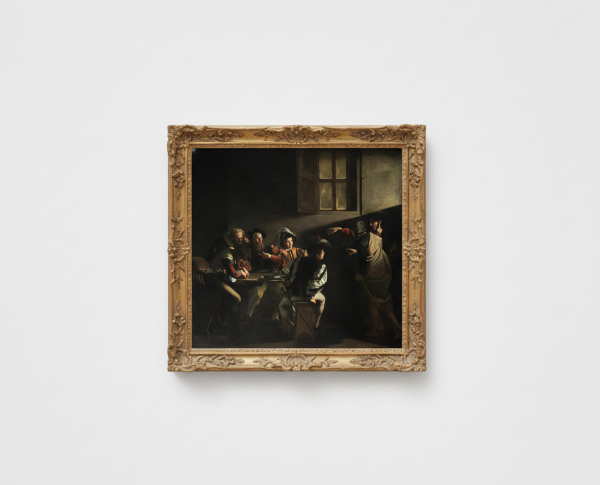
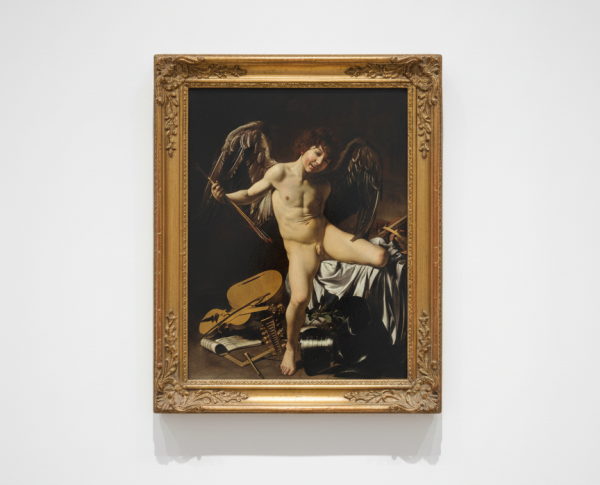
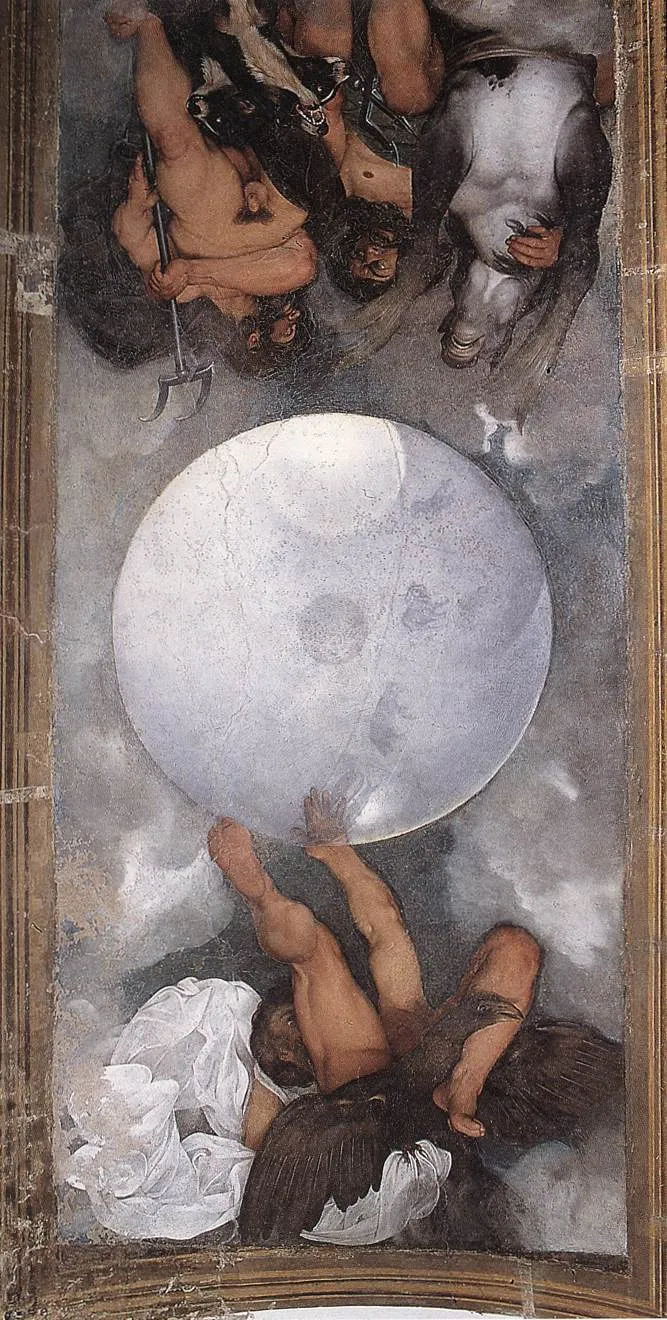
Caravaggio’s "Jupiter, Neptune and Pluto" stands as a remarkable hand-painted oil painting from the Baroque movement. Created around 1597, this masterpiece showcases the artist’s revolutionary use of light and shadow, transforming the way fine art was perceived in Europe. Caravaggio’s influence is evident in related works like "Saint Matthew and the Angel" and "Judith Beheading Holofernes," each echoing the dramatic intensity found in this renowned oil painting.
The exquisite detailing in "Jupiter, Neptune and Pluto" exemplifies Caravaggio’s mastery of oil on canvas. His expert handling of textures and anatomy brings mythological gods to life, demonstrating why this painting is a highlight of the Baroque era. Collectors and enthusiasts seeking a similar visual experience might also explore "Young Sick Bacchus" or "Boy Peeling Fruit," both celebrated for their technical brilliance in oil on canvas.
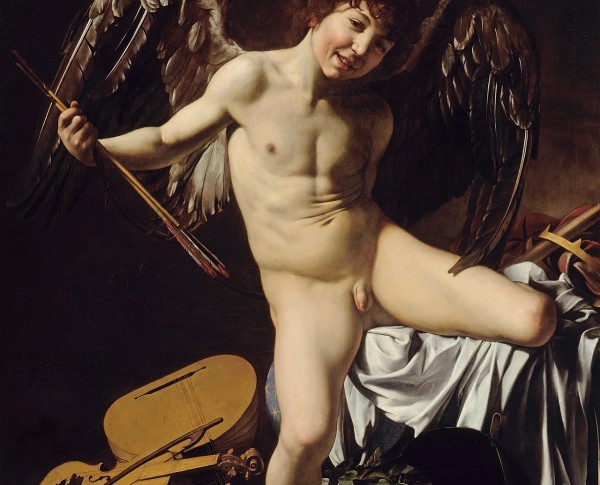
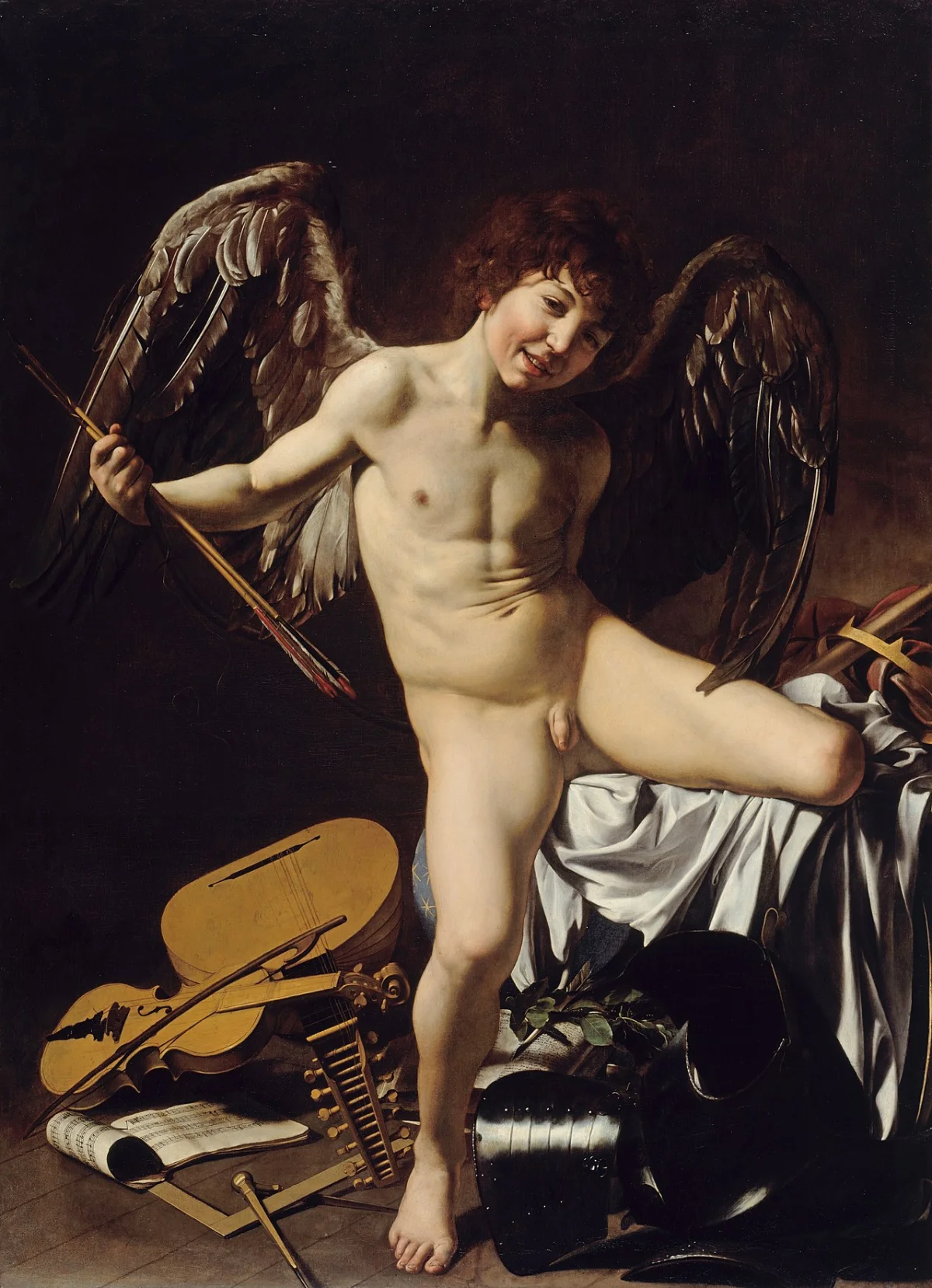
"Jupiter, Neptune and Pluto" is rich with allegory, each god representing elements of the cosmos in this fine art painting for sale. Caravaggio’s composition weaves together mythology and symbolism, inviting viewers to decipher hidden meanings. The dramatic gestures and vibrant colors found here are also present in works like "Amor Vincit Omnia" and "Judith Beheading Holofernes," making them captivating additions for any admirer of Baroque narrative art.
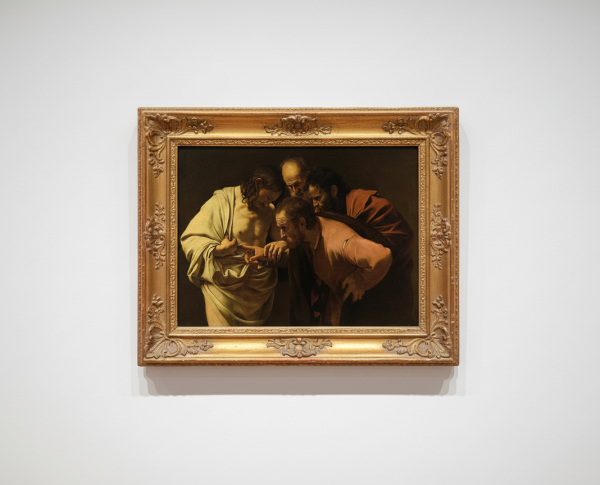
Owning a reproduction of Caravaggio’s "Jupiter, Neptune and Pluto" allows art lovers to appreciate a true Baroque masterpiece in their own space. This hand-painted oil painting is a testament to the artist’s genius and the movement’s grandeur. Collectors seeking to expand their collection should consider related products such as "Saint Matthew and the Angel" or "Judith Beheading Holofernes" for a comprehensive display of Caravaggio’s finest works.
When Art Meets History
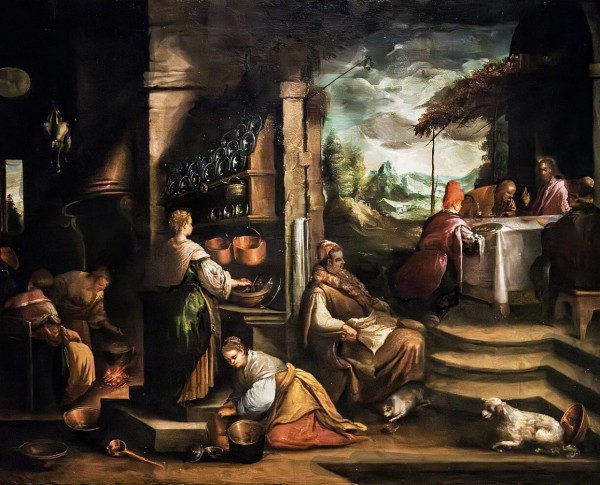
"Jupiter, Neptune and Pluto" is a remarkable hand-painted oil painting by Caravaggio, a master of the Baroque movement. Created around 1597, this artwork embodies the dynamic storytelling and dramatic flair characteristic of Baroque art. Caravaggio's depiction of the three gods showcases his innovative approach to mythological subjects. Related paintings like "Mercury and Battus" and "The Angel and Hagar" further demonstrate his narrative skill, making his works highly valued pieces in art history.
Techniques That Speak
Caravaggio's use of oil on canvas in "Jupiter, Neptune and Pluto" exemplifies his revolutionary technique. He employs chiaroscuro, a hallmark of the Baroque movement, to create striking contrasts between light and shadow. This technique brings the figures to life with intense realism and depth. Comparisons can be drawn to his other works, such as "Girl carrying Water" and "Portrait of Charles II," where similar mastery of oil on canvas is evident.
Emotions on Display
The emotional intensity in "Jupiter, Neptune and Pluto" is palpable, a testament to Caravaggio's genius. Through expressive gestures and dramatic composition, the painting conveys the divine power and tension among the gods. This fine art painting for sale captures the spirit of the Baroque era, engaging viewers with its psychological depth. Caravaggio’s "Self-Portrait" and other related works also showcase his ability to evoke deep emotion through his art.
Coveted by Collectors
A prized piece among collectors, "Jupiter, Neptune and Pluto" stands as a significant hand-painted oil painting in Caravaggio’s oeuvre. Its historical importance and technical excellence make it a sought-after masterpiece from the Baroque period. Collectors looking for a fine art painting for sale are often drawn to Caravaggio’s works, including "Mercury and Battus" and "The Angel and Hagar," for their rarity and enduring appeal in the art market.
Related Baroque Hand-Painted Oil Paintings by Other Artists
Other Famous Baroque Artists:
Frequently Asked Questions About Jupiter, Neptune and Pluto
What is the historical context of "Jupiter, Neptune and Pluto"?
"Jupiter, Neptune and Pluto" was created during the late 16th century, a time characterized by the Baroque movement, which emphasized dramatic expression and realism in art. Caravaggio's work often reflected the tensions of his era, including themes of power and divinity.
What are the main themes depicted in the painting?
The painting explores themes of power, authority, and the divine hierarchy of the gods in Roman mythology. Jupiter represents the supreme ruler, Neptune symbolizes the sea and its dominion, while Pluto embodies the underworld, highlighting the balance of power among these deities.
How does Caravaggio's style influence the portrayal of the gods?
Caravaggio's use of chiaroscuro, the strong contrast between light and dark, enhances the dramatic effect of the figures. His realistic representation of the gods, with human-like expressions and emotions, invites viewers to connect with the mythological narrative on a personal level.
What symbolic elements are present in the painting?
Symbolism is rich in "Jupiter, Neptune and Pluto." Jupiter is often depicted with a thunderbolt, representing his authority; Neptune is associated with a trident, symbolizing his control over the oceans; and Pluto is frequently shown with a key, signifying his dominion over the underworld.
What is the significance of the color palette used in the painting?
The color palette in "Jupiter, Neptune and Pluto" is characterized by deep, rich tones that evoke a sense of grandeur and drama. The use of dark backgrounds contrasts with the vibrant colors of the figures, emphasizing their importance and the intensity of the scene.
How does this painting reflect Caravaggio's approach to realism?
Caravaggio's approach to realism is evident in the lifelike portrayal of the gods, who are depicted with human flaws and emotions. This departure from idealized representations allows viewers to see the deities as relatable figures, bridging the gap between mythology and reality.
In what ways does the composition of the painting enhance its narrative?
The composition of "Jupiter, Neptune and Pluto" is dynamic, with the figures arranged in a triangular formation that draws the viewer's eye across the canvas. This arrangement creates a sense of movement and interaction among the gods, reinforcing the narrative of their power struggle.
What influence did "Jupiter, Neptune and Pluto" have on later artists?
The painting had a significant impact on the Baroque movement and influenced later artists in their use of dramatic lighting and emotional expression. Caravaggio's innovative techniques inspired generations of painters to explore realism and the human condition in their work.
What role do mythology and religion play in this artwork?
Mythology and religion are central to "Jupiter, Neptune and Pluto," as the painting depicts figures from Roman mythology who embody various aspects of human experience and divine power. This connection invites viewers to reflect on the relationship between the divine and the mortal realm.
How does the painting reflect the societal values of Caravaggio's time?
The painting reflects the societal values of Caravaggio's time by emphasizing themes of power, morality, and the consequences of human actions. The depiction of the gods in a realistic manner suggests a commentary on the nature of authority and the complexities of human behavior.























_GFM_Painting_(1).webp)


 100% Hand-Painted: Finished in 3-6 Weeks

.png)















_(1).webp)