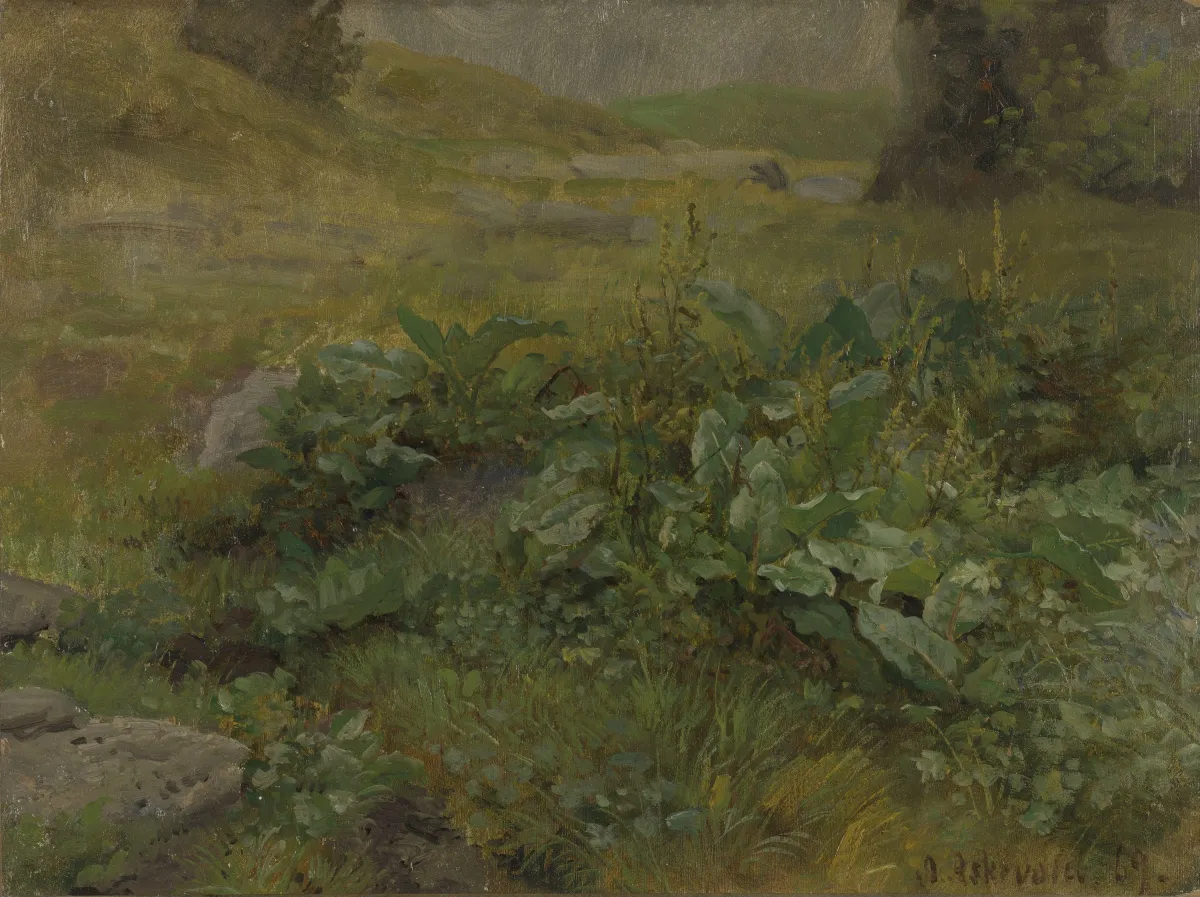
Edwin Austin Abbey’s "Landscape study" exemplifies his exceptional technique with oil on canvas, a medium favored in the Aestheticism movement for its richness and depth. Each brushstroke reveals Abbey’s meticulous attention to detail and his ability to evoke emotion through nature. Those interested in similar works may also appreciate "Three women by the sea" and "Study of a head," which further demonstrate Abbey's mastery and his significant contribution to the world of fine art.
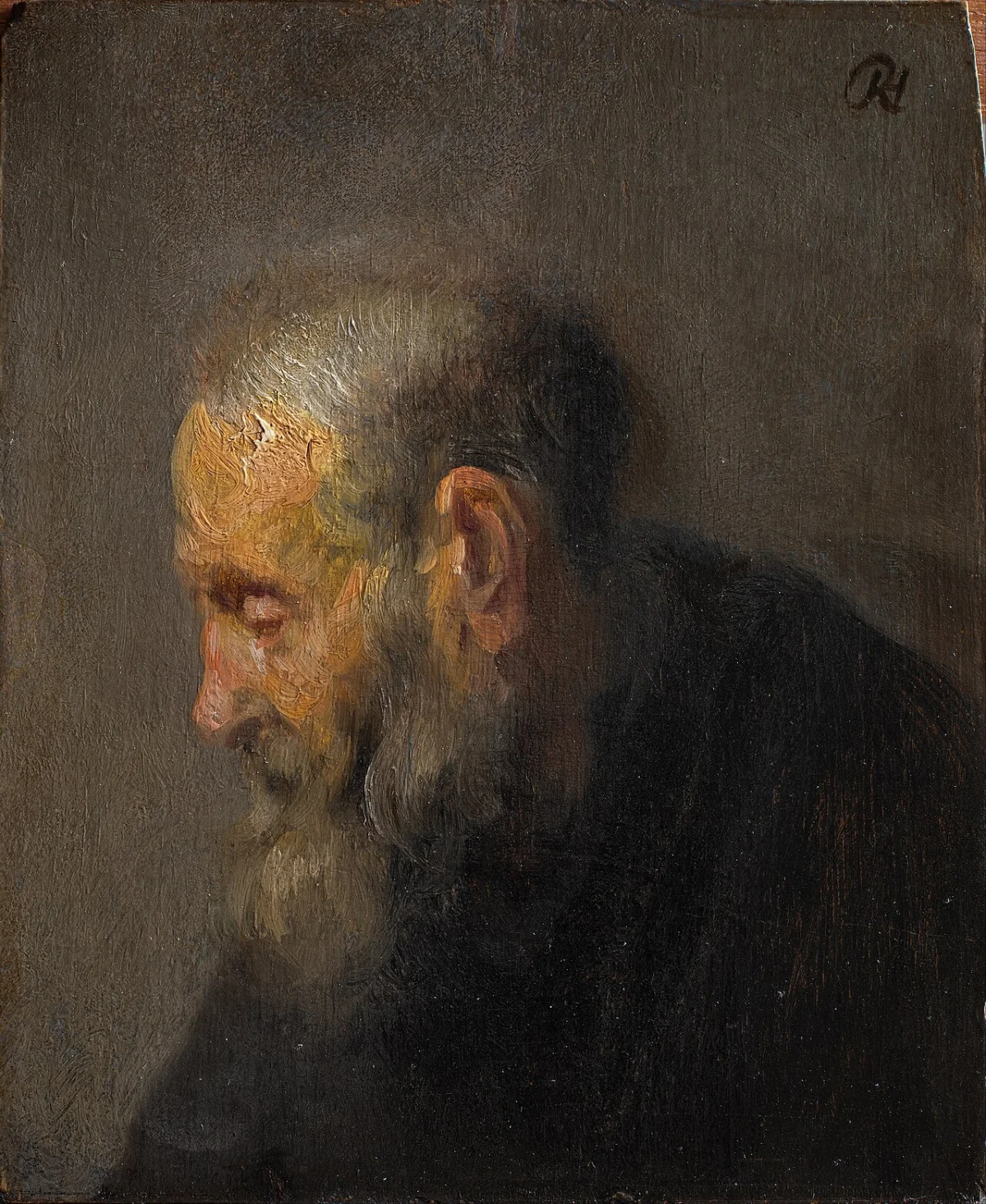
Within "Landscape study," Abbey weaves subtle narratives and symbolism, inviting viewers to interpret the tranquil scenery through the lens of Aestheticism. The painting’s delicate composition and harmonious color palette speak to the artist’s intent to create beauty for beauty’s sake. Collectors searching for a fine art painting for sale may also be drawn to Abbey’s "Man’s Head in Profile" and "Sketch," each piece brimming with stories waiting to be discovered.
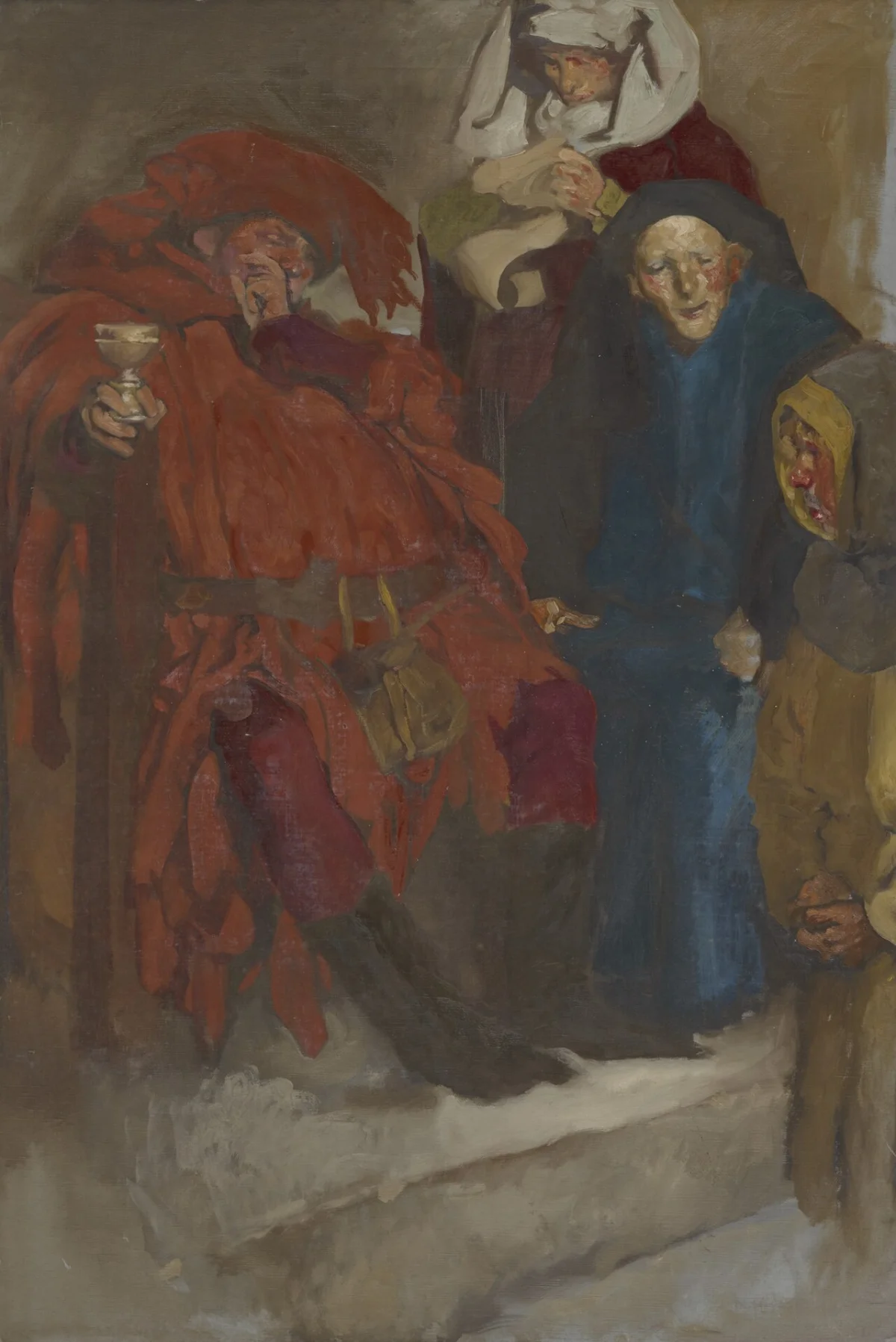
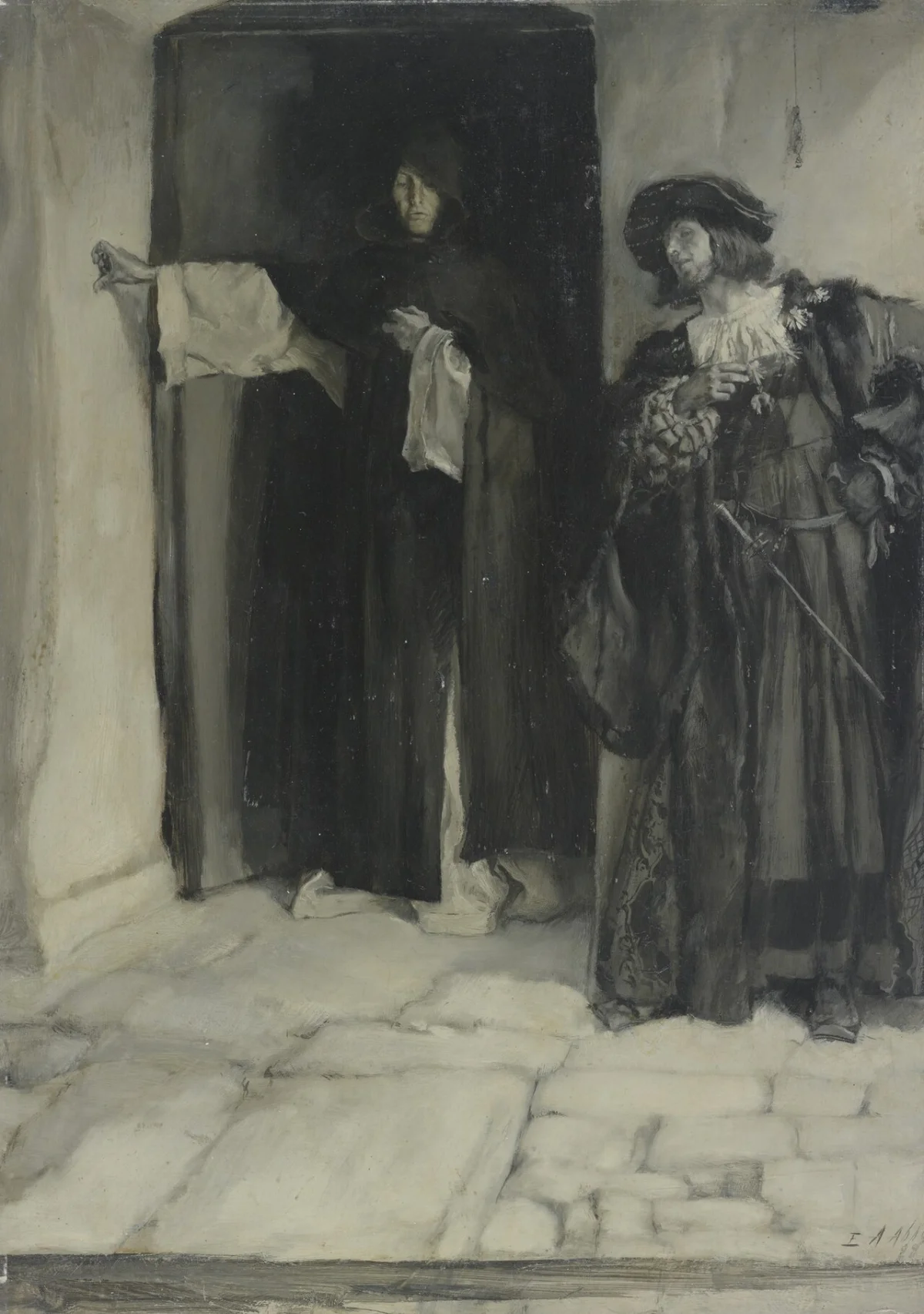
For art enthusiasts, owning "Landscape study" by Edwin Austin Abbey is an opportunity to possess a genuine hand-painted oil painting from a pivotal era in art history. The work, rooted in the Aestheticism movement, pairs beautifully with other Abbey pieces like "The Duke and Friar Thomas, from Measure for Measure, Act I, Scene iii." These fine artworks, available for discerning collectors, continue to enrich private collections and inspire admiration worldwide.
When Art Meets History
"Landscape study" by Edwin Austin Abbey stands as a testament to the Aestheticism movement, capturing a serene moment in time with remarkable detail. Abbey’s hand-painted oil painting draws inspiration from both nature and the refined elegance of his era. Much like related works such as "A House in a Clearing" and "Old English House by Moonlight," this piece merges historical context with artistic mastery, inviting viewers to appreciate the tranquil beauty that defined late 19th-century fine art.
Techniques That Speak
Edwin Austin Abbey’s mastery shines through in "Landscape study," where the oil on canvas technique is expertly employed to evoke depth and atmosphere. The artist’s brushwork, delicate layering, and use of light echo the meticulous approaches seen in "Liverpool from Wapping" and "Quai de Paris, Rouen." Through his refined style, Abbey elevates the landscape genre, making each detail resonate with the core ideals of the Aestheticism movement—beauty for beauty’s sake.
Emotions on Display
In "Landscape study," Abbey channels the emotive qualities that define Aestheticism, transforming a simple view into a realm of contemplation and peace. The painting’s subtle color palette and composition evoke feelings of nostalgia and serenity, much like "Shipping on the Clyde." As a fine art painting for sale, this work invites collectors and art lovers alike to connect emotionally with the landscape, offering a timeless window into Abbey’s artistic vision.
Coveted by Collectors
"Landscape study" by Edwin Austin Abbey has become highly sought after among collectors of Aestheticism, standing alongside masterpieces like "A House in a Clearing" and "Quai de Paris, Rouen." The enduring appeal of this hand-painted oil painting lies in its harmonious blend of technical skill and visual poetry. Its presence in private collections and galleries underscores the ongoing demand for Abbey’s evocative landscapes and the lasting legacy of his contribution to fine art.
Related Aestheticism Hand-Painted Oil Paintings by Other Artists
Other Famous Aestheticism Artists:
Frequently Asked Questions About Landscape study
What is the historical context of "Landscape study" by Edwin Austin Abbey?
"Landscape study" was created during the late 19th century, a period marked by a growing appreciation for naturalism and the exploration of light and color in landscape painting. Abbey, influenced by the Pre-Raphaelite movement, sought to capture the beauty of the English countryside, reflecting the era's romantic ideals.
What artistic techniques did Abbey employ in "Landscape study"?
Abbey utilized techniques such as plein air painting, which involved working outdoors to capture the immediate effects of light and atmosphere. His brushwork is characterized by a loose, fluid style that enhances the naturalistic qualities of the landscape.
What themes are present in "Landscape study"?
The painting explores themes of nature's beauty and tranquility, reflecting a deep appreciation for the environment. It also embodies the Romantic ideal of finding solace and inspiration in the natural world.
How does "Landscape study" reflect the influence of the Pre-Raphaelite Brotherhood?
Abbey's work shows the Pre-Raphaelite influence through its vivid colors, intricate details, and emphasis on realism. The Brotherhood's focus on nature and medieval themes resonates in Abbey's portrayal of the landscape, showcasing a meticulous attention to detail.
What symbolic meanings can be derived from "Landscape study"?
The landscape in Abbey's painting can symbolize peace, harmony, and the passage of time. The serene environment invites viewers to reflect on their relationship with nature and the importance of preserving such beauty.
In what ways does "Landscape study" showcase Abbey's artistic evolution?
This work demonstrates Abbey's growth as an artist, blending traditional techniques with a modern sensibility. It marks a transition towards a more personal interpretation of landscapes, moving away from strict realism to a more expressive representation.
What role did nature play in Abbey's overall body of work?
Nature was a central theme in Abbey's oeuvre, often serving as a backdrop for exploring human emotion and experience. His landscapes are not merely representations of the physical world but are imbued with personal and emotional significance.
How does "Landscape study" compare to Abbey's other works?
Compared to Abbey's other works, "Landscape study" is notable for its focus on the landscape genre, showcasing his ability to evoke mood and atmosphere. While he is also known for his illustrations and historical scenes, this painting emphasizes his versatility as an artist.
What impact did "Landscape study" have on contemporary artists?
The painting influenced contemporary artists by encouraging a deeper exploration of natural landscapes and their emotional resonance. Abbey's approach to capturing light and atmosphere has inspired subsequent generations to adopt similar techniques in their own landscape works.
What can visitors learn from viewing "Landscape study" in person?
Viewing "Landscape study" in person allows visitors to appreciate the intricate details, color palette, and brushwork that may be lost in reproduction. It offers an opportunity to engage with the emotional depth and historical significance of Abbey's work, fostering a greater understanding of 19th-century landscape painting.






















_GFM_Painting_(1).webp)


 100% Hand-Painted: Finished in 3-6 Weeks

.png)















_(1).webp)