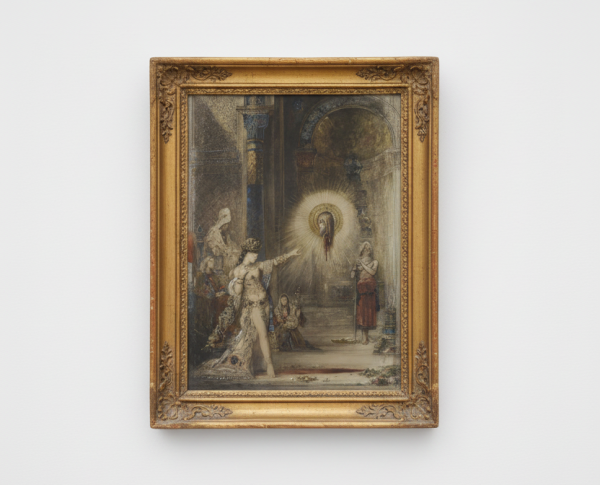
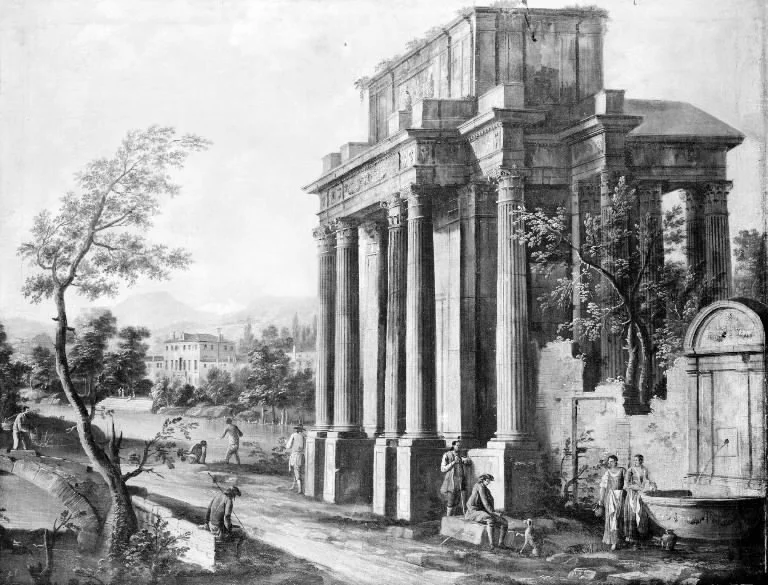
Rendered with exquisite attention to detail, this oil on canvas highlights Edwin Austin Abbey’s technical prowess. Each brushstroke in "Architectural study: a column" reflects the Aestheticism movement’s emphasis on visual delight. The painting’s texture and depth showcase Abbey’s skill in bringing architectural elements to life. Complementary pieces like "The Apparition" and "Study for Shakespeare" further illustrate his mastery, making his works coveted by admirers of classical technique and refined artistry.
Within "Architectural study: a column," viewers discover subtle stories and symbols embedded in the composition. Abbey’s fine art painting for sale invites contemplation of structure, history, and artistic innovation. The column itself, a recurring motif in art, symbolizes both strength and elegance. Pairing this piece with related works such as "Study for Falstaff" and "Landscape study" deepens the narrative, allowing collectors to explore the broader themes present in Abbey’s Aestheticism-inspired oeuvre.
For collectors seeking a distinguished addition, "Architectural study: a column" by Edwin Austin Abbey is an exceptional choice. This hand-painted oil painting is a testament to the enduring appeal of the Aestheticism movement and Abbey’s unique vision. Its availability as a fine art painting for sale enhances its allure, inviting enthusiasts to own a piece of art history. Complement with related products like "Architectural study: base of a column" or "Study of a head" for a harmonious collection.
When Art Meets History
Edwin Austin Abbey’s "Architectural study: a column" stands as a remarkable example of the Aestheticism movement, reflecting the era’s fascination with beauty and form. This hand-painted oil painting transports viewers to a time when architecture and art were deeply intertwined. Abbey, renowned for his detailed studies, created works like "Quai de Paris, Rouen" and "A House in a Clearing," which similarly capture historical ambiance, making his art highly valued among those who appreciate fine craftsmanship and historical context.
Techniques That Speak
Abbey’s mastery is evident in his use of oil on canvas, a medium that allows for rich textures and subtle gradations of light. In "Architectural study: a column," he employs delicate brushwork and careful layering, echoing techniques seen in "Old English House by Moonlight" and "Liverpool from Wapping." The painting’s attention to architectural detail and play of shadows highlights Abbey’s technical prowess, making it a standout example of the Aestheticism movement’s devotion to beauty and skill.
Emotions on Display
"Architectural study: a column" evokes a quiet reverence for classical forms, inviting viewers to contemplate the serenity and grandeur of its subject. Edwin Austin Abbey’s ability to infuse his work with emotion is also present in related paintings like "A Moonlit Evening." This fine art painting for sale captures a sense of timelessness and introspection, hallmarks of the Aestheticism movement, and encourages viewers to appreciate the subtle beauty found in everyday architectural wonders.
Coveted by Collectors
Collectors seek out Abbey’s works, such as "Architectural study: a column," for their exceptional artistry and historical significance. As with his other pieces—like "Quai de Paris, Rouen" and "A House in a Clearing"—this hand-painted oil painting exemplifies the Aestheticism movement’s ideals. Its refined execution and evocative subject make it a prized addition to any collection, appealing to those who value both the artistic and historical aspects of fine art.
Related Aestheticism Hand-Painted Oil Paintings by Other Artists
Other Famous Aestheticism Artists:
Frequently Asked Questions About Architectural study: a column
What is the historical context of "Architectural study: a column"?
"Architectural study: a column" was created during the late 19th century, a period marked by a revival of classical architecture and an interest in historical styles. Edwin Austin Abbey, the artist, was influenced by the Beaux-Arts movement, which emphasized grandeur and classical forms.
What artistic techniques did Edwin Austin Abbey employ in this painting?
Abbey utilized a combination of detailed line work and soft washes of color to create depth and texture in "Architectural study: a column." His meticulous attention to architectural details reflects his background in illustration and design.
What symbolism is present in "Architectural study: a column"?
The column in the painting symbolizes strength, stability, and the enduring nature of classical architecture. It serves as a metaphor for the connection between past and present, emphasizing the importance of historical influences in contemporary art.
How does "Architectural study: a column" reflect Abbey's artistic philosophy?
Abbey believed in the importance of blending traditional techniques with modern sensibilities. This painting exemplifies his philosophy by honoring classical forms while also incorporating a personal interpretation of architectural beauty.
In what ways does this work connect to the broader movements in art during Abbey's time?
This painting connects to the Arts and Crafts movement, which sought to revive craftsmanship and traditional techniques in response to industrialization. Abbey's focus on architectural study aligns with the movement's appreciation for handmade artistry and historical reference.
What influences can be seen in Abbey's portrayal of architecture in this work?
Abbey's portrayal of architecture in "Architectural study: a column" is influenced by classical Roman and Greek designs, reflecting his admiration for their aesthetic principles. His work often draws inspiration from historical texts and architectural treatises.
How does "Architectural study: a column" compare to Abbey's other works?
Compared to Abbey's other works, "Architectural study: a column" emphasizes a more focused study of architecture rather than narrative scenes. This shift showcases his versatility as an artist and his ability to capture the essence of architectural form.
What role does light play in "Architectural study: a column"?
Light plays a crucial role in this painting, enhancing the three-dimensionality of the column and creating a sense of atmosphere. Abbey skillfully uses light and shadow to highlight the intricate details of the architectural elements.
What impact did Edwin Austin Abbey have on future generations of artists?
Abbey's work, including "Architectural study: a column," has influenced generations of artists by demonstrating the importance of historical context in art. His dedication to craftsmanship and architectural integrity continues to inspire contemporary artists and illustrators.
What is the significance of the column as an architectural element in art history?
The column is a significant architectural element in art history, representing order, beauty, and the ideals of classical architecture. It has been a symbol of civilization and culture, often used to convey power and permanence in various artistic contexts.






















_GFM_Painting_(1).webp)


 100% Hand-Painted: Finished in 3-6 Weeks

.png)


















_(1).webp)