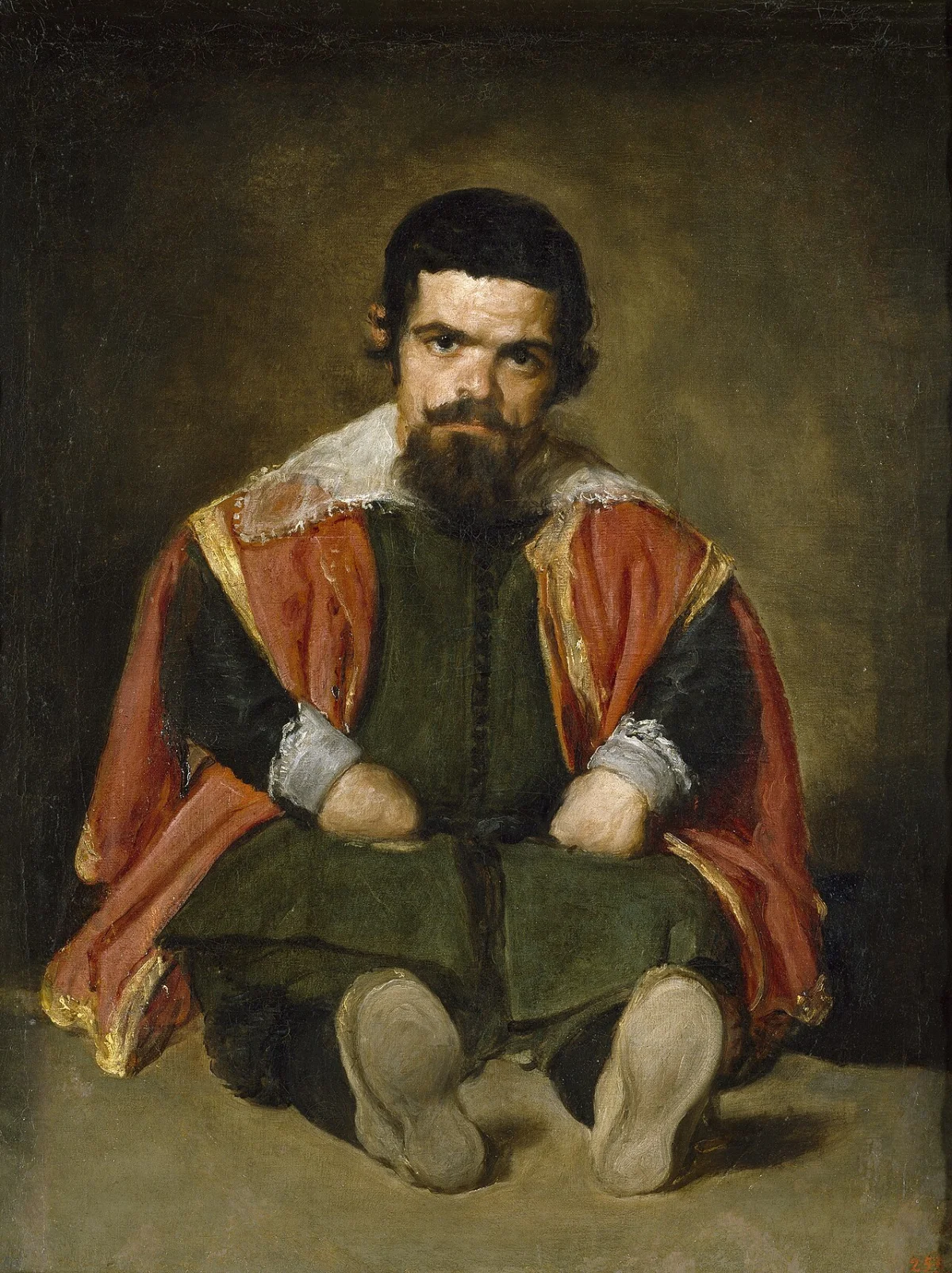
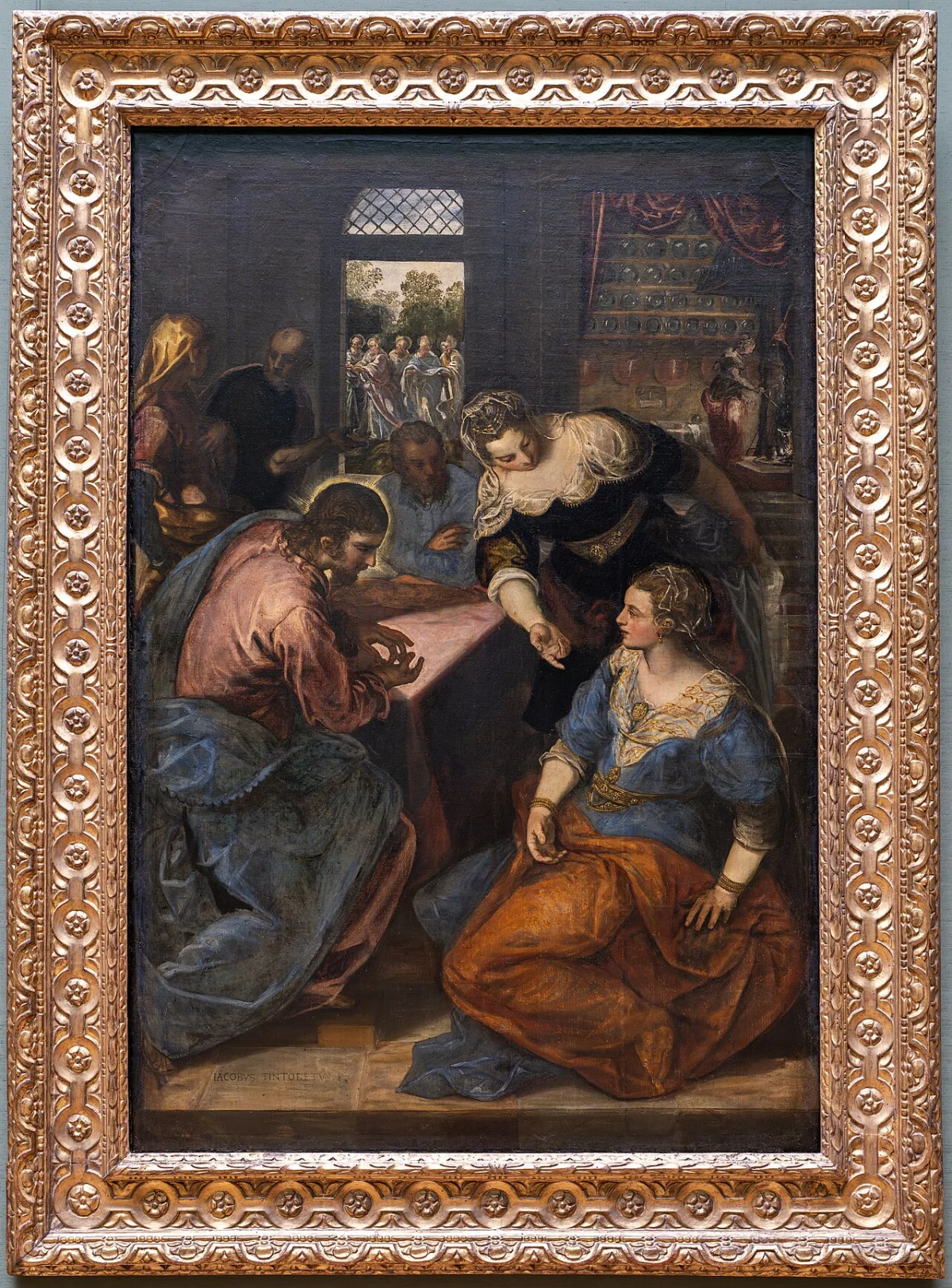
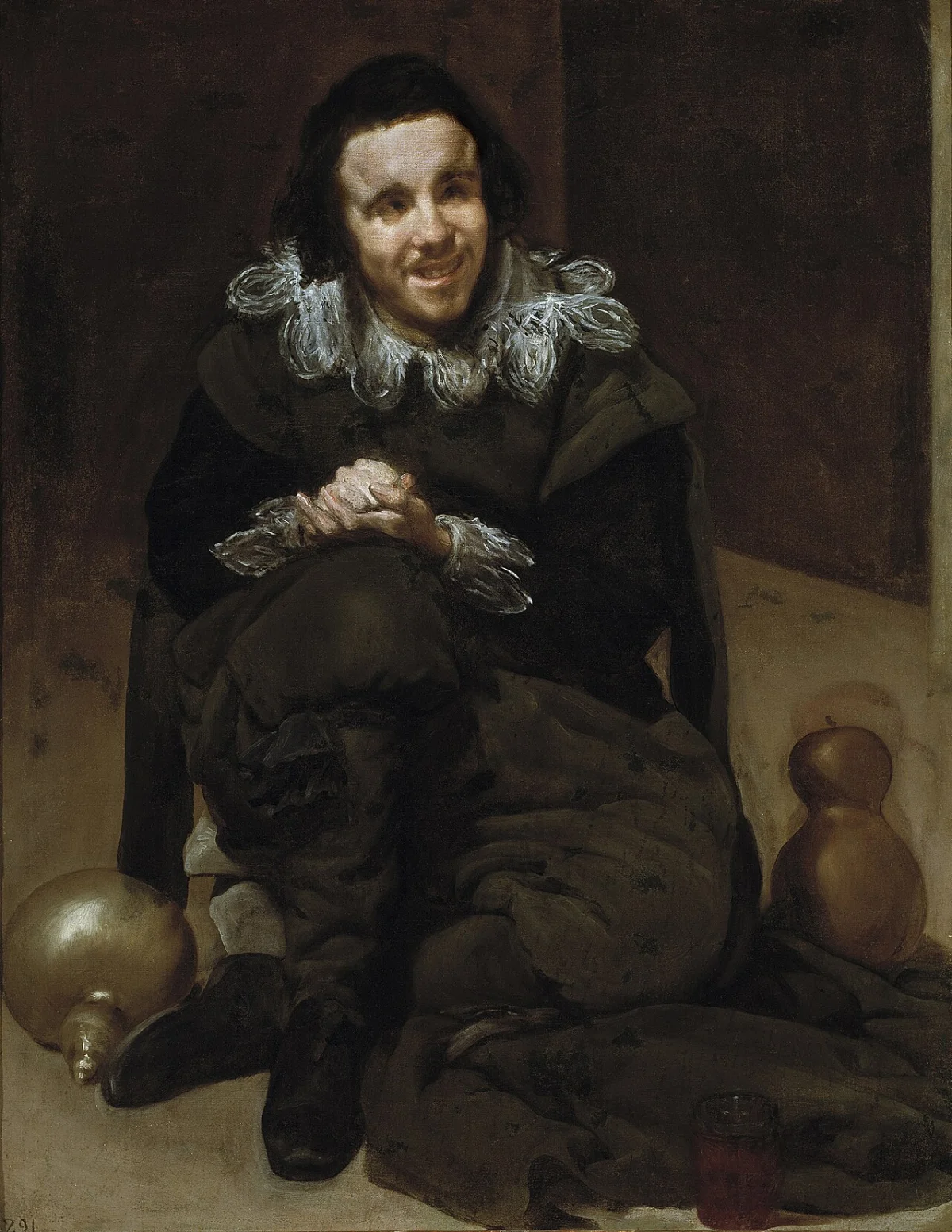
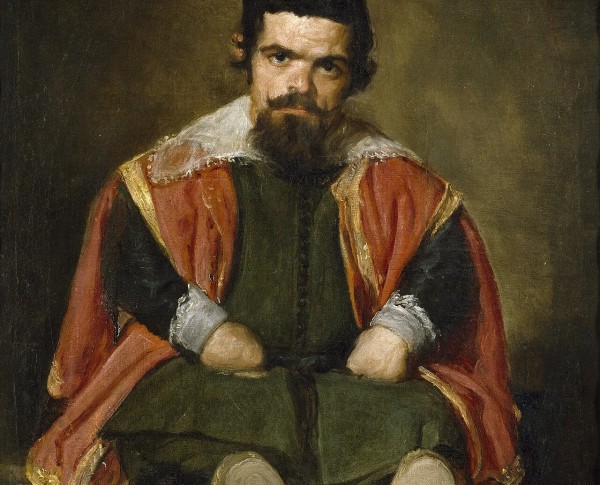
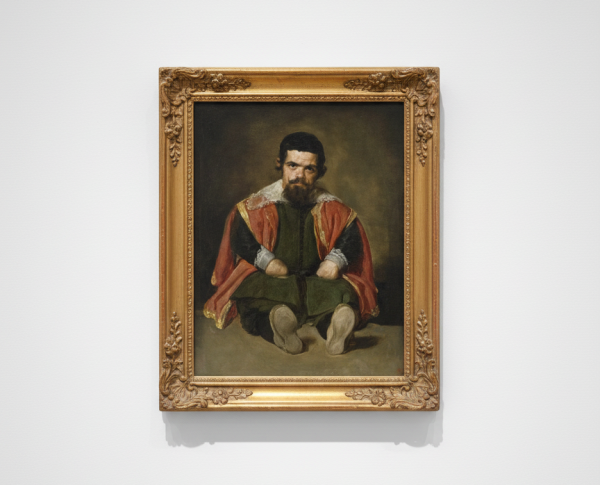
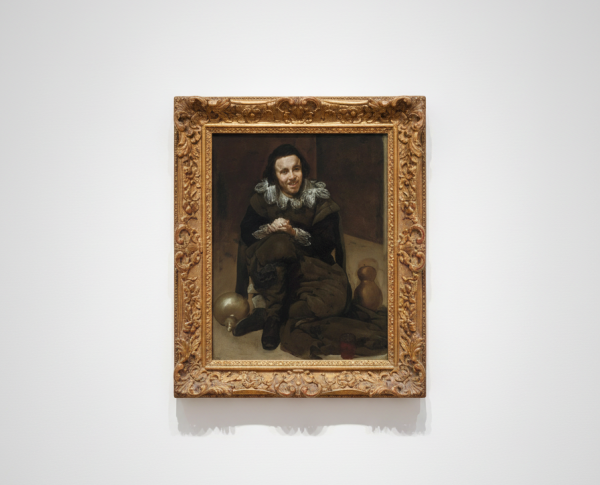
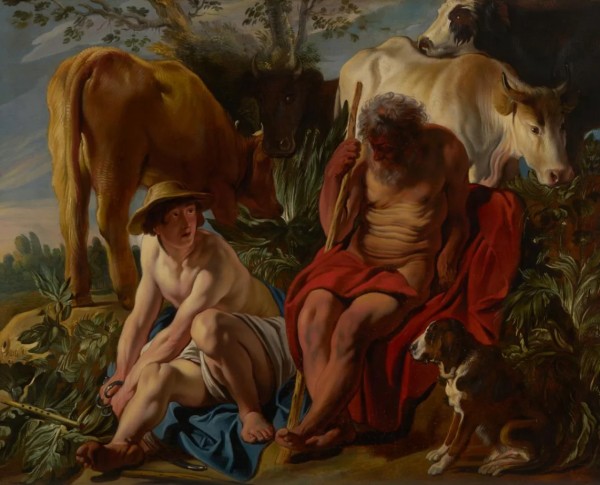
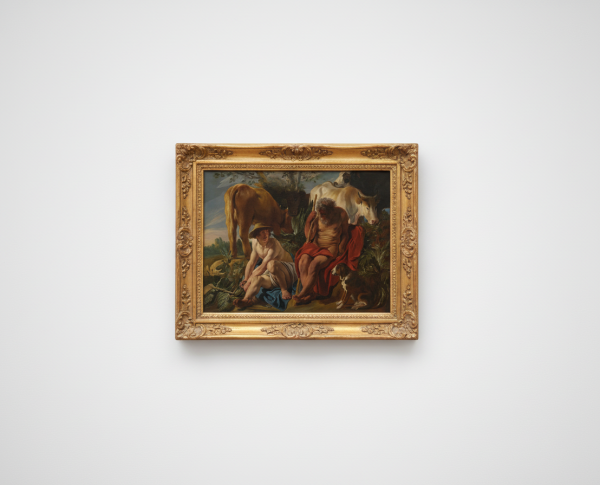
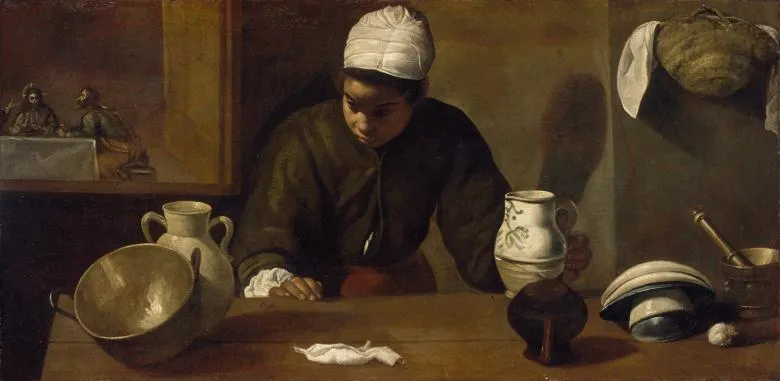
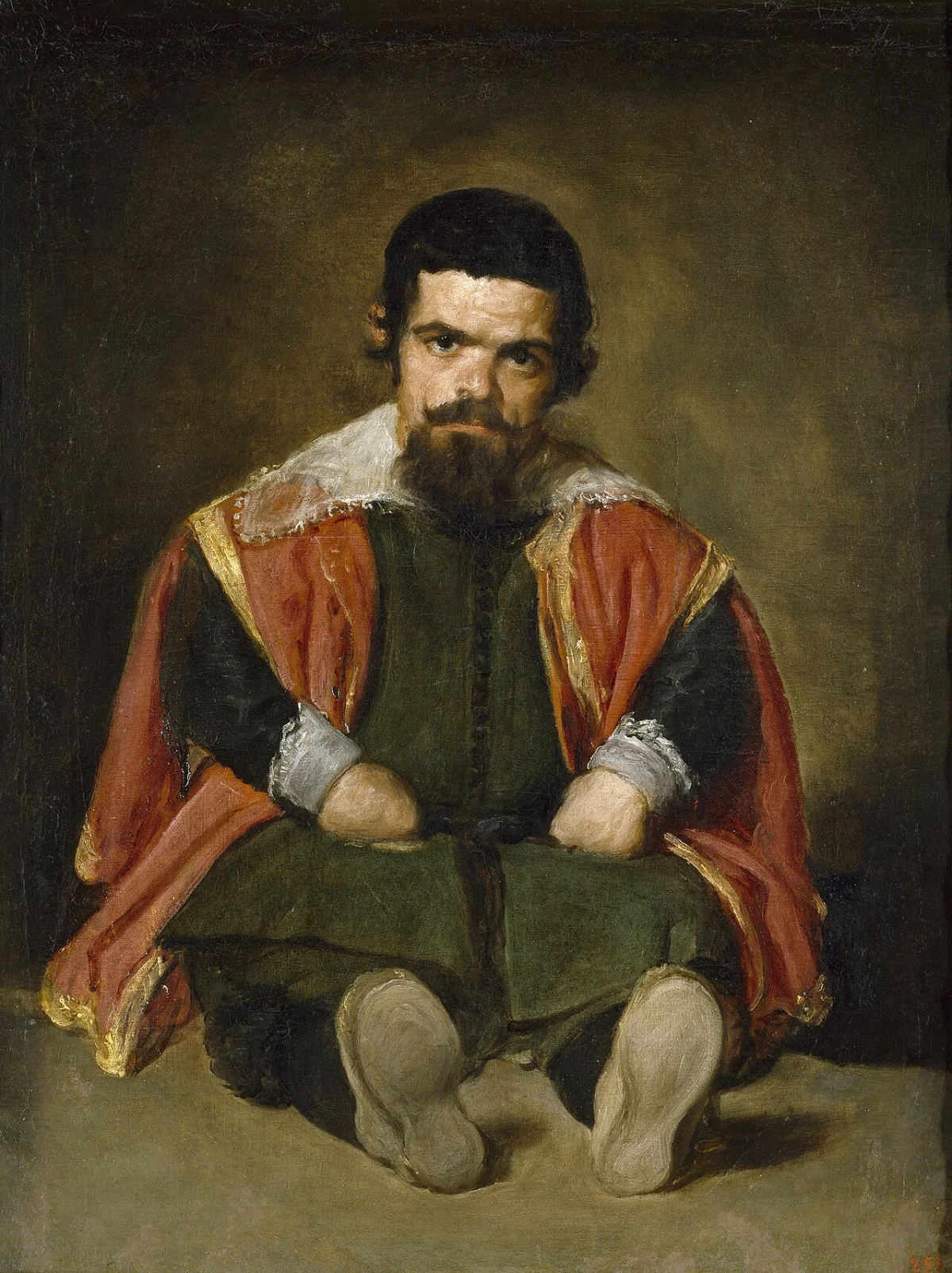
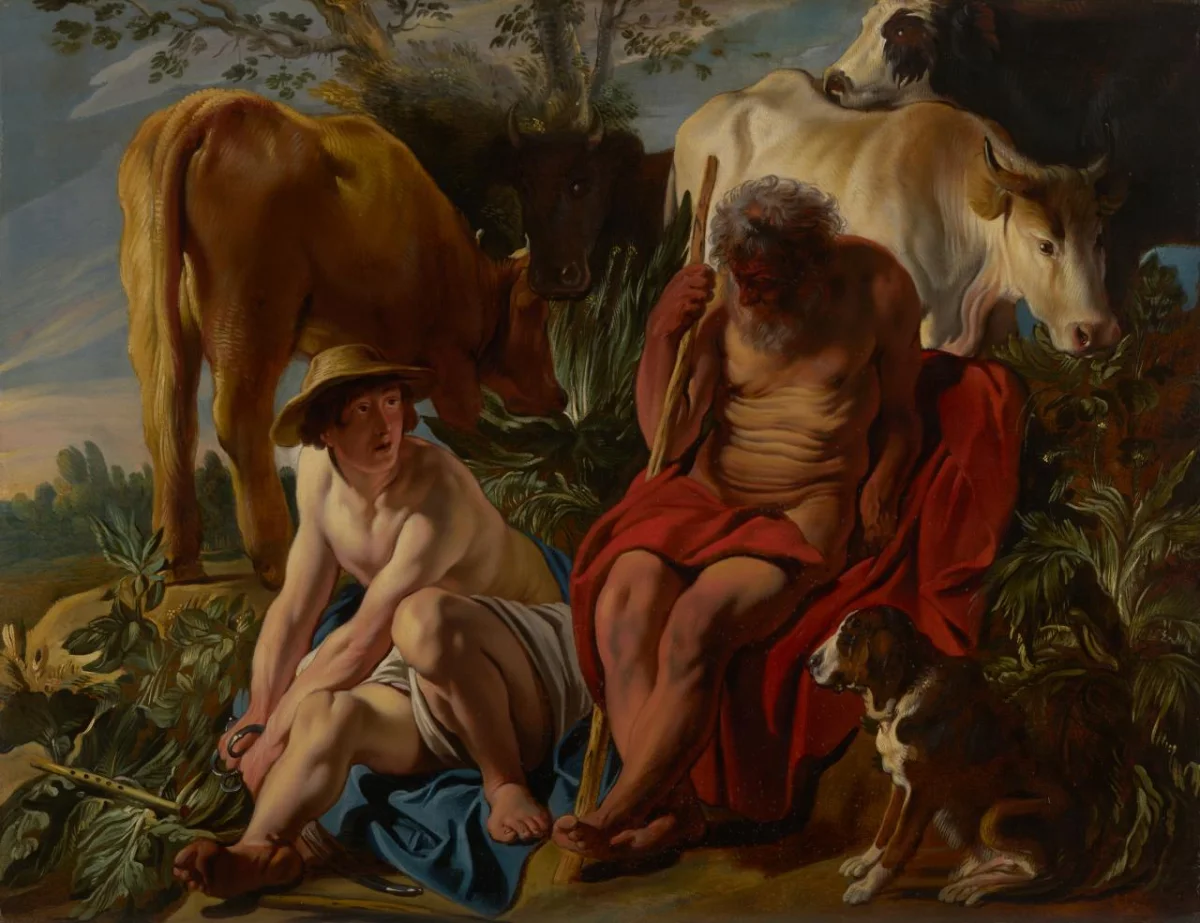
"Kitchen Scene with the Supper in Emmaus" by Diego Rodriguez de Silva y Velázquez stands as a remarkable example of the Realism movement. This hand-painted oil painting immerses viewers in everyday life, capturing a moment rich in detail and emotion. Velázquez’s focus on ordinary subjects challenged artistic norms of his era, influencing generations of artists. Collectors often seek masterpieces like this, alongside related works such as "Mercury and Argus" and "Portrait of Sebastián de Morra."
Velázquez’s technique in "Kitchen Scene with the Supper in Emmaus" showcases his unparalleled skill with oil on canvas. Each brushstroke brings the kitchen scene to life, emphasizing textures, light, and the subtle interplay between figures. As a leading figure in Realism, Velázquez’s meticulous attention to detail sets this painting apart. Art lovers also appreciate similar pieces like "An Old Woman Cooking Eggs" and "Breakfast," which further exemplify his technical prowess.
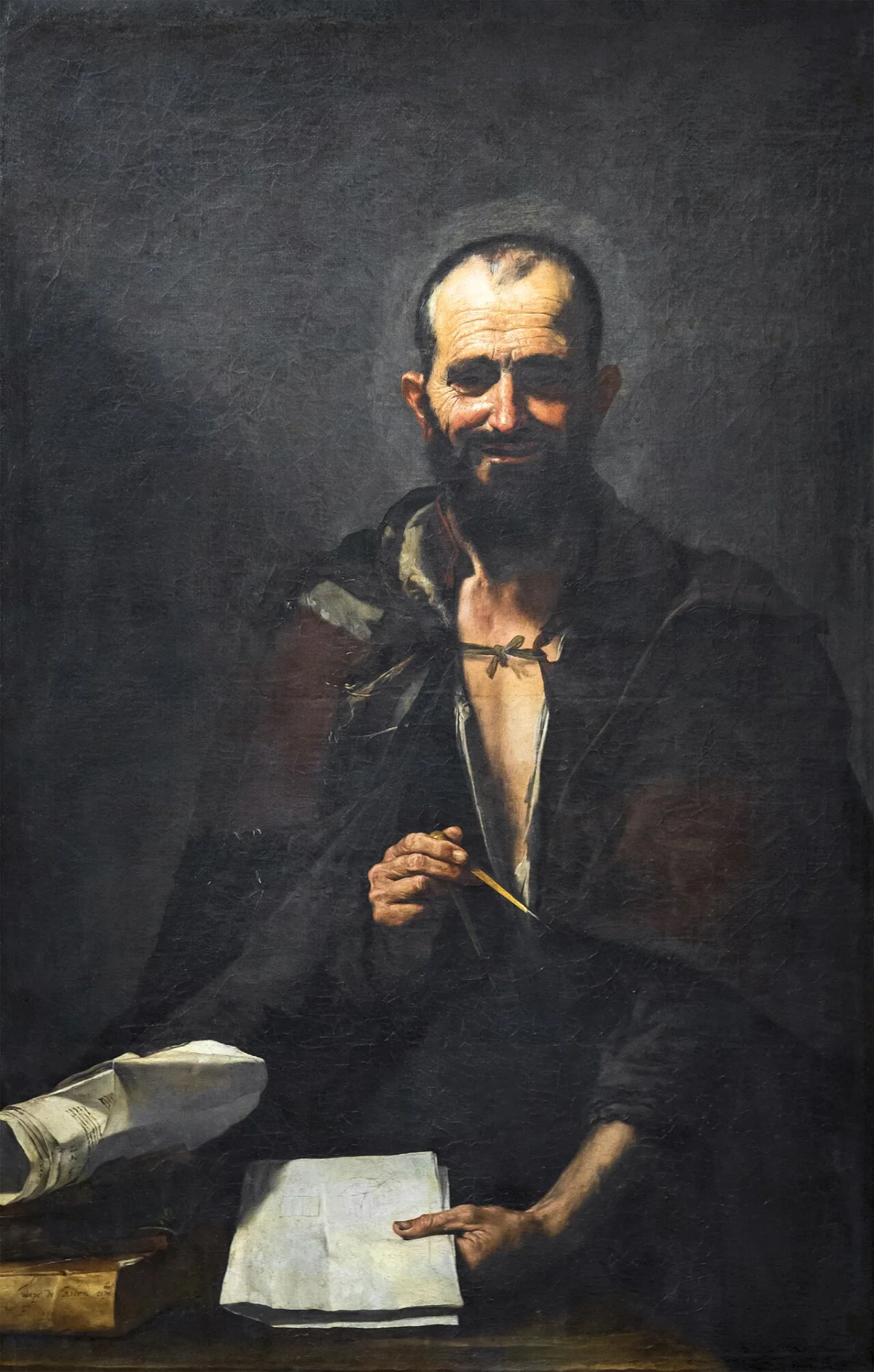
This fine art painting for sale tells a layered story, blending the sacred and the mundane. While the kitchen scene unfolds in the foreground, the biblical event of the Supper in Emmaus subtly emerges in the background, inviting viewers to explore deeper meanings. Velázquez masterfully weaves symbolism throughout, reflecting the Realism movement’s dedication to truth. Collectors may also be interested in "Head of a Girl" and "Democritus," which offer additional narrative depth.
As a celebrated hand-painted oil painting by Velázquez, "Kitchen Scene with the Supper in Emmaus" remains a coveted piece among art enthusiasts. Its historical significance and artistic quality make it an outstanding example of oil on canvas from the Realism era. Those seeking a fine art painting for sale will find this masterpiece, along with related works like "Mercury and Argus," to be valuable additions to any distinguished collection.
When Art Meets History
"Kitchen Scene with the Supper in Emmaus" by Diego Rodriguez de Silva y Velazquez stands as a remarkable hand-painted oil painting within the Realism movement. Created during the early 17th century, this masterpiece captures the intersection of daily life and biblical narrative, reflecting Velazquez’s deep understanding of history and human nature. Similar to "The Spanish Singer" and "Le Printemps," Velazquez’s work immortalizes a moment, making it a lasting treasure in the world of fine art.
Techniques That Speak
Velazquez’s expert use of oil on canvas in "Kitchen Scene with the Supper in Emmaus" showcases his mastery of light, texture, and detail. The realistic depiction of everyday objects and figures brings the kitchen scene to life, echoing the technical brilliance seen in works like "A Dash for the Timber" and "Pierrot dancing." His precise brushwork and subtle color palette are hallmarks of the Realism movement, drawing viewers into the intimate atmosphere of this celebrated painting.
Emotions on Display
In this fine art painting for sale, Velazquez captures a range of human emotions through the expressions and gestures of his subjects. The subtle interplay between the kitchen maid and the biblical figures conveys both humility and reverence, making the scene deeply relatable. Like "Rocks on the island of Valaam. Kukko," this painting invites viewers to reflect on the emotional depth and storytelling power inherent in true Realism, elevating everyday moments to profound significance.
Coveted by Collectors
"Kitchen Scene with the Supper in Emmaus" remains highly sought after by collectors who appreciate hand-painted oil painting masterpieces. As with other renowned works by Velazquez and his contemporaries, such as "The Spanish Singer" and "Le Printemps," this painting’s historical importance and artistic excellence make it a prized addition to any collection. The enduring appeal of this Realism artwork continues to captivate art lovers and collectors worldwide.
Related Realism Hand-Painted Oil Paintings by Other Artists
Other Famous Realism Artists:
Frequently Asked Questions About Kitchen Scene with the Supper in Emmaus
What is the historical context of "Kitchen Scene with the Supper in Emmaus"?
This painting, created by Diego Rodriguez de Silva y Velazquez in the early 17th century, reflects the Baroque period's emphasis on realism and dramatic use of light and shadow. It captures a biblical moment from the Gospel of Luke, where Jesus reveals his identity to two disciples after his resurrection.
What artistic techniques did Velazquez employ in this painting?
Velazquez utilized chiaroscuro to create depth and focus on the figures, enhancing the emotional impact of the scene. His masterful brushwork and attention to detail, particularly in the textures of the clothing and food, exemplify his skill as a painter.
What is the significance of the composition in "Kitchen Scene with the Supper in Emmaus"?
The composition is carefully arranged to draw the viewer's eye toward the central figures of Jesus and the disciples. The placement of the table and the surrounding elements creates a sense of intimacy and immediacy, inviting the viewer into the moment of revelation.
How does Velazquez convey emotion in this painting?
Emotion is conveyed through the expressions and gestures of the figures. The astonishment of the disciples and the serene demeanor of Jesus create a poignant contrast, highlighting the moment of recognition and the joy of revelation.
What role does light play in "Kitchen Scene with the Supper in Emmaus"?
Light serves as a crucial element in this painting, illuminating the faces of the disciples and enhancing the divine presence of Jesus. The strategic use of light not only highlights the focal points but also adds to the overall atmosphere of the scene.
What symbolic elements are present in the painting?
Several symbolic elements can be identified, including the bread and wine, which represent the Eucharist and the idea of communion. The act of breaking bread signifies fellowship and the recognition of Jesus' presence among his followers.
How does this painting reflect Velazquez's artistic evolution?
This work showcases Velazquez's transition towards a more naturalistic style, moving away from the idealized forms of earlier periods. His ability to capture the human experience and emotion marks a significant development in his artistic journey.
In what ways does "Kitchen Scene with the Supper in Emmaus" connect to other works by Velazquez?
This painting connects to other works by Velazquez through its exploration of religious themes and the use of everyday settings to convey profound spiritual messages. Similar to his other masterpieces, it reflects his unique ability to blend realism with narrative depth.
What is the significance of the setting in this painting?
The kitchen setting serves as a juxtaposition to the divine event taking place, emphasizing the intersection of the sacred and the mundane. It highlights the idea that spiritual experiences can occur in everyday life, making the scene relatable to viewers.
How has "Kitchen Scene with the Supper in Emmaus" influenced later artists?
This painting has influenced later artists by setting a standard for the depiction of religious subjects with emotional depth and realism. Its innovative use of light and composition has inspired generations of painters seeking to capture the human experience in their work.























_GFM_Painting_(1).webp)


 100% Hand-Painted: Finished in 3-6 Weeks

.png)















_(1).webp)