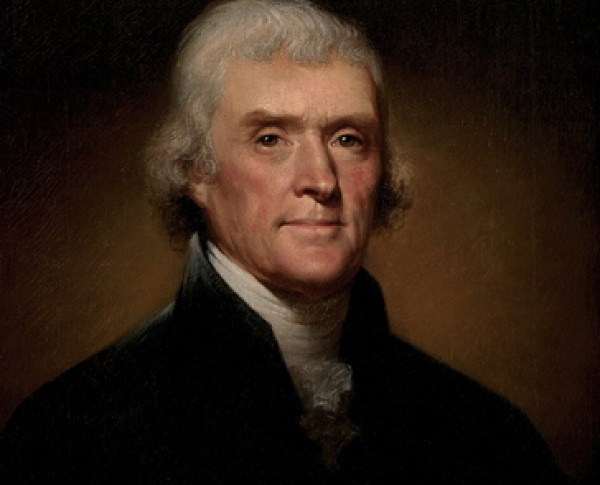
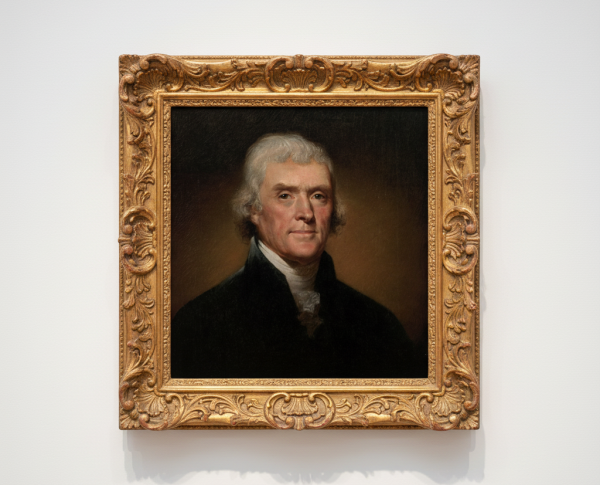
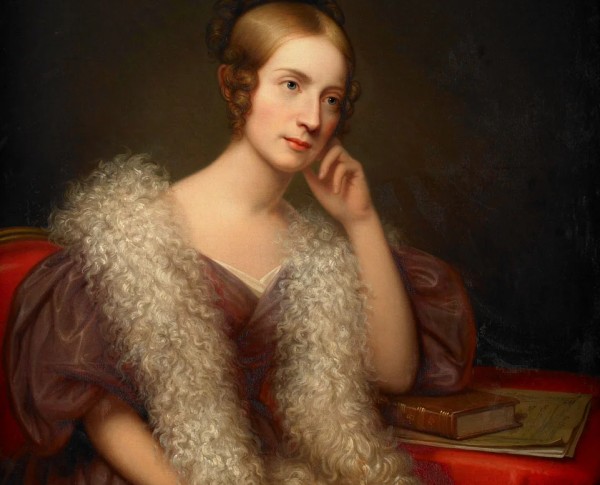
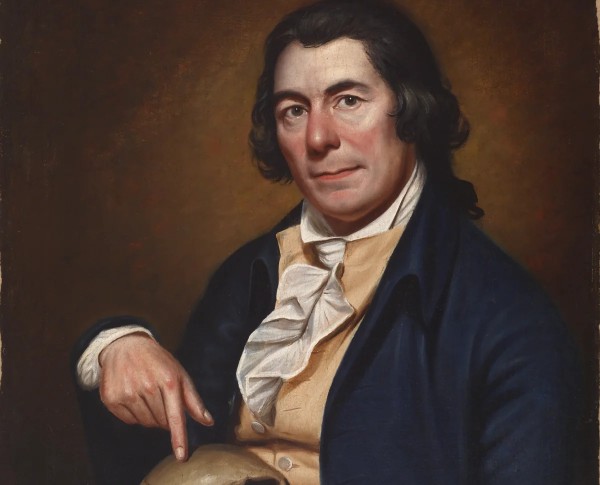
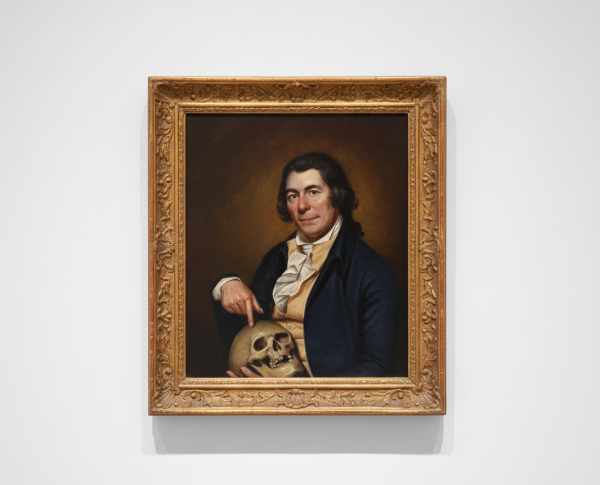
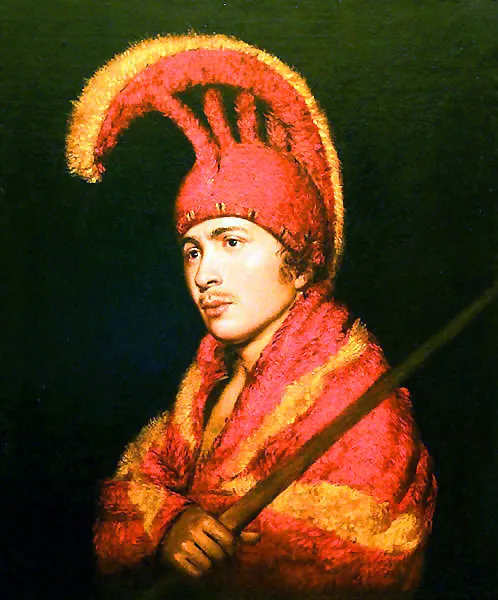
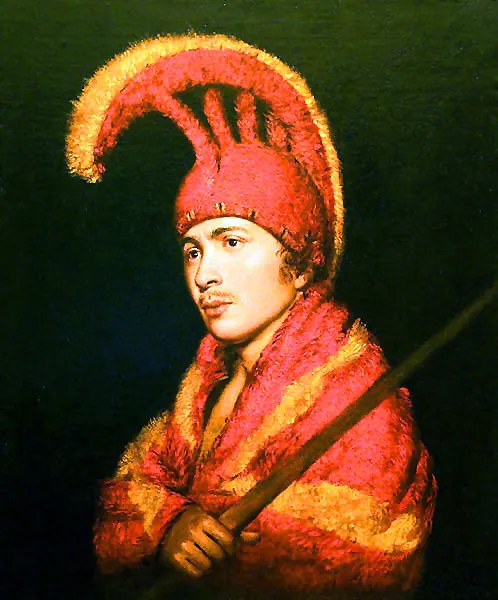
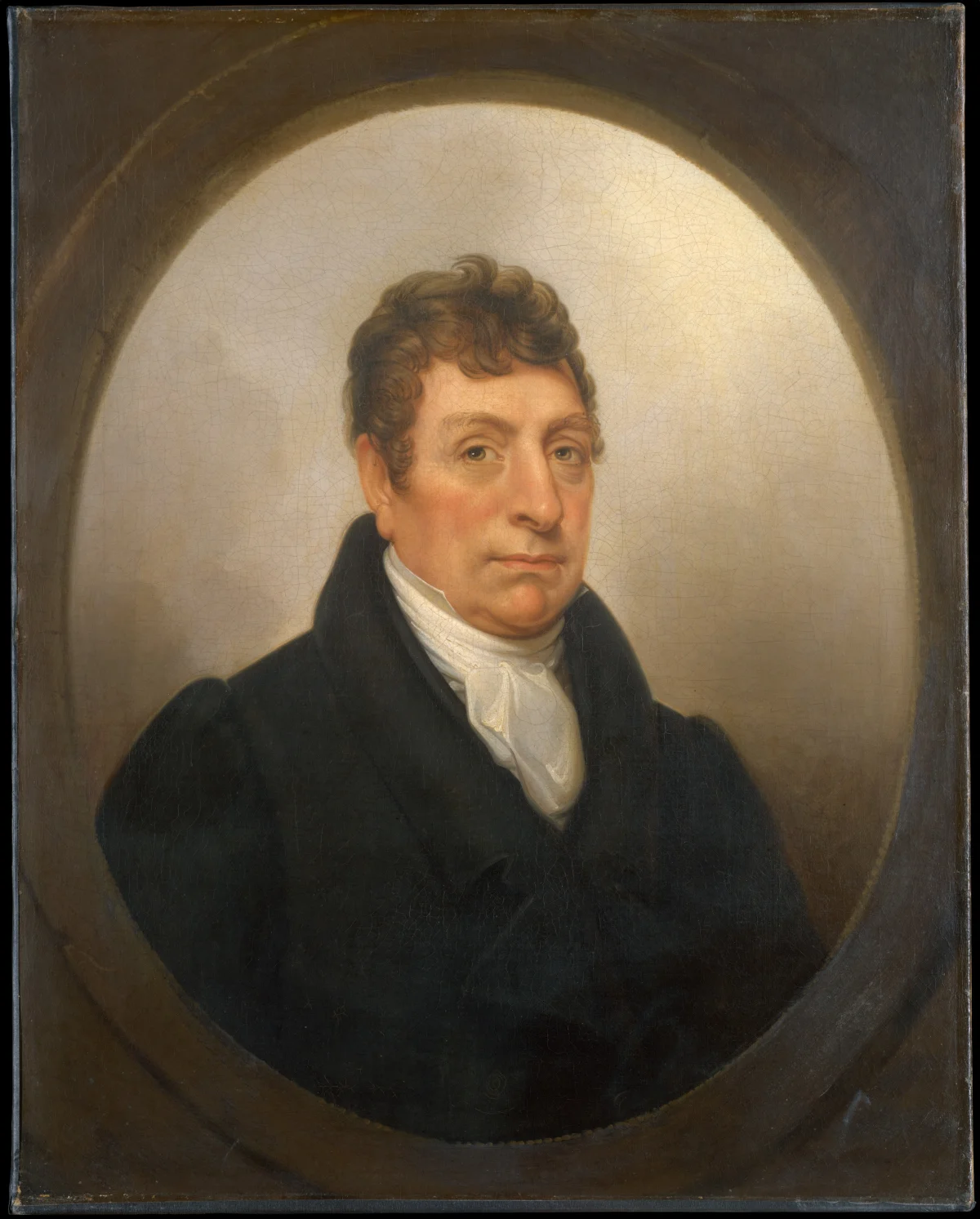
Executed with remarkable precision, “Man Wearing Feather Cloak and Helmit” showcases Rembrandt Peale’s mastery of oil on canvas. The fine details of the subject’s attire and expression highlight Peale’s technical skill, aligning with other Neo-Classical masterpieces like “Portrait of William Short.” Each brushstroke reflects the artist’s devotion to realism and composition, enhancing the painting’s allure for collectors seeking exceptional examples of oil on canvas artistry from this influential period.
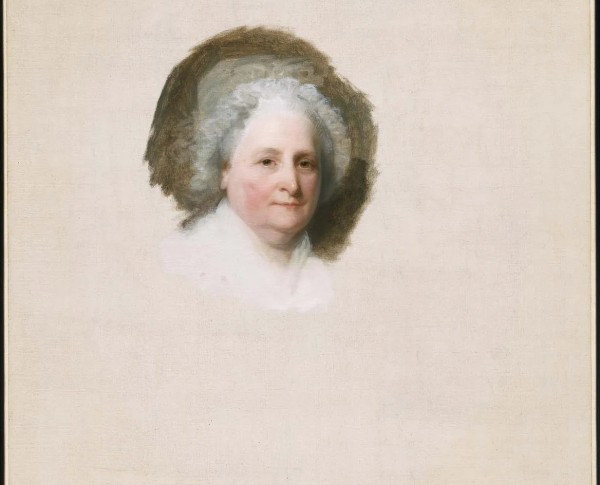
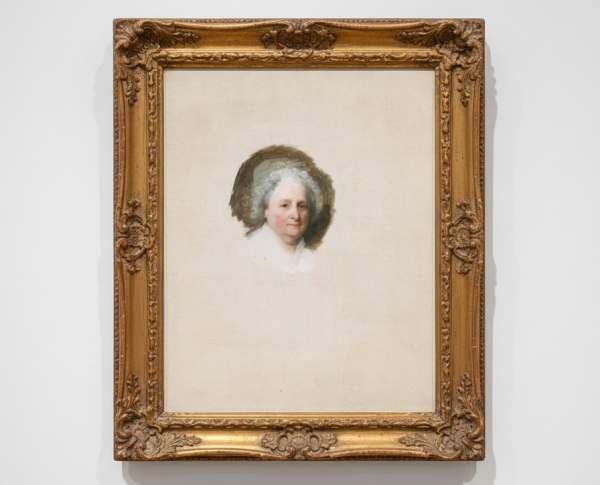
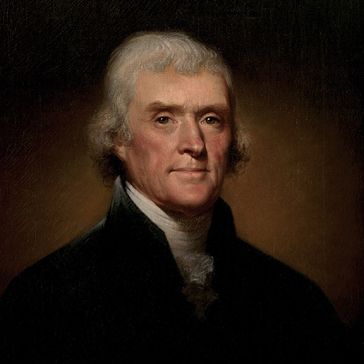
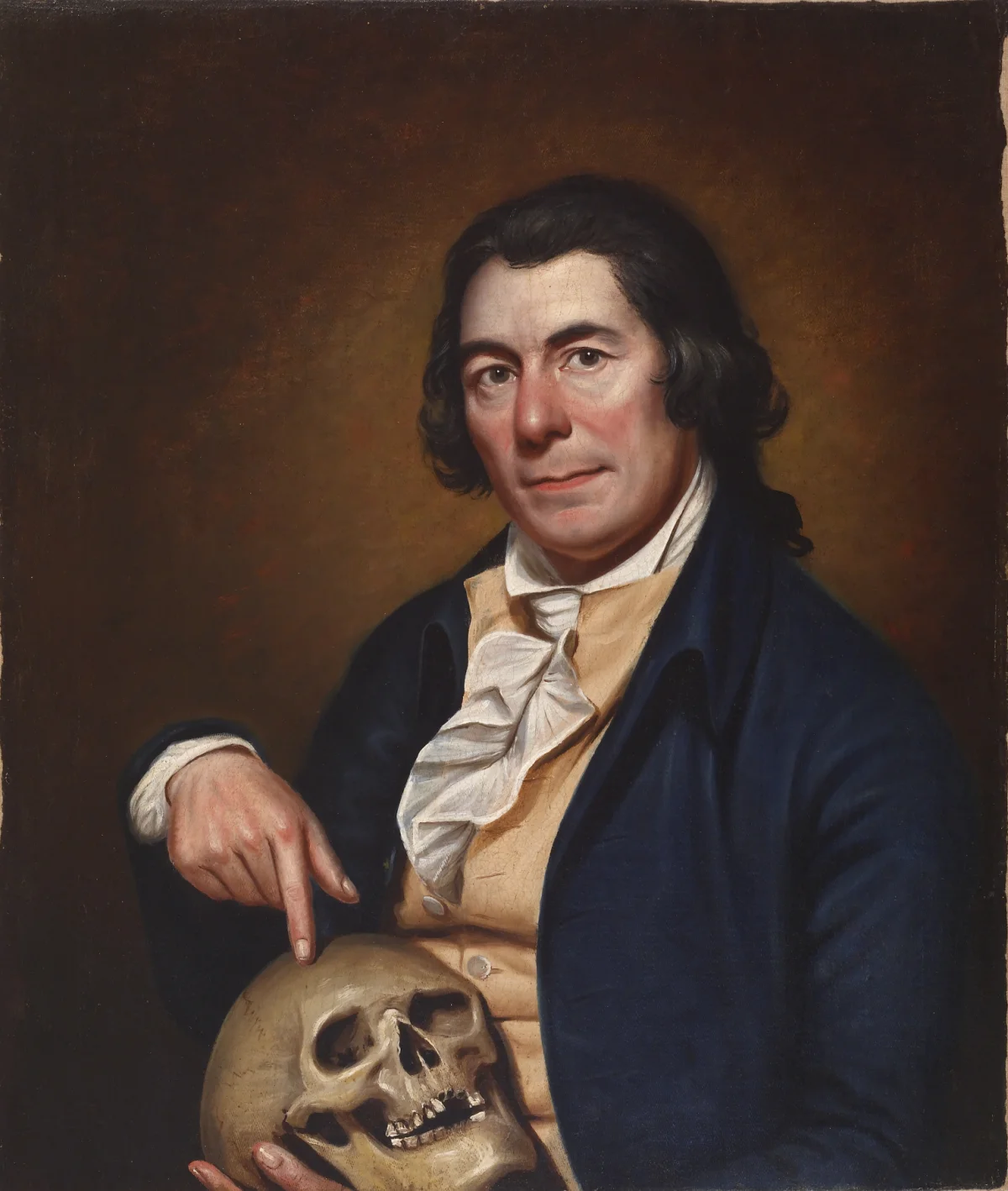
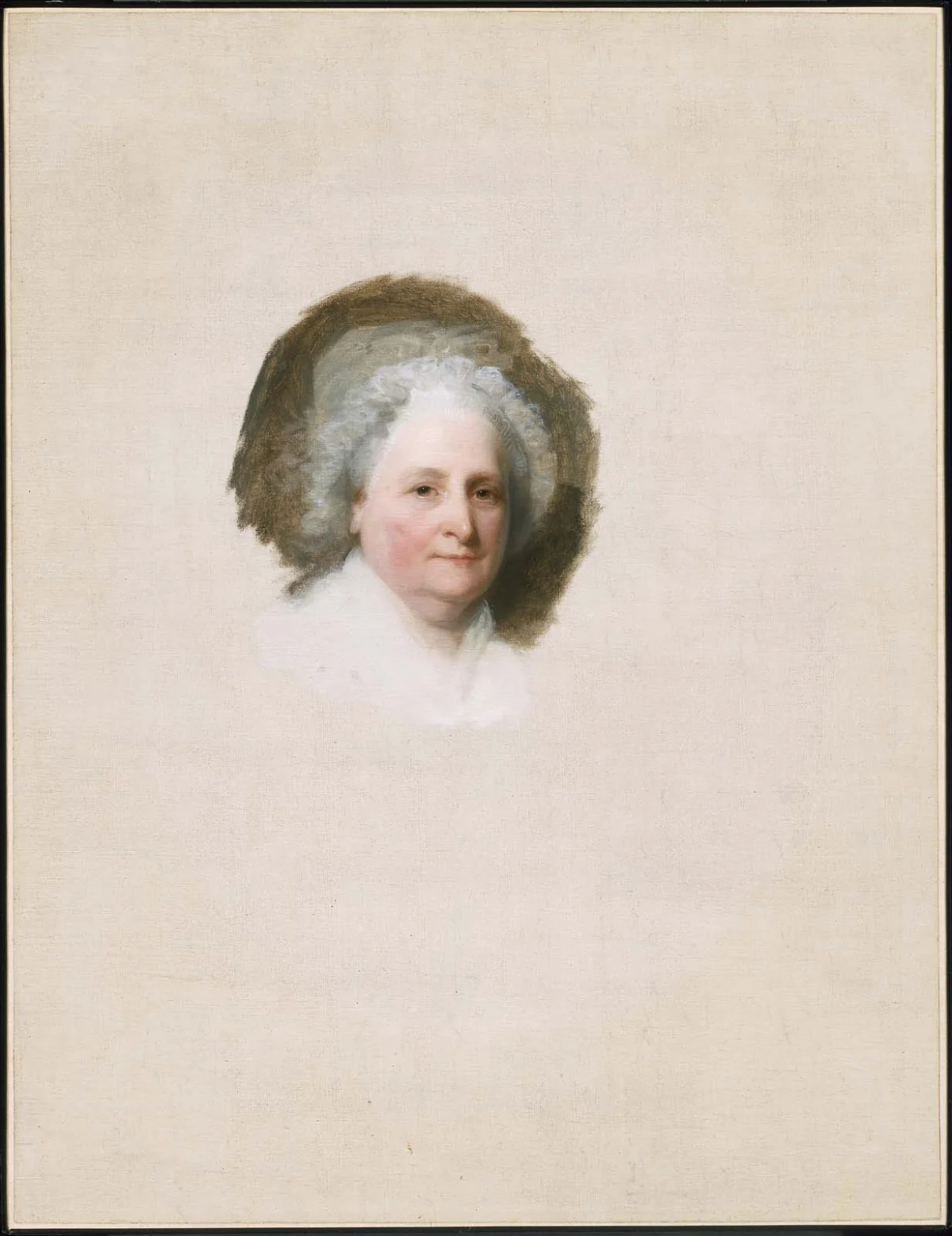
Within “Man Wearing Feather Cloak and Helmit,” Rembrandt Peale weaves a narrative rich in symbolism, characteristic of the Neo-Classical movement. The feathered cloak and ornate helmet evoke themes of nobility and valor, inviting viewers to explore the subject’s story. This fine art painting for sale resonates with the depth found in Peale’s other portraits, such as “Portrait of Dr. Meer” and “Martha Washington,” each offering a unique window into the past through symbolic detail and expressive composition.
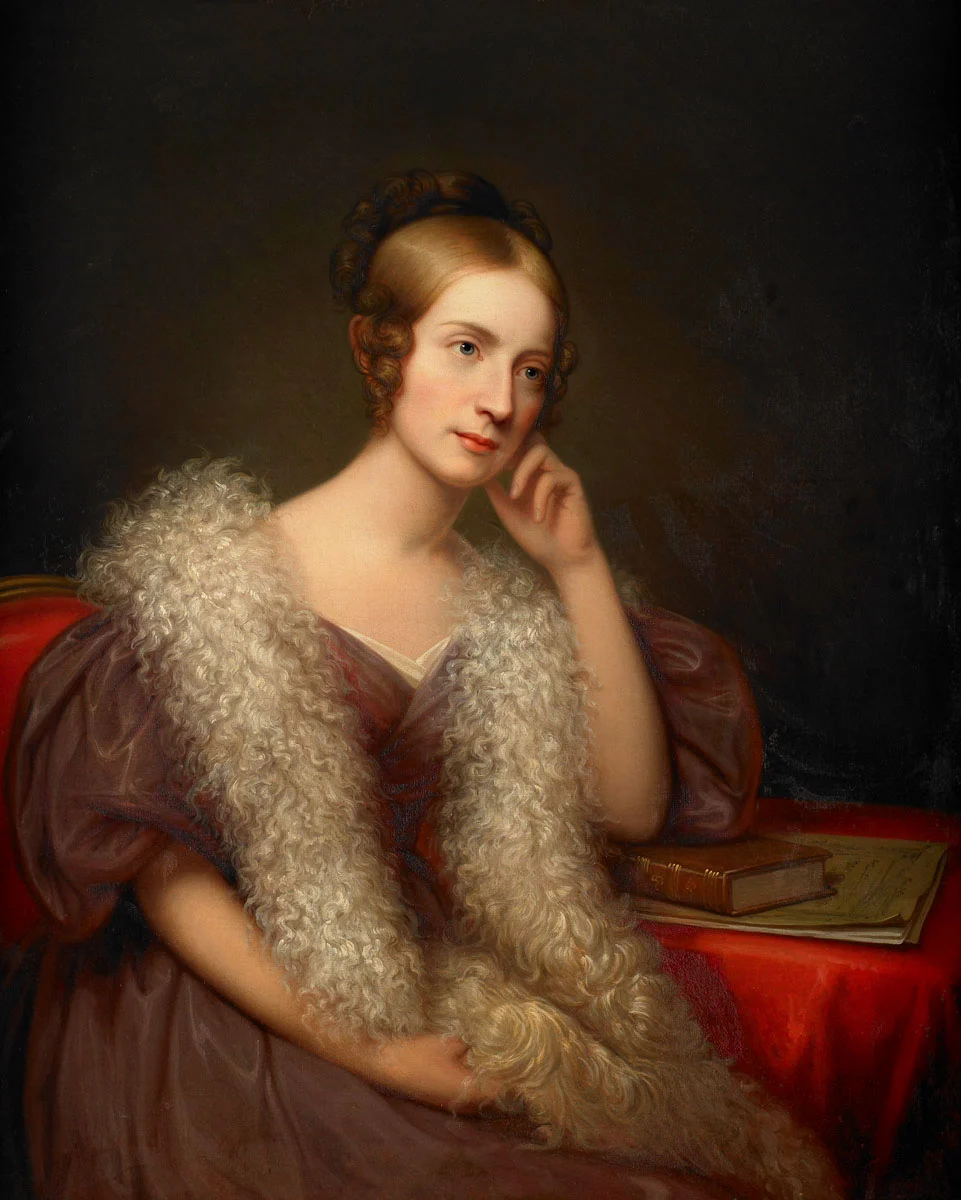
For art collectors and enthusiasts, “Man Wearing Feather Cloak and Helmit” by Rembrandt Peale represents a prized addition to any collection. As a hand-painted oil painting from the Neo-Classical era, it stands alongside related products like “Portrait En Buste De Trois-quart À La Mode Du Début Du Xixeme Siècle.” This work not only celebrates Peale’s artistic legacy but also offers a rare opportunity to own a fine art painting for sale that embodies timeless elegance and historical significance.
When Art Meets History
"Man Wearing Feather Cloak and Helmit" by Rembrandt Peale stands as a testament to the Neo-Classical movement, where history and artistry intertwine. This hand-painted oil painting captures the grandeur and dignity characteristic of Peale’s era. Alongside related works like "Surrender of General Burgoyne" and "The Bridge at La Cava, Kingdom of Naples," Peale’s masterpiece offers a window into a time when artists sought to immortalize heroic figures and classical ideals through their brushstrokes.
Techniques That Speak
Rembrandt Peale’s "Man Wearing Feather Cloak and Helmit" showcases the artist’s mastery of oil on canvas, a hallmark of Neo-Classical art. The meticulous detailing in the feathers and helmet reveals Peale’s dedication to realism and texture. Similar to his contemporaries who painted scenes like "Lake Fucino and the Abruzzi Mountains," Peale’s use of light and shadow enhances the subject’s presence, demonstrating why his technique remains influential in fine art circles today.
Emotions on Display
The expressive quality of "Man Wearing Feather Cloak and Helmit" draws viewers into the subject’s commanding presence and enigmatic gaze. Rembrandt Peale’s ability to evoke emotion through subtle facial cues and dramatic posture is evident, aligning with other evocative works such as "Romantic Landscape." This fine art painting for sale not only delights the eye but also stirs the imagination, inviting contemplation of the stories and emotions behind the character’s regal attire.
Coveted by Collectors
As a celebrated example of the Neo-Classical movement, "Man Wearing Feather Cloak and Helmit" by Rembrandt Peale is highly sought after by collectors. The painting’s historical significance and masterful execution ensure its place among cherished collections, much like "Paysage de riviére animé d'un pêcheur et de baigneuses." Collectors searching for a remarkable oil on canvas will appreciate the enduring allure and investment potential of this distinguished masterpiece.
Related Neo-Classical Hand-Painted Oil Paintings by Other Artists
Other Famous Neo-Classical Artists:
Frequently Asked Questions About Man Wearing Feather Cloak and Helmit
What is the historical context of "Man Wearing Feather Cloak and Helmit"?
This painting by Rembrandt Peale was created in the early 19th century, a time when American artists were beginning to establish their own identities separate from European influences. The work reflects the growing interest in indigenous cultures and the exploration of American identity.
Who is the subject of the painting?
The subject of the painting is believed to be a Native American man, adorned in traditional attire that includes a feather cloak and helmet. This choice of subject highlights the artist's fascination with indigenous peoples and their cultures.
What artistic techniques did Rembrandt Peale employ in this painting?
Peale utilized a combination of realistic portraiture and dramatic lighting, reminiscent of the techniques used by his namesake, Rembrandt van Rijn. The use of chiaroscuro enhances the three-dimensionality of the figure and draws the viewer's attention to the intricate details of the feather cloak.
What symbolism is present in the feather cloak and helmet?
The feather cloak and helmet symbolize strength, bravery, and the connection to nature that is often associated with indigenous cultures. Feathers are traditionally seen as symbols of honor and respect, indicating the high status of the individual depicted.
How does this painting reflect the cultural attitudes of its time?
The painting reflects a romanticized view of Native American culture that was prevalent in the early 19th century. It captures a sense of nostalgia and admiration, while also highlighting the complexities of cultural representation during a period of significant change in America.
What influences can be seen in Peale's style in this artwork?
Peale's style in "Man Wearing Feather Cloak and Helmit" shows influences from both the Neoclassical and Romantic movements. His attention to detail and emphasis on realism align with Neoclassical ideals, while the emotional depth and subject matter reflect Romantic sensibilities.
What role did portraiture play in Peale's body of work?
Portraiture was a significant aspect of Peale's oeuvre, as he sought to capture the essence of his subjects. This painting exemplifies his commitment to portraying individuals with dignity and respect, particularly those from marginalized communities.
How does this painting compare to other works by Peale?
Compared to Peale's other works, "Man Wearing Feather Cloak and Helmit" stands out for its focus on indigenous identity and cultural representation. While many of his portraits feature prominent figures of American society, this piece emphasizes the importance of diverse cultural narratives.
What is the significance of the painting in contemporary discussions about art and representation?
The painting is significant in contemporary discussions as it raises questions about cultural appropriation and representation in art. It invites viewers to consider how indigenous peoples have been portrayed historically and the implications of those portrayals in today's society.
Where can I view "Man Wearing Feather Cloak and Helmit"?
This artwork is part of the permanent collection at our gallery. We encourage visitors to experience the painting in person to fully appreciate its historical and artistic significance.























_GFM_Painting_(1).webp)


 100% Hand-Painted: Finished in 3-6 Weeks

.png)
















_(1).webp)