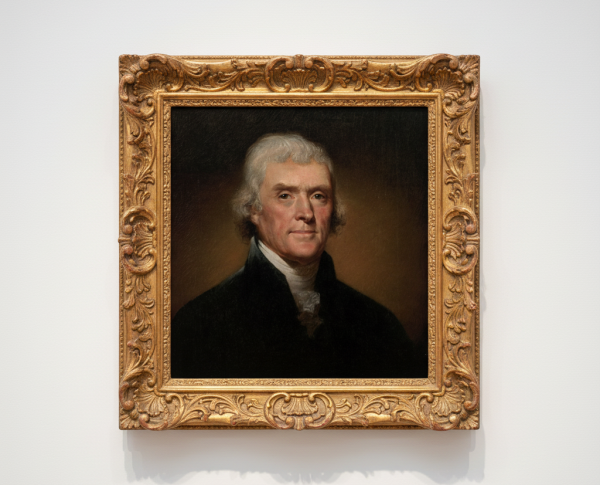
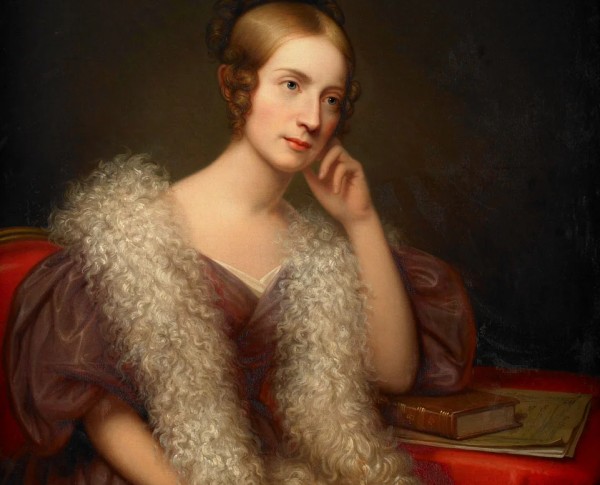
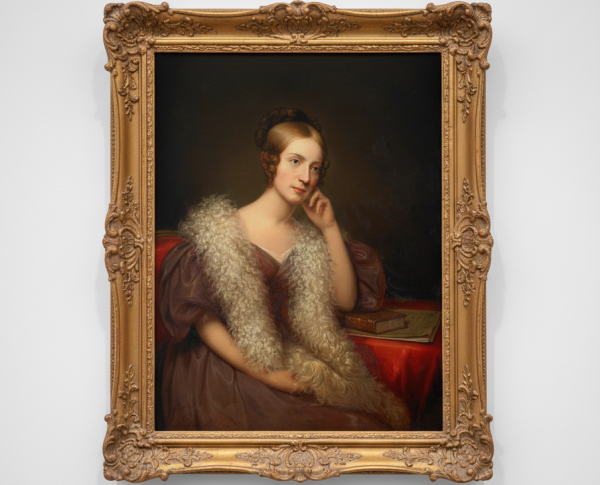
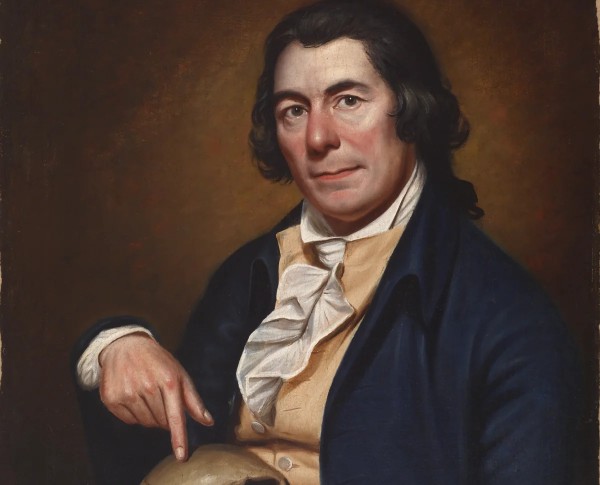
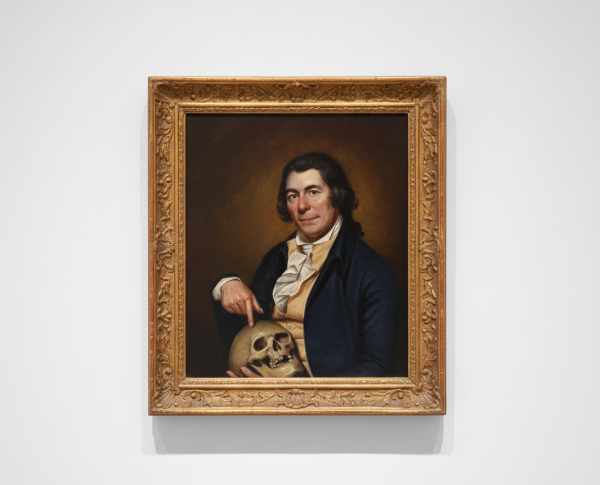
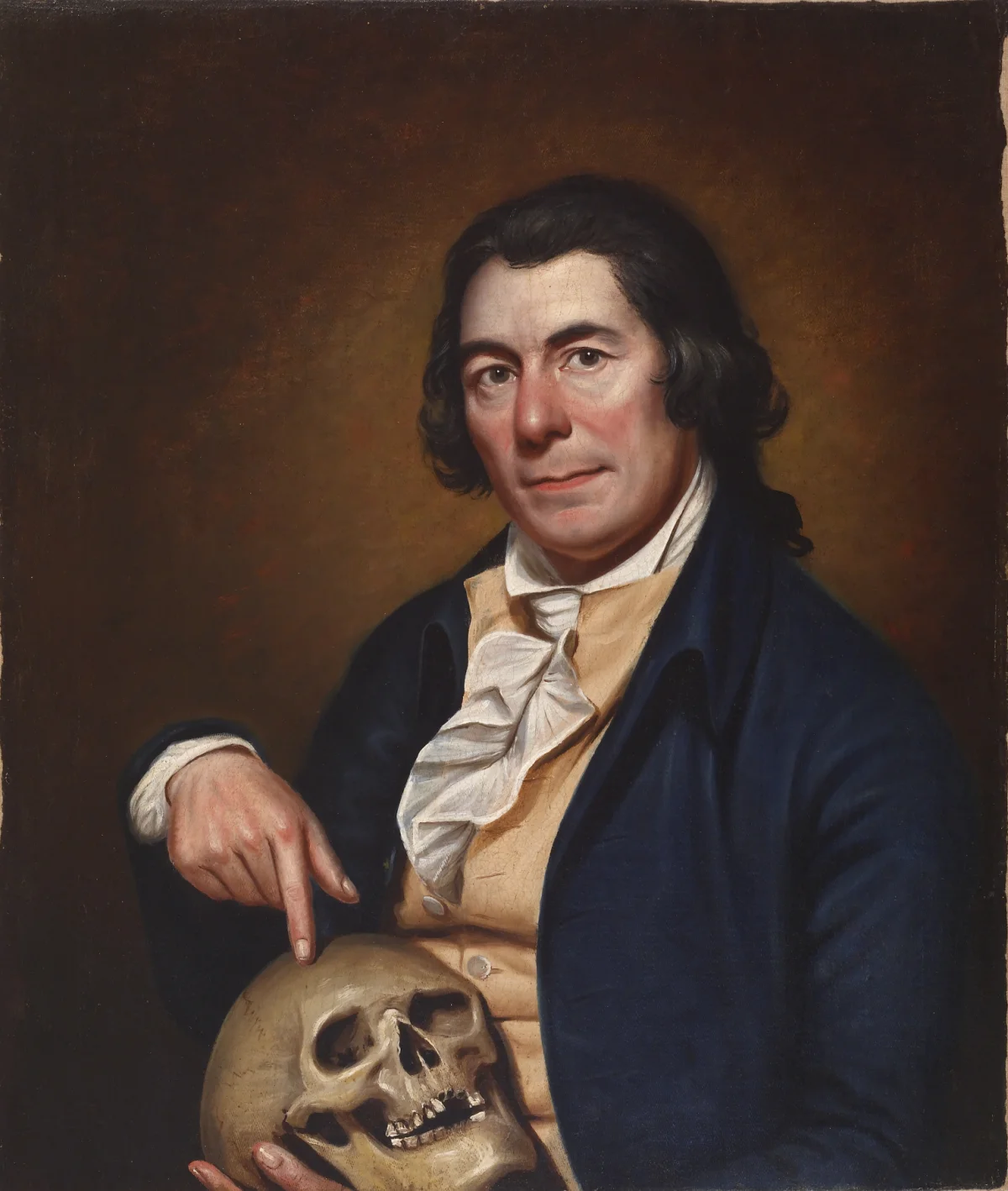
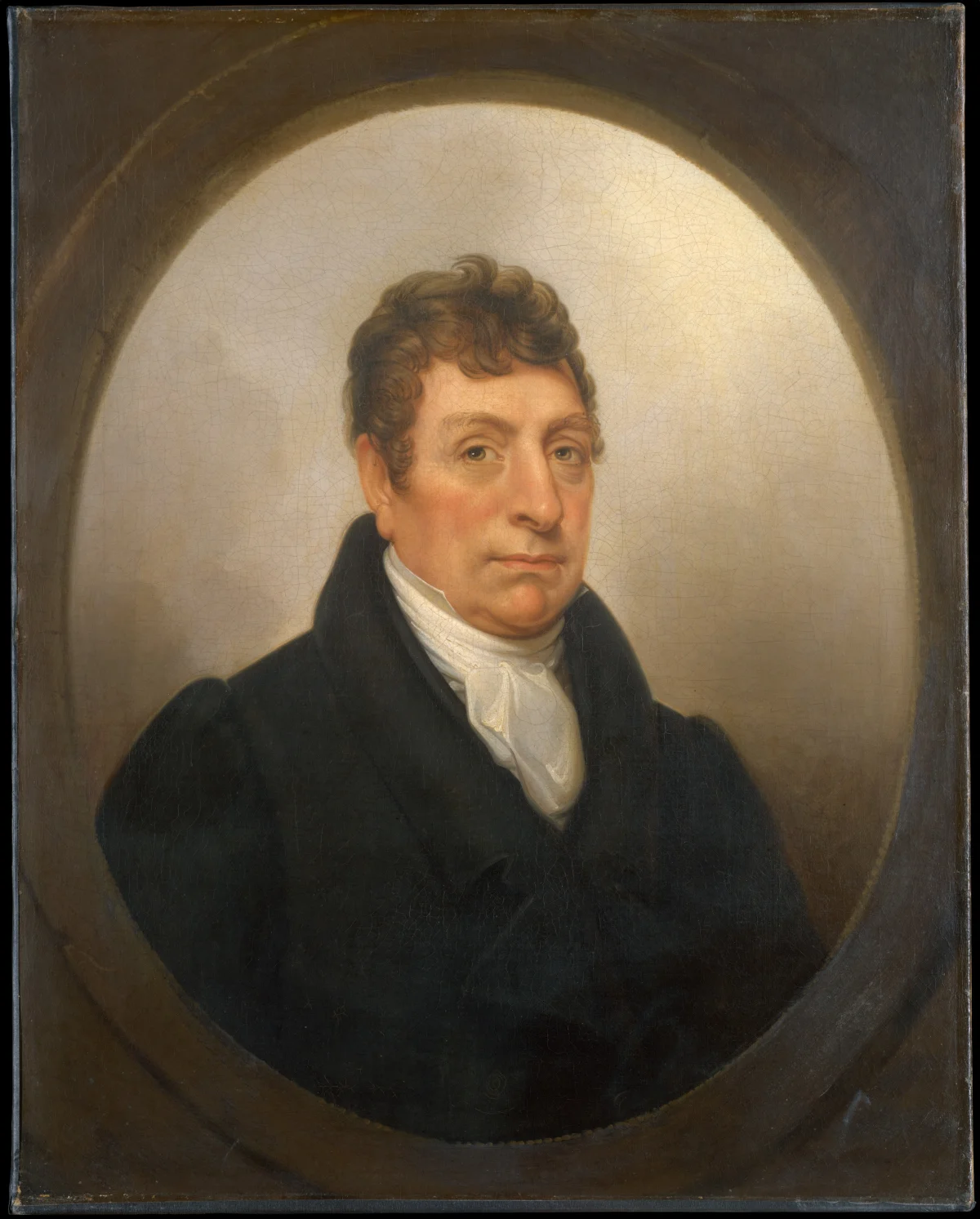
The exquisite "Portrait En Buste De Trois-quart À La Mode Du Début Du Xixeme Siècle" showcases Rembrandt Peale’s mastery in oil on canvas. His brushwork, characteristic of the Neo-Classical movement, brings out the sitter’s poise and sophistication. This technique aligns with Peale’s other celebrated pieces such as "The Marquis de Lafayette" and "Portrait of William Short," which also exemplify his skill in capturing both likeness and spirit through the enduring medium of oil on canvas.
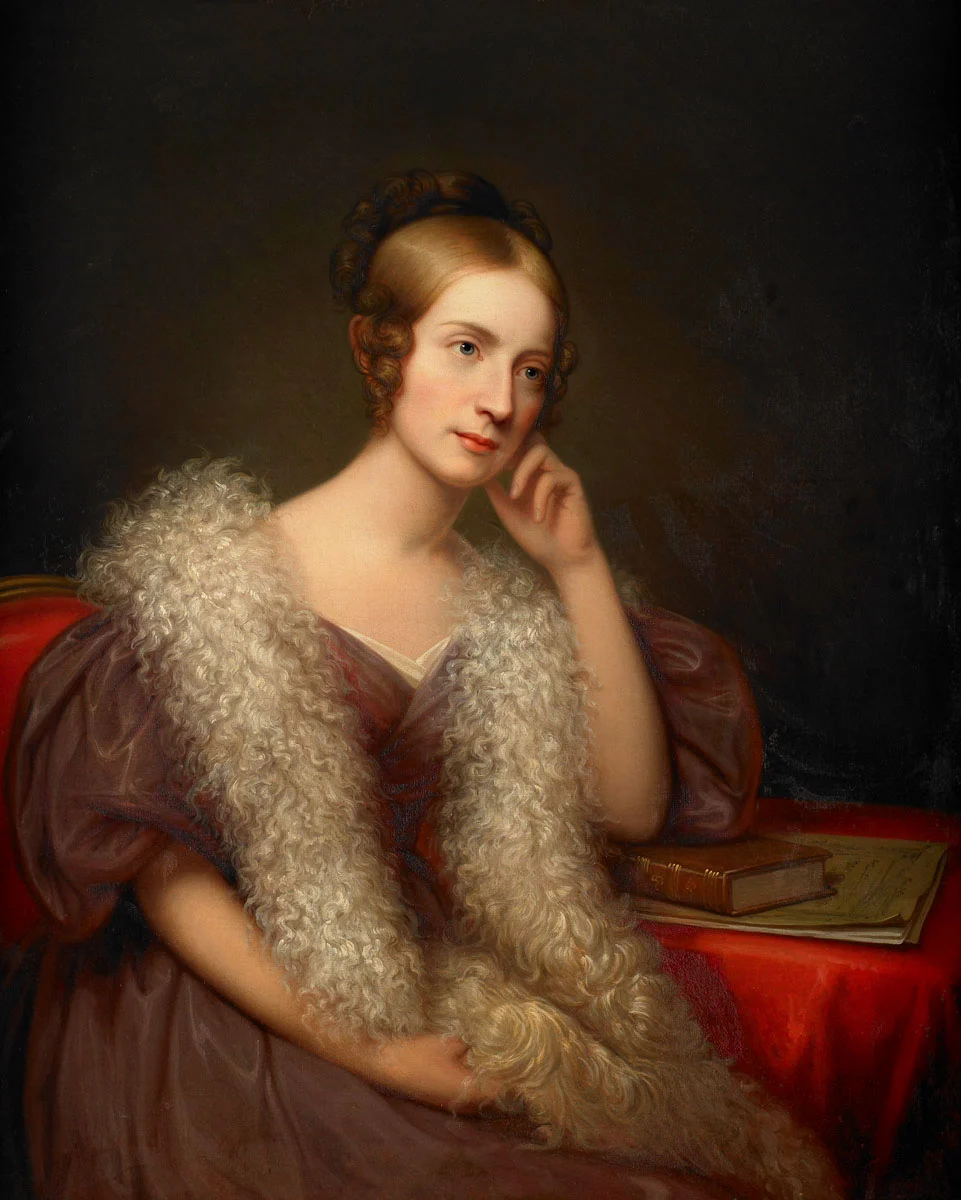
Within "Portrait En Buste De Trois-quart À La Mode Du Début Du Xixeme Siècle," Rembrandt Peale weaves subtle stories and symbols into every detail, making it a compelling fine art painting for sale. The Neo-Classical movement’s emphasis on clarity and virtue is evident in the sitter’s attire and expression. For those captivated by such narrative depth, related works like "Caroline Louisa Pratt Bartlett" and "Rubens Peale with a Geranium" also invite viewers to interpret their rich visual language.
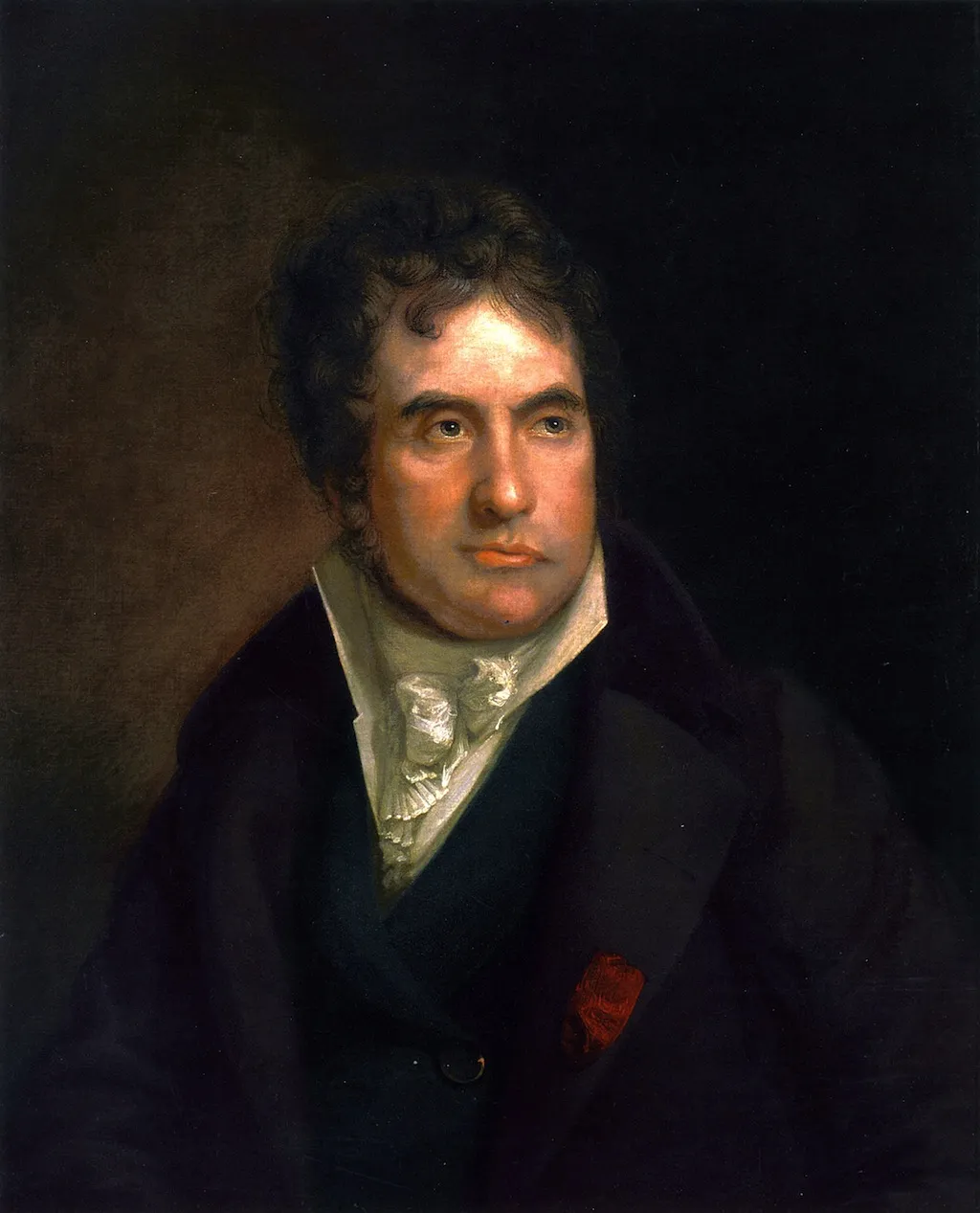
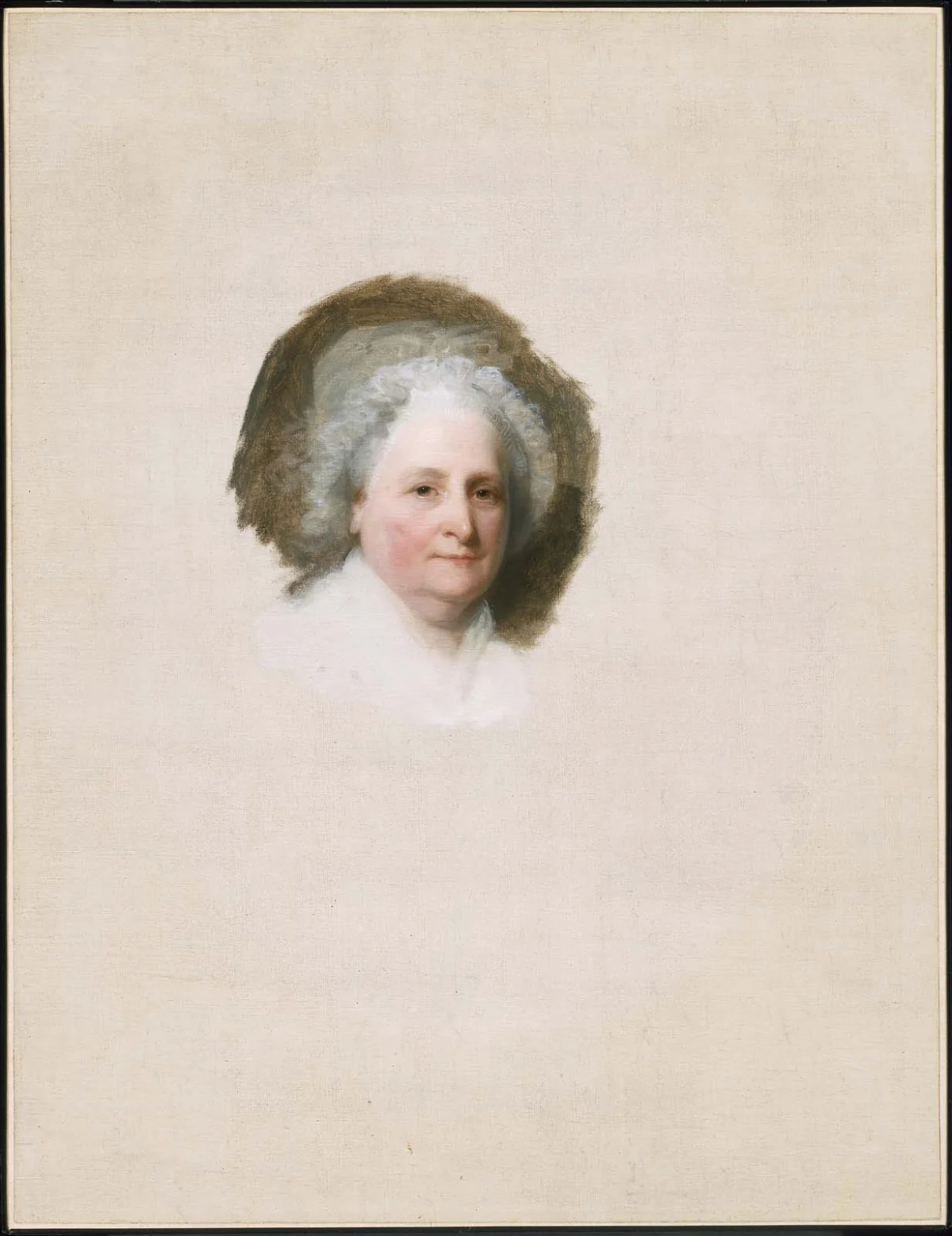
Owning "Portrait En Buste De Trois-quart À La Mode Du Début Du Xixeme Siècle" by Rembrandt Peale means acquiring a fine art painting for sale that bridges history and artistic excellence. This Neo-Classical gem not only enhances any collection but also pairs beautifully with related portraits such as "Martha Washington" and "The Marquis de Lafayette." Each piece underscores Peale’s reputation as a master portraitist whose works remain highly sought after by discerning collectors.
When Art Meets History
Rembrandt Peale’s "Portrait En Buste De Trois-quart À La Mode Du Début Du Xixeme Siècle" is a remarkable example of Neo-Classical artistry, reflecting the refined sensibilities of the early nineteenth century. This hand-painted oil painting captures the spirit of its era, much like Peale’s contemporaries with works such as "Basilius Von Ramdohr" and "The Bridge at La Cava." The portrait not only immortalizes its subject but also serves as a visual document of historical fashion and culture.
Techniques That Speak
Executed with meticulous attention to detail, this oil on canvas showcases Rembrandt Peale’s mastery of Neo-Classical techniques. The artist’s use of delicate brushwork and subtle gradations of light evoke a lifelike presence, reminiscent of other fine works like "The Sea Maiden" and "Monte Cavo Du Lac D'albano." The smooth, polished finish is characteristic of Peale’s approach, highlighting his commitment to technical excellence in every stroke of the brush.
Emotions on Display
The expressive gaze and poised demeanor in "Portrait En Buste De Trois-quart À La Mode Du Début Du Xixeme Siècle" reveal the emotional depth Peale infused into his subjects. This fine art painting for sale invites viewers to connect with the sitter’s inner world, echoing the emotional resonance found in works like "Chasseur Au Pied Du Château De Meudon." Peale’s Neo-Classical sensibilities shine through in the subtle interplay of light, shadow, and emotion.
Coveted by Collectors
Collectors prize Rembrandt Peale’s "Portrait En Buste De Trois-quart À La Mode Du Début Du Xixeme Siècle" for its historical significance and artistic excellence within the Neo-Classical movement. As with related paintings from this period, including "Basilius Von Ramdohr," this hand-painted oil painting remains highly sought after. Its timeless elegance and masterful execution make it a standout addition to any collection of nineteenth-century portraiture.
Related Neo-Classical Hand-Painted Oil Paintings by Other Artists
Other Famous Neo-Classical Artists:
Frequently Asked Questions About Portrait En Buste De Trois-quart À La Mode Du Début Du Xixeme Siècle
What is the historical significance of "Portrait En Buste De Trois-quart À La Mode Du Début Du Xixeme Siècle"?
This painting by Rembrandt Peale reflects the artistic transition of the early 19th century, showcasing the evolving trends in portraiture and the influence of neoclassicism in American art.
Who was Rembrandt Peale and what was his role in American art?
Rembrandt Peale was a prominent American portrait painter known for his detailed and lifelike representations. He played a crucial role in establishing a distinct American style of portraiture during the early 19th century.
What artistic techniques are evident in this painting?
The painting employs a three-quarter view, a common technique in portraiture that adds depth and dimension. Peale's use of chiaroscuro enhances the subject's features, creating a lifelike presence.
What does the attire of the subject signify in the context of the early 19th century?
The attire depicted in the painting reflects the fashion trends of the early 19th century, symbolizing social status and cultural identity during a period of significant change in American society.
How does this painting compare to other portraits of its time?
Compared to other portraits of the early 19th century, Peale's work stands out for its meticulous attention to detail and psychological depth, setting a standard for future American portraitists.
What themes are explored in "Portrait En Buste De Trois-quart À La Mode Du Début Du Xixeme Siècle"?
The painting explores themes of identity, social status, and the human experience, capturing the essence of the individual while reflecting broader societal changes of the era.
What materials and techniques did Peale use in this painting?
Rembrandt Peale typically used oil on canvas for his portraits, employing glazing techniques to achieve luminosity and depth in skin tones and fabrics.
What is the significance of the three-quarter pose in portraiture?
The three-quarter pose is significant as it allows for a more dynamic representation of the subject, creating a sense of engagement and intimacy between the viewer and the portrayed individual.
How does this painting reflect the cultural values of its time?
The painting reflects the cultural values of the early 19th century, emphasizing individualism, refinement, and the importance of personal identity in a rapidly changing society.
What impact did "Portrait En Buste De Trois-quart À La Mode Du Début Du Xixeme Siècle" have on subsequent artists?
This painting influenced subsequent generations of American artists by establishing a benchmark for portraiture that combined technical skill with emotional resonance, inspiring a more personal approach to artistic expression.























_GFM_Painting_(1).webp)

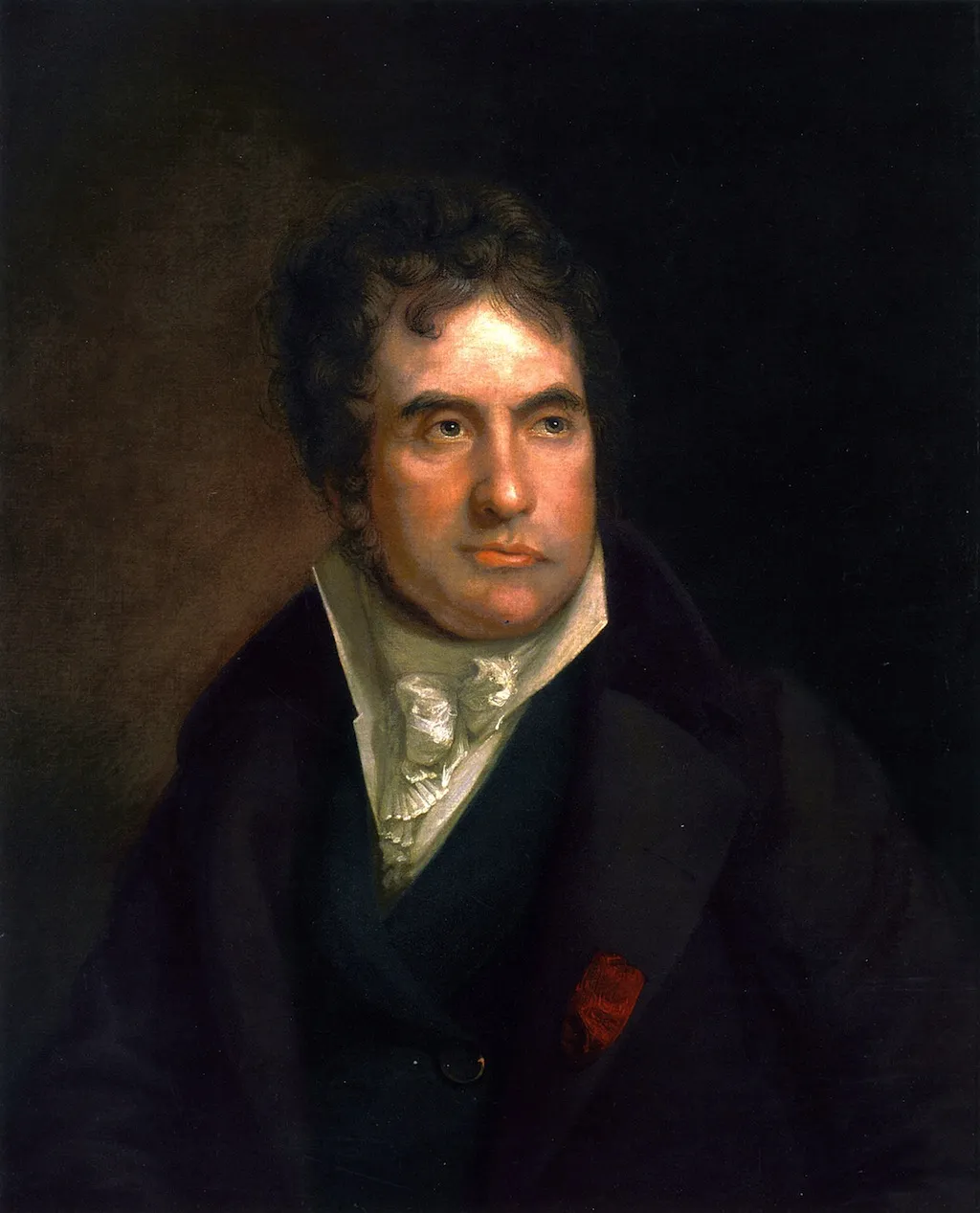

 100% Hand-Painted: Finished in 3-6 Weeks

.png)
















_(1).webp)