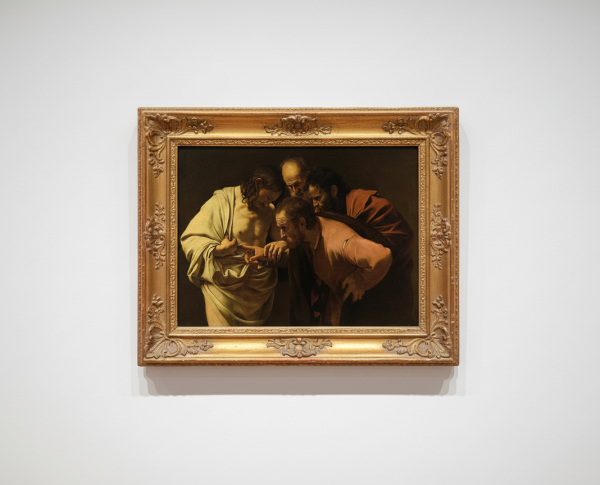
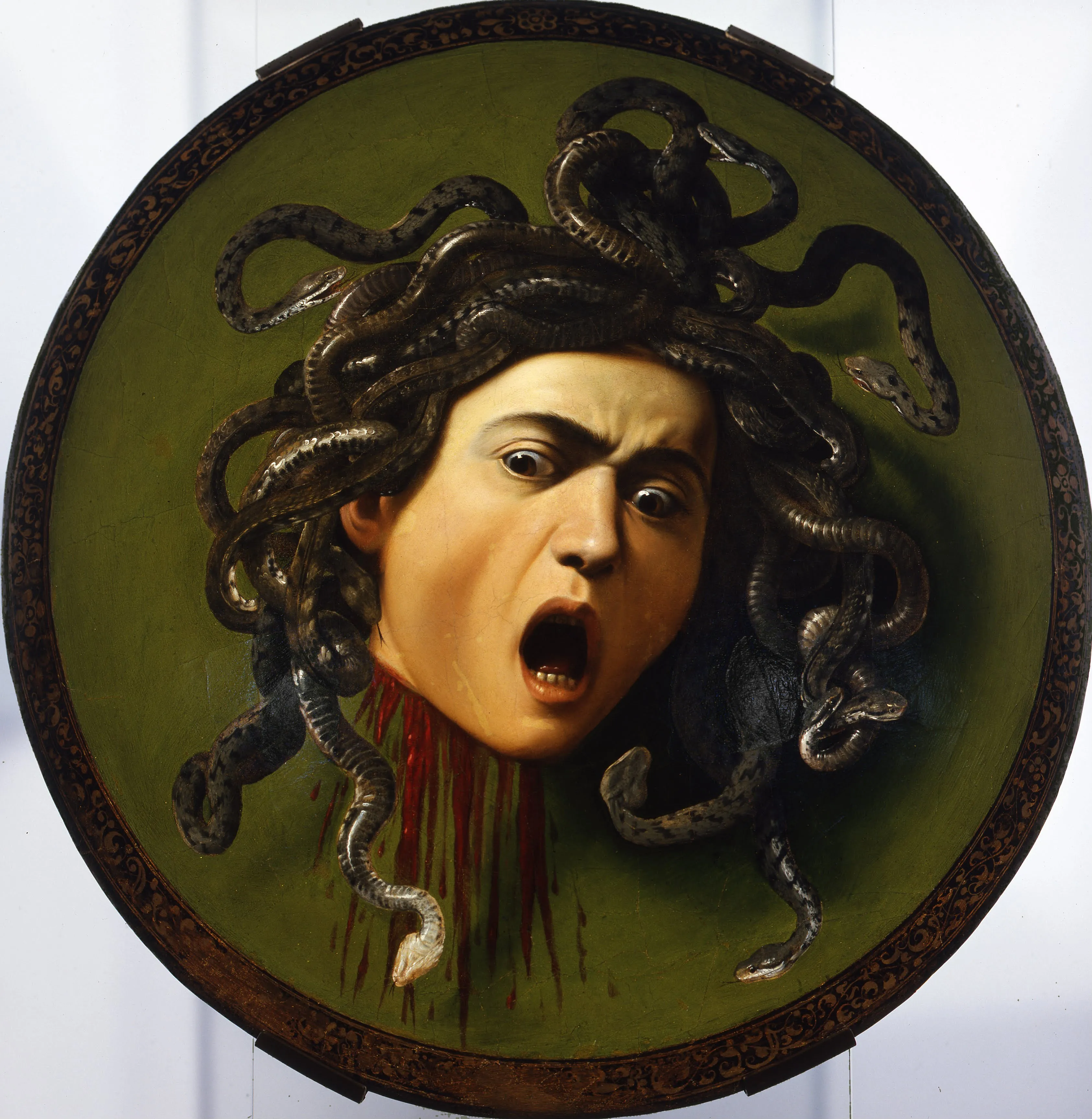
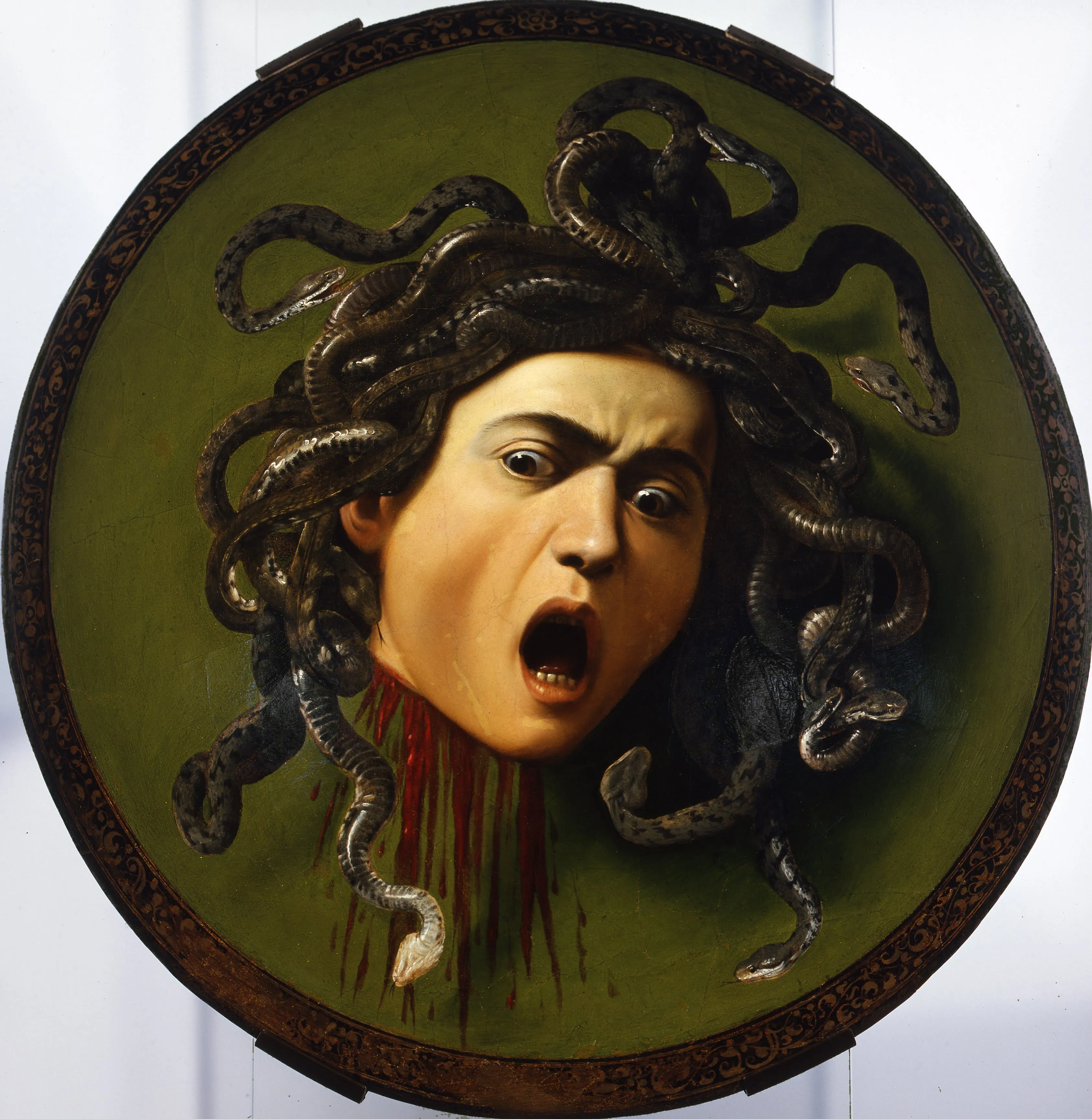
The exquisite detail in Caravaggio’s "Medusa" reveals his unparalleled skill with oil on canvas. Each brushstroke captures the terror and anguish of the mythological figure, bringing the Baroque era’s dramatic flair to life. Caravaggio’s technique set a new standard for realism and emotional depth in fine art. Collectors interested in "Boy Bitten by a Lizard" or "Doubting Thomas" will find similar mastery and intensity in these remarkable works.
Owning a hand-painted oil painting like Caravaggio’s "Medusa" is a privilege cherished by art connoisseurs worldwide. Its dramatic presence and historical significance make it a centerpiece in any Baroque collection. For those looking to expand their collection, masterpieces such as "A lute player," "Young Sick Bacchus," and "Saint Jerome Writing" offer complementary elegance and narrative depth, making each acquisition a true collector’s treasure.
When Art Meets History
Caravaggio’s iconic hand-painted oil painting "Medusa" stands as a powerful symbol of the Baroque movement, created around 1597. The artist, renowned for his dramatic realism, transforms the mythological figure into a chilling portrait. "Medusa" was crafted during a time when art and history intertwined, echoing the turbulent spirit of the era. Caravaggio’s other works, such as "Mercury and Battus" and "The Angel and Hagar," similarly reflect the historical depth of Baroque art.
Techniques That Speak
Caravaggio’s "Medusa" exemplifies his mastery of oil on canvas, a technique that brought Baroque art to life with intense realism and dramatic lighting. The painting captures the terror and agony of Medusa at the moment of her transformation. Caravaggio’s skillful brushwork and use of chiaroscuro set a benchmark for artists of the time. His technical prowess can also be seen in related paintings like "Girl carrying Water" and "Portrait of Charles II," each showcasing his innovative approach.
Emotions on Display
The emotional intensity of Caravaggio’s "Medusa" is palpable, with the subject’s petrified expression drawing viewers into the myth. This fine art painting for sale is celebrated for its ability to evoke fear and fascination simultaneously, a hallmark of Baroque art. Caravaggio’s unique portrayal of emotion can also be observed in pieces like "Teresa Francisca Mudarra y Herrera," where psychological depth and realism captivate the audience and leave a lasting impression.
Coveted by Collectors
As a masterpiece of the Baroque movement, Caravaggio’s "Medusa" remains highly sought after by art collectors worldwide. The allure of owning a hand-painted oil painting from such a pivotal era is immense. Collectors often seek out related works, including "Mercury and Battus" and "Portrait of Charles II," to complete their collections. The enduring value and historical significance of "Medusa" ensure its place among the most prized fine art paintings for sale.
Related Baroque Hand-Painted Oil Paintings by Other Artists
Other Famous Baroque Artists:
Frequently Asked Questions About Medusa
What is the historical context of Caravaggio's Medusa?
Caravaggio painted Medusa in 1597 as part of a commission for the Grand Duke of Tuscany, Cosimo II de' Medici. This period marked a significant shift in art, where Baroque elements began to emerge, emphasizing realism and emotional intensity.
What artistic techniques did Caravaggio use in Medusa?
Caravaggio employed chiaroscuro, a technique that contrasts light and shadow to create a dramatic effect. The use of intense lighting highlights Medusa's features, enhancing the emotional impact of the work.
What does Medusa symbolize in this painting?
Medusa symbolizes the duality of beauty and horror. In Greek mythology, she is a Gorgon whose gaze turns people to stone, representing both the power and danger of female beauty.
How does Caravaggio's portrayal of Medusa differ from traditional representations?
Unlike traditional representations that often depict Medusa as a monstrous figure, Caravaggio presents her with a haunting beauty, evoking sympathy and fear simultaneously, thus challenging the viewer's perception of monstrosity.
What materials were used in the creation of Medusa?
Caravaggio created Medusa using oil on canvas, a medium that allowed for rich color and texture, contributing to the painting's dramatic realism and emotional depth.
What is the significance of the shield in Medusa?
The shield serves as both a protective emblem and a reflective surface, emphasizing the theme of perception. It symbolizes the idea that one must confront their fears, as Medusa's gaze is both captivating and deadly.
How does Medusa reflect Caravaggio's overall artistic style?
Medusa exemplifies Caravaggio's signature style of realism, emotional intensity, and dramatic use of light. His focus on human emotion and psychological depth is evident in Medusa's expression and posture.
What impact did Medusa have on later artists?
Medusa influenced numerous artists in the Baroque period and beyond, inspiring them to explore themes of duality, beauty, and horror, as well as the use of chiaroscuro to enhance emotional expression in their works.
Where is Medusa currently housed?
Medusa is part of the collection at the Uffizi Gallery in Florence, Italy, where it continues to be a significant work for both art historians and visitors alike.
What themes are explored in Caravaggio's Medusa?
The painting explores themes of fear, transformation, and the nature of beauty. It invites viewers to confront their own perceptions of monstrosity and the complexities of human emotion.























_GFM_Painting_(1).webp)


 100% Hand-Painted: Finished in 3-6 Weeks

.png)



















_(1).webp)