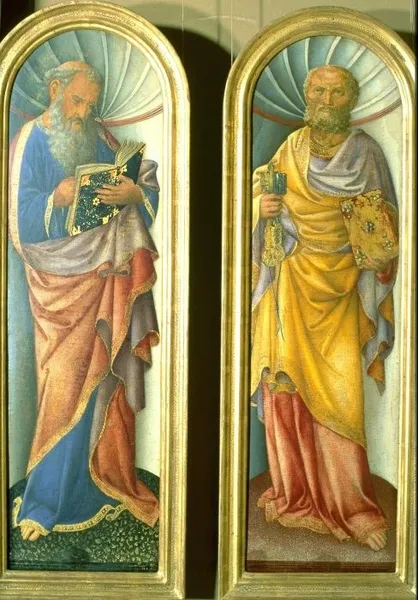
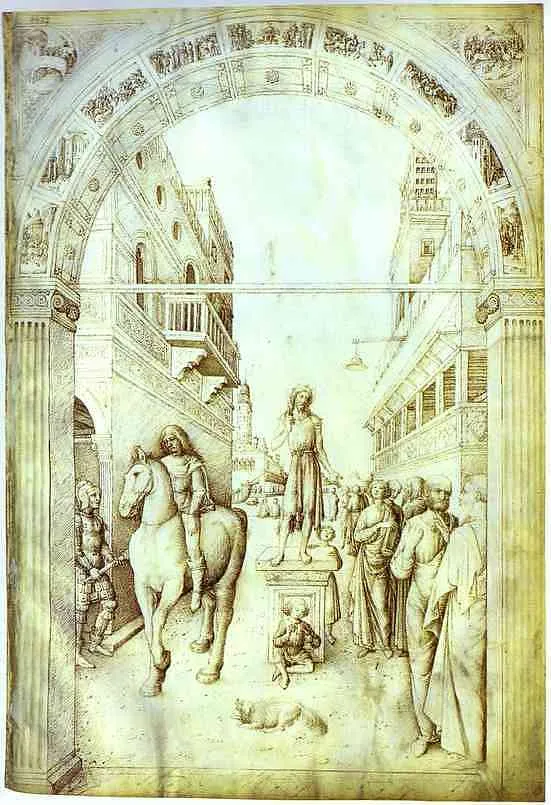
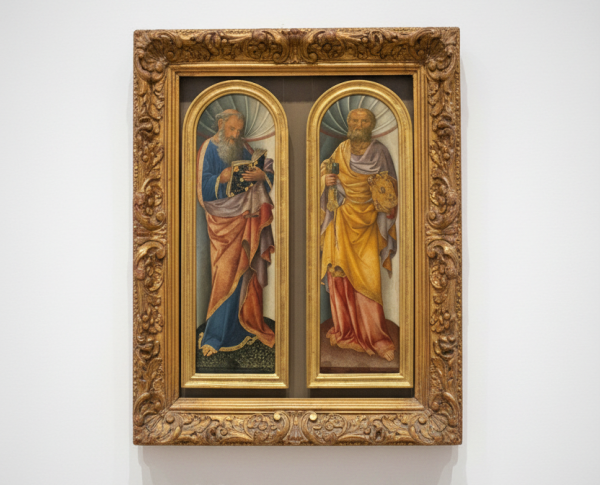
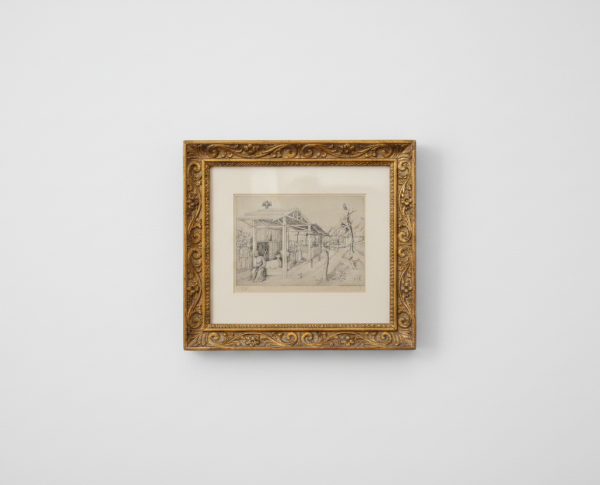
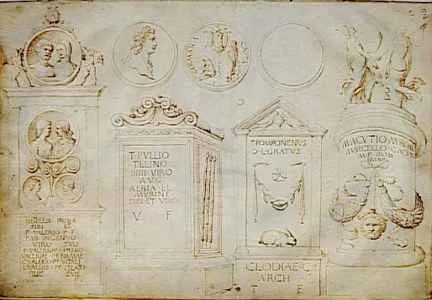
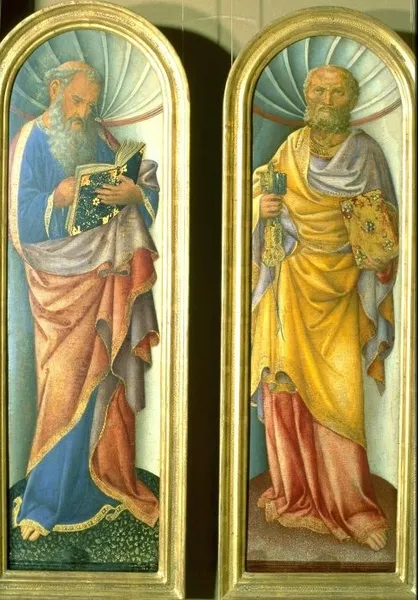
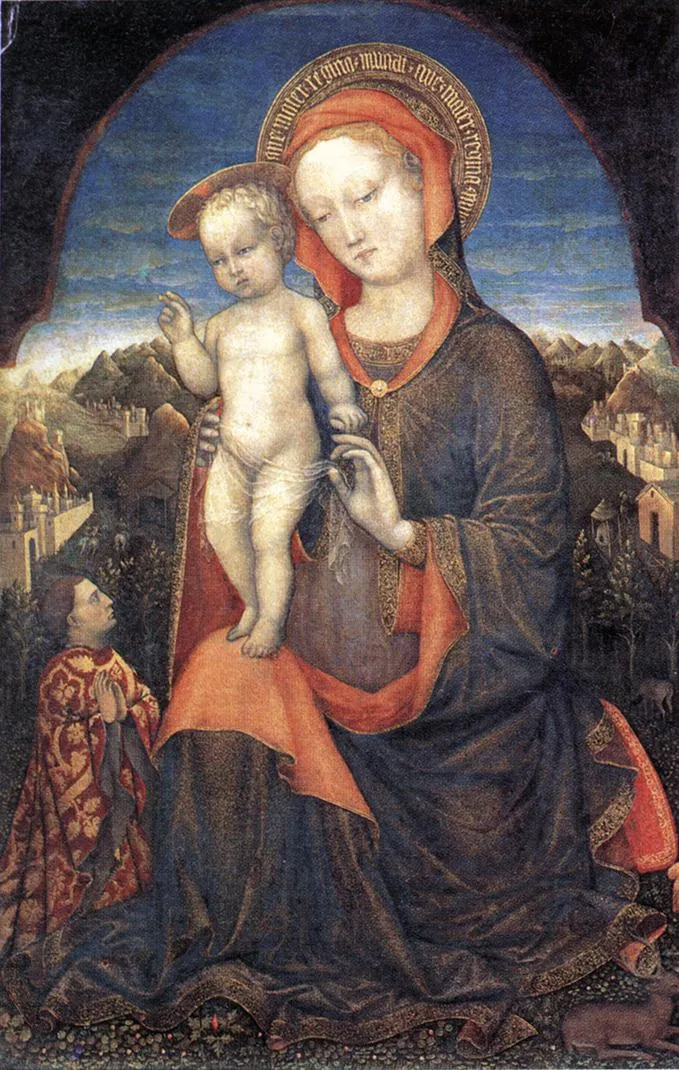
Every detail in “Album del Louvre, epigrafi e monete” reveals Jacopo Bellini’s unparalleled skill with oil on canvas. His careful use of light and shadow brings depth to inscriptions and coins, reflecting the Early Renaissance’s fascination with realism. The piece shares aesthetic qualities with other fine art paintings for sale from this era, including “John the Evangelist” and “The Agony in the Garden.” Bellini’s technique elevates this painting into a timeless masterpiece admired by art lovers.
Within “Album del Louvre, epigrafi e monete,” Jacopo Bellini intricately weaves stories and symbols drawn from ancient texts and currency, hallmarks of the Early Renaissance’s intellectual curiosity. This hand-painted oil painting invites viewers to decode its meanings, much like the narrative depth found in works such as “Flagellation” and “Epigrafi e Statue.” Bellini’s art bridges past and present, offering collectors a window into the symbolic language of his era’s greatest masters.
For those seeking a fine art painting for sale, Jacopo Bellini’s “Album del Louvre, epigrafi e monete” is a true collector’s treasure. Its significance within the Early Renaissance movement is matched by its rarity and craftsmanship. Collectors of Bellini’s works often seek related masterpieces like “The Apostle Peter” and “Epigrafi e Statue,” making this painting a centerpiece for any serious art collection and a lasting investment in Renaissance heritage.
When Art Meets History
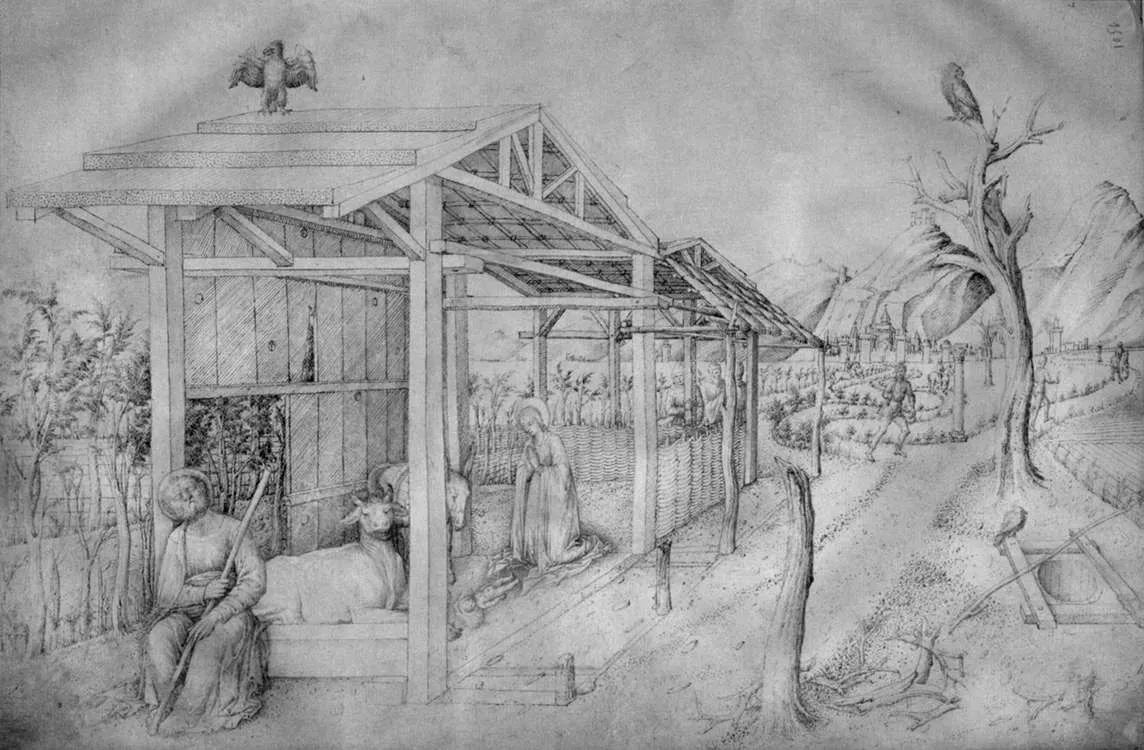
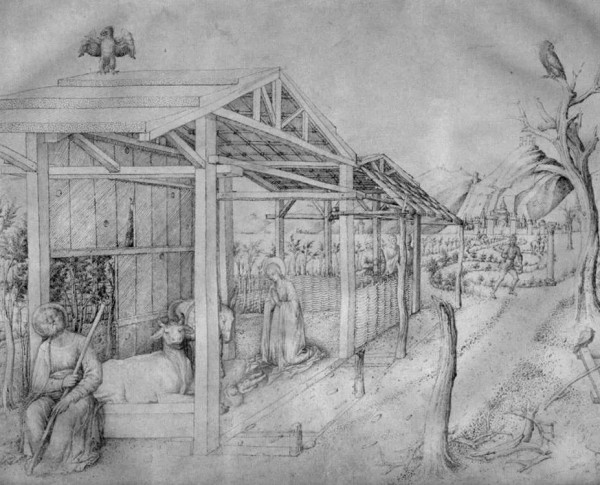
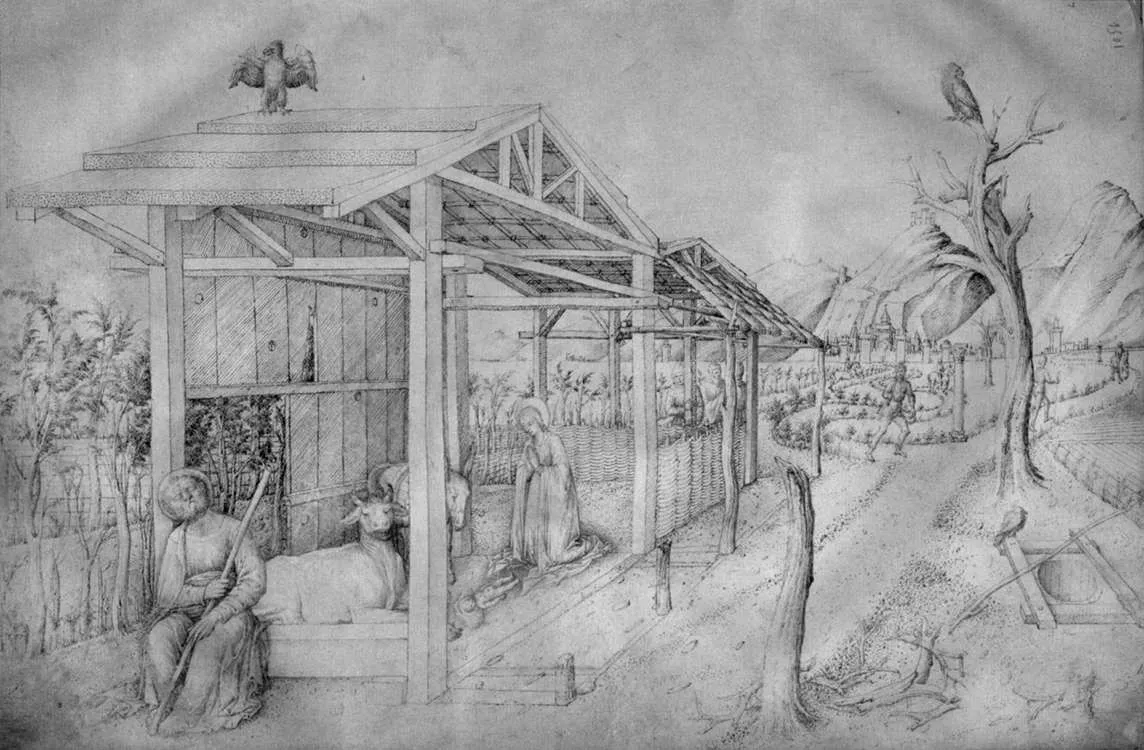
Jacopo Bellini’s remarkable work, "Album del Louvre, epigrafi e monete," stands as a testament to the Early Renaissance movement’s fascination with history and classical antiquity. This hand-painted oil painting captures the essence of an era when artists merged historical narratives with innovative techniques. Bellini, renowned for masterpieces like "The Madonna of Mercy" and "Adoration of the Magi," infuses his artwork with symbolic references, making each piece a bridge between past and present for art enthusiasts and collectors alike.
Techniques That Speak
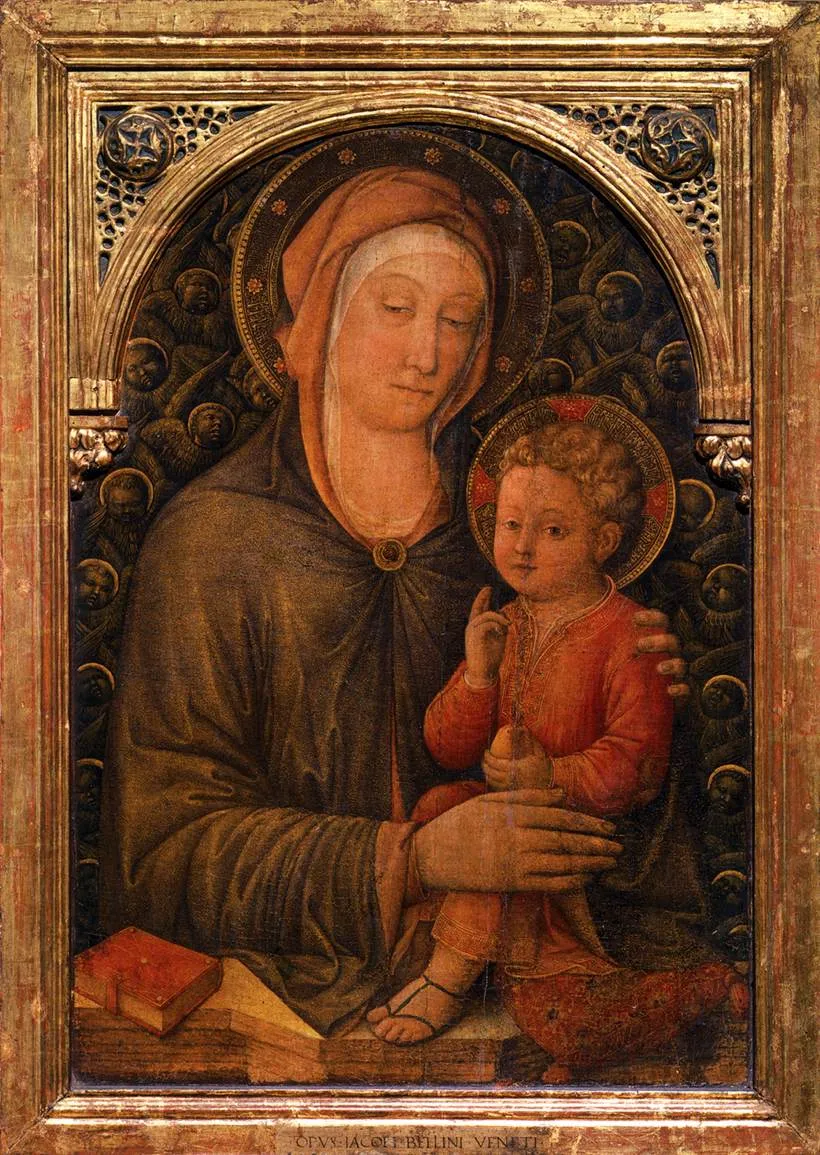
The "Album del Louvre, epigrafi e monete" showcases Jacopo Bellini’s masterful use of oil on canvas, a technique that allowed Renaissance artists to achieve depth and luminosity. Bellini’s attention to detail and delicate brushwork are evident throughout, much like in his other works such as "Madonna and Child" and "Fortitude." This approach not only highlights the technical prowess of the artist but also cements the painting’s place within the Early Renaissance movement’s legacy.
Emotions on Display
Through "Album del Louvre, epigrafi e monete," Jacopo Bellini evokes a profound sense of reverence and curiosity. The composition invites viewers to contemplate the stories behind ancient inscriptions and coins, echoing the emotional resonance found in related paintings like "Allegory Of Spring La Primavera." This fine art painting for sale is more than a visual experience; it is an emotional journey, capturing the awe and wonder that defined the Early Renaissance and inspired future generations of artists.
Coveted by Collectors
Collectors and art lovers alike are drawn to the unique qualities of "Album del Louvre, epigrafi e monete." As an exquisite hand-painted oil painting by Jacopo Bellini, it embodies the innovation and historical depth characteristic of the Early Renaissance. The allure of owning a work akin to "The Madonna of Mercy" or "Adoration of the Magi" makes this piece highly sought after, ensuring its place among the most prized treasures in any collection of Renaissance masterpieces.
Related Early Renaissance Hand-Painted Oil Paintings by Other Artists
Other Famous Early Renaissance Artists:
Frequently Asked Questions About Album del Louvre, epigrafi e monete
What is the historical significance of "Album del Louvre, epigrafi e monete"?
This artwork is significant as it reflects the Renaissance interest in classical antiquity, showcasing Jacopo Bellini's engagement with ancient Roman culture through the depiction of inscriptions and coins.
Who was Jacopo Bellini and what was his influence on the art of his time?
Jacopo Bellini was a pivotal figure in the Venetian Renaissance, known for his innovative approach to perspective and composition, which influenced many subsequent artists, including his sons, Gentile and Giovanni Bellini.
What artistic techniques did Bellini employ in this piece?
Bellini utilized detailed line work and a careful study of light and shadow to create depth, while also incorporating a variety of textures to enhance the realism of the inscriptions and coins depicted.
What themes are explored in "Album del Louvre, epigrafi e monete"?
The painting explores themes of memory and history, emphasizing the importance of preserving cultural heritage through the representation of ancient artifacts.
How does this work reflect the Renaissance ideals of humanism?
The work embodies Renaissance humanism by celebrating classical knowledge and the value of historical artifacts, reflecting a belief in the importance of human experience and intellect.
What is the significance of the inscriptions and coins depicted in the artwork?
The inscriptions and coins serve as a bridge between the past and the present, symbolizing the continuity of culture and the importance of historical documentation in understanding human civilization.
In what ways did Bellini's work influence later artists?
Bellini's meticulous attention to detail and innovative use of perspective set a standard for realism in painting, influencing artists such as Titian and Veronese in their approaches to composition and narrative.
What role does symbolism play in "Album del Louvre, epigrafi e monete"?
Symbolism in this artwork is prevalent through the use of coins and inscriptions, which represent wealth, knowledge, and the passage of time, inviting viewers to reflect on the value of history.
How does this painting fit into the broader context of Renaissance art?
This painting is a testament to the Renaissance's fascination with antiquity, serving as a precursor to the later, more dramatic interpretations of classical themes seen in the works of artists like Raphael and Michelangelo.
What materials and methods did Bellini likely use for this artwork?
Bellini is believed to have used tempera on paper, a common medium of the time, allowing for fine detail and vibrant color, which were essential for the accurate representation of the inscriptions and coins.






















_GFM_Painting_(1).webp)


 100% Hand-Painted: Finished in 3-6 Weeks

.png)















_(1).webp)