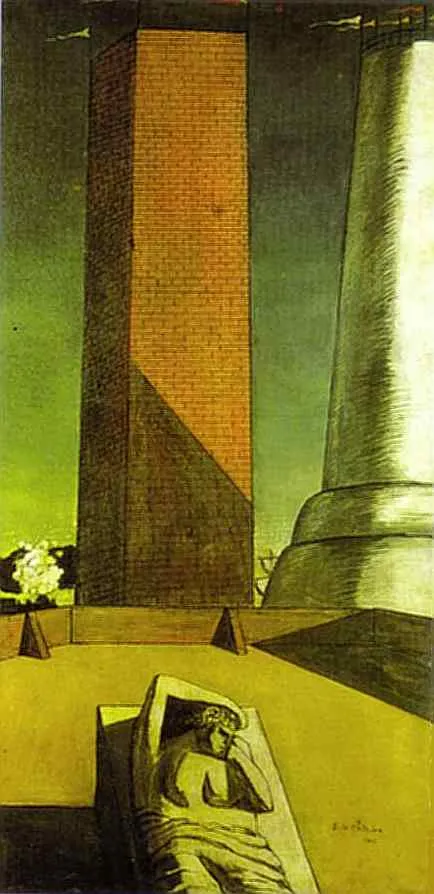
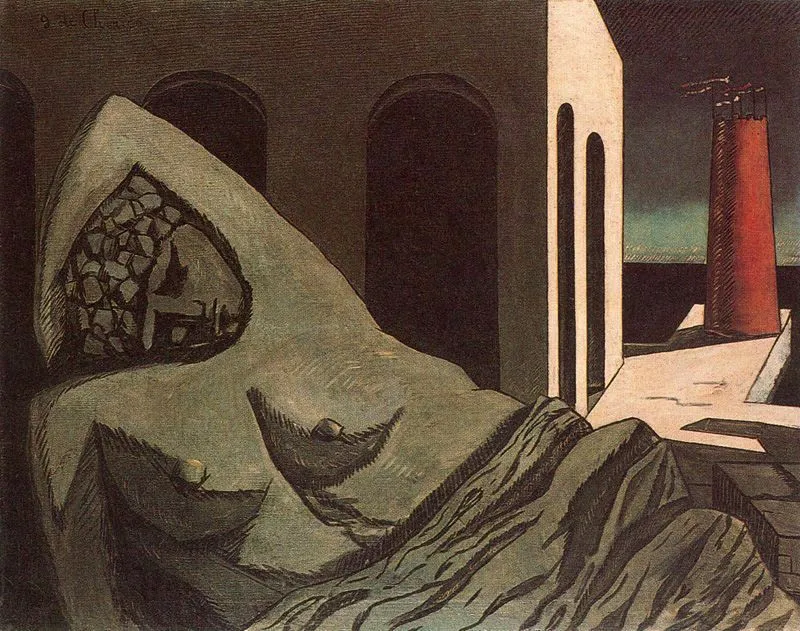
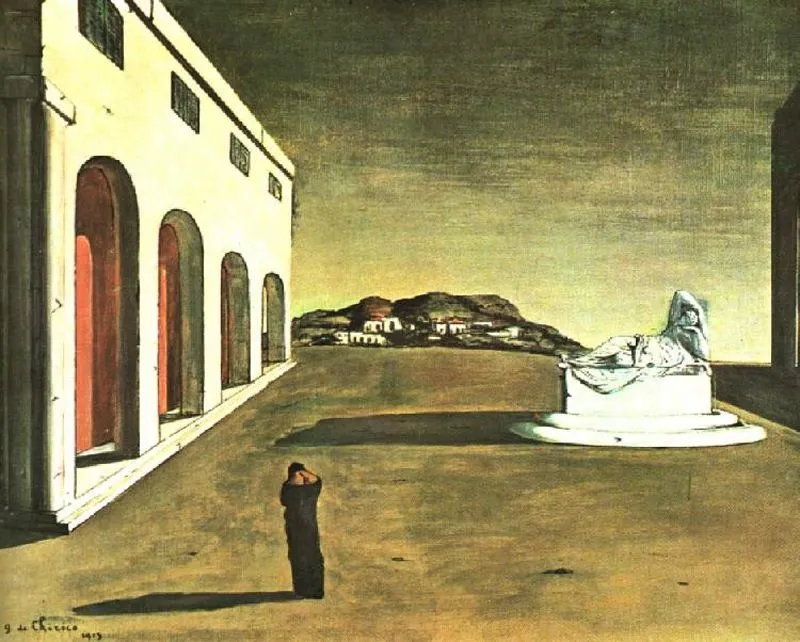
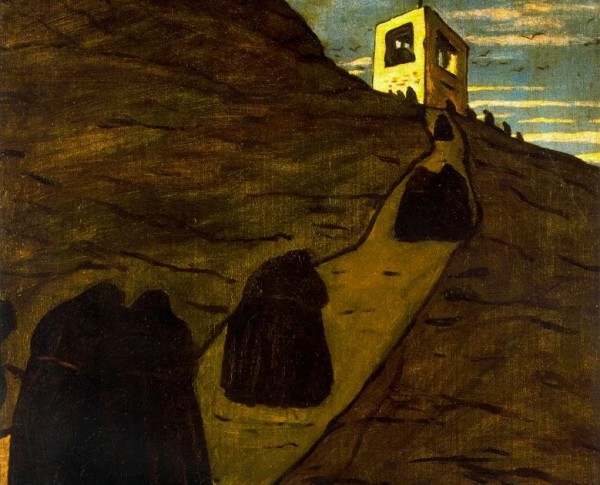
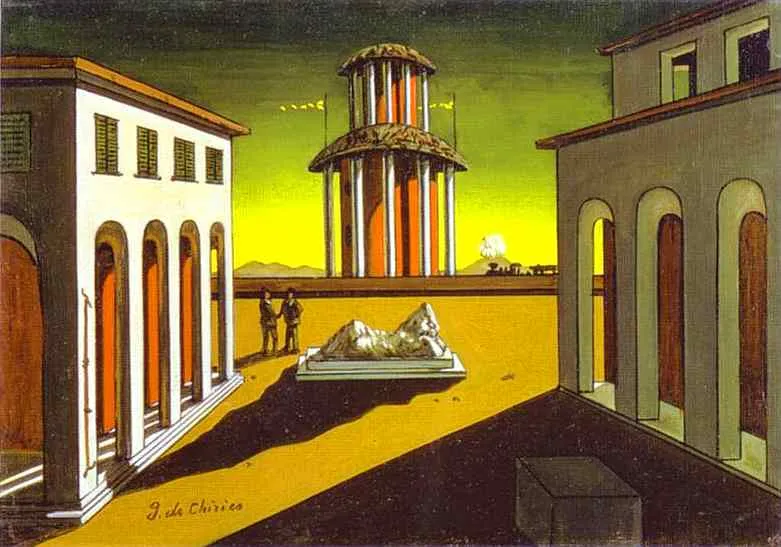
The meticulous technique evident in "Piazza d'Italia" showcases Giorgio de Chirico’s command of oil on canvas. Each brushstroke contributes to the painting’s haunting perspective and architectural precision, emblematic of the Surrealism movement. The artist’s expert use of light and shadow invites viewers into a world both familiar and strange. Collectors seeking works akin to "An Amazon" or "The Enigma of the Arrival and the Afternoon" will appreciate the technical brilliance found in this distinguished composition.
"Piazza d'Italia" is rich with intriguing narratives and cryptic symbols, a signature of Giorgio de Chirico’s approach to Surrealism. The deserted square, elongated shadows, and classical statues evoke a sense of mystery, encouraging endless interpretation. This fine art painting for sale invites comparison to related products like "Melancholy of a Beautiful Day" and "The Enigma of the Oracle," each piece drawing viewers into a poetic world shaped by imagination and philosophical inquiry.
Owning "Piazza d'Italia" by Giorgio de Chirico means possessing a pivotal piece of the Surrealism movement. This hand-painted oil painting is more than a visual delight; it is a conversation starter and a testament to artistic innovation. Collectors and enthusiasts searching for a fine art painting for sale will find this masterpiece, alongside works such as "Hector and Andromache" and "The Enigma of the Hour," to be a valuable and distinguished addition to any curated collection.
When Art Meets History
Giorgio de Chirico's "Piazza d'Italia" is a masterpiece that seamlessly intertwines classical architecture with enigmatic, dreamlike scenes, embodying the essence of the Surrealism movement. This hand-painted oil painting invites viewers to explore a timeless Italian square, where shadows and light play tricks on perception. De Chirico, renowned for his mysterious cityscapes, created an atmosphere reminiscent of his related works, making "Piazza d'Italia" a pivotal piece in the world of modern art.
Techniques That Speak
Employing the meticulous technique of oil on canvas, Giorgio de Chirico masterfully constructs "Piazza d'Italia" with sharp perspectives and a muted color palette. The Surrealism movement is characterized by such technical prowess, where every brushstroke enhances the painting’s dreamlike quality. De Chirico’s use of elongated shadows and architectural motifs in this oil on canvas work echoes the style found in his other paintings, establishing a signature visual language within fine art.
Emotions on Display
"Piazza d'Italia" stirs a sense of mystery and nostalgia, hallmarks of Giorgio de Chirico’s Surrealism. The painting’s empty square and statues evoke solitude and contemplation, inviting viewers to interpret their own stories. This fine art painting for sale continues to captivate audiences with its emotional depth, much like de Chirico’s other iconic works, making it a powerful conversation piece for collectors and admirers of early 20th-century art.
Coveted by Collectors
Giorgio de Chirico’s "Piazza d'Italia" remains highly sought after by art enthusiasts and collectors who appreciate the allure of Surrealism. A hand-painted oil painting of this caliber not only elevates any art collection but also connects the owner to a pivotal moment in art history. As with de Chirico’s related paintings, "Piazza d'Italia" continues to be a fine art painting for sale that represents both artistic innovation and cultural significance.
Frequently Asked Questions About Piazza d'Italia
What is the historical context of "Piazza d'Italia"?
"Piazza d'Italia" was painted in 1913, during a period marked by the rise of modernism in art. This era saw a shift away from traditional representations, as artists began to explore new forms and ideas influenced by the rapidly changing world around them.
What artistic movement is Giorgio de Chirico associated with?
Giorgio de Chirico is primarily associated with the Metaphysical painting movement, which he co-founded. This movement is characterized by eerie, dreamlike scenes that evoke a sense of mystery and introspection.
What are the prominent themes depicted in "Piazza d'Italia"?
The painting explores themes of nostalgia, alienation, and the passage of time. The juxtaposition of classical architecture with enigmatic figures invites viewers to reflect on the nature of reality and existence.
How does "Piazza d'Italia" reflect de Chirico's style?
The painting exemplifies de Chirico's signature style through its use of bold colors, dramatic shadows, and a surreal composition. The architectural elements are rendered with precision, contrasting with the dreamlike atmosphere of the scene.
What is the significance of the architectural elements in the painting?
The architectural elements in "Piazza d'Italia" symbolize the clash between the past and the present. They evoke a sense of timelessness while simultaneously reflecting the artist's fascination with classical antiquity and modernity.
What role do the figures play in "Piazza d'Italia"?
The figures in the painting serve as a focal point, embodying the themes of isolation and contemplation. Their placement within the vast architectural space enhances the feeling of solitude and introspection that permeates the work.
How does "Piazza d'Italia" relate to de Chirico's other works?
"Piazza d'Italia" shares thematic and stylistic elements with de Chirico's other works, particularly his exploration of metaphysical themes and the use of classical motifs. It stands as a pivotal example of his artistic evolution during the early 20th century.
What emotions does "Piazza d'Italia" evoke in viewers?
The painting evokes a sense of melancholy and introspection, prompting viewers to contemplate the nature of time, existence, and the relationship between humanity and the built environment.
What influence did "Piazza d'Italia" have on later artists?
"Piazza d'Italia" has influenced numerous artists within the Surrealist movement and beyond, inspiring them to explore themes of dreamlike reality and the subconscious in their own works.
What is the legacy of "Piazza d'Italia" in art history?
The legacy of "Piazza d'Italia" lies in its pioneering exploration of metaphysical themes and its impact on modern art. It continues to be studied and admired for its innovative approach to composition and symbolism.






















_GFM_Painting_(1).webp)


 100% Hand-Painted: Finished in 3-6 Weeks

.png)

















_(1).webp)