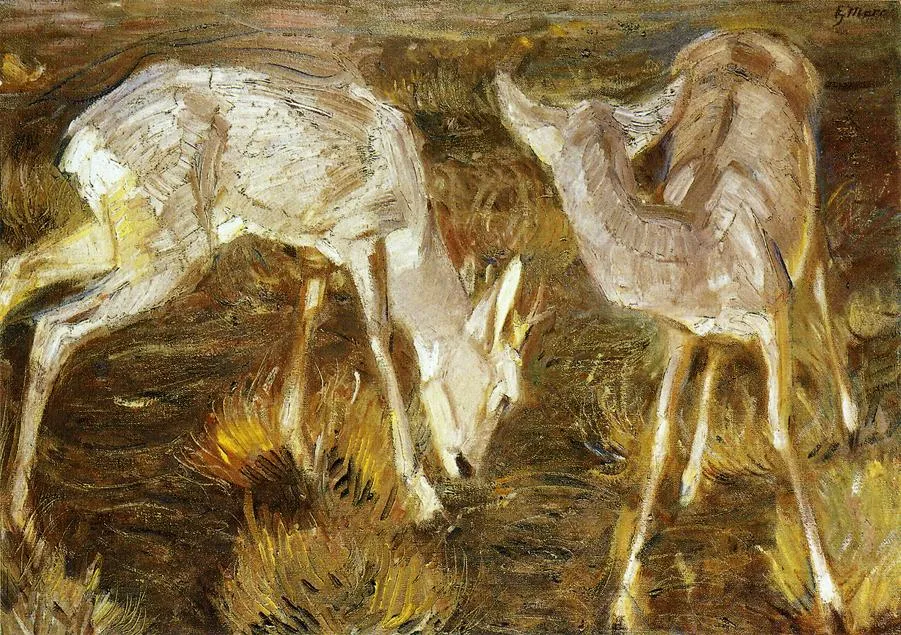
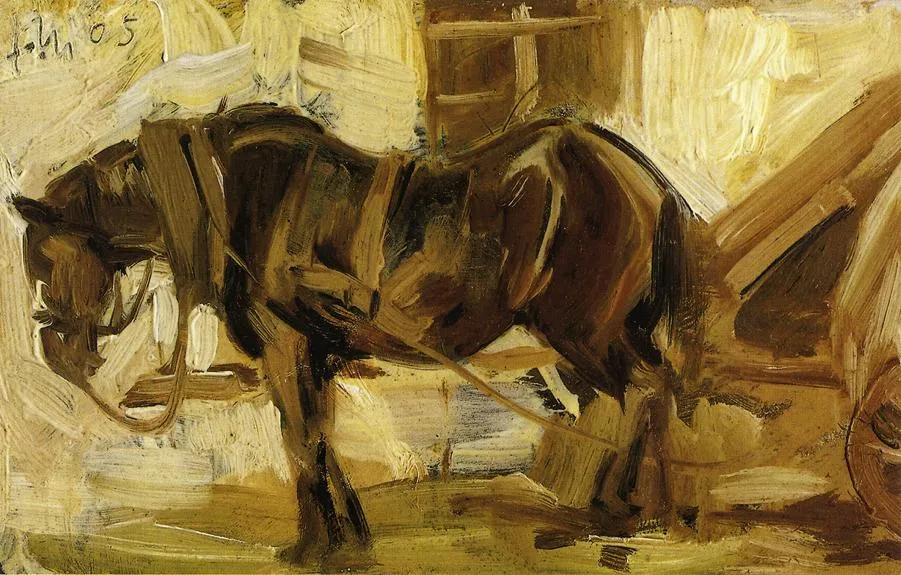
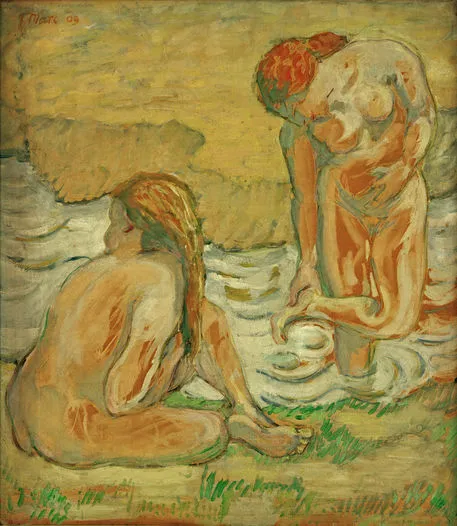
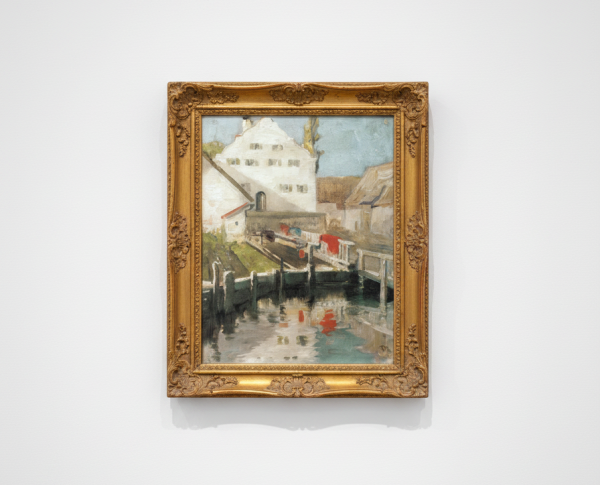
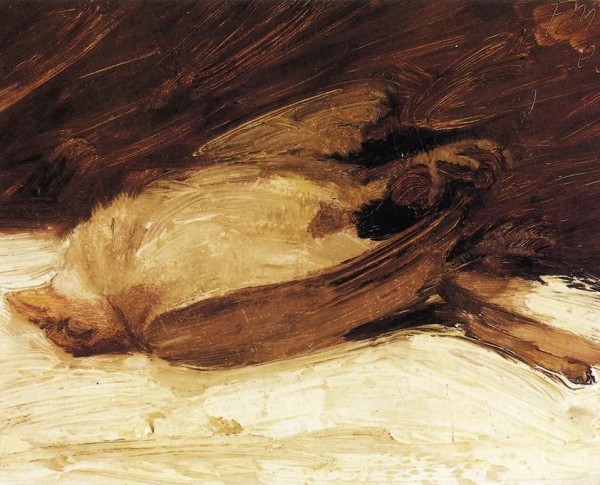
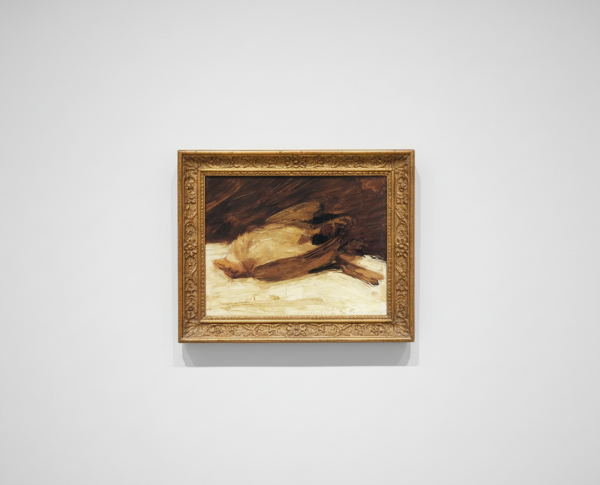
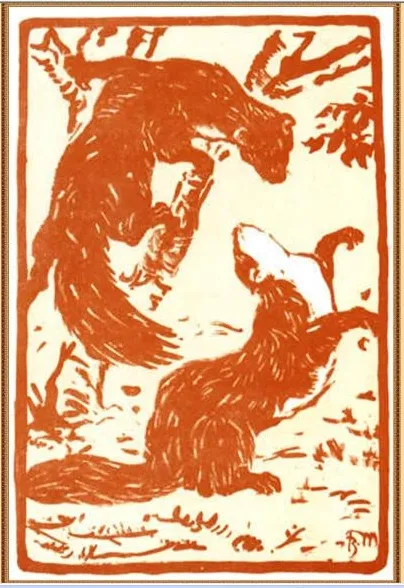
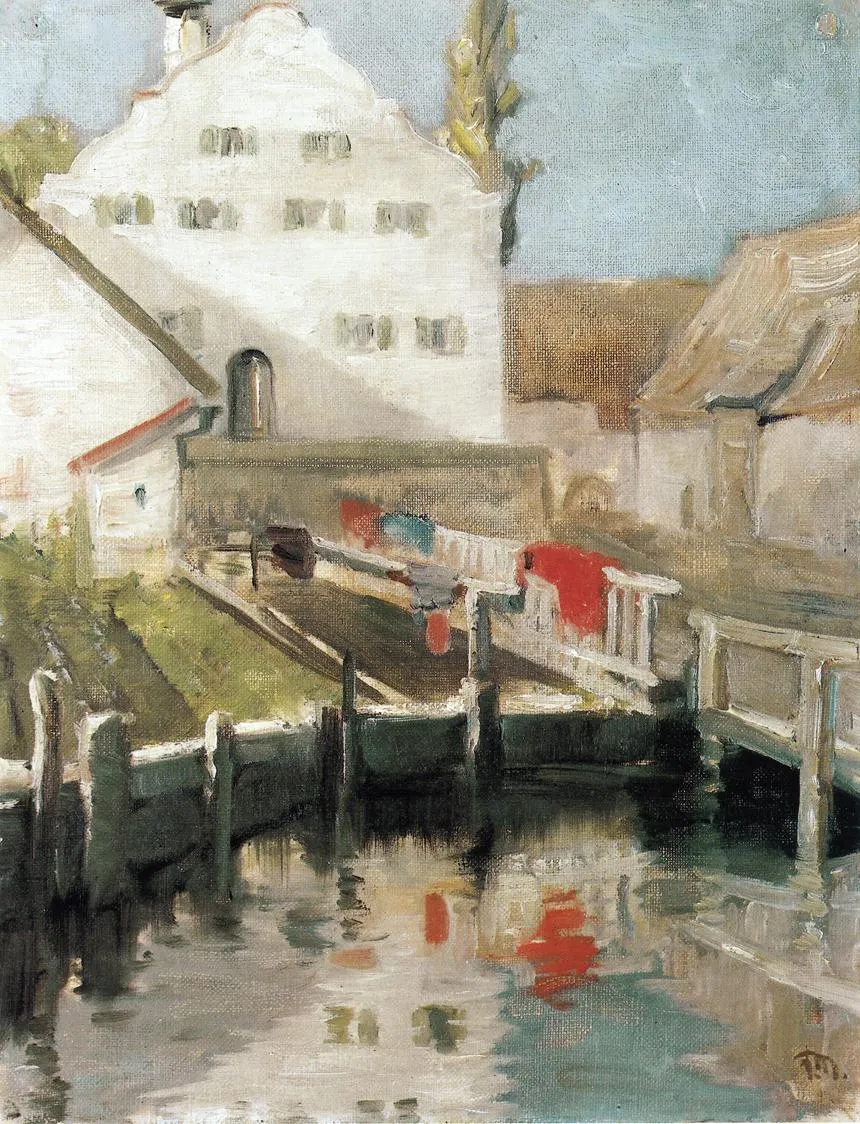
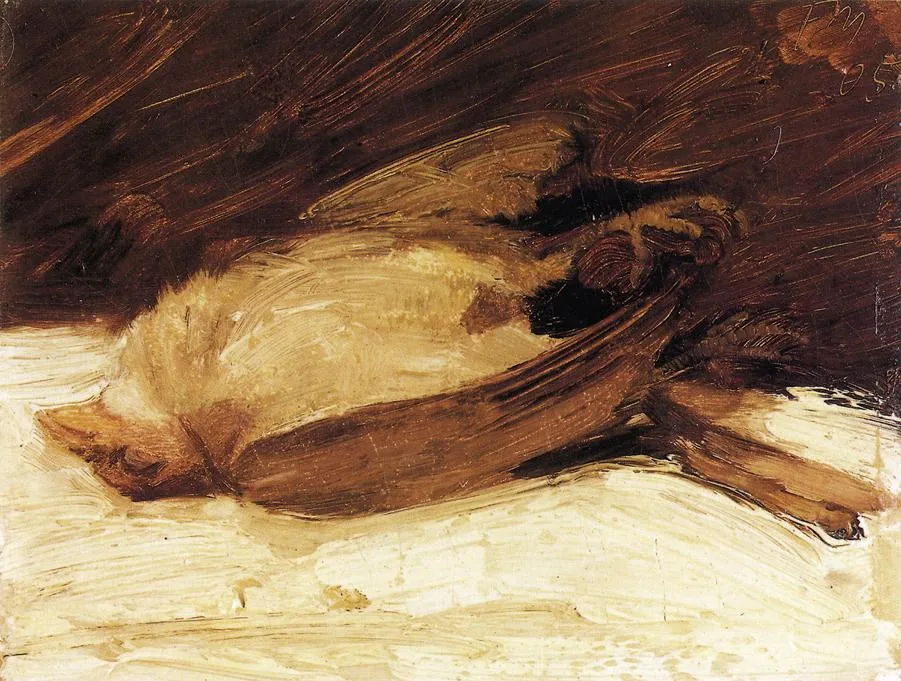
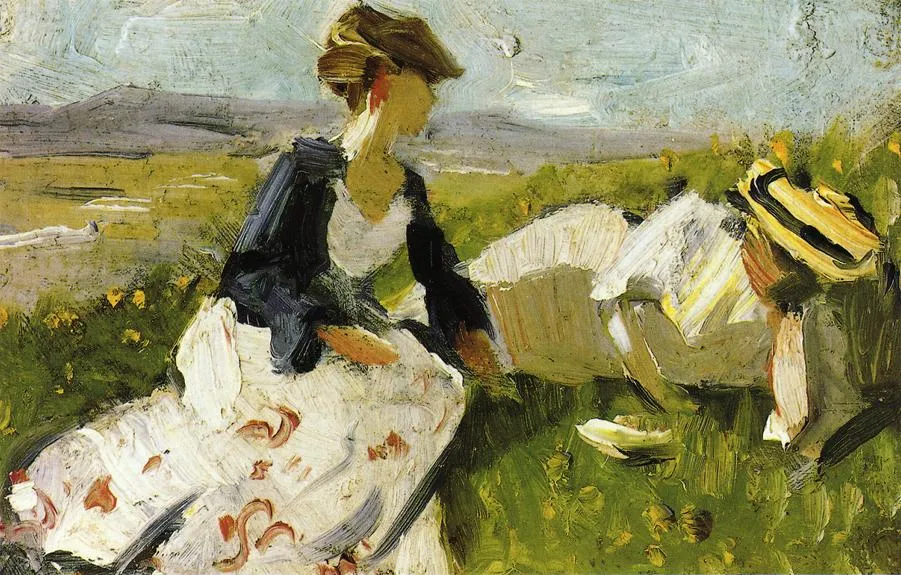
Franz Marc’s "Playing weasels" showcases his exceptional talent in manipulating oil on canvas to evoke intense emotion and movement. Each brushstroke is purposeful, creating a harmonious blend of color and form characteristic of the Expressionism movement. The painting’s vivid palette and dynamic composition invite viewers to experience the scene’s energy firsthand. For enthusiasts seeking similar artistry, works like "The Dead Sparrow" and "Indersdorf" offer additional glimpses into Marc’s profound skill with oil on canvas.
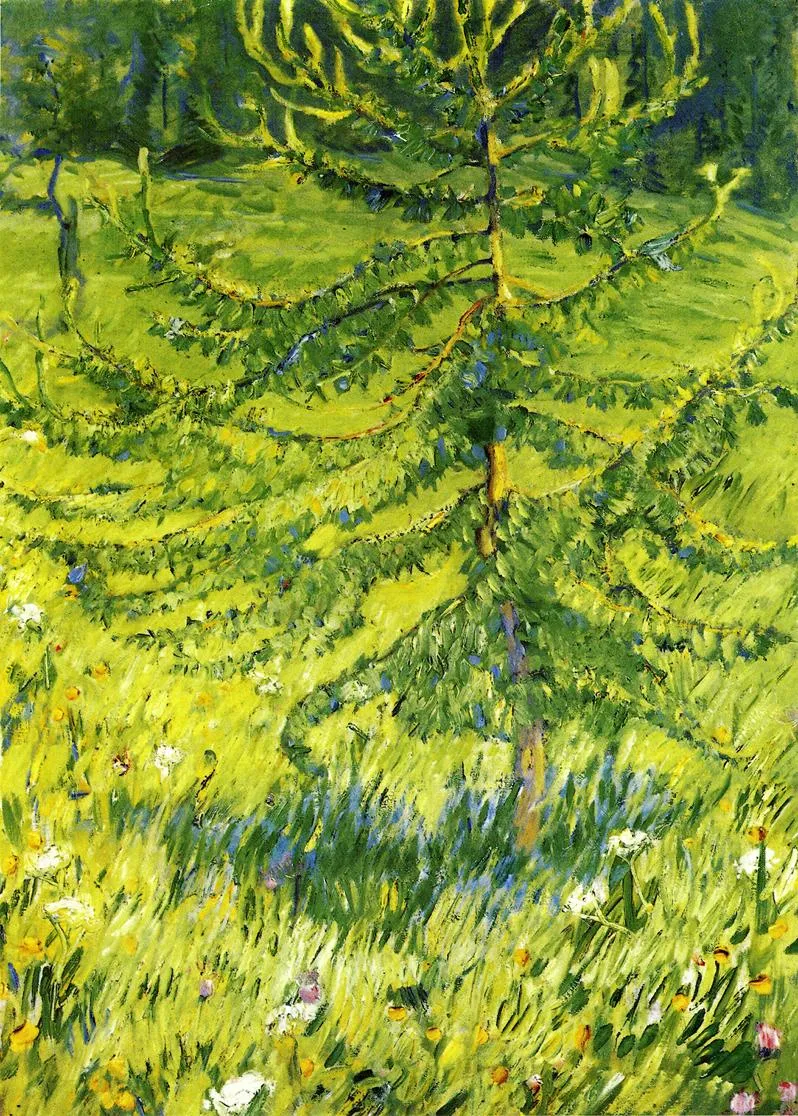
Within "Playing weasels," Franz Marc weaves a visual narrative rich with symbolism, reflecting the Expressionist aim to depict inner realities over mere appearances. The playful weasels, rendered in bold hues, symbolize vitality and the interconnectedness of life. This fine art painting for sale is not only a testament to Marc’s symbolic storytelling but also connects to his other works, such as "Larch Sapling" and "Deer at Dusk," each piece brimming with hidden meanings and emotional resonance.
Owning "Playing weasels" by Franz Marc means possessing a significant piece of Expressionist history—an exquisite hand-painted oil painting that embodies the movement’s core ideals. Collectors prize such works for their rarity and expressive power, making them standout additions to any fine art collection. For those seeking to broaden their artistic horizons, related products like "Jumping Dog Schlick" and "Sheaf of Grain" are equally captivating options, each representing the pinnacle of fine art painting for sale.
When Art Meets History
"Playing Weasels" by Franz Marc stands as a remarkable example of the Expressionism movement, capturing a pivotal moment in art history. Painted during a time when artists sought to express emotion over realism, this hand-painted oil painting reflects Marc’s fascination with the natural world. Alongside works like "Madonna," "Old Aker Church," and "Landscape. Maridalen by Oslo," Marc’s masterpiece continues to intrigue art enthusiasts and historians, cementing his legacy in the Expressionist canon.
Techniques That Speak
Franz Marc’s mastery of oil on canvas is evident in "Playing Weasels," where bold colors and dynamic brushstrokes create a sense of movement and vitality. The artist’s technique, shared with pieces such as "Girl Kindling a Stove" and "Aunt Karen in the Rocking Chair," uses vibrant hues and abstract forms to evoke emotion. As an Expressionist, Marc’s innovative use of oil on canvas set a new standard for artists exploring the depths of human and animal interaction.
Emotions on Display
In "Playing Weasels," Franz Marc channels the core tenets of Expressionism, using color and form to elicit a strong emotional response. The animals’ animated energy and the interplay of shapes convey a sense of joy and spontaneity. Like his other fine art painting for sale, including "Madonna" and "Old Aker Church," Marc’s work invites viewers to experience art on a deeply personal level, transcending mere representation to touch the soul.
Coveted by Collectors
"Playing Weasels" remains a highly sought-after hand-painted oil painting among collectors and art lovers worldwide. Its significance within the Expressionism movement, coupled with Franz Marc’s unique style, has ensured its place in prestigious collections. Similar to other prized works like "Landscape. Maridalen by Oslo" and "Aunt Karen in the Rocking Chair," this fine art painting for sale is a testament to Marc’s enduring influence and the timeless appeal of his artistic vision.
Related Expressionism Hand-Painted Oil Paintings by Other Artists
Other Famous Expressionism Artists:
Frequently Asked Questions About Playing Weasels
What is the historical context of "Playing Weasels"?
"Playing Weasels" was created during the early 20th century, a period marked by significant artistic experimentation and the rise of modernism. Franz Marc was a key figure in the German Expressionist movement, which sought to convey emotional experiences rather than representational accuracy.
What artistic techniques did Franz Marc employ in "Playing Weasels"?
Franz Marc utilized bold colors and dynamic forms to evoke emotion and movement in "Playing Weasels." His use of color theory was innovative, as he believed that colors had intrinsic meanings that could communicate deeper emotional states.
What symbolism is present in "Playing Weasels"?
The weasels in the painting symbolize playfulness and instinctual behavior, reflecting Marc's interest in the natural world. The vibrant colors and abstract forms suggest a deeper connection to the spiritual essence of animals and nature.
How does "Playing Weasels" relate to Franz Marc's other works?
This painting shares thematic and stylistic similarities with Marc's other works, particularly his fascination with animals and nature. Like many of his pieces, it reflects his belief in the purity of animal life as a counterpoint to human civilization.
What influences shaped Franz Marc's artistic vision in "Playing Weasels"?
Marc was influenced by various artistic movements, including Impressionism and Fauvism, as well as the philosophical ideas of his time. His interest in spirituality and the emotional resonance of color played a significant role in shaping his vision for this painting.
What role does color play in "Playing Weasels"?
Color in "Playing Weasels" is not merely decorative; it serves to express emotional states and the essence of the subject matter. Marc believed that colors could convey feelings and moods, which is evident in the vibrant palette used in this work.
What is the significance of the composition in "Playing Weasels"?
The composition of "Playing Weasels" is dynamic and fluid, reflecting the playful nature of the subject. The arrangement of forms creates a sense of movement, inviting the viewer to engage with the energy and vitality of the scene.
How did "Playing Weasels" contribute to the evolution of modern art?
"Playing Weasels" exemplifies the shift towards abstraction and emotional expression in modern art. Marc's innovative approach to color and form paved the way for future generations of artists exploring similar themes of nature and spirituality.
What impact did Franz Marc have on the Expressionist movement?
Franz Marc was a pivotal figure in the Expressionist movement, and "Playing Weasels" showcases his unique perspective on the relationship between humanity and nature. His work influenced many artists and helped to define the direction of Expressionism in the early 20th century.
What can viewers learn from "Playing Weasels" about Franz Marc's philosophy on art?
Through "Playing Weasels," viewers can gain insight into Marc's belief that art should transcend mere representation and connect with the viewer on an emotional and spiritual level. His work encourages an appreciation for the beauty and vitality of the natural world.























_GFM_Painting_(1).webp)


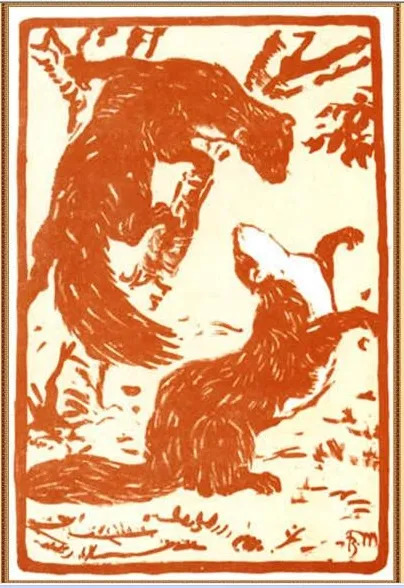
 100% Hand-Painted: Finished in 3-6 Weeks

.png)















_(1).webp)