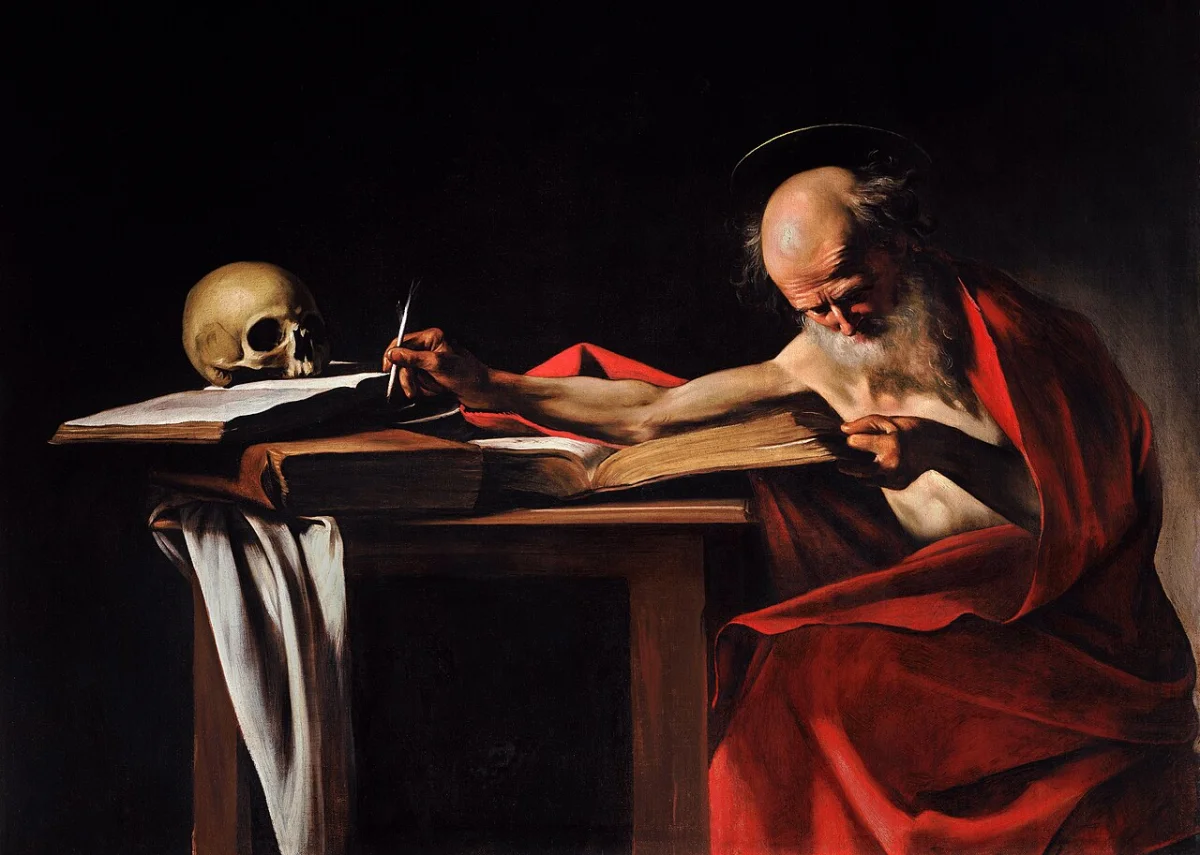
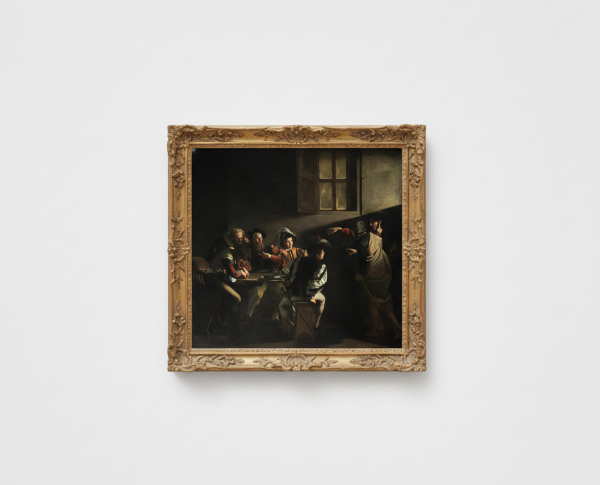
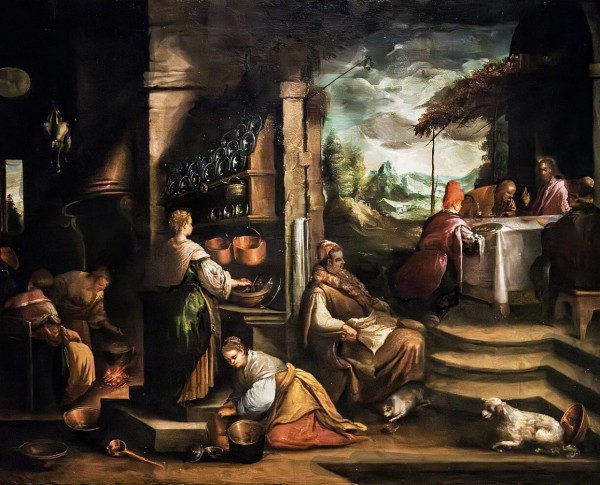
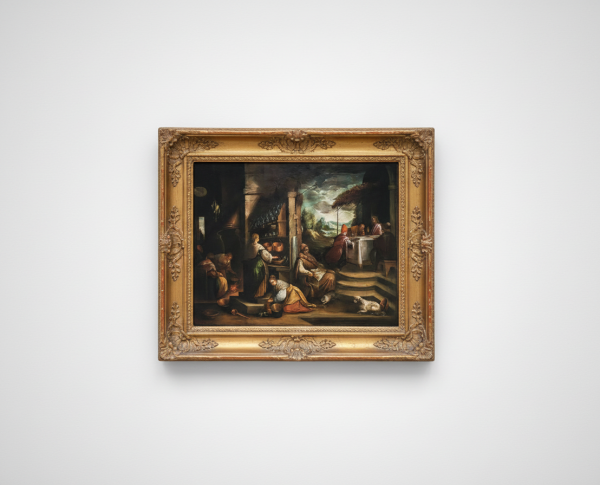
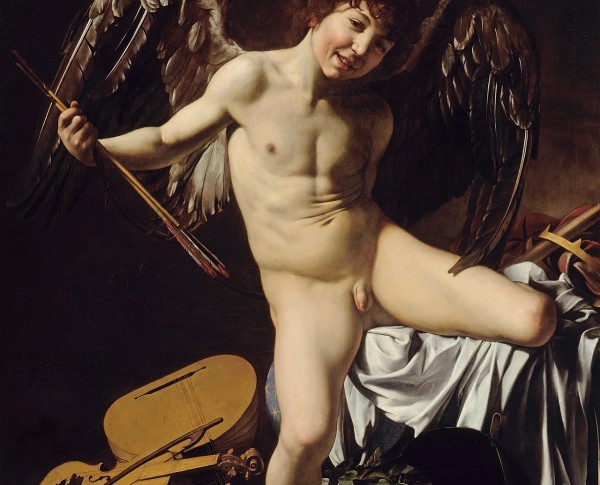
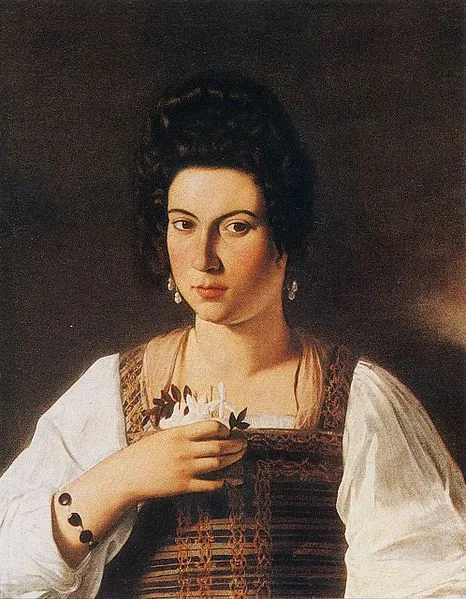
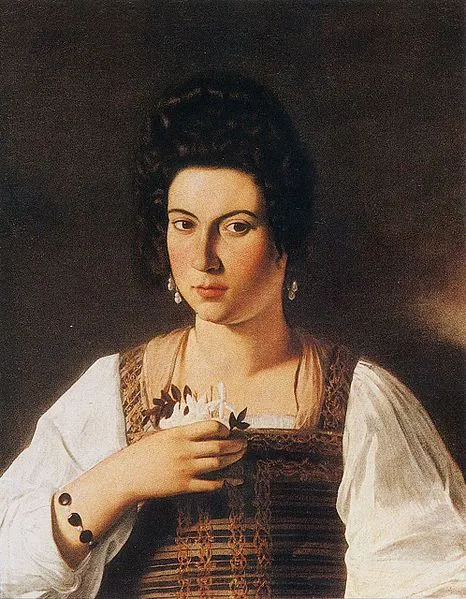
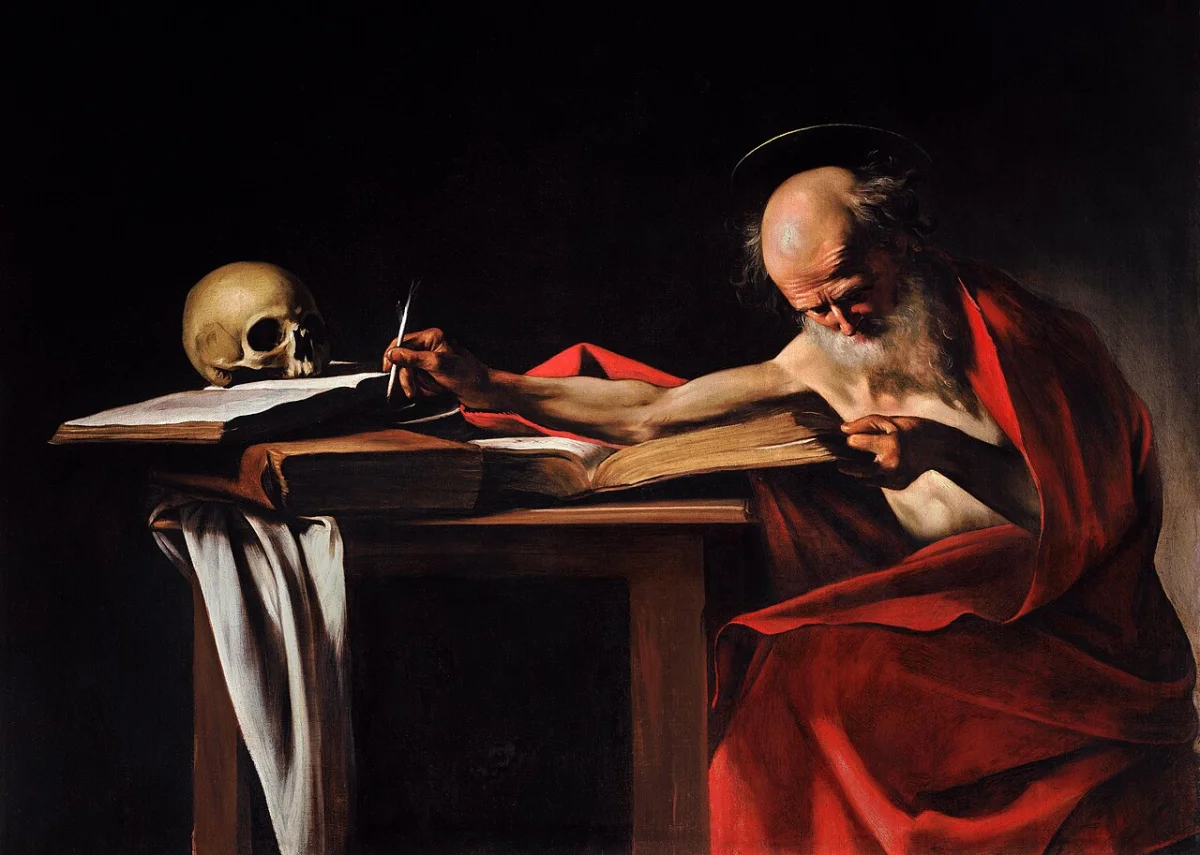
The "Portrait of a Courtesan" exemplifies Caravaggio’s extraordinary skill in oil on canvas. Each brushstroke reveals meticulous attention to detail, from the delicate rendering of the courtesan’s features to the dramatic interplay of light and shadow. This technique, a hallmark of the Baroque movement, is also evident in Caravaggio’s other celebrated works, including "Saint Jerome Writing" and "Musicians," making his paintings prized among connoisseurs seeking authentic period artistry.
Behind the surface of this fine art painting for sale lies a wealth of meaning. Caravaggio’s "Portrait of a Courtesan" weaves narrative and symbolism, reflecting the social complexities of the Baroque era. The subject’s enigmatic gaze and subtle gestures invite speculation about her identity and story. Similar evocative storytelling can be found in Caravaggio’s "Basket of Fruit" and "Jupiter, Neptune and Pluto," where every element is carefully chosen to convey deeper themes.
When Art Meets History
"Portrait of a Courtesan" by Caravaggio stands as a testament to the grandeur of the Baroque movement, capturing a pivotal moment in art history. This hand-painted oil painting, created during a time of dramatic artistic transformation, reflects Caravaggio’s mastery and innovation. Alongside related works like "Portrait of Charles II" and "Girl carrying Water," this painting embodies the era’s fascination with realism and emotional depth, making it an essential piece in understanding the evolution of Baroque portraiture.
Techniques That Speak
Caravaggio’s "Portrait of a Courtesan" showcases his signature use of chiaroscuro, where light and shadow dramatically interact on the canvas. Executed in oil on canvas, the painting highlights the artist’s meticulous attention to detail and his bold, naturalistic approach. Techniques seen here are also evident in Caravaggio’s "Self-Portrait" and "Mountain landscape with lightning," reinforcing his influence on Baroque art and the enduring appeal of these masterpieces to art enthusiasts worldwide.
Emotions on Display
In "Portrait of a Courtesan," Caravaggio captures a profound sense of humanity, rendering the subject with raw emotion and vulnerability. The fine art painting for sale draws viewers into the sitter’s world, echoing the emotional intensity found in "Teresa Francisca Mudarra y Herrera." The Baroque movement’s emphasis on dramatic expression is evident, as Caravaggio’s brushwork brings to life the inner world of his subject, leaving a lasting impression on all who behold the painting.
Coveted by Collectors
Caravaggio’s "Portrait of a Courtesan" remains highly sought after among collectors and museums, celebrated for its historical significance and artistic innovation. As with related paintings like "Girl carrying Water" and "Portrait of Charles II," this hand-painted oil painting is prized for its authenticity and masterful technique. The allure of owning a genuine Baroque masterpiece continues to captivate art lovers, who recognize the value and prestige that Caravaggio’s works bring to any esteemed collection.
Related Baroque Hand-Painted Oil Paintings by Other Artists
Other Famous Baroque Artists:
Frequently Asked Questions About Portrait of a Courtesan
What is the historical context of "Portrait of a Courtesan"?
"Portrait of a Courtesan" was created during the late 16th century, a time when courtesans held significant social status in Italy. The painting reflects the complexities of gender and power dynamics in Renaissance society.
What artistic techniques did Caravaggio employ in this painting?
Caravaggio is renowned for his use of chiaroscuro, the contrast between light and shadow. In "Portrait of a Courtesan," he skillfully employs this technique to enhance the three-dimensionality of the figure and draw attention to her facial expressions.
What symbolism is present in "Portrait of a Courtesan"?
The painting is rich in symbolism, particularly in the objects surrounding the courtesan. Items such as jewelry and flowers often signify beauty and transience, reflecting the fleeting nature of life and love.
How does Caravaggio's portrayal of the courtesan differ from traditional depictions?
Unlike traditional portrayals that idealize female beauty, Caravaggio presents the courtesan with a raw, realistic approach. This invites viewers to empathize with her humanity rather than objectifying her solely as an erotic figure.
What role did courtesans play in Renaissance society?
Courtesans were often educated and influential, serving as muses and patrons of the arts. They occupied a unique space in society, combining elements of entertainment, companionship, and intellectual engagement.
What can we learn about Caravaggio's style from this painting?
This painting exemplifies Caravaggio's signature style, characterized by dramatic realism and emotional intensity. His ability to capture the psychological depth of his subjects is evident in the courtesan's expression and posture.
What influence did "Portrait of a Courtesan" have on later artists?
The painting had a profound impact on the Baroque movement and subsequent artists, who were inspired by Caravaggio's innovative use of light and shadow, as well as his focus on realism and human emotion.
How does the composition of the painting contribute to its meaning?
The composition, with the courtesan positioned centrally and framed by dark shadows, emphasizes her prominence and vulnerability. This arrangement invites viewers to engage deeply with her character and story.
What is the significance of the courtesan's gaze in the painting?
The courtesan's gaze is both inviting and contemplative, suggesting a complex emotional state. This duality reflects the tension between desire and the realities of her life, engaging viewers on multiple levels.
How does "Portrait of a Courtesan" reflect Caravaggio's personal life and experiences?
Caravaggio's tumultuous life experiences, including his encounters with love, violence, and societal rejection, are mirrored in the emotional depth of "Portrait of a Courtesan." The painting serves as a window into his understanding of human vulnerability.























_GFM_Painting_(1).webp)


 100% Hand-Painted: Finished in 3-6 Weeks

.png)















_(1).webp)