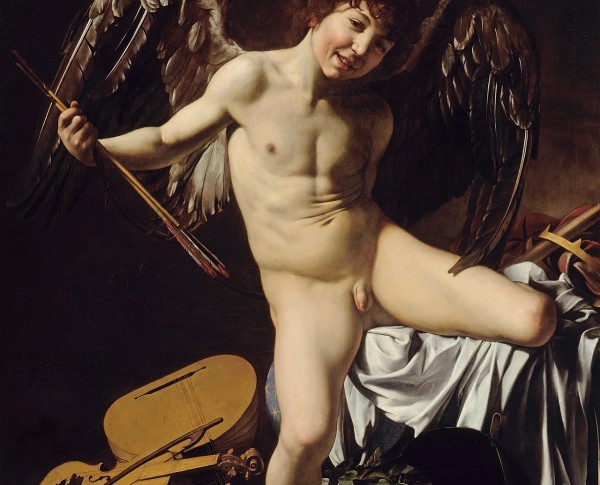
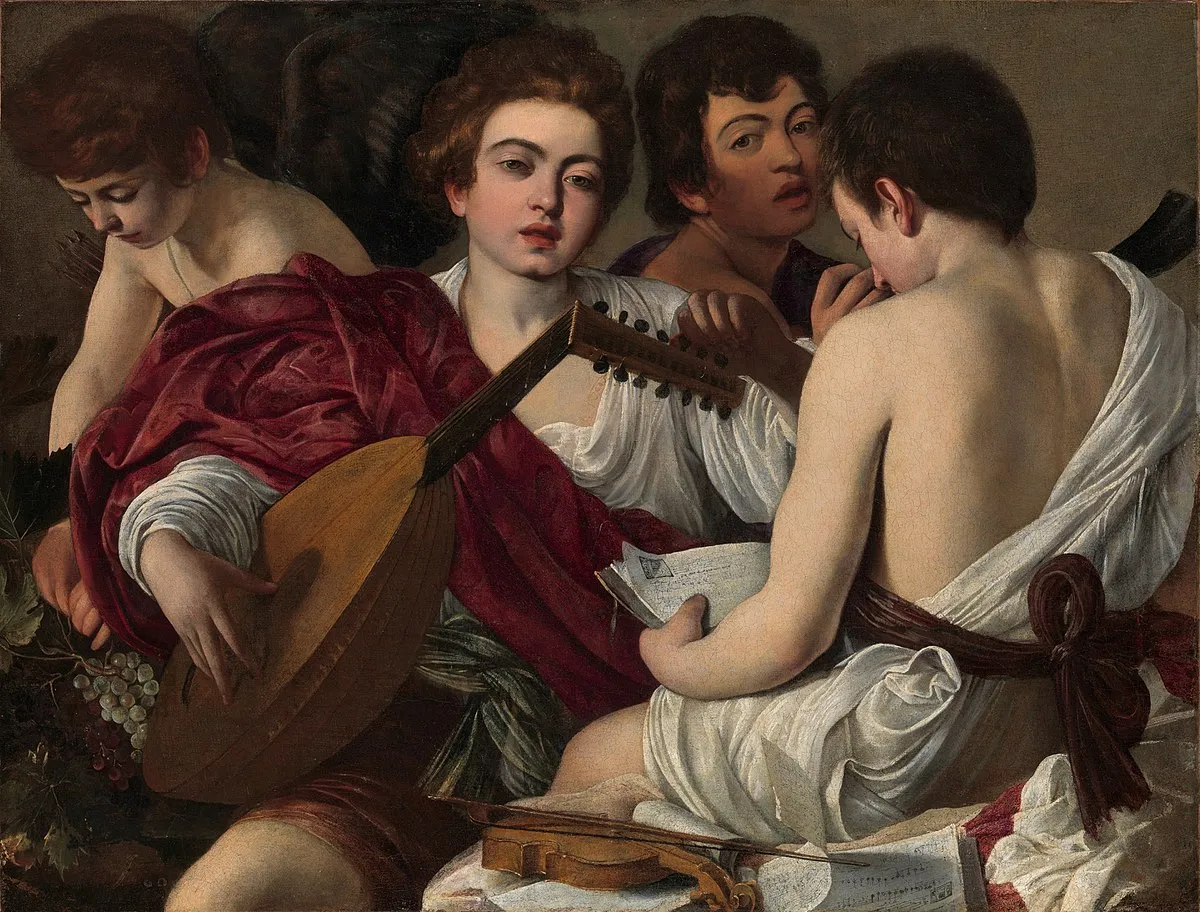
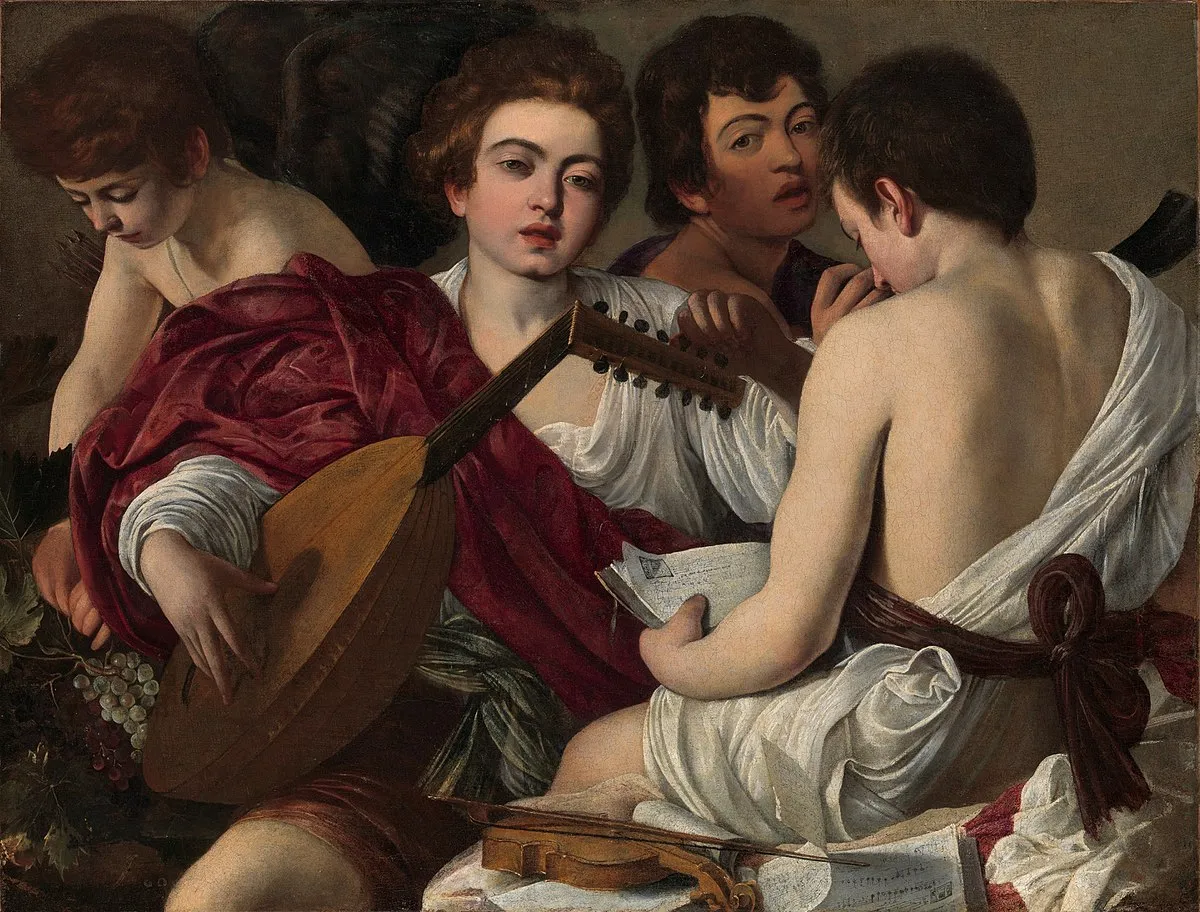
Caravaggio’s "Musicians" reveals his exceptional skill with oil on canvas, a technique that allowed for rich textures and luminous details. The artist’s use of chiaroscuro in this Baroque piece brings the figures to life, making every stroke a testament to his mastery. Collectors searching for oil on canvas works often admire Caravaggio’s other paintings, including "Boy with a Basket of Fruit" and "Boy Peeling Fruit," for their technical brilliance.
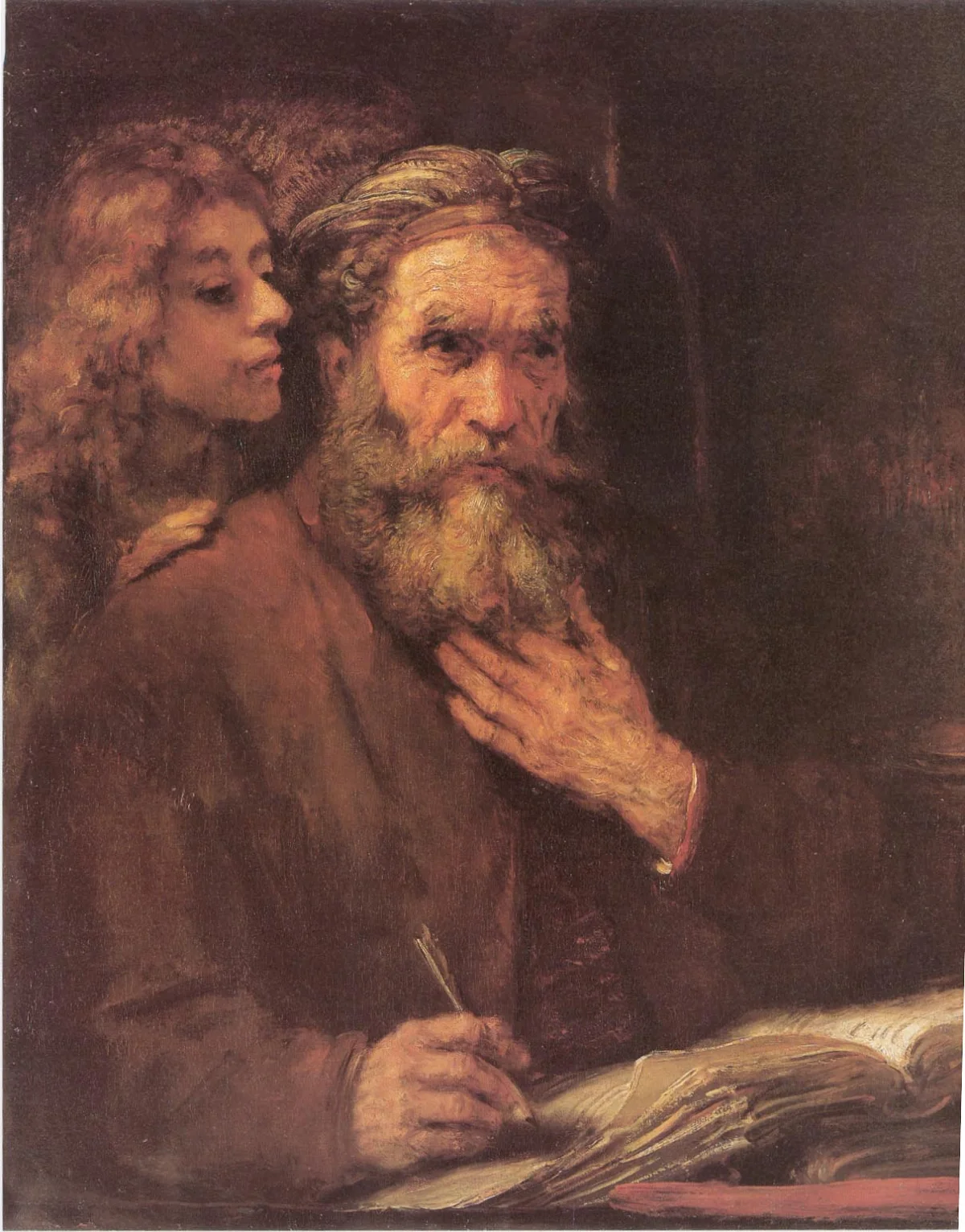
Behind the harmonious scene of "Musicians," Caravaggio weaves subtle narratives and symbolic elements typical of the Baroque era. This hand-painted oil painting not only showcases musical themes but also hints at the complexities of youth and camaraderie. Art lovers drawn to the symbolism in "Musicians" may also appreciate related masterpieces like "The Taking of Christ" and "Saint Matthew and the Angel," each rich with hidden meanings and historical context.
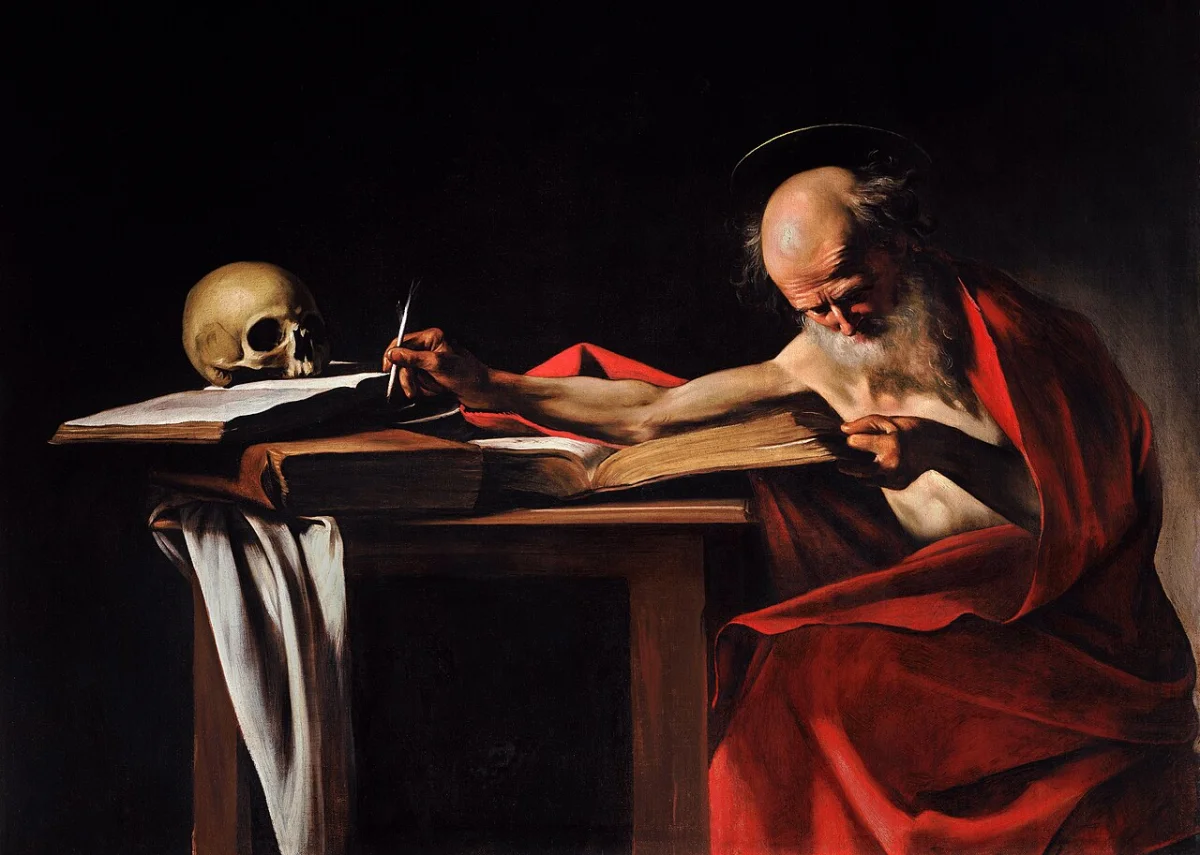
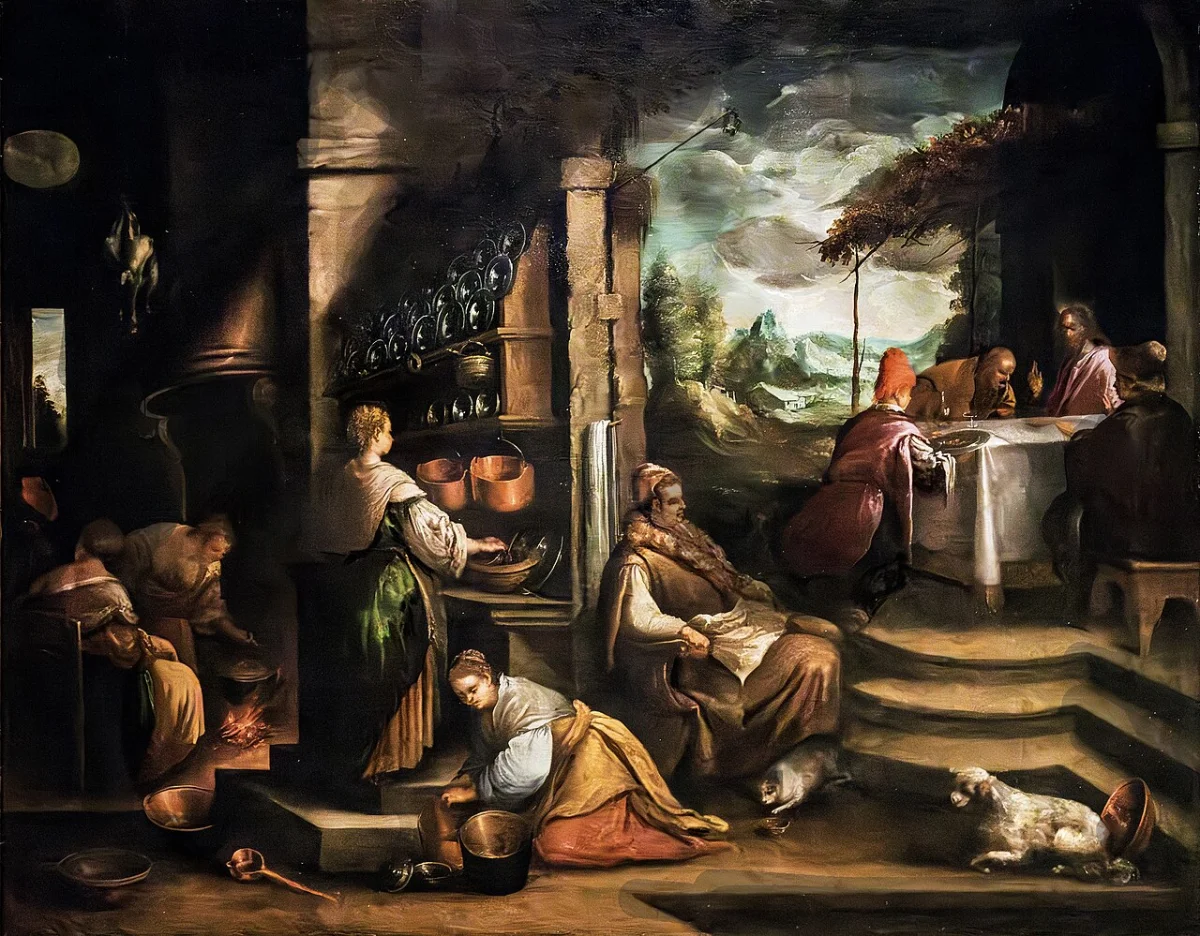
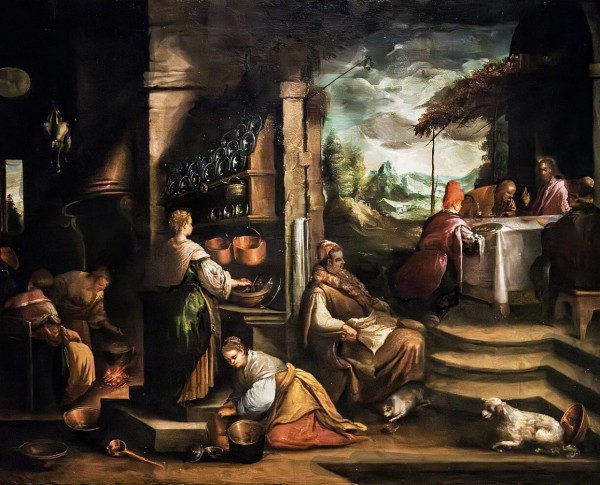
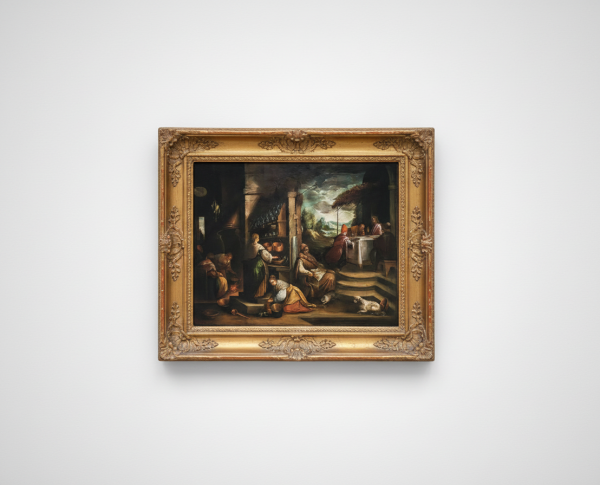
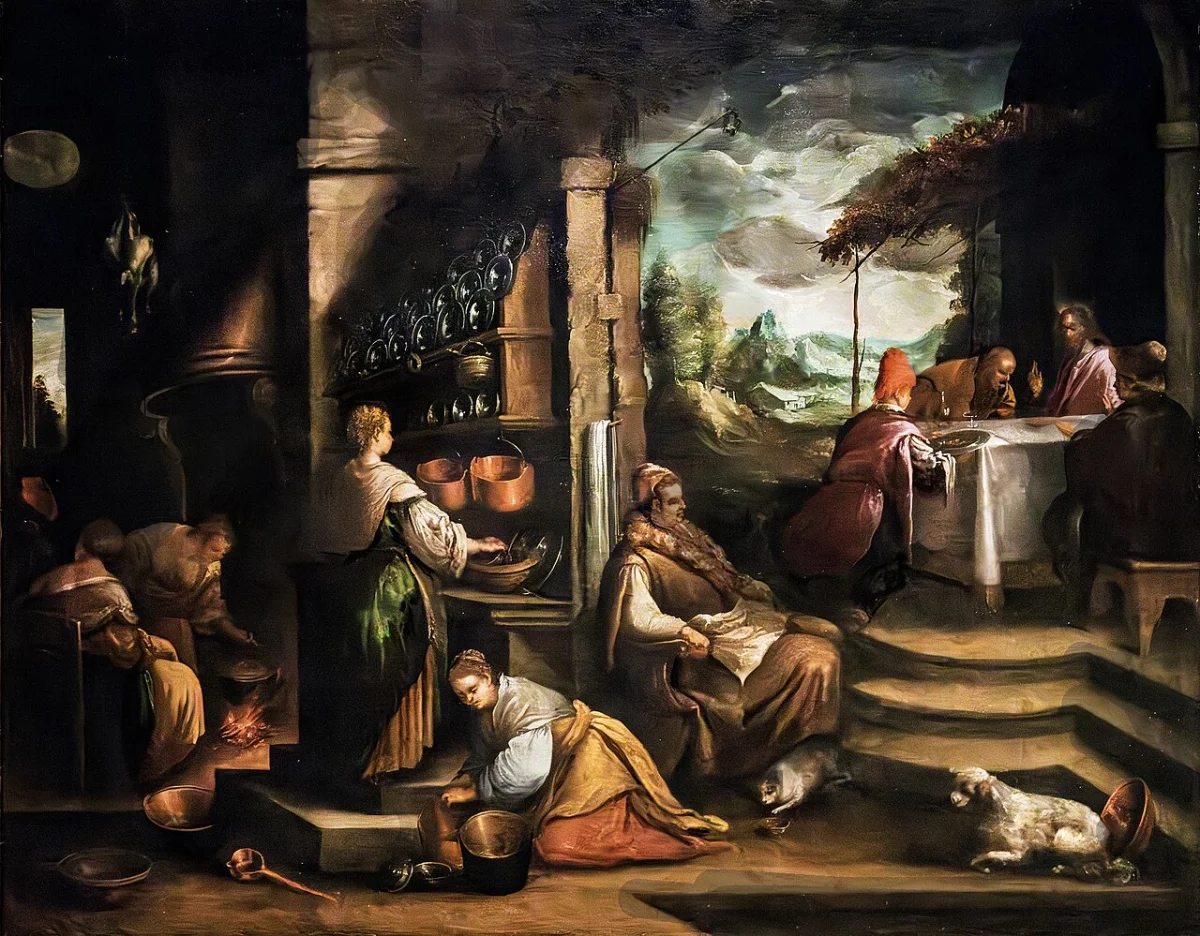
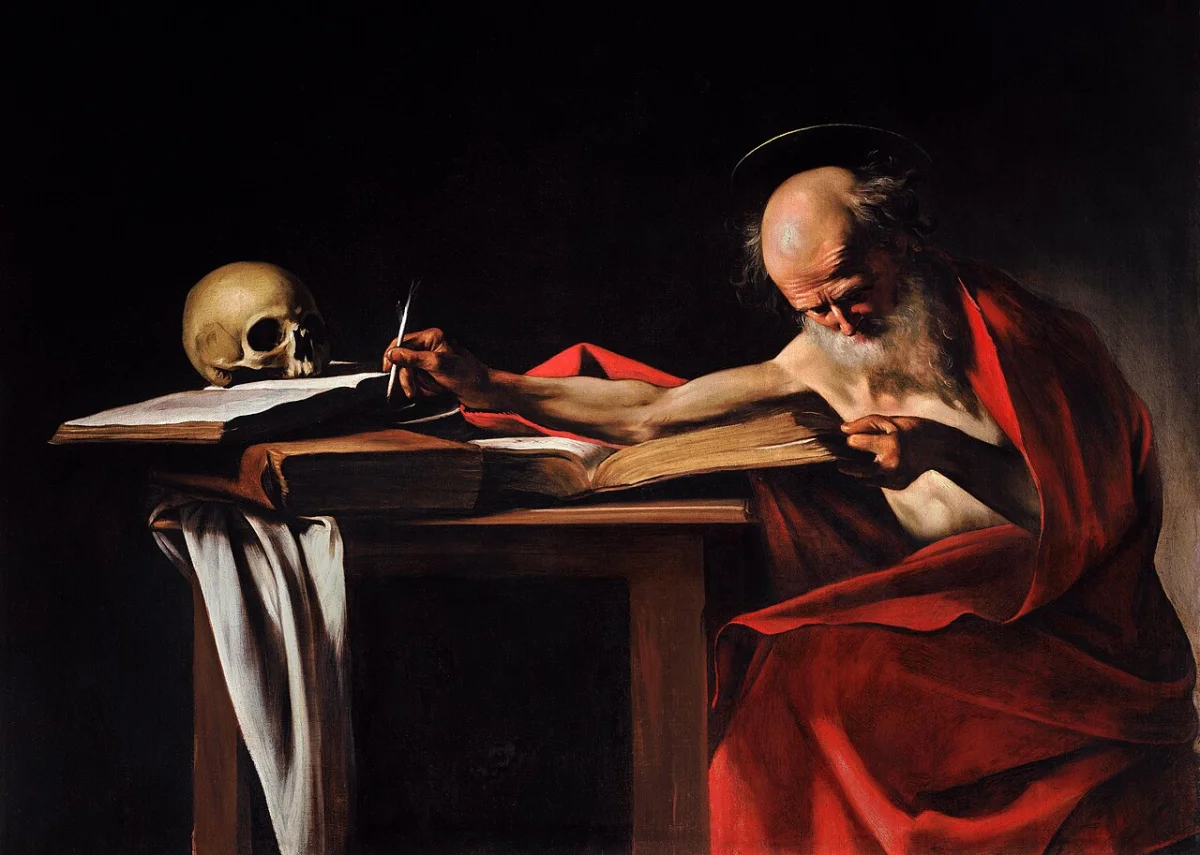
As a fine art painting for sale, Caravaggio’s "Musicians" holds immense appeal among collectors of Baroque masterpieces. Its rarity and historical significance make it a prized addition to any art collection. Those interested in expanding their collection often look to other works by Caravaggio, such as "Saint Jerome Writing" and "Supper at Emmaus," which share the same captivating allure and masterful execution as "Musicians."
When Art Meets History
Caravaggio’s "Musicians" stands as a remarkable testament to the Baroque movement, an era rich with dramatic expression and realism. Painted in 1595, this hand-painted oil painting captures a pivotal moment in art history, reflecting the artist’s innovative approach to composition and storytelling. Like his other works—such as "Self-Portrait" and "The Angel and Hagar"—Caravaggio’s attention to detail and historical context brings the world of 17th-century music and culture to life.
Techniques That Speak
Caravaggio’s mastery of oil on canvas is evident in "Musicians," where he employs chiaroscuro to create striking contrasts of light and shadow. This technique, also seen in "Arcadian Landscape" and "Portrait of Charles II," emphasizes the realism and depth of each figure. The artist’s meticulous brushwork and lifelike textures transform the painting into a vivid tableau, showcasing the technical prowess that defines Baroque fine art and makes his pieces highly sought after.
Emotions on Display
In "Musicians," Caravaggio captures a range of subtle emotions, from concentration to melancholy, as the subjects become lost in their music. This fine art painting for sale exemplifies the Baroque movement’s focus on human expression and dramatic storytelling. The emotional intensity found here also appears in Caravaggio’s "Mountain landscape with lightning," inviting viewers to connect deeply with the scene and the artist’s unique perspective on the human experience.
Coveted by Collectors
As with many Caravaggio masterpieces, "Musicians" is highly coveted by collectors of Baroque art. Its historical significance and exquisite artistry make it a prized oil on canvas for museums and private collections alike. Alongside related works like "Portrait of Charles II" and "The Angel and Hagar," this painting continues to inspire admiration and desire in the art world, ensuring its place among the most celebrated creations in the realm of fine art painting for sale.
Related Baroque Hand-Painted Oil Paintings by Other Artists
Other Famous Baroque Artists:
Frequently Asked Questions About Musicians
What is the historical context of Caravaggio's "Musicians"?
"Musicians" was painted during the late 16th century, a time when the Baroque movement was emerging in Italy. Caravaggio's work reflects the cultural shift towards realism and emotional expression in art, moving away from the idealized forms of the Renaissance.
What are the main themes depicted in "Musicians"?
The painting explores themes of music, youth, and the fleeting nature of beauty. It captures a moment of camaraderie among young musicians, symbolizing the joy and transience of life.
How does Caravaggio's use of light and shadow enhance the painting?
Caravaggio is renowned for his chiaroscuro technique, which employs strong contrasts between light and dark. In "Musicians," this technique highlights the figures and creates a dramatic atmosphere, drawing attention to their expressions and interactions.
What symbolic elements can be found in "Musicians"?
The instruments in the painting serve as symbols of harmony and the arts, while the youthful figures represent the vitality of life. The act of making music is often interpreted as a metaphor for the harmony of existence.
Who are the figures depicted in "Musicians"?
The figures in "Musicians" are often interpreted as allegorical representations of the Muses, the goddesses of the arts in Greek mythology. Their youthful appearance and engagement in music suggest a celebration of creativity and inspiration.
What artistic techniques did Caravaggio employ in "Musicians"?
Caravaggio utilized naturalism, employing real models and settings to create lifelike representations. His attention to detail and texture, particularly in the rendering of skin and fabric, contributes to the painting's realism.
How does "Musicians" reflect Caravaggio's personal style?
This painting exemplifies Caravaggio's signature style, characterized by dramatic realism, emotional depth, and a focus on everyday subjects. His ability to infuse ordinary scenes with a sense of drama is evident in the interactions among the musicians.
What influence did "Musicians" have on later artists?
"Musicians" had a profound impact on the Baroque movement and influenced numerous artists who followed, encouraging the use of dramatic lighting and realistic portrayals of human emotion in their works.
What is the significance of the composition in "Musicians"?
The composition of "Musicians" is carefully arranged to create a sense of intimacy and connection among the figures. The circular arrangement draws the viewer's eye inward, fostering a feeling of inclusion in the scene.
How does "Musicians" compare to Caravaggio's other works?
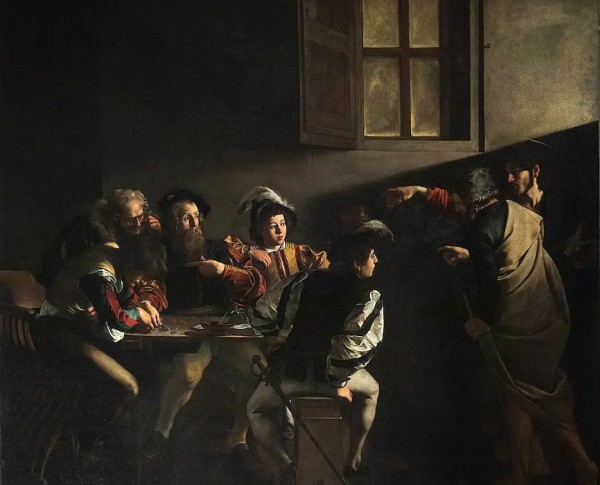
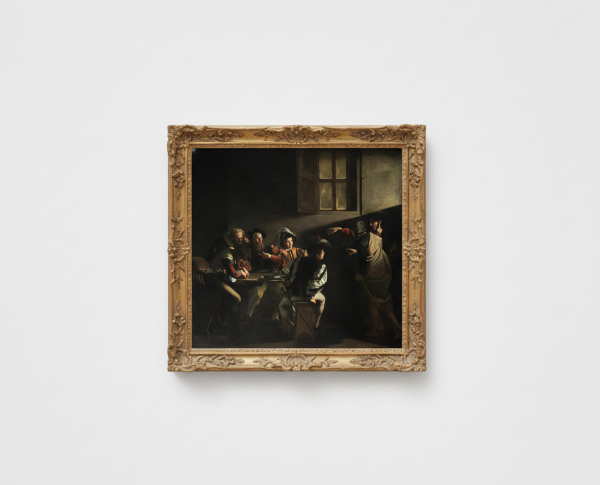
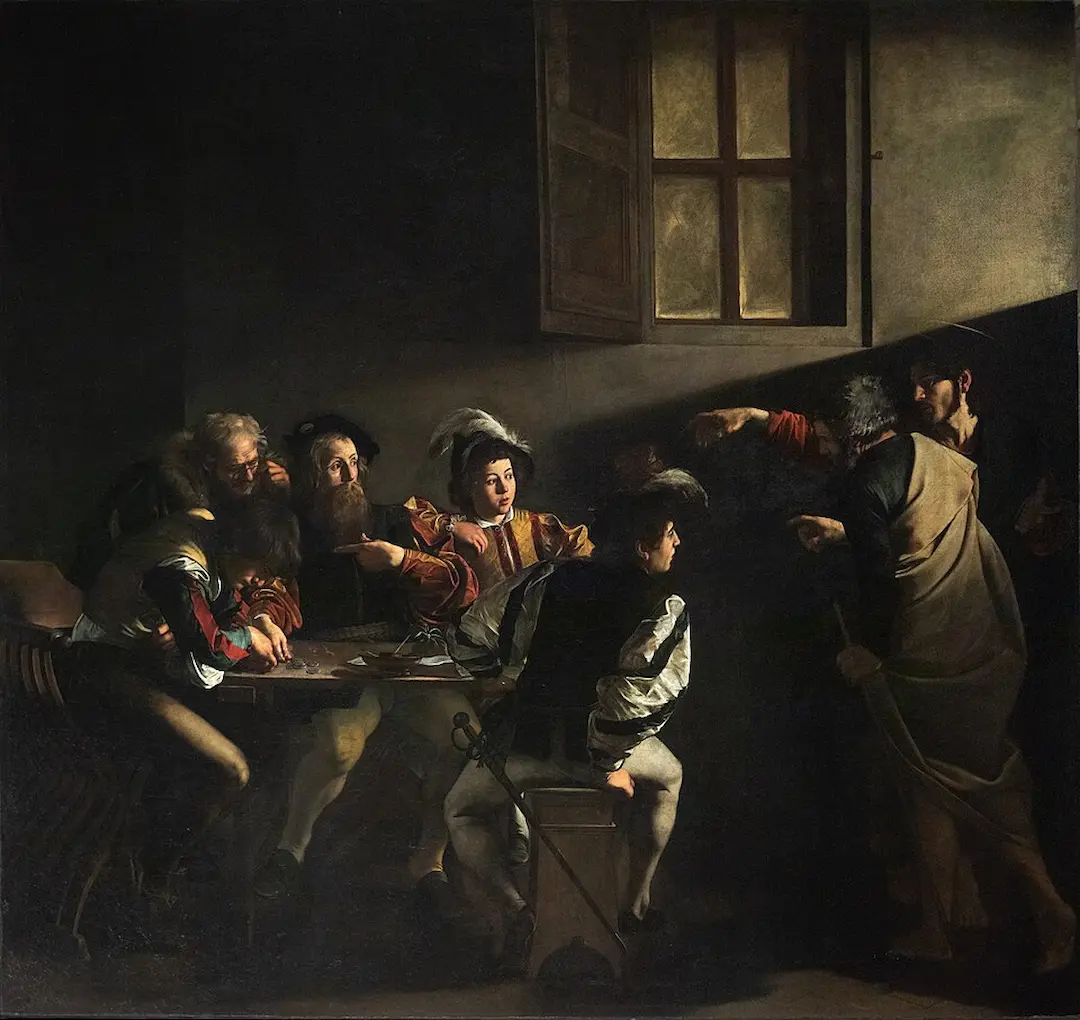
<p"musicians" shares="" thematic="" and="" stylistic="" similarities="" with="" other="" caravaggio="" works,="" such="" as="" "the="" calling="" of="" saint="" matthew."="" both="" paintings="" feature="" dramatic="" lighting="" a="" focus="" on="" human="" emotion,="" showcasing="" caravaggio's="" mastery="" narrative="" through="" visual="" art.























_GFM_Painting_(1).webp)


 100% Hand-Painted: Finished in 3-6 Weeks

.png)















_(1).webp)