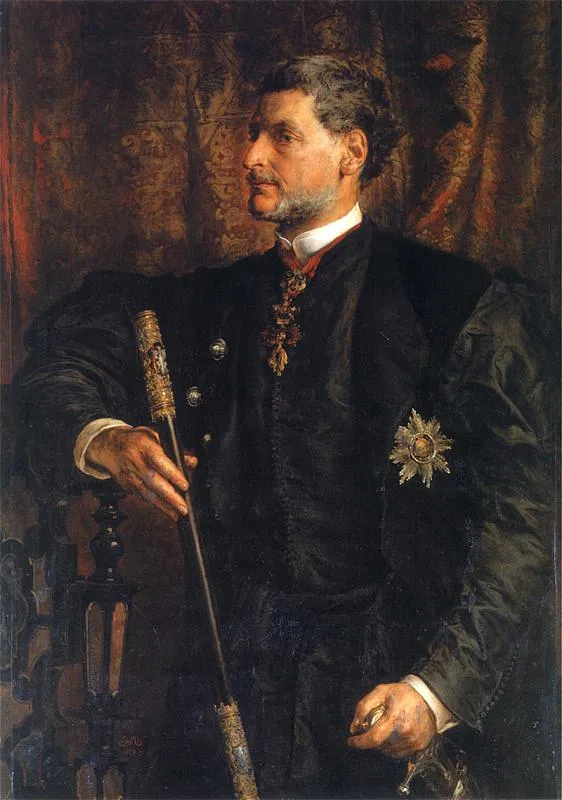
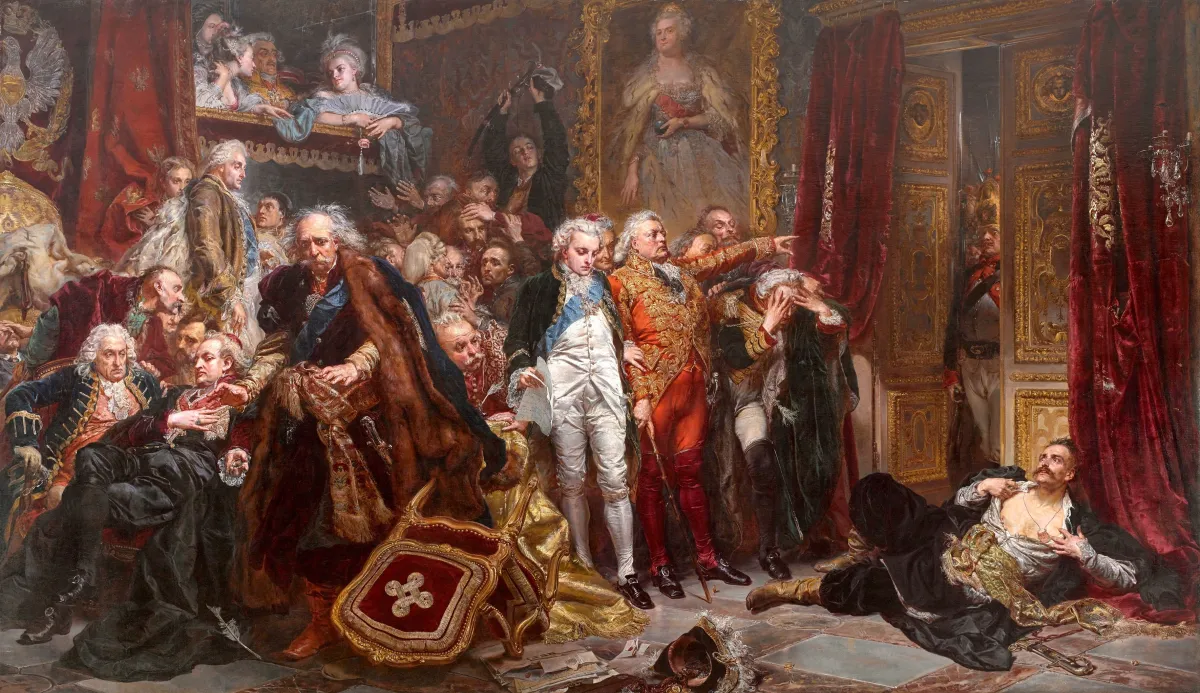
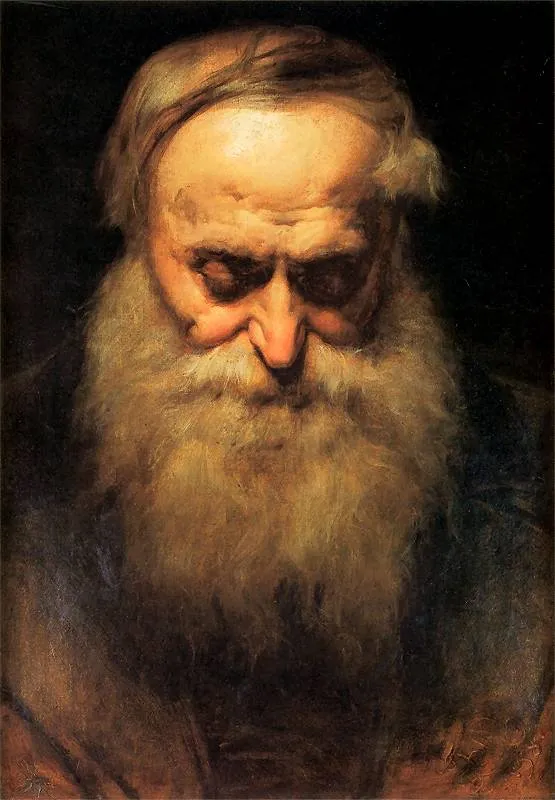
Jan Matejko’s expertise shines through in the "Portrait of Alfred Potocki," where every detail is rendered with meticulous care. The use of oil on canvas allows for rich textures and lifelike depth, characteristic of the Historicism movement. Matejko’s technique, also evident in works like "Stanczyk during a Ball at the Court of Queen," showcases his ability to blend realism with evocative storytelling. This painting is a prime example of how oil on canvas can immortalize historical figures with stunning authenticity.
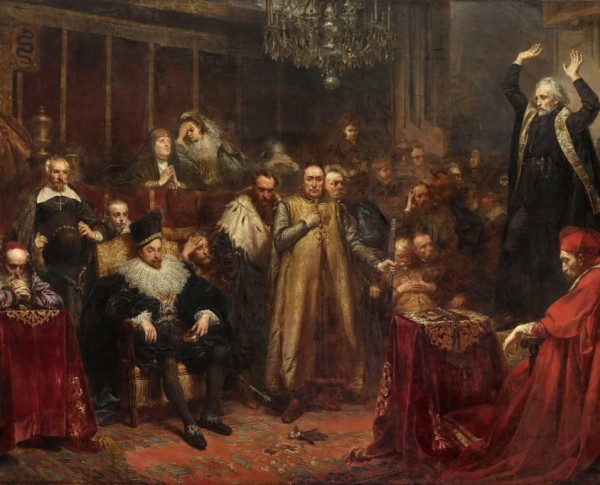
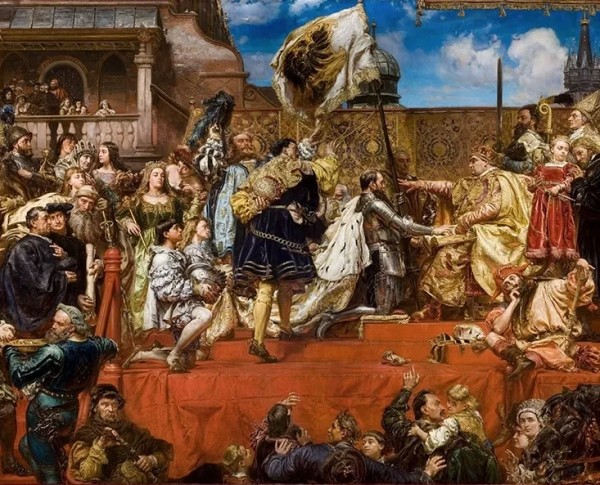
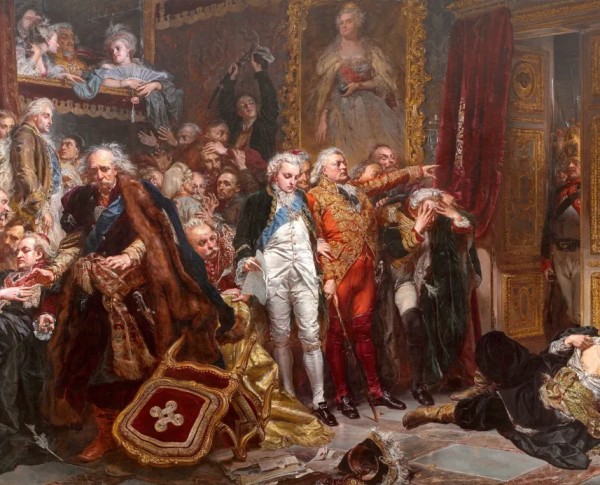
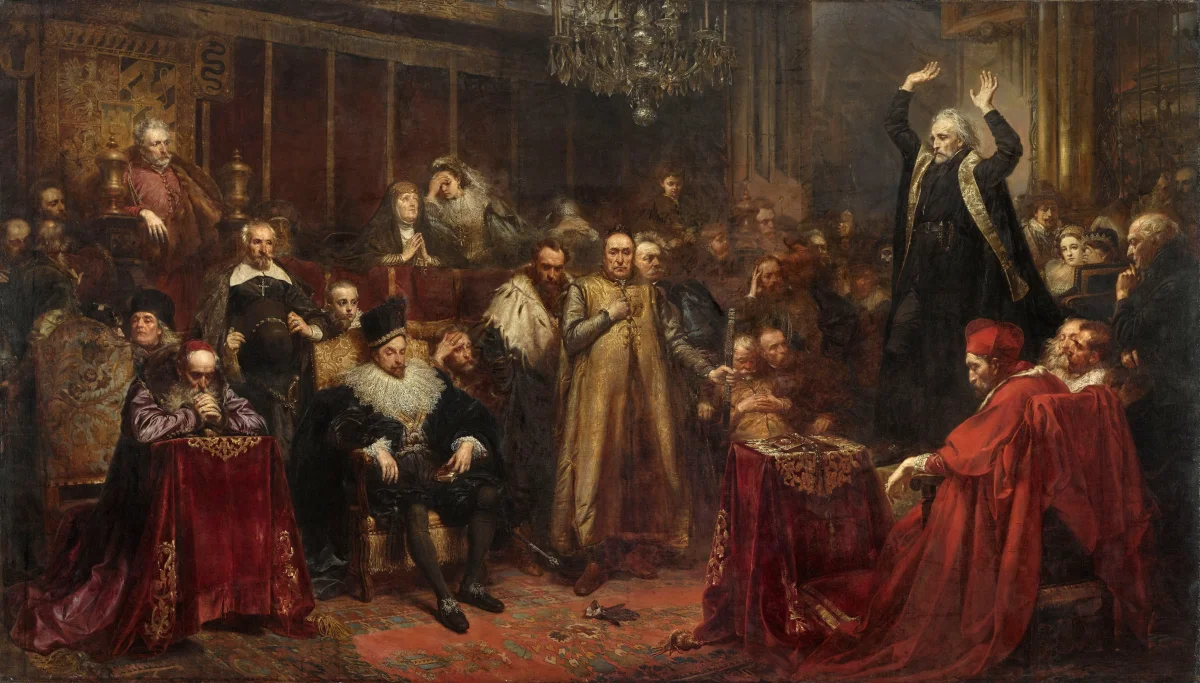
Within the "Portrait of Alfred Potocki," subtle symbols and visual cues invite viewers to delve deeper into the sitter’s story. Matejko, a master of narrative detail, weaves historical significance into every composition, just as he does in "The Fall of Poland" and "Jan Kochanowski over the dead body of his daughter." This hand-painted oil painting not only portrays a distinguished figure but also echoes Poland’s rich heritage, making it a compelling piece for those fascinated by art’s storytelling power.
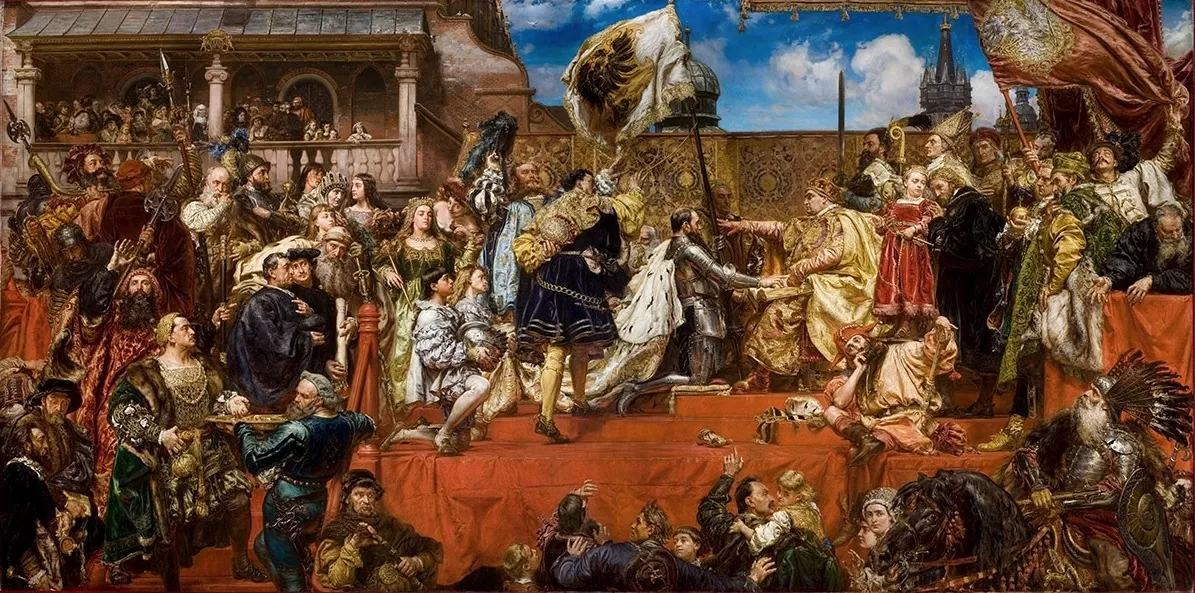
For art collectors, the "Portrait of Alfred Potocki" by Jan Matejko represents more than just a decorative piece; it is a fine art painting for sale that connects them to a pivotal era in European history. As with his renowned works like "Hanging of the Sigismund bell at the cathedral tower in 1521 in Kraków," Matejko’s paintings are highly sought after for their historical accuracy and artistic brilliance. Owning such a masterpiece is a testament to refined taste and appreciation for Historicism.
When Art Meets History
"Portrait of Alfred Potocki" by Jan Matejko stands as a remarkable example of the Historicism movement, where the past is vividly brought to life through art. This hand-painted oil painting captures not just a likeness, but also the spirit of a distinguished era. Matejko, celebrated for his historical works, masterfully intertwines biography and national memory. While exploring this portrait, viewers are reminded of other significant works in the artist’s oeuvre, all contributing to the rich tapestry of Polish history.
Techniques That Speak
Jan Matejko’s "Portrait of Alfred Potocki" exemplifies his virtuosity with oil on canvas, a medium that allows for rich detailing and nuanced textures. The artist employs skillful brushwork to depict Potocki’s attire and facial features, reflecting both status and personality. Matejko’s approach, rooted in the Historicism movement, demonstrates a deep understanding of light, shadow, and color. His techniques have influenced countless artists and remain a benchmark for those studying fine art painting for sale today.
Emotions on Display
In "Portrait of Alfred Potocki," Jan Matejko delivers more than a visual representation; he channels the sitter’s inner world through expressive details. The subject’s posture and gaze convey dignity and introspection, hallmarks of the Historicism movement’s focus on character. This hand-painted oil painting invites viewers to ponder the emotional depth beneath the formal exterior, much like Matejko’s other notable portraits, establishing a powerful connection between the subject and the observer.
Coveted by Collectors
"Portrait of Alfred Potocki" by Jan Matejko is a prized example of oil on canvas from the Historicism period, making it a sought-after treasure among art enthusiasts. The painting’s provenance and the artist’s celebrated reputation contribute to its desirability as a fine art painting for sale. Collectors value such works not only for their aesthetic appeal but also for their historical significance, similar to other masterpieces by Matejko that enrich private and public collections worldwide.
Frequently Asked Questions About Portrait of Alfred Potocki
What is the historical significance of "Portrait of Alfred Potocki"?
"Portrait of Alfred Potocki" holds historical significance as it captures a prominent figure in Polish society during the 19th century, reflecting the cultural and political climate of the time.
Who was Alfred Potocki and why is he important?
Alfred Potocki was a notable Polish aristocrat and politician, known for his contributions to the Polish national movement. His portrayal in this painting emphasizes his status and influence in Polish history.
What artistic techniques did Jan Matejko use in this portrait?
Jan Matejko employed a realistic style characterized by meticulous detail and vibrant colors, effectively capturing the personality and stature of Alfred Potocki.
What symbolism can be found in the painting?
The painting incorporates various symbols, such as the clothing and accessories worn by Potocki, which signify his social status and the cultural heritage of the Polish nobility.
How does this painting reflect the artistic style of Jan Matejko?
This portrait exemplifies Matejko's signature style, which often includes historical themes, detailed backgrounds, and a focus on national identity, showcasing his dedication to Polish history and culture.
What role does color play in "Portrait of Alfred Potocki"?
Color in this portrait is used to convey mood and character; the rich tones highlight Potocki's nobility and the warmth of his personality, while contrasting elements may suggest the complexities of his life.
In what context was "Portrait of Alfred Potocki" created?
The painting was created during a time of national revival in Poland, reflecting the aspirations and struggles of the Polish people, as well as Matejko's commitment to portraying significant historical figures.
What is the significance of the background in the painting?
The background features elements that contextualize Potocki's life and achievements, serving as a visual narrative that complements his portrayal and enhances the viewer's understanding of his legacy.
How does "Portrait of Alfred Potocki" compare to other works by Jan Matejko?
Compared to other works by Matejko, this portrait is more intimate and personal, focusing on an individual rather than a grand historical event, showcasing his versatility as an artist.
What impact did "Portrait of Alfred Potocki" have on Polish art and culture?
The painting contributed to the national identity in Polish art, inspiring future generations of artists to explore themes of nationalism and historical significance through portraiture.























_GFM_Painting_(1).webp)


 100% Hand-Painted: Finished in 3-6 Weeks

.png)















_(1).webp)