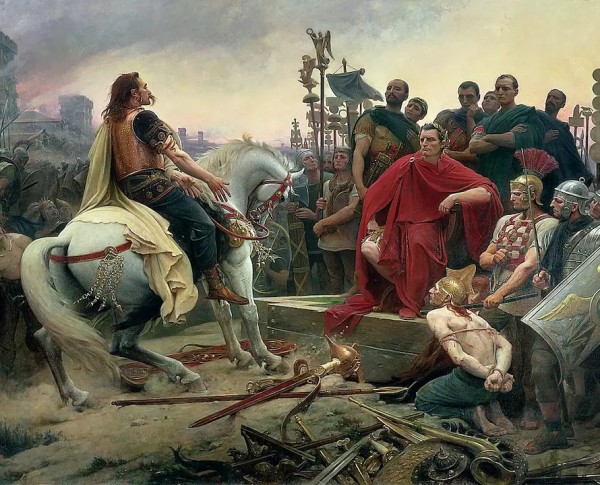
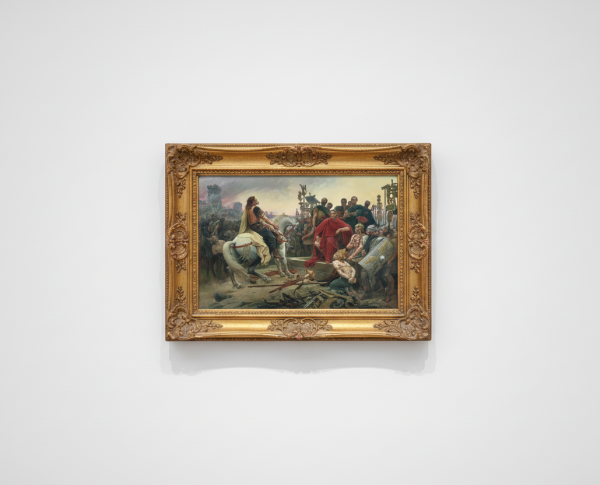
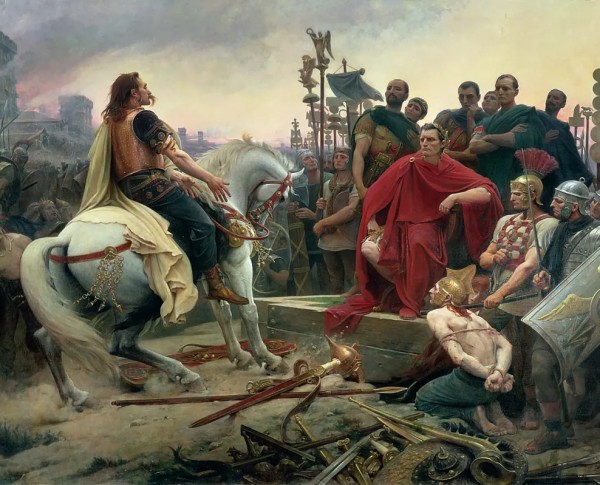
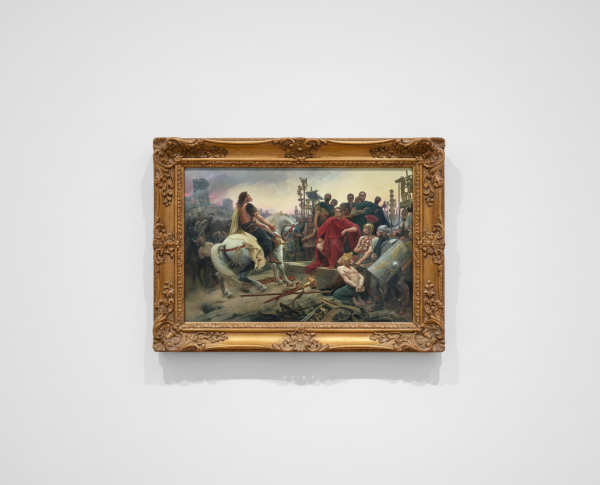
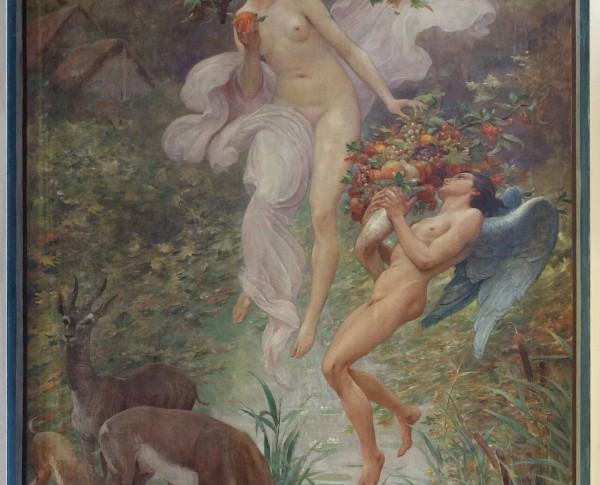
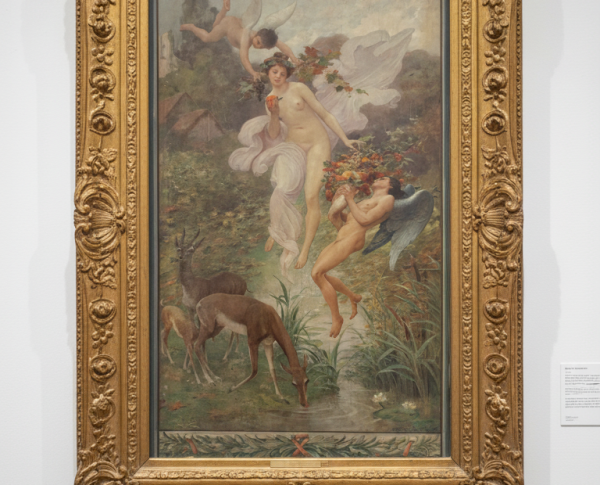
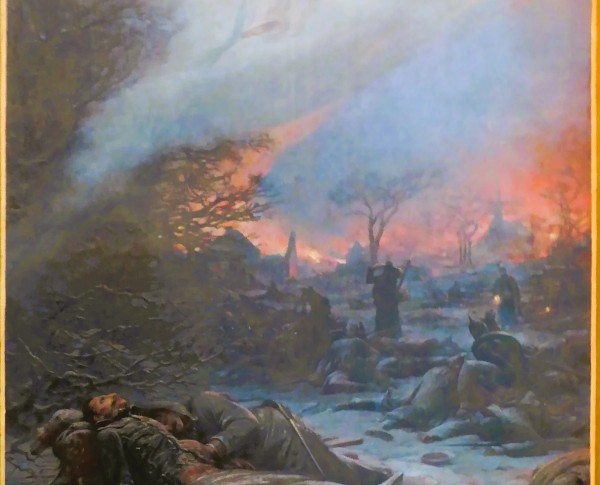
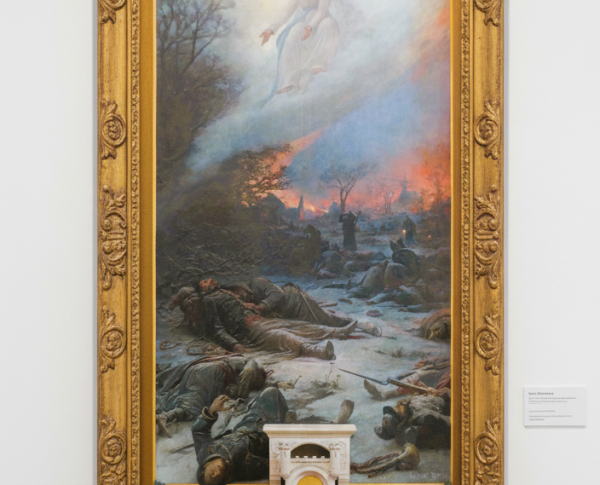
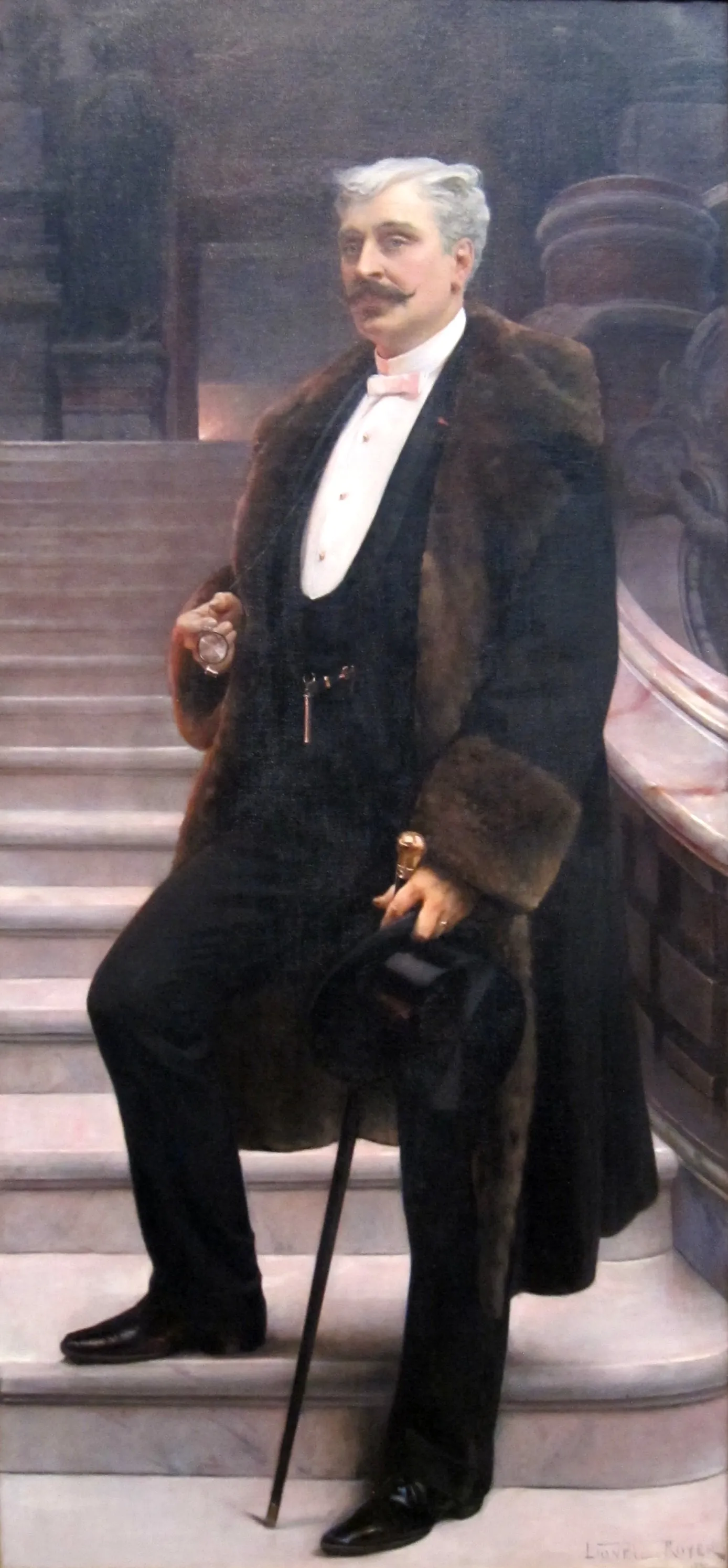
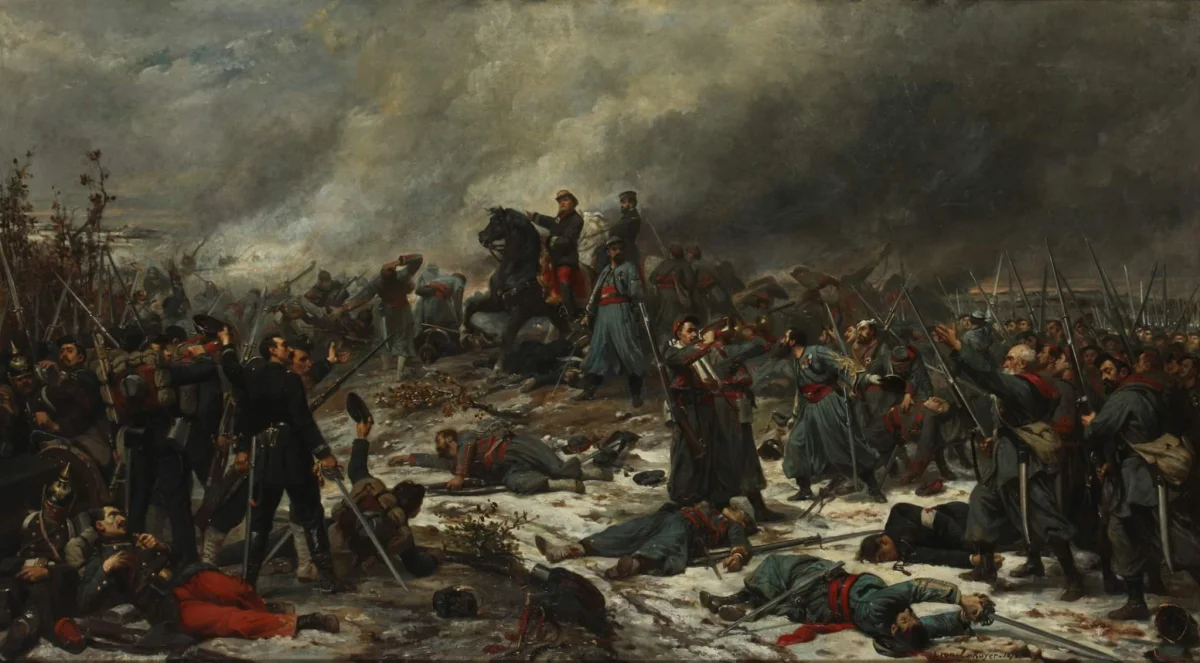
Lionel Noel Royer’s expertise shines in every brushstroke of this oil on canvas. The meticulous attention to detail and the subtle interplay of light and shadow exemplify the standards of the Academic Art movement. This painting sits alongside Royer’s other celebrated works, including "Battle of Auvours, 10 January 1871" and "Auguste Au Tombeau D'Alexandre," highlighting the artist’s consistent mastery in capturing both realism and emotion on canvas.
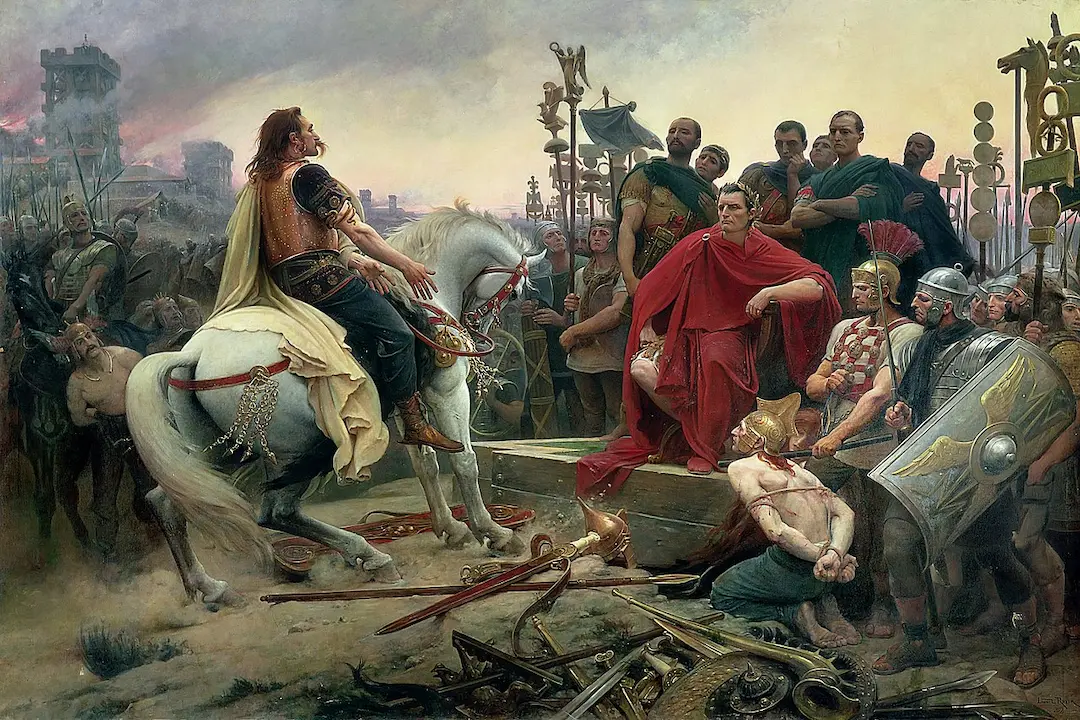
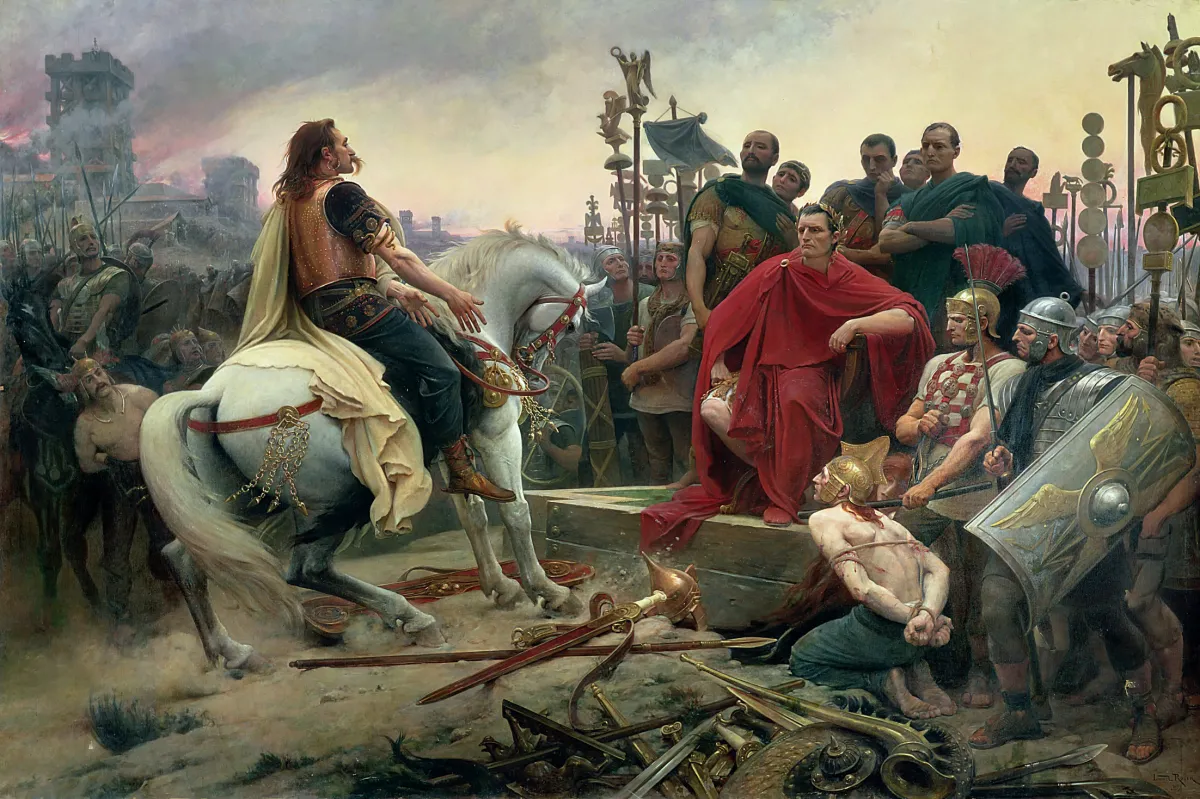
Within the "Portrait of Comte D'Adhémar De Cransac," viewers can uncover layers of meaning and symbolism, a hallmark of fine art painting for sale from the Academic Art tradition. Royer’s portraits often convey the stature and inner world of his subjects, much like in "Vercingetorix Throwing down His Weapons at the feet of Julius Caesar" and "Ulysse Et Télémaque." Each element in this painting is carefully chosen to reflect the sitter’s legacy and rank.
For art collectors, the "Portrait of Comte D'Adhémar De Cransac" by Lionel Noel Royer is a prized addition, echoing the grandeur of other oil on canvas works by the artist. As with "General Gaston de Sonis," this portrait embodies the sophistication of Academic Art and the allure of historical portraiture. Investing in this piece connects collectors to a tradition of excellence, making it a standout among fine art painting for sale today.
When Art Meets History
"Portrait of Comte D'Adhémar De Cransac" by Lionel Noel Royer is a remarkable hand-painted oil painting that reflects the grandeur of the Academic Art movement. Royer’s attention to historical detail brings the subject, Comte D'Adhémar De Cransac, vividly to life. This painting, along with related works like "Rest on the Flight into Egypt" and "Portrait of a young Roman woman," bridges the gap between art and history, making it a cherished masterpiece for those passionate about fine art.
Techniques That Speak
Lionel Noel Royer’s mastery of oil on canvas is evident in "Portrait of Comte D'Adhémar De Cransac." The artist’s refined brushwork and meticulous layering are hallmarks of the Academic Art movement. Similar techniques can be seen in Royer’s "A Forester at Home" and "Jeune femme denudée sur canape." Through these methods, Royer captures both the elegance and realism of his subjects, making each portrait a timeless representation of classic artistry.
Emotions on Display
In "Portrait of Comte D'Adhémar De Cransac," Lionel Noel Royer skillfully conveys emotion through subtle facial expressions and atmospheric lighting. This fine art painting for sale immerses viewers in the dignified aura of the Comte, reminiscent of emotional depth found in works like "Mud Pies" and "Rest on the Flight into Egypt." The Academic Art style Royer employs allows for a nuanced portrayal of character, making the painting resonate deeply with art enthusiasts.
Coveted by Collectors
Collectors prize "Portrait of Comte D'Adhémar De Cransac" for its exceptional quality and historical significance within the Academic Art movement. As an exquisite hand-painted oil painting by Lionel Noel Royer, it stands alongside esteemed works such as "A Forester at Home" and "Jeune femme denudée sur canape." Its rarity and craftsmanship make it a sought-after addition to any collection, appealing to those who seek fine art painting for sale with distinguished provenance.
Related Academic Art Hand-Painted Oil Paintings by Other Artists
Other Famous Academic Art Artists:
Frequently Asked Questions About Portrait of Comte D'Adhémar De Cransac
Who is the subject of the painting "Portrait of Comte D'Adhémar De Cransac"?
The subject of the painting is Comte D'Adhémar De Cransac, a notable figure in French society during the late 19th century, recognized for his contributions to the arts and culture of the time.
What artistic style is employed in "Portrait of Comte D'Adhémar De Cransac"?
The painting is executed in a realistic style, characteristic of the academic tradition of the late 19th century, which emphasizes detailed representation and a focus on the subject's personality and status.
What is the significance of the attire worn by Comte D'Adhémar De Cransac in the painting?
The attire reflects the fashion of the aristocracy during the period, symbolizing wealth and social status, while also serving to highlight the subject's refined character and position in society.
What techniques did Lionel Noel Royer use in this portrait?
Royer employed techniques such as chiaroscuro to create depth and dimension, along with meticulous brushwork to capture the textures of fabric and the subtleties of facial expression.
How does the background contribute to the overall composition of the painting?
The background is intentionally subdued, allowing the viewer's focus to remain on the Comte, while also suggesting an air of sophistication and the grandeur associated with his social standing.
What historical context surrounds the creation of "Portrait of Comte D'Adhémar De Cransac"?
The painting was created during a time when portraiture was a vital means of documenting and celebrating the lives of prominent individuals, reflecting the social dynamics and cultural values of late 19th-century France.
What emotions or themes are conveyed through this portrait?
The portrait conveys themes of dignity, nobility, and the passage of time, capturing the essence of the Comte's character and the respect he commanded within his community.
How does this work fit into Lionel Noel Royer's broader artistic oeuvre?
This portrait exemplifies Royer's skill in capturing the human spirit, aligning with his other works that often focus on historical and literary figures, showcasing his commitment to realism and character study.
What symbolic elements can be found in the painting?
Symbolic elements include the Comte's attire and posture, which signify authority and grace, as well as the use of light to highlight his face, suggesting enlightenment and wisdom.
In what ways has "Portrait of Comte D'Adhémar De Cransac" influenced modern portraiture?
This work has influenced modern portraiture by establishing a standard for realistic representation and emotional depth, encouraging contemporary artists to explore the interplay between subject and context in their own portraits.























_GFM_Painting_(1).webp)


 100% Hand-Painted: Finished in 3-6 Weeks

.png)















_(1).webp)