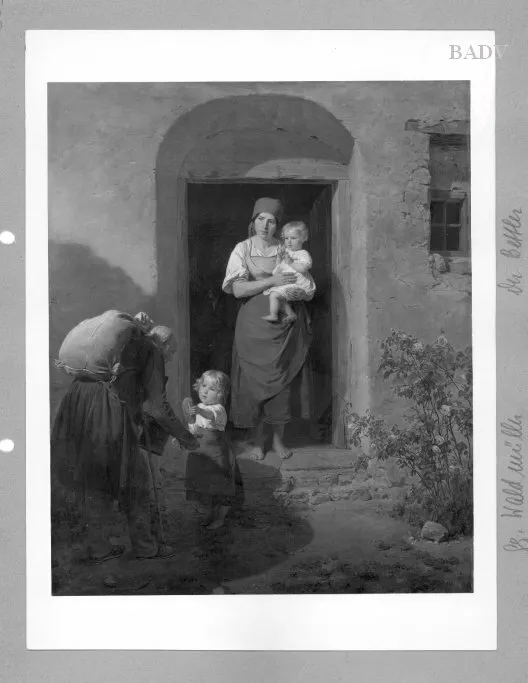
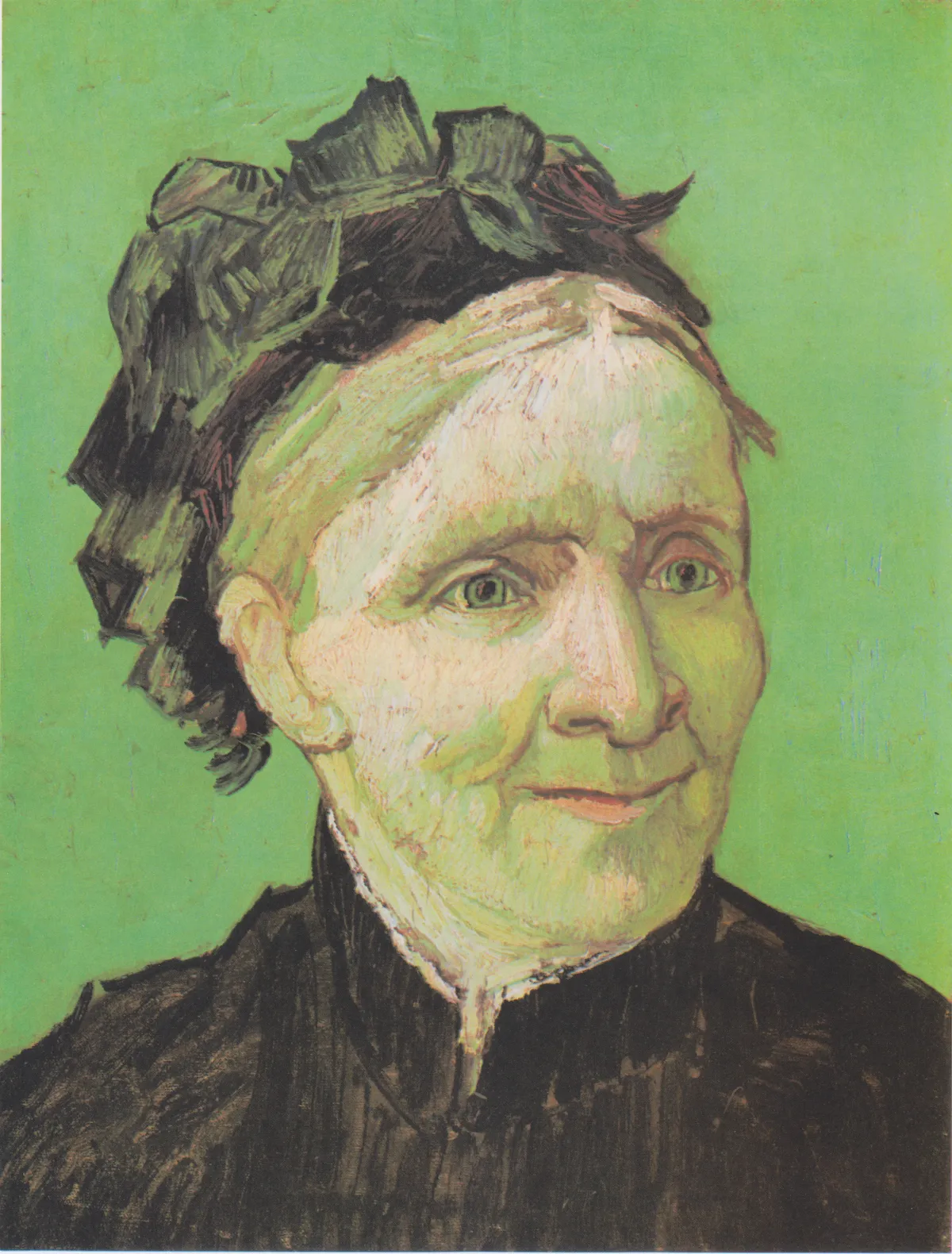
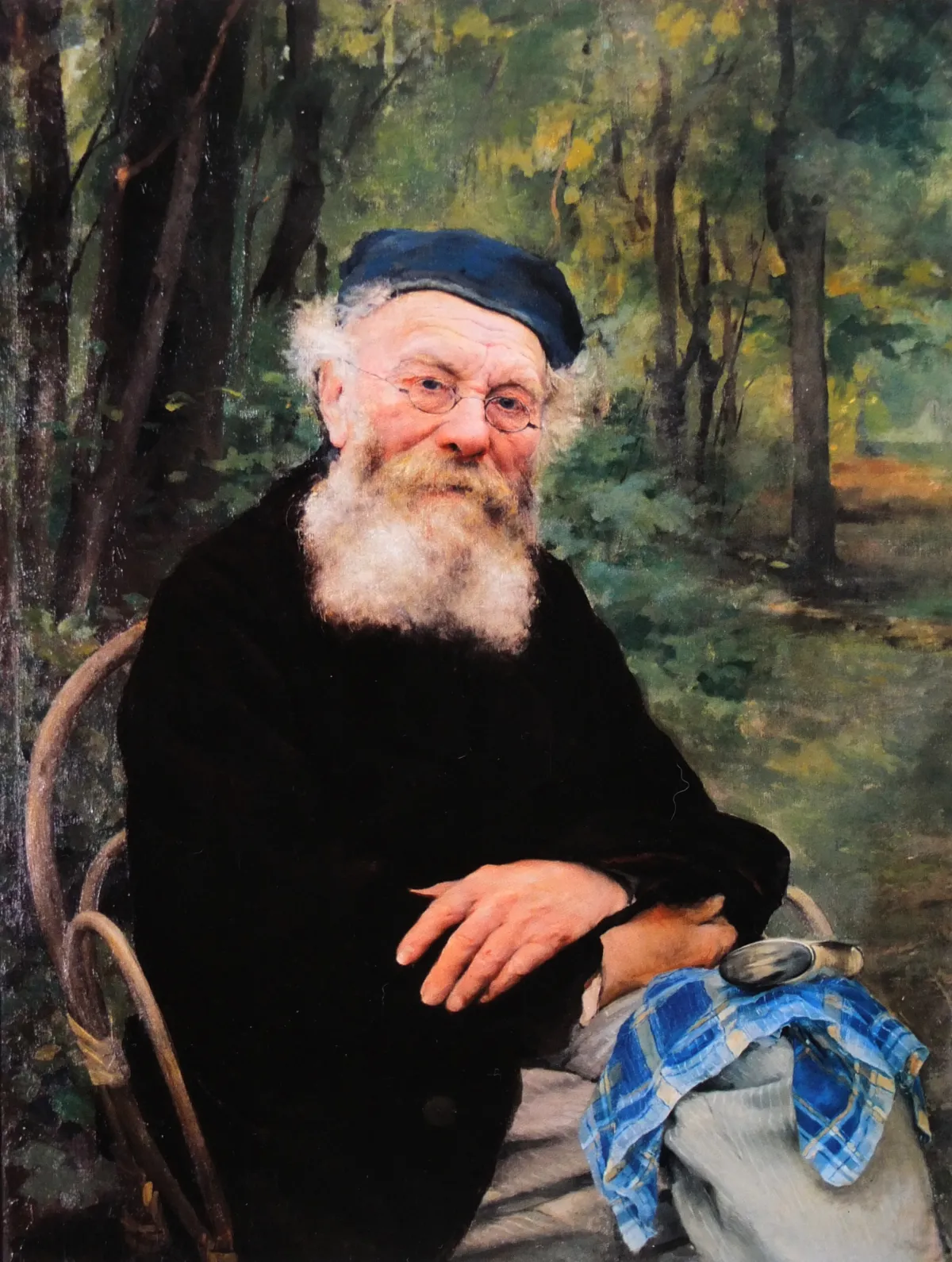
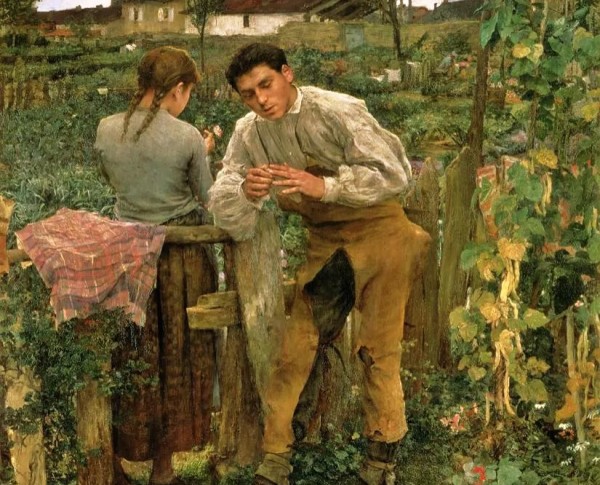
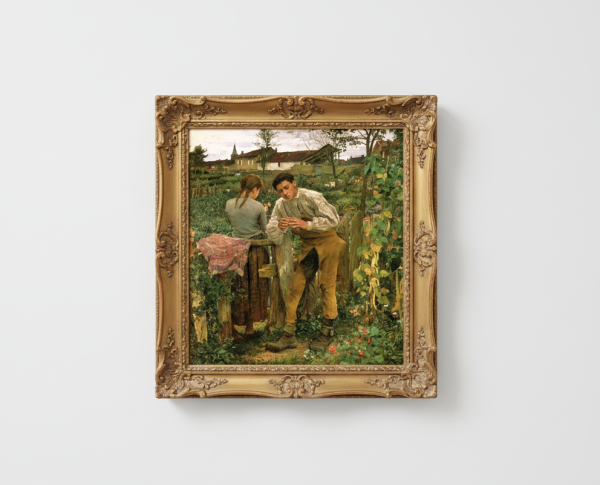
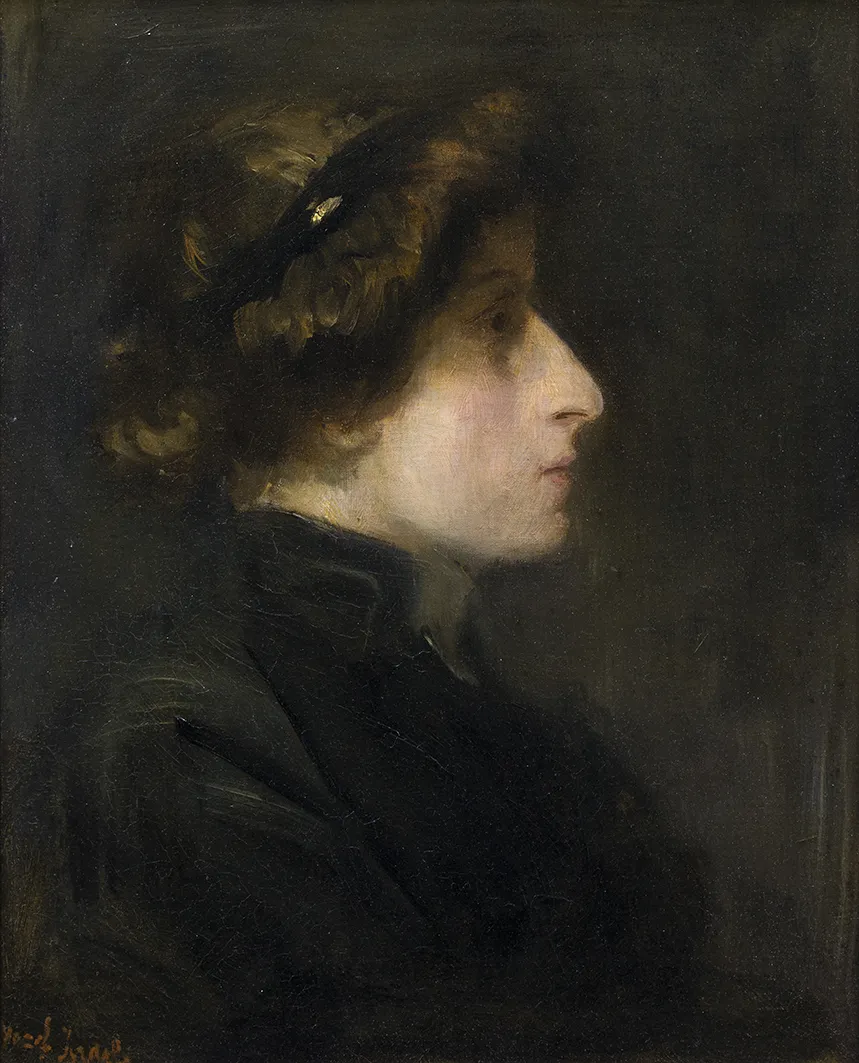
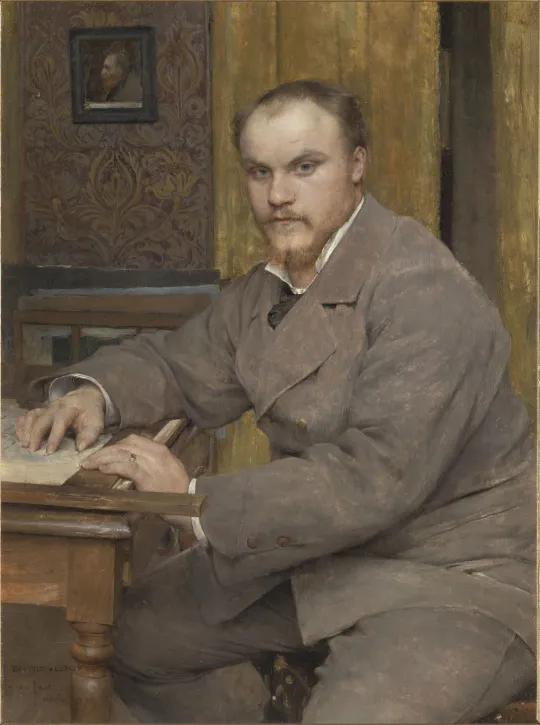
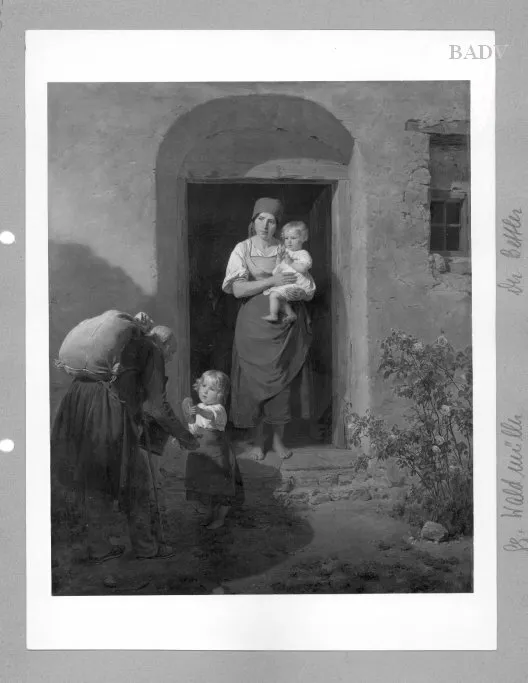
Bastien Lepage’s technique in "Portrait of Sarah Bernhardt" showcases his exceptional skill with oil on canvas. Each brushstroke reveals intricate details, from the delicate textures of Bernhardt’s attire to the subtle expressions on her face. The Naturalism movement’s emphasis on lifelike representation is evident throughout the artwork. Art enthusiasts often compare this painting to "The Beggar" and works by Simon Hayem, appreciating Lepage’s unrivaled ability to bring his subjects to life.
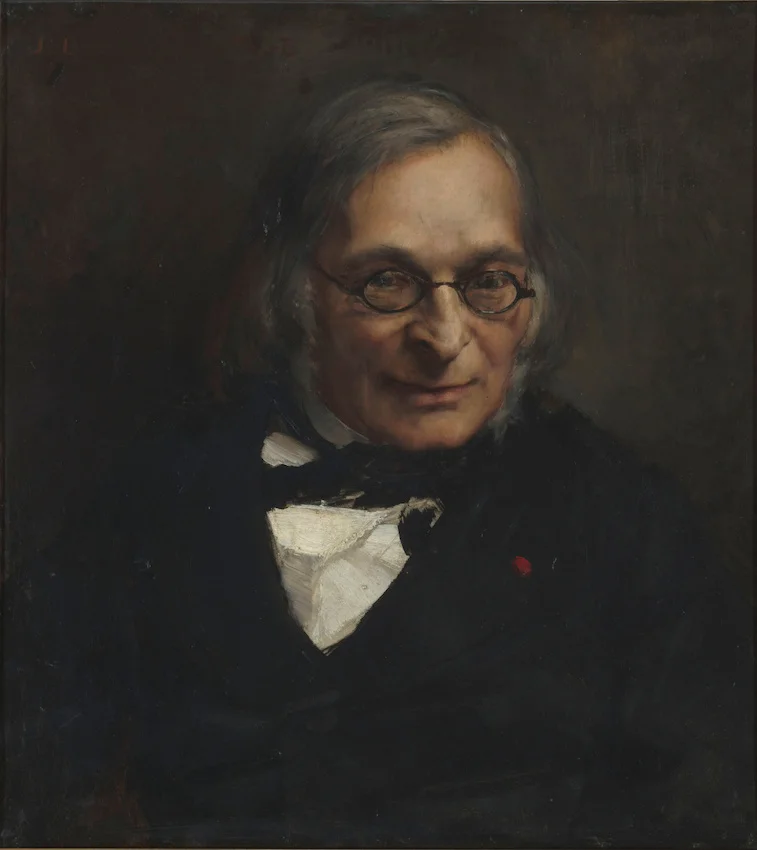
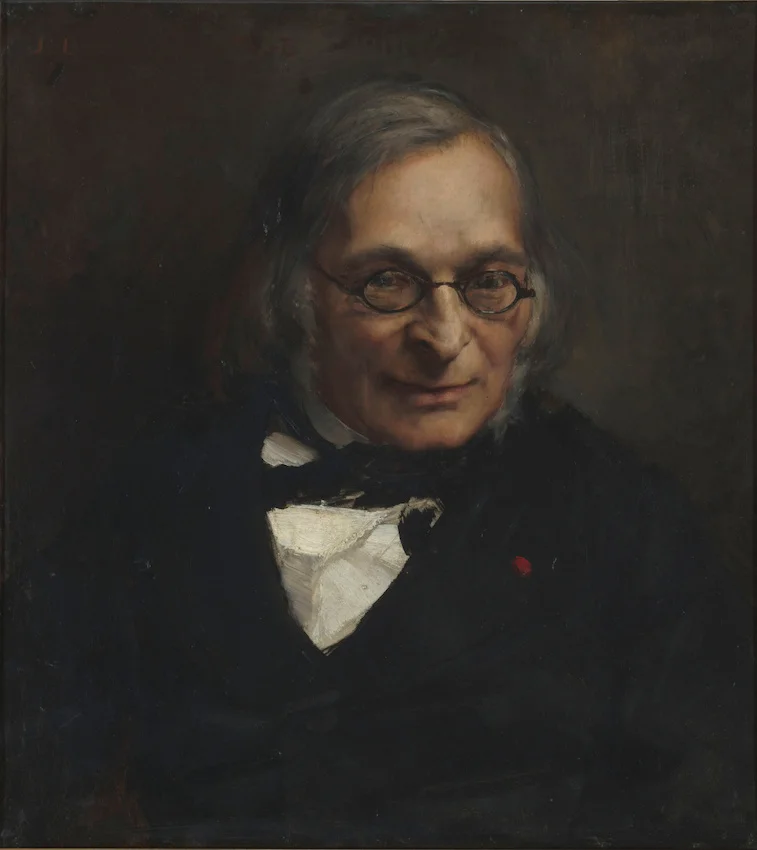
Within the "Portrait of Sarah Bernhardt," Bastien Lepage weaves stories and symbols that reflect both the actress's vibrant personality and the broader themes of the Naturalism movement. This fine art painting for sale captures not only Bernhardt’s external beauty but also her inner strength and charisma. Collectors often seek similar works, such as "Madame Godillot" and pieces by Adolphe Franck, a renowned French philosopher, to enrich their understanding of this artistic era.
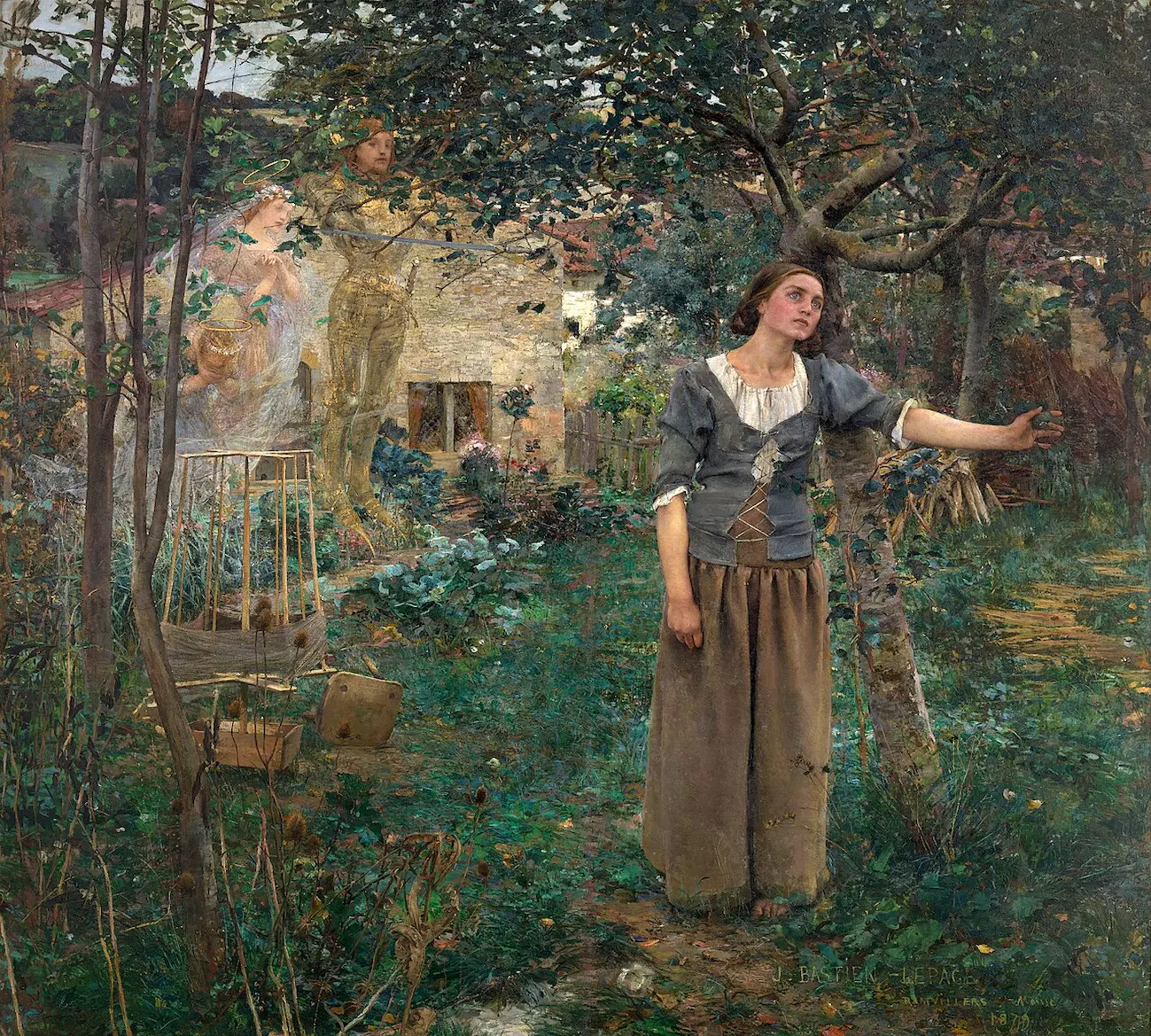
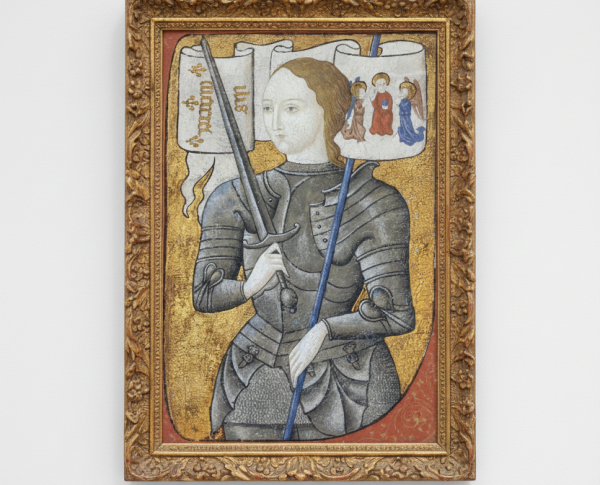
Owning "Portrait of Sarah Bernhardt" by Bastien Lepage means possessing a piece of art history rooted in the Naturalism movement. This hand-painted oil painting is highly sought after by collectors who value authenticity and timeless beauty. Its connection to related masterpieces like "Joan of Arc" and works by Émile Bastien-Lepage makes it a coveted addition to any collection. Explore this and other exceptional fine art painting for sale to elevate your personal gallery.
When Art Meets History
"Portrait of Sarah Bernhardt" by Bastien Lepage is a remarkable example of the Naturalism movement, capturing a pivotal moment in art history. The hand-painted oil painting immortalizes the famed actress Sarah Bernhardt, blending historical context with artistic mastery. Bastien Lepage, also known for works like "Blackgame, Wigeon and Teal by the water's edge." and "Blackcocks at the Lek.", brings an authentic representation of his era, making this portrait a significant piece for both art lovers and historians alike.
Techniques That Speak
Bastien Lepage’s technique in this oil on canvas painting showcases the delicate interplay of light, texture, and realism typical of Naturalism. Every brushstroke in the "Portrait of Sarah Bernhardt" demonstrates his commitment to lifelike representation, similar to his works such as "Pair of Golden Eagles" and "Winter Woodcock." The artist’s mastery of oil on canvas allows the subject’s personality to shine through, creating a vivid, tangible presence that draws viewers into the scene.
Emotions on Display
In "Portrait of Sarah Bernhardt," Bastien Lepage conveys a wealth of emotion through subtle expression and posture, hallmarks of the Naturalism movement. This fine art painting for sale invites viewers to connect deeply with Bernhardt’s enigmatic gaze and poised demeanor. Lepage’s ability to infuse emotion is echoed in his other pieces, including "Blackcocks at the Lek." and "Winter Woodcock," each painting resonating with the artist’s unique sensitivity to human and animal subjects alike.
Coveted by Collectors
The "Portrait of Sarah Bernhardt" stands as a highly sought-after masterpiece among fine art collectors, thanks to its hand-painted oil painting technique and historical significance. Bastien Lepage’s works, such as "Blackgame, Wigeon and Teal by the water's edge." and "Pair of Golden Eagles," are prized for their authenticity and emotional depth. This portrait, rooted in the Naturalism movement, exemplifies why Lepage’s art remains a coveted treasure in galleries and private collections worldwide.
Related Naturalism Hand-Painted Oil Paintings by Other Artists
Other Famous Naturalism Artists:
Frequently Asked Questions About Portrait of Sarah Bernhardt
Who is the subject of the painting "Portrait of Sarah Bernhardt"?
The painting features Sarah Bernhardt, a renowned French actress of the 19th century, celebrated for her dramatic performances and significant contributions to the theatrical arts.
What is the significance of Sarah Bernhardt in the context of art and culture?
Sarah Bernhardt was not only a leading actress but also a cultural icon of her time, representing the emergence of women in the performing arts and influencing the portrayal of women in visual art.
Who was the artist behind "Portrait of Sarah Bernhardt"?
The painting was created by Bastien-Lepage, a prominent French painter known for his naturalistic style and ability to capture the essence of his subjects.
What artistic techniques did Bastien-Lepage employ in this portrait?
Bastien-Lepage utilized a combination of realism and impressionism, employing loose brushwork and a vibrant color palette to convey both the physical likeness and the emotional depth of Bernhardt.
What is the historical context of the painting?
Created in the late 19th century, the portrait reflects the cultural and artistic movements of the time, particularly the shift towards realism in art and the growing recognition of women in the arts.
What symbols are present in the painting, and what do they represent?
The painting features elements such as theatrical props and costumes, symbolizing Bernhardt's identity as an actress and the broader theme of performance in art and life.
How does this portrait compare to other portrayals of Sarah Bernhardt?
This portrait is distinctive for its intimate and personal portrayal of Bernhardt, contrasting with more formal or idealized representations that emphasize her celebrity status.
What influence did "Portrait of Sarah Bernhardt" have on subsequent artists?
The painting has inspired numerous artists to explore the intersection of portraiture and performance, encouraging a more nuanced representation of theatrical figures in art.
In what ways does the painting reflect the style of Bastien-Lepage?
The portrait exemplifies Bastien-Lepage's signature style, characterized by a focus on naturalism, attention to detail, and a deep emotional resonance, which invites viewers to connect with the subject on a personal level.
What is the current location of "Portrait of Sarah Bernhardt"?
The painting is housed in a prominent art collection, where it continues to be appreciated for its artistic merit and historical significance, contributing to the legacy of both the artist and the subject.






















_GFM_Painting_(1).webp)


 100% Hand-Painted: Finished in 3-6 Weeks

.png)















_(1).webp)