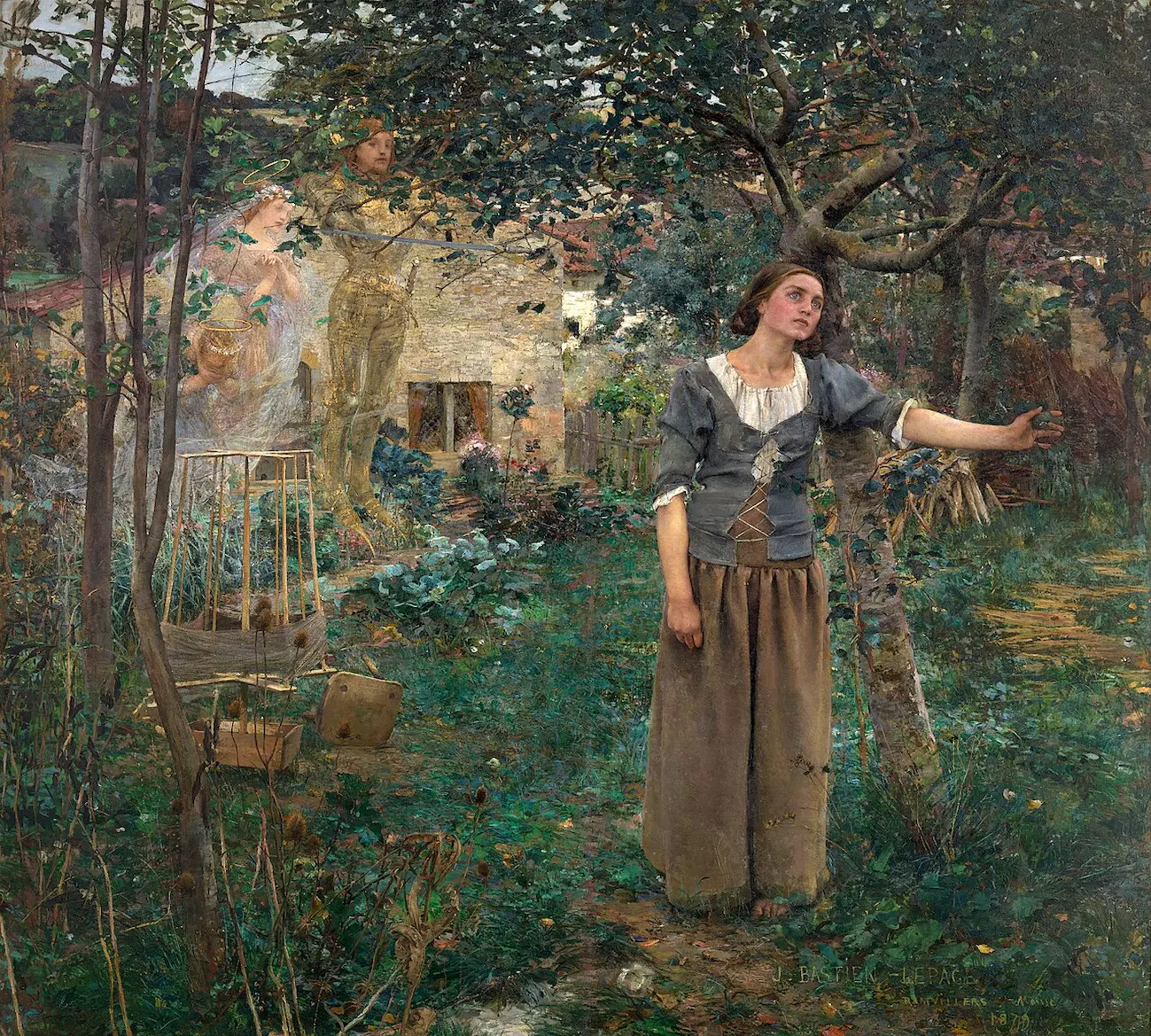
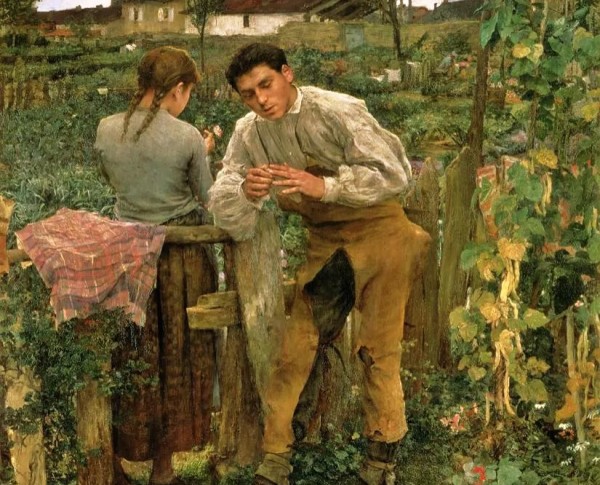
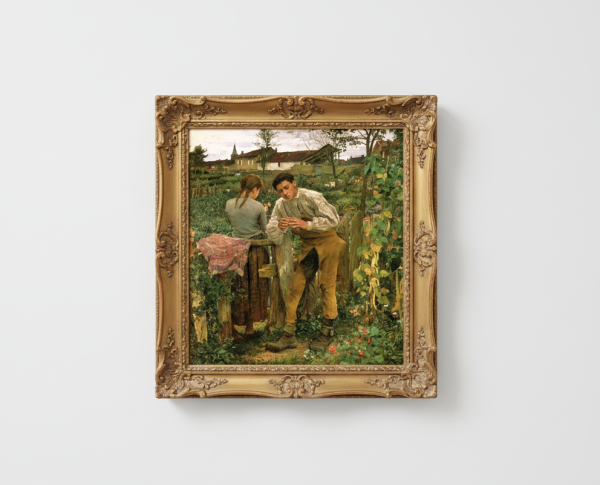
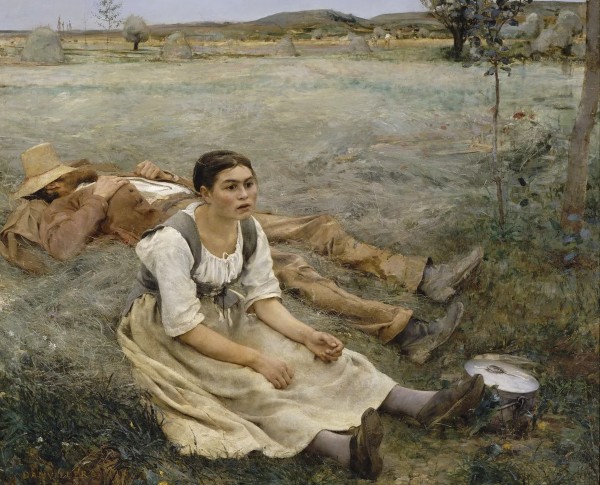
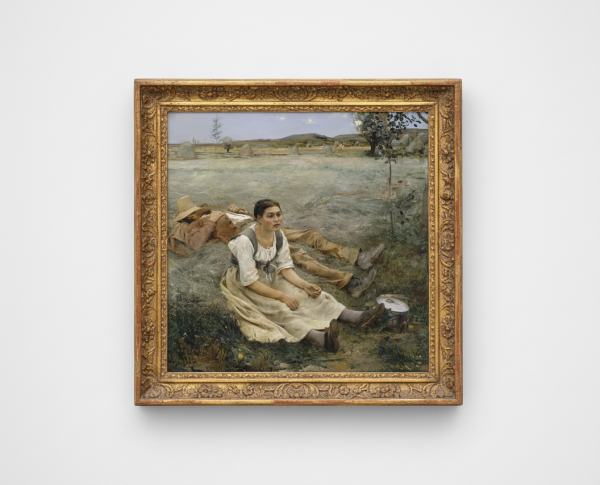
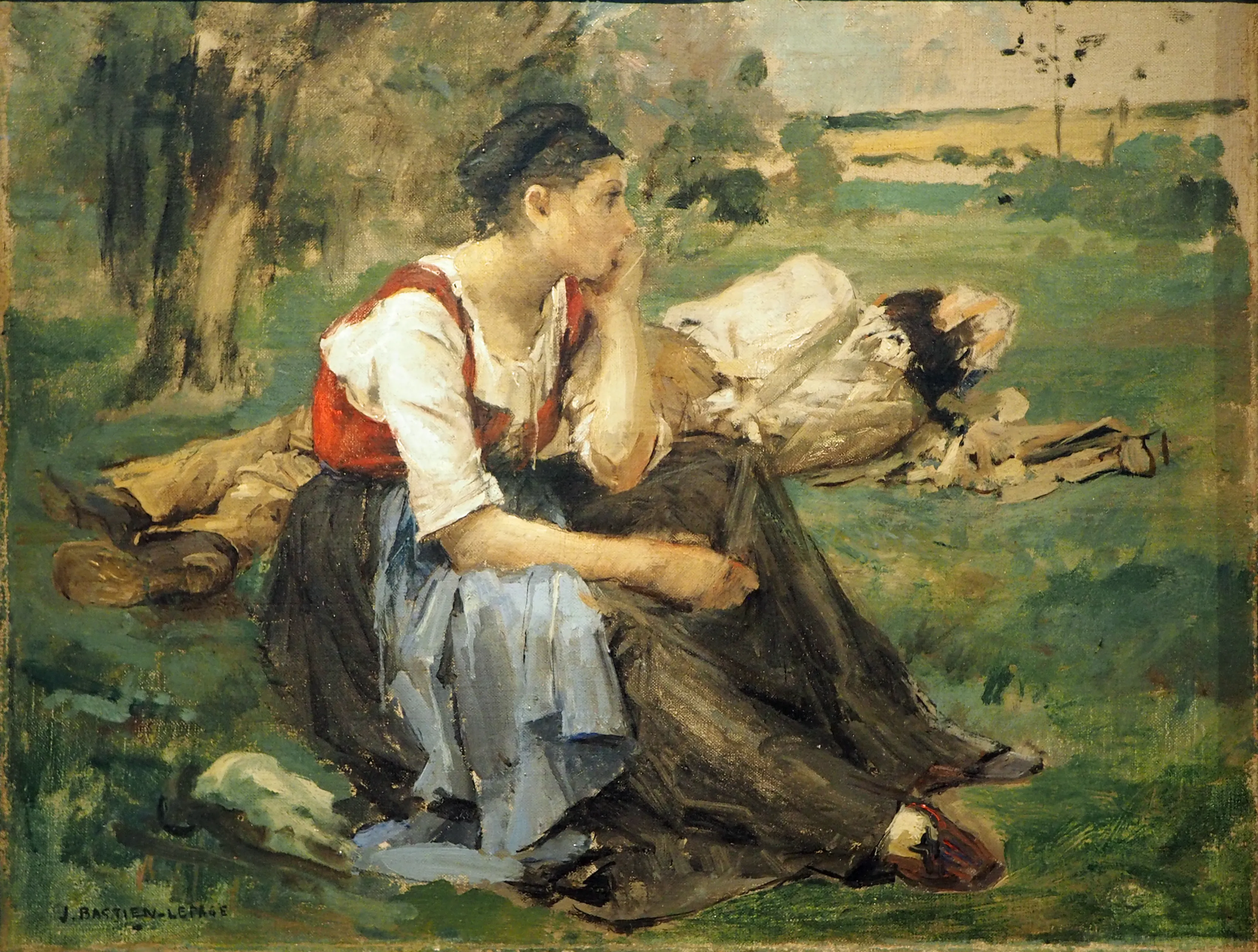
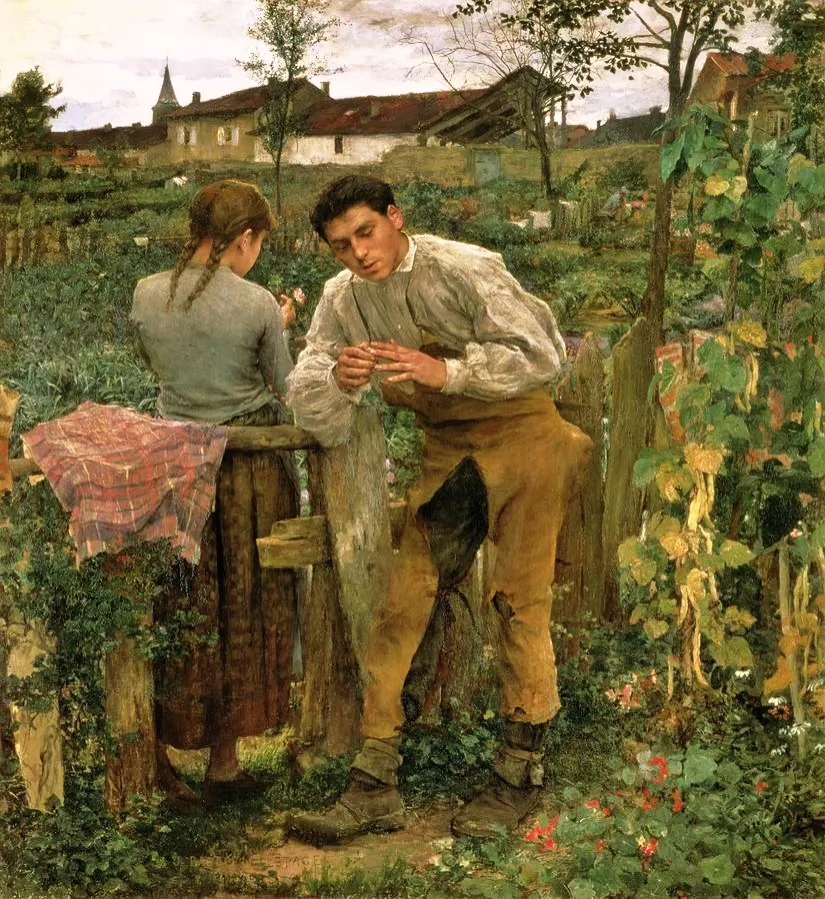
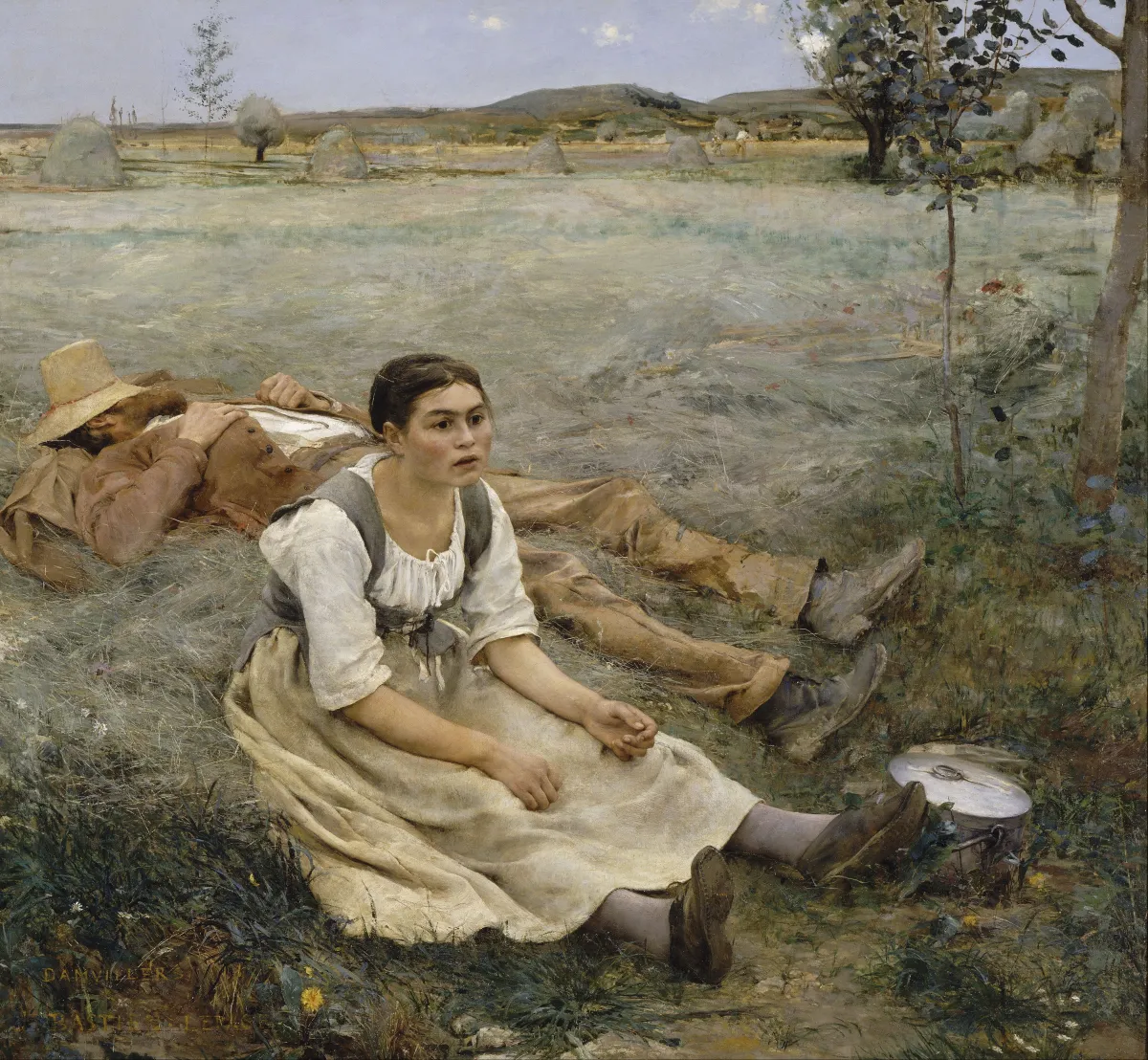
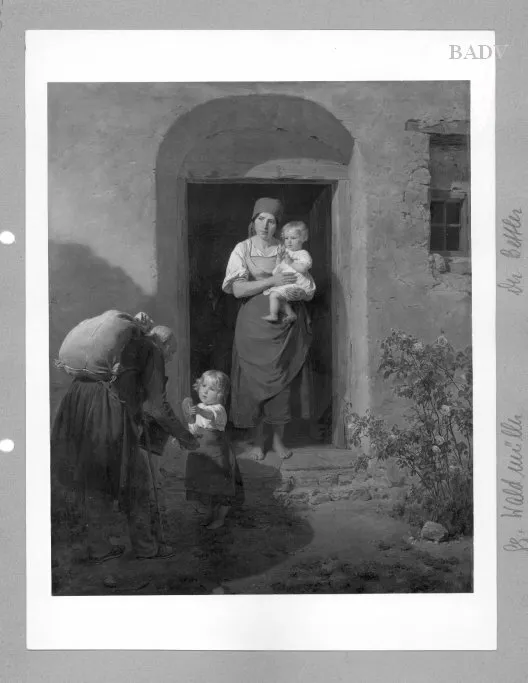
Jules Bastien Lepage’s unmatched technique is evident in every detail of "Resting country people," a stunning example of oil on canvas artistry. His nuanced use of color and light brings the tranquil countryside scene to life, embodying the essence of the Naturalism movement. This dedication to lifelike depiction makes the painting a sought-after piece. Art enthusiasts often compare it to Lepage’s other works, such as "Joan Of Arc" and "Village Love," for their technical brilliance.
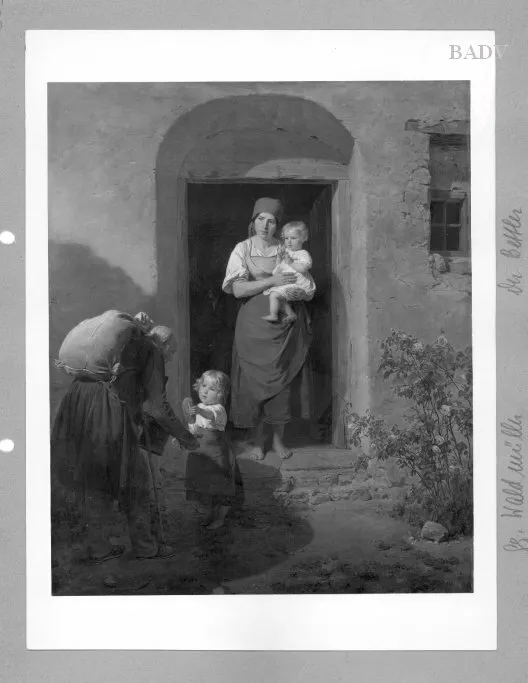
Beyond its visual appeal, "Resting country people" weaves subtle narratives and symbols central to rural existence. Lepage’s hand-painted oil painting invites viewers to reflect on the resilience and camaraderie of country folk. The Naturalism movement’s focus on genuine human experience is clear in every figure and gesture. For those interested in similar storytelling through art, pieces like "Priam at Achilles feet" and "The Beggar" offer equally profound insights.
As a fine art painting for sale, "Resting country people" is a prized addition to any serious collection. Jules Bastien Lepage’s masterwork not only exemplifies the Naturalism movement but also connects collectors to a pivotal moment in art history. Owning this piece—or related works like "Snow Effect, Damvillers" or "Joan Of Arc"—means preserving the legacy of hand-painted oil paintings that narrate the timeless beauty of rural life.
When Art Meets History
Jules Bastien Lepage, an influential figure in the Naturalism movement, created "Resting Country People" to capture the serene life of rural workers in 19th-century France. This hand-painted oil painting reflects the era’s shift toward realism and everyday subjects, aligning with other works by Lepage such as "Woodcock Nesting On A Beach" and "Dormice." The painting not only documents historical rural life but also stands as a testament to the enduring appeal of Naturalist art.
Techniques That Speak
Executed with masterful detail, "Resting Country People" employs the oil on canvas technique, a hallmark of Jules Bastien Lepage’s artistry. The delicate brushwork and subtle color transitions bring the tranquil countryside to life, mirroring the technical prowess seen in related paintings like "Red Grouse On The Moor" and "Brambling." This approach exemplifies the Naturalism movement’s commitment to authenticity and allows viewers to appreciate the nuanced textures and lifelike compositions Lepage achieves.
Emotions on Display
"Resting Country People" by Jules Bastien Lepage radiates a quiet dignity and empathy for its rural subjects, a signature of the Naturalism movement. The figures’ expressions and relaxed postures evoke a sense of peace and introspection, drawing viewers into their world. Like Lepage’s "Cock and Hen Pheasant at the Edge of a Wood," this fine art painting for sale resonates emotionally, inviting collectors and admirers to connect with the timeless human experiences it so poignantly captures.
Coveted by Collectors
As a prime example of Naturalist art, "Resting Country People" is highly sought after by collectors of hand-painted oil paintings. Jules Bastien Lepage’s work, including related pieces like "Woodcock Nesting On A Beach" and "Dormice," consistently attracts attention for its realism and historical significance. Owning such a piece not only enriches a collection but also offers a direct link to the artistry and cultural heritage of 19th-century France, making it a prized acquisition.
Related Naturalism Hand-Painted Oil Paintings by Other Artists
Other Famous Naturalism Artists:
Frequently Asked Questions About Resting country people
What is the historical context of "Resting country people"?
"Resting country people" was painted in the late 19th century, a time when France was experiencing significant social and economic changes, particularly in rural areas. The painting reflects the lives of peasant communities during this period, highlighting their struggles and resilience.
What artistic techniques did Jules Bastien Lepage use in this painting?
Bastien Lepage employed a naturalistic style characterized by attention to detail and a focus on light and shadow. He utilized a technique known as plein air painting, capturing the essence of the rural landscape and the authenticity of his subjects.
What themes are explored in "Resting country people"?
The painting explores themes of labor, rest, and the connection between humans and nature. It emphasizes the dignity of rural life and the importance of community among country people.
How does "Resting country people" reflect the Impressionist movement?
While not strictly an Impressionist work, "Resting country people" shares similarities with the movement, particularly in its focus on natural light and everyday scenes. Bastien Lepage's use of color and brushwork evokes an impressionistic quality that captures the fleeting moment of rest.
What symbolism can be found in the figures depicted in the painting?
The figures in "Resting country people" symbolize the hardworking rural population of France. Their posture and expressions convey a sense of weariness yet contentment, representing the balance between toil and respite in agricultural life.
Who were the primary influences on Jules Bastien Lepage's work?
Bastien Lepage was influenced by the Realist movement, particularly the works of Gustave Courbet. He also drew inspiration from the Barbizon School, which emphasized the beauty of rural landscapes and the lives of peasants.
What is the significance of the rural setting in "Resting country people"?
The rural setting is significant as it highlights the relationship between the people and their environment. It serves as a backdrop that enhances the narrative of labor and rest, illustrating the harmony between humans and nature.
How does "Resting country people" compare to other works by Jules Bastien Lepage?
Compared to other works by Bastien Lepage, "Resting country people" showcases his commitment to realism and his ability to capture the essence of rural life. It is similar in theme to his other notable works, which often depict peasant life and the beauty of the French countryside.
What impact did "Resting country people" have on contemporary artists?
"Resting country people" had a significant impact on contemporary artists by promoting the importance of depicting everyday life and the experiences of ordinary people. It encouraged a shift towards realism and naturalism in art, influencing future generations of artists.
What can visitors learn from "Resting country people" about 19th-century rural life?
Visitors can learn about the challenges and joys of 19th-century rural life through the depiction of labor, community, and the cyclical nature of work and rest. The painting serves as a historical document that captures the essence of a bygone era.























_GFM_Painting_(1).webp)


 100% Hand-Painted: Finished in 3-6 Weeks

.png)















_(1).webp)