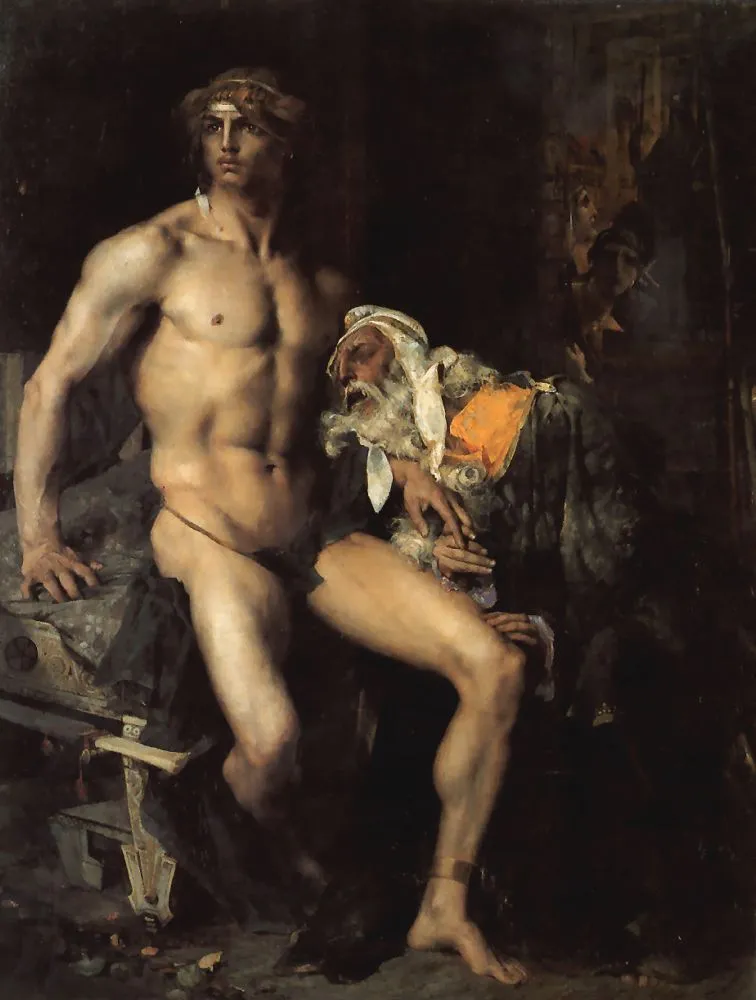
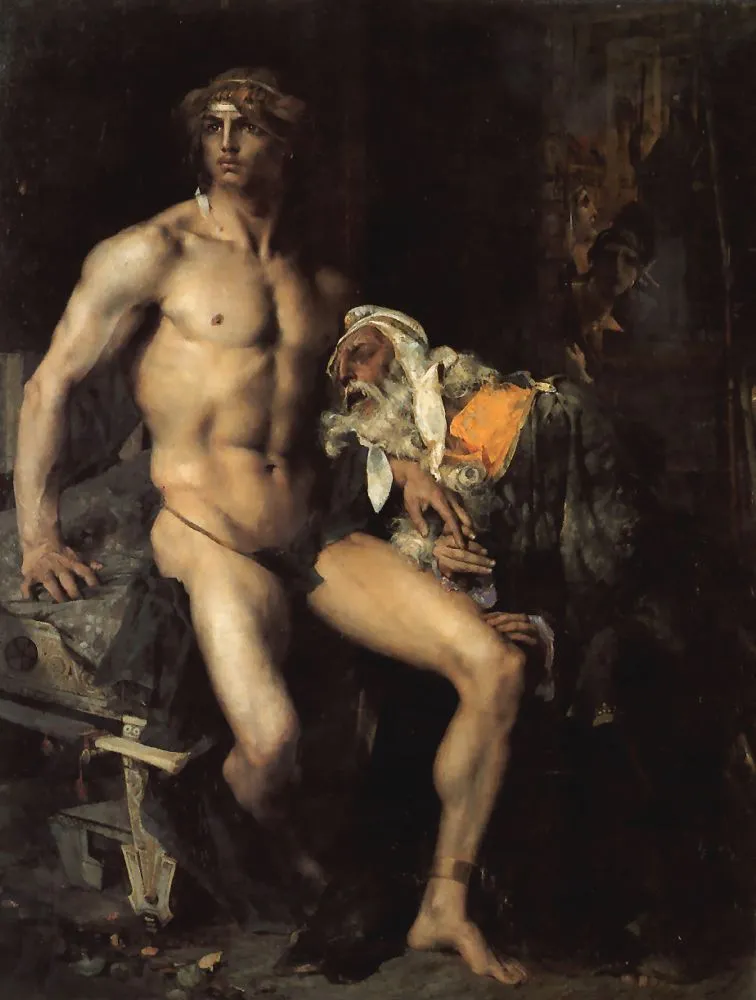
Jules Bastien Lepage’s expertise shines through in every detail of "Priam at Achilles feet," making it a remarkable oil on canvas. The artist’s dedication to realism and atmospheric effect sets this painting apart within the Naturalism movement. The tactile quality and nuanced color palette are reminiscent of his other celebrated works like "Madame Godillot" and "Snow Effect, Damvillers," making this piece a coveted addition for those seeking timeless artistry.
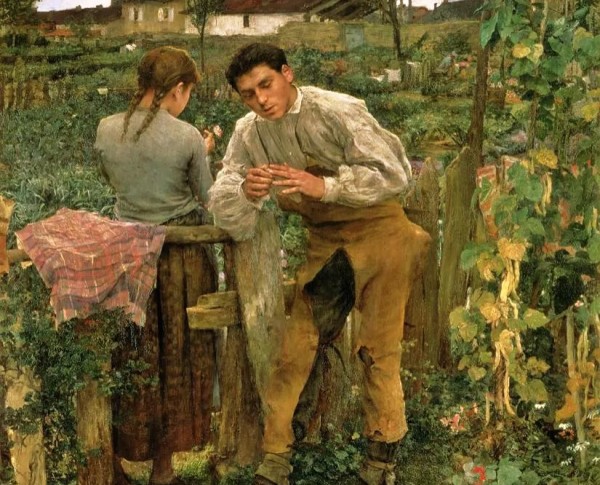
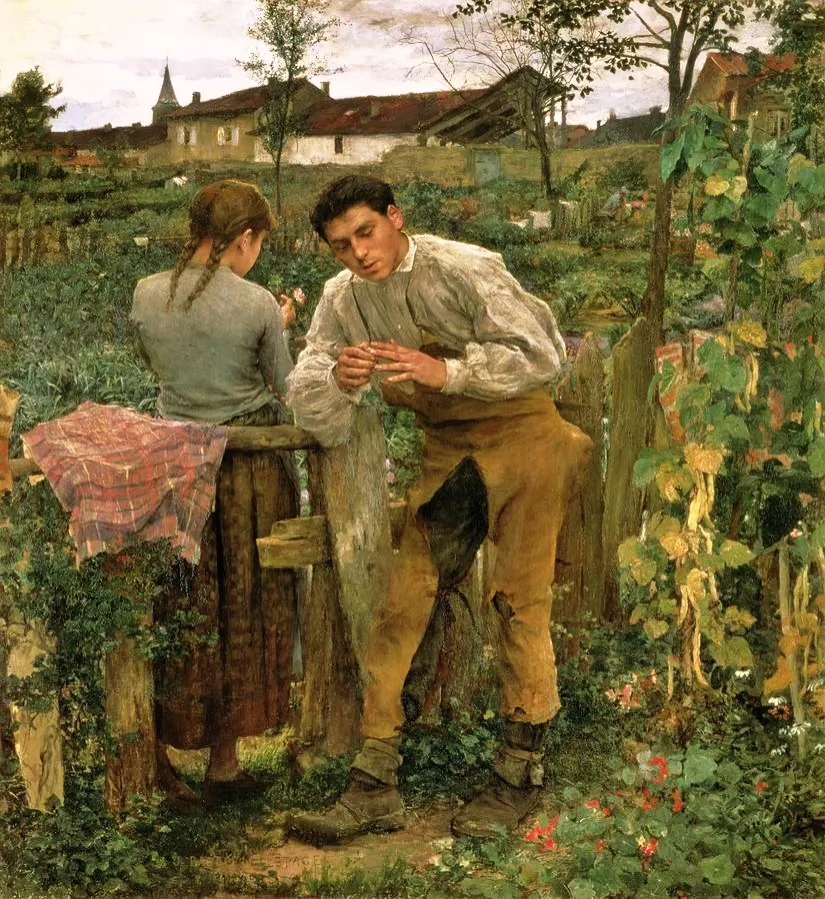
Within "Priam at Achilles feet," the dramatic encounter unfolds with symbolic gestures and intricate expressions, hallmarks of a fine art painting for sale that transcends mere depiction. Lepage’s interpretation offers a narrative depth that resonates with viewers, similar to the storytelling found in his works "October" and "Pas Mèche." This painting invites collectors to explore the rich tapestry of human emotion and myth, central to both the artist’s vision and the Naturalism movement.
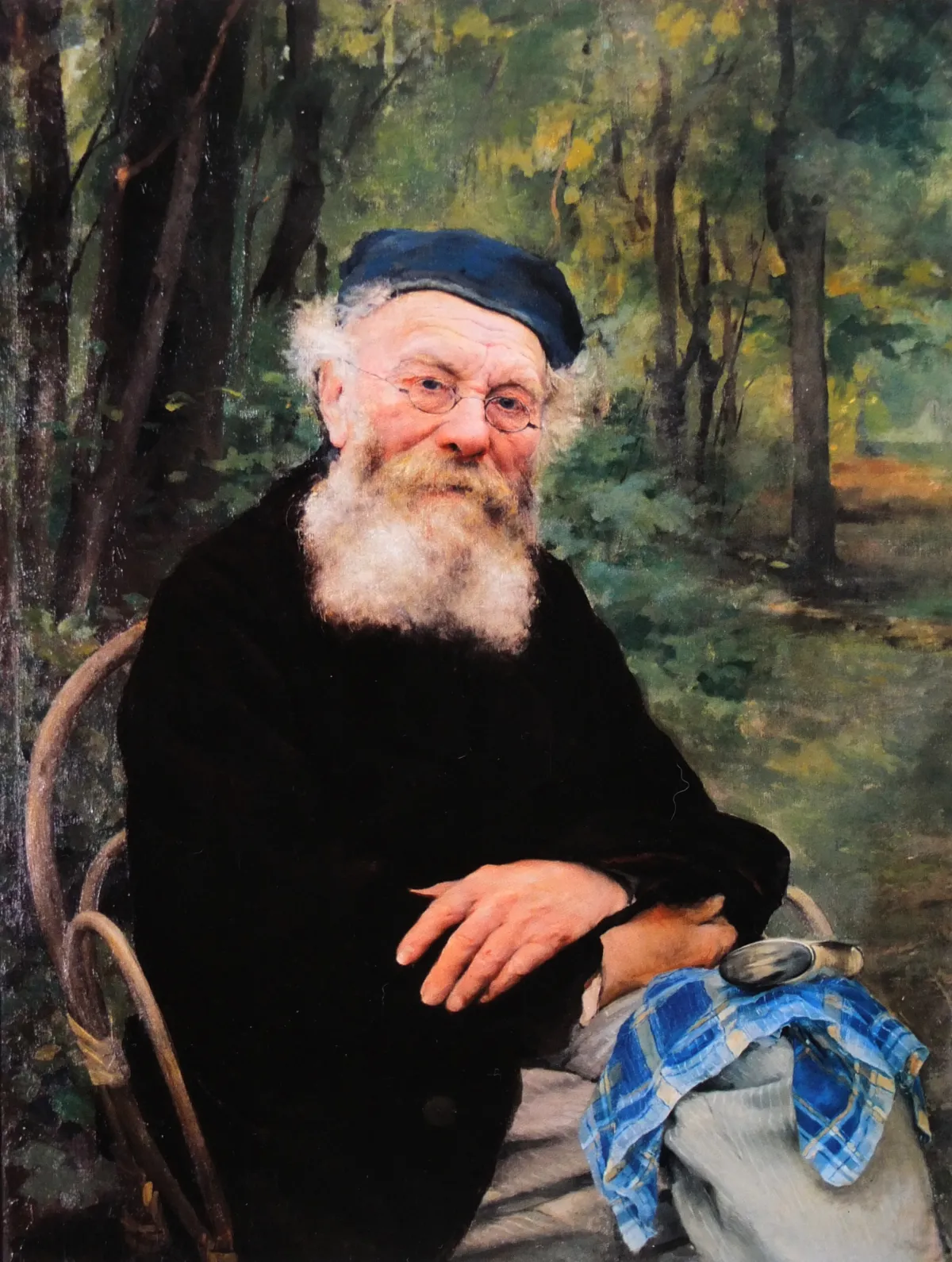
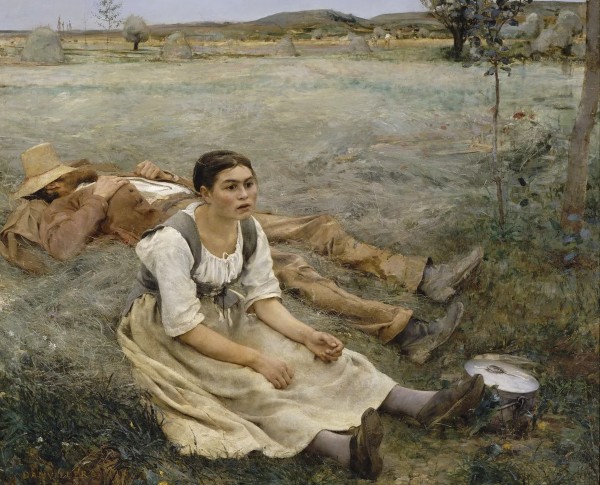
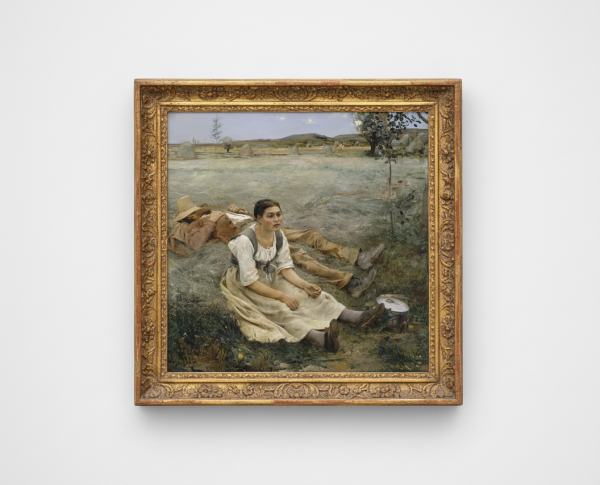
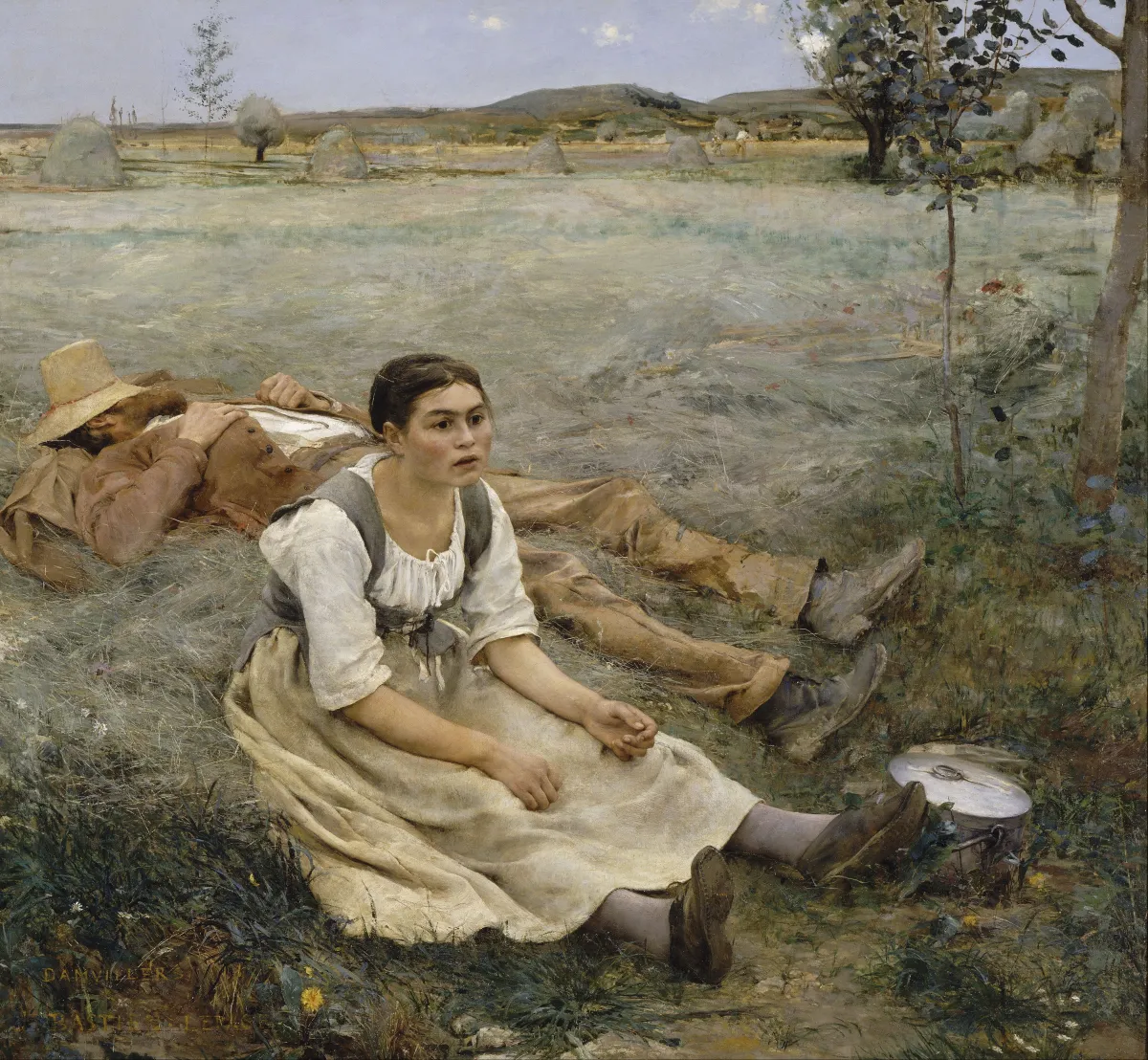
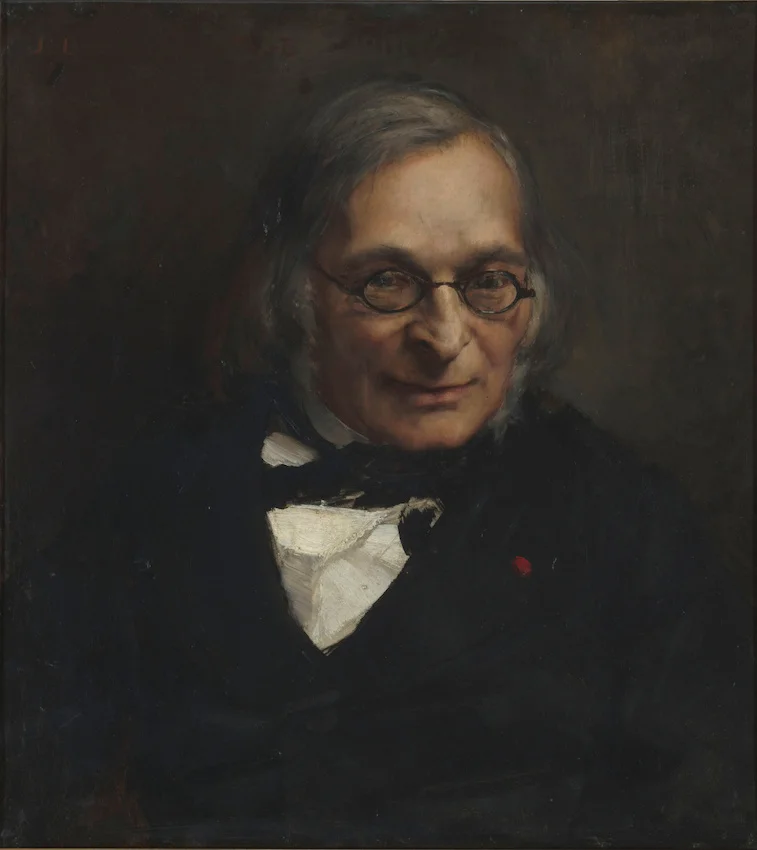
For discerning collectors, "Priam at Achilles feet" by Jules Bastien Lepage represents not only a stunning example of oil on canvas but also a rare opportunity to acquire a fine art painting for sale rooted in Naturalism. Paired with related masterpieces like "The artist's father" and "Hay Making," this painting elevates any collection, offering beauty, history, and a profound connection to one of the movement’s most influential artists.
When Art Meets History
"Priam at Achilles' Feet" by Jules Bastien Lepage beautifully captures a dramatic moment from ancient mythology, reflecting the power of storytelling through art. As a master of the Naturalism movement, Lepage brings historical events to life with remarkable detail. This hand-painted oil painting stands alongside his other works, such as "Wigeon and Teal by the Water's Edge" and "Woodcock Among the Dunes," as a testament to his ability to merge narrative and realism on canvas.
Techniques That Speak
Jules Bastien Lepage's use of oil on canvas in "Priam at Achilles' Feet" demonstrates his signature approach to Naturalism, emphasizing realistic textures and lifelike figures. The brushwork captures subtle shifts in light and shadow, enhancing the emotional gravity of the scene. Lepage's technical mastery can also be seen in related paintings like "Peacock and Peacock Butterfly" and "Ptarmigan Calling in the Snow," making each fine art painting for sale a collector's treasure.
Emotions on Display
In "Priam at Achilles' Feet," the emotional intensity is palpable, with Lepage conveying the grief and desperation of Priam as he pleads with Achilles. Through the Naturalism movement, the artist masterfully presents human vulnerability and strength. This hand-painted oil painting resonates with viewers, much like his "Red Partridges," drawing them into the narrative and leaving a lasting impression with its raw, genuine emotion.
Coveted by Collectors
For art enthusiasts and collectors, "Priam at Achilles' Feet" by Jules Bastien Lepage represents a valuable addition to any collection of fine art painting for sale. The artist's association with the Naturalism movement and his realistic depictions, as seen in works like "Woodcock Among the Dunes," make his oil on canvas masterpieces highly sought after. Each painting offers a glimpse into history and the artist's profound understanding of the human condition.
Related Naturalism Hand-Painted Oil Paintings by Other Artists
Other Famous Naturalism Artists:
Frequently Asked Questions About Priam at Achilles feet
What historical event does "Priam at Achilles feet" depict?
The painting illustrates the moment from Homer's "Iliad" where King Priam of Troy begs Achilles for the return of his son Hector's body, highlighting themes of loss, grief, and the human condition during the Trojan War.
Who was Jules Bastien Lepage and what is his significance in art history?
Jules Bastien Lepage was a French painter known for his naturalistic style and his ability to capture emotion and realism in his works. He played a significant role in the transition from academic art to more modern approaches in the late 19th century.
What artistic techniques did Lepage employ in this painting?
Lepage utilized a combination of realistic detail, dramatic lighting, and expressive figures to convey the emotional intensity of the scene. His use of color and composition draws the viewer's eye to the central figures of Priam and Achilles.
What is the significance of the figures of Priam and Achilles in the painting?
Priam represents the vulnerability of humanity and the depths of parental love, while Achilles embodies the complexities of honor, rage, and the consequences of war. Their interaction encapsulates the tragic nature of the human experience in conflict.
How does "Priam at Achilles feet" reflect the themes of the Romantic movement?
The painting reflects Romantic themes through its focus on individual emotion, the sublime nature of human suffering, and the exploration of classical subjects with deep emotional resonance, emphasizing the personal over the historical.
What role does the setting play in the painting?
The setting, characterized by its somber tones and dramatic contrasts, enhances the emotional weight of the scene. It serves as a backdrop that underscores the gravity of Priam's plea and the tension between the two figures.
In what ways does the painting challenge traditional representations of heroism?
By portraying Achilles, a traditionally heroic figure, in a moment of vulnerability and moral conflict, Lepage challenges the notion of heroism, suggesting that true strength lies in compassion and understanding rather than mere martial prowess.
What symbolism is present in the gestures and expressions of the characters?
The gestures and expressions of Priam and Achilles convey a profound sense of desperation and contemplation. Priam's outstretched arms symbolize his plea for mercy, while Achilles' conflicted expression reflects the turmoil of his conscience.
How does this painting compare to other works of the same period?
Compared to other works of the period, "Priam at Achilles feet" stands out for its emotional depth and realism. While many artists focused on grand historical narratives, Lepage's intimate portrayal emphasizes personal tragedy and human connection.
What impact did "Priam at Achilles feet" have on contemporary artists?
The painting influenced contemporary artists by demonstrating the power of emotional storytelling in art. It encouraged a shift towards more personal and relatable subjects, paving the way for future movements that prioritized individual experience over idealized narratives.























_GFM_Painting_(1).webp)


 100% Hand-Painted: Finished in 3-6 Weeks

.png)
















_(1).webp)