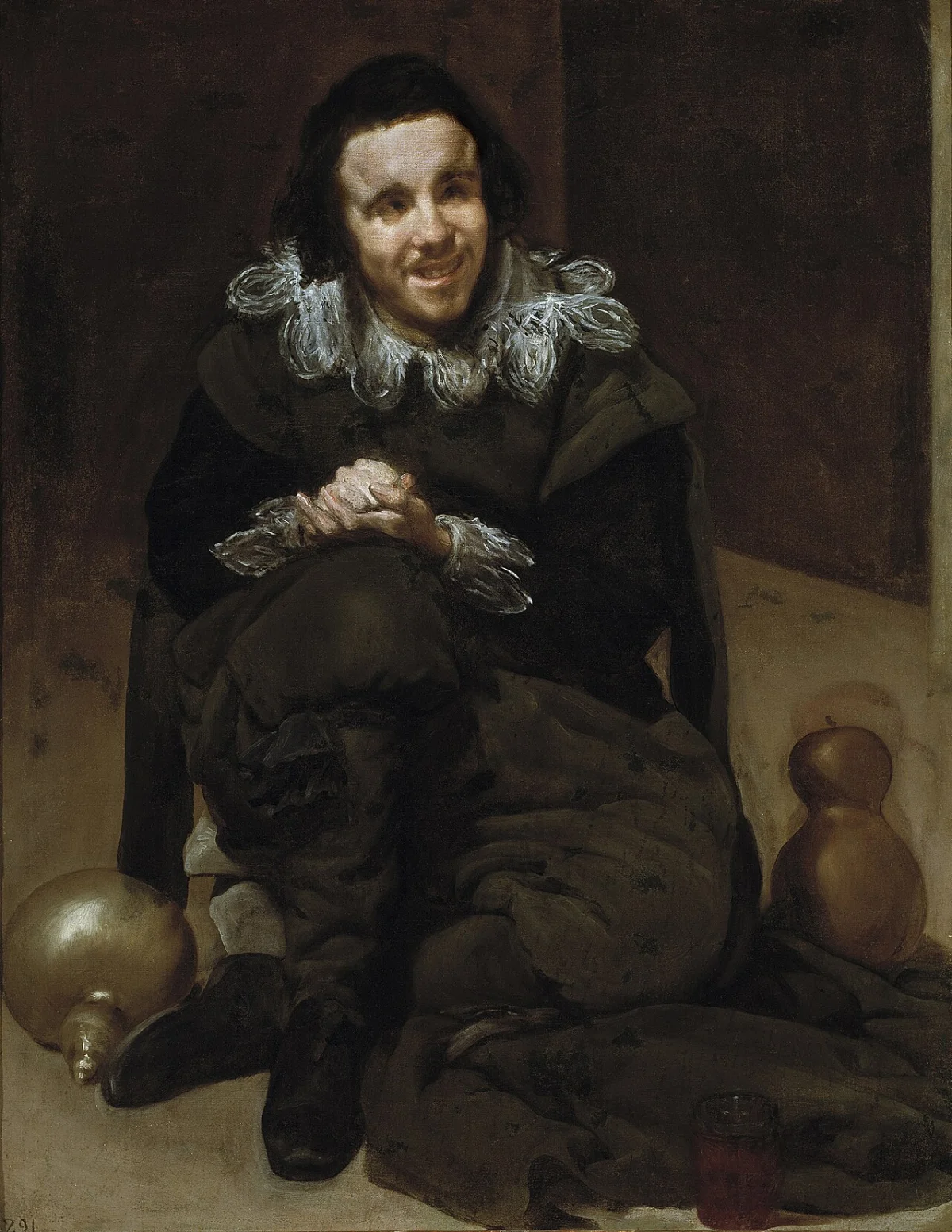
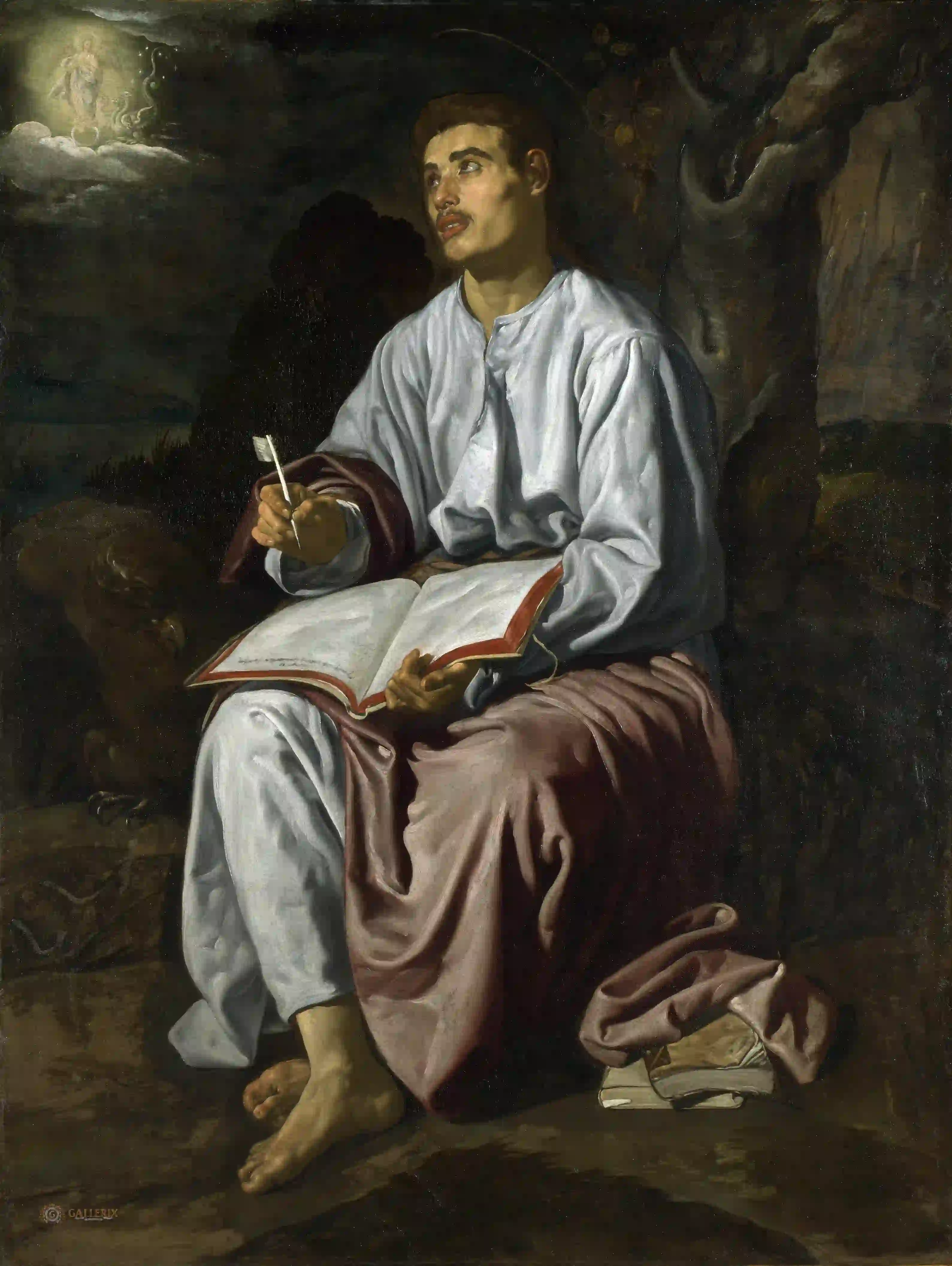
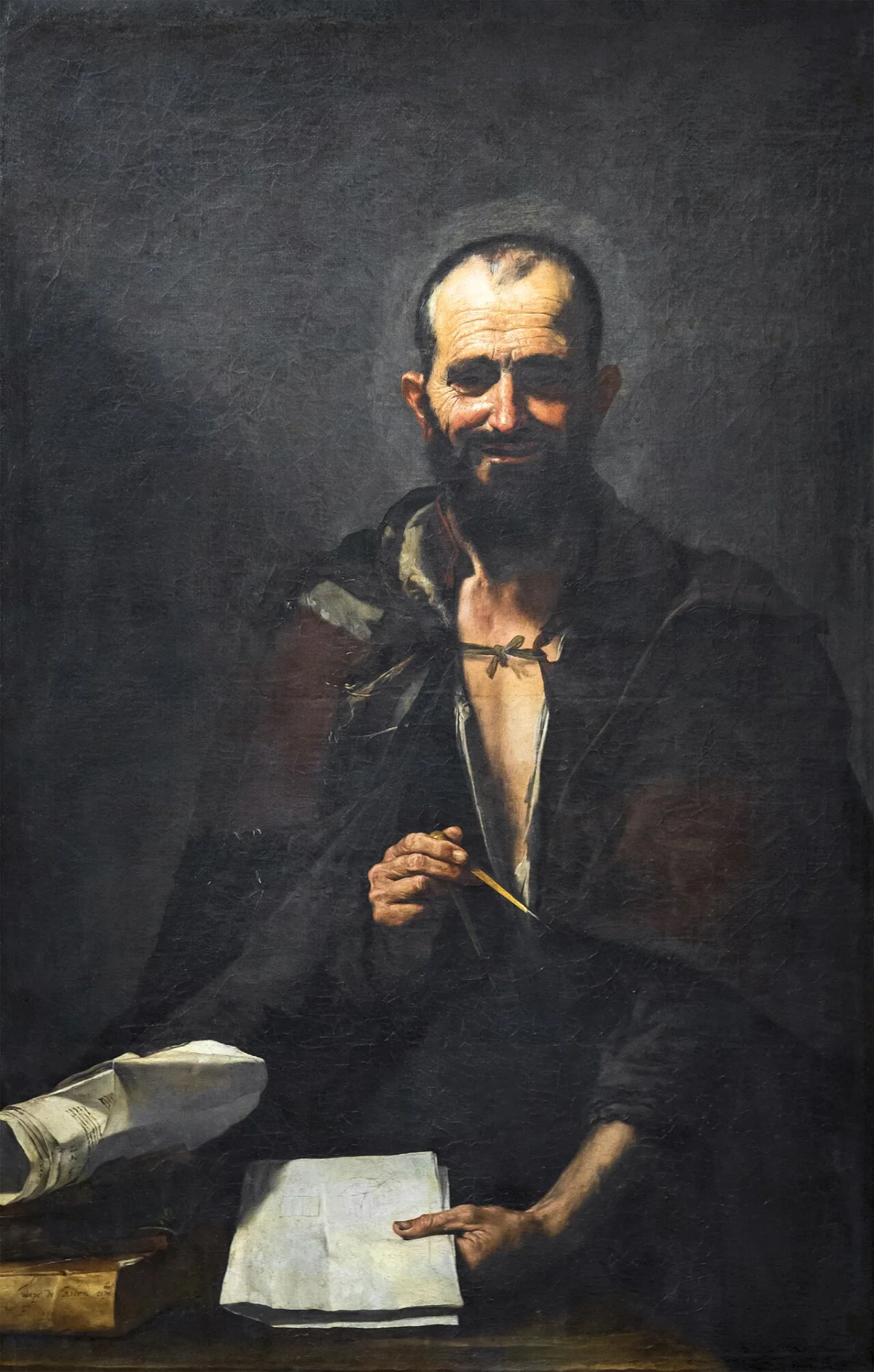
Velazquez’s "Saint John at Patmos" reveals his unparalleled skill with oil on canvas, a medium that brings depth and texture to his Realism masterpieces. The careful rendering of light and shadow, combined with the lifelike depiction of the saint, showcases why the artist remains a cornerstone of art history. Collectors appreciate this technique in related works like "Three Musicians" and "Head of a Girl," which also exemplify his refined approach to oil on canvas.
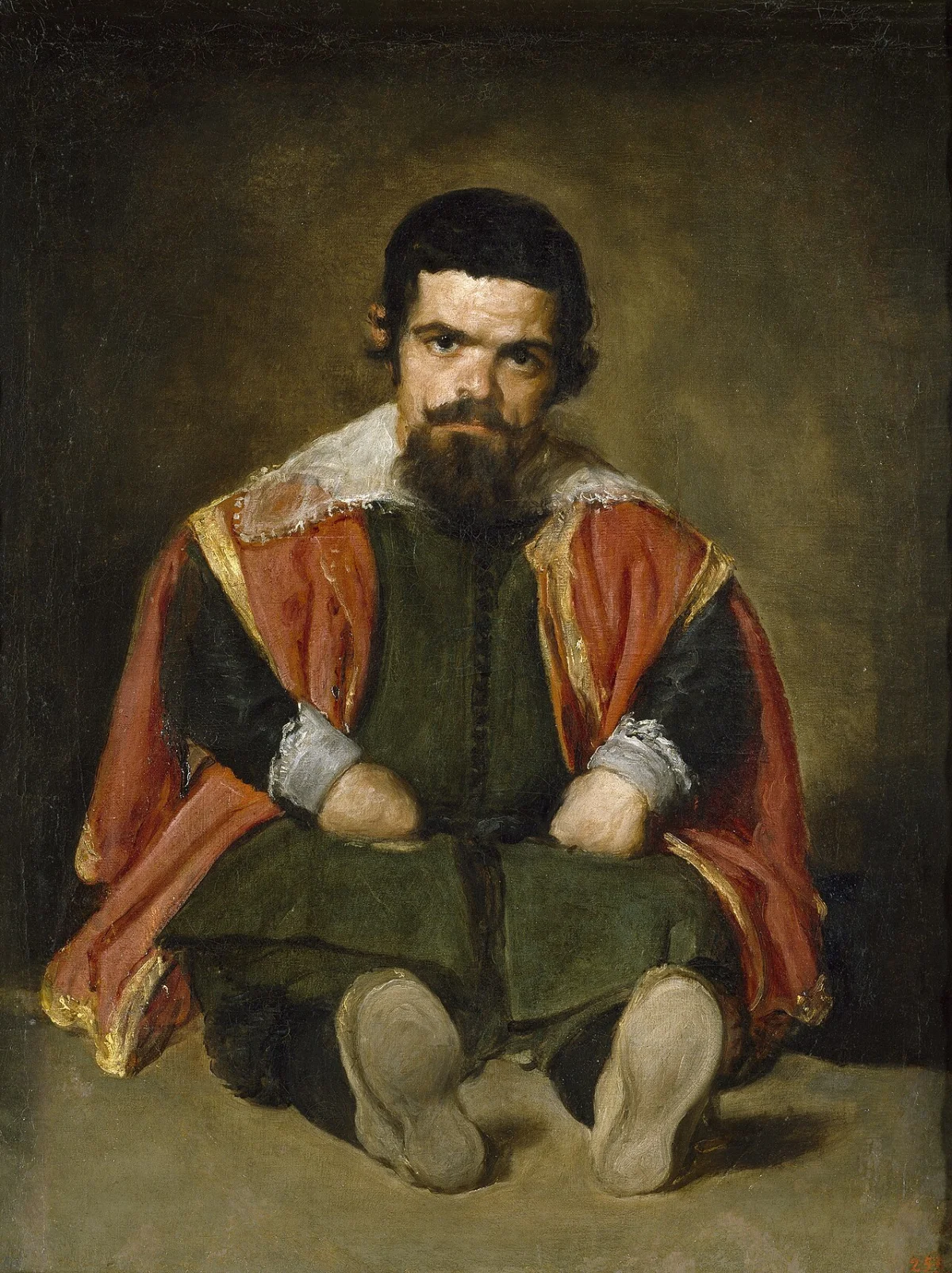
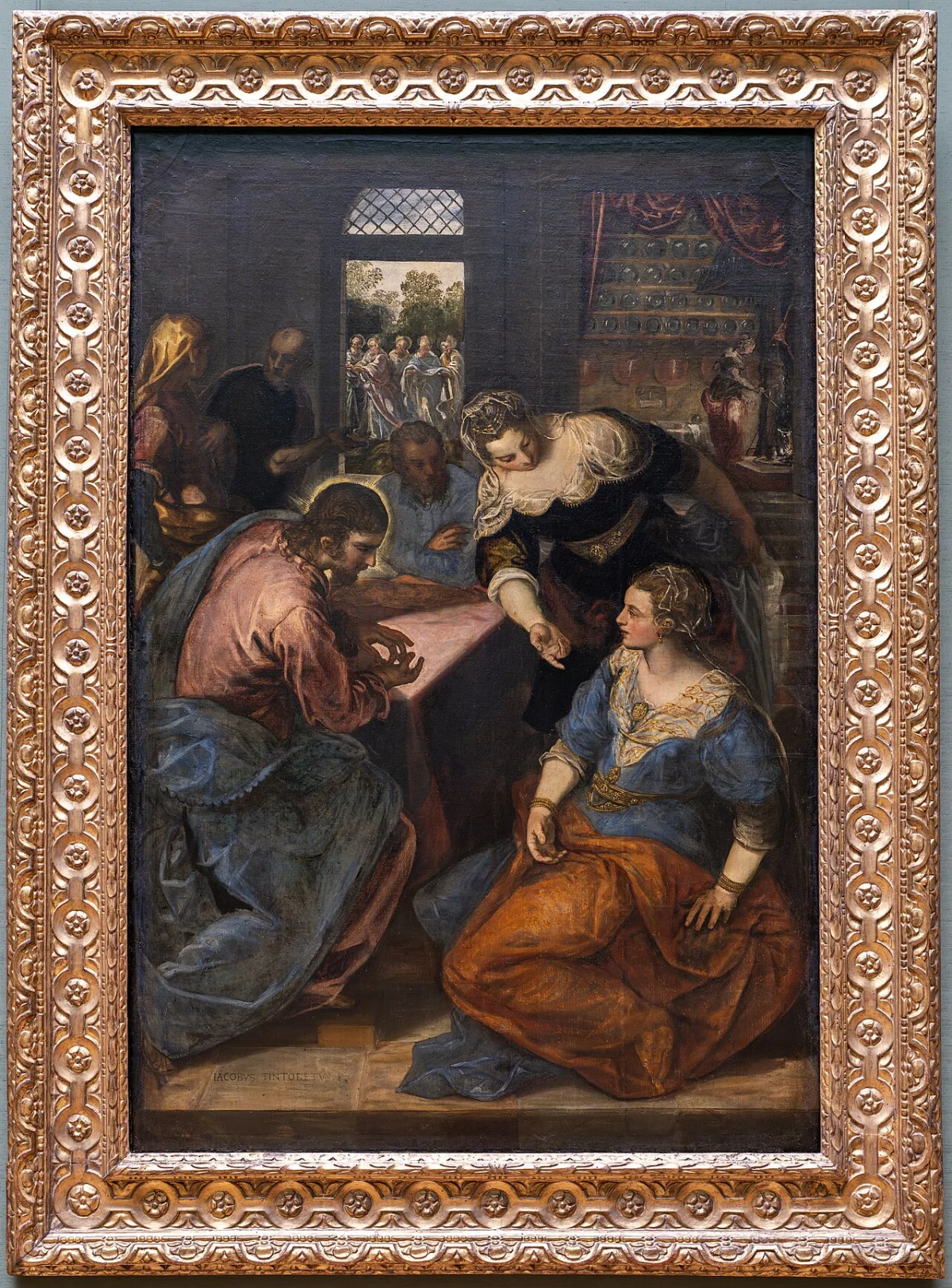
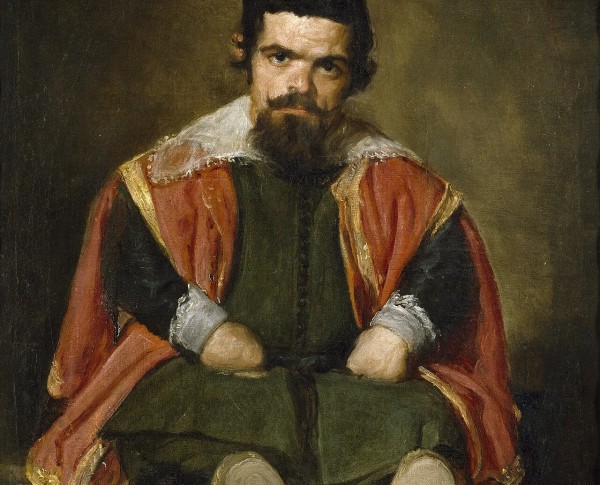
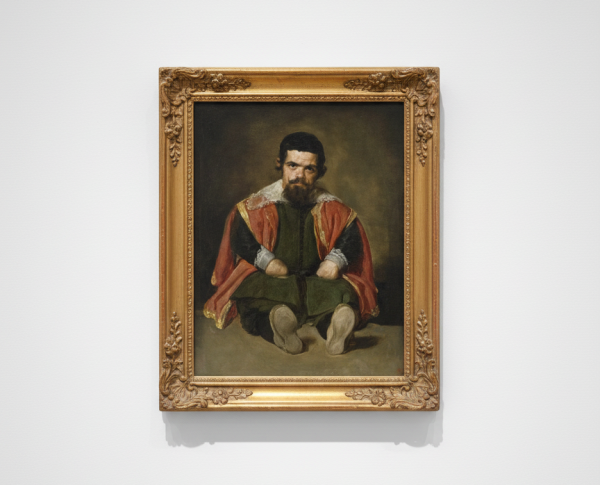
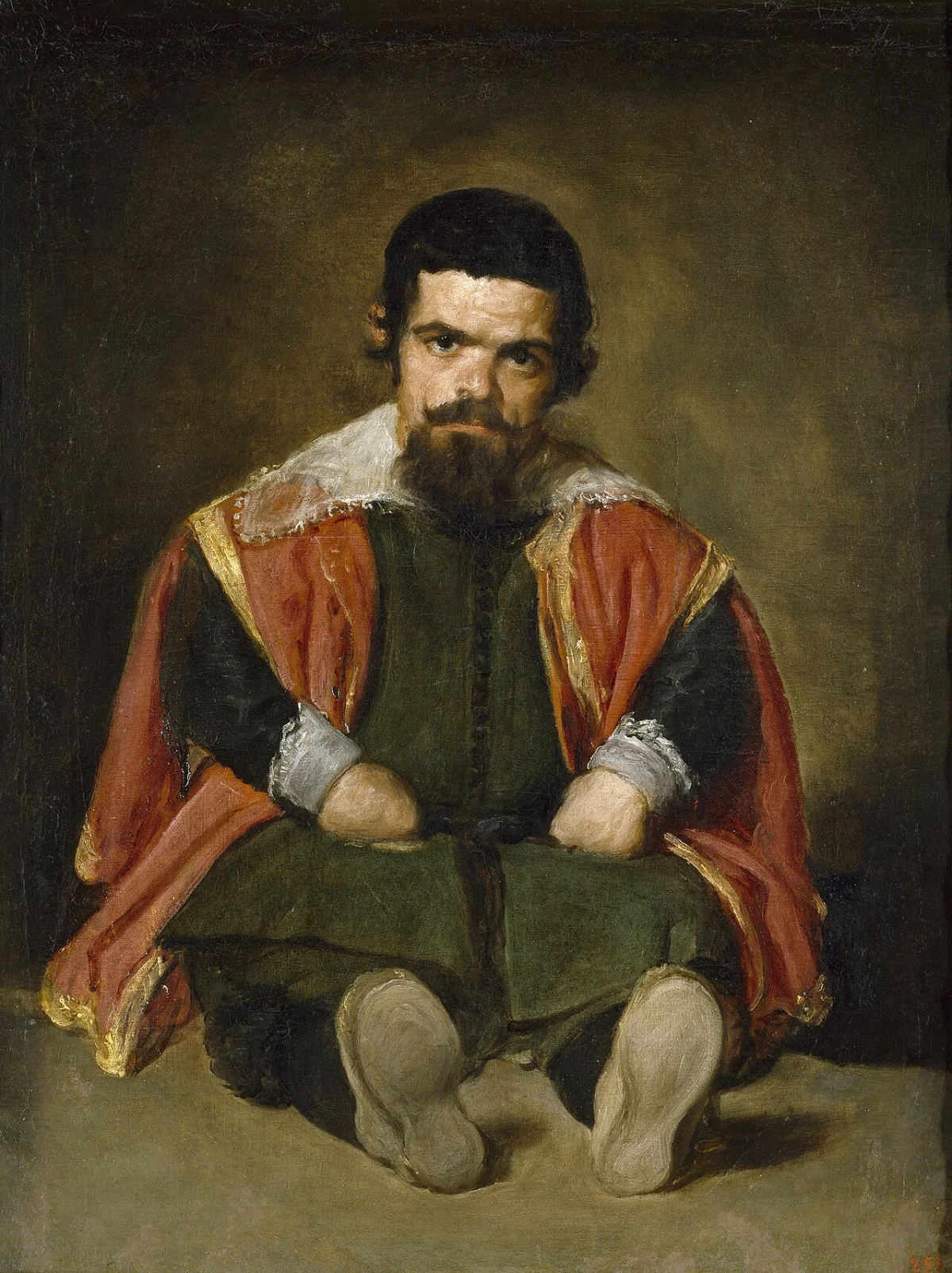
In "Saint John at Patmos," Diego Rodriguez de Silva y Velazquez weaves symbolic elements into every detail, making this hand-painted oil painting a narrative-rich treasure. The figure’s contemplative pose and the surrounding landscape evoke themes of revelation and solitude, hallmarks of the Realism movement. Similar storytelling can be found in Velazquez’s "Portrait of Sebastián de Morra" and "Kitchen Scene with the Supper in Emmaus," both of which offer collectors a glimpse into the artist’s narrative prowess.
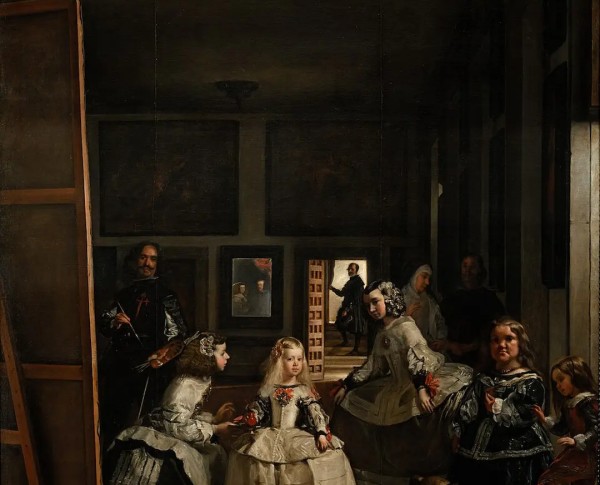
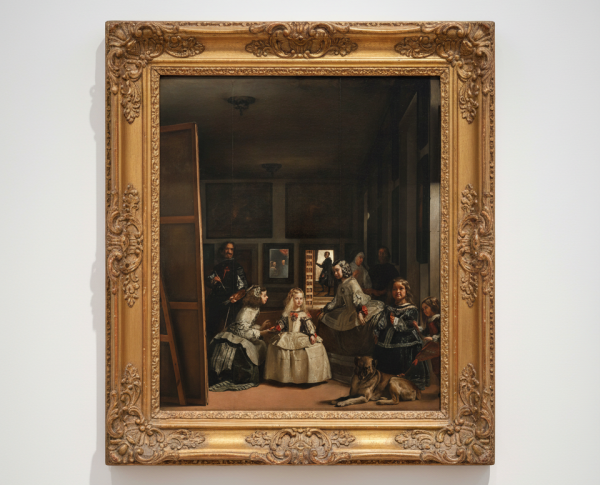
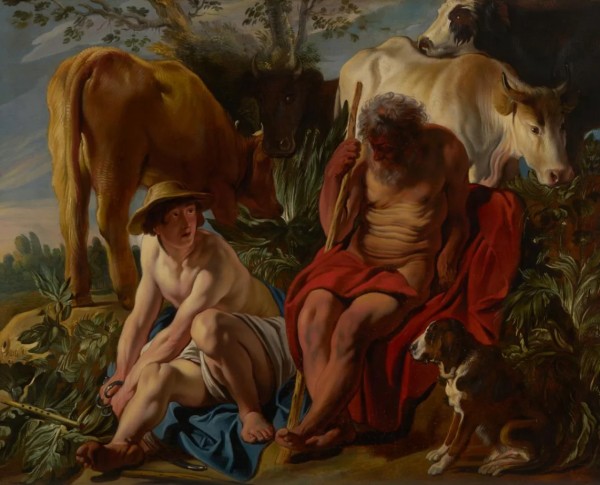
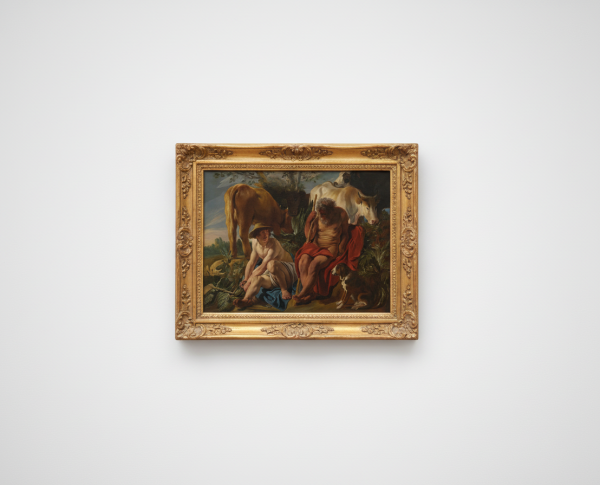
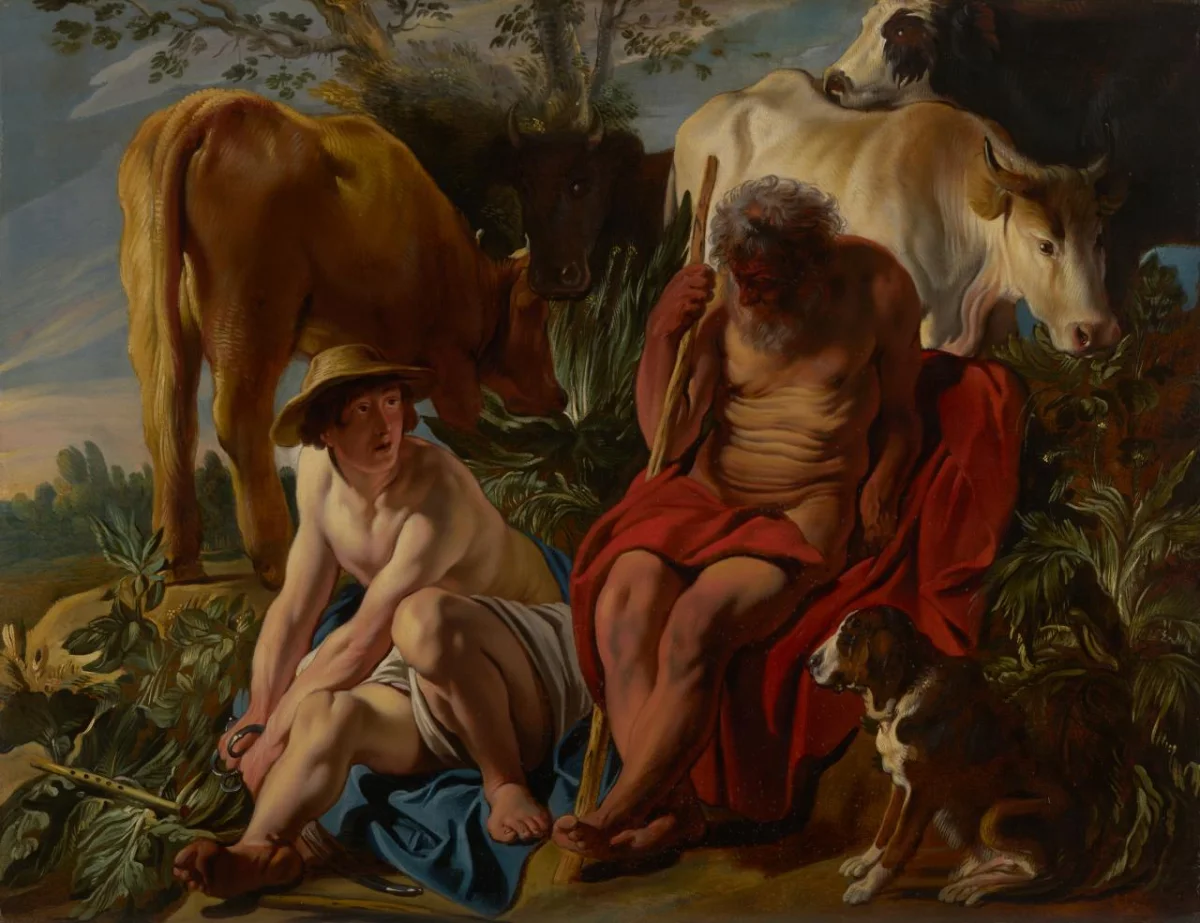
Acquiring "Saint John at Patmos" or other masterpieces by Velazquez, such as "Las Meninas" and "Mercury and Argus," is a dream for those seeking a fine art painting for sale. The enduring appeal and historical significance of these oil on canvas works make them prized additions to any collection. As a leading figure in the Realism movement, Velazquez’s paintings continue to captivate collectors and inspire the pursuit of exceptional art.
When Art Meets History
"Saint John at Patmos" by Diego Rodriguez de Silva y Velazquez stands as a remarkable example of the Realism movement. Painted with exquisite detail, this hand-painted oil painting captures a pivotal biblical moment, bridging the gap between spirituality and historical narrative. Velazquez, renowned for masterpieces like "Lady Godiva" and "The barque of Dante," brings the scene to life with authenticity, making this work a significant piece for those passionate about both art history and religious iconography.
Techniques That Speak
Velazquez’s mastery is evident in his use of oil on canvas, a medium that allowed for subtle gradations and lifelike textures. In "Saint John at Patmos," the artist employs careful brushwork and realistic lighting to evoke depth and emotion. This technique is shared with related works such as "Breezing Up (or A Fair Wind)" and "Marble Falls," demonstrating his influence across the Realism movement. Every stroke in this painting reveals Velazquez's dedication to true-to-life representation.
Emotions on Display
The emotional resonance of "Saint John at Patmos" is palpable, as Velazquez infuses the scene with a sense of solitude and revelation. The saint’s contemplative expression and the serene landscape evoke introspection, similar to the mood found in "In Front of Yorktown" and "Lady Godiva." This fine art painting for sale invites viewers to reflect on spiritual and personal journeys, making it a cherished addition for those who seek deeper meaning in their art collections.
Coveted by Collectors
Collectors worldwide highly value "Saint John at Patmos" for its historical significance and artistic excellence. As a fine example of a hand-painted oil painting from the Realism movement, works by Diego Rodriguez de Silva y Velazquez are highly sought after. Alongside related masterpieces like "The barque of Dante," this painting remains a coveted treasure. For art enthusiasts searching for a fine art painting for sale, this piece represents a rare opportunity to own a slice of art history.
Related Realism Hand-Painted Oil Paintings by Other Artists
Other Famous Realism Artists:
Frequently Asked Questions About Saint John at Patmos
What is the historical context of "Saint John at Patmos"?
"Saint John at Patmos" was painted by Diego Rodriguez de Silva y Velazquez in the early 17th century, a time when Spain was a dominant power in Europe. This period saw a flourishing of the arts, particularly in Spain, where religious themes were prevalent in artwork due to the Counter-Reformation.
What is the significance of the subject matter in the painting?
The painting depicts Saint John, the Evangelist, who is traditionally believed to have received divine revelations on the island of Patmos. This subject matter reflects the themes of spirituality and divine inspiration, which were central to Baroque art.
How does Velazquez's style influence the portrayal of Saint John?
Velazquez's style is characterized by a realistic approach and a mastery of light and shadow. In "Saint John at Patmos," he employs these techniques to create a sense of depth and emotional intensity, enhancing the spiritual experience of the viewer.
What artistic techniques are utilized in "Saint John at Patmos"?
The painting showcases Velazquez's use of chiaroscuro, which contrasts light and dark to create volume and drama. Additionally, his brushwork is fluid and expressive, contributing to the overall emotional impact of the piece.
What symbols are present in the painting, and what do they represent?
In "Saint John at Patmos," the presence of the open book symbolizes divine knowledge and revelation, while the eagle, often associated with Saint John, represents the spiritual elevation and the lofty nature of his writings.
How does the composition of the painting contribute to its meaning?
The composition is carefully arranged to draw the viewer's eye toward Saint John, emphasizing his contemplative pose. This focus on the figure suggests a moment of divine communication, inviting the viewer to reflect on the spiritual significance of the scene.
What role did Velazquez play in the Spanish Baroque movement?
Velazquez is considered one of the leading figures of the Spanish Baroque movement. His innovative techniques and profound understanding of human emotion helped to elevate the status of painting in Spain and influenced generations of artists.
How does "Saint John at Patmos" compare to other works by Velazquez?
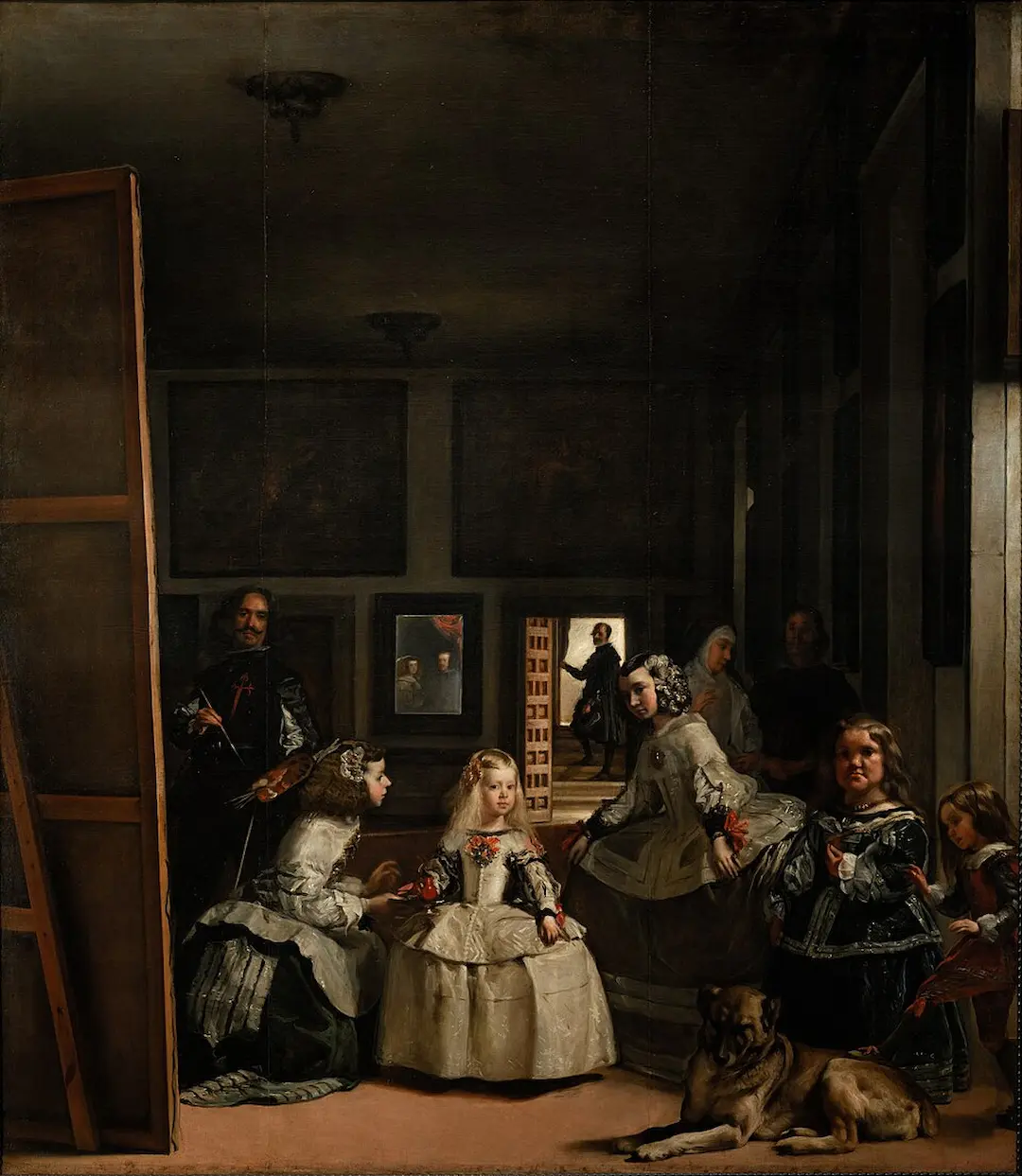
While "Saint John at Patmos" is distinct in its religious theme, it shares Velazquez's hallmark qualities of realism and emotional depth with other works, such as "Las Meninas." Both pieces demonstrate his ability to capture the human experience through masterful technique.
What is the significance of the location depicted in the painting?
The island of Patmos is significant as it is believed to be the place where Saint John received the visions that led to the writing of the Book of Revelation. This setting adds a layer of mystique and importance to the narrative of the painting.
How has "Saint John at Patmos" influenced modern interpretations of religious art?
The painting has influenced modern interpretations by emphasizing the emotional and psychological aspects of religious figures. Velazquez's approach encourages contemporary artists to explore spirituality through personal and relatable expressions, bridging the past with modern artistic practices.























_GFM_Painting_(1).webp)


 100% Hand-Painted: Finished in 3-6 Weeks

.png)















_(1).webp)