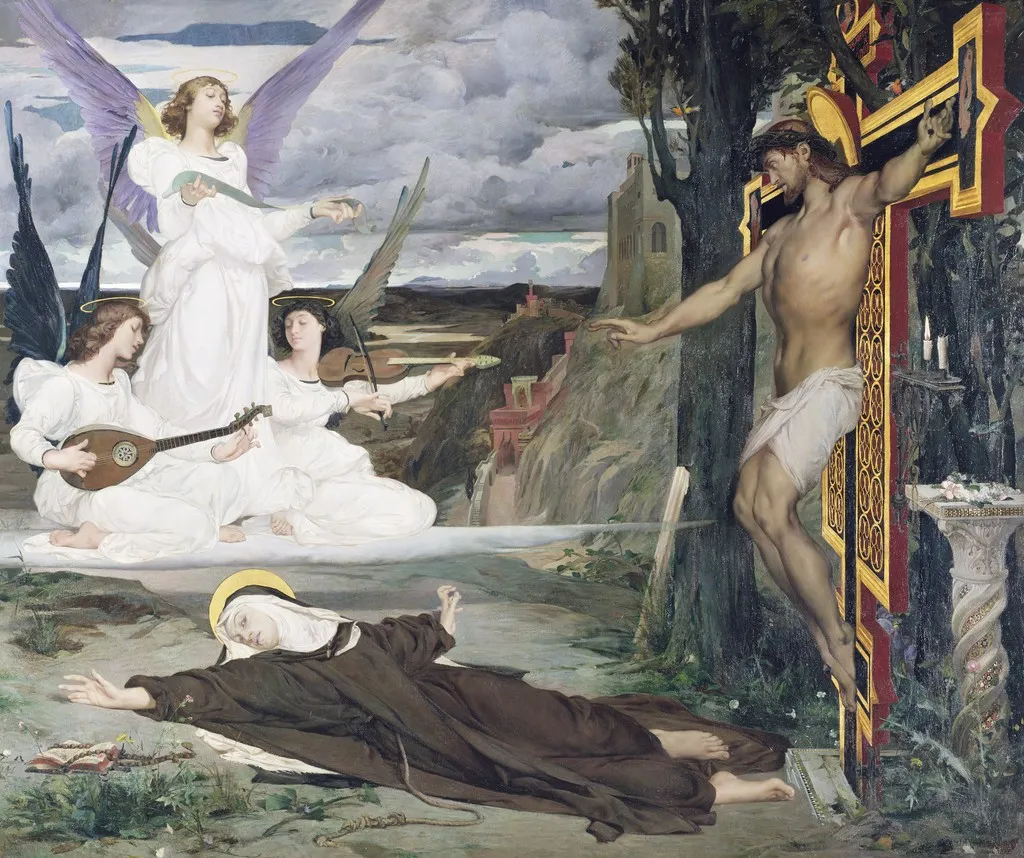
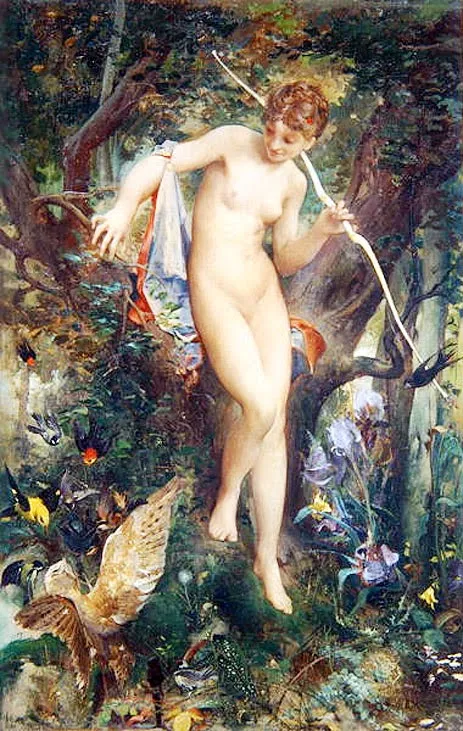
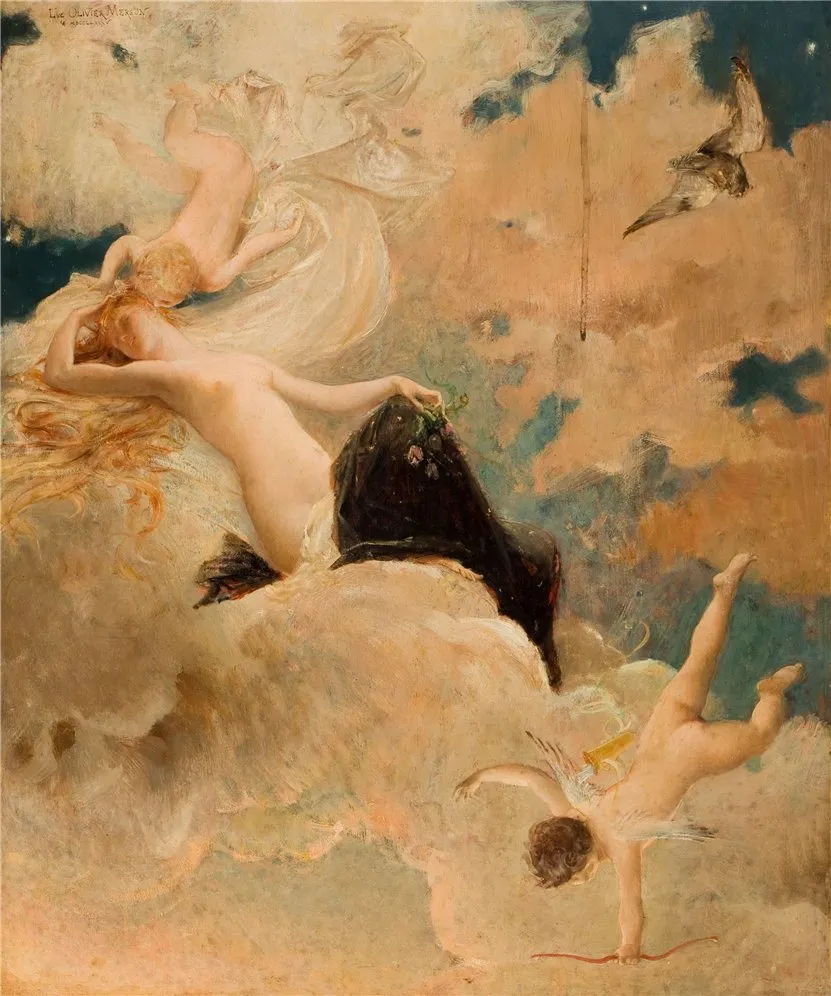
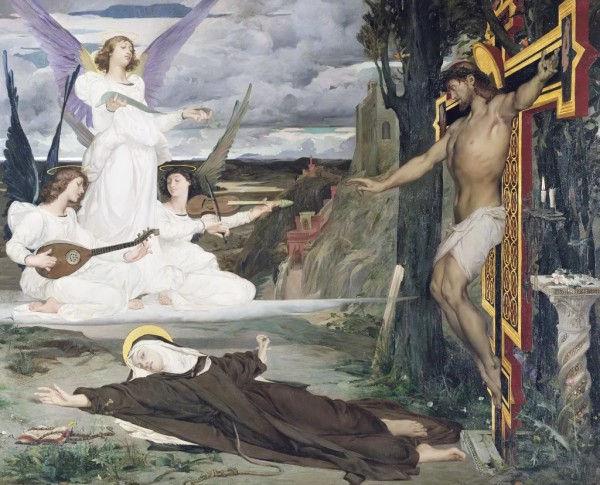
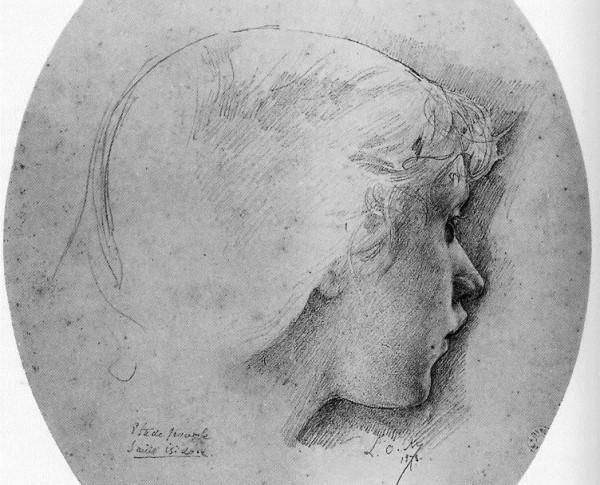
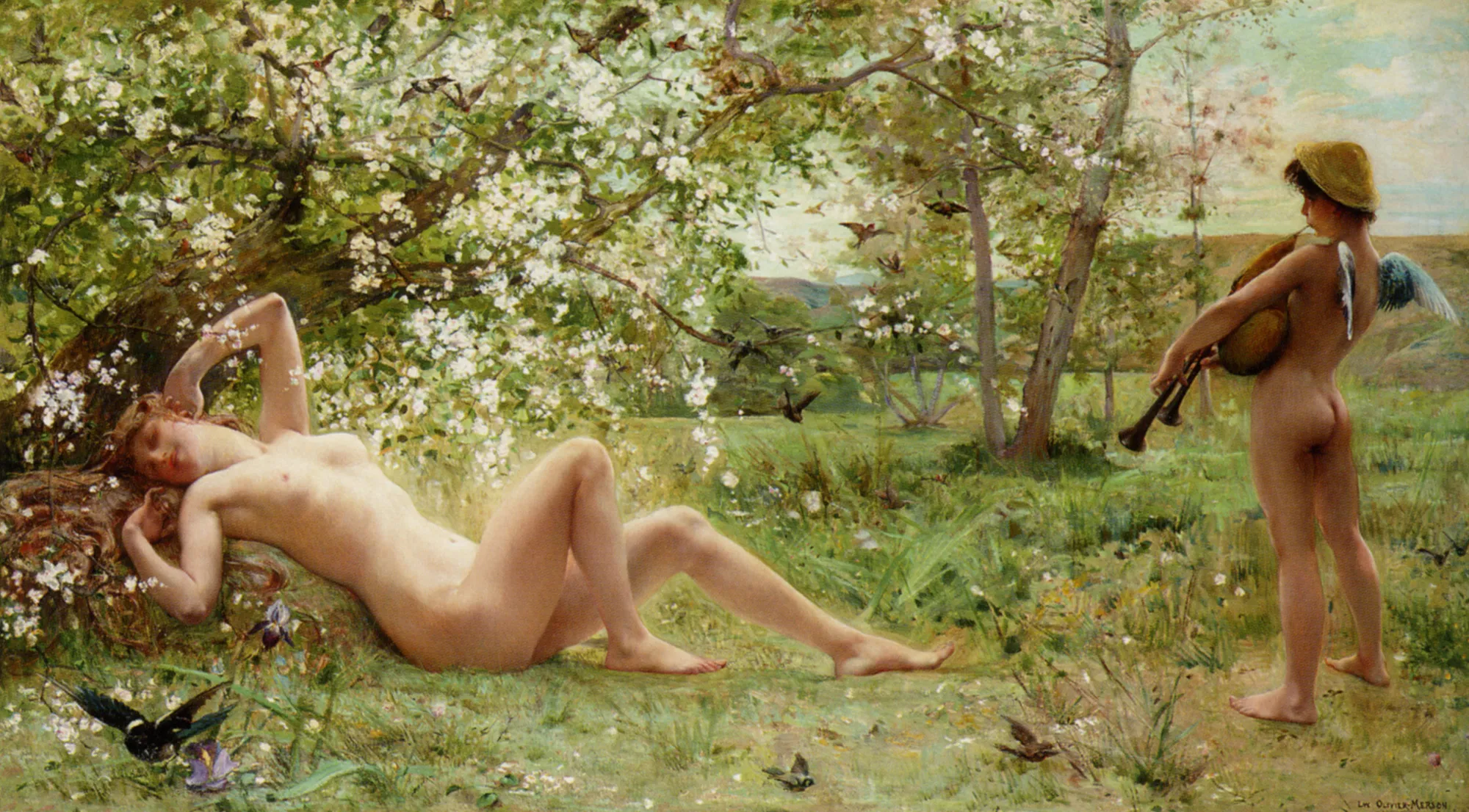
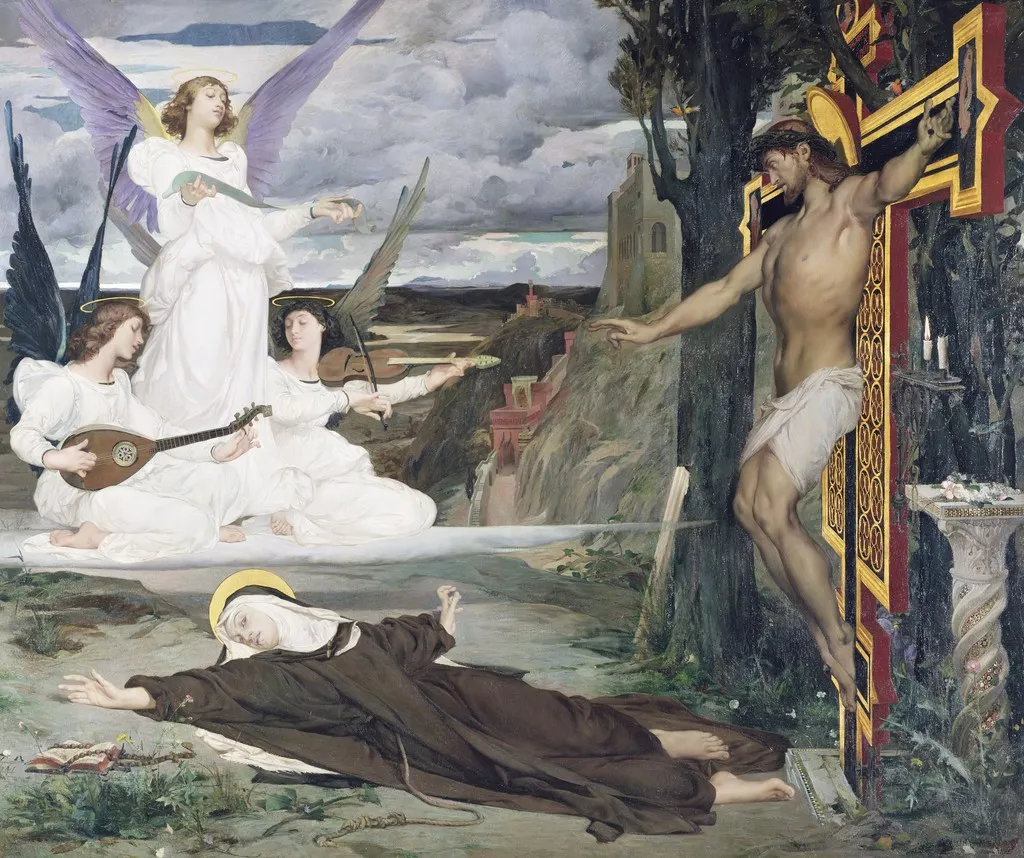
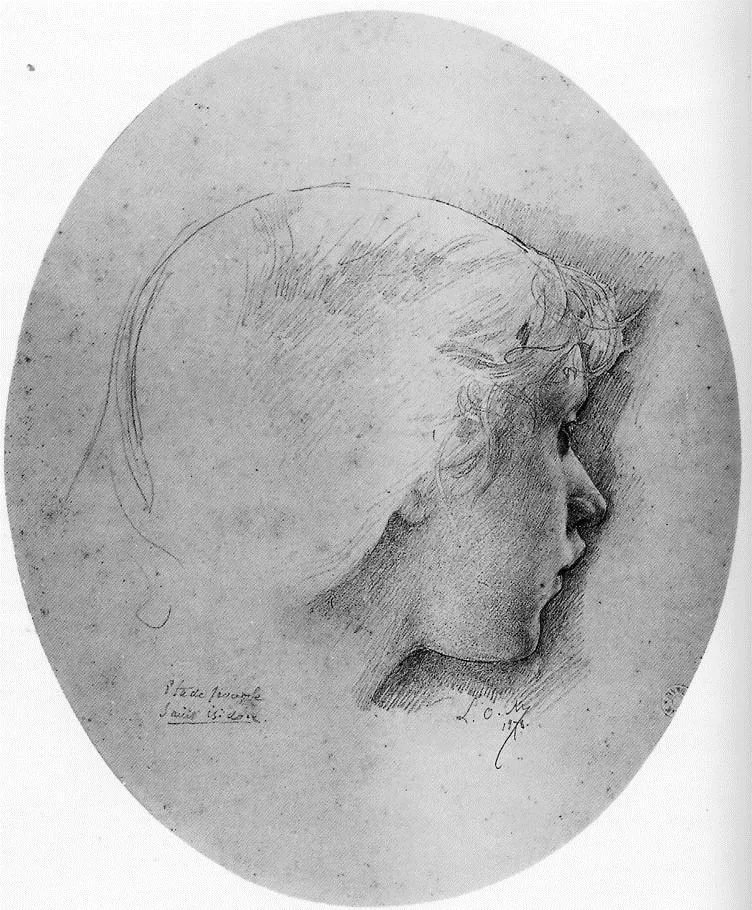
Luc-Olivier Merson’s technical prowess is evident in "Springtime Awakening," where the artist’s use of oil on canvas brings depth and luminosity to the scene. The Academic Art movement is defined by meticulous attention to detail, and Merson’s work exemplifies this tradition. Similar to his renowned paintings "St Louis, study for a painting done in" and "Legend of the 14th Century," this fine art painting for sale showcases the artist’s remarkable ability to blend realism with poetic imagination.
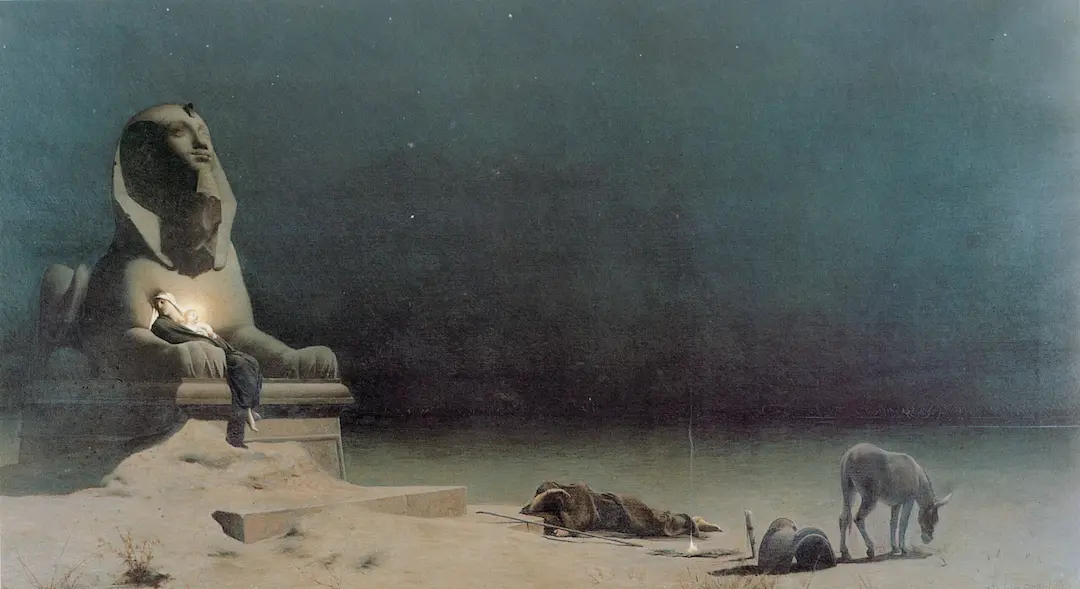
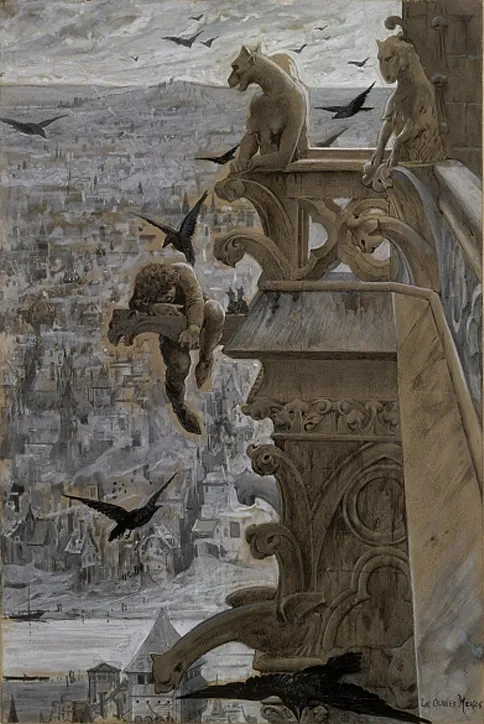
In "Springtime Awakening," Merson infuses his signature symbolism, inviting viewers to interpret the narrative beneath the surface of this hand-painted oil painting. Echoing the storytelling seen in "Rest on the Flight into Egypt" and "The Hunchback of Notre-Dame," the artwork weaves together themes of rebirth and transformation. The Academic Art movement’s emphasis on allegory and myth is evident, making this oil on canvas a captivating addition for those seeking meaningful fine art painting for sale.
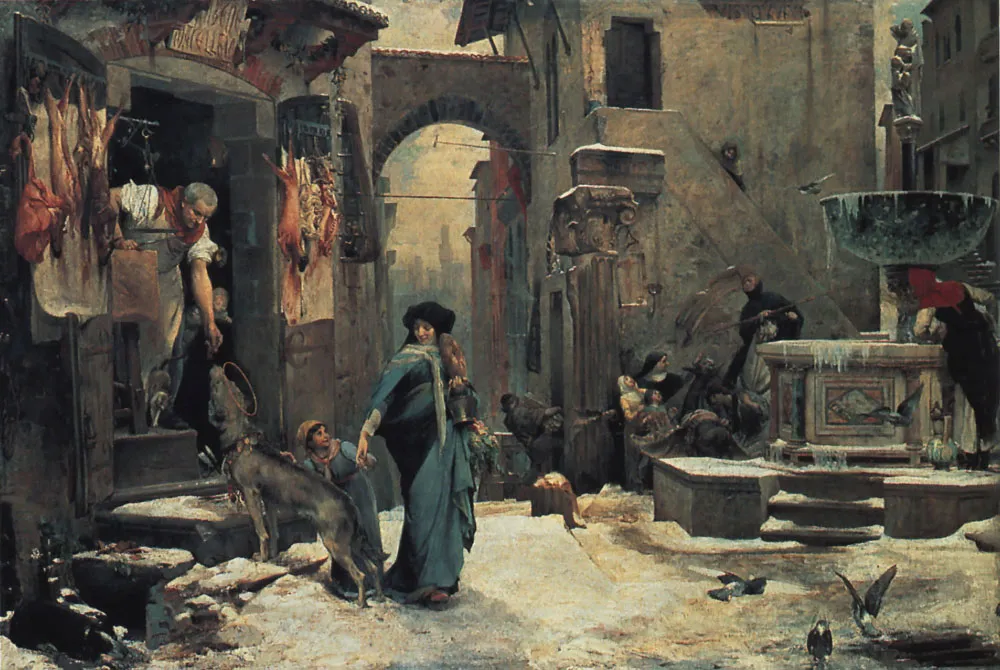
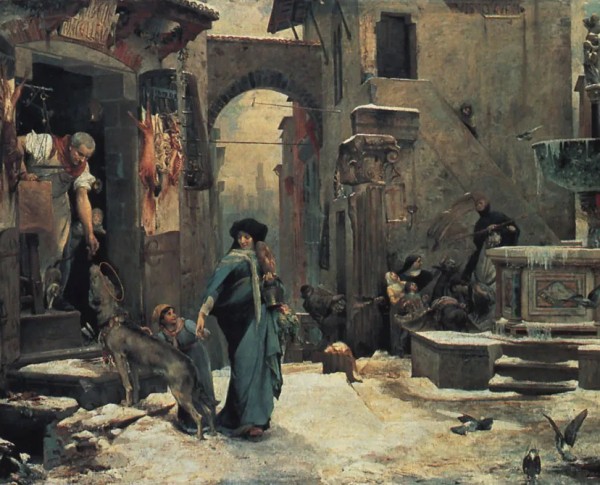
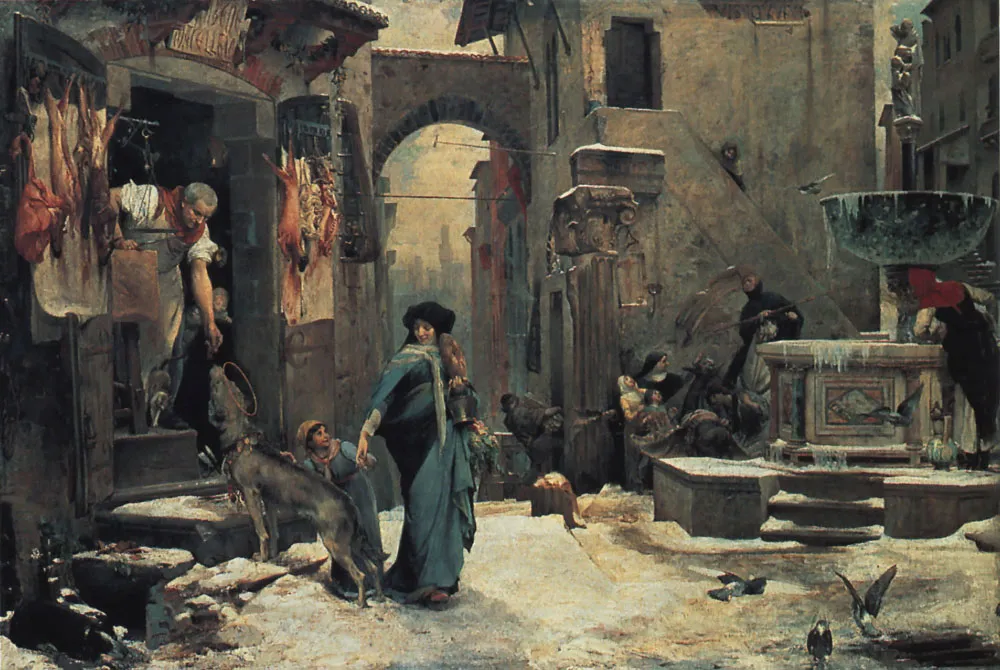
For discerning collectors, "Springtime Awakening" by Luc-Olivier Merson represents a rare opportunity to own a piece of Academic Art history. This oil on canvas not only embodies the artist’s celebrated style but also complements collections featuring related works like "The Wolf of Agubbio." As a fine art painting for sale, it offers both aesthetic pleasure and investment value, making it a prized acquisition for those passionate about the timeless allure of hand-painted masterpieces.
When Art Meets History
"Springtime Awakening" by Luc-Olivier Merson stands as a testament to the grandeur of the Academic Art movement. This hand-painted oil painting captures not only the beauty of rebirth but also the historical essence of its era. Merson, renowned for masterpieces like "La Bataille De Conte La Prusse" and "Reclining Odalisque," weaves narrative and tradition into every brushstroke, connecting viewers to a time when art and culture flourished in harmony.
Techniques That Speak
Luc-Olivier Merson's mastery shines through in "Springtime Awakening," where his use of oil on canvas demonstrates classical techniques revered in Academic Art. With delicate layering and expert control of light, Merson brings life and vibrancy to his subjects. His approach, also seen in works like "The Players" and "The Gypsy Camp," highlights his commitment to detail and realism, making each piece a true representation of the movement's technical prowess.
Emotions on Display
In "Springtime Awakening," Merson evokes a sense of renewal and hope, emotions central to the Academic Art movement. The painting’s gentle colors and expressive figures invite viewers to experience the warmth and optimism of the season. This fine art painting for sale stands alongside evocative works such as "The Truant," offering an emotional journey that resonates with both art lovers and collectors seeking meaningful connections to the past.
Coveted by Collectors
Collectors worldwide prize "Springtime Awakening" for its harmonious blend of history, technique, and emotion. As an exquisite hand-painted oil painting by Luc-Olivier Merson, it represents the pinnacle of Academic Art and is highly sought after, much like his other celebrated pieces. The painting’s enduring appeal ensures its place among the most treasured works, making it a valuable addition to any fine art collection seeking distinction and legacy.
Related Academic Art Hand-Painted Oil Paintings by Other Artists
Other Famous Academic Art Artists:
Frequently Asked Questions About Springtime Awakening
What is the historical context of "Springtime Awakening"?
"Springtime Awakening" was created during the late 19th century, a period marked by significant artistic movements such as Impressionism and Symbolism. Luc-Olivier Merson, the artist, was influenced by these movements, which sought to evoke emotions and explore deeper meanings through art.
What artistic techniques did Luc-Olivier Merson use in this painting?
Merson employed a combination of rich color palettes and dynamic brushwork to convey the vibrancy of spring. His technique includes the use of light and shadow to create depth, as well as a focus on natural forms that reflect the beauty of the season.
What themes are explored in "Springtime Awakening"?
The painting explores themes of renewal, rebirth, and the cyclical nature of life. It symbolizes the awakening of nature after winter, reflecting both the physical and emotional rejuvenation that spring brings.
How does "Springtime Awakening" reflect Symbolist ideals?
The painting embodies Symbolist ideals by using allegorical imagery to convey complex emotions and ideas. The depiction of nature serves as a metaphor for human experiences, inviting viewers to interpret the deeper meanings behind the visual elements.
What symbols are present in "Springtime Awakening"?
Key symbols in the painting include blooming flowers, which represent new beginnings, and the vibrant colors that signify joy and vitality. These elements collectively evoke the essence of spring and the promise of growth.
In what ways does "Springtime Awakening" connect with Impressionism?
While Merson is primarily associated with Symbolism, "Springtime Awakening" exhibits Impressionist influences through its emphasis on light and atmosphere. The loose brushwork and focus on capturing a moment in time align with Impressionist techniques.
What is the significance of the color palette used in the painting?
The color palette of "Springtime Awakening" is characterized by bright greens, yellows, and soft pastels, which evoke feelings of warmth and optimism. This choice of colors reinforces the theme of renewal and the joyous arrival of spring.
How does the composition of the painting enhance its meaning?
The composition of "Springtime Awakening" is balanced yet dynamic, drawing the viewer's eye through the various elements of nature. This arrangement not only highlights the beauty of spring but also creates a sense of movement, symbolizing the energy of life returning.
What impact did Luc-Olivier Merson have on the art world?
Merson was a prominent figure in the Symbolist movement, influencing many artists with his unique approach to color and form. His works, including "Springtime Awakening," contributed to the broader dialogue about the emotional and symbolic potential of art during his time.
How is "Springtime Awakening" received in contemporary art discussions?
In contemporary art discussions, "Springtime Awakening" is often praised for its lyrical quality and emotional depth. It serves as an important example of how late 19th-century artists began to explore themes that resonate with modern audiences, bridging the gap between historical and contemporary art.























_GFM_Painting_(1).webp)


 100% Hand-Painted: Finished in 3-6 Weeks

.png)















_(1).webp)