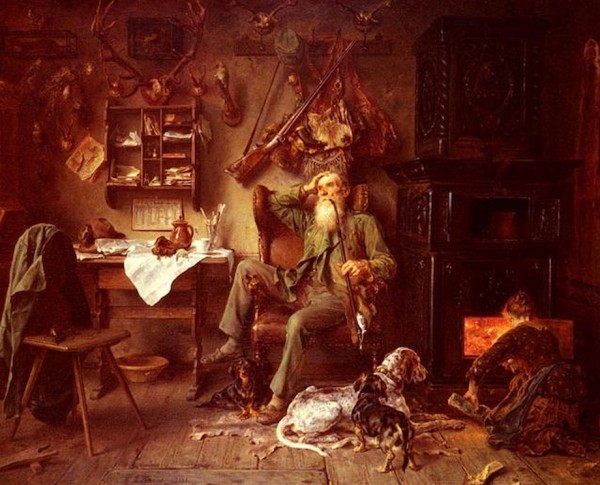
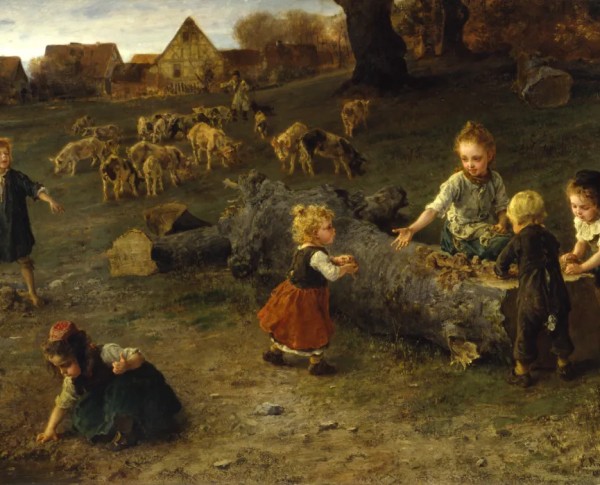
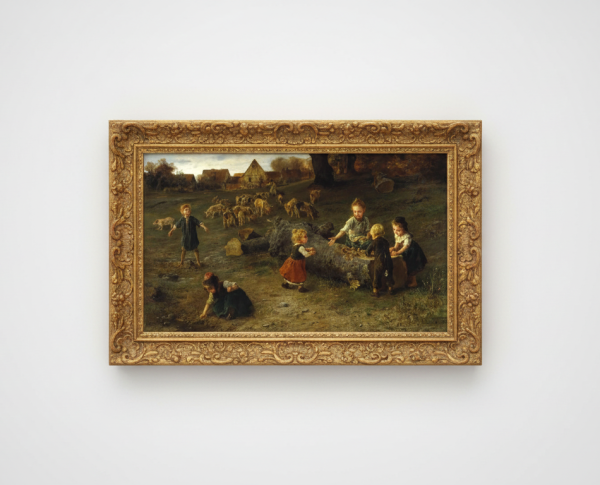
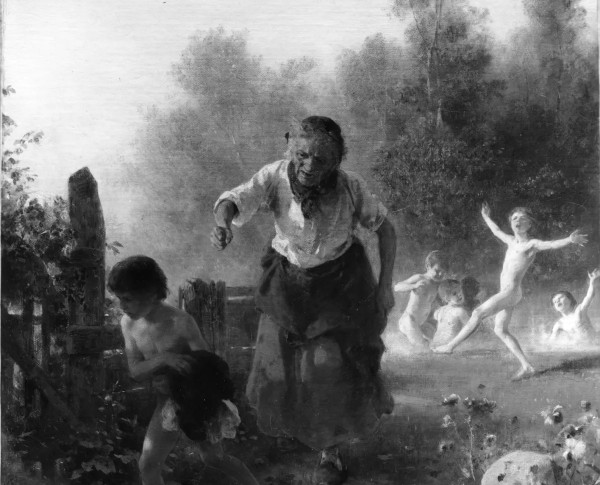
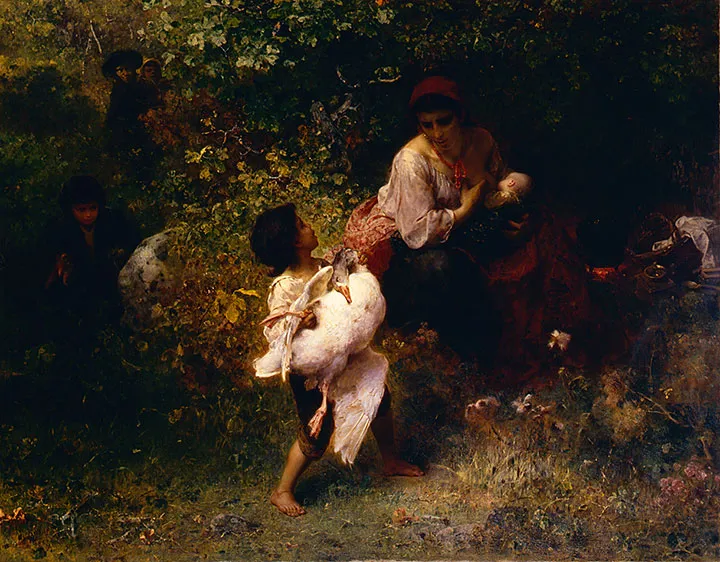
Ludwig Knaus's "The Gypsy Camp" showcases his exceptional skill with oil on canvas, a hallmark of the Academic Art movement. Every brushstroke is meticulously rendered, revealing the artist’s dedication to realism and detail. The scene pulses with life, from the intricate costumes to the expressive faces. For those seeking a distinguished addition to their home or gallery, consider this masterpiece alongside "The players" or "The cheater" for a harmonious display of fine artistry.
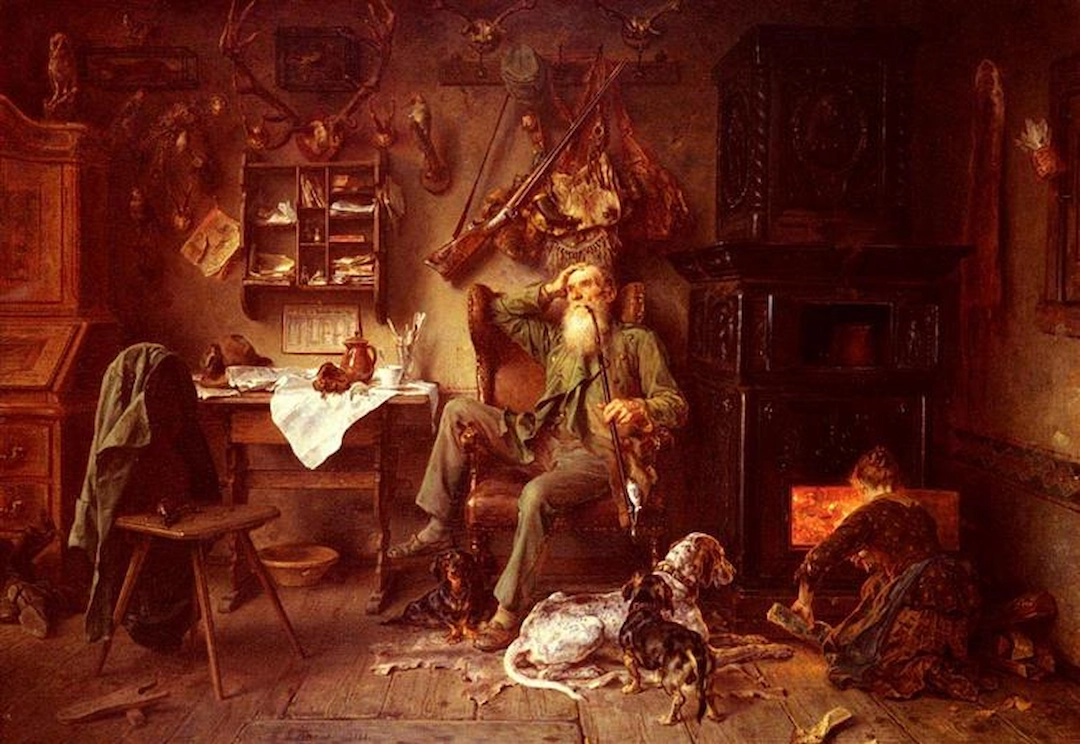
Through "The Gypsy Camp," Ludwig Knaus weaves a narrative rich with cultural symbolism and human emotion. This fine art painting for sale invites viewers to explore the stories embedded in each figure’s posture and gaze, characteristic of Academic Art’s narrative style. The painting resonates with themes of freedom and community. Complement your appreciation for storytelling in art with related works like "The Truant" and "A Forester at Home," each offering unique perspectives.
For collectors seeking a remarkable hand-painted oil painting, "The Gypsy Camp" by Ludwig Knaus is a prized acquisition. Its status within the Academic Art movement underscores its historical and artistic value. With its evocative composition and masterful technique, this artwork stands alongside sought-after pieces such as "Portrait of Gustav Friedrich Waagen" and "The players." Elevate your collection with this distinguished painting and celebrate the legacy of Ludwig Knaus.
When Art Meets History
"The Gypsy Camp" by Ludwig Knaus stands as a remarkable example within the Academic Art movement, capturing a vivid moment in time. This hand-painted oil painting not only reflects the social realities of its era but also aligns with the narrative grandeur seen in related paintings such as "Vercingetorix Throwing down His Weapons at the Feet of Julius Caesar." Through Knaus’s skilled brushwork, the viewer is transported to a world rich with tradition, culture, and the artistry of nineteenth-century Europe.
Techniques That Speak
Ludwig Knaus’s mastery of oil on canvas shines in "The Gypsy Camp," where meticulous detail and luminous color define each figure and landscape element. As with other Academic Art masterpieces like "Belgium, France, and England Before the German Invasion," Knaus employs layered glazing and precise draftsmanship, hallmarks of the movement. The depth and realism achieved in this painting highlight the artist’s technical prowess, making it a standout among hand-painted oil paintings of the period.
Emotions on Display
In "The Gypsy Camp," Knaus evokes a range of emotions, from curiosity to empathy, through expressive faces and dynamic groupings. The painting’s narrative quality is reminiscent of works such as "Reclining Odalisque" and "Odalisque with a Fan." As a fine art painting for sale, it offers collectors a window into the humanity and spirit of its subjects, underscoring the Academic Art movement’s dedication to storytelling and emotional resonance.
Coveted by Collectors
Collectors prize "The Gypsy Camp" for its combination of historical significance and artistic excellence. Like "The Wave" and other celebrated Academic Art pieces, this hand-painted oil painting commands attention in any collection. Ludwig Knaus’s reputation and the enduring appeal of oil on canvas works ensure that "The Gypsy Camp" remains a sought-after fine art painting for sale, cherished by connoisseurs who value both beauty and cultural heritage.
Related Academic Art Hand-Painted Oil Paintings by Other Artists
Other Famous Academic Art Artists:
Frequently Asked Questions About The gypsy camp
What is the historical context of "The gypsy camp"?
"The gypsy camp," painted by Ludwig Knaus in the 19th century, reflects the Romantic fascination with the lives of marginalized communities, particularly the Romani people, during a time when industrialization was rapidly changing Europe.
What artistic techniques did Ludwig Knaus employ in this painting?
Knaus utilized a combination of realism and romanticism, employing detailed brushwork to capture the textures of the clothing and the natural environment, while also emphasizing the emotional resonance of the scene.
What themes are explored in "The gypsy camp"?
The painting explores themes of freedom, nomadism, and the contrast between rural life and the encroaching industrial society, highlighting the beauty and simplicity of the Romani lifestyle.
How does Knaus portray the Romani people in this artwork?
Knaus portrays the Romani people with dignity and depth, focusing on their social interactions and cultural practices, which challenges contemporary stereotypes and invites viewers to appreciate their rich heritage.
What symbolism can be found in "The gypsy camp"?
The camp itself serves as a symbol of freedom and transient existence, while the natural surroundings represent a connection to the earth and a lifestyle that is in harmony with nature.
In what ways does this painting reflect the Romantic movement?
This painting reflects the Romantic movement through its emphasis on emotion, individualism, and the glorification of nature and the "noble savage," which was a common motif during this artistic period.
What is the significance of the color palette used in "The gypsy camp"?
Knaus's color palette features warm earth tones, which evoke a sense of warmth and intimacy, while also enhancing the natural beauty of the landscape and the vibrancy of the Romani culture.
How does "The gypsy camp" compare to other works by Ludwig Knaus?
What impact did "The gypsy camp" have on the perception of Romani culture in art?
The painting contributed to a more nuanced understanding of Romani culture in art, moving beyond caricatures to portray the complexities of their lives, thus influencing subsequent artists and public perceptions.
What can viewers learn from "The gypsy camp" today?
Viewers can learn about the importance of cultural representation and the value of understanding diverse lifestyles, as well as the historical context of the Romani people during a transformative period in European history.























_GFM_Painting_(1).webp)


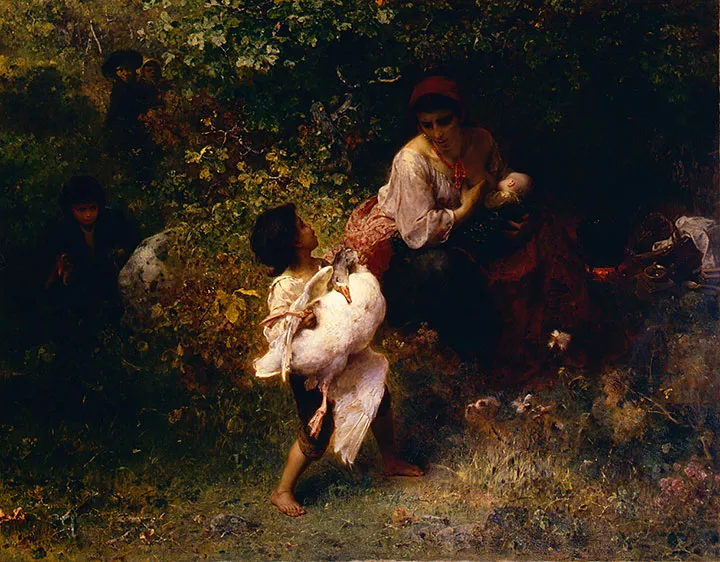
 100% Hand-Painted: Finished in 3-6 Weeks

.png)















_(1).webp)