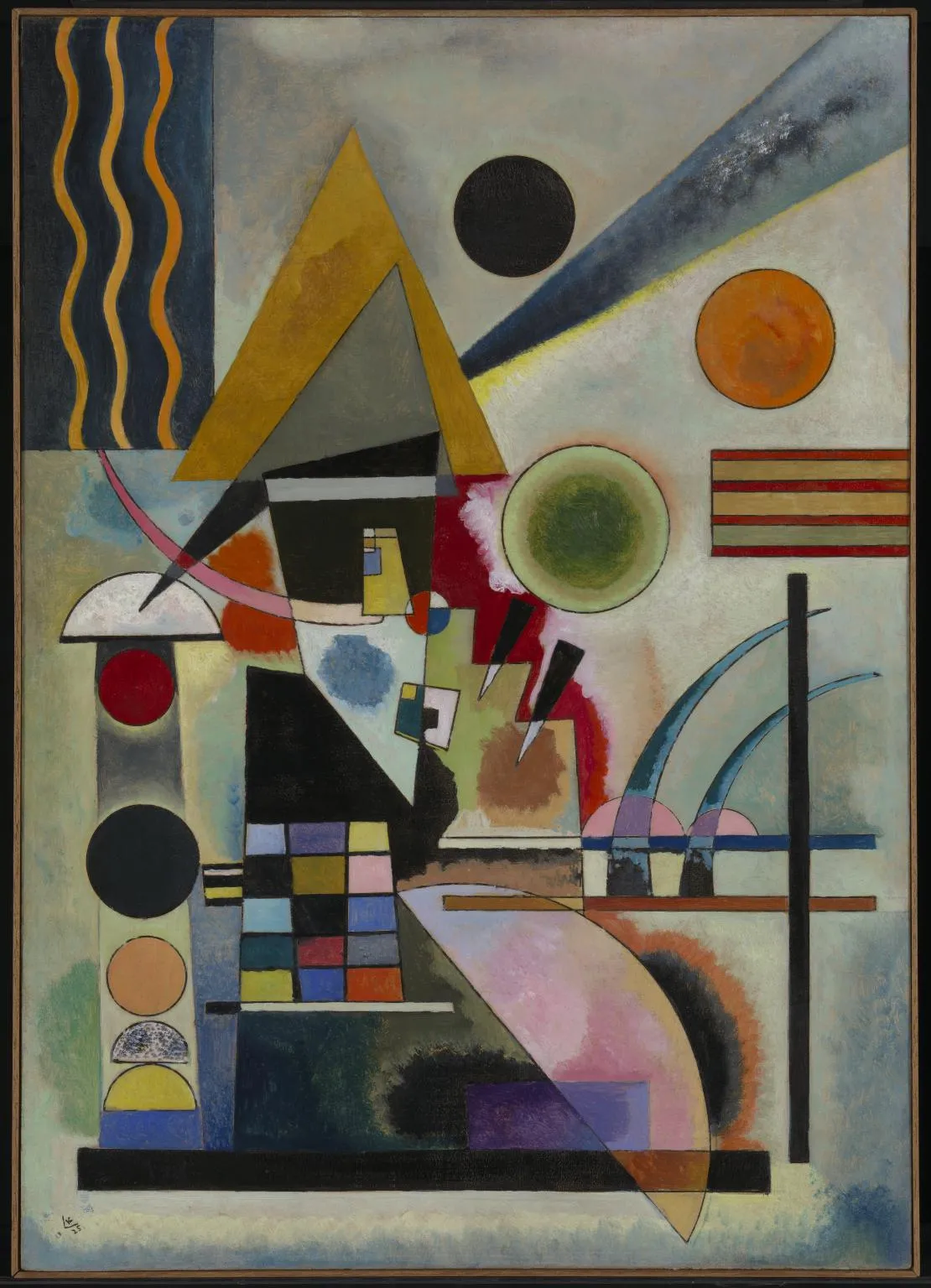
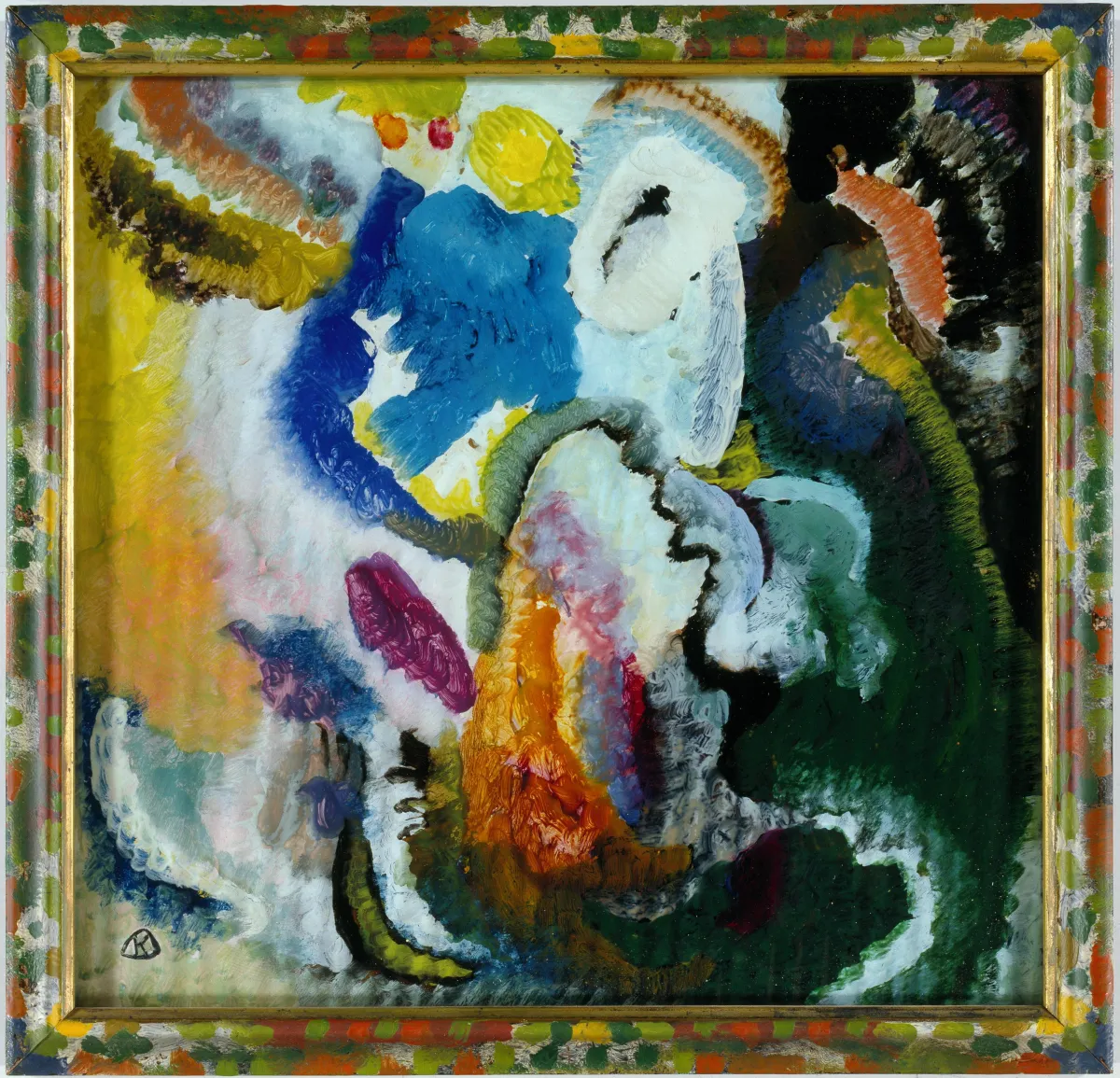
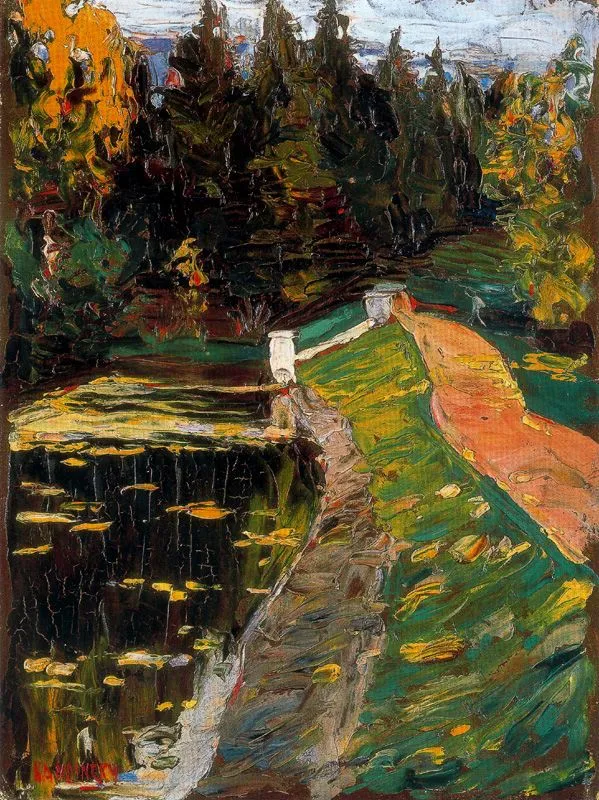
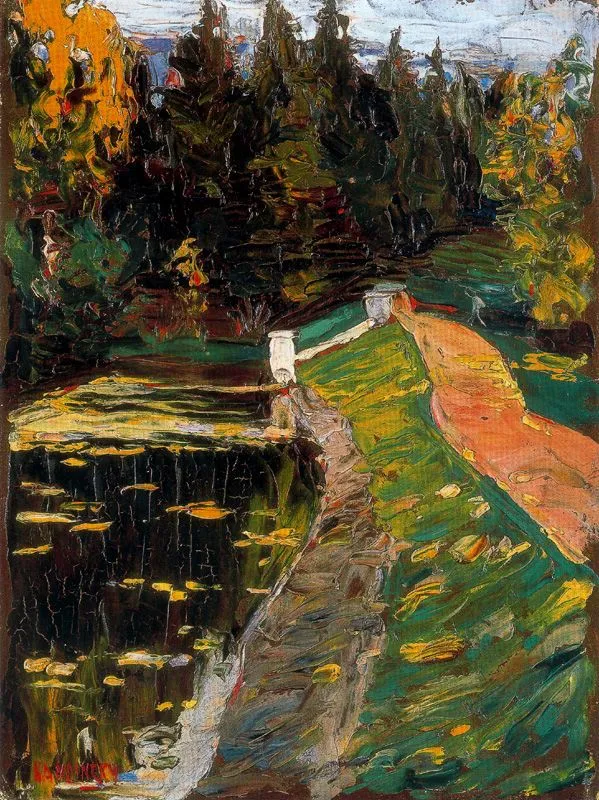
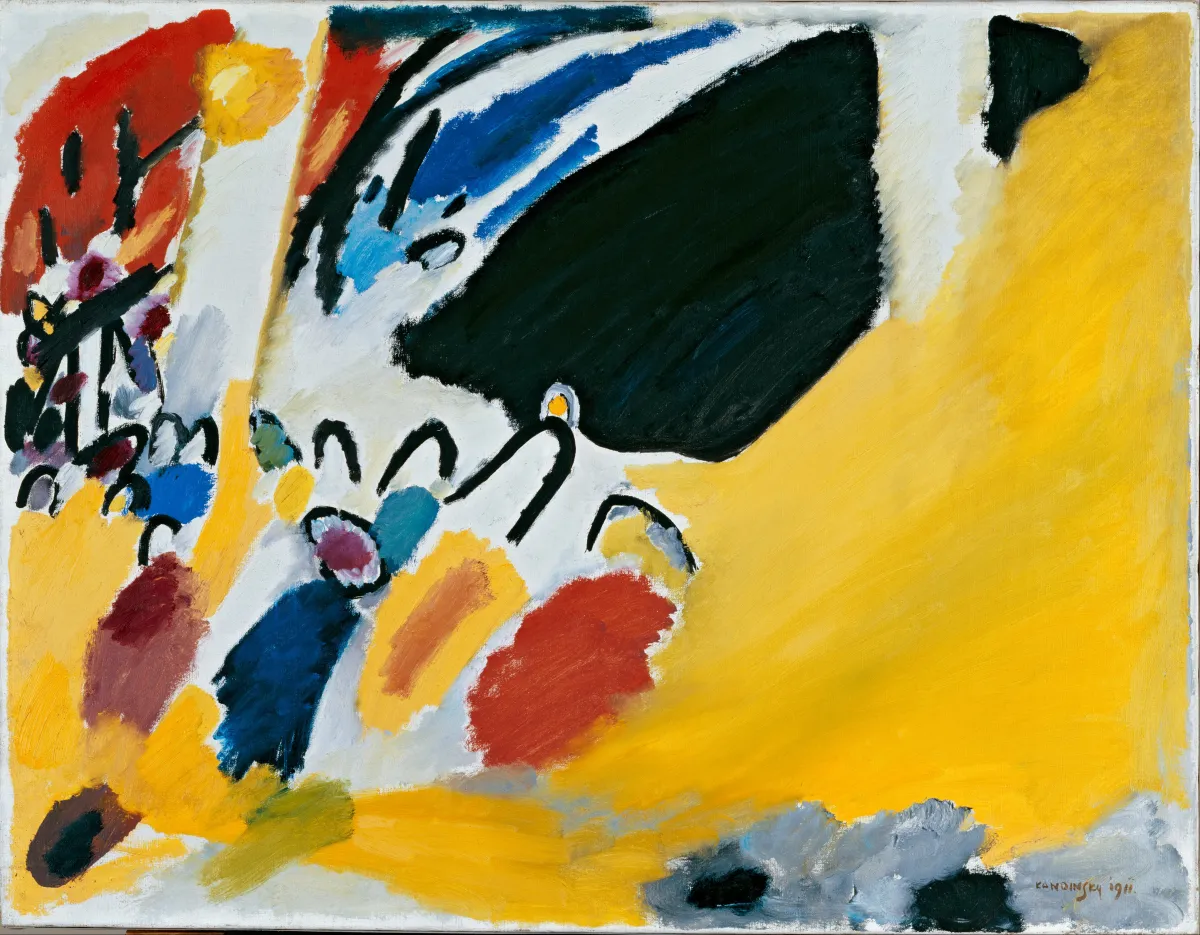
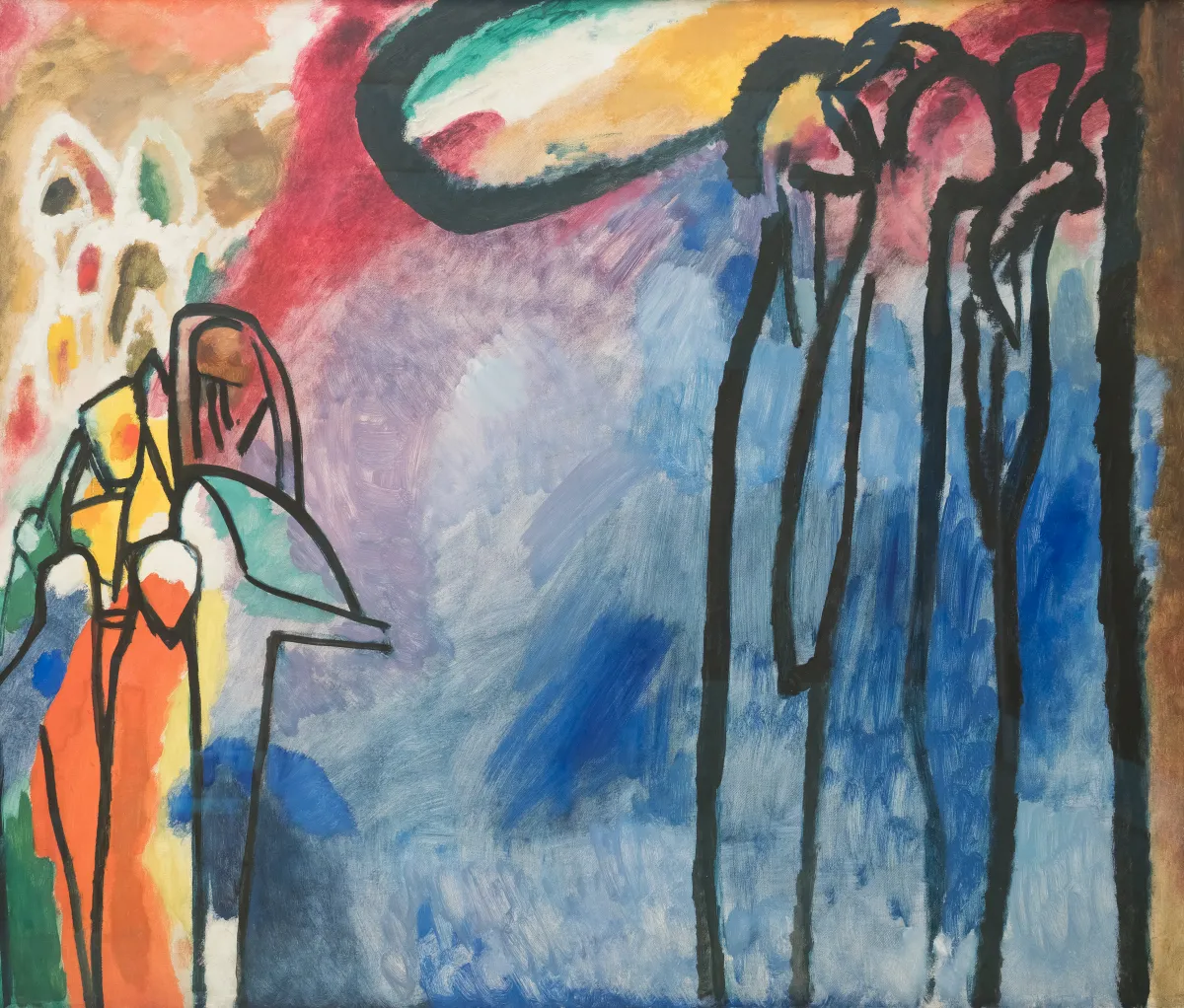
Kandinsky’s expertise shines through every brushstroke in "Study for Sluice," where oil on canvas becomes a medium for emotional expression. The artist’s signature technique, seen here and in works like "Odessa. Port" and "Comet," transforms simple forms into dynamic compositions. This painting is an exceptional example of how Abstract Expressionism can evoke feeling and thought, making it a captivating addition for anyone interested in acquiring a remarkable oil on canvas from a master.
Each element in "Study for Sluice" reveals Kandinsky’s fascination with symbolism and abstract storytelling. The hand-painted oil painting showcases motifs and shapes that invite interpretation, much like "Church at Murnau" and "Picture with a Horserider." Through layered colors and forms, Kandinsky explores spiritual and emotional themes, making this fine art painting for sale not only a visual treat but also a conversation piece that reflects the depth of Abstract Expressionism.
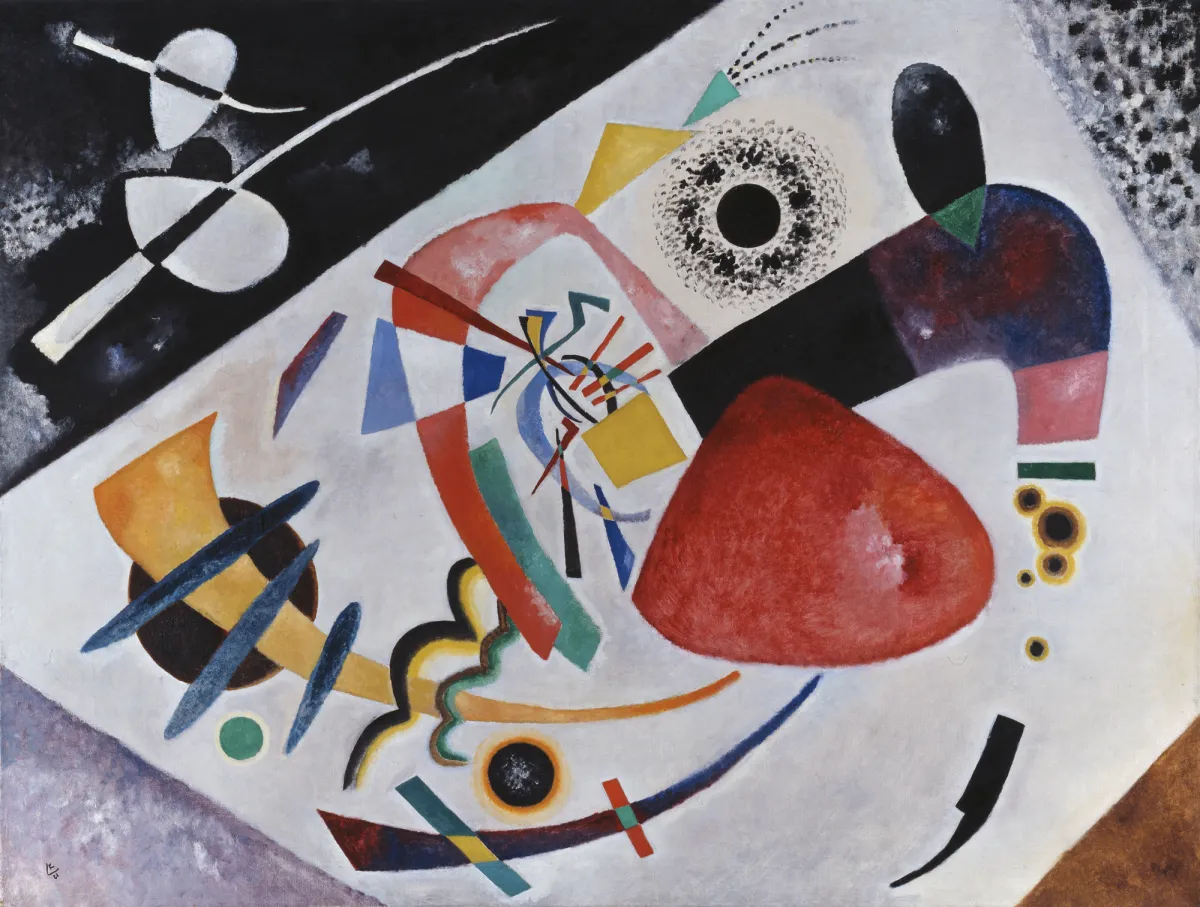
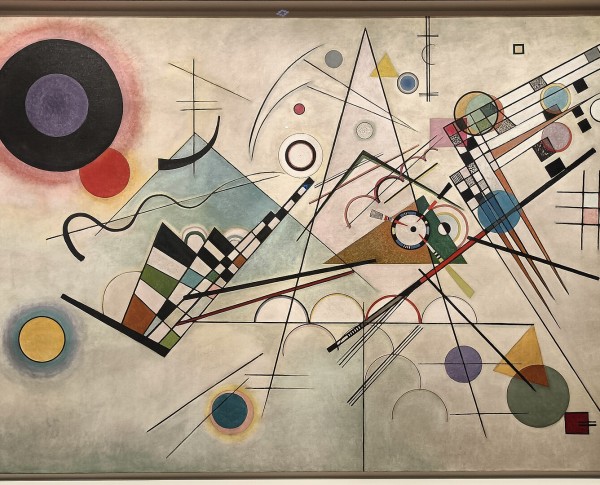
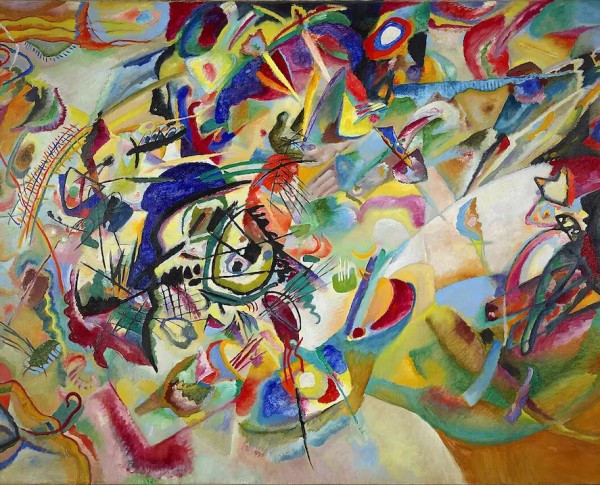
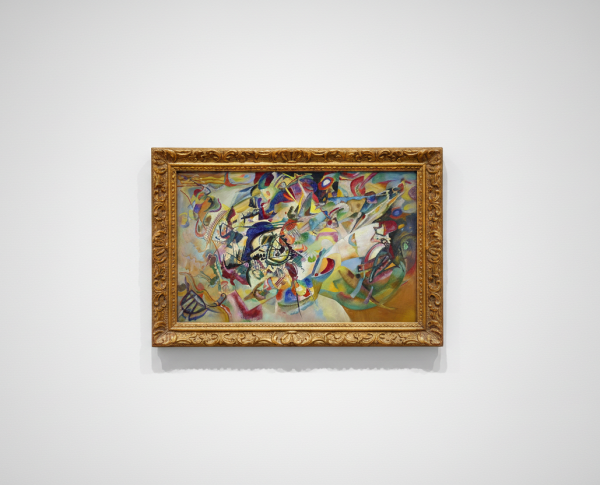
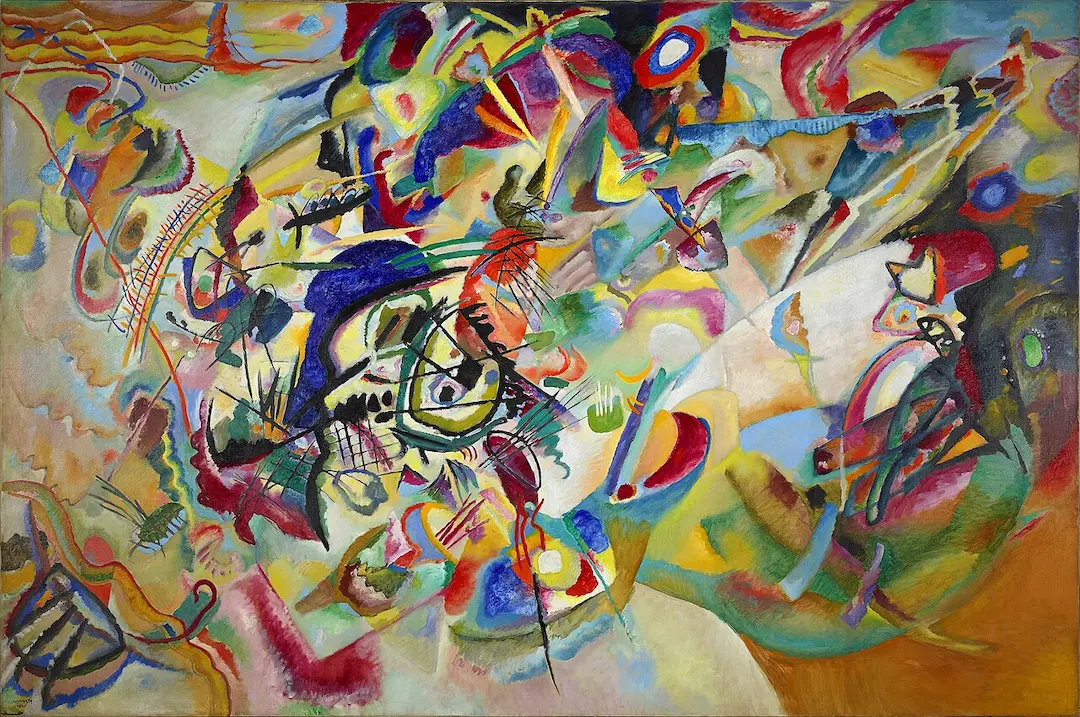
For collectors and admirers of Abstract Expressionism, "Study for Sluice" by Wassily Kandinsky is a rare gem. This oil on canvas stands alongside celebrated works such as "Red Spot II" and "Composition VII," offering a unique glimpse into Kandinsky’s artistic journey. Whether displayed in a gallery or home, this fine art painting for sale elevates any collection, bringing with it the legacy and innovation that define Kandinsky’s enduring impact on modern art.
When Art Meets History
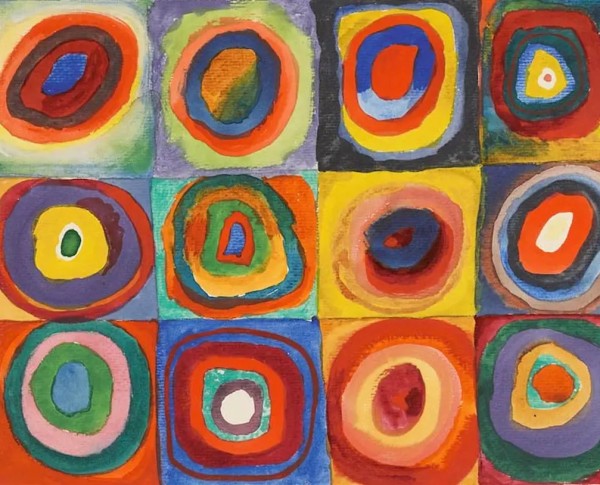
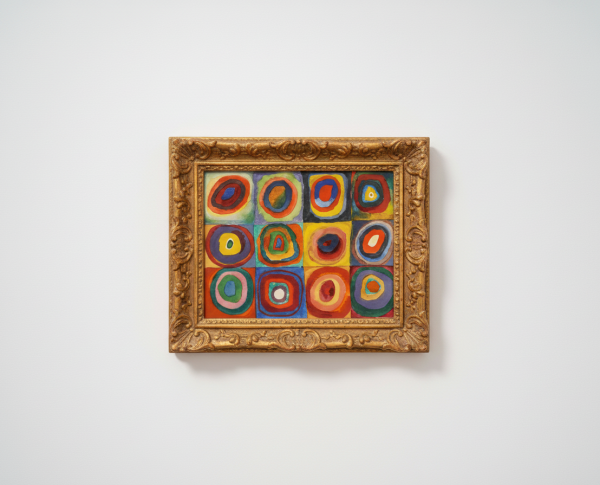
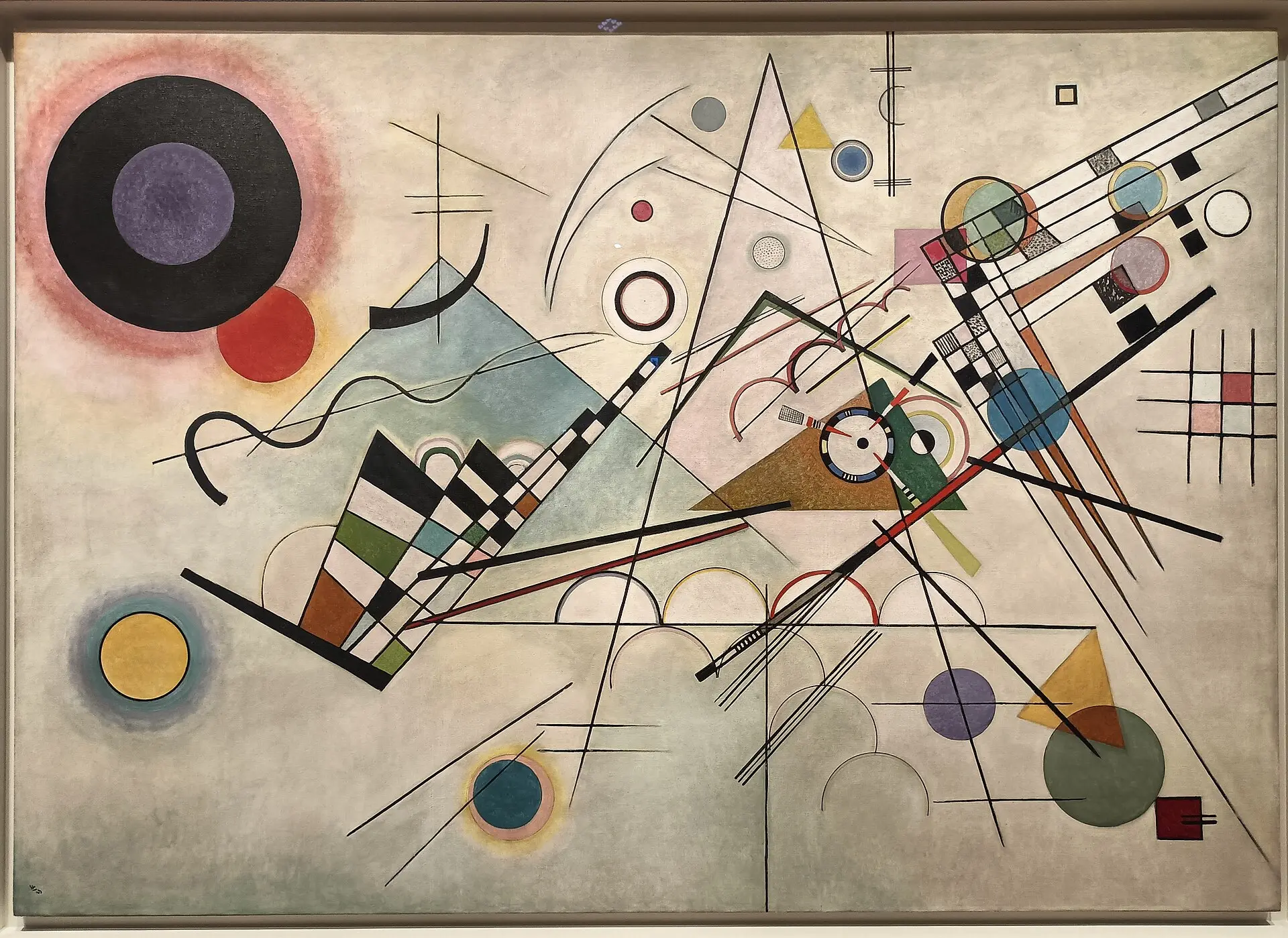
"Study for sluice" by Wassily Kandinsky is a remarkable example of Abstract Expressionism, a movement that revolutionized modern art in the early 20th century. Painted during a time of great innovation, Kandinsky’s work stands alongside related paintings like "Untitled (Violet, Black, Orange, Yellow on White and Red), 1949". This hand-painted oil painting reflects both the artist’s visionary spirit and the historical context in which abstract art flourished, offering a unique glimpse into the evolution of expressive techniques.
Techniques That Speak
Kandinsky’s mastery is evident in his use of oil on canvas, bringing depth and vibrancy to "Study for sluice". Through bold brushstrokes and dynamic color contrasts, the painting exemplifies the core techniques of Abstract Expressionism. Like "Untitled (Violet, Black, Orange, Yellow on White and Red), 1949", this piece demonstrates how artists of the movement broke away from tradition to explore new artistic languages, making each canvas a testament to innovation and creativity.
Emotions on Display
In "Study for sluice", Wassily Kandinsky channels raw emotion through abstract forms and a striking palette, inviting viewers to interpret the work personally. The painting, much like other fine art painting for sale from the Abstract Expressionism movement, evokes feelings ranging from tranquility to exhilaration. Each element is carefully composed to resonate emotionally, making it clear why Kandinsky’s approach continues to inspire collectors and artists exploring the depths of human expression.
Coveted by Collectors
Today, "Study for sluice" is highly sought after by collectors who appreciate its historical significance and artistic innovation. As with related masterpieces such as "Untitled (Violet, Black, Orange, Yellow on White and Red), 1949", this hand-painted oil painting captures the essence of Abstract Expressionism. Its rarity and the enduring legacy of Wassily Kandinsky contribute to its status as a prized possession, making it a standout piece among fine art painting for sale worldwide.
Related Abstract Expressionism Hand-Painted Oil Paintings by Other Artists
Other Famous Abstract Expressionism Artists:
Frequently Asked Questions About Study for sluice
What is the historical context of "Study for sluice"?
"Study for sluice" was created during the early 20th century, a period marked by rapid changes in society, technology, and art. Kandinsky was influenced by the spiritual and philosophical movements of his time, which sought to express the inner experiences of the human spirit through abstraction.
What artistic movements is "Study for sluice" associated with?
This artwork is primarily associated with Abstract Expressionism and the Bauhaus movement. Kandinsky is often regarded as a pioneer of abstract art, and his work reflects a departure from representational forms, focusing instead on color, shape, and emotion.
What techniques did Kandinsky use in "Study for sluice"?
Kandinsky employed a variety of techniques, including bold brushstrokes, vibrant colors, and geometric shapes. His use of color was intentional, as he believed that colors could evoke specific emotions and spiritual responses in the viewer.
What is the significance of the title "Study for sluice"?
The title suggests a preparatory work or exploration of ideas related to water flow and movement, which may symbolize the fluidity of thought and creativity. The term "sluice" refers to a channel for directing water, potentially representing the artist's intention to guide the viewer's emotional experience.
How does "Study for sluice" reflect Kandinsky's philosophy of art?
Kandinsky believed that art should transcend the physical world and connect with the spiritual realm. This painting embodies his philosophy by focusing on abstract forms and colors that aim to evoke an emotional and spiritual response rather than represent reality.
What role does color play in "Study for sluice"?
Color is a fundamental element in "Study for sluice," as Kandinsky used it to convey emotions and create a sense of harmony. Each color is carefully chosen to evoke specific feelings, demonstrating his belief in the psychological impact of color on the viewer.
How does "Study for sluice" compare to Kandinsky's other works?
This painting can be seen as a bridge between Kandinsky's earlier representational works and his later fully abstract pieces. It showcases his evolving style and his exploration of abstraction, making it an important piece in understanding his artistic development.
What symbols can be found in "Study for sluice"?
The painting features abstract forms that may symbolize various concepts, such as movement, energy, and the interconnectedness of life. Kandinsky often infused his works with personal symbolism, inviting viewers to interpret the forms based on their own experiences.
What impact did "Study for sluice" have on modern art?
"Study for sluice" contributed significantly to the development of abstract art, influencing countless artists and movements that followed. Kandinsky's innovative approach to color and form paved the way for future explorations in abstraction and non-representational art.
Where can I view "Study for sluice"?
"Study for sluice" is part of the permanent collection at various art institutions. Please check our gallery's exhibition schedule or contact us for details on current displays and upcoming exhibitions featuring this significant work.























_GFM_Painting_(1).webp)


 100% Hand-Painted: Finished in 3-6 Weeks

.png)
















_(1).webp)