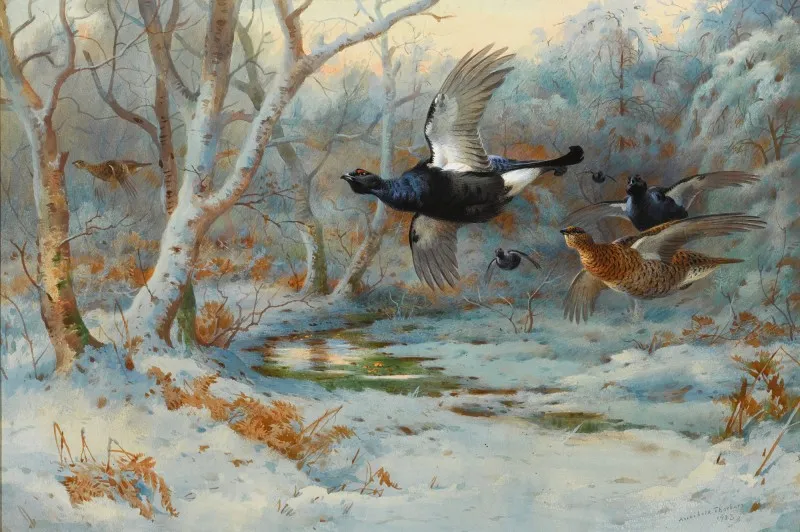
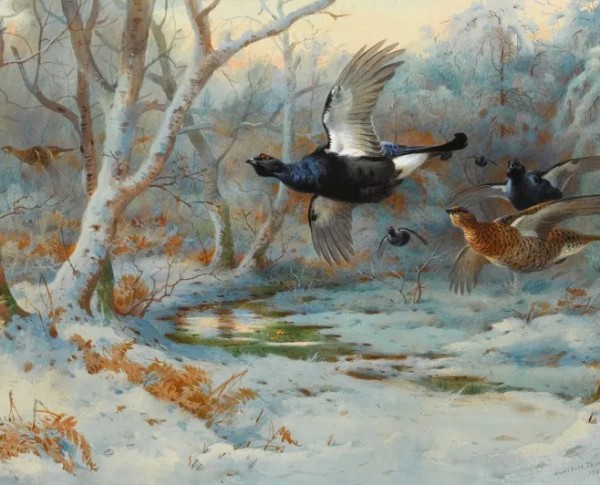
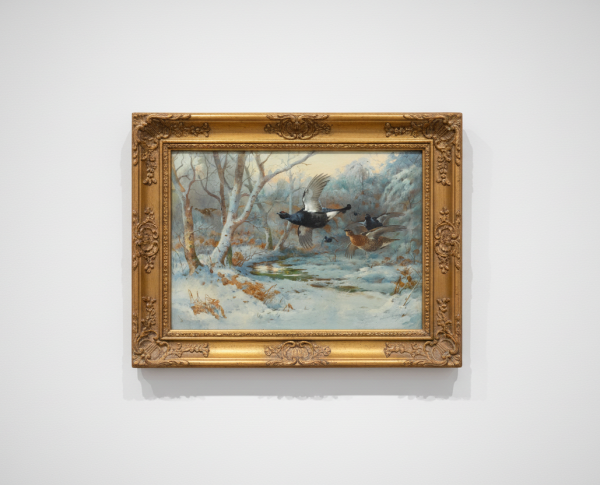
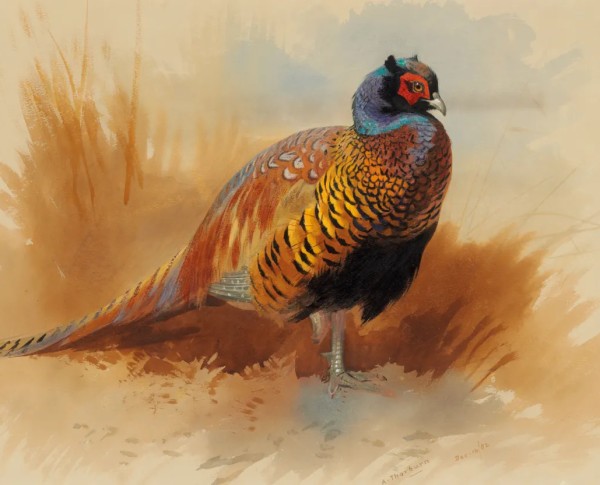
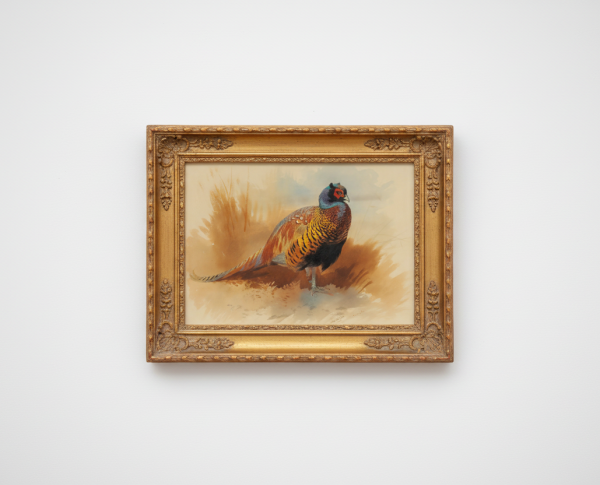
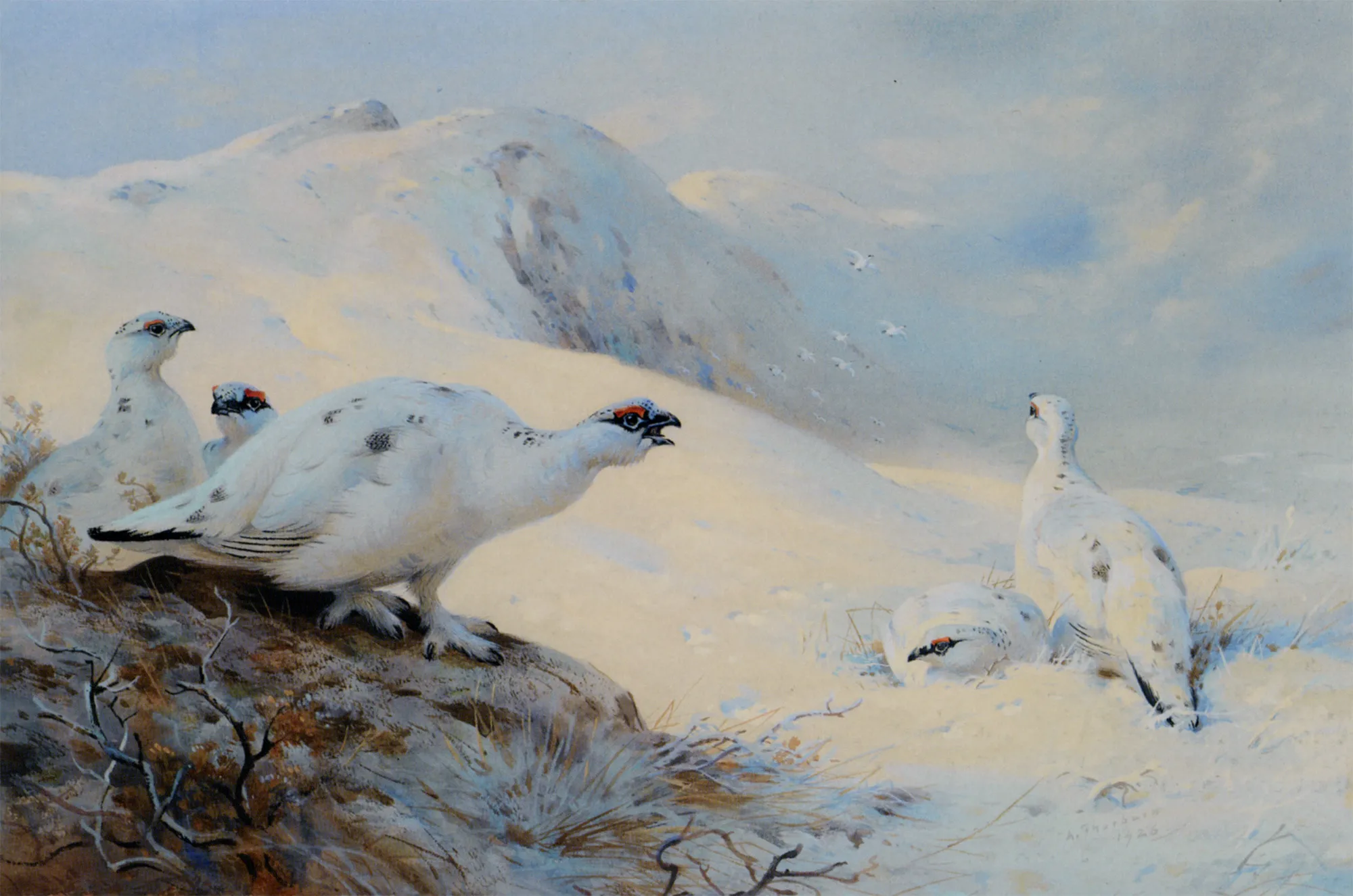
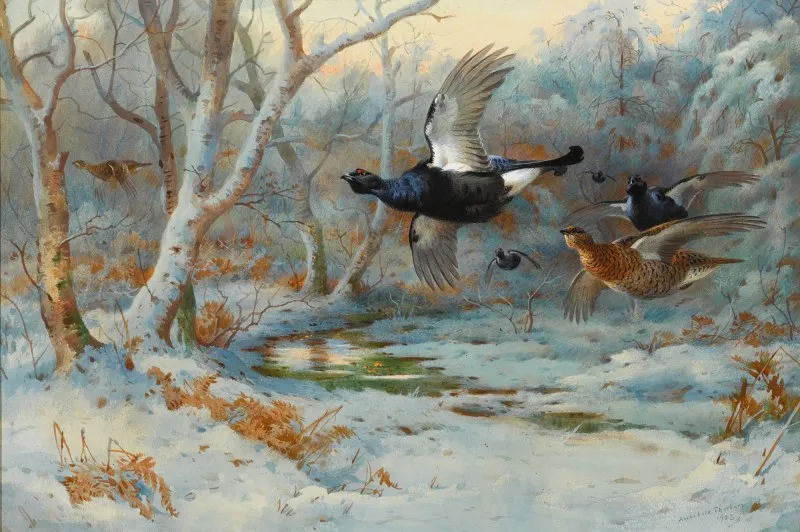
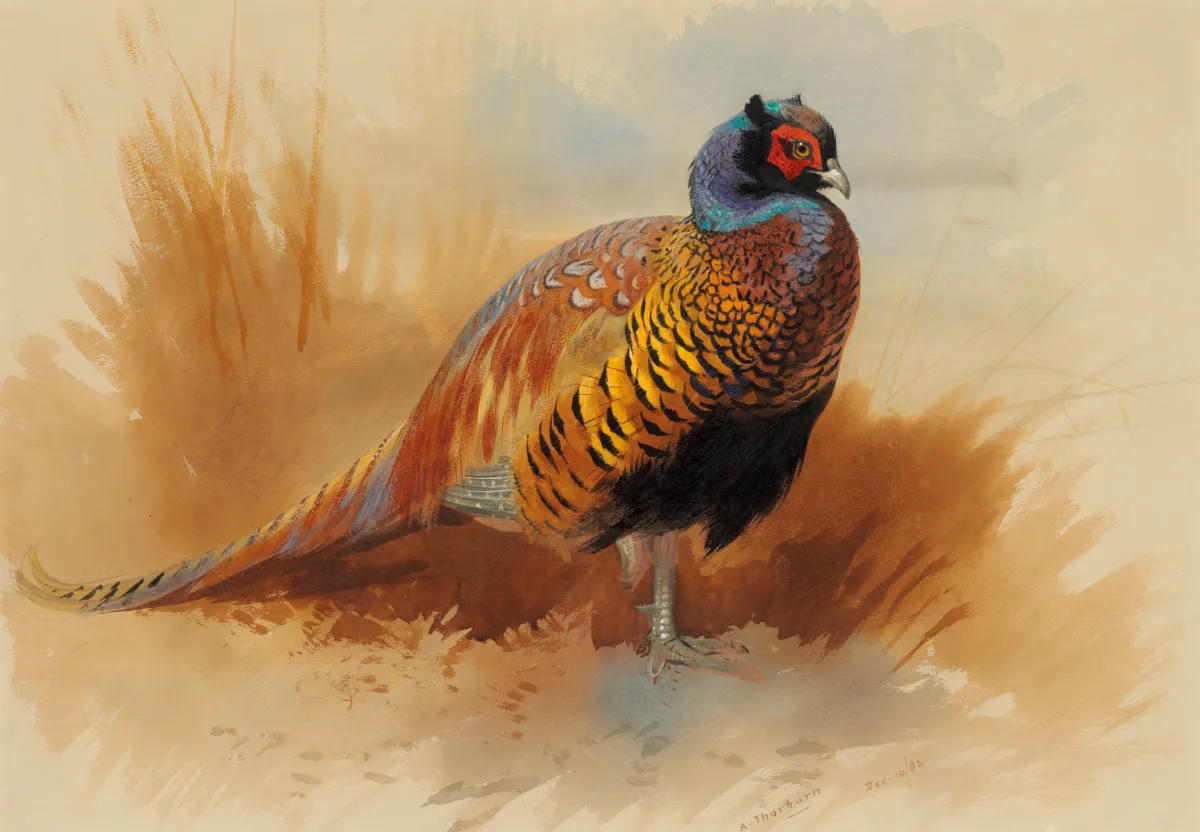
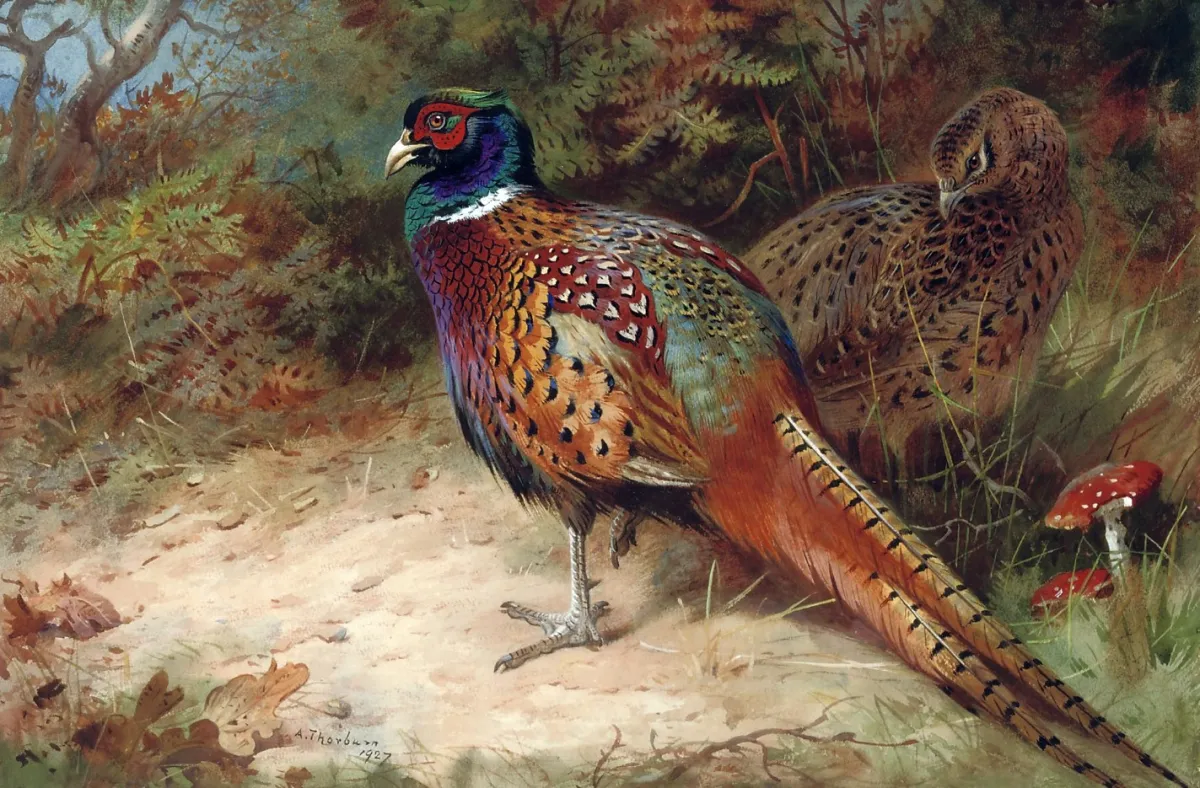
In "Ptarmigan Calling in the Snow," Thorburn’s remarkable skill is evident in every brushstroke. The careful layering of oil on canvas brings the ptarmigan’s plumage and the snowy landscape to life, exemplifying the Naturalism movement’s focus on realism. Similar attention to detail can be seen in related products such as "Cock and hen pheasant in the undergrowth" and "Little Owl and Scops Owl." Each hand-painted oil painting by Thorburn is a testament to his artistic mastery.
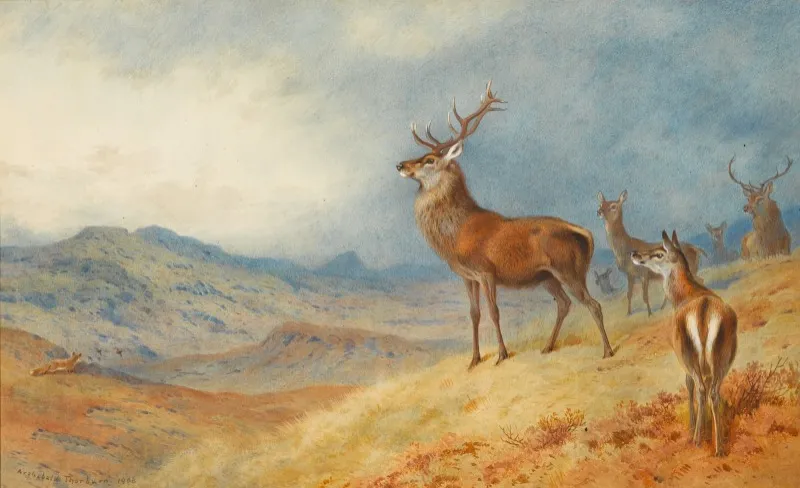
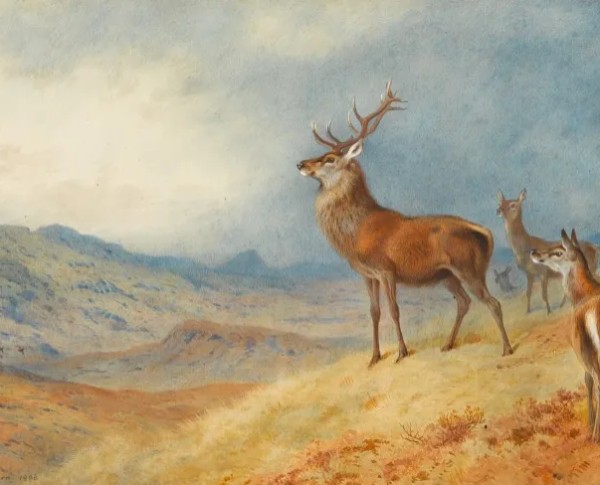
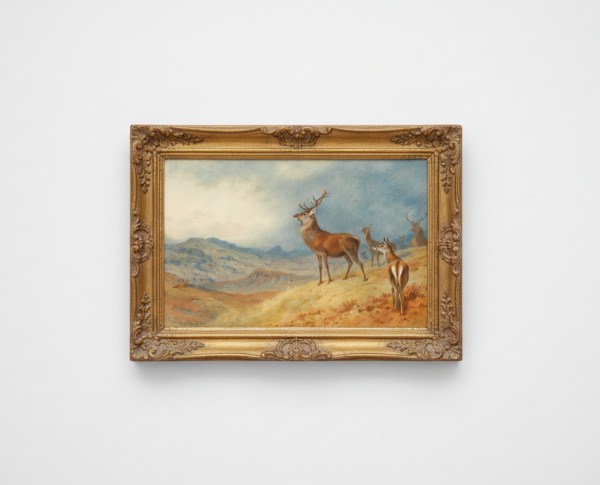
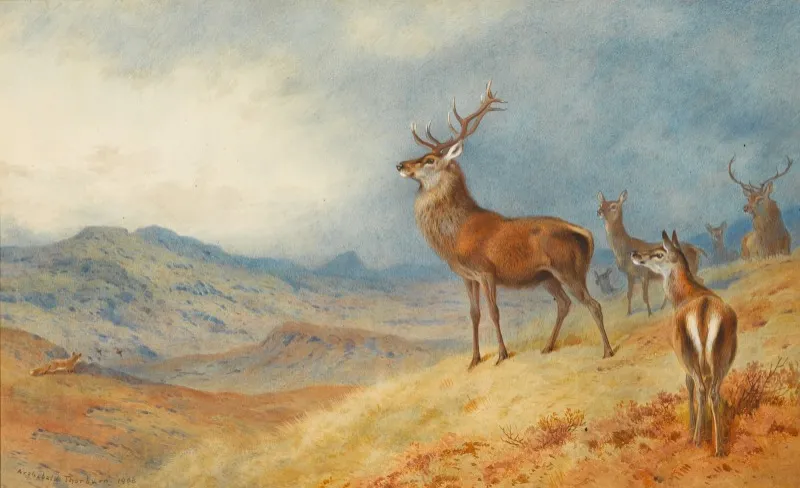
Thorburn’s "Ptarmigan Calling in the Snow" is more than just a fine art painting for sale; it tells a story of resilience and adaptation in nature. The solitary ptarmigan, surrounded by snow, symbolizes endurance in harsh environments, a recurring theme in Thorburn’s work. Collectors often pair this piece with paintings like "Red Deer In A Highland Landscape" and "Wigeon and Teal by the water's edge" to create a narrative gallery celebrating wildlife and the Naturalism movement.
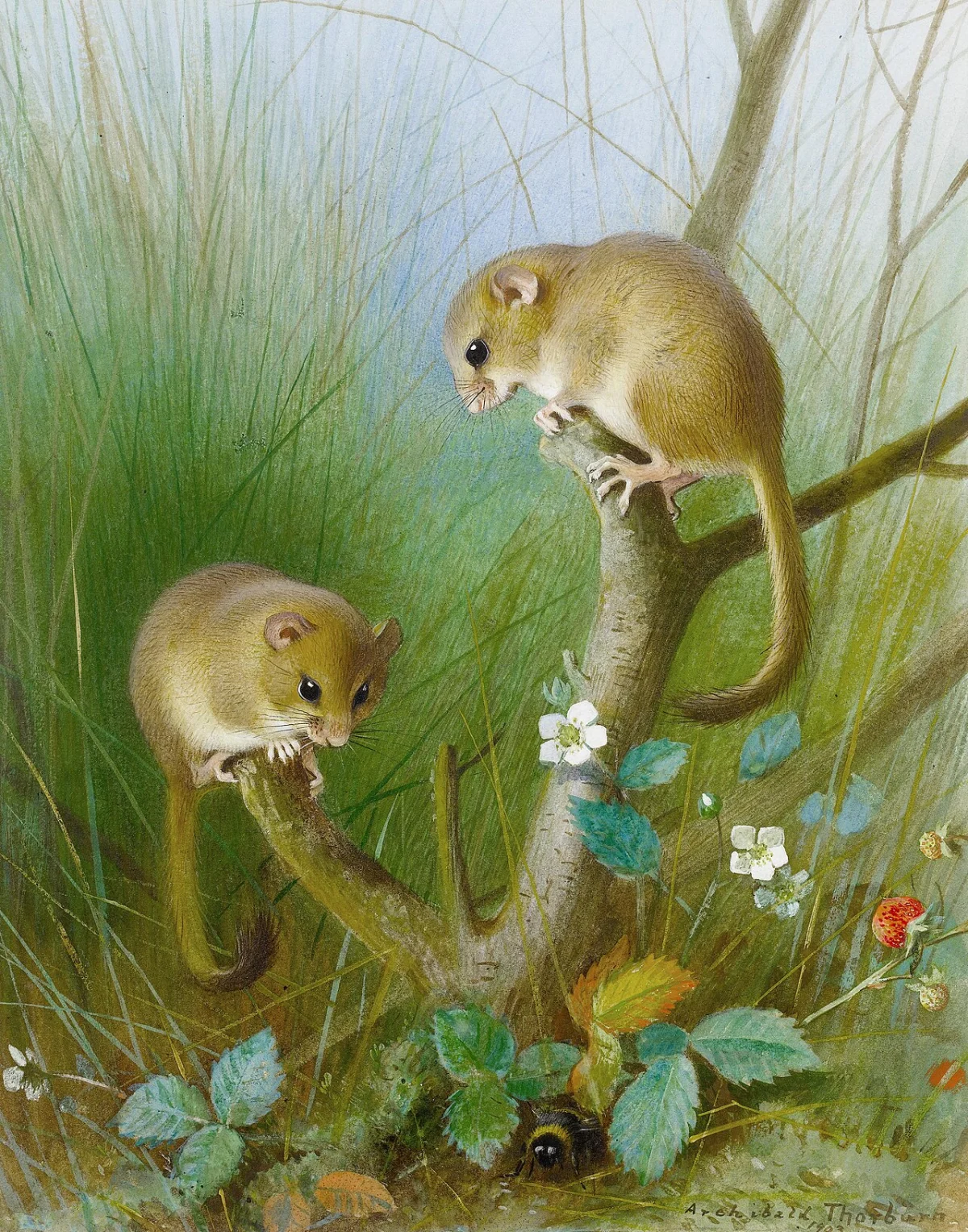
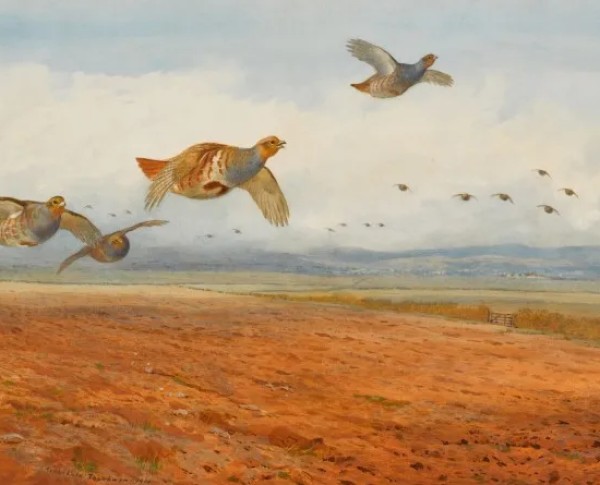
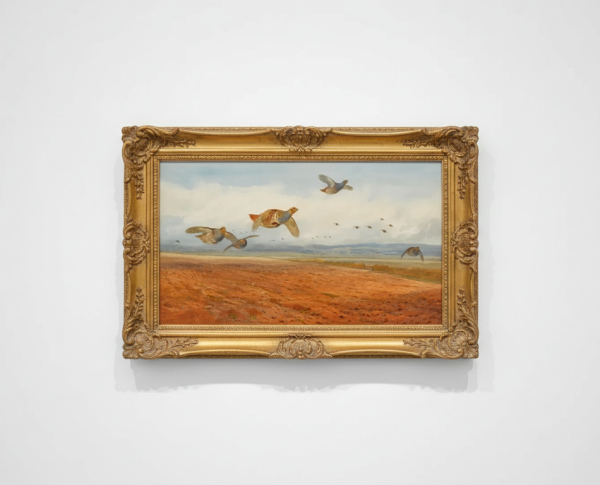
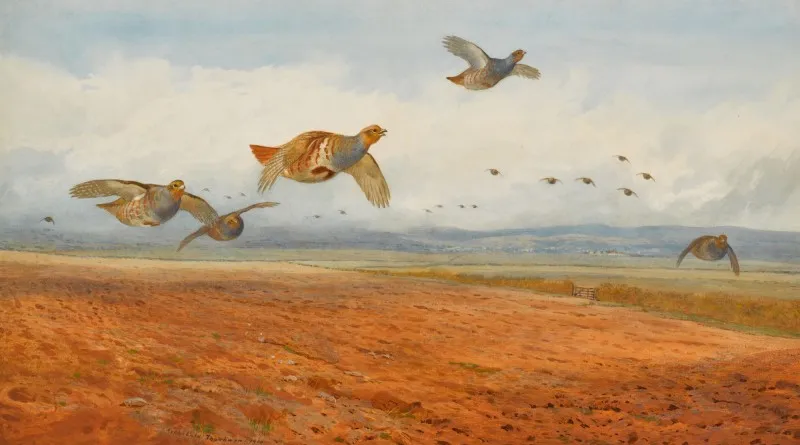
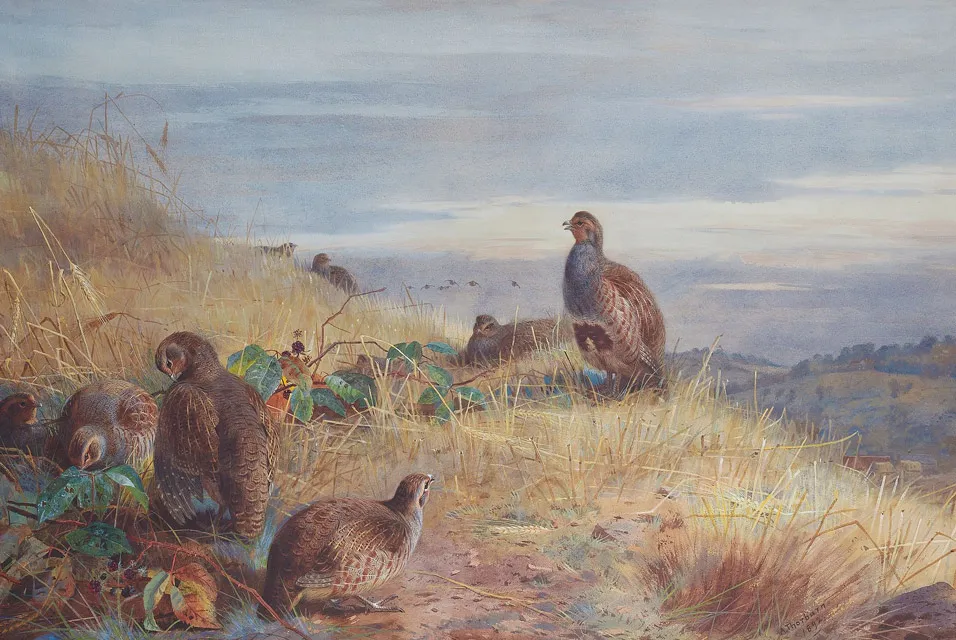
For art collectors and nature enthusiasts, "Ptarmigan Calling in the Snow" by Archibald Thorburn is a prized oil on canvas addition. Its authenticity as a hand-painted oil painting enhances its value among fine art paintings for sale. The piece harmonizes beautifully with related works such as "Dormice ." and "The Covey at Daybreak," making it a versatile and cherished treasure for those passionate about the Naturalism movement and Thorburn’s enduring artistry.
When Art Meets History
"Ptarmigan Calling in the Snow" by Archibald Thorburn stands as a testament to the Naturalism movement, capturing wildlife in its raw, untouched environment. Painted during a time when nature studies flourished, this hand-painted oil painting showcases Thorburn’s dedication to realism and detail. His work aligns with other masterpieces of the era, such as "Hay Making, Snow Effect, Damvillers" and "The beggar." Thorburn’s art preserves historical perspectives on wildlife and their habitats for generations to admire.
Techniques That Speak
Archibald Thorburn’s "Ptarmigan Calling in the Snow" exemplifies masterful oil on canvas technique, where every feather and snowflake is rendered with precision. The subtle layering and delicate brushwork are hallmarks of the Naturalism movement, which sought to portray subjects truthfully. Thorburn’s approach is reminiscent of works like "Pas Mèche" and "Émile Bastien-Lepage," emphasizing natural light and texture. This oil on canvas painting immerses viewers in the tranquil, frosty world of the ptarmigan.
Emotions on Display
The evocative atmosphere of "Ptarmigan Calling in the Snow" draws viewers into a serene yet poignant narrative, typical of a fine art painting for sale from the Naturalism movement. Archibald Thorburn’s careful attention to the ptarmigan’s posture and the vast, snowy landscape elicits a sense of solitude and resilience. Similar emotional depth can be found in "Hay Making, Snow Effect, Damvillers." Thorburn’s work invites contemplation on the beauty and vulnerability of wildlife in their natural surroundings.
Coveted by Collectors
As with other acclaimed works such as "The beggar" and "Émile Bastien-Lepage," "Ptarmigan Calling in the Snow" remains highly sought after by art enthusiasts. This hand-painted oil painting by Archibald Thorburn is a prized example of the Naturalism movement, admired for its authenticity and technical excellence. Collectors value the painting’s ability to capture fleeting moments in nature, making it a standout piece among fine art painting for sale, both for its beauty and historical significance.
Related Naturalism Hand-Painted Oil Paintings by Other Artists
Other Famous Naturalism Artists:
Frequently Asked Questions About Ptarmigan Calling in the Snow
What is the historical context of "Ptarmigan Calling in the Snow"?
"Ptarmigan Calling in the Snow" was created during the early 20th century, a period marked by a growing interest in naturalism and wildlife art. Archibald Thorburn, the artist, was part of a movement that sought to capture the beauty of the British landscape and its fauna, reflecting the era's appreciation for nature.
What artistic techniques did Archibald Thorburn employ in this painting?
Thorburn utilized detailed brushwork and a keen eye for color to depict the ptarmigan in its snowy habitat. His technique involved layering colors to create depth and texture, which enhances the realism of the scene and highlights the bird's plumage against the stark white of the snow.
What symbolism is present in "Ptarmigan Calling in the Snow"?
The ptarmigan is often seen as a symbol of adaptability and resilience, traits that are emphasized in the painting. The bird's call, depicted in the artwork, can symbolize communication and connection to the natural world, reflecting themes of harmony between wildlife and its environment.
How does this painting reflect Archibald Thorburn's artistic style?
This painting exemplifies Thorburn's signature style, characterized by meticulous attention to detail and a focus on wildlife in its natural habitat. His ability to blend realism with artistic expression is evident in the dynamic pose of the ptarmigan and the atmospheric quality of the snowy landscape.
What influences can be seen in Thorburn's portrayal of wildlife?
Thorburn was influenced by both the Romantic and Naturalist movements, which emphasized the beauty of nature and the importance of observation. His work often reflects a deep respect for wildlife, showcasing animals in their natural settings and encouraging viewers to appreciate the intricacies of the natural world.
What role does the environment play in "Ptarmigan Calling in the Snow"?
The snowy environment is not merely a backdrop but an integral part of the composition. It serves to highlight the ptarmigan's camouflage and survival instincts, illustrating the relationship between the species and its habitat. The snow also adds a sense of tranquility and isolation, enhancing the painting's emotional impact.
How does "Ptarmigan Calling in the Snow" compare to other works by Thorburn?
Compared to other works by Thorburn, "Ptarmigan Calling in the Snow" showcases his ability to capture the essence of a specific moment in nature. While many of his paintings feature various wildlife, this piece stands out for its focus on a single subject and the dynamic interaction with its environment, emphasizing the beauty of simplicity.
What is the significance of the ptarmigan in British culture?
The ptarmigan holds cultural significance in Britain, particularly in Scotland, where it is recognized as a game bird and a symbol of the highlands. Thorburn's portrayal of the ptarmigan in this painting not only highlights its beauty but also underscores its importance in the ecological and cultural landscape of the region.
What impact did Archibald Thorburn have on wildlife art?
Archibald Thorburn is considered a pioneer in wildlife art, influencing future generations of artists with his detailed and expressive representations of animals. His commitment to portraying wildlife authentically helped elevate the genre, encouraging a greater appreciation for nature and conservation among the public.
What can viewers learn from "Ptarmigan Calling in the Snow"?
Viewers can learn about the delicate balance of nature and the importance of wildlife conservation through this painting. Thorburn's work invites contemplation of the natural world, encouraging an appreciation for the beauty and fragility of ecosystems, and the role each species plays within them.























_GFM_Painting_(1).webp)


 100% Hand-Painted: Finished in 3-6 Weeks

.png)















_(1).webp)