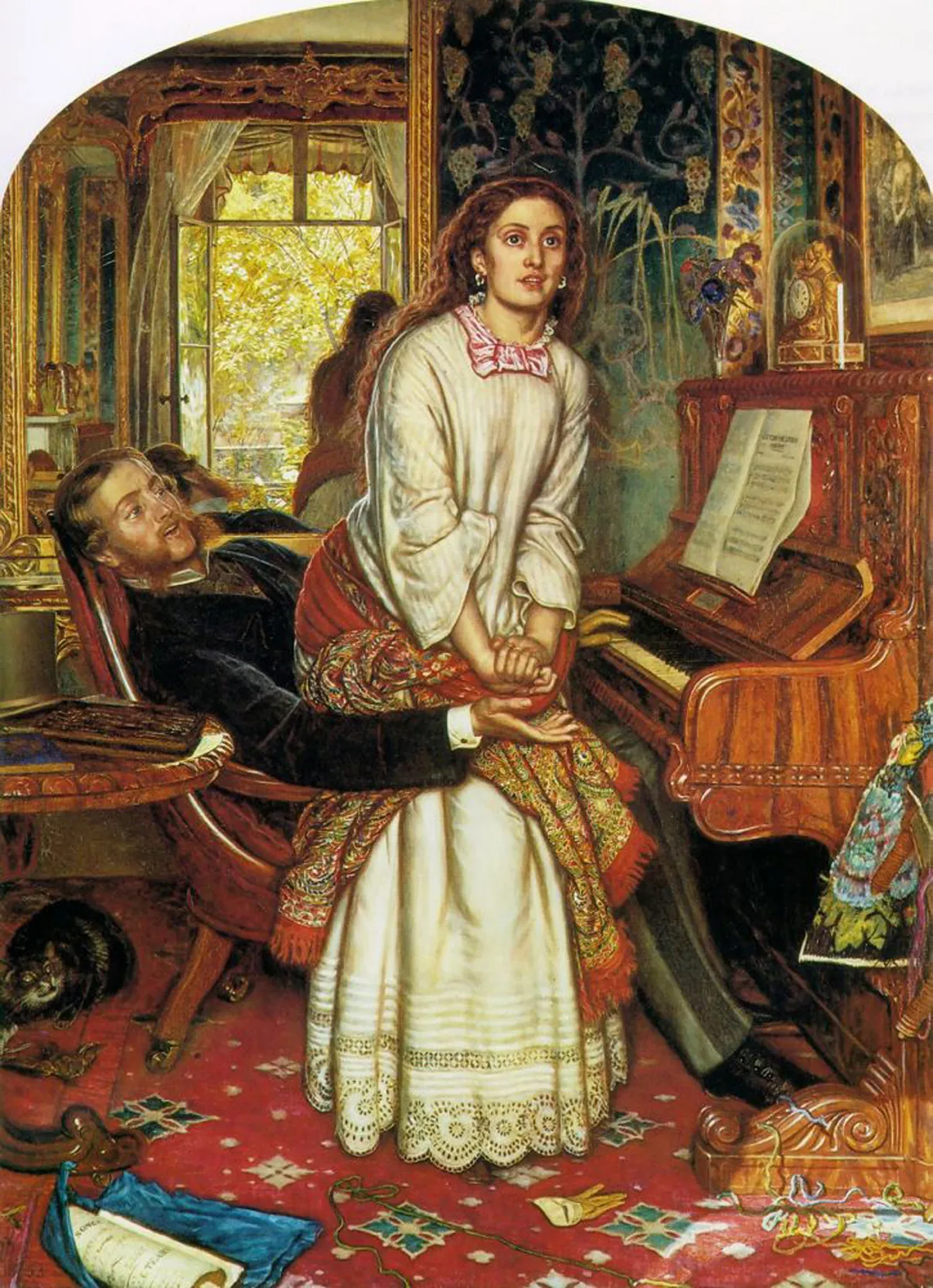
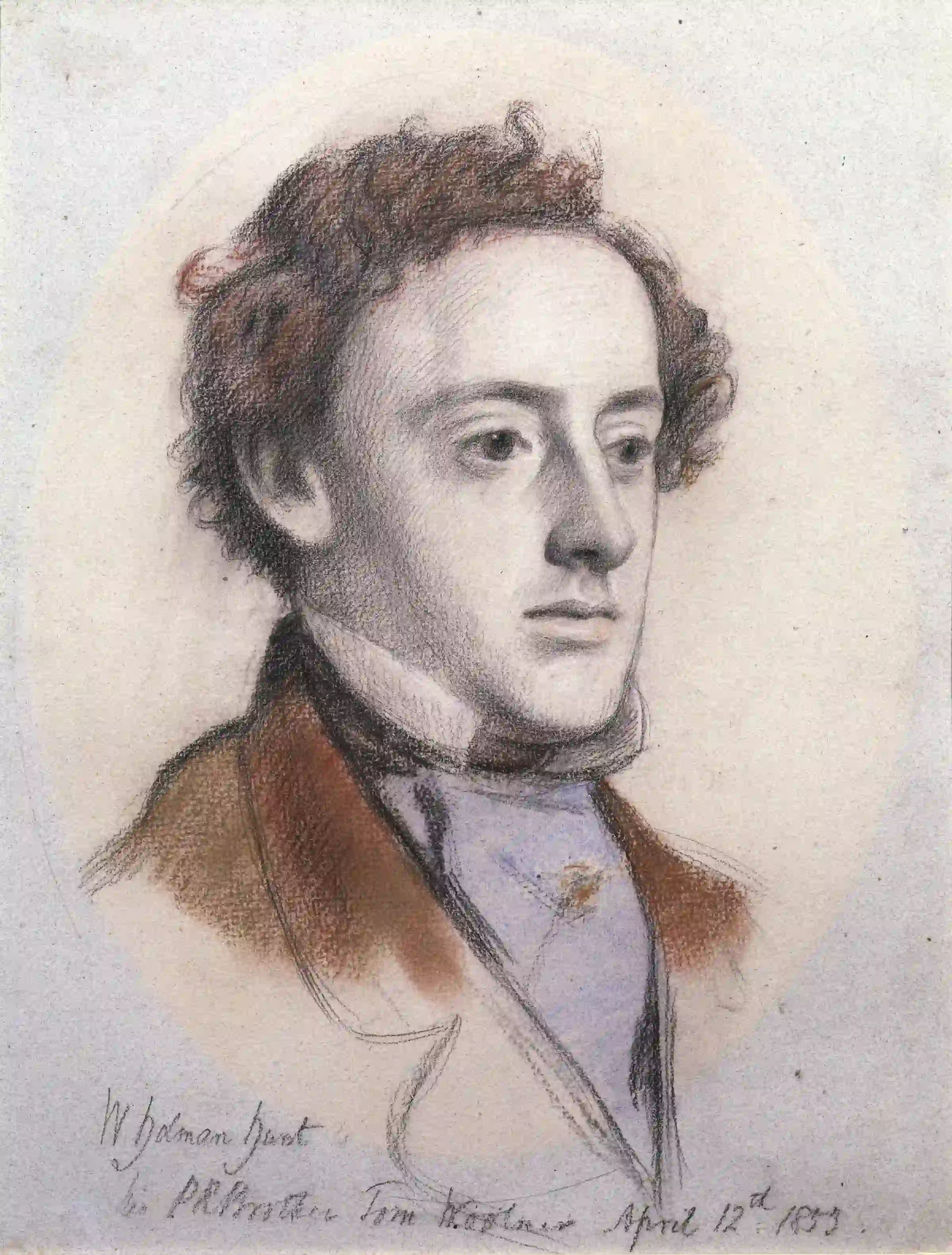
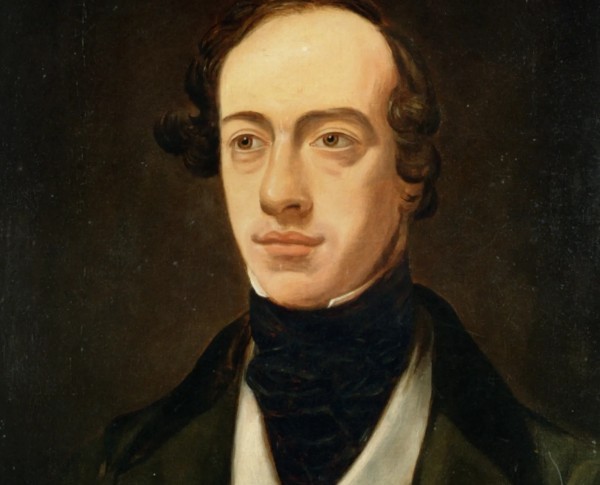
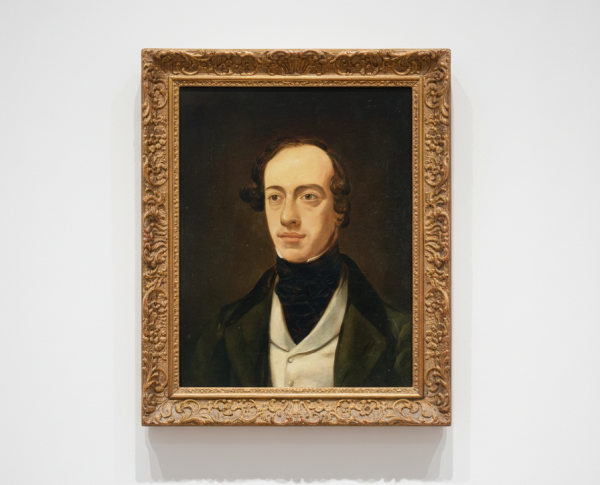
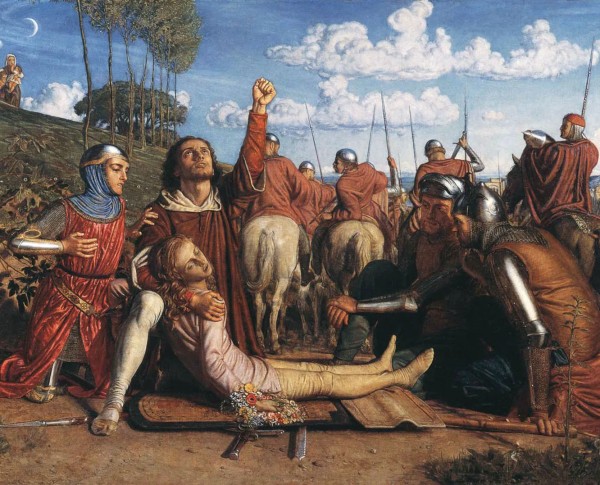
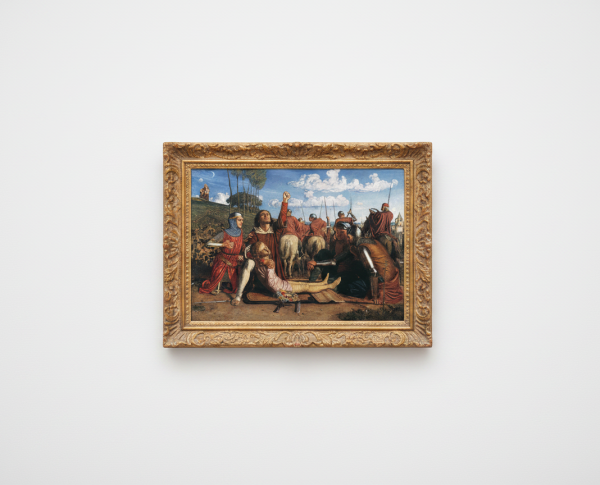
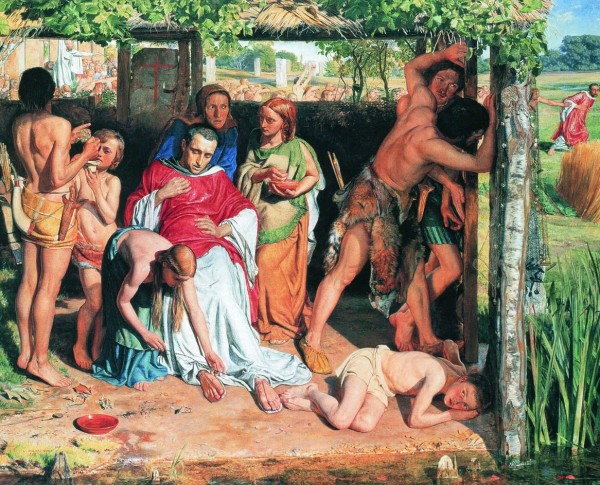
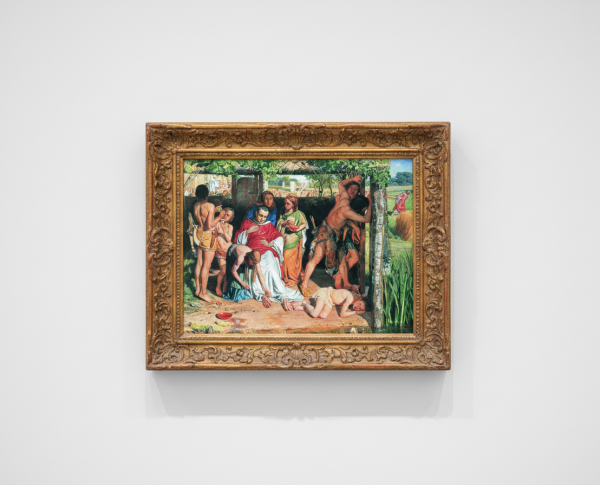
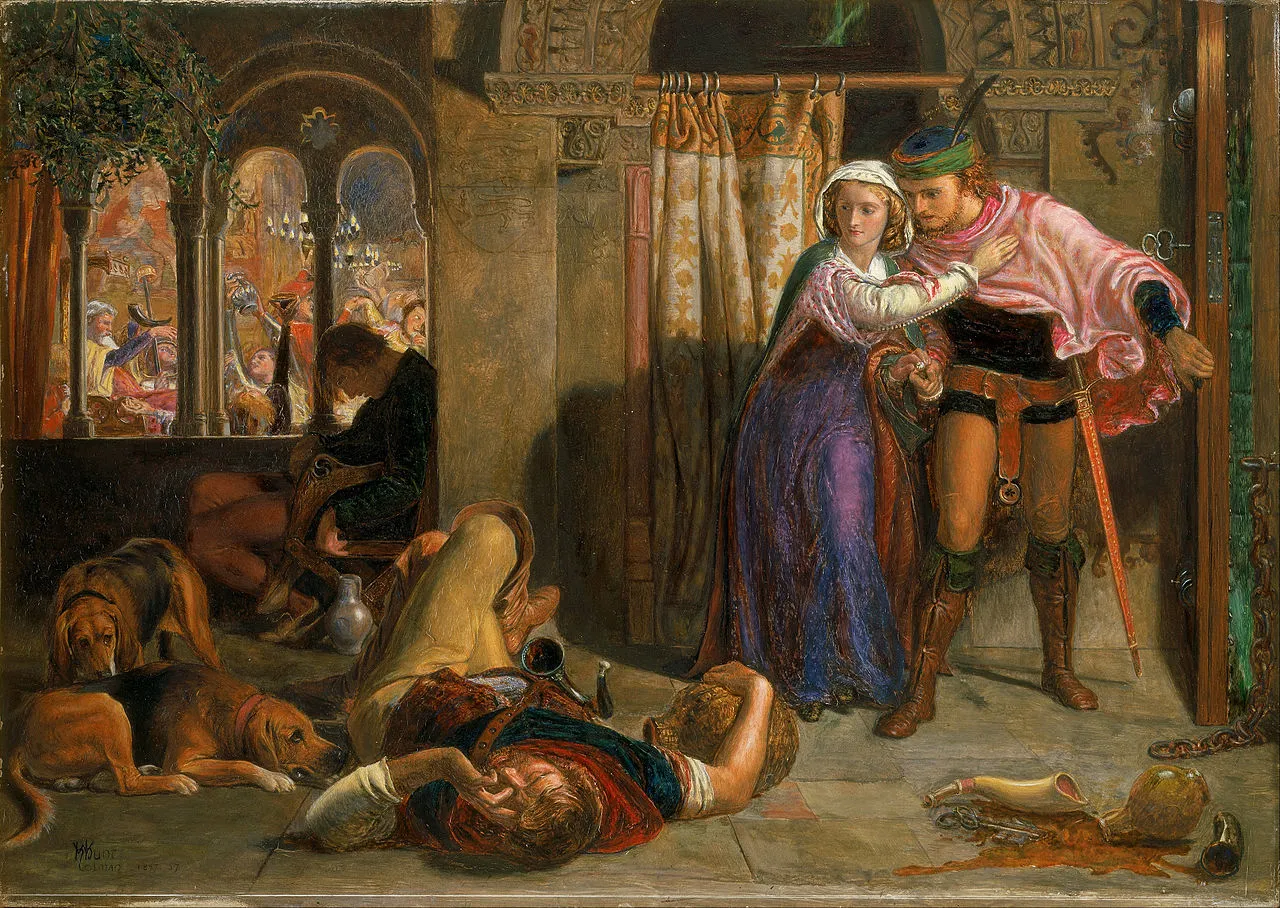
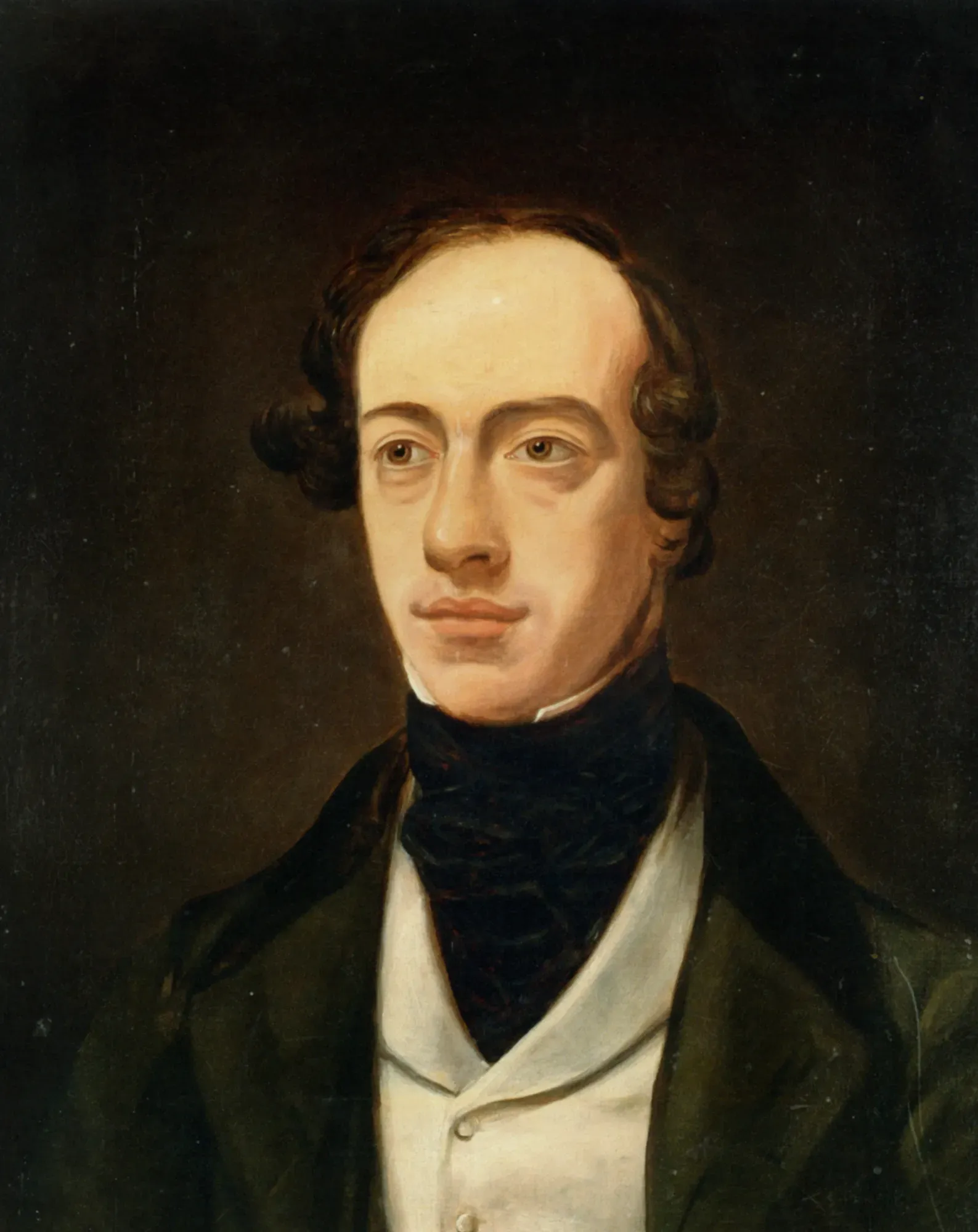
William Holman Hunt’s meticulous technique shines through in "The Eve of Saint Agnes," where each brushstroke reveals his dedication to detail and realism. Rendered in oil on canvas, the artwork’s luminous colors and textured surfaces evoke the enchanting atmosphere of the narrative. Collectors who appreciate Hunt’s skill often seek related works such as "Portrait of Dante Gabriel Rossetti" and "Portrait of John Everett Millais," both showcasing the artist's deft handling of oil on canvas across various subjects.
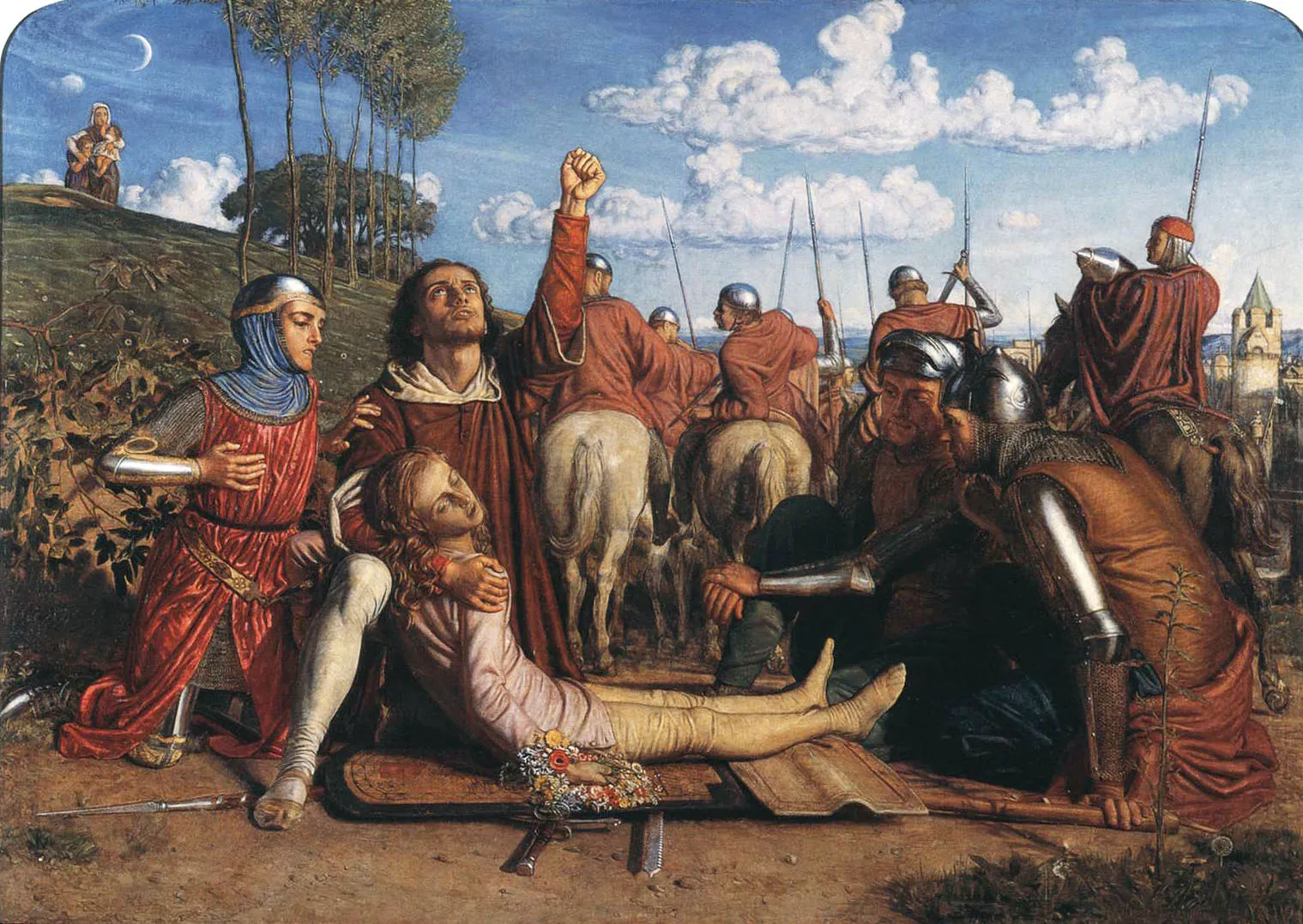
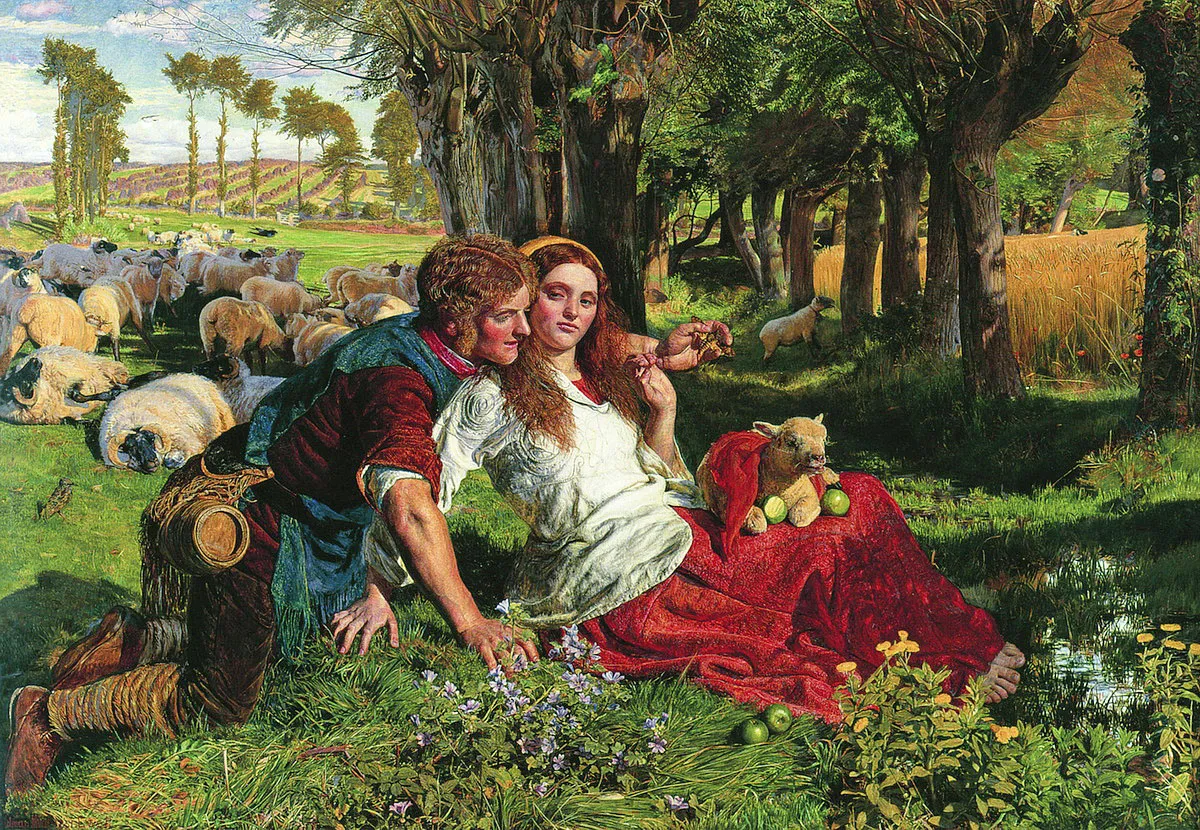
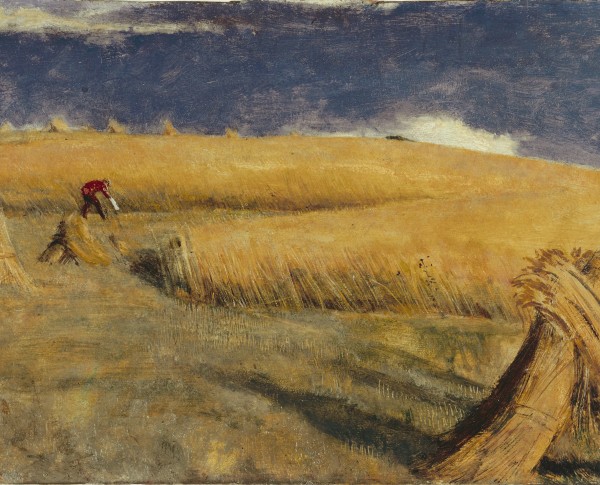
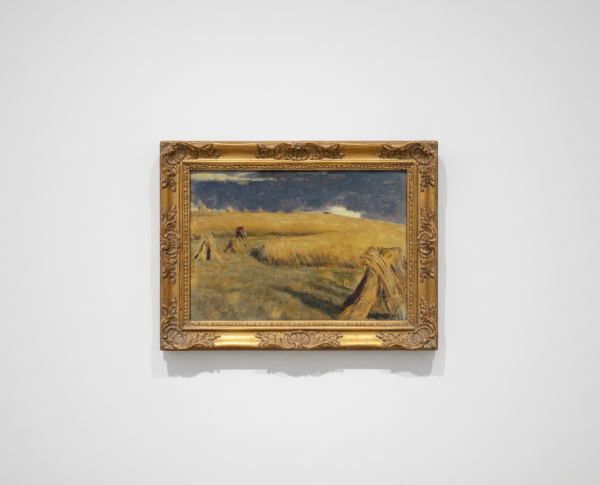
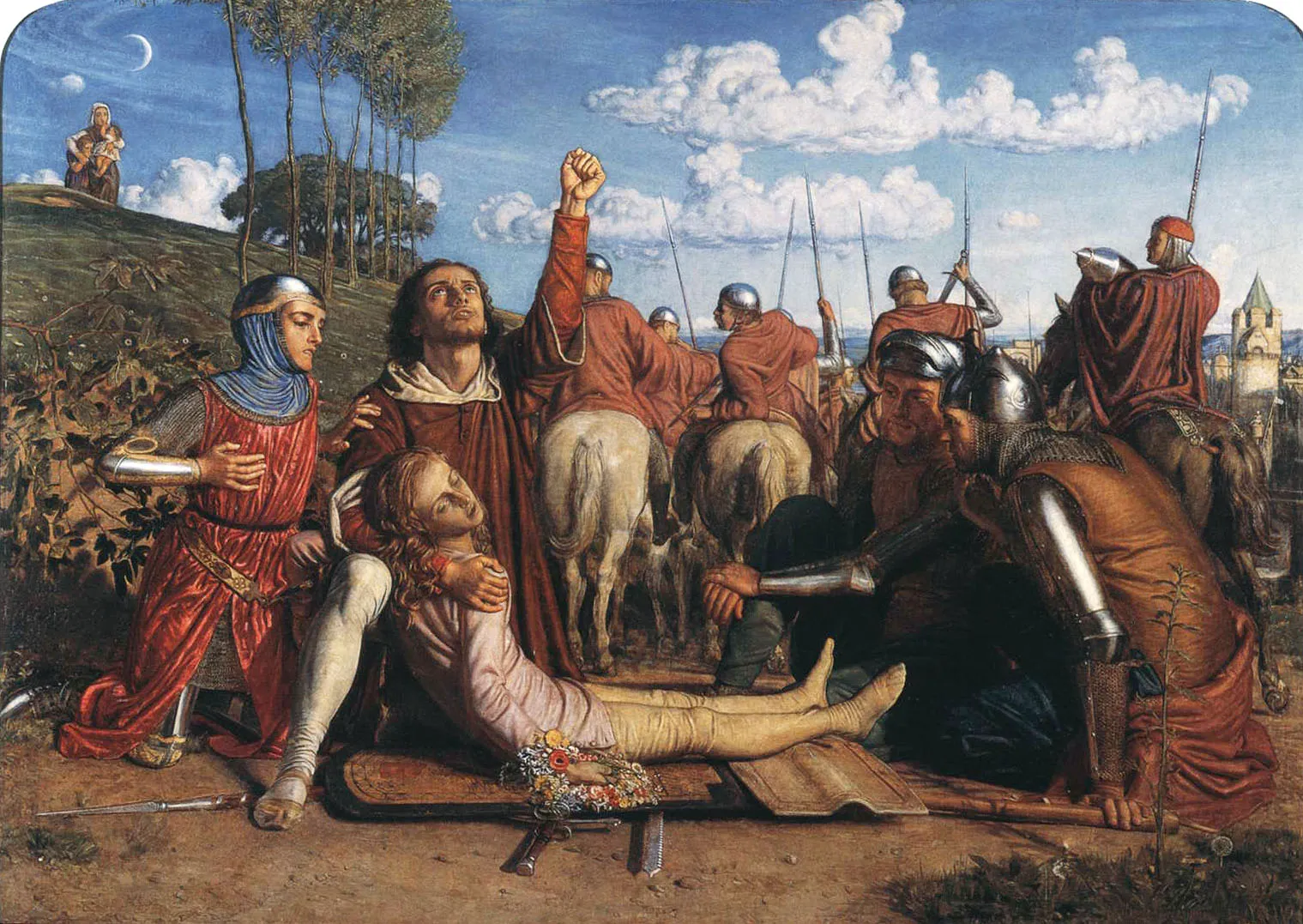
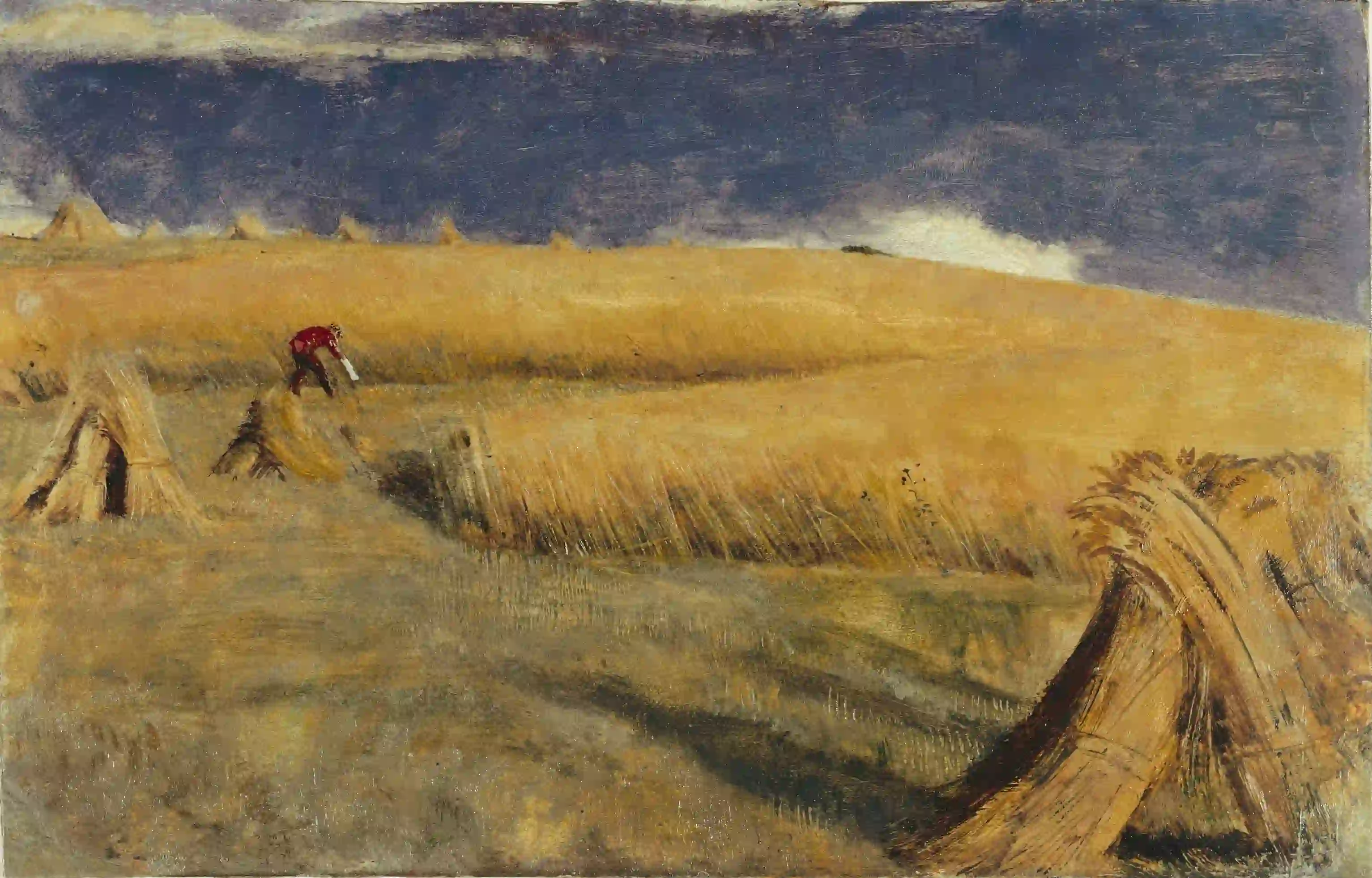
"The Eve of Saint Agnes" is rich with symbolism and narrative, reflecting the Romanticism movement’s love for literary themes. The painting draws inspiration from Keats’s poem, weaving elements of love, dreams, and medieval romance into every detail. This hand-painted oil painting invites viewers to unravel its layered meanings, much like Hunt’s other narrative-driven works, including "Cornfield at Ewell" and "Rienzi Vowing to Obtain Justice for the Death of his Young Brother, Slain in a Skirmish between the Colonna and Orsini Factions."
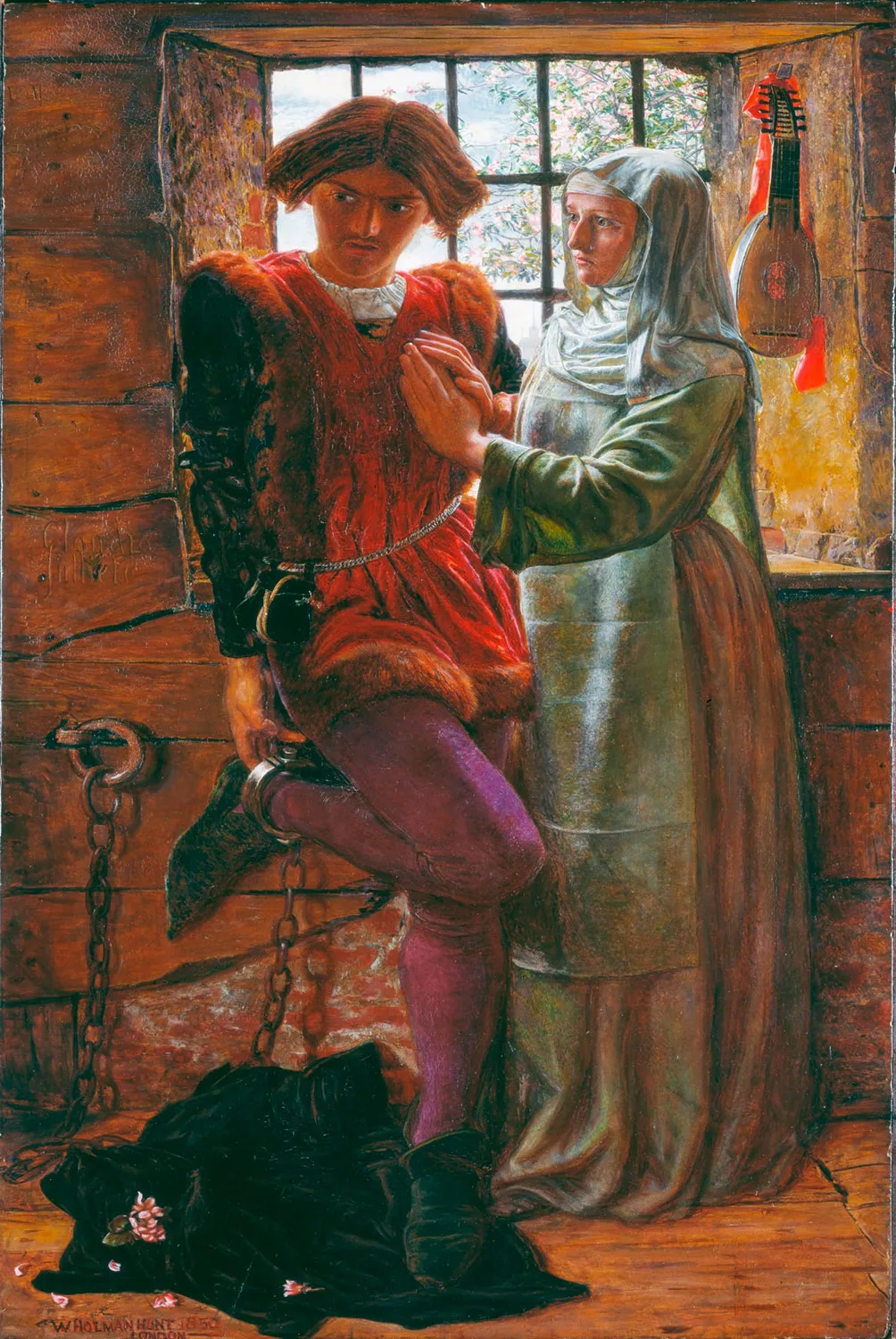
For art collectors, "The Eve of Saint Agnes" by William Holman Hunt represents a prized addition to any gallery, especially for those passionate about Romanticism. This fine art painting for sale stands alongside other masterworks in Hunt’s repertoire, offering a glimpse into the artist’s vision and the era’s emotional intensity. Collectors often seek complementary pieces like "Claudio and Isabella" or "Portrait of John Everett Millais" to enrich their appreciation of Hunt’s legacy.
When Art Meets History
"The Eve of Saint Agnes" by William Holman Hunt is a striking example of the Romanticism movement, capturing a moment rich in narrative and emotion. Created as a hand-painted oil painting, Hunt’s work draws inspiration from literary and historical sources, much like related paintings such as "The Wanderer above the Mists 1817-18" and "The Monk by the Sea." This fine art painting for sale is a testament to the enduring allure of romantic storytelling through visual art.
Techniques That Speak
William Holman Hunt’s mastery of oil on canvas is evident in "The Eve of Saint Agnes," where meticulous brushwork and vibrant colors bring the scene to life. His technique echoes the attention to detail seen in "Portrait of Louis-Marie-Joseph, comte de Brigode-Kemlandt" and "Laocoon." The layering and glazing techniques used in this oil on canvas painting create depth, making it a standout piece among Romanticism artworks, inviting viewers to explore every nuanced detail.
Emotions on Display
"The Eve of Saint Agnes" evokes a rich tapestry of emotions, from longing and anticipation to reverence and hope. William Holman Hunt skillfully channels the Romanticism movement’s focus on deep feeling, much like "Hutten Grave" and "The Monk by the Sea." This fine art painting for sale captures the intensity of the moment, inviting viewers to connect with the characters and immerse themselves in the story’s emotional landscape.
Coveted by Collectors
Collectors around the world seek out "The Eve of Saint Agnes" by William Holman Hunt for its historical significance and artistic mastery. As a hand-painted oil painting from the Romanticism movement, it stands alongside renowned works like "Laocoon" and "The Wanderer above the Mists 1817-18." The painting’s provenance and exceptional execution make it a highly desirable fine art painting for sale, appealing to those who appreciate both beauty and history.
Related Romanticism Hand-Painted Oil Paintings by Other Artists
Other Famous Romanticism Artists:
Frequently Asked Questions About The Eve of Saint Agnes
What is the historical context of "The Eve of Saint Agnes"?
"The Eve of Saint Agnes" was painted by William Holman Hunt in 1850, during the Pre-Raphaelite movement, which sought to return to the detail, intense colors, and complex compositions of pre-Renaissance art. The painting reflects the Victorian fascination with medieval themes and romanticism.
What literary source inspired Hunt's painting?
The painting is inspired by John Keats's poem "The Eve of Saint Agnes," which tells the story of a young woman who dreams of her lover on the eve of Saint Agnes' feast day. Hunt captures the moment of anticipation and longing depicted in the poem.
What are the key symbols present in the painting?
Key symbols in the painting include the candle, representing hope and the passage of time, and the figure of the young woman, symbolizing innocence and purity. The presence of the rose petals signifies love and desire, while the owl symbolizes wisdom and the watchfulness of fate.
How does Hunt's use of color contribute to the painting's mood?
Hunt employs a rich and vibrant color palette, using deep reds, greens, and golds to create a warm, intimate atmosphere. This choice enhances the emotional intensity of the scene, evoking feelings of longing and anticipation.
What artistic techniques did Hunt use in "The Eve of Saint Agnes"?
Hunt utilized meticulous detail and a technique known as "glazing," which involves layering thin washes of color to achieve luminosity and depth. This technique is characteristic of the Pre-Raphaelite style, emphasizing realism and intricate detail.
Who are the figures depicted in the painting?
The central figure is Madeline, the protagonist of Keats's poem, depicted in a moment of reverie. The painting also includes elements that suggest the presence of her lover, Porphyro, who is hidden from view, enhancing the sense of yearning and suspense.
What role does light play in the composition of the painting?
Light plays a crucial role in "The Eve of Saint Agnes," illuminating the figure of Madeline and creating a contrast between light and shadow. This use of chiaroscuro not only highlights her beauty but also symbolizes the duality of hope and uncertainty in her situation.
How does "The Eve of Saint Agnes" reflect Victorian values?
The painting reflects Victorian values through its emphasis on romantic love, purity, and the idealization of femininity. It captures the tension between desire and virtue, a common theme in Victorian literature and art.
What is the significance of the setting in the painting?
The setting, a richly decorated medieval chamber, serves to transport the viewer into a world of fantasy and romance. It enhances the narrative quality of the painting, grounding the mythic elements of the story in a tangible, yet idealized, reality.
How has "The Eve of Saint Agnes" influenced modern art?
The painting has influenced modern art by inspiring subsequent generations of artists to explore themes of romanticism, symbolism, and intricate detail. Its legacy is evident in the work of artists who continue to draw on literary sources and emotional depth in their compositions.























_GFM_Painting_(1).webp)


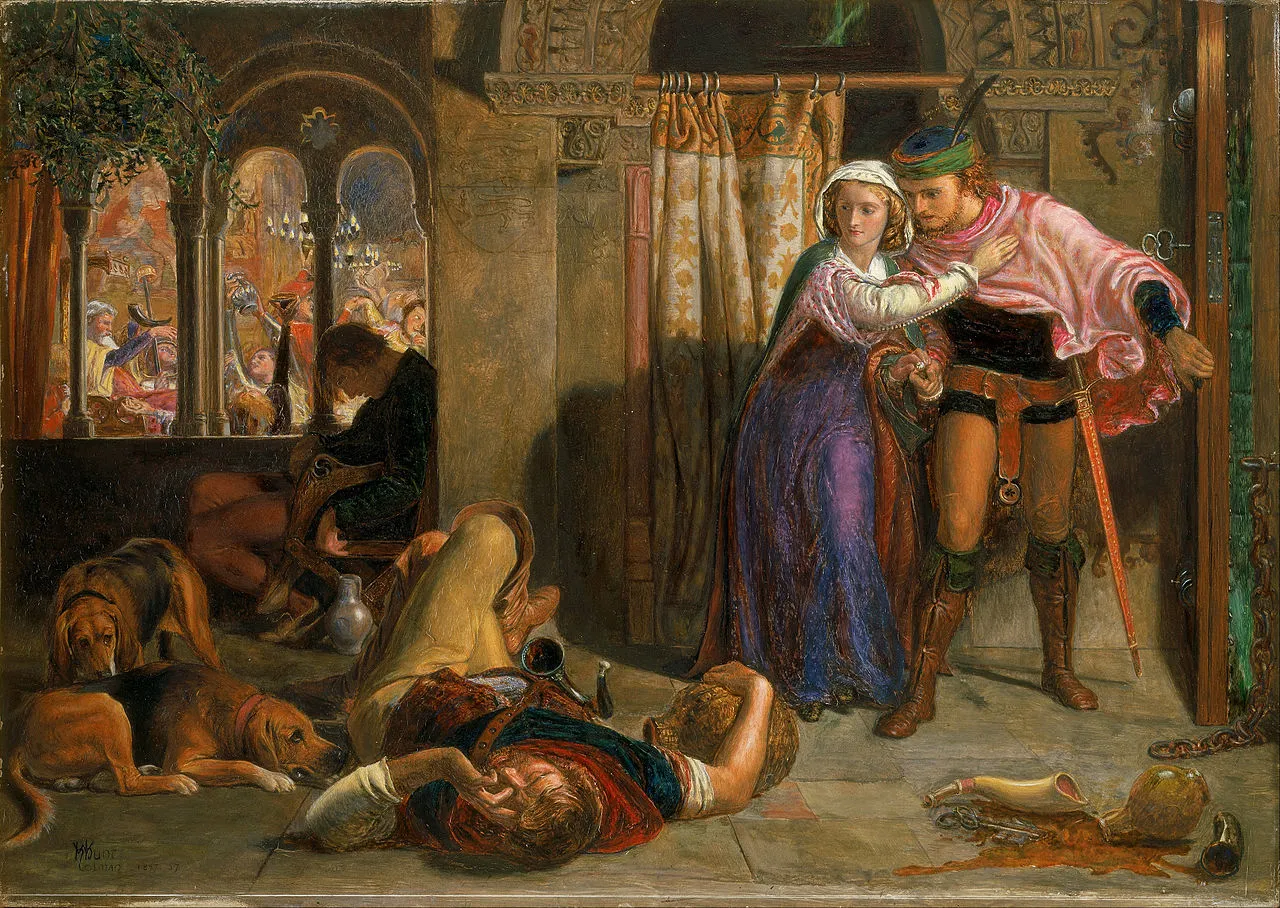
 100% Hand-Painted: Finished in 3-6 Weeks

.png)















_(1).webp)