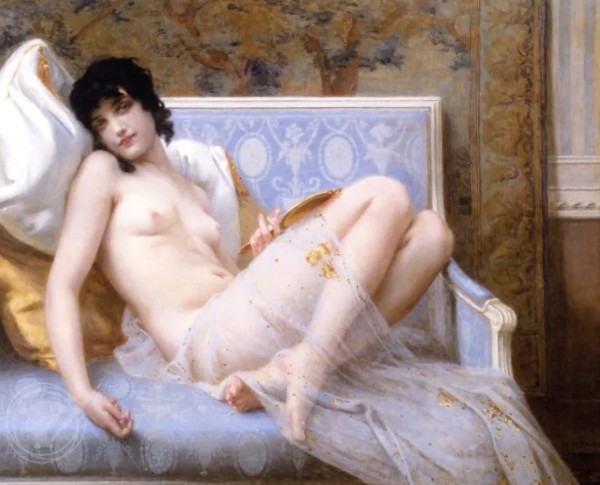
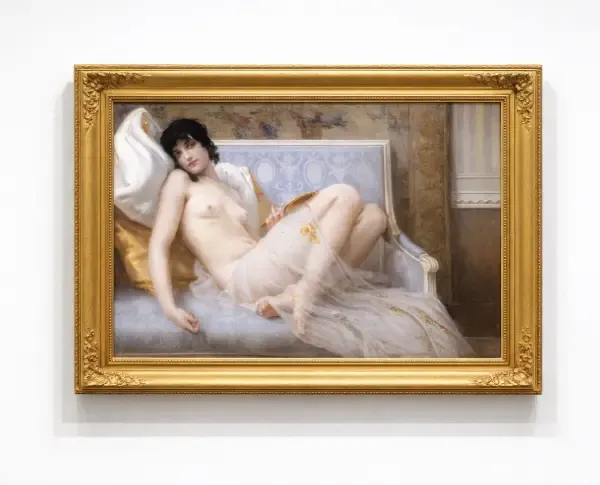
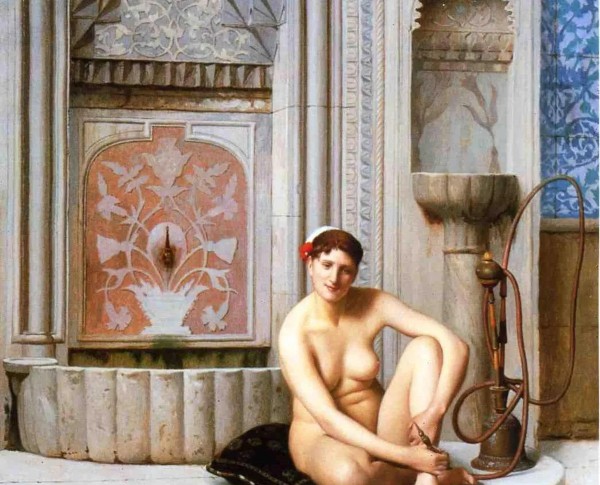
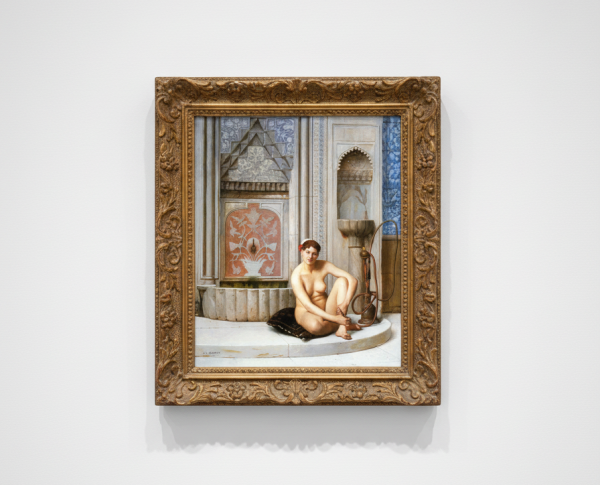
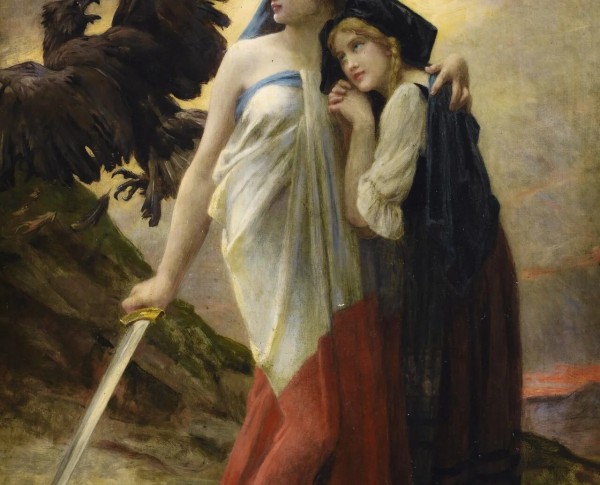
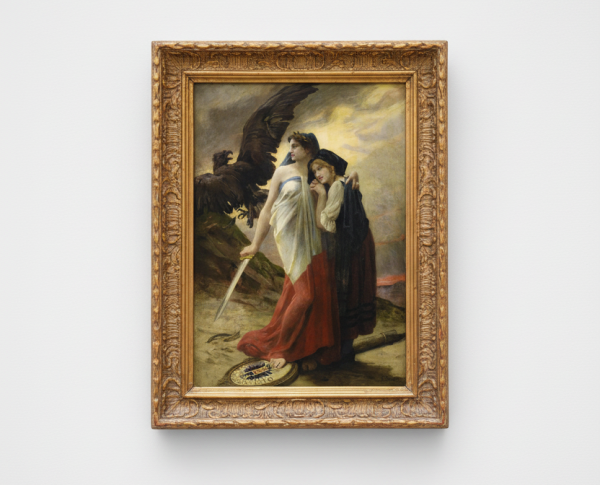
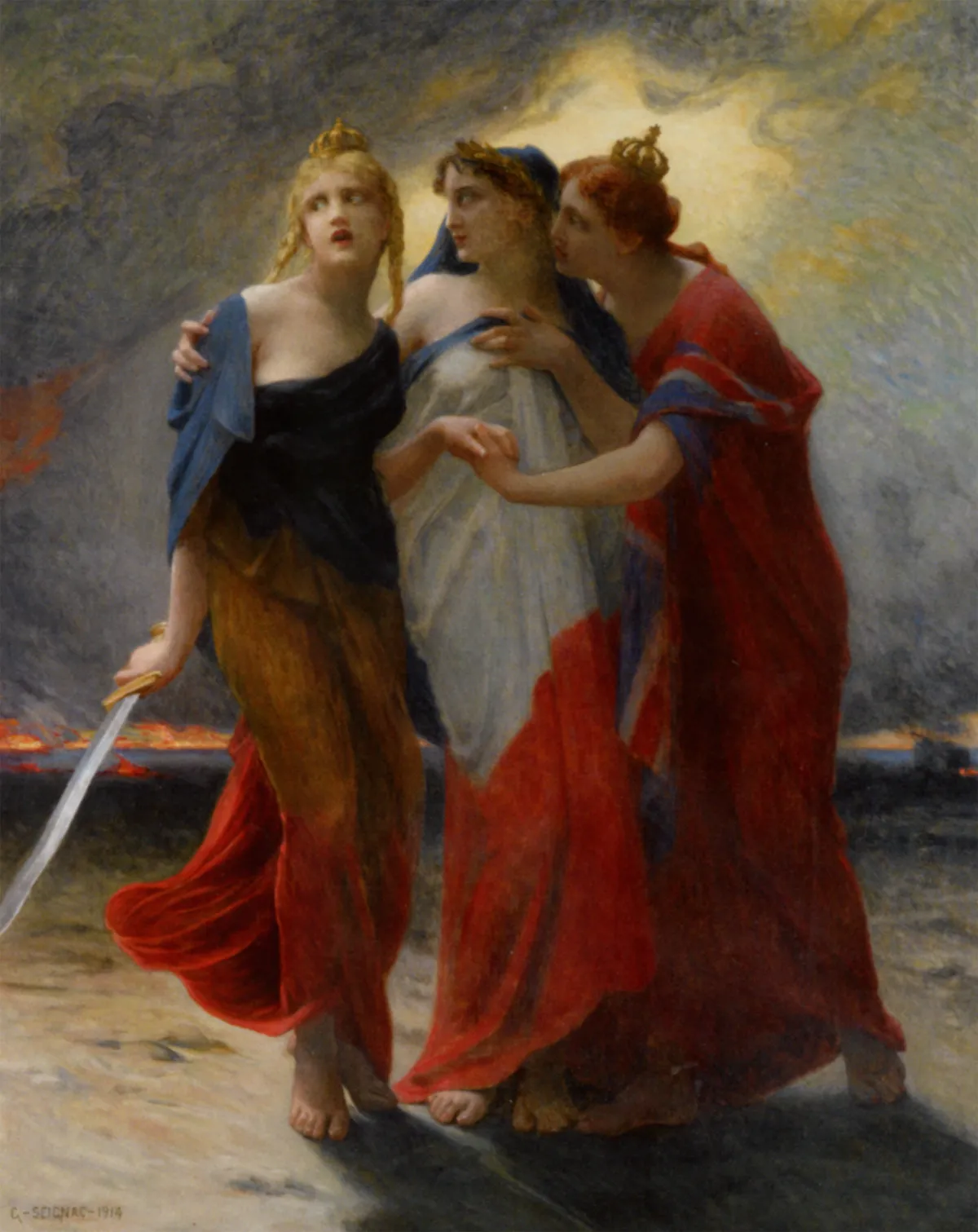
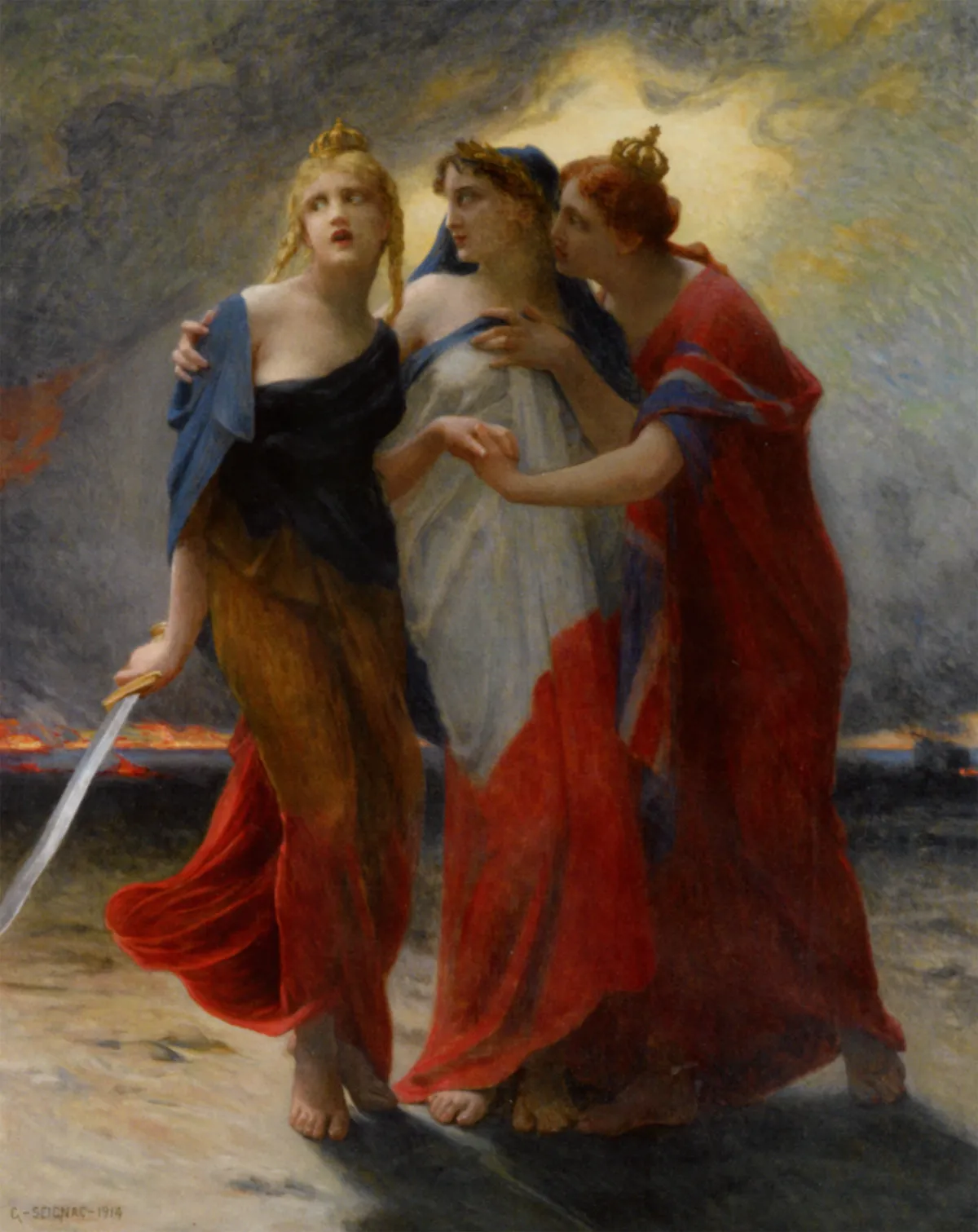
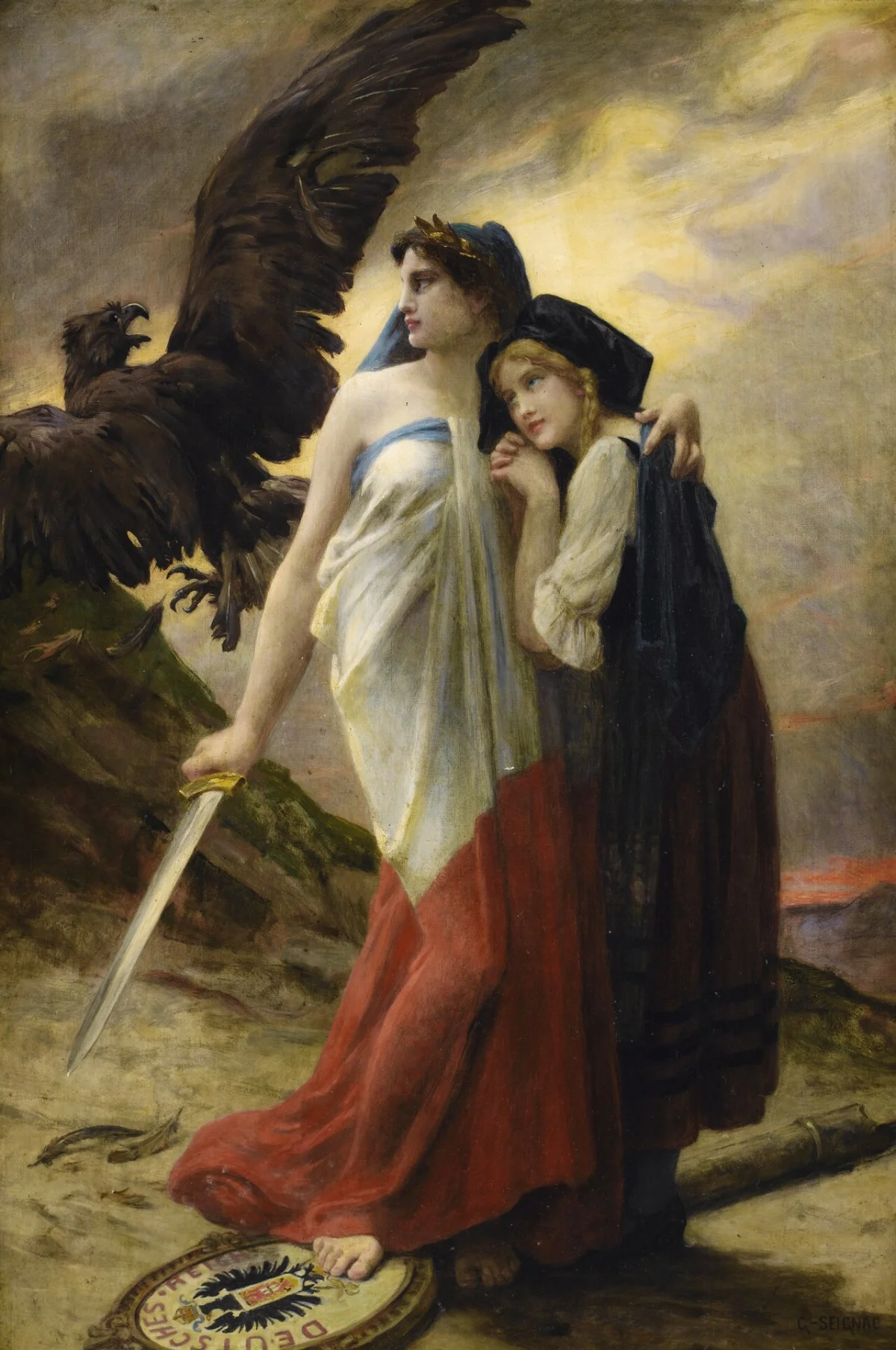
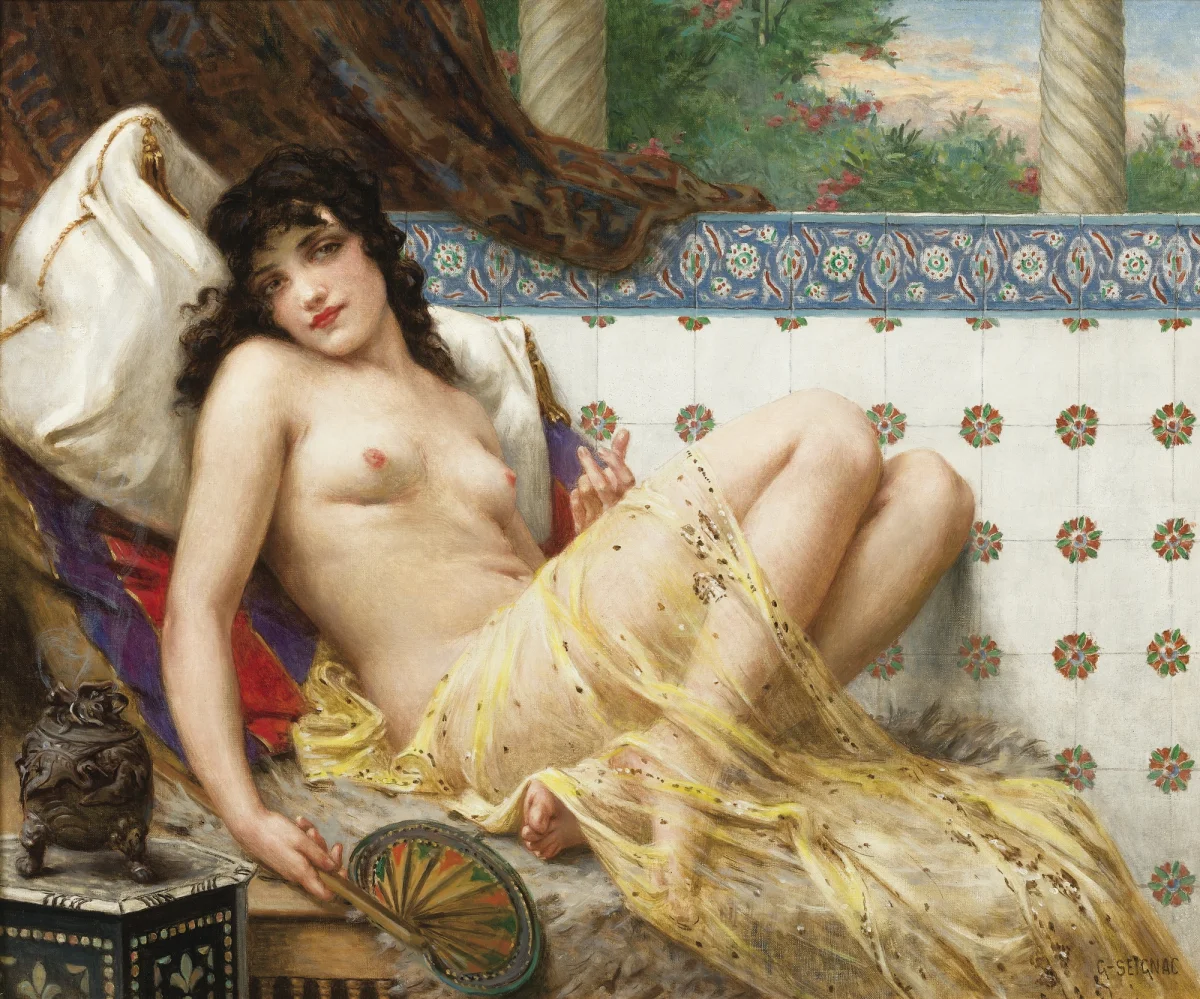
Guillaume Seignac, a celebrated artist of the Academic Art movement, skillfully employs oil on canvas to bring "Belgium, France, and England Before the German Invasion" to life. Each brushstroke reveals his mastery in blending form and color, capturing the tension and dignity of his subjects. This painting’s technical brilliance is reminiscent of other fine works like "The Wave" and "Reclining Odalisque", offering collectors an exceptional glimpse into Academic Art’s refined tradition.
Within "Belgium, France, and England Before the German Invasion", Guillaume Seignac weaves a narrative rich in allegory and symbolism. The figures, poised with grace and resolve, represent the unity and vulnerability of nations on the brink of change. This fine art painting for sale stands alongside "Odalisque with a Fan" and "Reunited", inviting viewers to explore deeper meanings and historical contexts through the lens of Academic Art’s evocative storytelling.
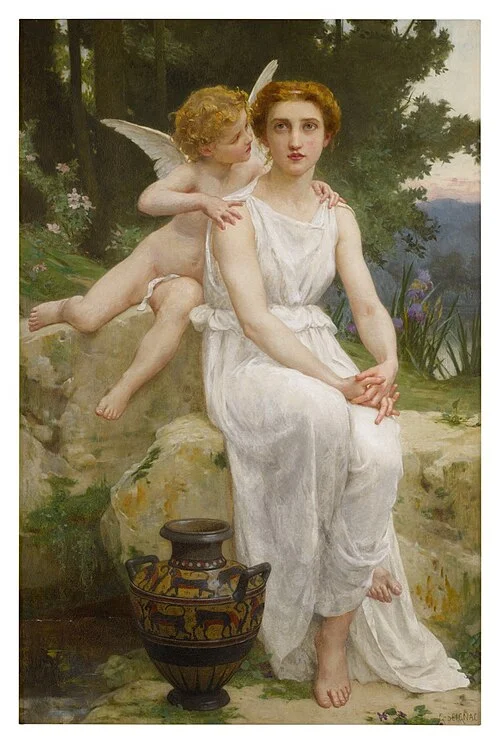
For discerning collectors, "Belgium, France, and England Before the German Invasion" by Guillaume Seignac is a coveted piece within the realm of Academic Art. Its historical significance and exquisite craftsmanship make it more than just a decorative work—it’s a lasting investment. Whether displayed beside "The Awakening of Psyche" or "Reclining Odalisque", this hand-painted oil painting enhances any collection, offering a timeless connection to the golden age of fine art.
When Art Meets History
"Belgium, France, and England Before the German Invasion" by Guillaume Seignac stands as a testament to the power of art in capturing pivotal moments. Created within the Academic Art movement, this hand-painted oil painting immerses viewers in the tense atmosphere preceding the First World War. Seignac’s work is akin to related paintings like "Vercingetorix throws down his arms at the feet of Julius Caesar, 1899," reflecting historical narratives through a masterful artistic lens.
Techniques That Speak
Guillaume Seignac’s mastery is evident in the oil on canvas technique, a hallmark of the Academic Art movement. His precise brushwork and keen attention to light and shadow evoke a sense of realism that brings the scene to life. In comparison to works like "Rest on the Flight into Egypt" and "The Communion of Zouaves," Seignac’s composition and use of color in this painting demonstrate his exceptional control over traditional academic methods.
Emotions on Display
This fine art painting for sale captures not just a historical event, but the raw emotions of uncertainty and anticipation. Seignac’s portrayal of Belgium, France, and England conveys both unity and vulnerability, making viewers empathize with the figures depicted. Similar to "The Wolf of Agubbio" and "The Truant," the artist’s ability to evoke deep feeling is a testament to his skill and his place within the Academic Art movement.
Coveted by Collectors
Collectors of Academic Art highly prize Guillaume Seignac’s "Belgium, France, and England Before the German Invasion" for its historical significance and artistic integrity. As a hand-painted oil painting, it stands alongside related works like "Rest on the Flight into Egypt" and "The Communion of Zouaves" as a sought-after piece. Its detailed execution and evocative subject matter make it a standout among fine art painting for sale in today’s market.
Related Academic Art Hand-Painted Oil Paintings by Other Artists
Other Famous Academic Art Artists:
Frequently Asked Questions About Belgium, France, and England Before the German Invasion
What historical context influenced the creation of this painting?
This painting was created during a tumultuous period in European history, specifically on the brink of World War II. It reflects the anxiety and uncertainty faced by nations in the lead-up to the German invasion, capturing the essence of a continent on the verge of conflict.
What artistic techniques did Guillaume Seignac employ in this work?
Guillaume Seignac utilized a combination of realistic representation and emotive color palettes to convey the gravity of the historical moment. His use of light and shadow enhances the dramatic tension, while the meticulous attention to detail showcases his skill as a painter.
What symbolism can be found in the painting?
The painting symbolizes the fragility of peace and the looming threat of war. The juxtaposition of serene landscapes with ominous elements serves as a reminder of the impending turmoil that would engulf Europe.
How does this painting reflect the cultural identity of Belgium, France, and England?
This artwork encapsulates the shared cultural heritage and historical connections among Belgium, France, and England. It highlights the unity and diversity of these nations, emphasizing their collective experiences in the face of adversity.
What role did nationalism play in the themes of this painting?
Nationalism is a prominent theme in this painting, as it reflects the pride and resilience of the nations depicted. The work serves as a visual narrative of national identity, underscoring the importance of unity in the face of external threats.
In what ways does this painting serve as a historical document?
This painting acts as a historical document by visually chronicling the pre-war atmosphere in Europe. It captures the sentiments of the time, offering insights into the fears and hopes of the populace just before the onset of conflict.
What emotions does the painting evoke in the viewer?
The painting evokes a sense of nostalgia and foreboding. Viewers may feel a poignant mix of beauty and sorrow, as it reflects both the tranquility of the landscape and the underlying tension of the historical moment.
How does Guillaume Seignac's background influence this painting?
Guillaume Seignac's background as a French painter deeply influenced his perspective on the events leading up to the war. His experiences and cultural heritage inform the emotional depth and historical accuracy present in the painting.
What impact did this painting have on contemporary audiences?
Contemporary audiences were likely impacted by the painting's poignant reflection of their realities. It served as a visual commentary on the anxieties of the time, resonating with viewers who were grappling with the uncertainties of impending war.
How does this painting compare to other works from the same period?
This painting stands out among other works from the same period due to its unique blend of realism and emotional depth. While many artists focused on overt depictions of war, Seignac's approach emphasizes the quiet before the storm, offering a different perspective on the era.






















_GFM_Painting_(1).webp)


 100% Hand-Painted: Finished in 3-6 Weeks

.png)















_(1).webp)