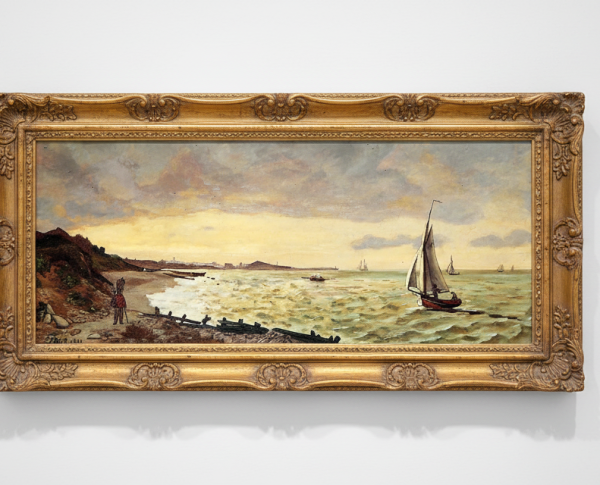
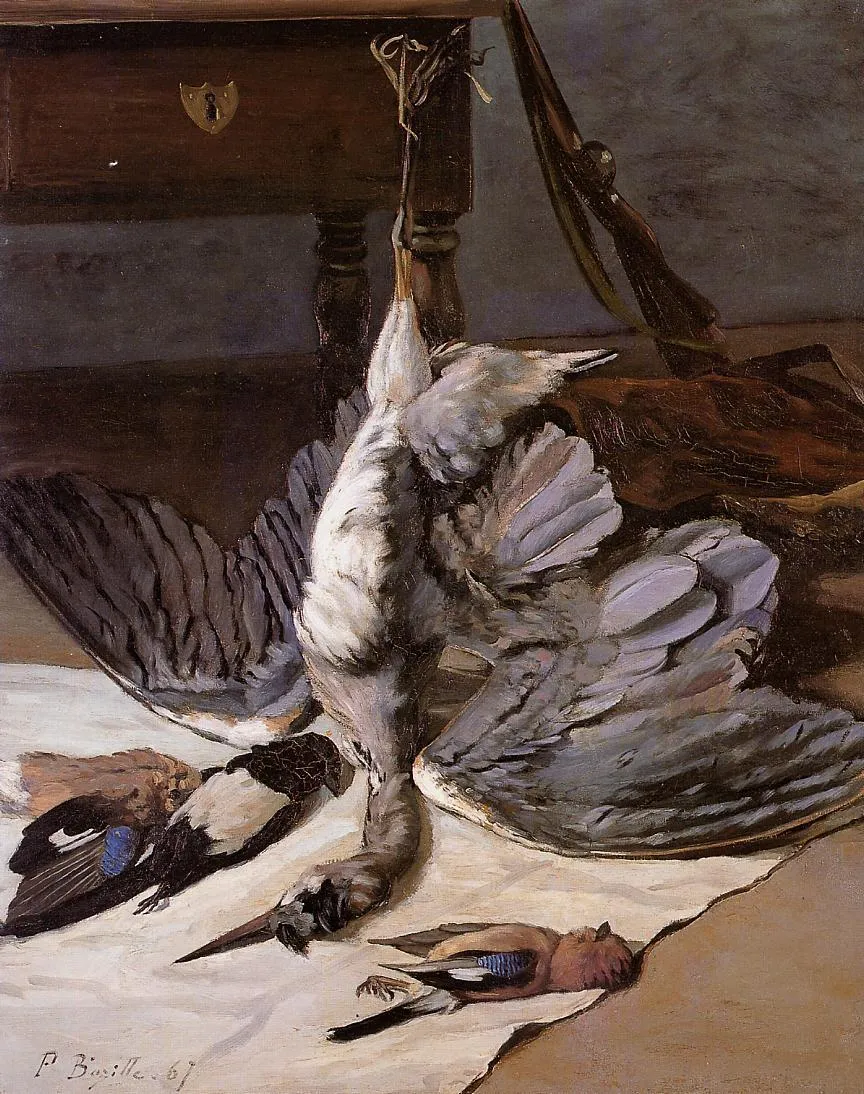
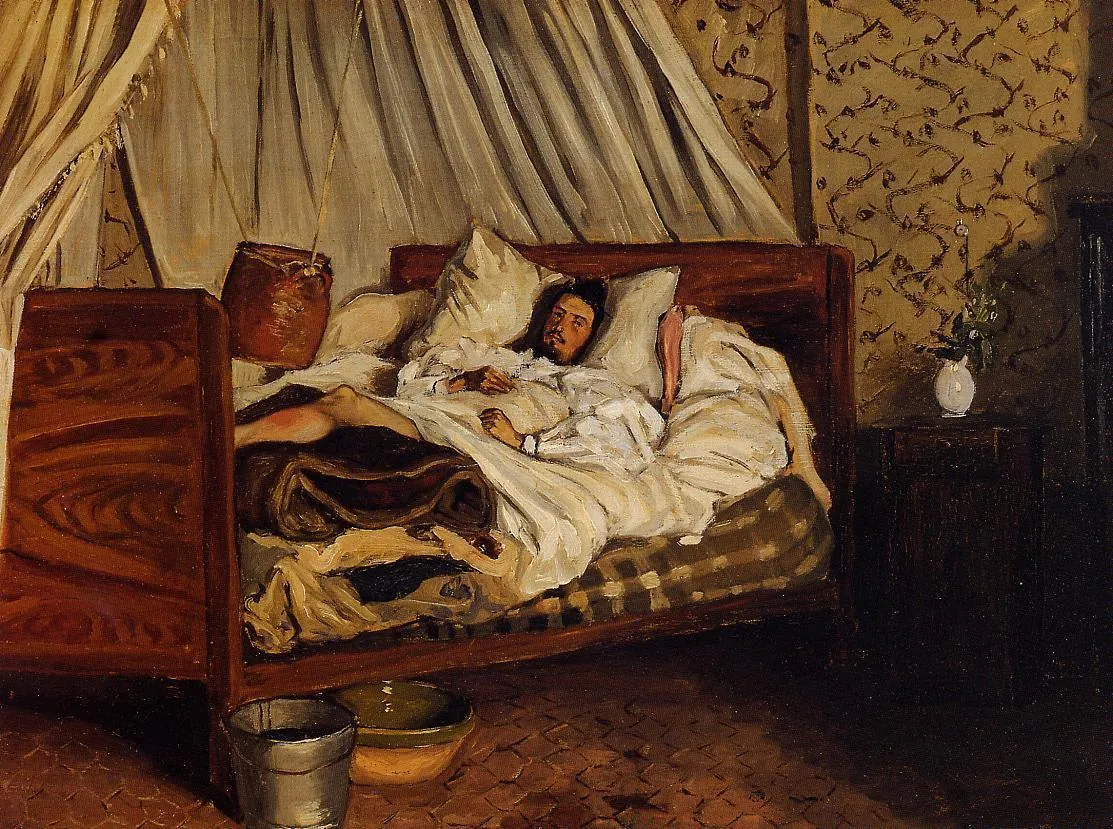
Frederic Bazille’s technique in "The Heron" showcases his exceptional skill with oil on canvas. The artist’s attention to detail and nuanced brushwork bring the serene setting and elegant bird to life. As part of the Realism movement, Bazille’s work sits alongside celebrated pieces like "Portrait of Edouard Blau" and "The Improvised Field-Hospital," offering collectors a glimpse into 19th-century artistry and the mastery inherent in each fine art painting for sale.
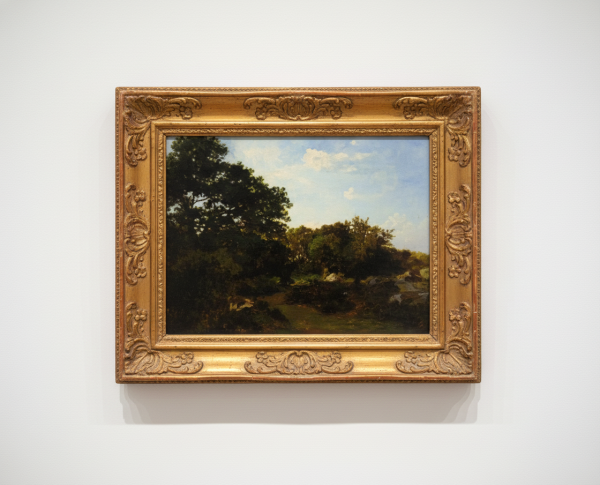
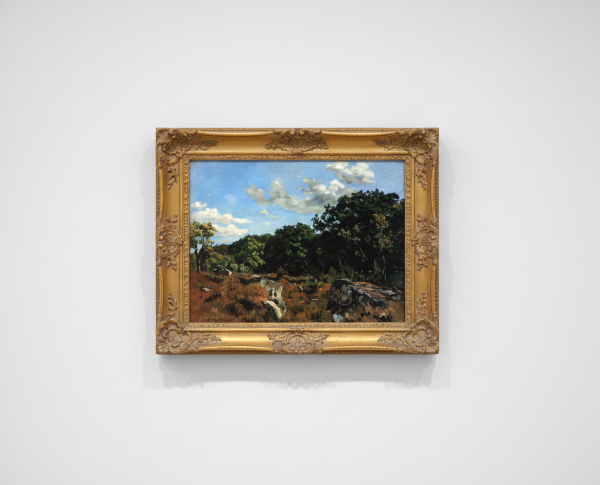
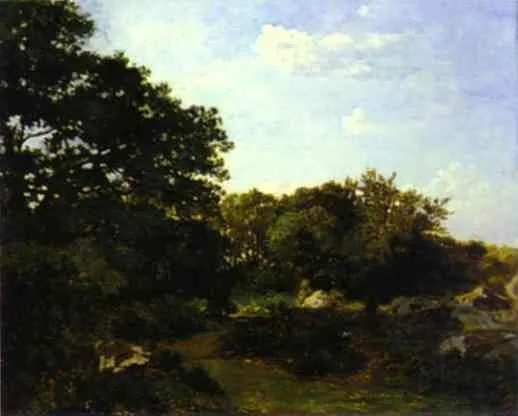
Within "The Heron," Frederic Bazille weaves subtle narratives through his realistic depiction of nature. The heron itself symbolizes patience and tranquility, qualities often explored in the Realism movement. This hand-painted oil painting invites viewers to interpret its deeper meanings, much like Bazille’s "Forest of Fontainebleau" and "Port of the Queen at Aigues-Mortes." Each piece, including "The Heron," reveals stories that resonate with collectors of fine art painting for sale.
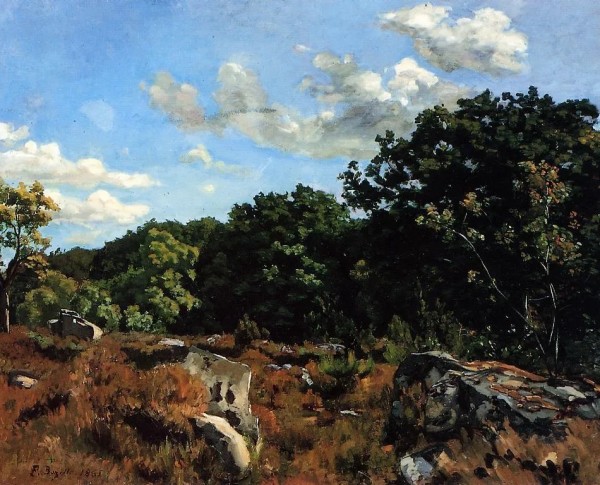
Owning "The Heron" by Frederic Bazille means possessing a remarkable oil on canvas from the Realism movement. This painting, along with related works such as "Landscape at Chailly" and "Port of the Queen at Aigues-Mortes," represents a valuable opportunity for collectors seeking a fine art painting for sale. Bazille’s legacy continues to inspire, and "The Heron" remains a distinguished treasure for those passionate about timeless artistry and the beauty of hand-painted oil paintings.
When Art Meets History
Frederic Bazille’s "The Heron" stands as a testament to the Realism movement, capturing the natural world with remarkable precision. Painted during a time when artists sought to depict life authentically, this hand-painted oil painting draws from Bazille’s keen observation skills. Like related works such as "In Front of Yorktown" and "The Walk to Work," "The Heron" reflects the era’s shift toward lifelike representation, blending historical context with the artist’s unique perspective and attention to detail.
Techniques That Speak
Bazille’s mastery is evident in the oil on canvas technique of "The Heron." The artist’s brushwork brings the bird and its tranquil surroundings to life, echoing the style seen in "The Spanish Singer" and "View on the Island of Valaam." Through careful layering and subtle color transitions, Bazille achieves a depth that is both realistic and evocative. Each stroke in this oil on canvas masterpiece showcases the Realism movement’s commitment to faithful representation.
Emotions on Display
"The Heron" resonates with viewers through its serene atmosphere and lifelike depiction, hallmarks of Bazille’s approach within the Realism movement. The painting evokes a quiet contemplation similar to "Madre Maria Jeronima de la Fuente," inviting audiences to connect emotionally with the scene. This fine art painting for sale captures the essence of nature’s calm, allowing admirers to experience the tranquility and subtle emotion embedded in Bazille’s work.
Coveted by Collectors
Collectors prize "The Heron" for its blend of technical skill and historical significance. As a hand-painted oil painting by Frederic Bazille, it holds a distinguished place alongside other celebrated Realism works. The painting’s connection to other masterpieces like "The Walk to Work" and "The Spanish Singer" enhances its desirability. Discerning collectors seek out this fine art painting for sale, recognizing its enduring value and the unique vision Bazille brought to the Realism movement.
Related Realism Hand-Painted Oil Paintings by Other Artists
Other Famous Realism Artists:
Frequently Asked Questions About The Heron
Who is the artist of The Heron?
The Heron was created by the French artist Frederic Bazille, a prominent figure in the Impressionist movement.
What year was The Heron painted?
The Heron was painted in 1868, during a period when Bazille was exploring the themes of nature and light.
What artistic techniques are evident in The Heron?
The painting showcases Bazille's use of vibrant colors, loose brushwork, and a focus on natural light, which are hallmarks of the Impressionist style.
What is the significance of the heron in the painting?
The heron symbolizes grace and tranquility, serving as a focal point that reflects the harmony of nature, a common theme in Bazille's work.
How does The Heron reflect the Impressionist movement?
The Heron exemplifies the Impressionist movement through its emphasis on capturing a moment in time, the play of light, and the depiction of everyday scenes in nature.
What influences can be seen in Bazille's style in The Heron?
Bazille was influenced by his contemporaries, including Claude Monet and Pierre-Auguste Renoir, which is evident in his use of color and light in The Heron.
Where is The Heron currently located?
The Heron is part of the collection at the Musée d'Orsay in Paris, France, where it is displayed alongside other masterpieces of the Impressionist era.
What themes are explored in The Heron?
The painting explores themes of nature, tranquility, and the beauty of the natural world, reflecting Bazille's deep appreciation for his surroundings.
What materials did Frederic Bazille use for The Heron?
Frederic Bazille used oil paints on canvas, a common medium for artists of the Impressionist movement, allowing for rich textures and vibrant colors.
How does The Heron compare to other works by Bazille?
Compared to other works by Bazille, The Heron showcases a more serene and contemplative approach, focusing on a single subject rather than dynamic group scenes, highlighting his versatility as an artist.























_GFM_Painting_(1).webp)


 100% Hand-Painted: Finished in 3-6 Weeks

.png)















_(1).webp)