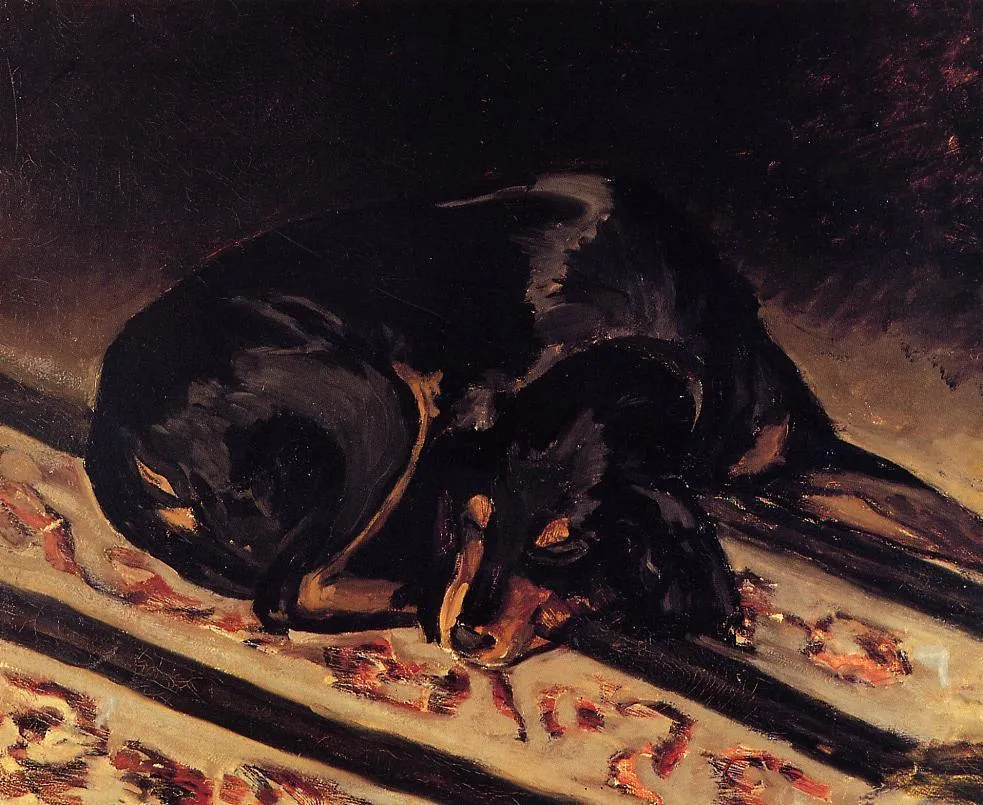
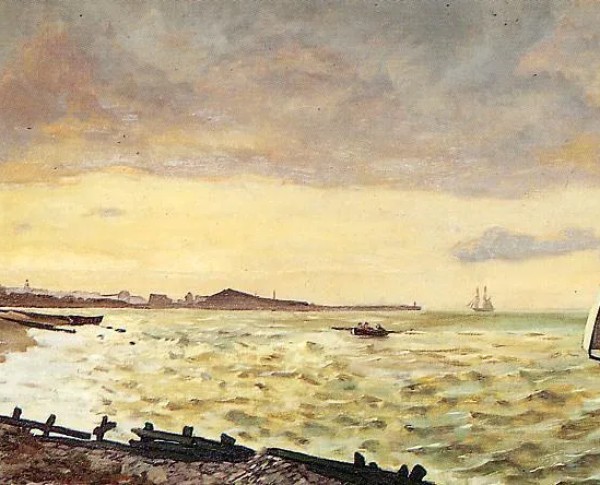
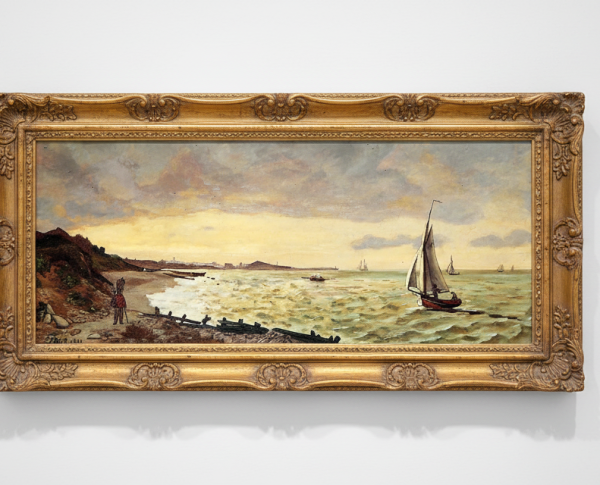
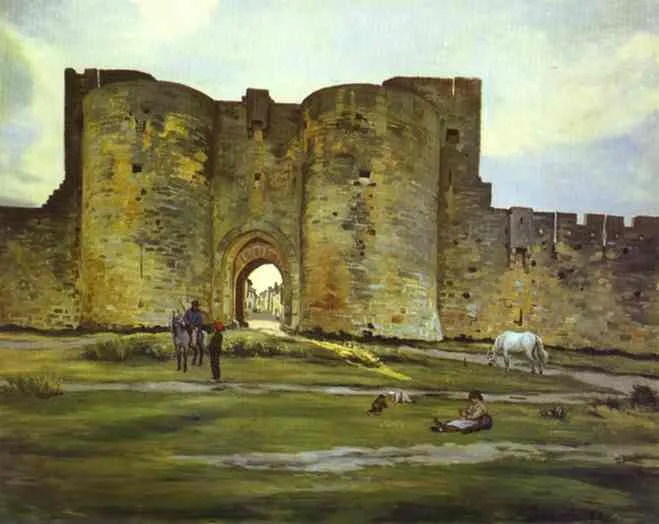
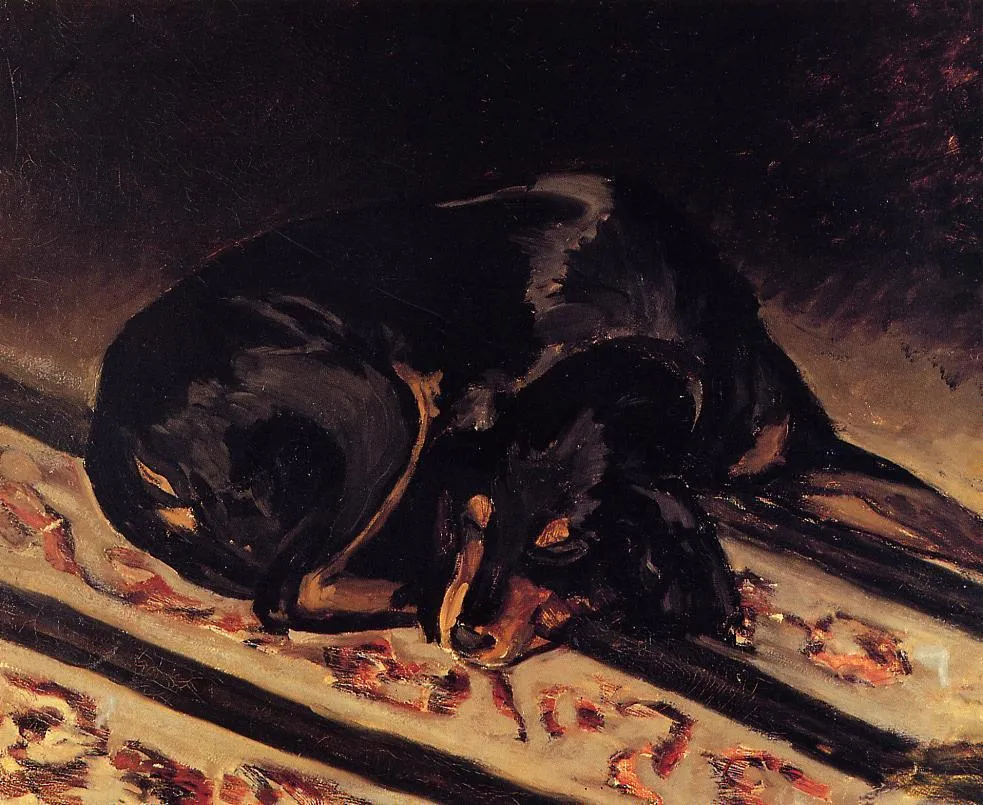
Frederic Bazille’s technique shines in "Port of the Queen at Aigues-Mortes," an exceptional oil on canvas that demonstrates his mastery of light and texture. Each brushstroke in this Realism painting brings the tranquil waters and bustling port to life. Bazille’s approach to composition and color harmonizes perfectly in this work. Collectors interested in his style may also appreciate "Portrait of Edouard Blau" and "The Dog Rita Asleep," which highlight his skilled craftsmanship.
This fine art painting for sale is more than a picturesque scene; it tells stories of commerce, community, and the passage of time at Aigues-Mortes. Bazille, a pioneer of the Realism movement, subtly infuses symbolic meaning into the everyday activities depicted in the port. The painting invites viewers to explore layers of narrative, much like in his other works such as "The Improvised Field-Hospital" and "Still Life with Fish," which also evoke rich storytelling.
Owning "Port of the Queen at Aigues-Mortes" by Frederic Bazille means acquiring a significant piece of Realism’s legacy. This hand-painted oil painting is a valuable asset for any serious art collection, reflecting both historical context and artistic excellence. Collectors searching for unique works may also be interested in related products, including "Mall of Aigues-Mortes" and "Still Life with Fish," both of which exemplify Bazille’s enduring influence in fine art.
When Art Meets History
Frederic Bazille’s "Port of the Queen at Aigues-Mortes" stands as a remarkable hand-painted oil painting, capturing the essence of the Realism movement. Bazille’s attention to detail and historical accuracy brings to life the bustling port scene, echoing the vibrancy of 19th-century France. Like his contemporaries, Bazille skillfully weaves narrative into his work, much like the storytelling found in "A Dash for the Timber" and "Peasant and peddler," making this piece a treasure for art lovers.
Techniques That Speak
Bazille’s mastery of oil on canvas is evident in the nuanced textures and luminous colors of "Port of the Queen at Aigues-Mortes." The Realism movement’s focus on authenticity is showcased through his brushwork and use of natural light, which bring depth and vitality to the port’s waters and architecture. His technique aligns with other fine art masterpieces, such as "Portrait of Sebastián de Morra" and "Oaks," demonstrating Bazille’s profound influence on his peers.
Emotions on Display
In "Port of the Queen at Aigues-Mortes," Frederic Bazille channels the serene yet industrious mood of a thriving port town. This fine art painting for sale evokes a sense of calm anticipation, as workers and townsfolk go about their daily lives. Bazille’s Realism roots are clear, as he captures genuine human emotion—paralleling the subtle storytelling seen in "In the Wild North…" and other related works. The painting’s atmosphere draws viewers into its quietly compelling world.
Coveted by Collectors
Collectors seek out Frederic Bazille’s "Port of the Queen at Aigues-Mortes" for its historical significance and exquisite execution as a hand-painted oil painting. The blend of Realism and Bazille’s unique vision makes it a standout among related paintings like "Peasant and peddler" and "Oaks." As demand grows for authentic oil on canvas pieces from this influential era, Bazille’s work remains a prized acquisition for those who appreciate the enduring legacy of fine art.
Related Realism Hand-Painted Oil Paintings by Other Artists
Other Famous Realism Artists:
Frequently Asked Questions About Port of the Queen at Aigues-Mortes
What is the historical significance of "Port of the Queen at Aigues-Mortes"?
This painting captures the historical port of Aigues-Mortes, which was a key site for the export of goods during the medieval period and served as a departure point for the Crusades.
Who was Frederic Bazille and what is his connection to this artwork?
Frederic Bazille was a French Impressionist painter known for his innovative approach to color and light. He painted "Port of the Queen at Aigues-Mortes" during the summer of 1868, showcasing his ability to blend realism with impressionistic techniques.
What artistic techniques did Bazille employ in this painting?
Bazille utilized a combination of loose brushwork and vibrant color palettes to convey the lively atmosphere of the port, emphasizing the interplay of light and shadow on the water and boats.
What themes are explored in "Port of the Queen at Aigues-Mortes"?
The painting explores themes of commerce, travel, and the connection between nature and human activity, reflecting the significance of maritime trade in 19th-century France.
How does "Port of the Queen at Aigues-Mortes" reflect the Impressionist movement?
This artwork reflects the Impressionist movement through its emphasis on capturing a moment in time, use of natural light, and focus on everyday subjects, moving away from traditional historical or mythological themes.
What symbols can be identified in the painting?
The boats in the harbor symbolize trade and exploration, while the calm waters represent tranquility and the passage of time, suggesting a harmonious relationship between humanity and nature.
In what ways does the composition of the painting enhance its meaning?
The composition, with its dynamic arrangement of boats and figures, draws the viewer's eye across the canvas, creating a sense of movement and life that reflects the bustling activity of the port.
What influences did Bazille draw from in creating this work?
Bazille was influenced by the works of earlier Impressionists and Realists, as well as his experiences in the Mediterranean region, which inspired his vibrant color choices and focus on natural landscapes.
How does this painting fit into Bazille's overall body of work?
"Port of the Queen at Aigues-Mortes" is representative of Bazille's exploration of light and color, serving as a precursor to his later works that further developed these themes within the Impressionist framework.
What impact did "Port of the Queen at Aigues-Mortes" have on later artists?
This painting influenced later artists by demonstrating the potential of capturing everyday scenes with a fresh perspective, encouraging subsequent generations to explore similar themes of light, color, and movement in their own works.























_GFM_Painting_(1).webp)


 100% Hand-Painted: Finished in 3-6 Weeks

.png)















_(1).webp)