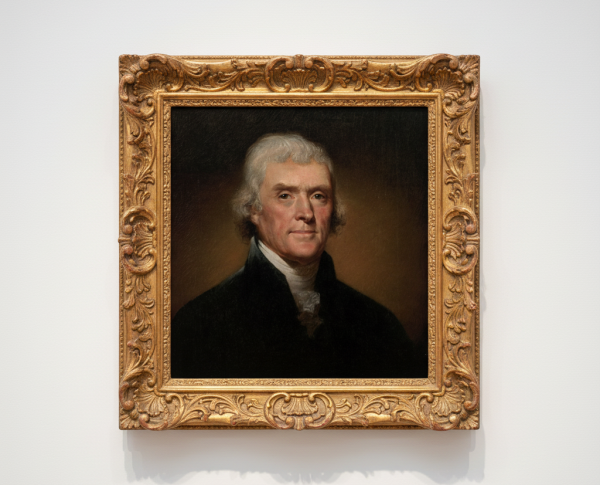
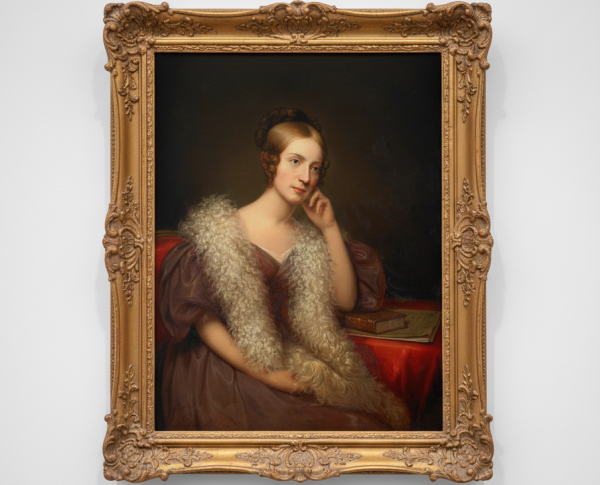
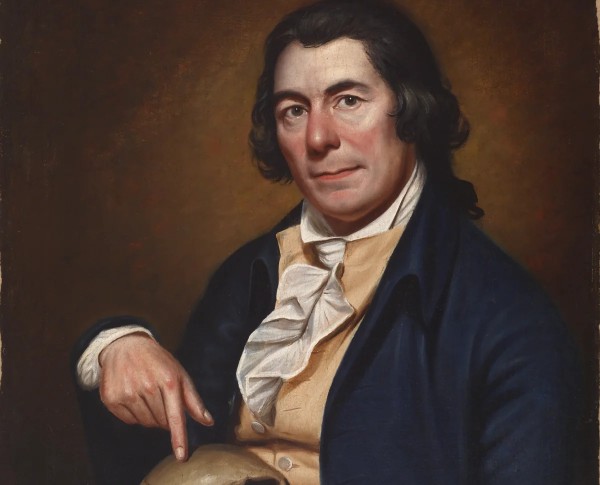
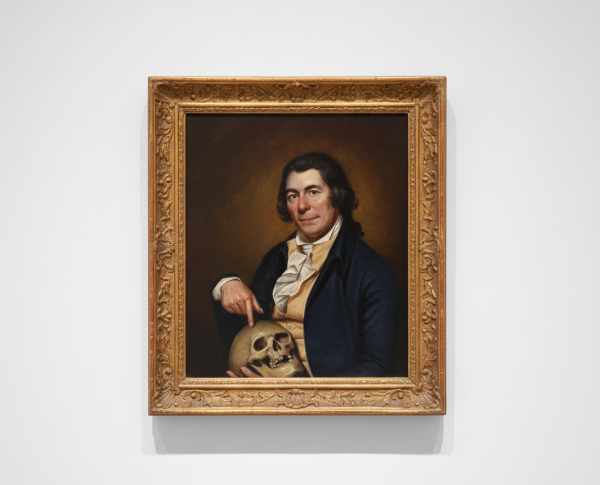
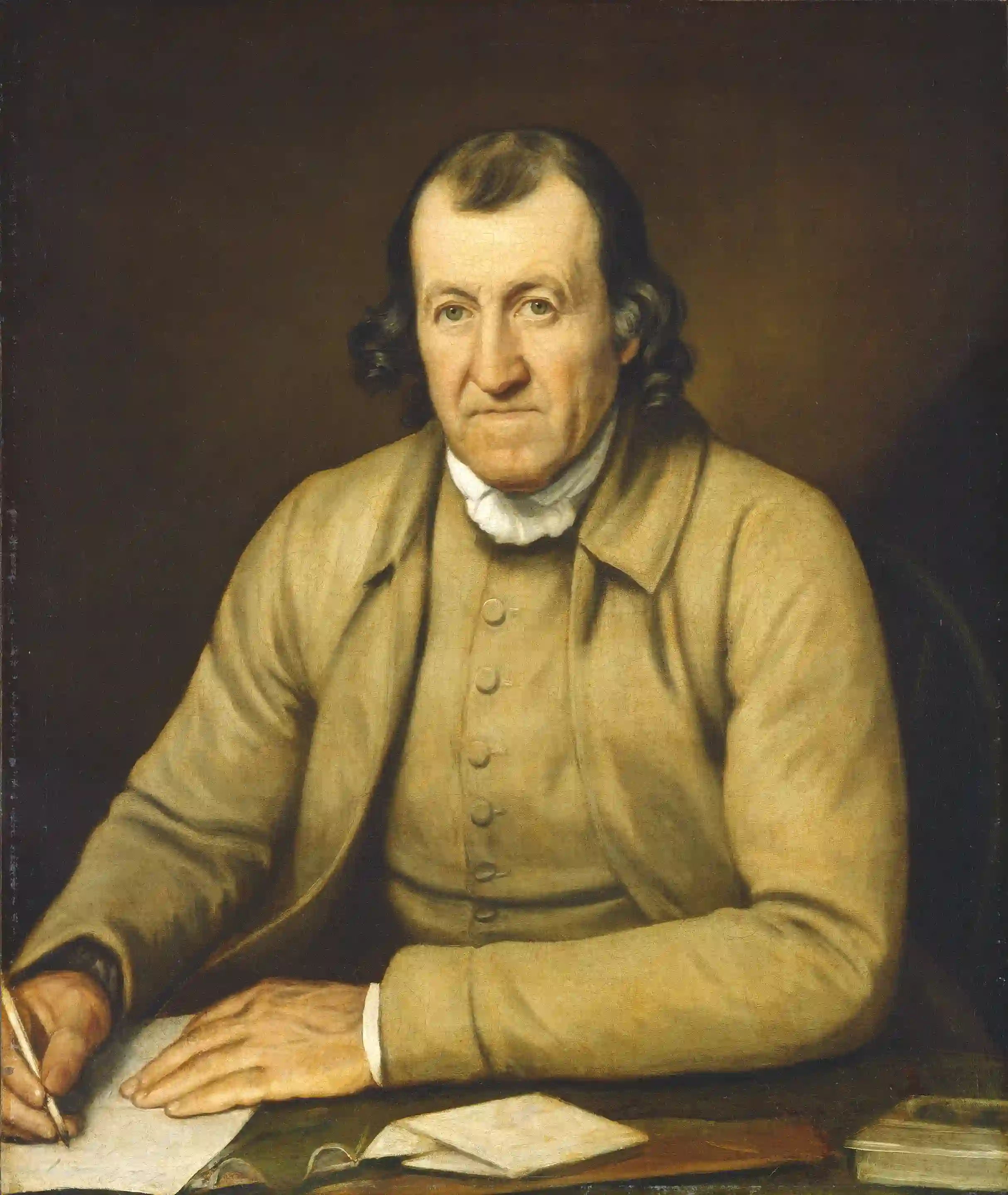
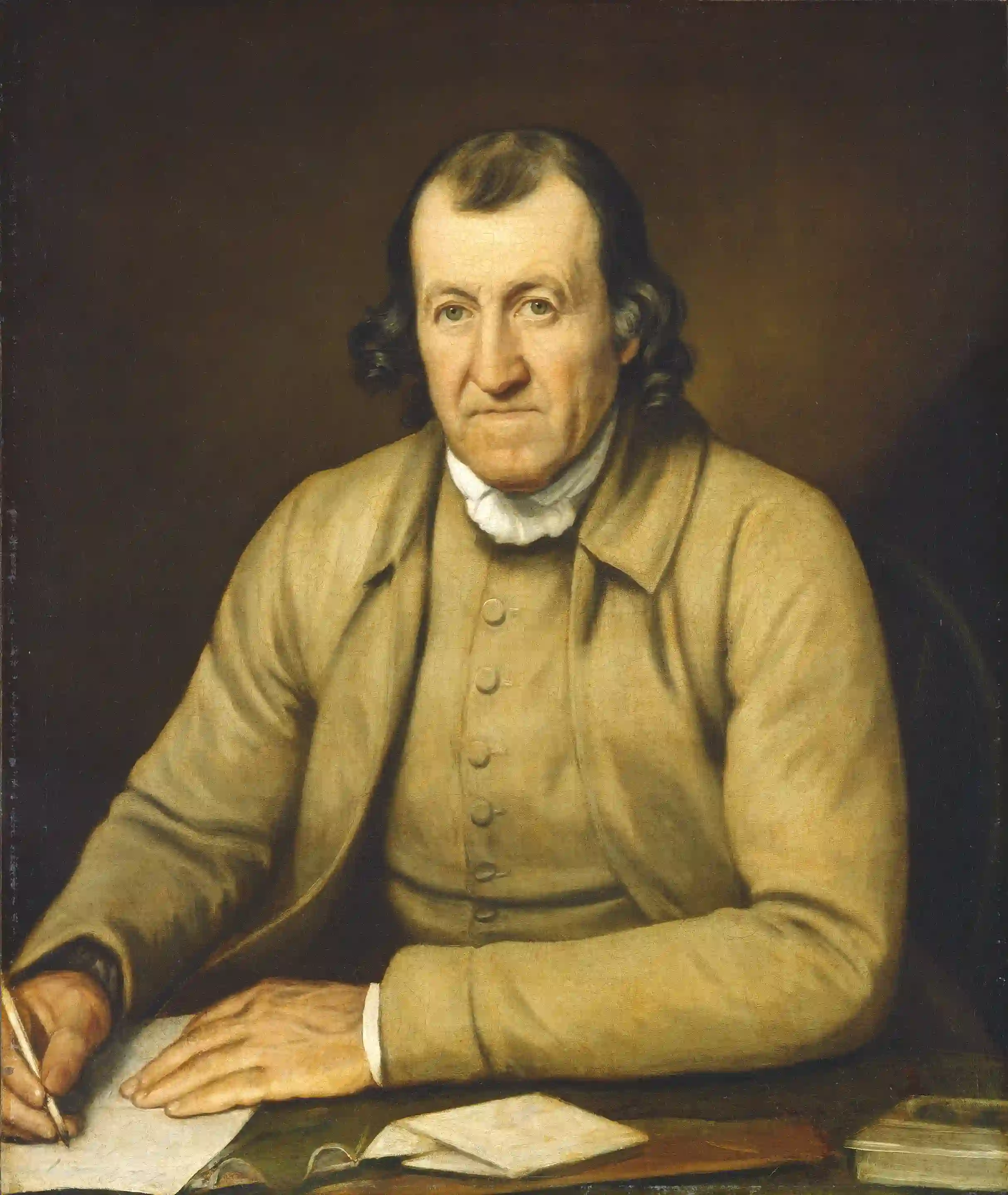
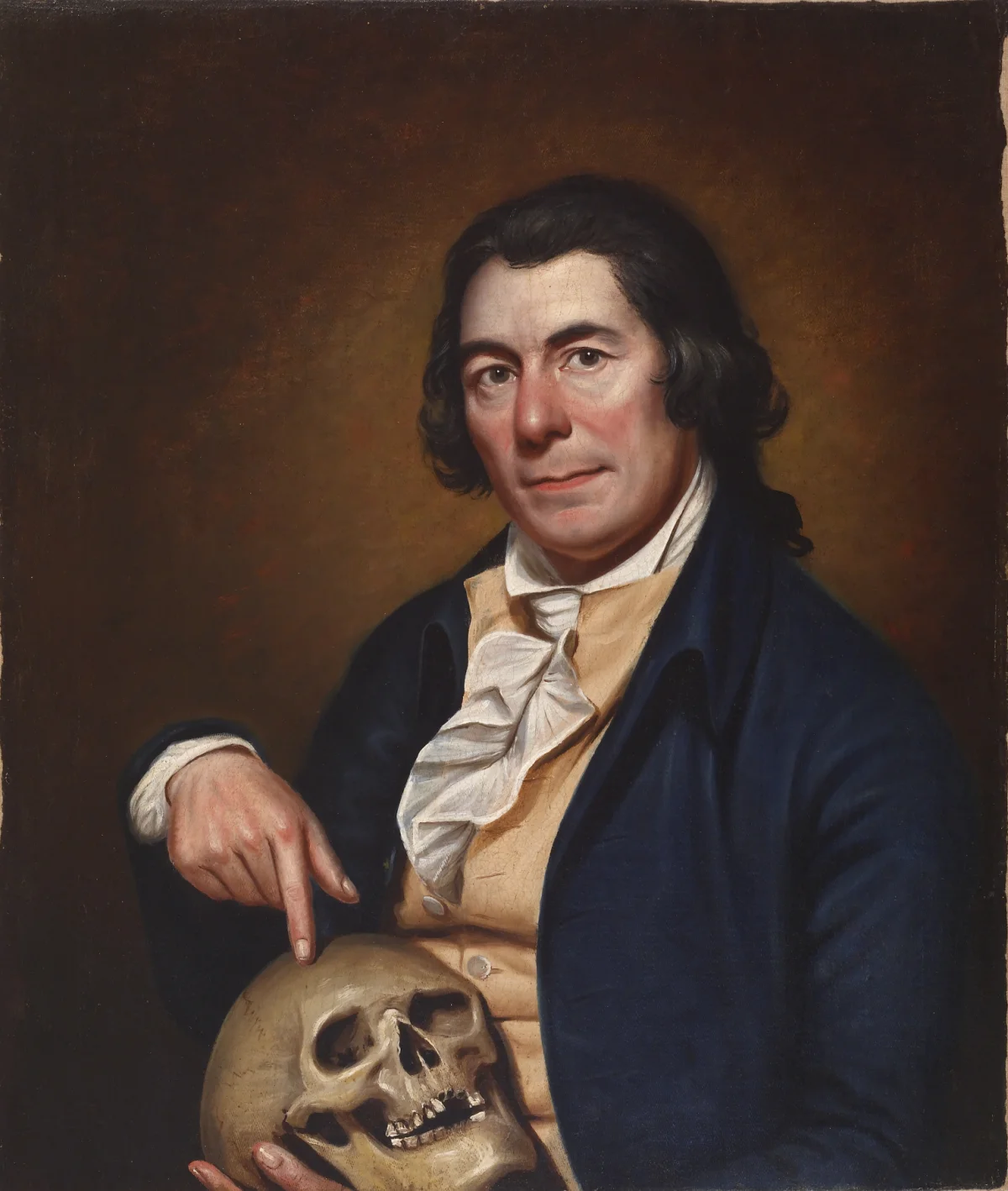
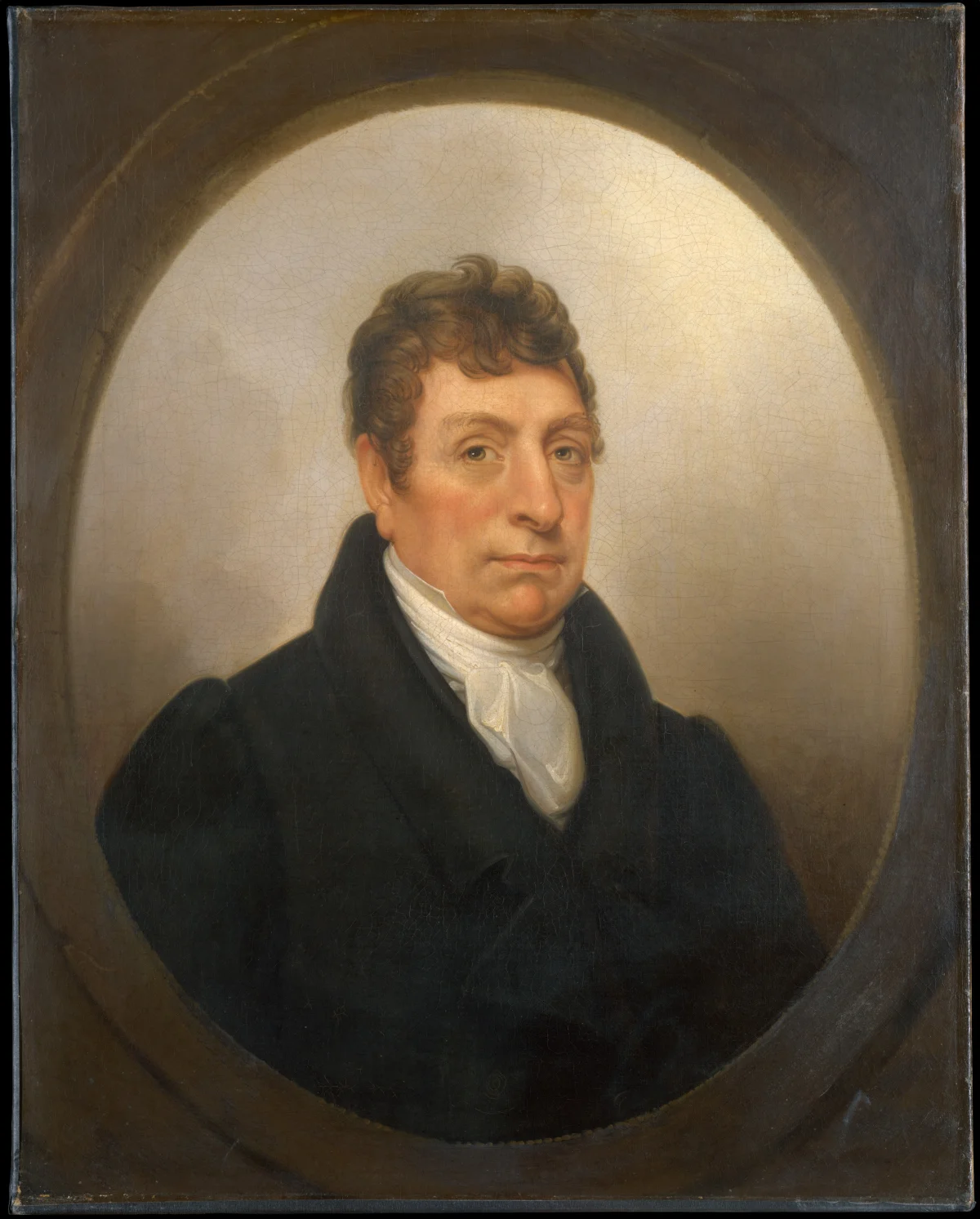
The "Timothy Matlack" portrait by Rembrandt Peale exemplifies the artist’s meticulous technique and the refined aesthetics of the Neo-Classical style. Executed in oil on canvas, this painting captures the subject’s character with remarkable realism and depth. Peale’s attention to detail is also evident in other works like "Rubens Peale with a Geranium" and "Portrait of Dr. Meer," making his oeuvre a cornerstone of American portraiture from the period.
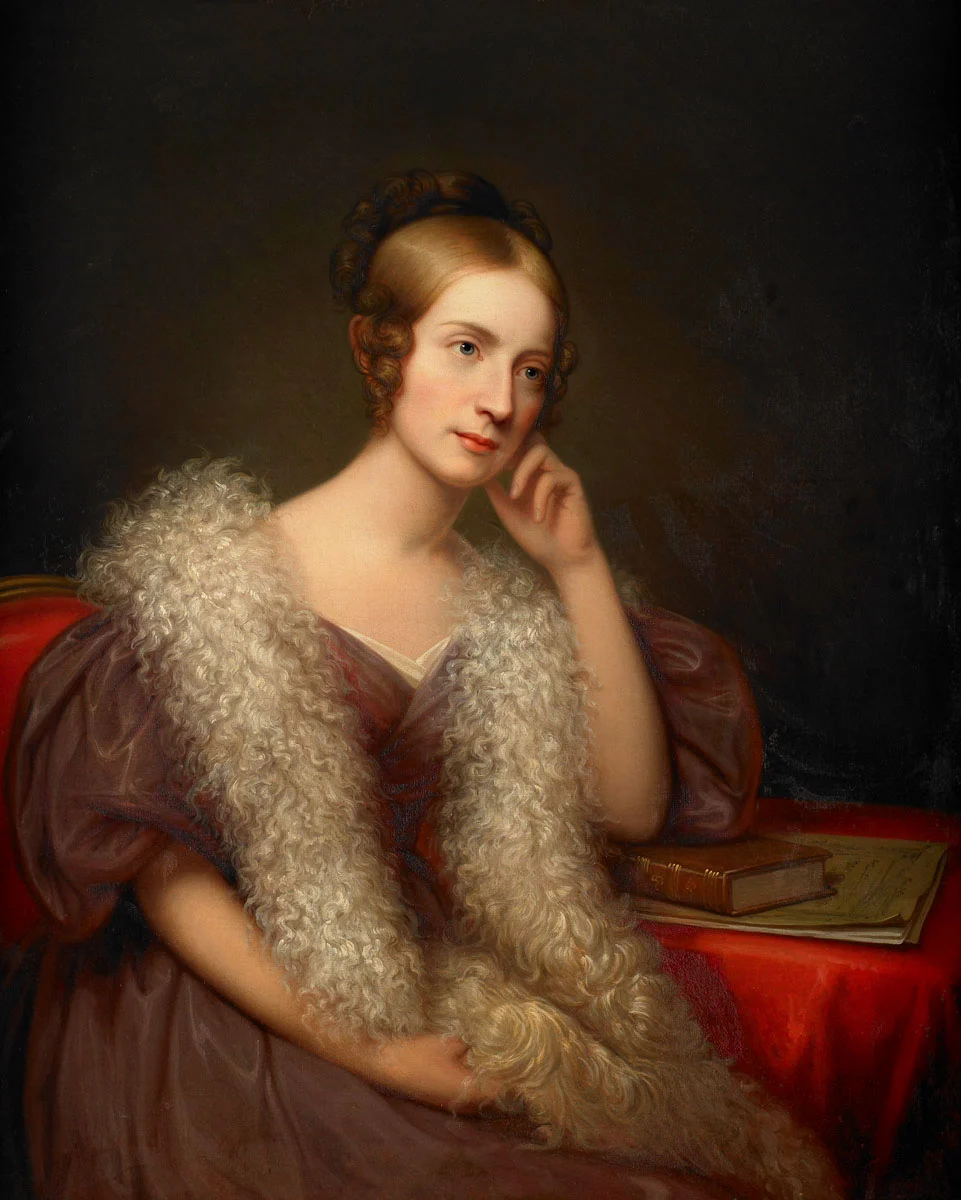
Within this fine art painting for sale, Peale brings to life Timothy Matlack’s enduring legacy, embedding subtle symbols of leadership and intellect. The Neo-Classical movement’s emphasis on clarity and virtue is palpable, inviting viewers to interpret the narrative behind each detail. Collectors and enthusiasts may also appreciate related pieces such as "Caroline Louisa Pratt Bartlett" and "The Marquis de Lafayette," each rich in symbolic storytelling and historical resonance.
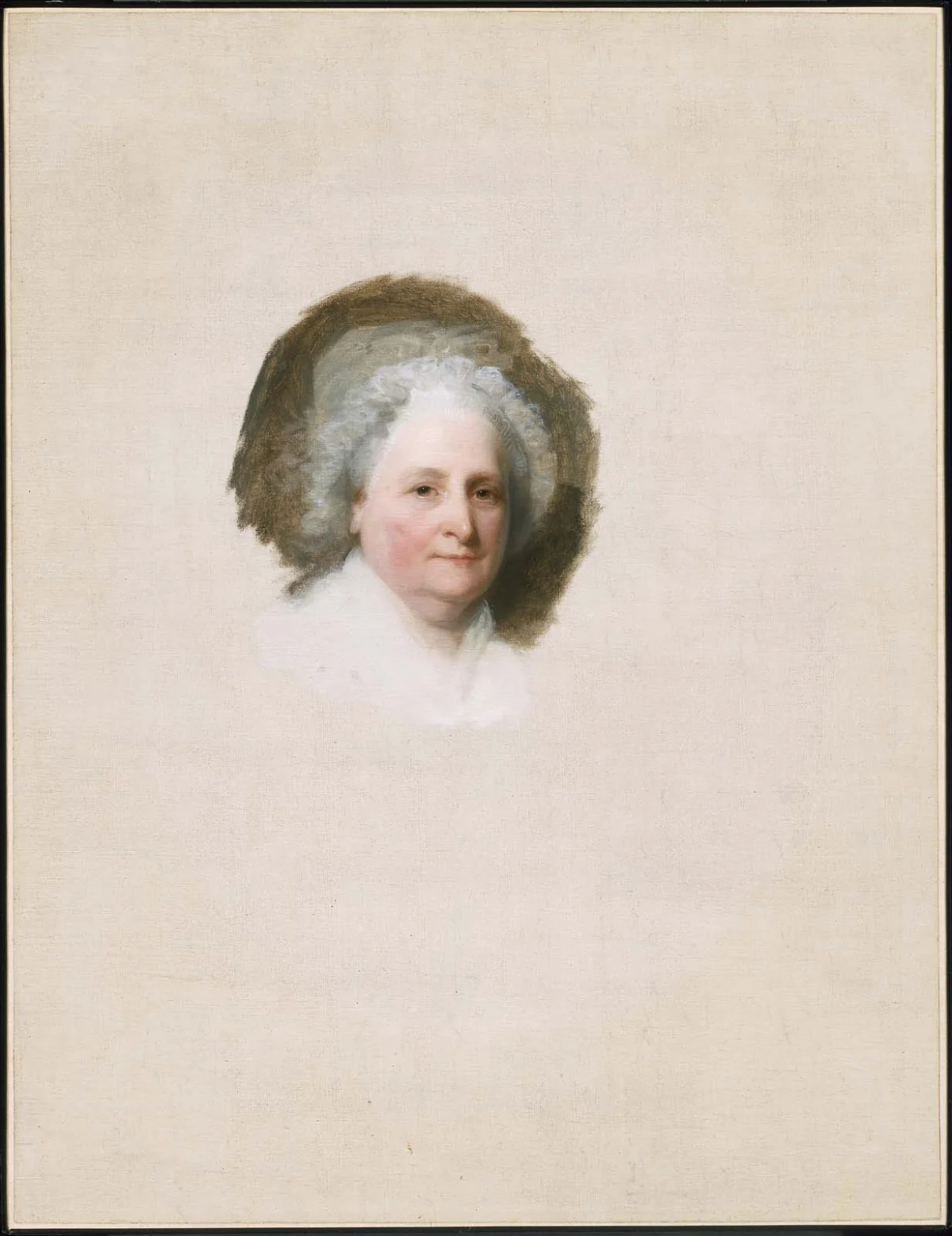
Owning Rembrandt Peale’s "Timothy Matlack" means acquiring a significant hand-painted oil painting from the Neo-Classical era. As demand for authentic historical portraits grows, this artwork stands out among fine art painting for sale. Collectors often seek companion works like "Martha Washington" and "Rubens Peale with a Geranium" to enhance their collections, ensuring the preservation and appreciation of America’s artistic and cultural heritage for generations to come.
When Art Meets History
"Timothy Matlack" by Rembrandt Peale stands as a remarkable example of the Neo-Classical movement, blending historical significance with artistic mastery. This hand-painted oil painting not only showcases Peale’s technical prowess but also immortalizes a key figure in American history. As with related works like "Scène De La Vie Italienne" and "Basilius Von Ramdohr," Peale’s portraiture captures more than likeness—it preserves the spirit of an era, making each canvas a testament to its time.
Techniques That Speak
Rembrandt Peale’s use of oil on canvas in "Timothy Matlack" reveals his dedication to classical technique and detail. The Neo-Classical movement emphasized clarity, order, and idealized forms, all of which shine through in this portrait. Similar to his contemporaries who painted works such as "Bildnis Des Aquasie Boachi," Peale’s brushwork and mastery of light evoke both realism and grandeur, demonstrating why oil on canvas remains a favored medium in fine art.
Emotions on Display
In "Timothy Matlack," Rembrandt Peale captures a depth of emotion that resonates with viewers, a hallmark of his fine art painting for sale. The sitter’s dignified expression and poised posture reflect both the ideals of the Neo-Classical movement and Peale’s sensitivity to character. Like "The Lament for Icarus" and "Klippa Vid Cività Castellana," this portrait conveys more than appearance—it invites contemplation of the subject’s inner life and historical significance.
Coveted by Collectors
Peale’s "Timothy Matlack" continues to attract collectors seeking exceptional hand-painted oil paintings from the Neo-Classical era. Its historical relevance and technical finesse make it a prized acquisition, much like "Le Saint-sacrement Porté Aux Malades." Collectors value not only the work’s aesthetic appeal but also its connection to Rembrandt Peale and the broader movement, ensuring its place among the most sought-after fine art painting for sale today.
Related Neo-Classical Hand-Painted Oil Paintings by Other Artists
Other Famous Neo-Classical Artists:
Frequently Asked Questions About Timothy Matlack
Who is the subject of the painting "Timothy Matlack"?
The painting depicts Timothy Matlack, an influential American figure known for his role as a public official and a patriot during the American Revolution.
What is the significance of Timothy Matlack in American history?
Timothy Matlack served as a clerk for the Continental Congress and was instrumental in the drafting of important documents, including the Declaration of Independence.
What artistic techniques did Rembrandt Peale employ in this painting?
Rembrandt Peale utilized chiaroscuro to create depth and dimension, highlighting Matlack's features and conveying a sense of realism and presence.
What is the historical context of the painting?
Painted in the early 19th century, "Timothy Matlack" reflects the growing interest in American identity and the celebration of revolutionary figures following the War of Independence.
How does the composition of the painting contribute to its meaning?
The composition centers Matlack, drawing the viewer's attention to his expression and attire, which symbolize his status and contributions to American democracy.
What materials were used in the creation of "Timothy Matlack"?
Rembrandt Peale painted "Timothy Matlack" using oil on canvas, a medium that allows for rich color and detailed texture, enhancing the lifelike quality of the portrait.
What symbols are present in the painting and what do they represent?
The painting includes elements such as a quill and parchment, symbolizing Matlack's role in documentation and governance, highlighting the importance of communication in leadership.
How does this painting reflect Rembrandt Peale's artistic style?
Peale's style is characterized by a focus on realism and attention to detail, as seen in the lifelike representation of Matlack and the careful rendering of textures and fabrics.
What is the legacy of "Timothy Matlack" in the context of American art?
"Timothy Matlack" is significant as it represents the early American portrait tradition, celebrating figures who shaped the nation and influencing future generations of American artists.
Where can I view the painting "Timothy Matlack"?
The painting is part of the collection at the [Gallery Name], where it is displayed alongside other works that explore American history and identity.






















_GFM_Painting_(1).webp)


 100% Hand-Painted: Finished in 3-6 Weeks

.png)

















_(1).webp)