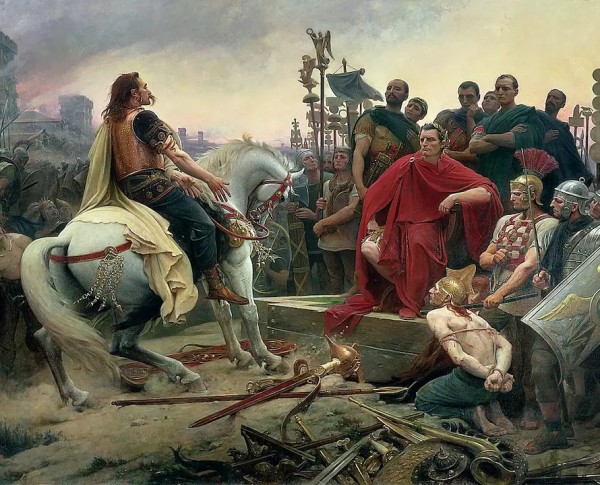
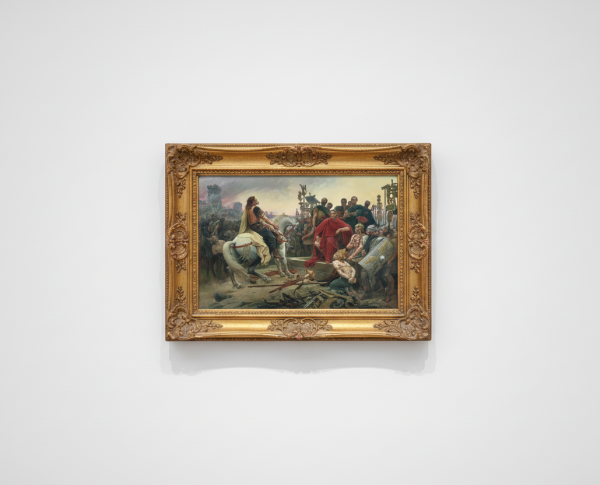
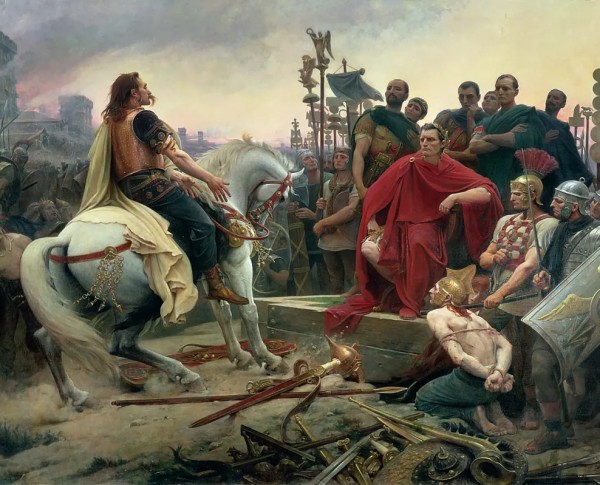
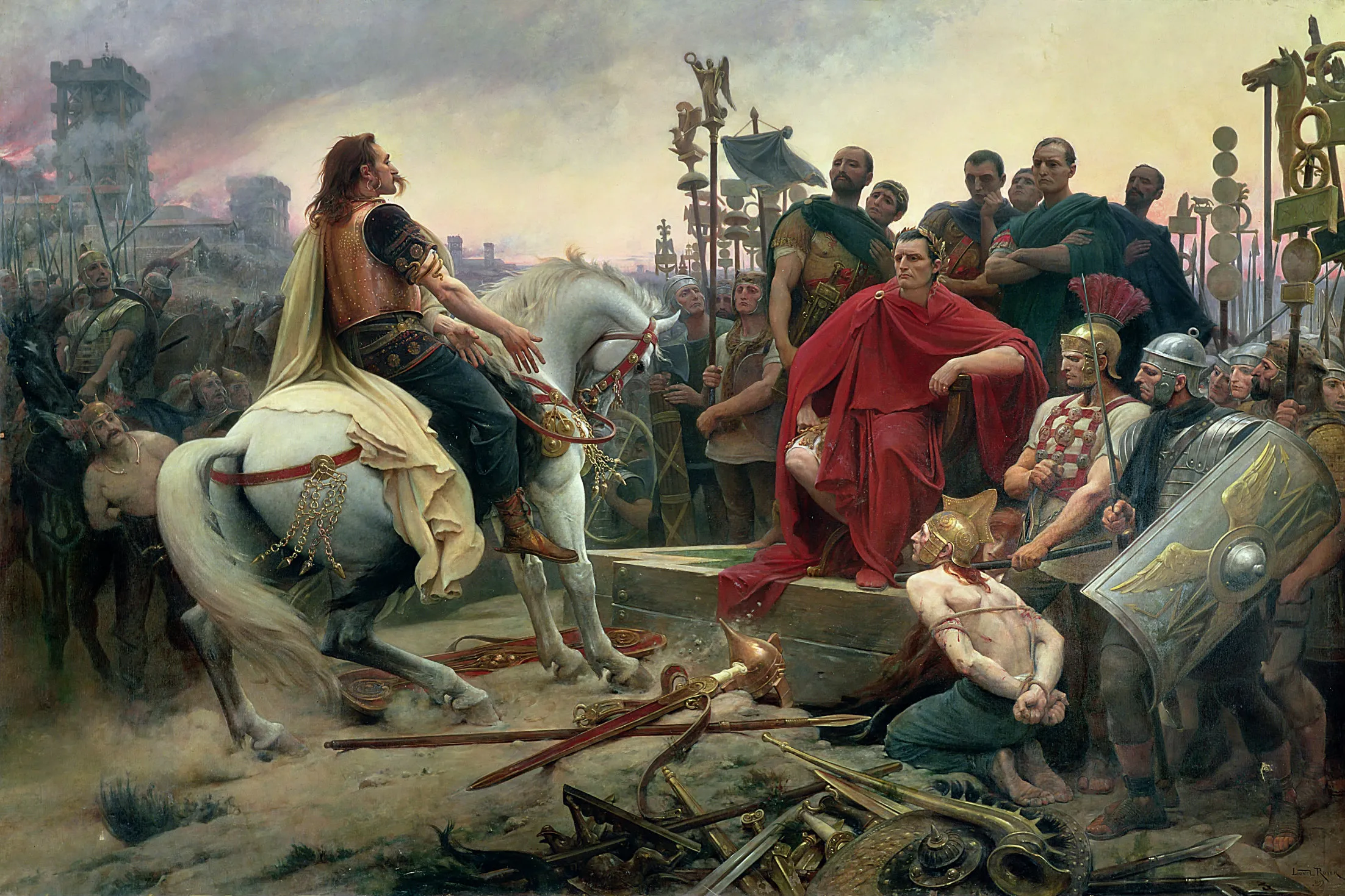
Royer’s technique in this oil on canvas masterpiece is evident in every brushstroke, from the intricate armor to the expressive faces of Vercingetorix and Caesar. The artist’s command of light, texture, and composition exemplifies the Academic Art tradition. Collectors seeking museum-quality works will find that "Vercingetorix Throws down His Arms at the Feet of Julius Caesar" compares favorably to masterpieces like "Battle of Auvours, 10 January 1871" and "General Gaston de Sonis."
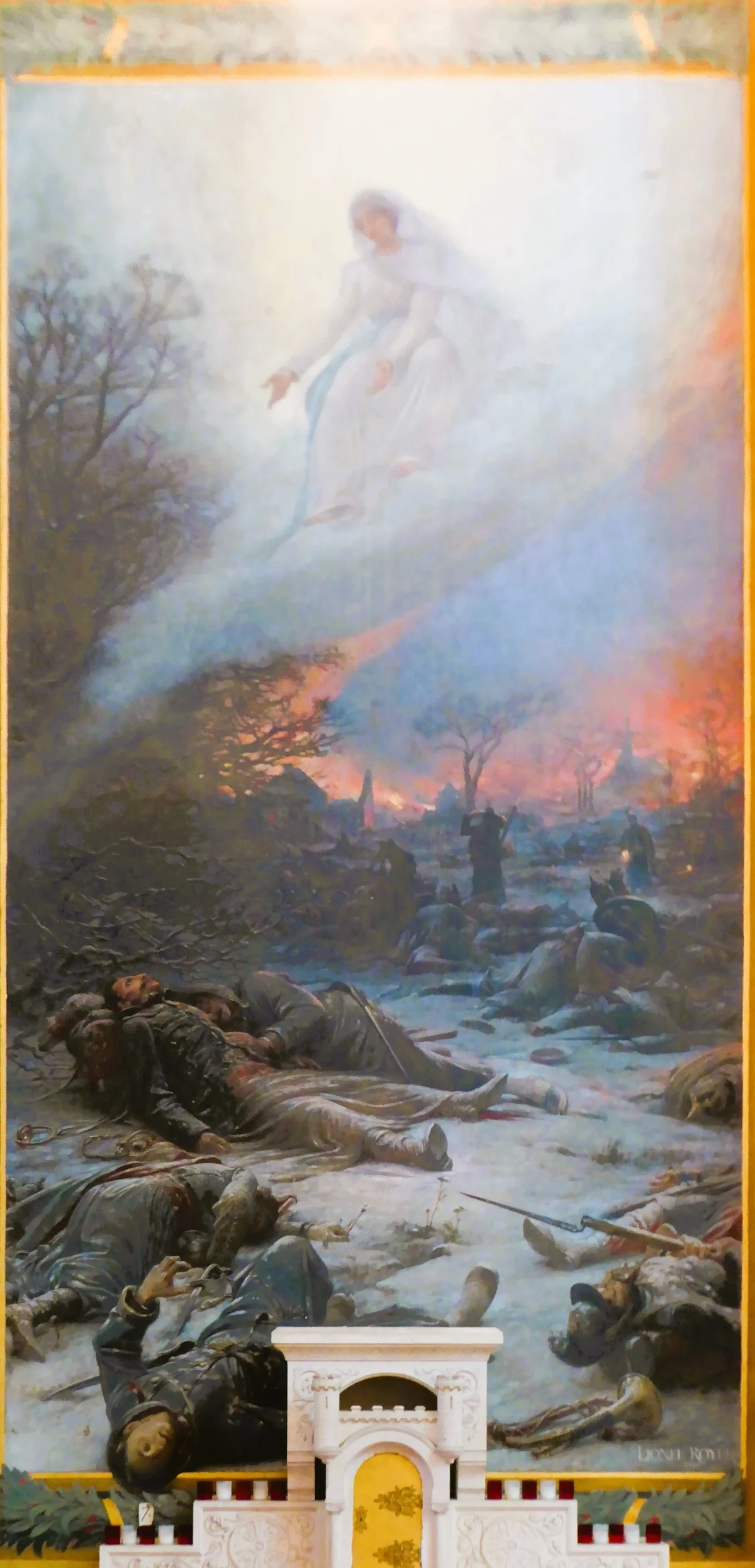
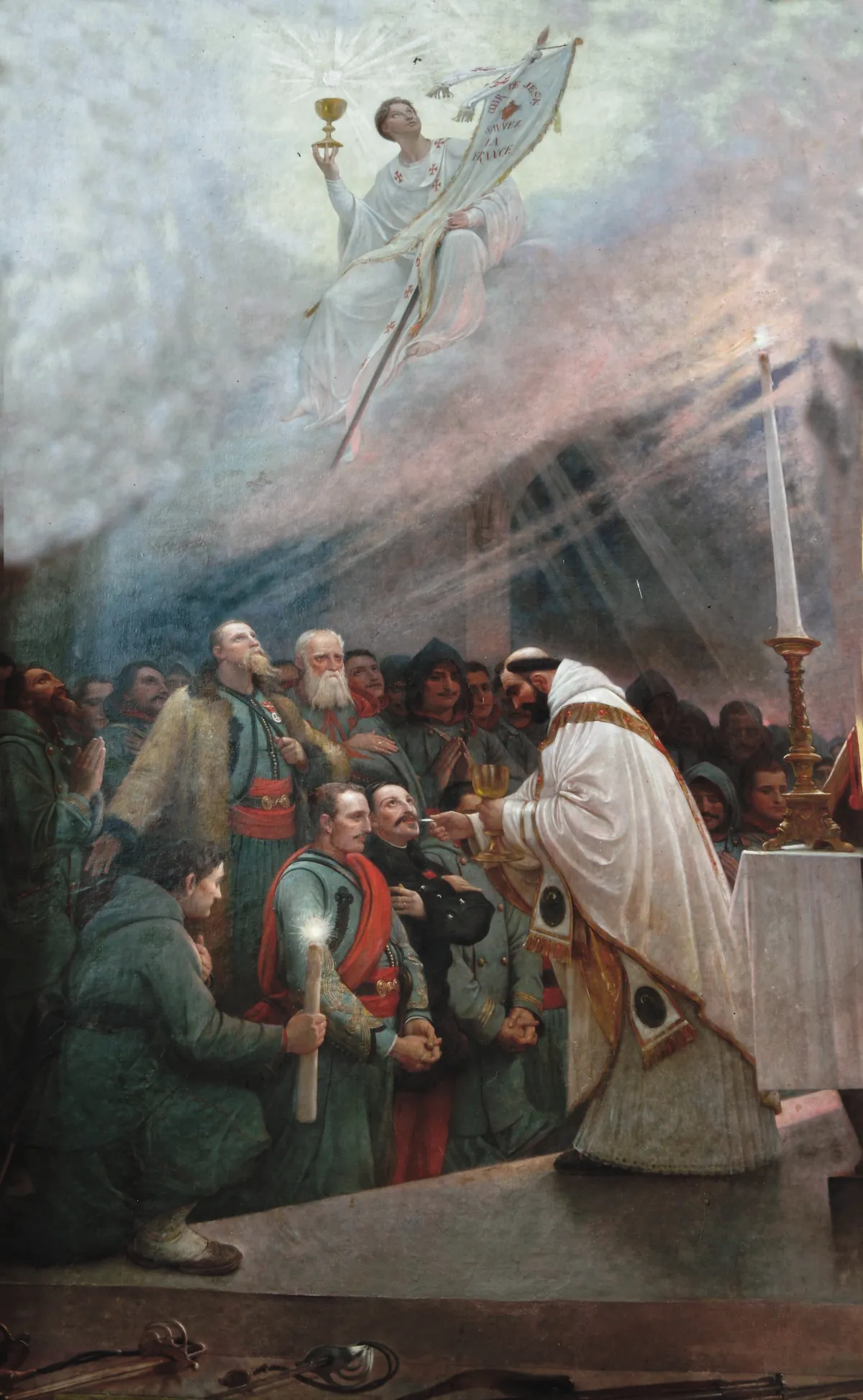
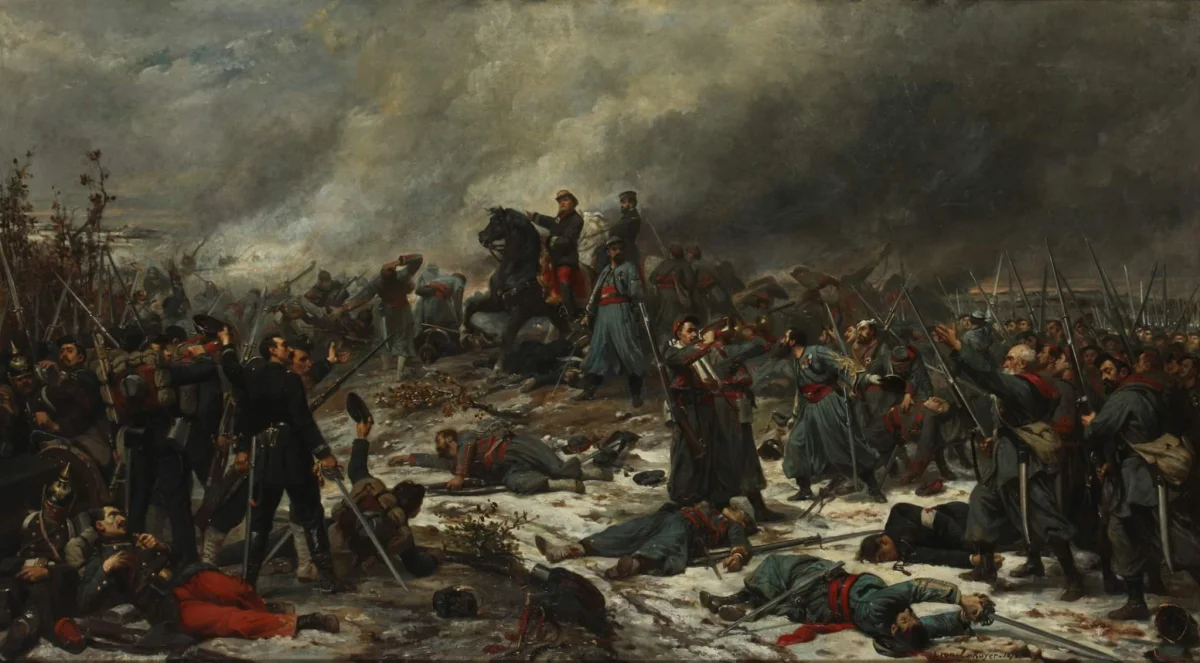
This fine art painting for sale tells a dramatic story of defeat and dignity, as Vercingetorix surrenders to Julius Caesar. Lionel Noel Royer masterfully includes symbolic elements, such as discarded weapons and Roman standards, to enhance the narrative. Similar to his works "La Bataille De Conte La Prusse" and "Champ De Bataille D'Auvours," Royer’s attention to historical accuracy makes each piece an educational and visual treasure for art lovers.
Owning "Vercingetorix Throws down His Arms at the Feet of Julius Caesar" means possessing a significant hand-painted oil painting by Lionel Noel Royer, a leading figure in the Academic Art movement. This work, alongside related products like "Le Goût," brings history and artistry into your space. Whether displayed alone or with other Royer masterpieces, this painting offers lasting value and serves as a focal point for any distinguished art collection.
When Art Meets History
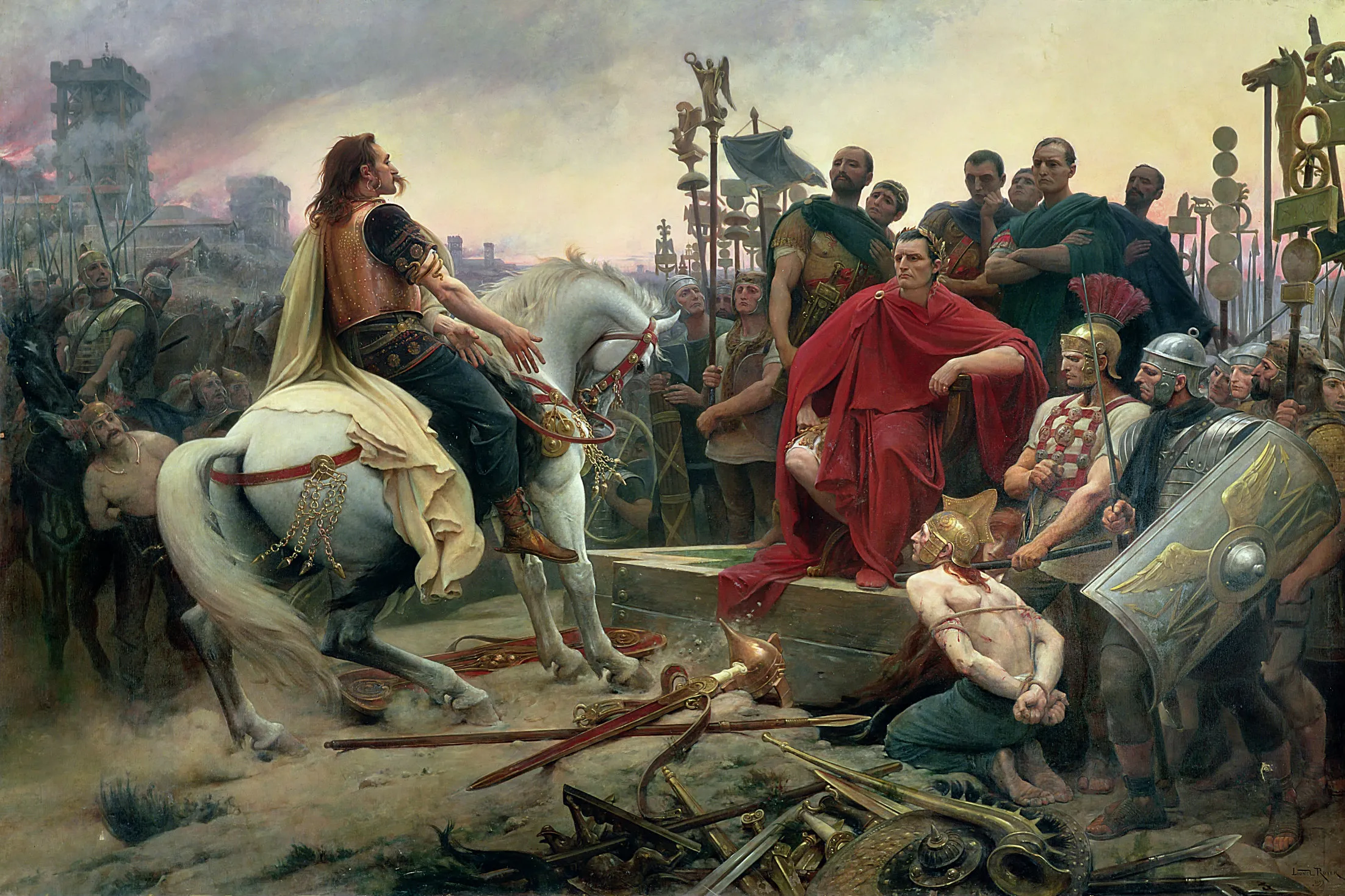
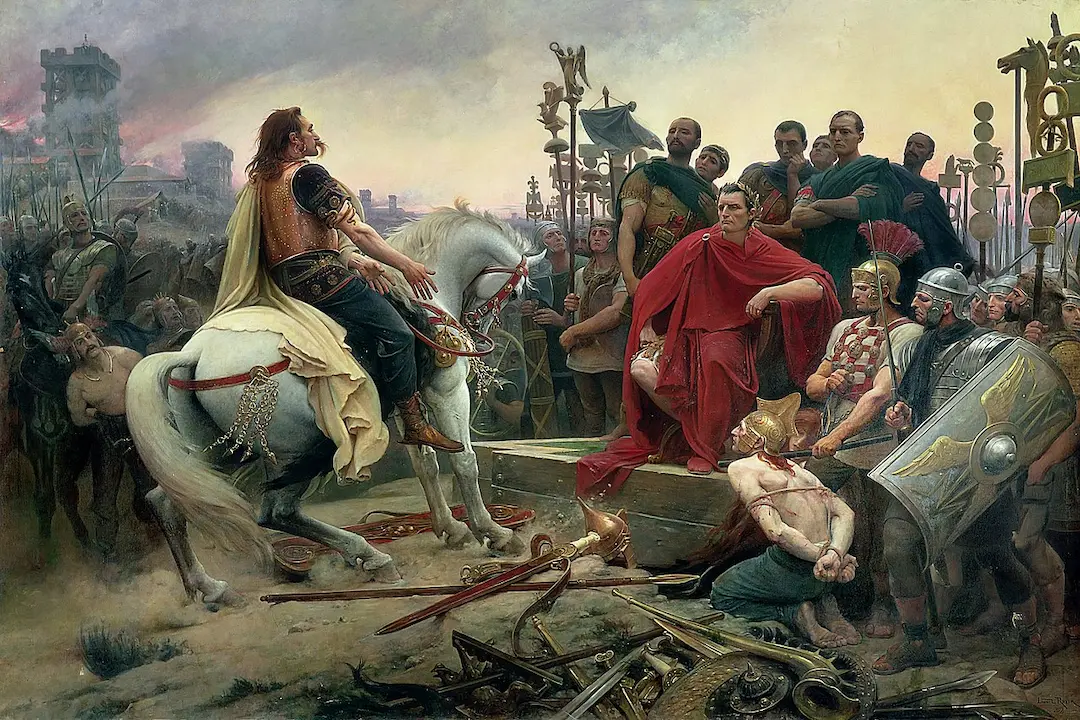
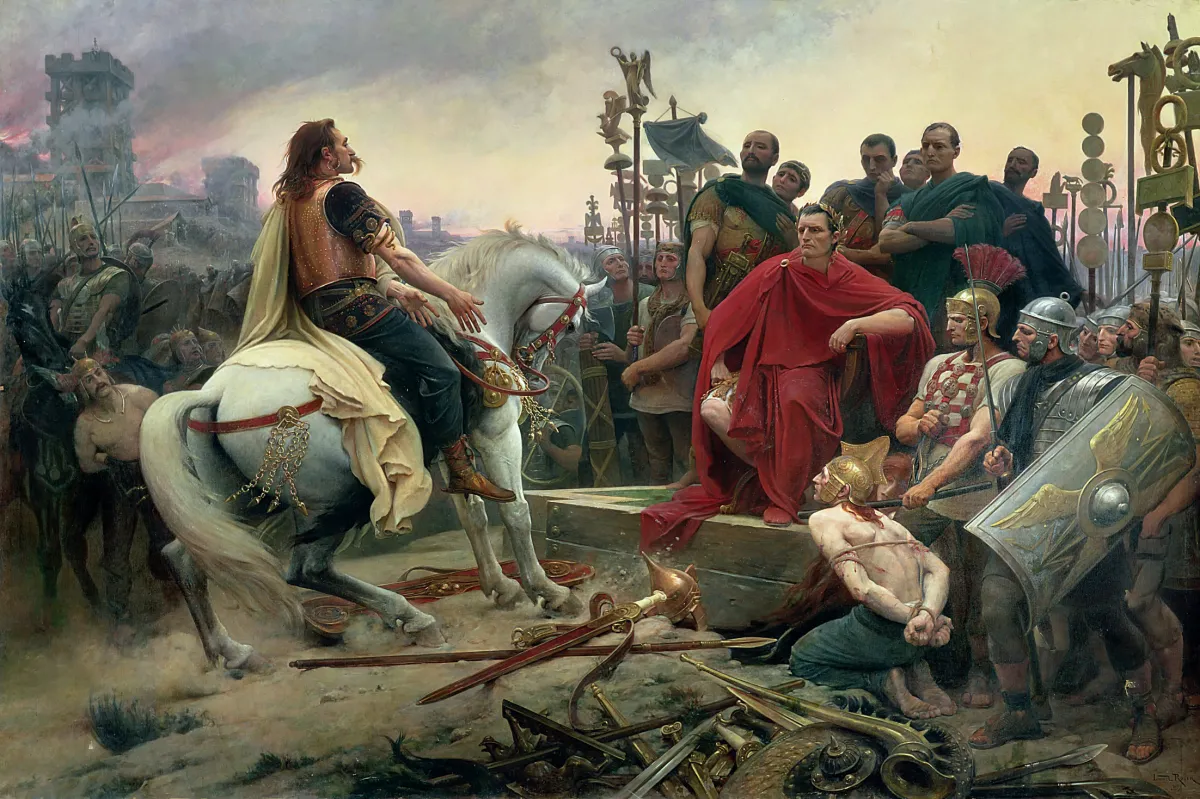
"Vercingetorix Throws down His Arms at the Feet of Julius Caesar" by Lionel Noel Royer is a powerful example of the Academic Art movement, blending historical narrative with artistic mastery. This hand-painted oil painting dramatically captures the pivotal surrender moment between the Gallic chieftain and the Roman conqueror. Royer’s attention to historical detail rivals works like "Belgium, France, and England Before the German Invasion." Collectors and historians alike admire how this masterpiece brings ancient history vividly to life.
Techniques That Speak
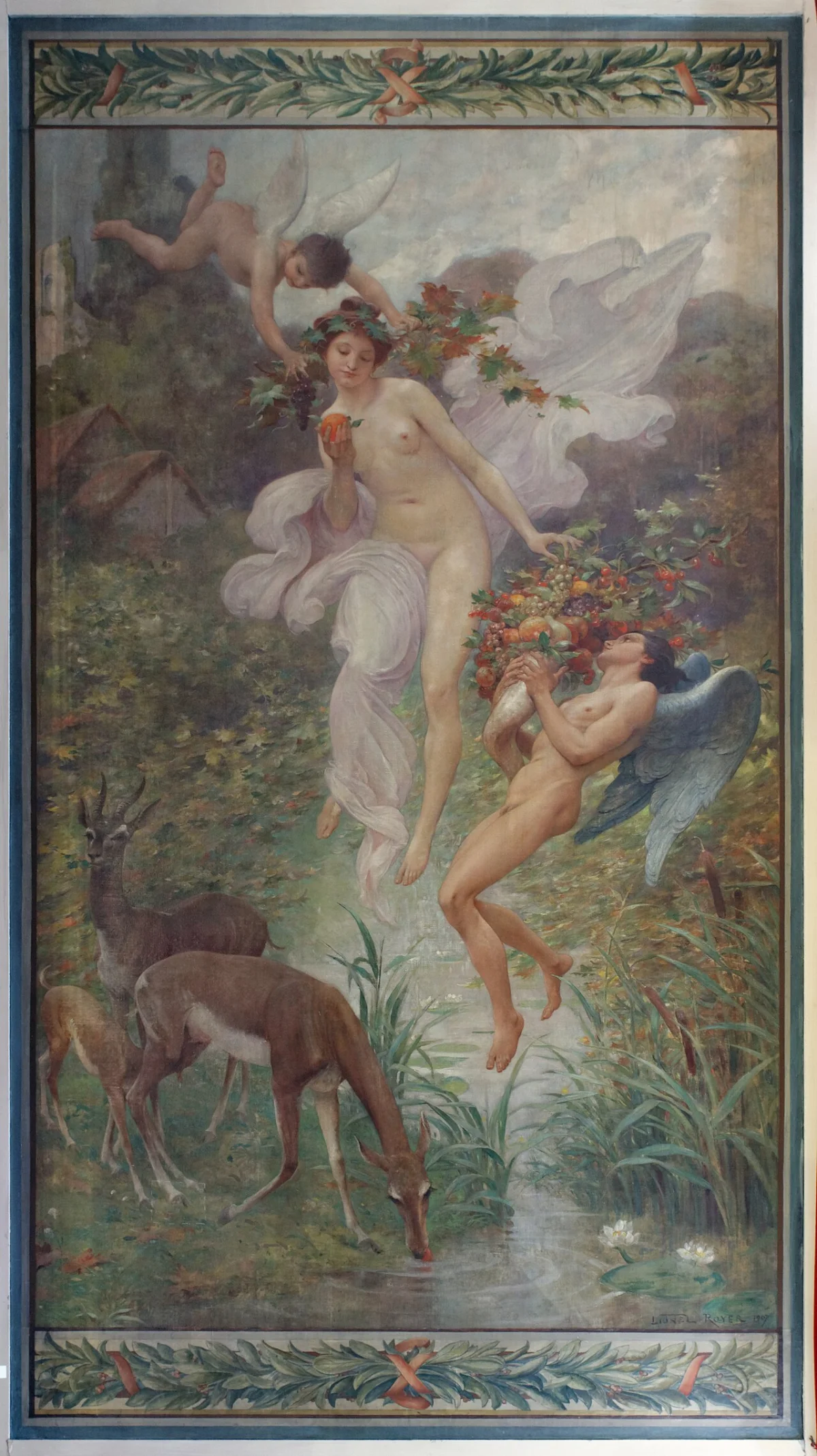
Lionel Noel Royer’s "Vercingetorix Throws down His Arms at the Feet of Julius Caesar" exemplifies the refined oil on canvas technique central to Academic Art. The artist’s meticulous brushwork and balanced composition highlight the grandeur and gravity of the scene. Similar technical prowess can be observed in Royer's contemporaries’ works, such as "A nautilus cup on a carved stand with a floral still life" and "Jeweled still life," making this painting a technical marvel within its genre.
Emotions on Display
This fine art painting for sale is celebrated for its evocative portrayal of human emotion under duress. Royer’s depiction of Vercingetorix’s resignation and Caesar’s stoic triumph is masterful, resonating with viewers and collectors. The emotional intensity is reminiscent of narrative-driven works like "The Wolf of Agubbio" and "The Truant." Through expressive gestures and facial expressions, Royer invites the audience to contemplate the human cost of war and the complexities of historical figures.
Coveted by Collectors
"Vercingetorix Throws down His Arms at the Feet of Julius Caesar" stands as a coveted masterpiece among collectors of Academic Art. As a hand-painted oil painting by Lionel Noel Royer, its historical significance and artistic excellence ensure its desirability. Alongside related works like "Jeweled still life," this painting commands high esteem in the art market. Its rarity and the artist’s reputation make it a prized acquisition for anyone passionate about fine art and history.
Related Academic Art Hand-Painted Oil Paintings by Other Artists
Other Famous Academic Art Artists:
Frequently Asked Questions About Vercingetorix Throws down His Arms at the Feet of Julius Caesar
What historical event does this painting depict?
This painting illustrates the moment when Vercingetorix, the chieftain of the Gauls, surrenders to Julius Caesar after the Siege of Alesia in 52 BC, marking a significant turning point in the Gallic Wars.
Who is the artist of this painting and what is his significance?
The painting was created by Lionel Noel Royer, a French artist known for his historical and military scenes, which often emphasize dramatic moments in history and the emotional weight of surrender and defeat.
What artistic techniques did Royer use in this painting?
Royer employed a combination of realism and dramatic lighting to enhance the emotional intensity of the scene, utilizing chiaroscuro to highlight the figures and create a sense of depth and movement.
What is the symbolism behind Vercingetorix's gesture of surrender?
Vercingetorix throwing down his arms symbolizes the defeat of the Gallic resistance against Roman expansion, representing themes of submission, loss of freedom, and the tragic consequences of war.
How does this painting reflect the relationship between Rome and Gaul?
The painting encapsulates the power dynamics of the time, illustrating the dominance of Rome over the Gallic tribes and the cultural and political ramifications of conquest and assimilation.
What role does color play in the painting?
Royer uses a muted color palette dominated by earth tones, which evokes a somber mood, reflecting the gravity of the moment and the weight of Vercingetorix's surrender.
In what ways does this artwork convey emotion?
The expressions and postures of both Vercingetorix and Caesar convey a complex emotional landscape, revealing feelings of despair, resignation, and the burden of leadership in times of conflict.
What historical context is important to understand this painting?
Understanding the Gallic Wars and the political climate of 1st century BC Rome is crucial, as this context highlights the significance of Vercingetorix's defeat and the subsequent Romanization of Gaul.
How has this painting been received in the art world?
The painting has been praised for its historical accuracy and emotional depth, often studied for its artistic merit and its commentary on the nature of power and surrender in history.
What influence did this painting have on later artistic representations of historical events?
This work has influenced subsequent artists in their portrayal of historical narratives, emphasizing the dramatic and emotional aspects of pivotal moments, and has contributed to the genre of historical painting in the 19th century.























_GFM_Painting_(1).webp)


 100% Hand-Painted: Finished in 3-6 Weeks

.png)















_(1).webp)