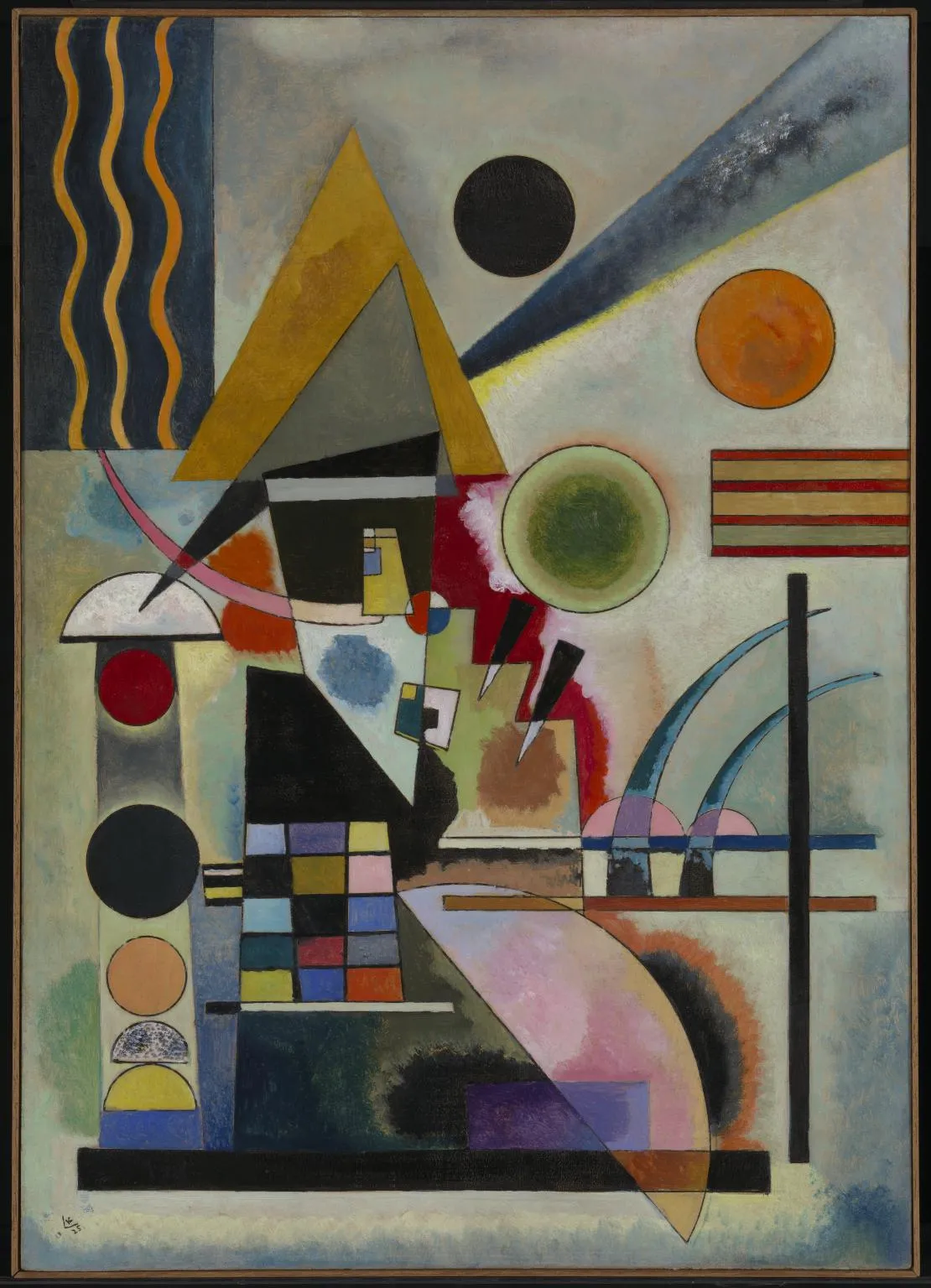
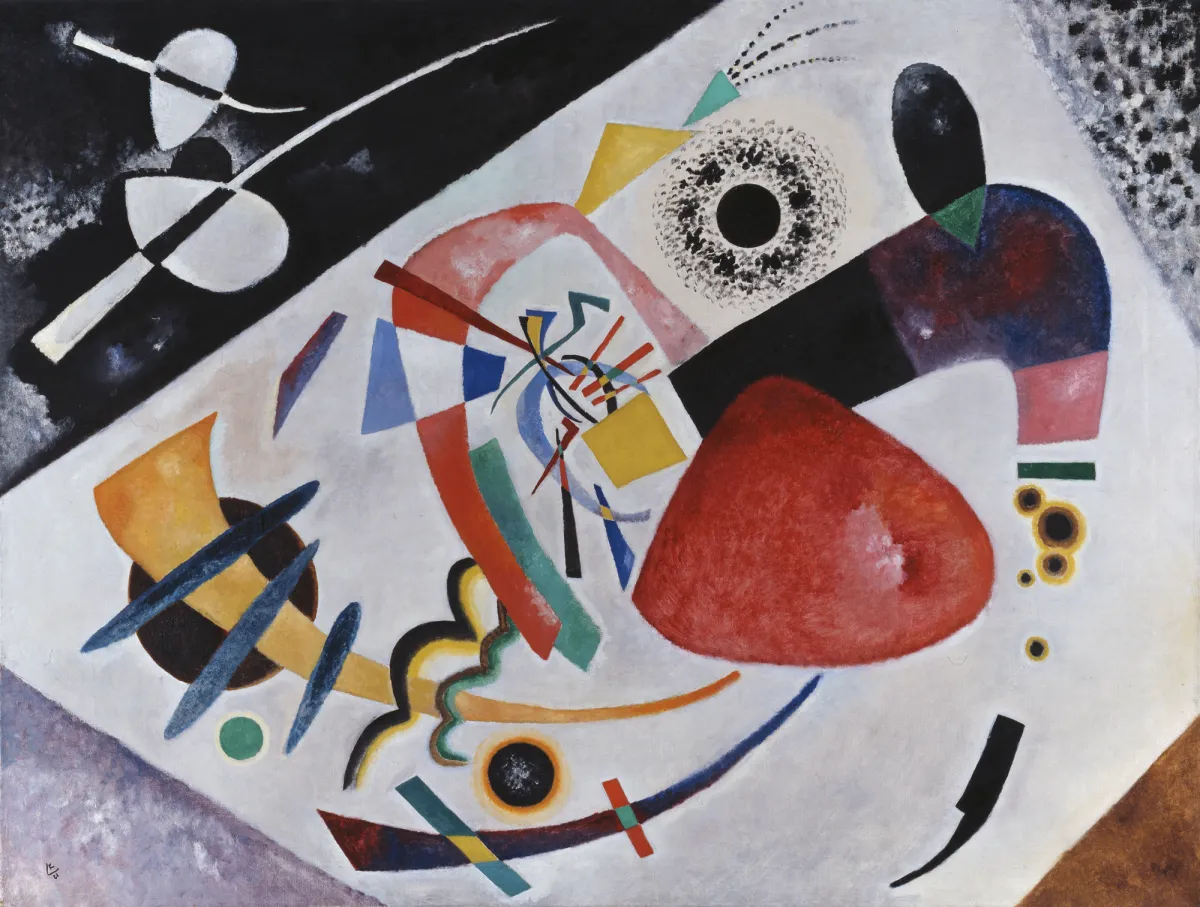
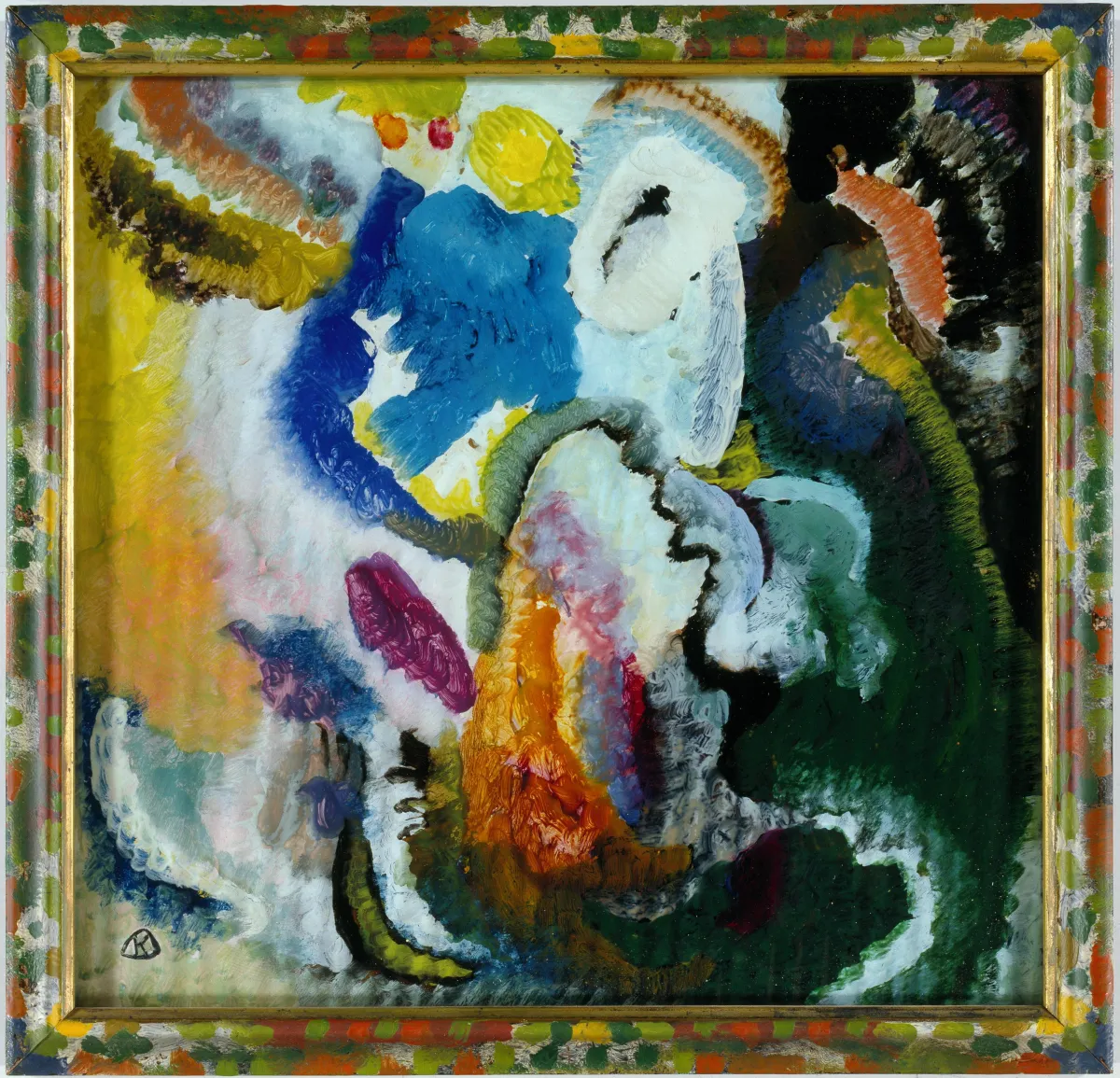
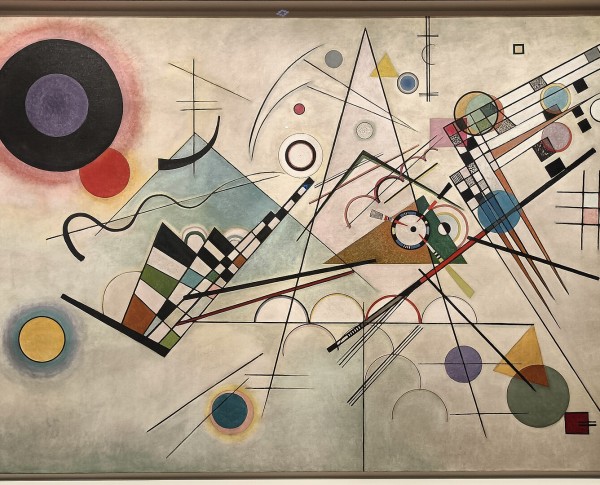
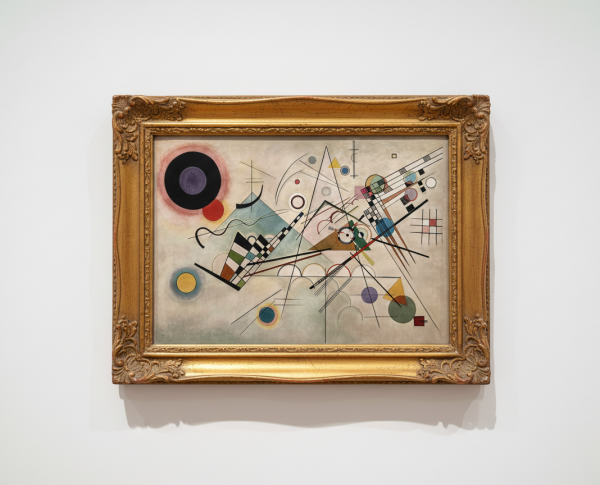
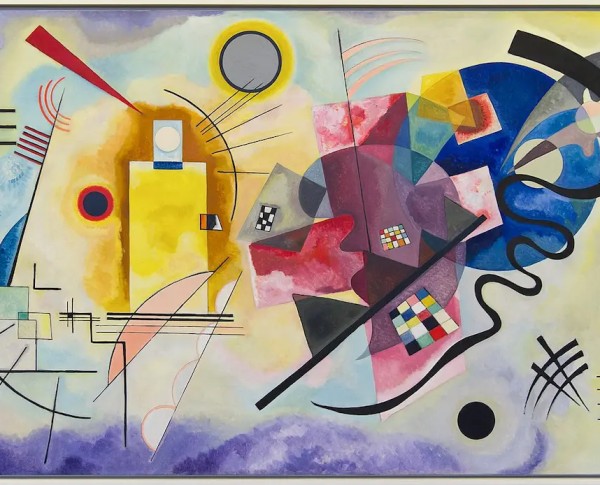
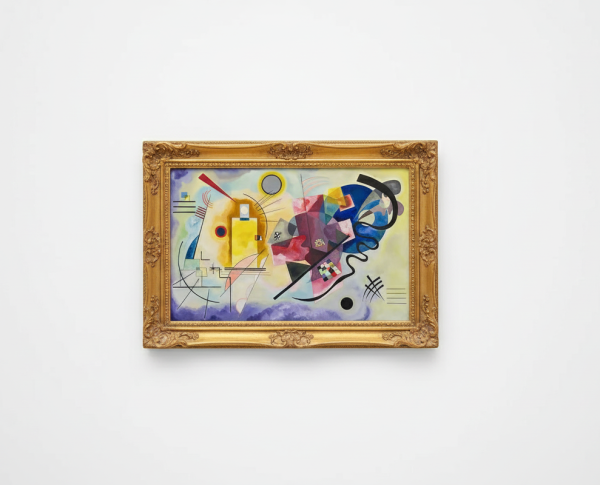
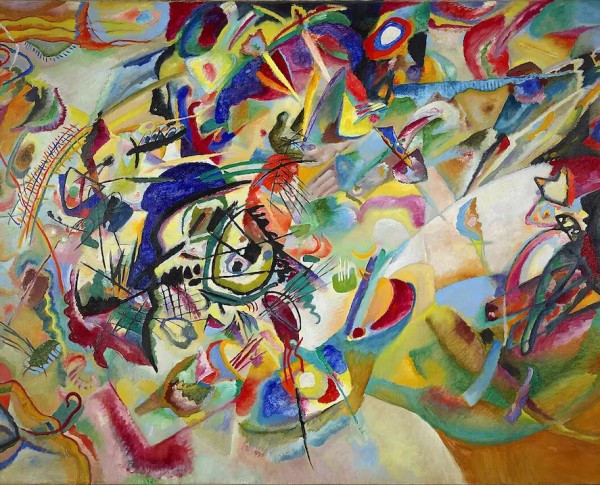
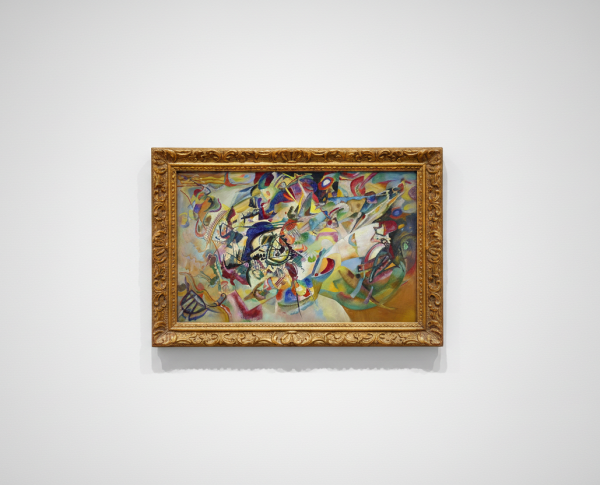
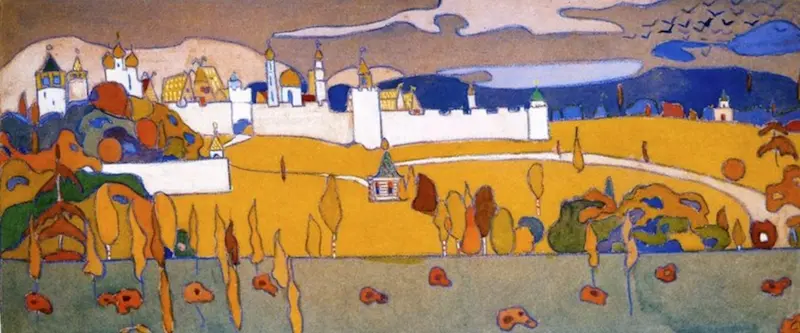
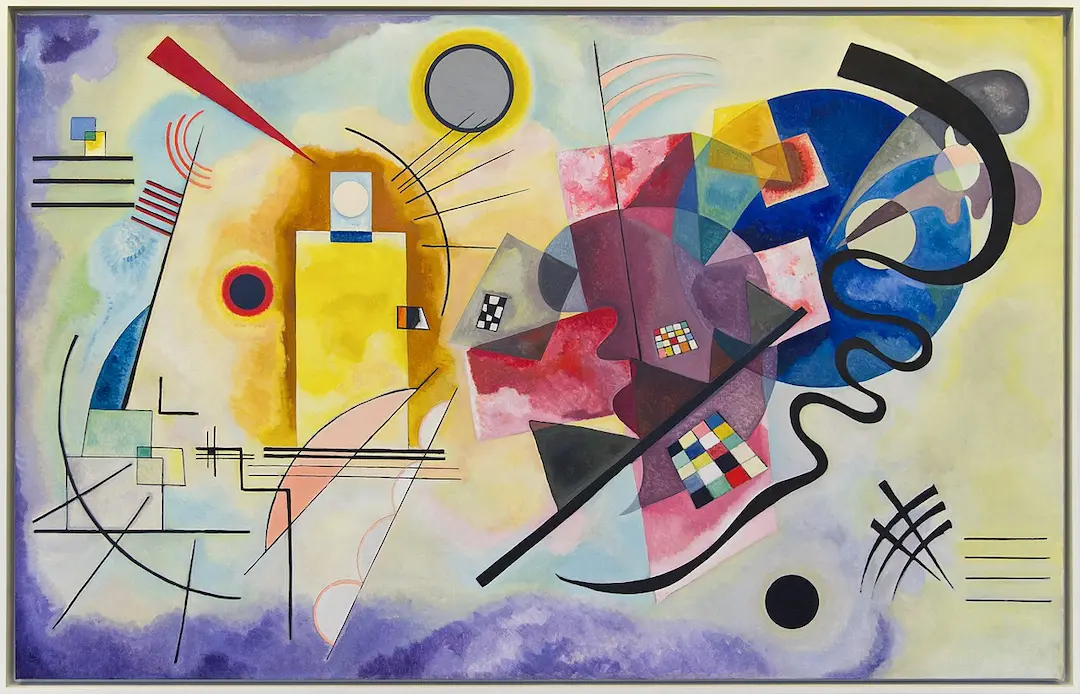
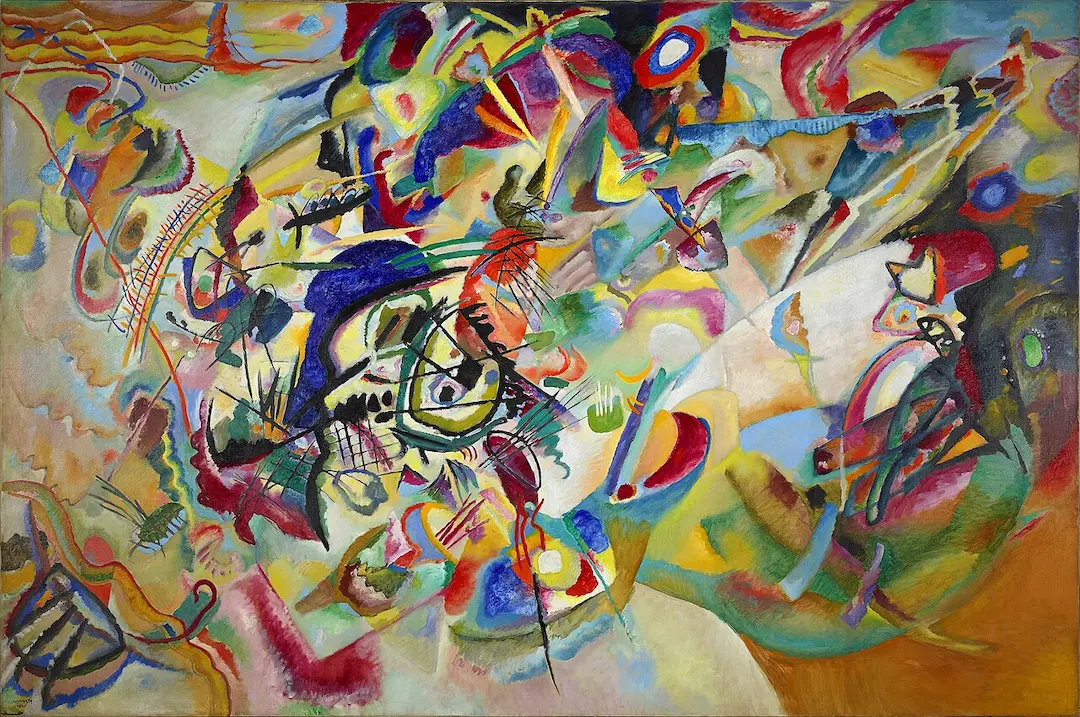
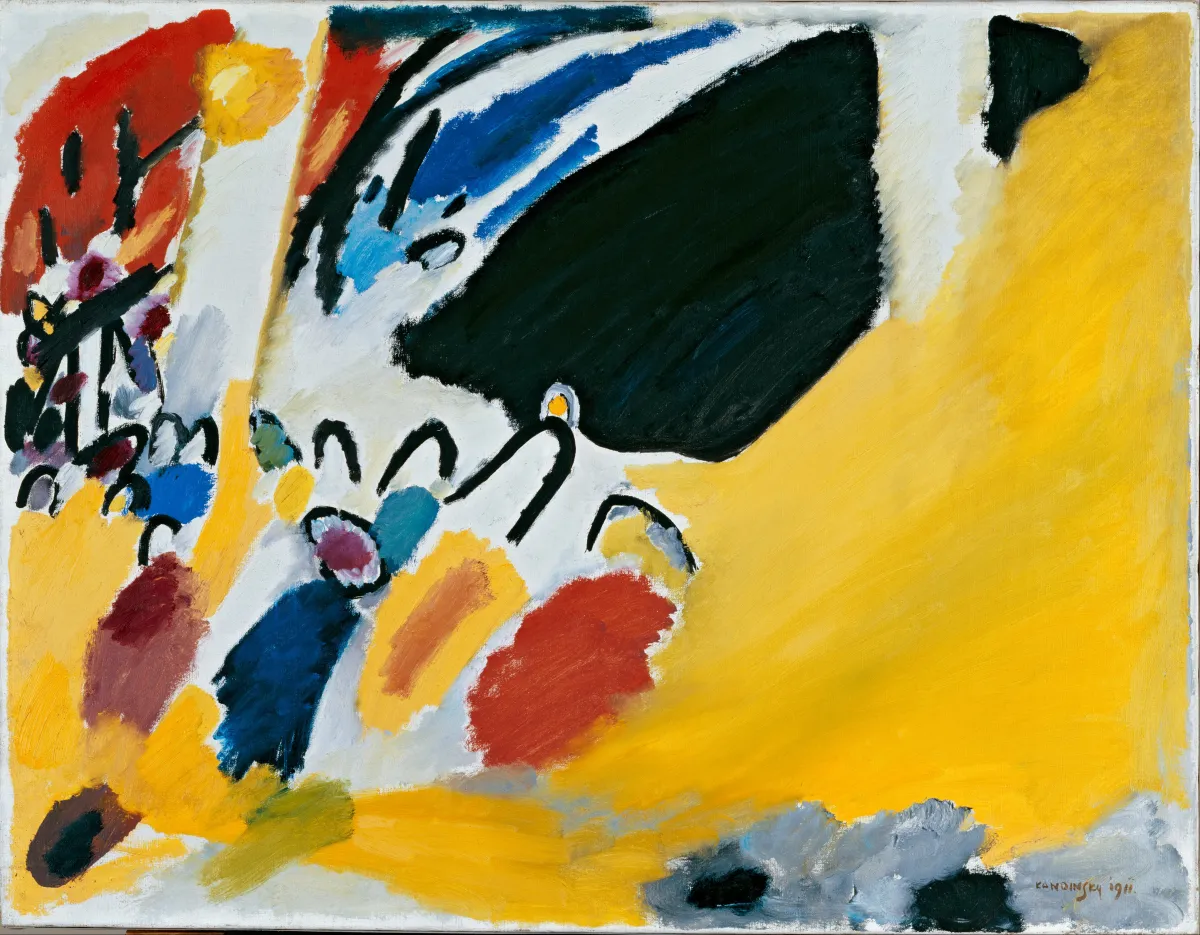
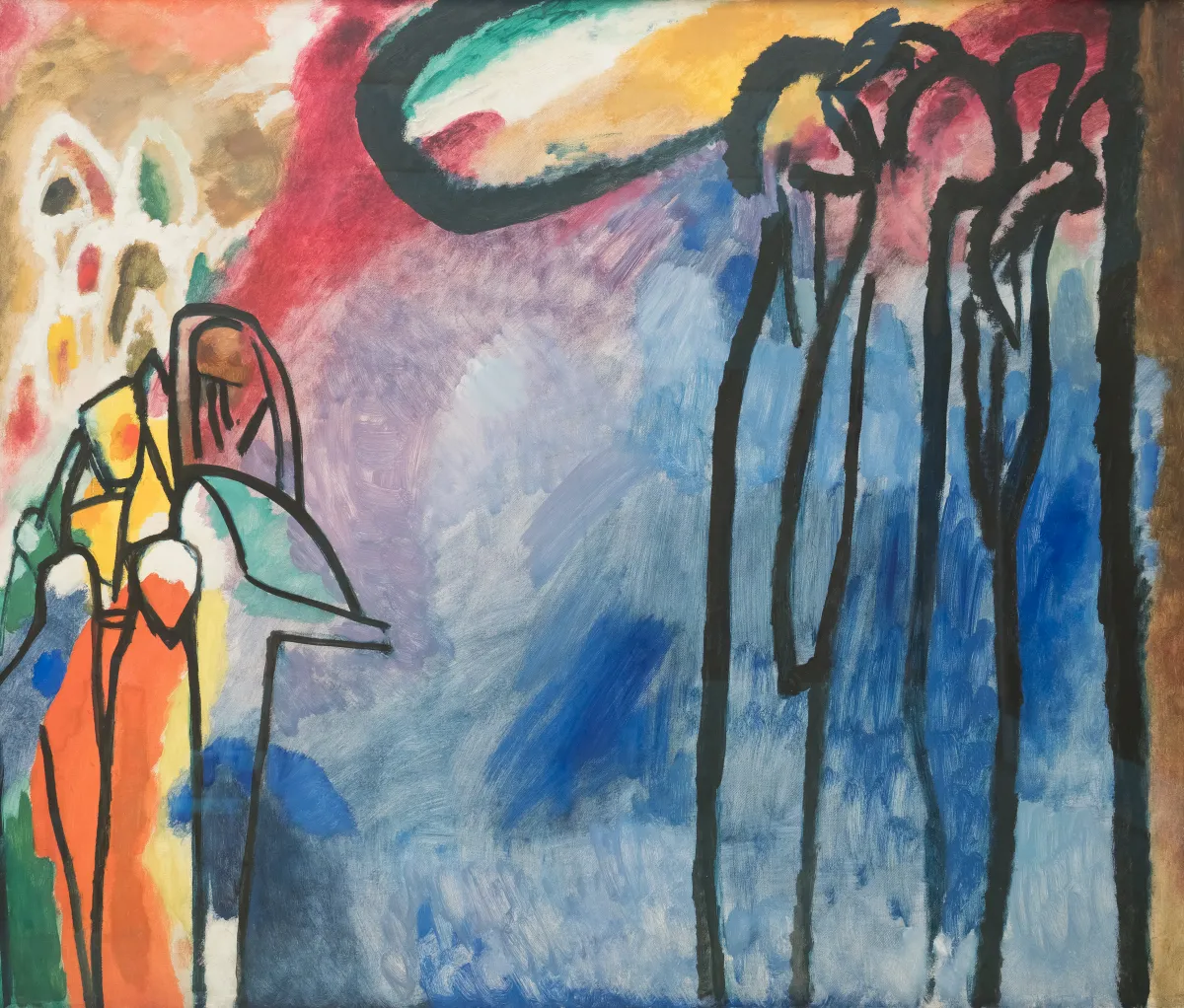
Kandinsky’s “Walled City in Autumn Landscape” showcases his exceptional technique, using oil on canvas to create vibrant, emotive forms. The artist’s mastery is evident in the interplay of color and abstraction, a hallmark of Abstract Expressionism. Similar to his works “Painting with a Red Stain” and “Improvisation 11,” this painting reflects Kandinsky’s innovative approach, making each brushstroke a vital element of the composition and elevating the fine art painting for sale to a new level of sophistication.
Within “Walled City in Autumn Landscape,” Kandinsky weaves a tapestry of stories and symbols, inviting viewers to interpret the underlying themes. As with “Improvisation 26” and “Odessa. Port,” the painting’s abstract forms evoke a sense of mystery and emotional depth. This hand-painted oil painting is not just a visual experience but a narrative journey, reflecting the artist’s exploration of the subconscious and his influential role within the Abstract Expressionism movement.
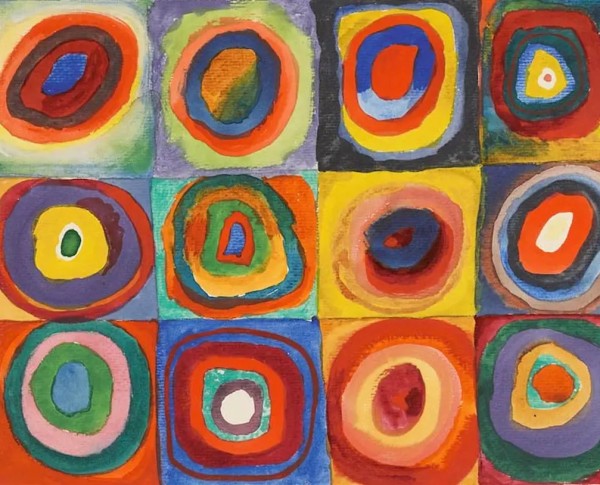
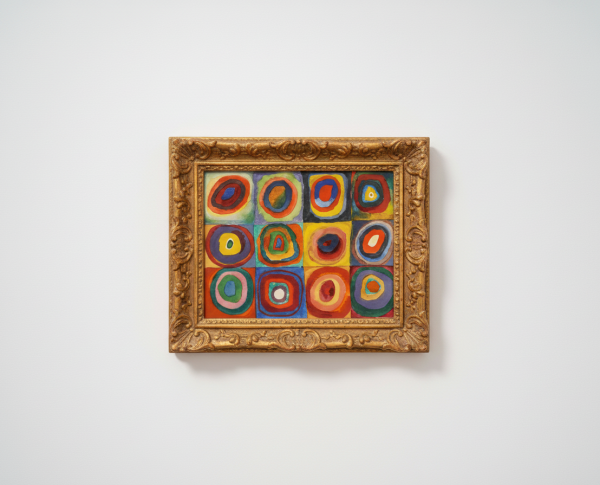
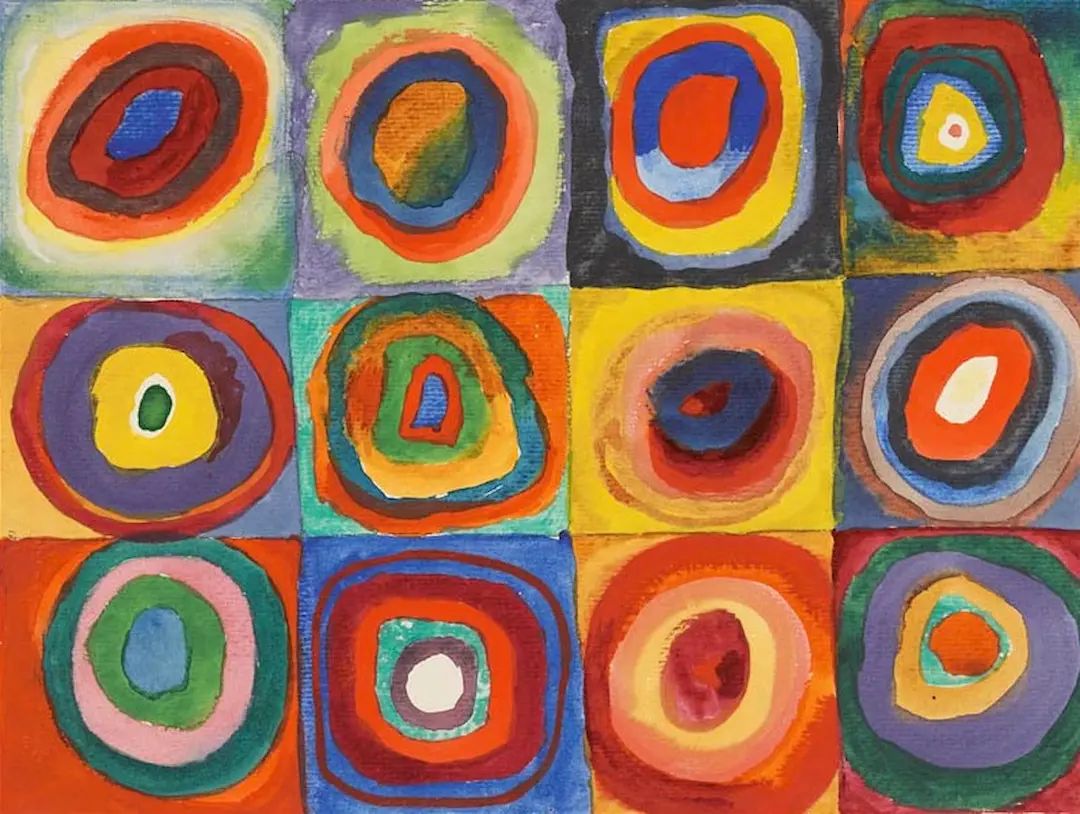
For art enthusiasts, “Walled City in Autumn Landscape” represents a fine art painting for sale that exemplifies the brilliance of Wassily Kandinsky. As a central figure in Abstract Expressionism, his works, including “Squares with Concentric Rings” and “Improvisation 19,” are highly sought after. Collecting this oil on canvas masterpiece offers a unique opportunity to own a piece of art history, connecting you to Kandinsky’s visionary world and a curated selection of related modernist paintings.
When Art Meets History
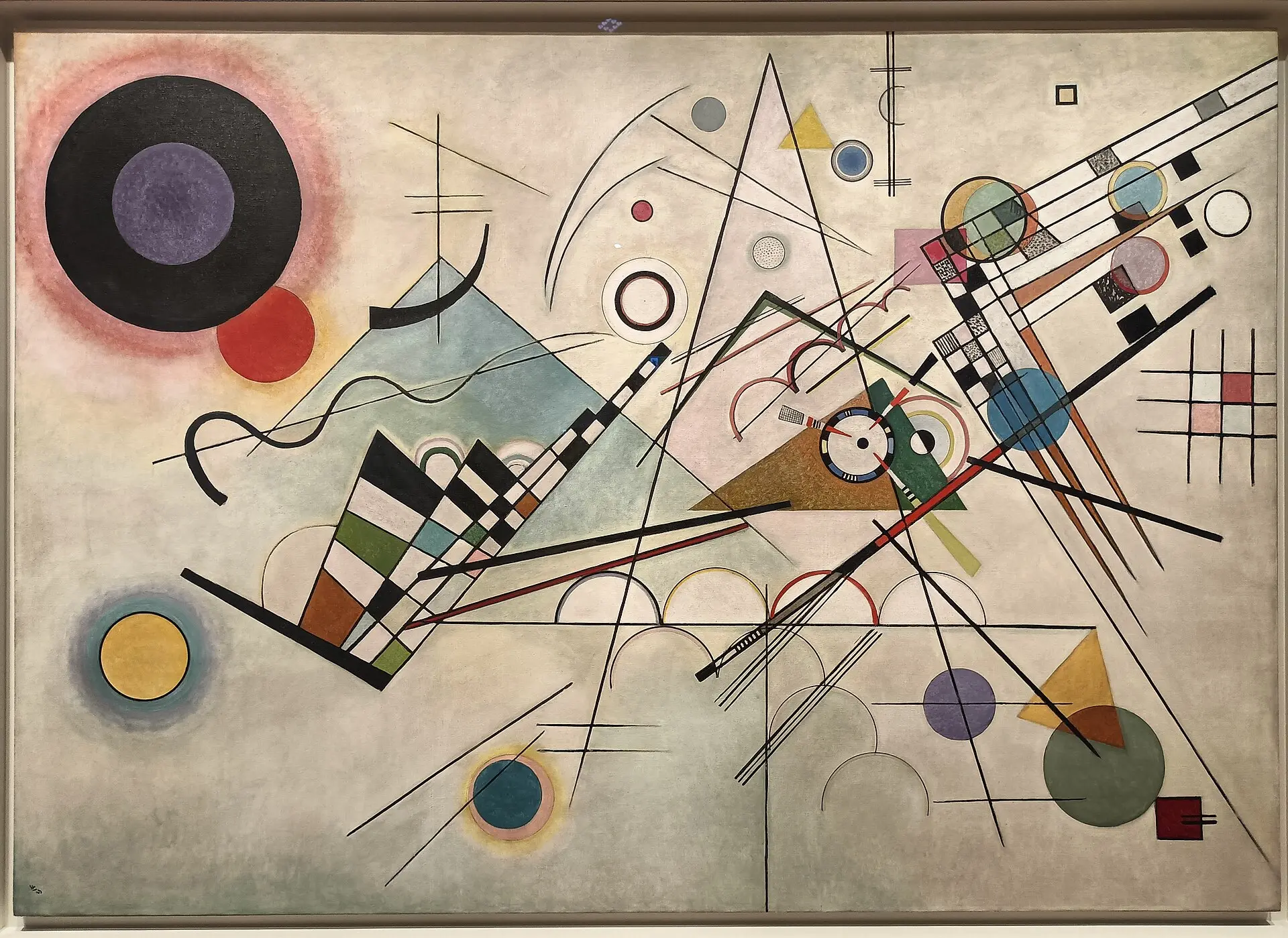
"Walled City in Autumn Landscape" by Wassily Kandinsky, a master of Abstract Expressionism, captures a pivotal moment where art and history intertwine. This hand-painted oil painting reflects Kandinsky’s fascination with the transformation of urban landscapes during the early 20th century. The piece stands alongside other remarkable works like "Untitled (Violet, Black, Orange, Yellow on White and Red), 1949," showcasing how artists of this movement redefined tradition and narrative through vibrant abstraction.
Techniques That Speak
Wassily Kandinsky’s "Walled City in Autumn Landscape" demonstrates his signature approach—dynamic brushwork and a bold palette applied in oil on canvas. The artist’s innovative layering techniques and expressive forms evoke the complexity of autumn’s transition. This fine art painting for sale exemplifies the Abstract Expressionism movement, where color and form become the language of emotion, much like the related painting "Untitled (Violet, Black, Orange, Yellow on White and Red), 1949."
Emotions on Display
In "Walled City in Autumn Landscape," Kandinsky channels emotion through abstraction, allowing viewers to experience the shifting moods of autumn. The oil on canvas medium enables rich, textured effects that heighten the painting’s emotional impact. This work, steeped in the ethos of Abstract Expressionism, resonates with the same intensity found in related paintings such as "Untitled (Violet, Black, Orange, Yellow on White and Red), 1949," inviting personal interpretation and introspection.
Coveted by Collectors
Kandinsky’s "Walled City in Autumn Landscape" remains a prized fine art painting for sale among collectors who value its historical significance and expressive power. As a standout example of Abstract Expressionism, it shares a revered status with works like "Untitled (Violet, Black, Orange, Yellow on White and Red), 1949." Collectors seek these masterpieces not only for their aesthetic beauty but also for their enduring influence on the evolution of modern art.
Related Abstract Expressionism Hand-Painted Oil Paintings by Other Artists
Other Famous Abstract Expressionism Artists:
Frequently Asked Questions About Walled City in Autumn Landscape
What is the historical context of "Walled City in Autumn Landscape"?
"Walled City in Autumn Landscape" was created during the early 20th century, a period marked by significant social and political upheaval in Europe. This painting reflects the transitional phase of modernism, where artists began to explore abstraction and emotional expression in their work.
How does Kandinsky's style influence the interpretation of the painting?
Kandinsky is known for his pioneering role in abstract art. His use of vibrant colors and geometric forms in "Walled City in Autumn Landscape" invites viewers to engage with the emotional resonance of the landscape rather than a literal representation, emphasizing the spiritual connection between art and the viewer.
What symbolic elements are present in the painting?
The walled city in the painting symbolizes confinement and protection, while the autumn landscape represents change and the passage of time. The interplay of these elements reflects Kandinsky's exploration of the duality of human experience.
How does "Walled City in Autumn Landscape" relate to Kandinsky's other works?
This painting shares thematic similarities with Kandinsky's other works, particularly his focus on the relationship between color and emotion. The abstract forms and vibrant palette are consistent with his later explorations of non-representational art.
What techniques did Kandinsky employ in this painting?
Kandinsky utilized a combination of oil paints and layered brushwork to create depth and texture. His innovative approach to color theory is evident, as he carefully selected hues to evoke specific emotional responses from the viewer.
What emotions does "Walled City in Autumn Landscape" evoke?
The painting evokes a sense of nostalgia and introspection, as the autumn setting often symbolizes reflection and change. The contrasting colors may also elicit feelings of tension between the safety of the walled city and the unpredictability of nature.
In what ways does this painting reflect Kandinsky's philosophical beliefs?
Kandinsky believed that art should transcend the physical world and connect with the spiritual realm. "Walled City in Autumn Landscape" embodies this philosophy by encouraging viewers to interpret the emotional and spiritual significance of the landscape rather than focusing solely on its physical attributes.
What role does color play in "Walled City in Autumn Landscape"?
Color is a fundamental aspect of Kandinsky's work, serving as a means of expression and communication. In this painting, the warm autumn tones create a sense of warmth and vibrancy, while cooler shades introduce a feeling of calmness, reflecting the complexity of the human experience.
How has "Walled City in Autumn Landscape" influenced contemporary art?
This painting has had a profound impact on contemporary artists, particularly those working in abstraction. Kandinsky's innovative use of color and form continues to inspire modern artists to explore emotional depth and personal expression in their work.
What is the significance of the autumn season in this painting?
The autumn season often symbolizes maturity, change, and the cyclical nature of life. In "Walled City in Autumn Landscape," this symbolism enhances the painting's exploration of human emotions and the transient nature of existence, inviting viewers to reflect on their own life journeys.






















_GFM_Painting_(1).webp)


 100% Hand-Painted: Finished in 3-6 Weeks

.png)















_(1).webp)