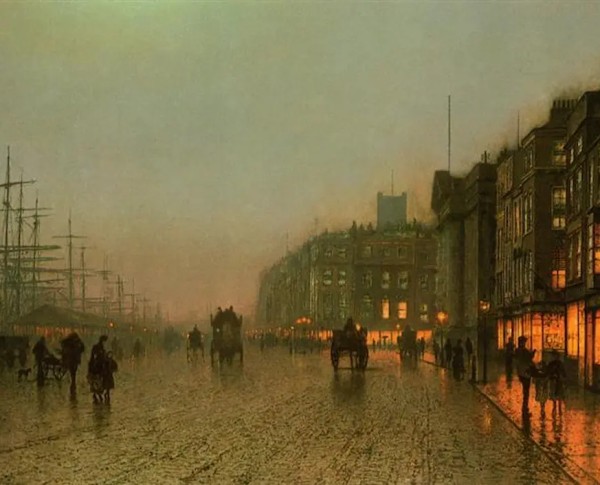
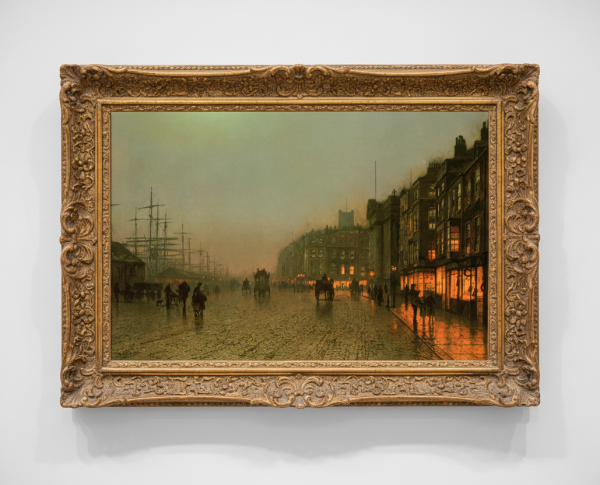
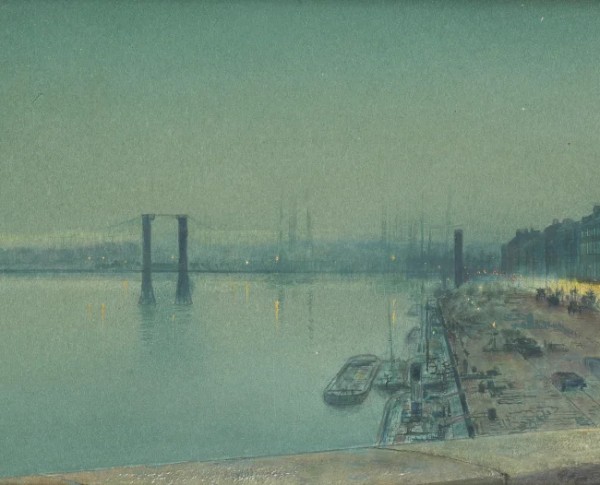
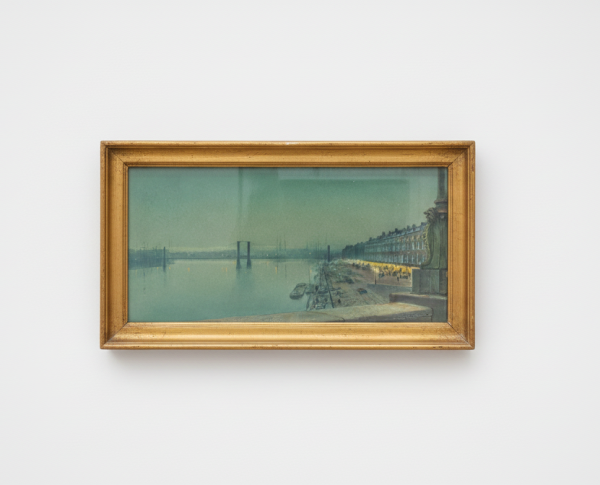
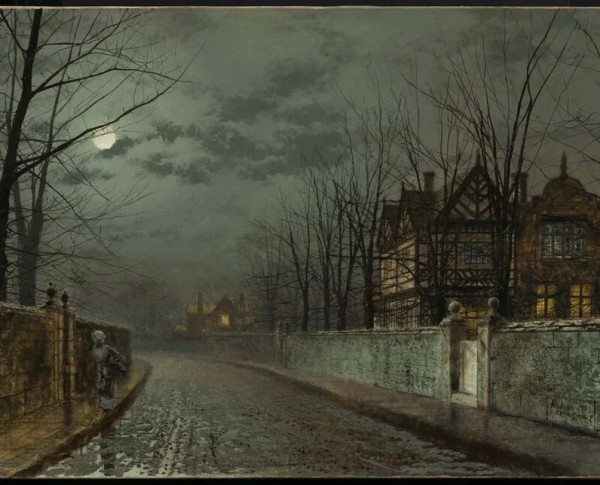
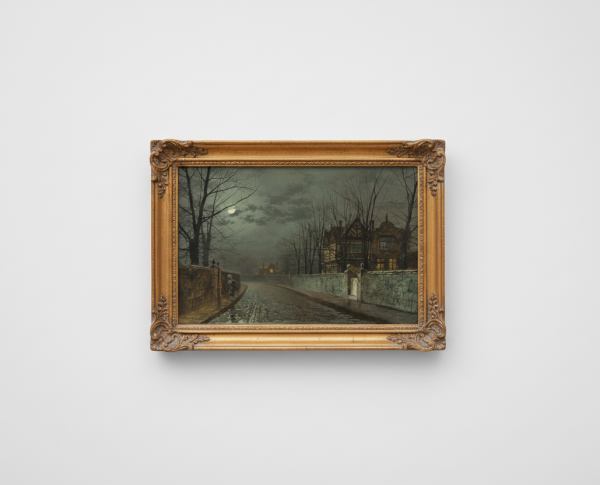
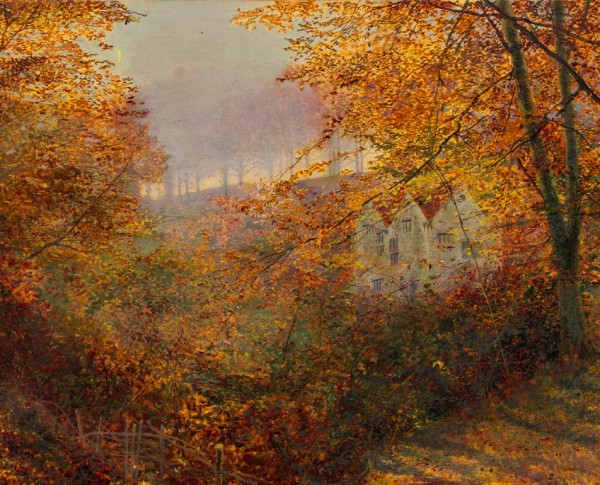
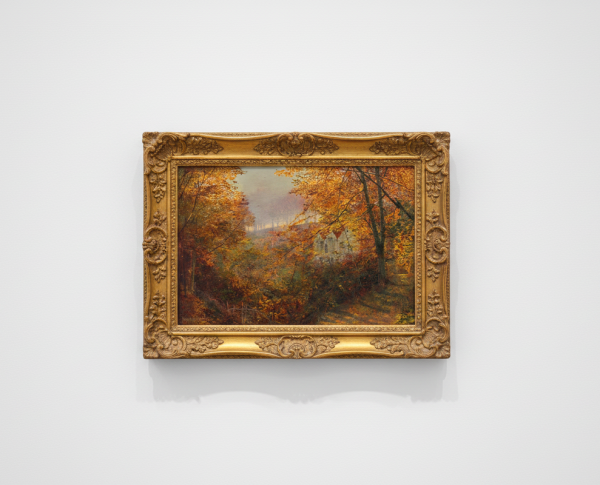
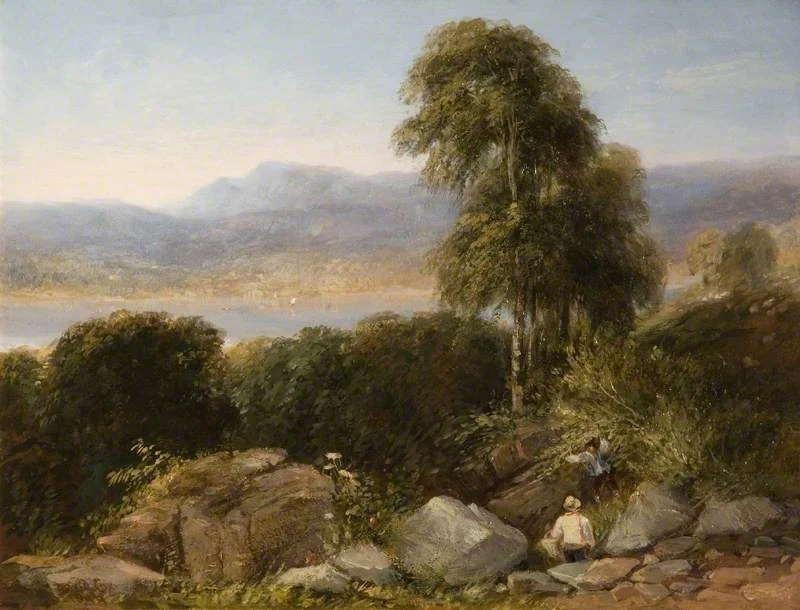
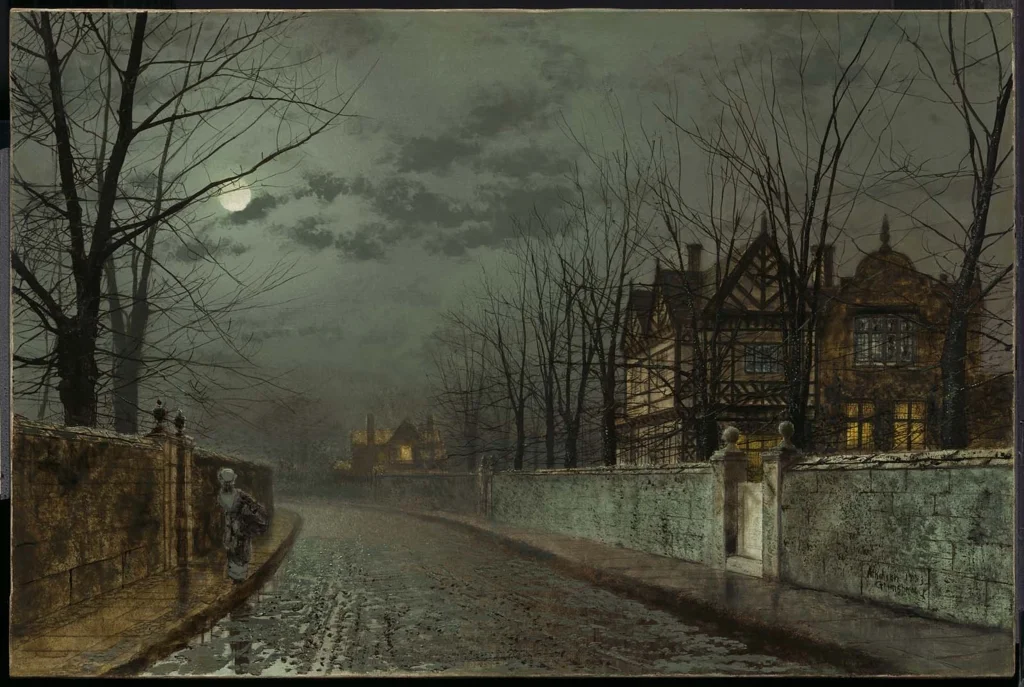
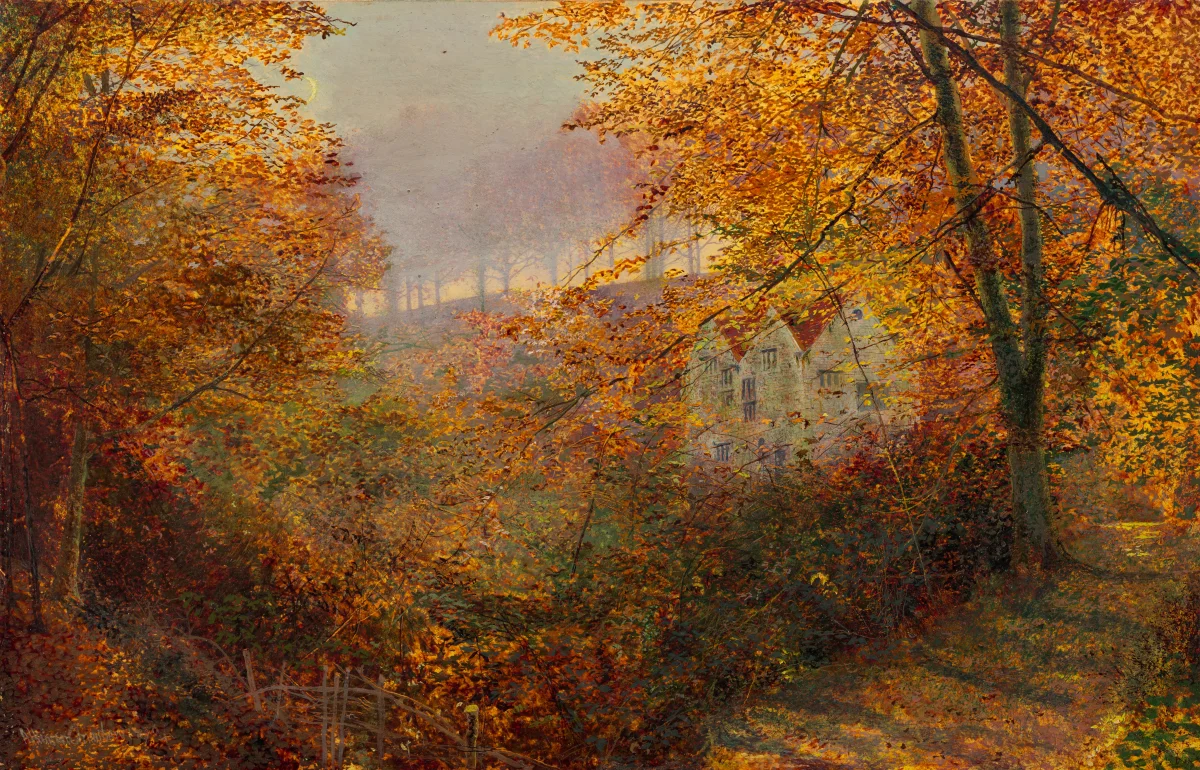
Executed with remarkable finesse, "Windermere" showcases Grimshaw’s signature mastery of oil on canvas. The painting's delicate interplay of light and shadow captures the tranquil essence of the lake, a hallmark of the Aestheticism movement. Similar to his acclaimed works "Whitby" and "A Moonlit Evening," Grimshaw’s technique in "Windermere" transforms a simple landscape into a poetic visual experience, making it a coveted piece for any serious art collection.
Every detail in Grimshaw’s "Windermere" contributes to the narrative woven into its serene landscape. The painting’s subtle hues and reflective waters invite viewers to contemplate the deeper stories behind the scene, much like his other creations "Quai de Paris, Rouen" and "The Lady of Shalott." As a fine art painting for sale, "Windermere" offers not just visual delight but also a gateway to the symbolic richness of the Aestheticism movement.
For collectors and admirers of John Atkinson Grimshaw, "Windermere" is more than just a hand-painted oil painting—it is an exquisite investment in art history. Its association with the Aestheticism movement and its kinship to sought-after pieces such as "Bowder Stone, Borrowdale" and "Evening Glow" enhance its desirability. Owning "Windermere" means possessing a fine art painting for sale that epitomizes both beauty and cultural significance.
When Art Meets History
"Windermere" by John Atkinson Grimshaw is a remarkable hand-painted oil painting that stands as a testament to the Aestheticism movement. Created in the late 19th century, this masterpiece captures the serene beauty of the English Lake District. Grimshaw, renowned for works like "The Apparition" and "Fair Is My Love," skillfully blends atmospheric lighting with historical context, making "Windermere" a significant piece not only in his oeuvre but also in the broader history of fine art painting.
Techniques That Speak
John Atkinson Grimshaw’s "Windermere" demonstrates his mastery of oil on canvas, utilizing delicate brushwork and subtle color transitions to evoke mood and atmosphere. The painting’s luminous skies and reflective waters showcase techniques also seen in related works such as "Study of a head" and "King Henry VI, Part II: 'Come hither, gracious sovereign, view this body.'" Grimshaw’s attention to detail and innovative use of light make this piece stand out within the Aestheticism movement.
Emotions on Display
The emotional resonance of "Windermere" lies in its tranquil depiction of nature, inviting viewers into a contemplative state. Grimshaw’s hand-painted oil painting technique captures the ethereal calm of dusk, a hallmark of his style in the Aestheticism movement. This work, much like "The Duke and Friar Thomas, from Measure for Measure, Act I, Scene iii," draws out feelings of nostalgia and serenity, making it a beloved choice among admirers of Victorian-era art.
Coveted by Collectors
"Windermere" remains a highly sought-after fine art painting for sale, especially among collectors who appreciate the nuances of the Aestheticism movement. John Atkinson Grimshaw’s works, including related pieces such as "Fair Is My Love," are prized for their atmospheric qualities and historical significance. Owning "Windermere" means possessing a piece of art history that reflects both technical brilliance and the enduring appeal of oil on canvas landscapes.
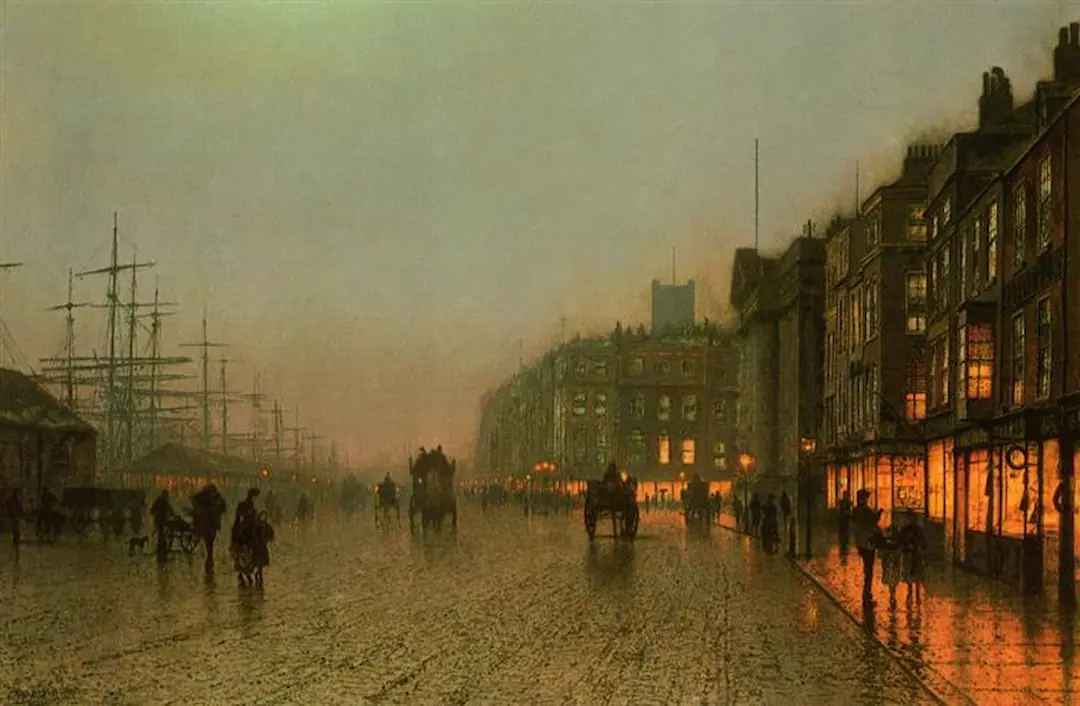
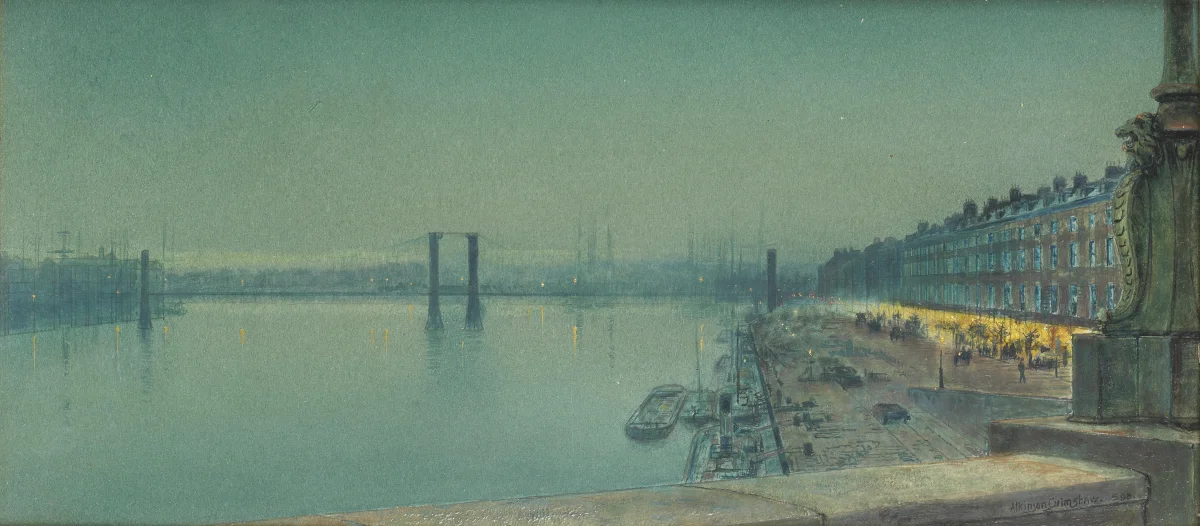
Related Aestheticism Hand-Painted Oil Paintings by Other Artists
Other Famous Aestheticism Artists:
Frequently Asked Questions About Windermere
What is the historical context of "Windermere"?
"Windermere," painted by John Atkinson Grimshaw in the late 19th century, reflects the Romantic movement's fascination with nature and the sublime. This period was marked by a growing appreciation for the natural world, particularly in the context of the Industrial Revolution, which prompted artists to explore themes of tranquility and beauty in landscapes.
What artistic techniques did Grimshaw employ in "Windermere"?
Grimshaw is renowned for his mastery of light and atmosphere. In "Windermere," he utilizes a technique known as chiaroscuro, which contrasts light and dark to create depth. His meticulous attention to detail and the use of a limited color palette enhance the painting's tranquil mood and evoke a sense of serenity.
What symbolism is present in "Windermere"?
The painting symbolizes the harmony between humanity and nature. The serene waters of Windermere, coupled with the soft light of the setting sun, suggest a peaceful coexistence, while the boats represent human presence and activity within this idyllic landscape.
How does "Windermere" reflect Grimshaw's artistic style?
"Windermere" exemplifies Grimshaw's signature style, characterized by atmospheric effects and a focus on nocturnal scenes. His ability to capture the ephemeral qualities of light and shadow is evident, showcasing his unique approach to landscape painting that blends realism with romanticism.
What influences can be seen in "Windermere"?
Grimshaw was influenced by the Pre-Raphaelite Brotherhood and the Aesthetic Movement, which emphasized beauty and nature. "Windermere" showcases these influences through its detailed representation of the landscape and the emphasis on visual beauty over narrative content.
What emotions does "Windermere" evoke in viewers?
The painting evokes feelings of tranquility and nostalgia. The serene landscape and gentle light create a calming atmosphere, inviting viewers to reflect on the beauty of nature and the passage of time, often associated with the fleeting moments of dusk.
What role does light play in "Windermere"?
Light is a central element in "Windermere," as it not only illuminates the scene but also sets the mood. The warm glow of the sunset casts a magical quality over the landscape, enhancing the painting's emotional depth and inviting contemplation of nature's beauty.
How does "Windermere" compare to other works by Grimshaw?
What is the significance of the location depicted in "Windermere"?
Windermere, located in the Lake District of England, is a site of natural beauty and cultural significance. The lake has long been a source of inspiration for artists and writers, and Grimshaw's portrayal highlights its tranquil charm, contributing to the Romantic ideal of nature as a refuge from industrialization.
What impact did "Windermere" have on the art community during Grimshaw's time?
"Windermere" was well-received during Grimshaw's lifetime and contributed to his reputation as a leading landscape painter. The painting's emphasis on atmospheric effects and the beauty of nature resonated with contemporary audiences, influencing other artists to explore similar themes in their work.























_GFM_Painting_(1).webp)


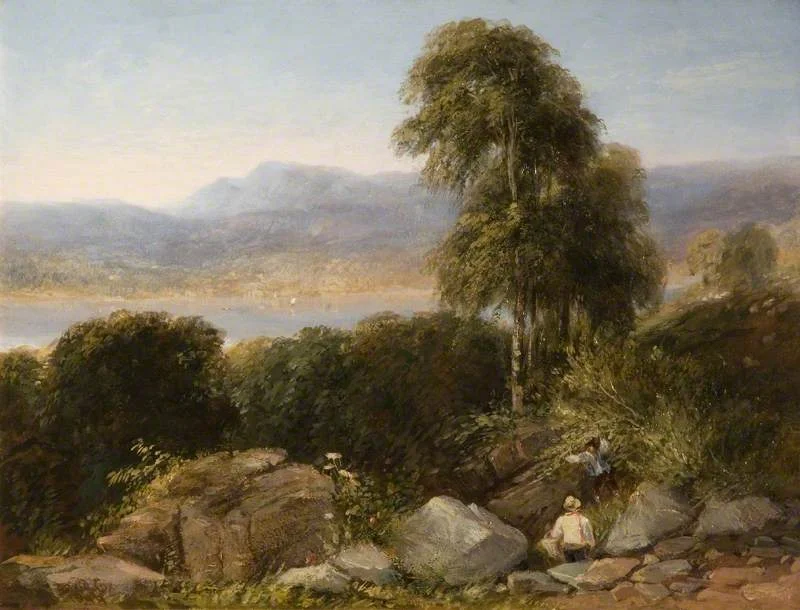
 100% Hand-Painted: Finished in 3-6 Weeks

.png)
















_(1).webp)