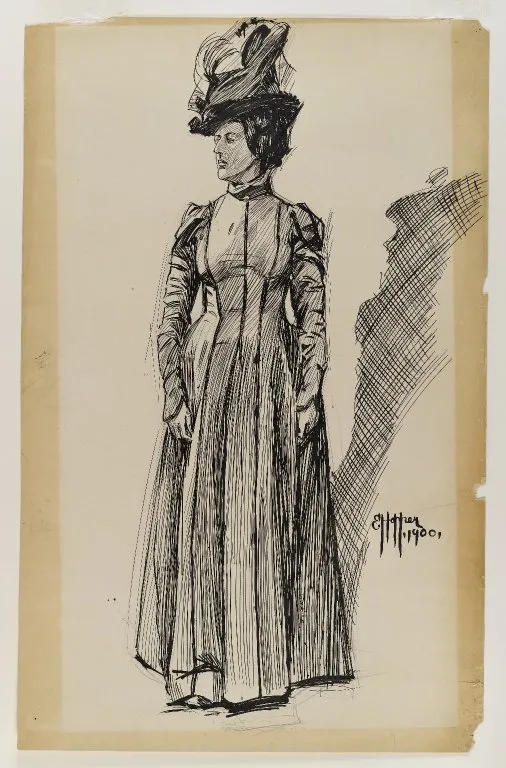
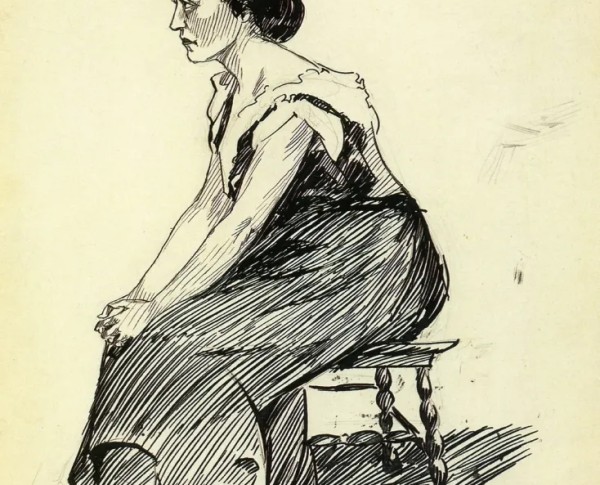
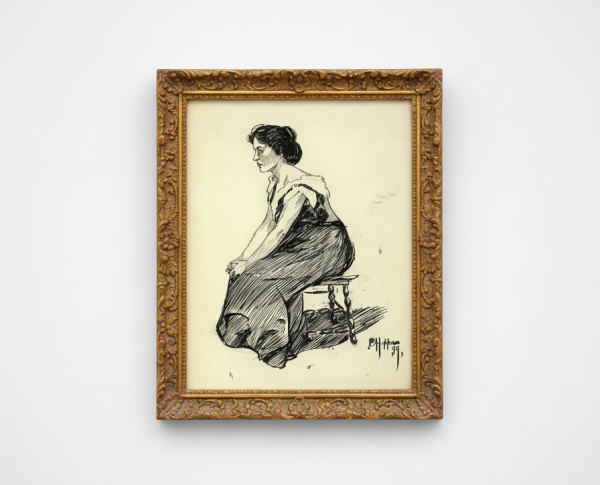
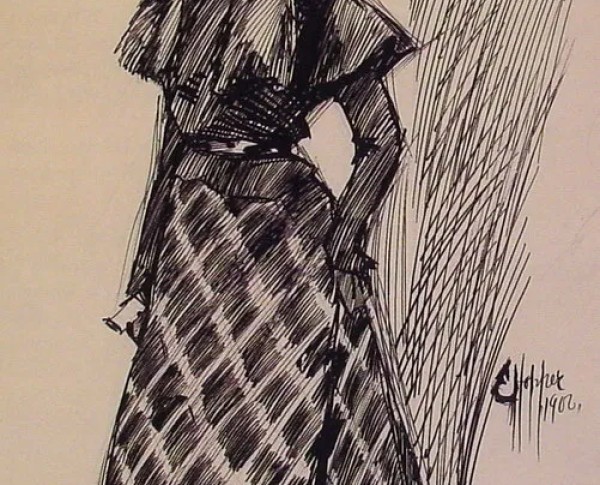
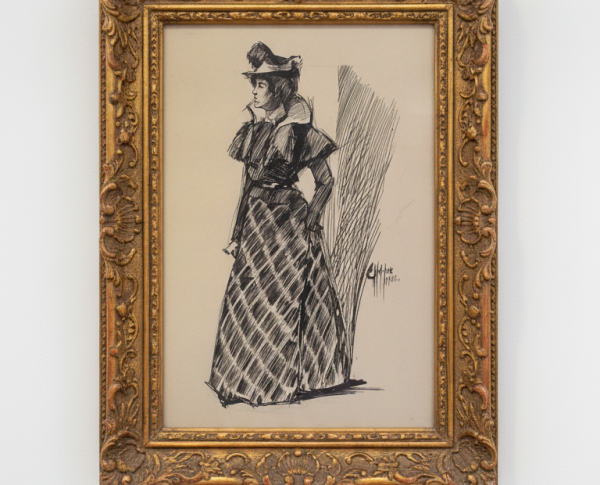
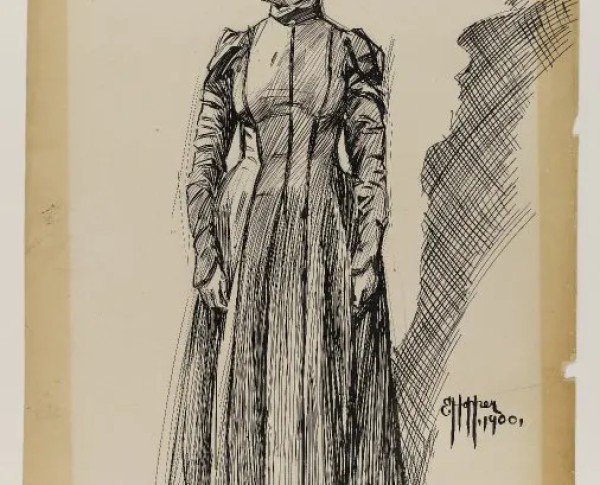
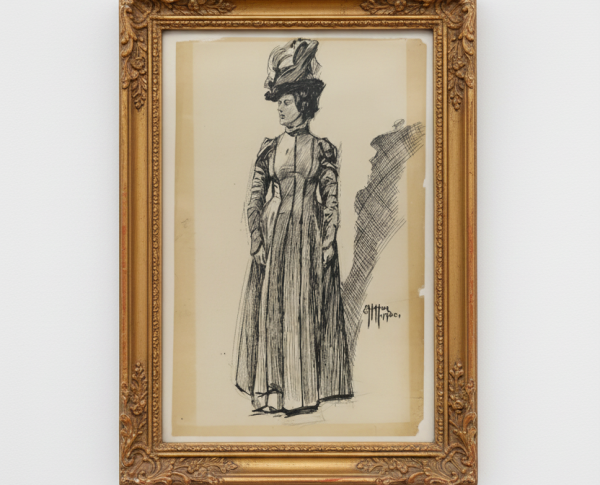
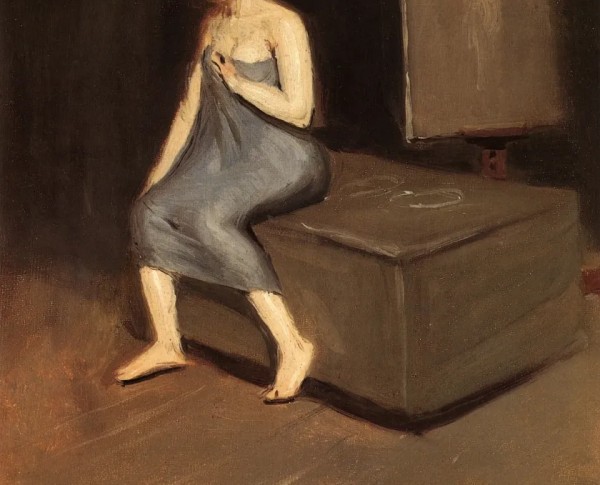
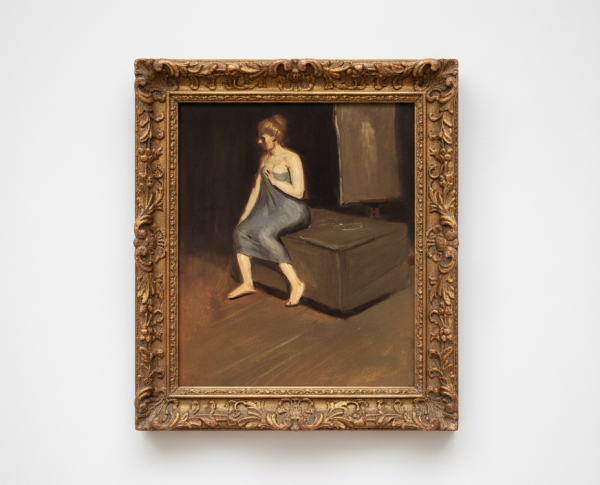
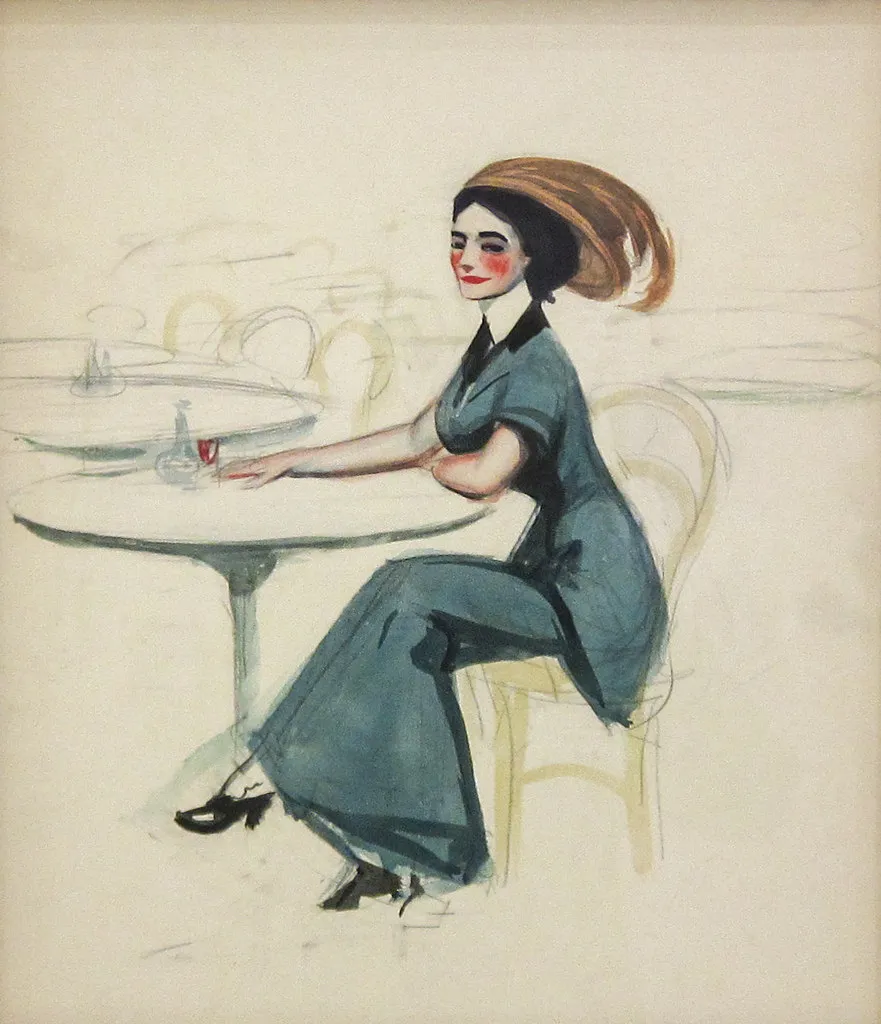
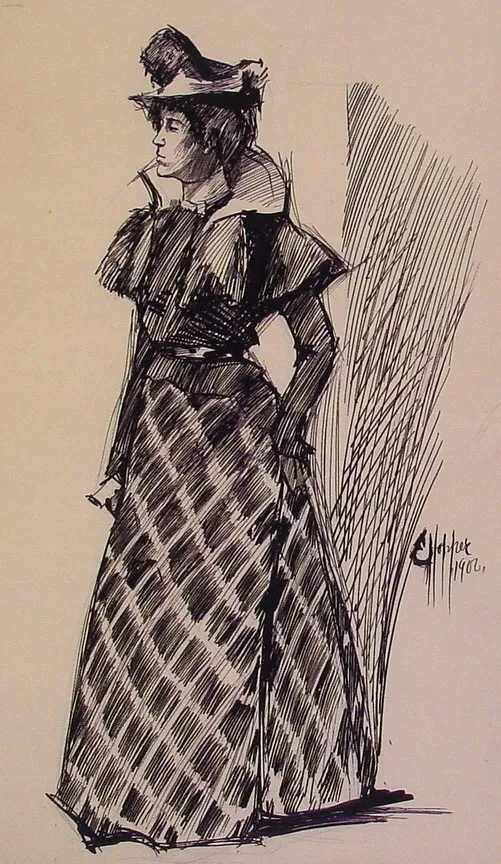
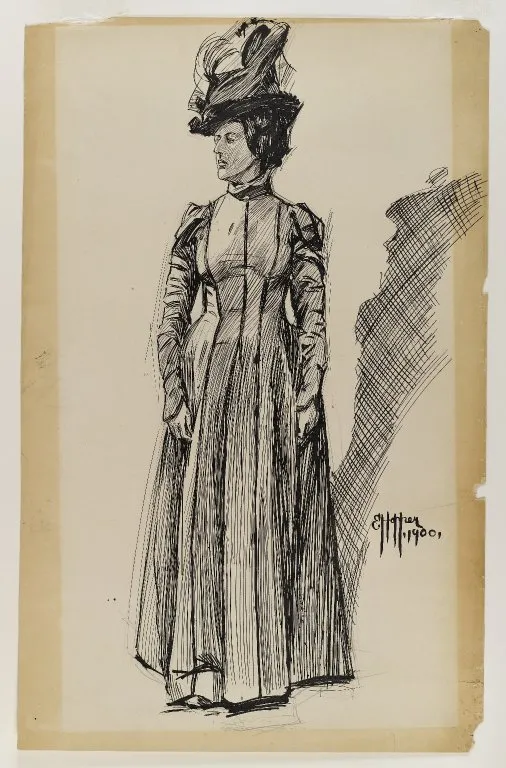
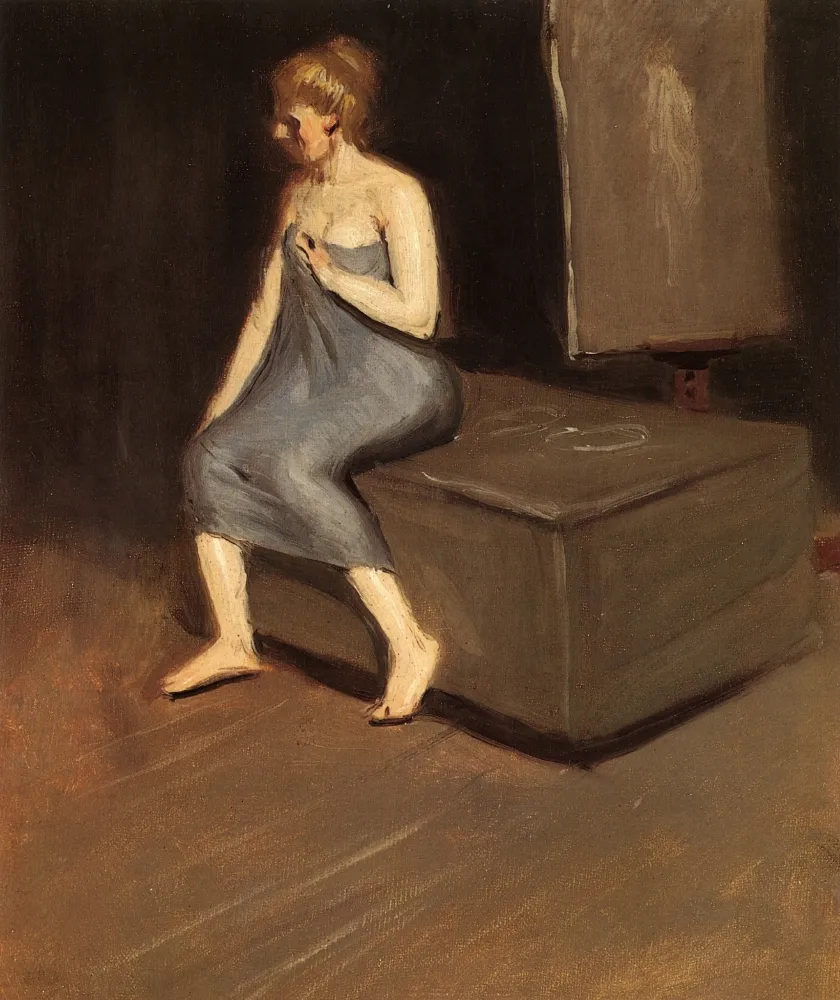
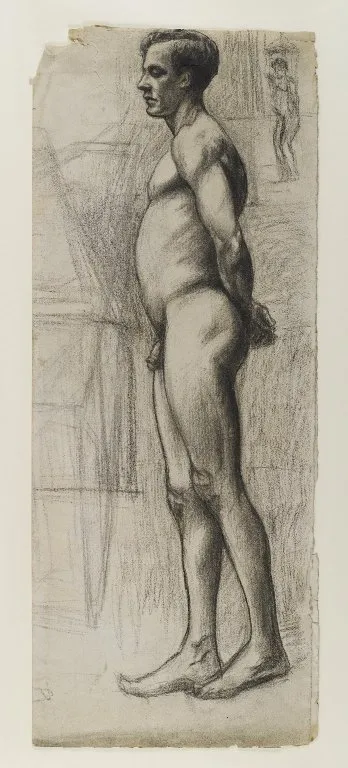
Edward Hopper's "Woman at Cafe Table" showcases remarkable skill in oil on canvas, utilizing light and shadow to evoke emotion and depth. His precise brushwork and nuanced color palette reflect the American Realism movement’s dedication to portraying everyday life. This oil on canvas masterpiece stands alongside related works like "Sitting on Box" and "Study of a Standing Woman," each demonstrating Hopper’s command of the medium and his ability to transform ordinary moments into extraordinary art.
Every element in "Woman at Cafe Table" carries significance, from the thoughtful pose of the subject to the interplay of interior and exterior spaces. This hand-painted oil painting invites viewers to ponder the narrative behind the scene, much like Hopper’s contemporaries in American Realism. Art enthusiasts often compare this piece to others such as "Notre Dame No 2" and "Steps in Paris," all of which use subtle details to weave compelling, silent stories within each frame.
Owning "Woman at Cafe Table" means possessing a fine art painting for sale that captures the essence of Edward Hopper’s vision and the American Realism movement. Collectors value its authenticity and emotional resonance, appreciating how it complements pieces like "Le Pont des Arts" or "Model in Towel." As with all hand-crafted oil on canvas works, this painting offers both aesthetic beauty and historical significance, making it a prized addition to any art collection.
When Art Meets History
"Woman at Cafe Table" by Edward Hopper stands as a testament to the American Realism movement, capturing the nuances of daily life in early 20th-century America. This hand-painted oil painting reflects Hopper’s fascination with solitude and urban settings, themes echoed in related works like "No Graft Here" and "A Lesson in Discretion." Through its historical context, the painting offers a window into the societal shifts of its era, making it a significant piece for art enthusiasts and historians alike.
Techniques That Speak
Edward Hopper’s masterful use of oil on canvas in "Woman at Cafe Table" showcases his distinctive approach to light and shadow, creating a striking sense of realism. Each brushstroke is meticulously applied, enhancing the stark contrast and emotional depth of the scene. Similar techniques can be observed in his related paintings, such as "Injured Innocence" and "Scene V - Muscle Couple Fighting," further cementing Hopper’s reputation as a pioneer of American Realism.
Emotions on Display
"Woman at Cafe Table" evokes a profound sense of introspection and solitude, hallmarks of Edward Hopper’s style within the American Realism movement. The subtle tension and narrative ambiguity make this fine art painting for sale particularly compelling. Collectors and admirers often draw parallels with emotionally charged works like "Dream of the Fisherman’s Wife," as Hopper’s ability to convey complex human emotions remains unmatched in his genre.
Coveted by Collectors
As a quintessential piece of American Realism, "Woman at Cafe Table" by Edward Hopper is highly sought after by collectors worldwide. The painting’s status as a hand-painted oil painting adds to its allure, placing it alongside notable works such as "A Lesson in Discretion." Its unique blend of historical context, emotional depth, and technical mastery ensures its place as a prized addition to any fine art collection, continuing to captivate audiences for generations.
Related American Realism Hand-Painted Oil Paintings by Other Artists
Other Famous American Realism Artists:
Frequently Asked Questions About Woman at Cafe Table
What is the historical context of "Woman at Cafe Table"?
"Woman at Cafe Table" was painted by Edward Hopper in 1927, a period marked by significant social change in America, including the rise of urbanization and the influence of modernism in art. Hopper's work often reflects the isolation and introspection of individuals in bustling urban settings.
What artistic techniques did Edward Hopper use in this painting?
Hopper employed a distinctive use of light and shadow to create a sense of depth and mood. His mastery of color and composition draws the viewer's eye to the central figure, highlighting her solitude amidst the café's vibrant environment.
What themes are present in "Woman at Cafe Table"?
The painting explores themes of solitude, introspection, and the human experience within urban life. Hopper often depicted individuals in moments of contemplation, emphasizing the contrast between personal isolation and the surrounding social environment.
How does "Woman at Cafe Table" reflect Edward Hopper's style?
This work exemplifies Hopper's signature style characterized by realistic depictions of American life, a focus on light, and a sense of stillness. His ability to convey emotion through simple yet powerful imagery is evident in this piece.
What is the significance of the café setting in the painting?
The café setting serves as a microcosm of urban life, representing both social interaction and isolation. It highlights the paradox of being surrounded by people while feeling alone, a recurring motif in Hopper's oeuvre.
What does the woman in the painting symbolize?
The woman can be interpreted as a symbol of modern femininity, reflecting the changing roles of women in the 1920s. Her contemplative expression suggests a deeper narrative about identity and the search for connection in a rapidly evolving society.
How does the composition of "Woman at Cafe Table" contribute to its meaning?
The composition, with the woman centrally positioned and framed by the café's architecture, emphasizes her isolation. The use of negative space around her enhances the feeling of solitude, inviting viewers to reflect on her emotional state.
What role does color play in "Woman at Cafe Table"?
Hopper's use of muted colors and contrasting tones creates a melancholic atmosphere. The palette evokes a sense of nostalgia and introspection, reinforcing the themes of solitude and the passage of time.
How does "Woman at Cafe Table" compare to Hopper's other works?
This painting shares thematic and stylistic similarities with other Hopper works, such as "Nighthawks" and "Morning Sun." All feature solitary figures in urban settings, exploring the complexities of human emotion and social dynamics.
What impact has "Woman at Cafe Table" had on contemporary art?
The painting has influenced numerous contemporary artists who explore themes of isolation and urban life. Hopper's ability to capture the human condition continues to resonate, inspiring discussions about modern existence and the role of art in reflecting societal changes.























_GFM_Painting_(1).webp)


 100% Hand-Painted: Finished in 3-6 Weeks

.png)















_(1).webp)