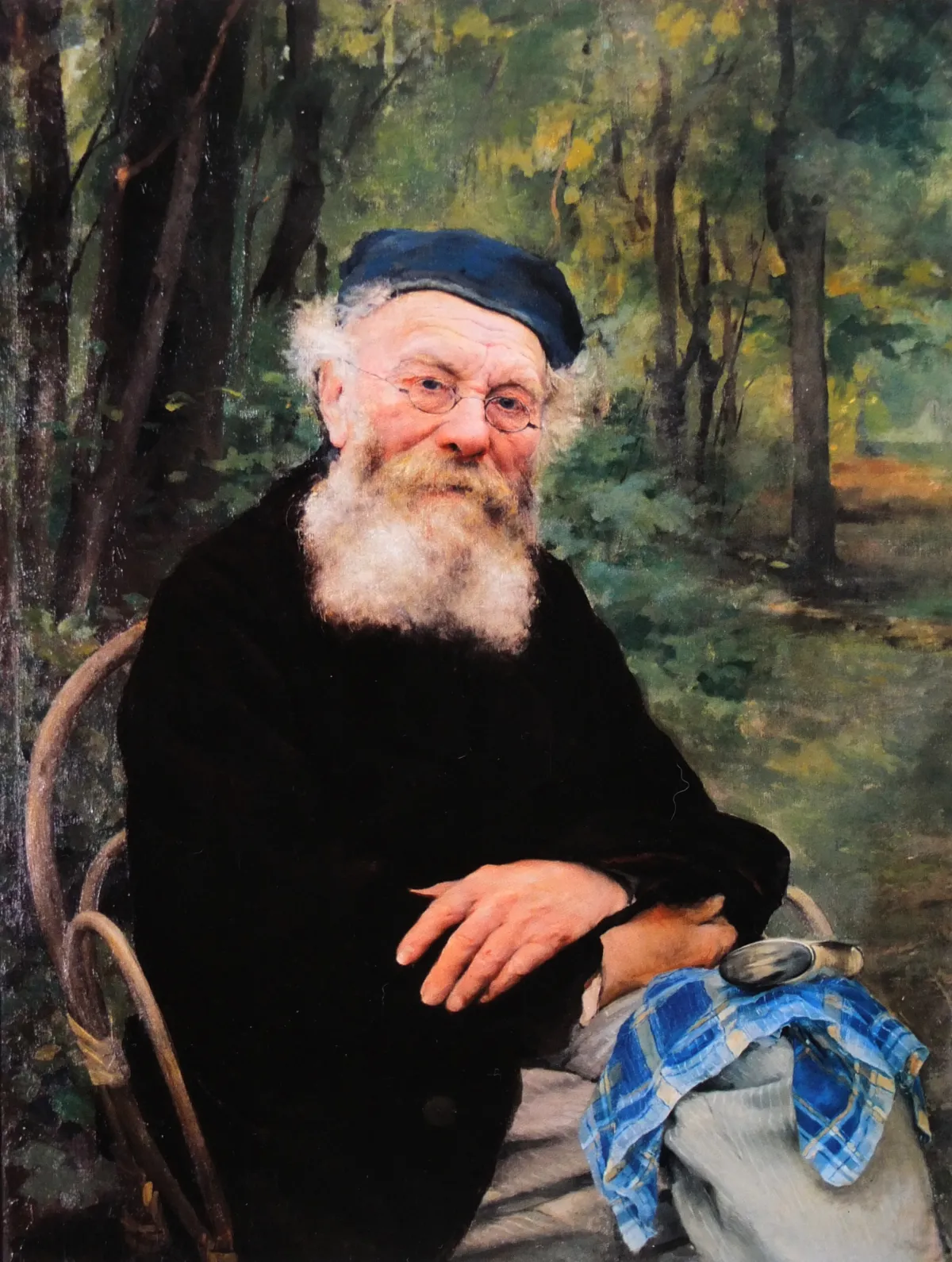
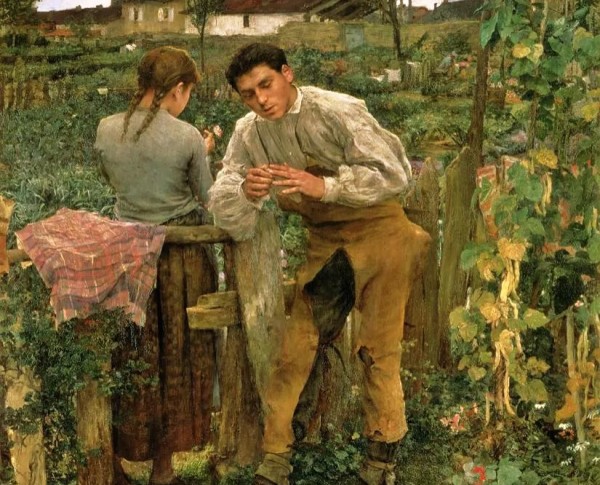
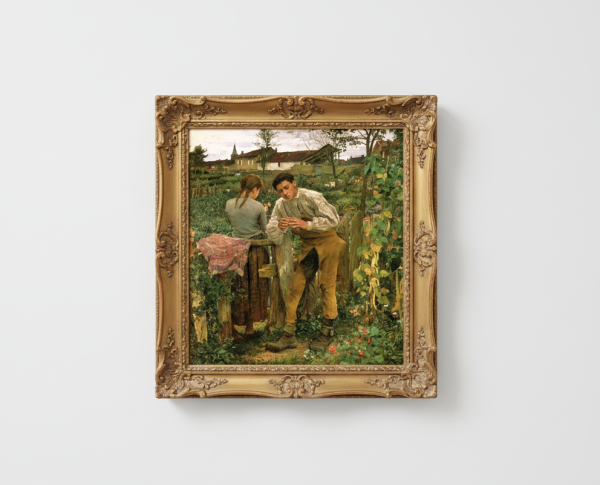
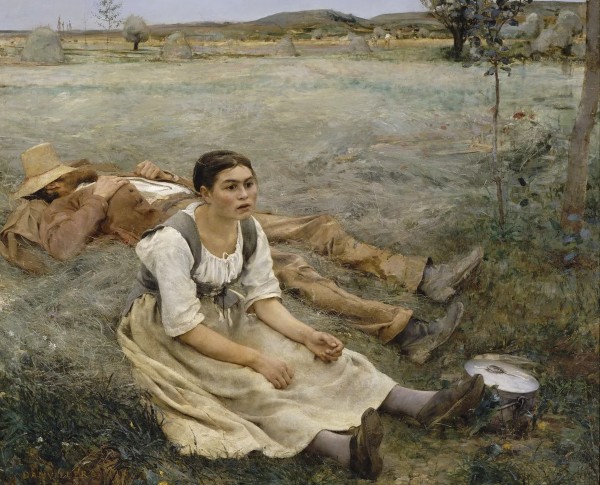
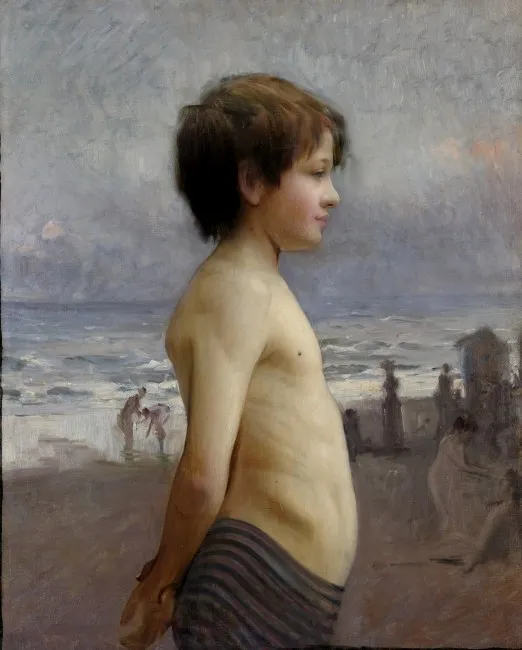
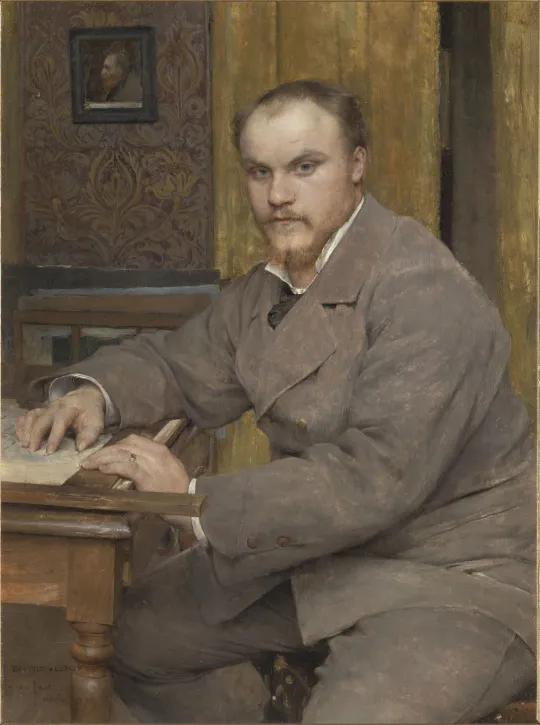
Jules Bastien Lepage’s meticulous technique is evident in every brushstroke of "Young boy at the beach". Utilizing oil on canvas, Lepage achieves lifelike textures and subtle color transitions that define Naturalism. The artist’s attention to detail brings the scene to life, inviting viewers to experience the tranquil moment firsthand. For collectors, related works like Sir Henry Irving and Piet-Lataudrie offer similar artistry, making each oil on canvas a coveted addition to any collection.
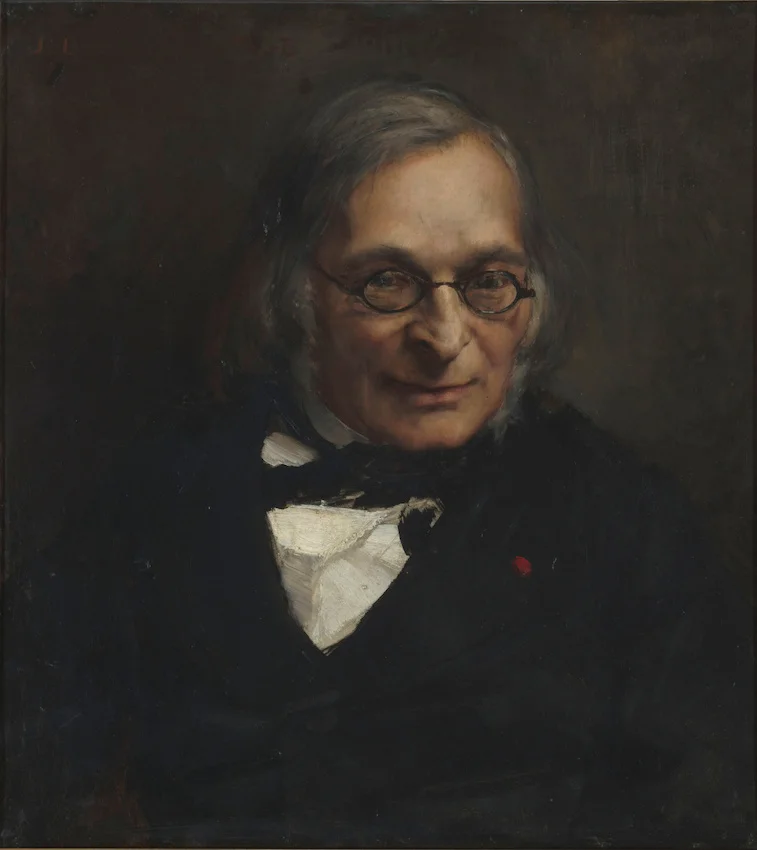
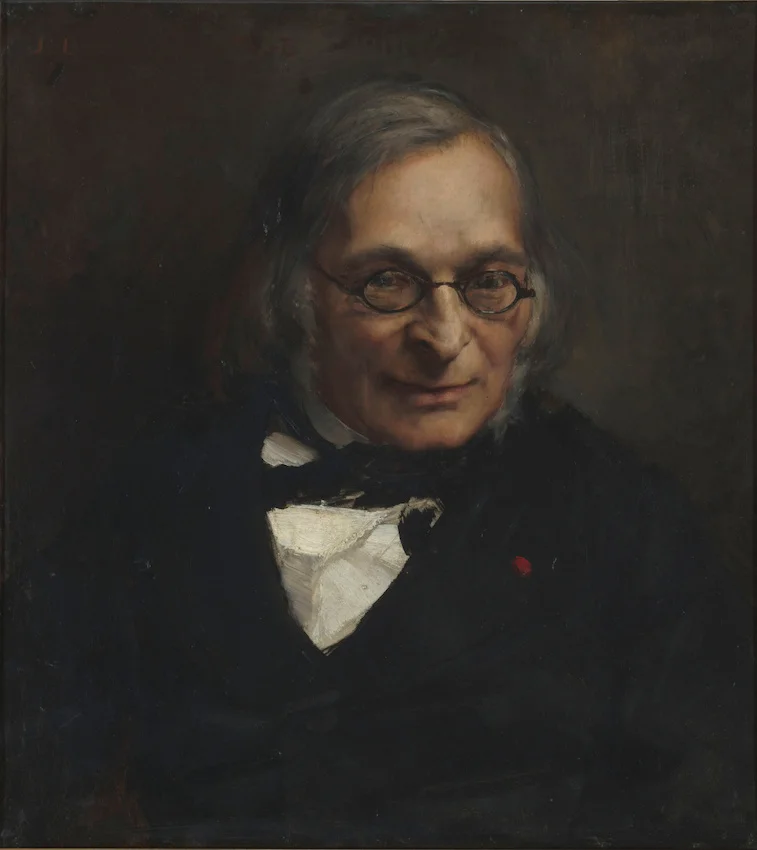
"Young boy at the beach" is more than a fine art painting for sale; it is a narrative woven with emotion and meaning. Jules Bastien Lepage uses the gentle setting and youthful figure to explore themes of innocence and discovery, hallmarks of the Naturalism movement. Collectors may also appreciate works featuring Andre Theuriet or French philosopher Adolphe Franck, as each painting reveals profound stories and symbolic depth unique to Lepage’s artistic vision.
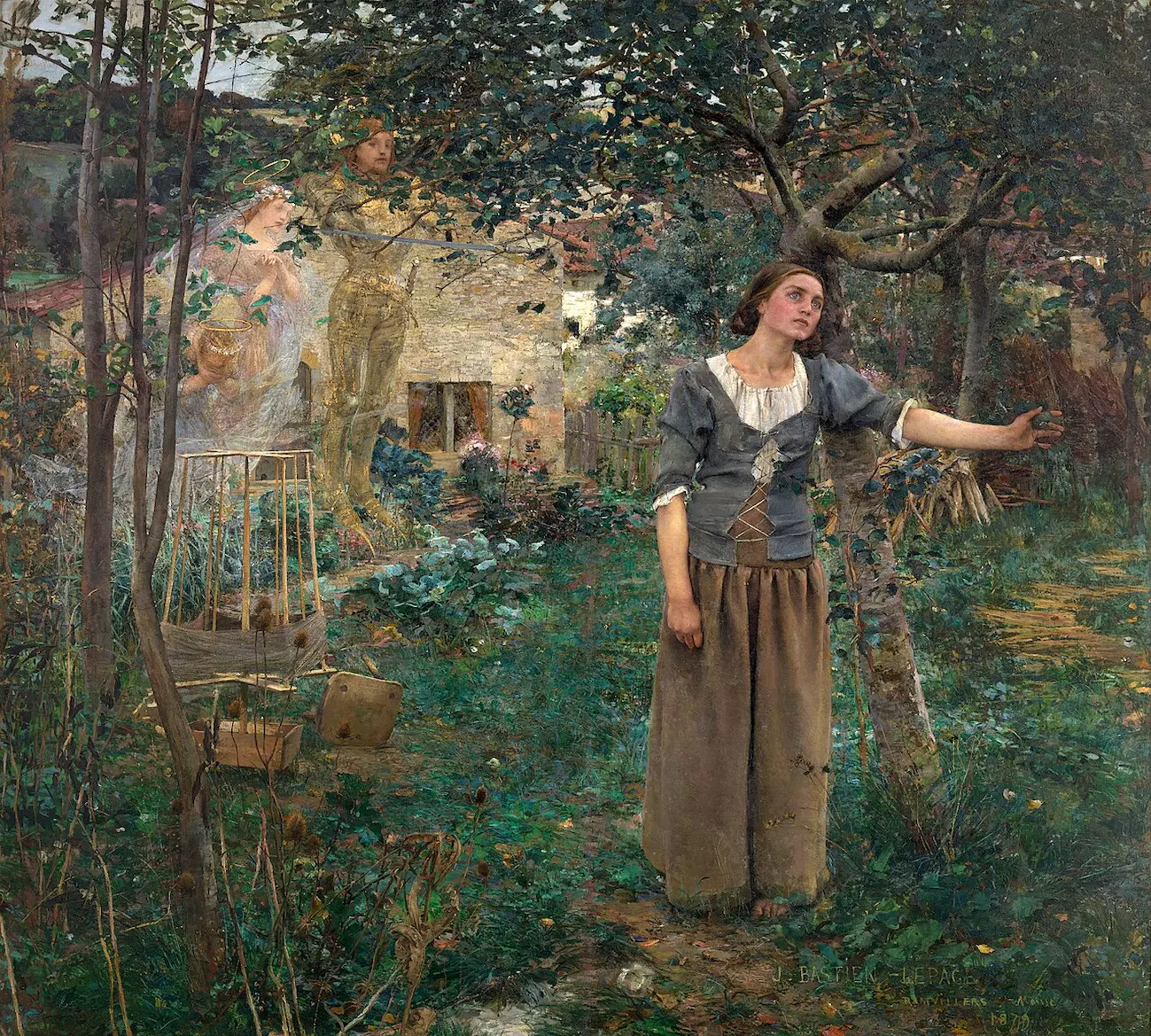
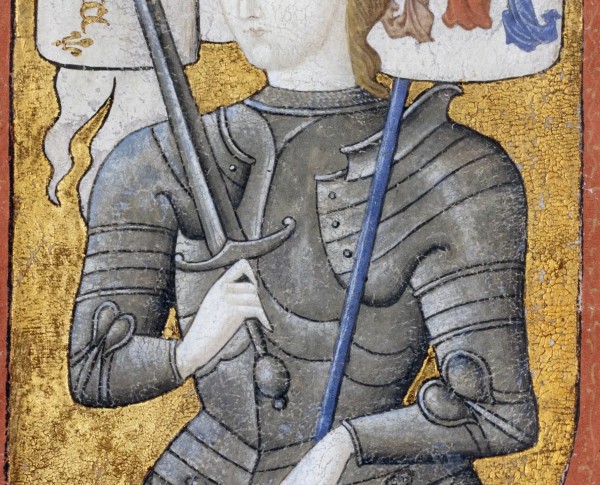
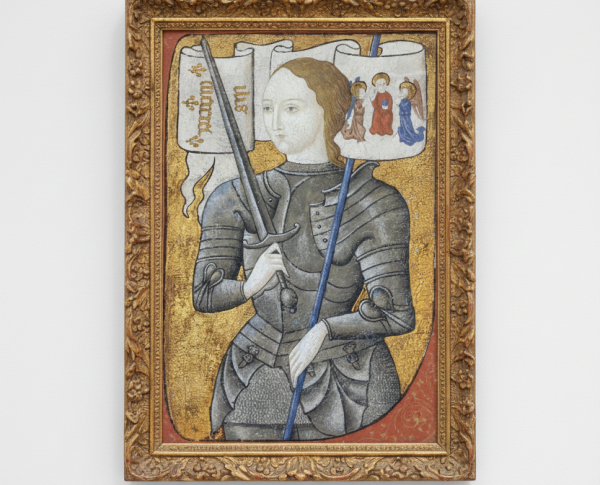
For discerning collectors, "Young boy at the beach" by Jules Bastien Lepage represents an exceptional opportunity to own a piece of art history. This hand-painted oil painting exemplifies the best of the Naturalism movement, offering timeless beauty and emotional resonance. Pairing it with related products such as Joan Of Arc or works depicting French philosopher Adolphe Franck enhances any collection, ensuring each piece is both a treasure and an investment in fine art’s enduring legacy.
When Art Meets History
"Young boy at the beach" by Jules Bastien Lepage stands as a remarkable example of Naturalism, capturing a fleeting moment in everyday life. Painted in the late 19th century, this hand-painted oil painting reflects the era’s fascination with realism and the beauty found in ordinary scenes. Lepage’s attention to detail aligns his work with other masterpieces like "Cock Grouse, The Covey at Daybreak, Pheasants." and "Danger aloft – Ptarmigan", all celebrated in the Naturalism movement.
Techniques That Speak
Jules Bastien Lepage’s "Young boy at the beach" showcases his mastery of oil on canvas, a medium favored by many Naturalist artists. The artist’s delicate brushwork and subtle color palette bring the seaside scene to life, echoing the realistic qualities seen in related paintings such as "Common Eider Ducks." This oil on canvas painting exemplifies Lepage’s commitment to faithfully representing nature and human experiences, making it a standout piece within the Naturalism movement.
Emotions on Display
In "Young boy at the beach," Lepage conveys raw emotion through the boy’s posture and expression, inviting viewers to share in a moment of quiet reflection. This fine art painting for sale resonates with the same emotional depth found in other works by Lepage and his contemporaries, such as "Danger aloft – Ptarmigan." The artist’s sensitive portrayal of childhood innocence and the tranquil seaside atmosphere exemplifies the emotional authenticity central to the Naturalism movement.
Coveted by Collectors
Collectors prize "Young boy at the beach" by Jules Bastien Lepage for its historical significance and exquisite execution. As a hand-painted oil painting, it offers a timeless connection to the Naturalism movement and remains highly sought after, much like "Cock Grouse" and "Common Eider Ducks." The painting’s quality and provenance make it a fine art painting for sale that appeals to enthusiasts seeking a piece of art history for their own collections.
Related Naturalism Hand-Painted Oil Paintings by Other Artists
Other Famous Naturalism Artists:
Frequently Asked Questions About Young boy at the beach
What is the historical context of "Young boy at the beach"?
"Young boy at the beach" was created during the late 19th century, a time when naturalism and realism were prominent in the art world. Jules Bastien Lepage, the artist, was known for his ability to capture the essence of everyday life, reflecting the social changes of the period.
What artistic techniques did Jules Bastien Lepage use in this painting?
Bastien Lepage employed a technique known as plein air painting, which involves painting outdoors to capture natural light and atmosphere. His use of vibrant colors and attention to detail in the depiction of the boy and the beach setting exemplify his mastery of realism.
What themes are explored in "Young boy at the beach"?
The painting explores themes of childhood innocence, freedom, and the connection between humans and nature. The boy's playful interaction with the beach environment symbolizes the joy and simplicity of youth.
How does "Young boy at the beach" reflect the artist's style?
This work reflects Bastien Lepage's signature style characterized by a blend of realism and impressionism. His focus on light and color, combined with a lifelike representation of the subject, showcases his innovative approach to painting.
What is the significance of the beach setting in the painting?
The beach setting serves as a metaphor for exploration and adventure, representing a space where childhood imagination thrives. It also highlights the beauty of nature, a recurring element in Bastien Lepage's works.
What emotions does "Young boy at the beach" evoke?
The painting evokes feelings of nostalgia and warmth, inviting viewers to reminisce about their own childhood experiences. The carefree demeanor of the boy captures the essence of joy and innocence, resonating with audiences on a personal level.
How does this painting compare to other works by Jules Bastien Lepage?
What role did Jules Bastien Lepage play in the art movement of his time?
Bastien Lepage was a pivotal figure in the transition from academic art to modern realism. His innovative techniques and focus on everyday subjects influenced many artists and contributed to the evolution of contemporary art practices.
What can be said about the use of color in "Young boy at the beach"?
The use of color in this painting is striking, with a palette that reflects the warmth of sunlight and the coolness of the sea. Bastien Lepage's ability to blend colors seamlessly enhances the painting's realism and emotional impact.
What is the legacy of "Young boy at the beach" in art history?
"Young boy at the beach" remains an important work in art history, exemplifying the shift towards realism and the celebration of everyday life. It continues to be studied for its artistic techniques and its reflection of societal values during the late 19th century.























_GFM_Painting_(1).webp)


 100% Hand-Painted: Finished in 3-6 Weeks

.png)















_(1).webp)