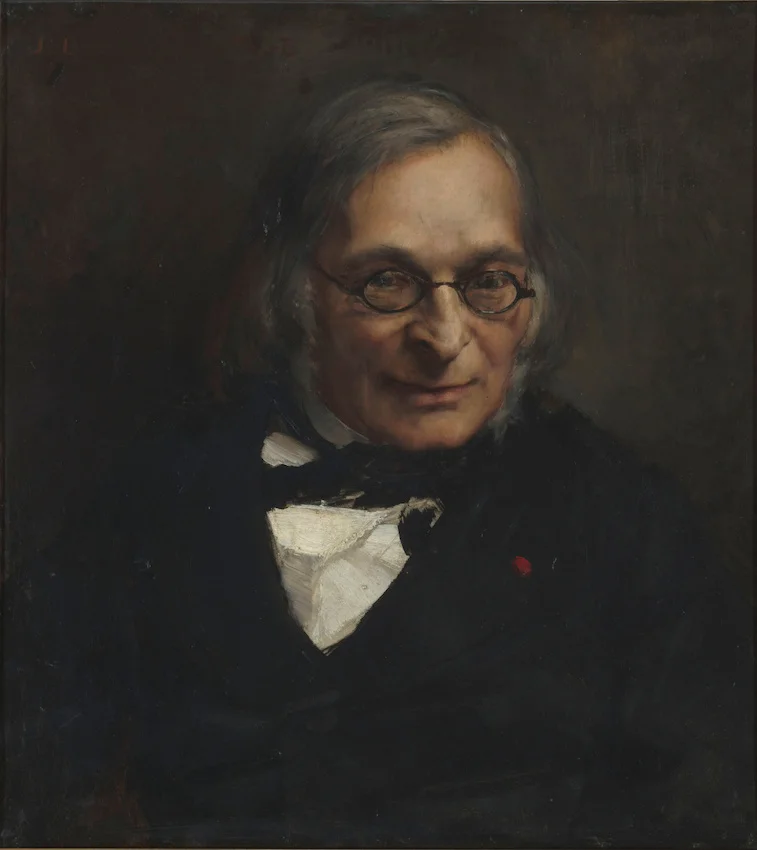
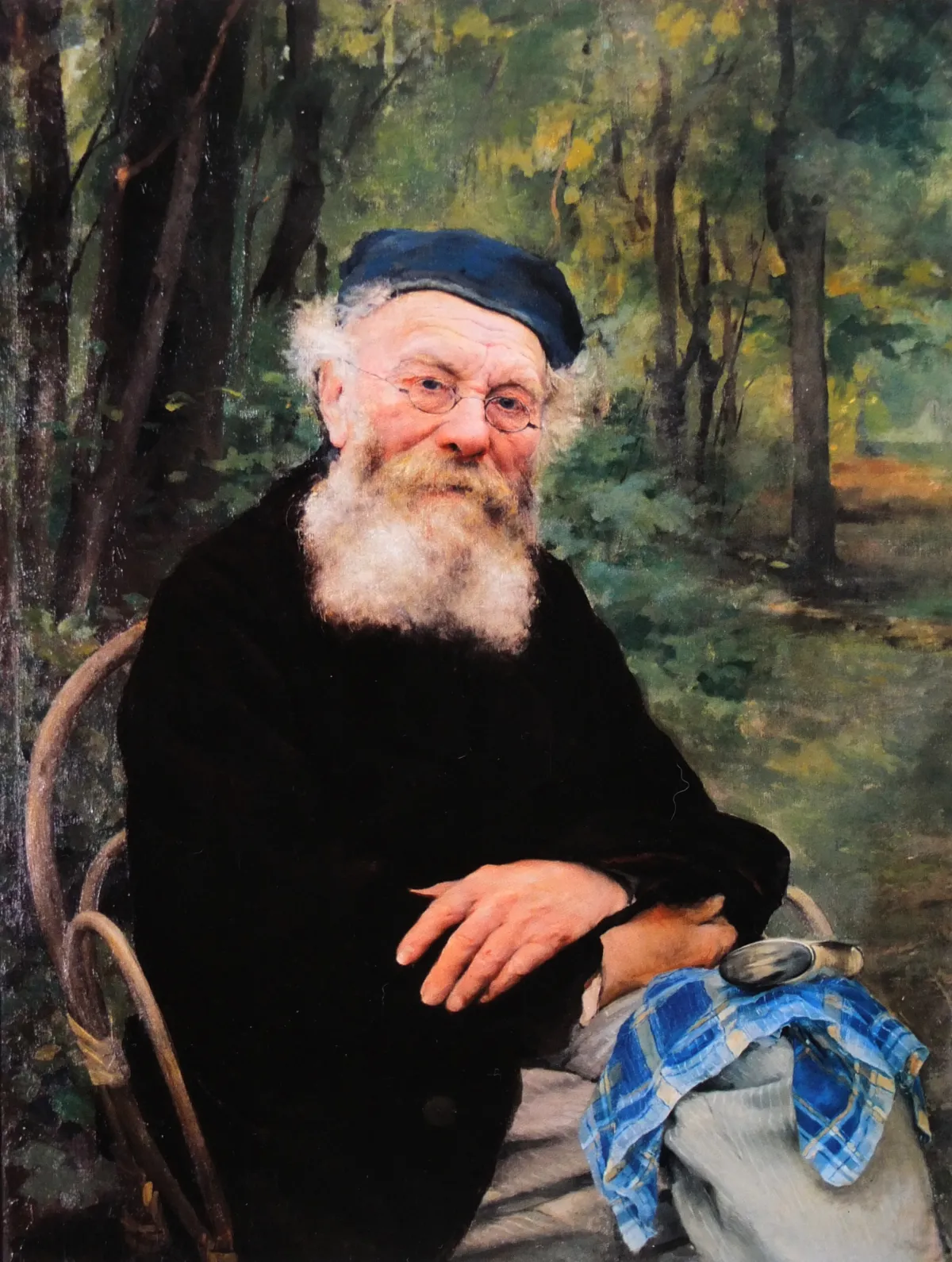
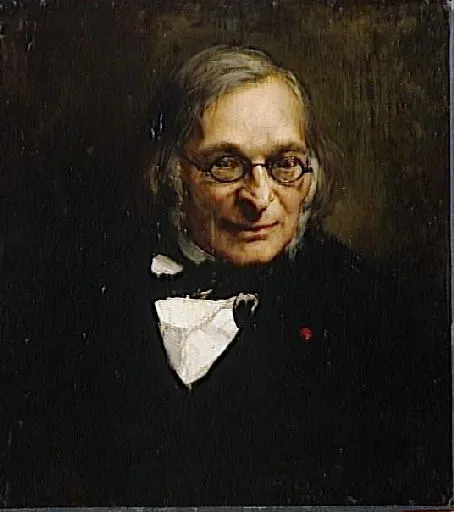
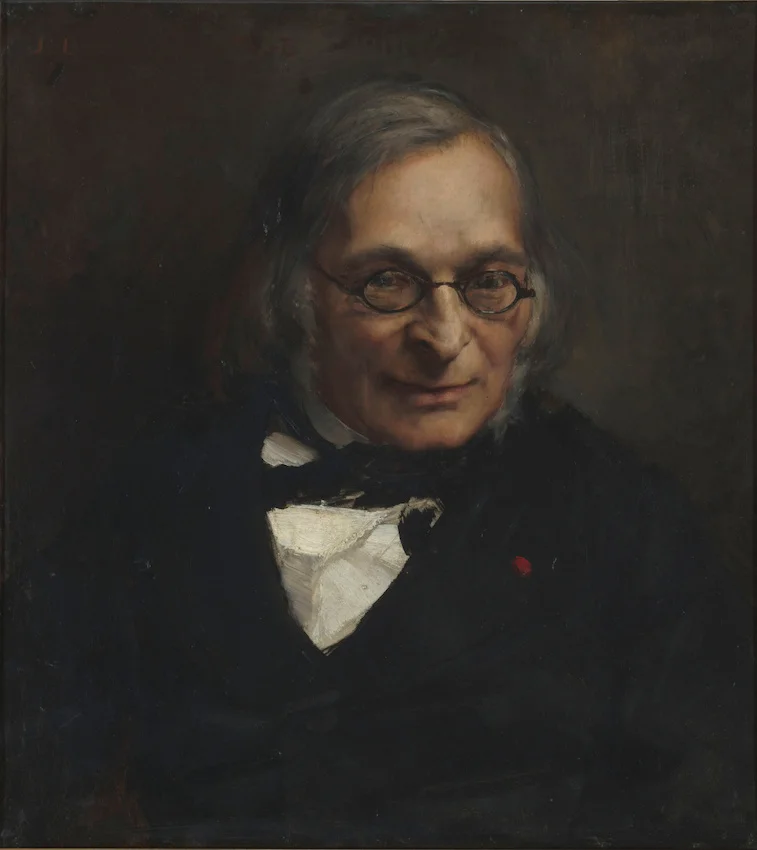
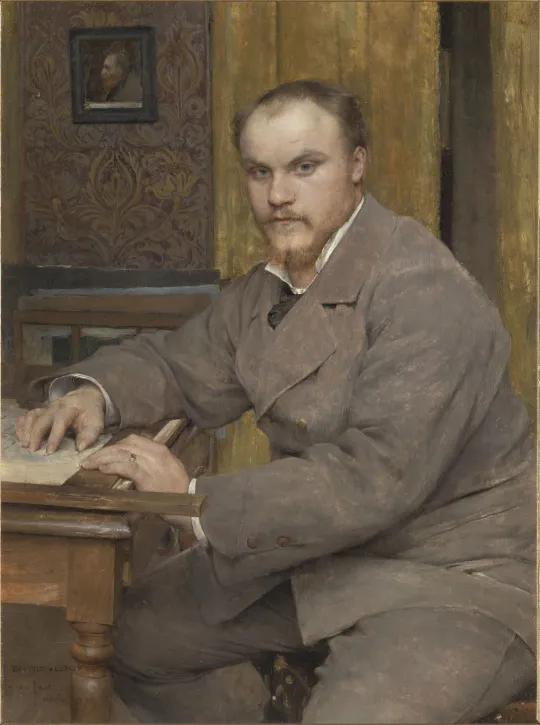
With remarkable attention to detail, Lepage’s "Portrait of French philosopher Adolphe Franck" showcases the artist’s mastery of oil on canvas. The Naturalism movement emphasized lifelike representation, and Lepage’s technique brings out the philosopher’s character with nuanced brushwork and subtle lighting. This oil on canvas portrait stands alongside other celebrated works such as "Priam at Achilles feet" and "The Annunciation to the Shepherds," each reflecting the artist’s dedication to authenticity.
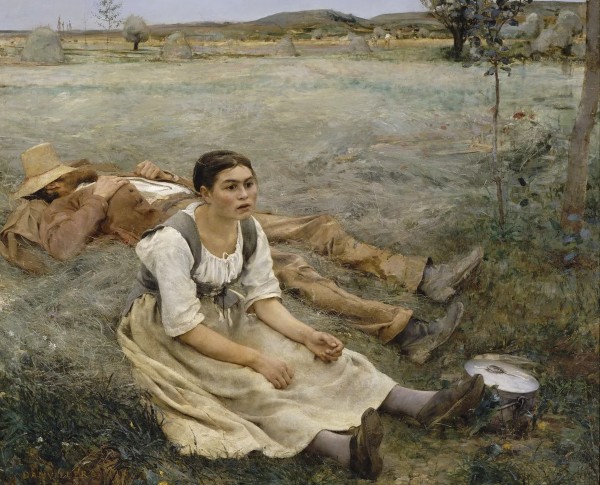
Every element in the "Portrait of French philosopher Adolphe Franck" by Jules Bastien Lepage tells a story shaped by the Naturalism movement. The philosopher’s thoughtful gaze and modest attire symbolize intellectual pursuit and humility. This hand-painted oil painting resonates with collectors who appreciate the narrative depth found in Lepage’s other works, such as "Madame Godillot" and "Piet-Lataudrie," making it a compelling addition to any collection.
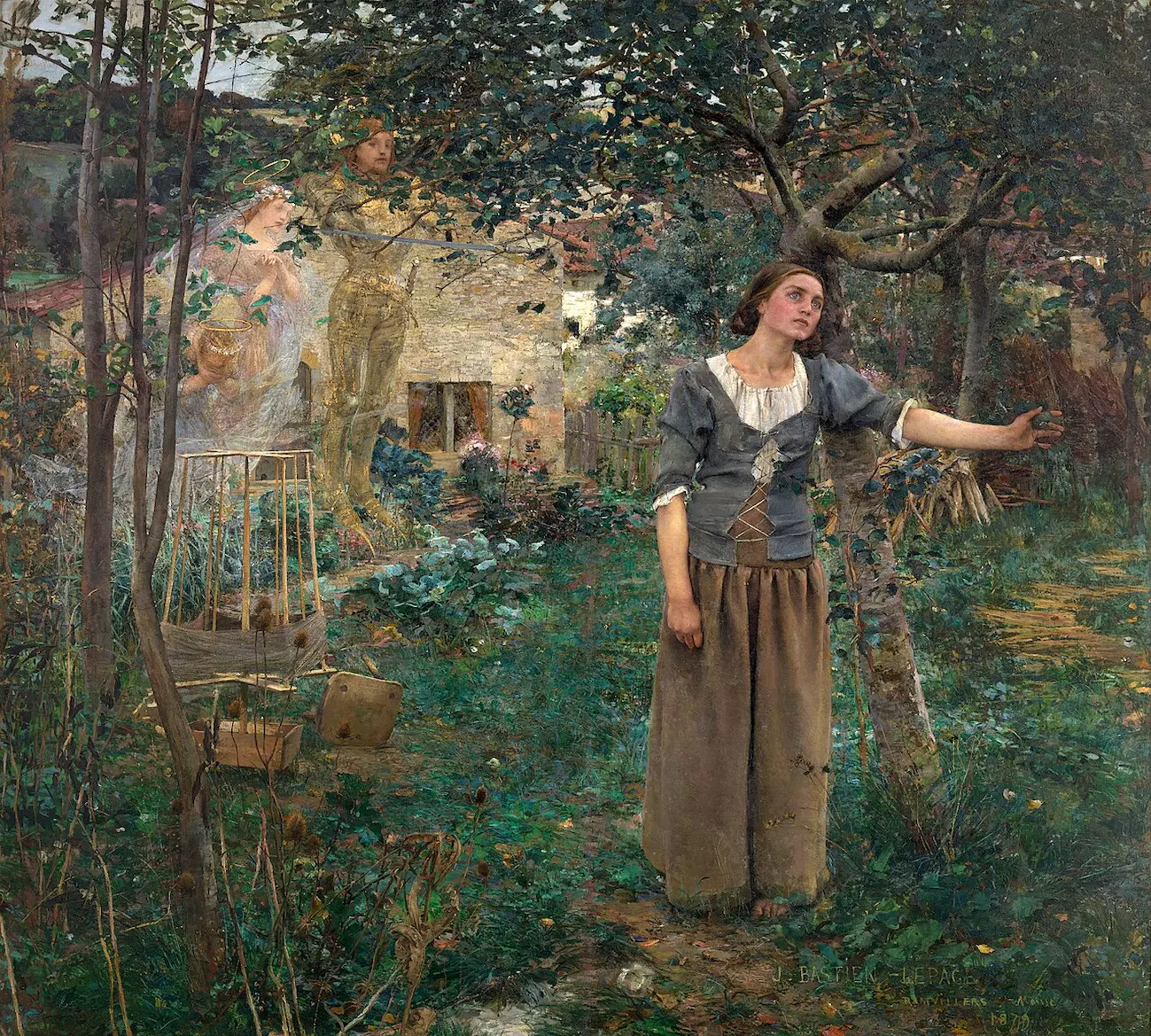
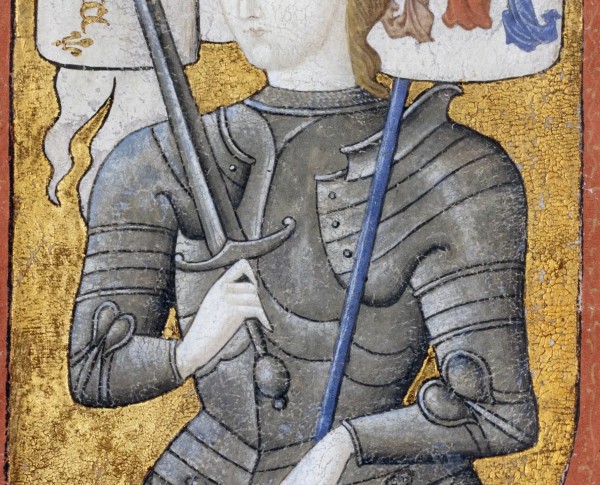
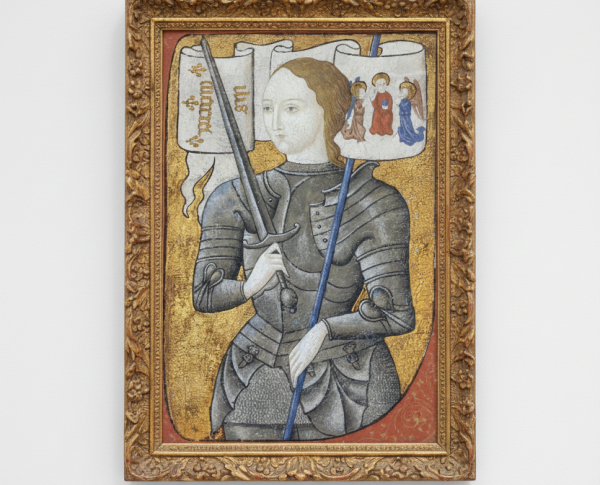
For discerning collectors, the "Portrait of French philosopher Adolphe Franck" represents more than just a fine art painting for sale—it’s a piece of history. Jules Bastien Lepage’s commitment to the Naturalism movement ensures that each canvas, including related works like "Joan Of Arc" and "Portrait of Sarah Bernhardt," remains a sought-after treasure. This portrait’s timeless appeal and exceptional artistry make it a prized acquisition for any serious collector.
When Art Meets History
"Portrait of French philosopher Adolphe Franck" by Jules Bastien Lepage stands as a significant piece within the Naturalism movement. Painted as a hand-painted oil painting, it captures both the spirit of the era and the intellectual depth of its subject. Lepage, renowned for works like "A Covey of Grey Partridge in Flight" and "Magpies," brings a historical figure to life, making this portrait a remarkable intersection of art and history cherished by admirers worldwide.
Techniques That Speak
Jules Bastien Lepage’s mastery of oil on canvas is evident in the finely rendered details and lifelike textures in "Portrait of French philosopher Adolphe Franck." As with his other Naturalist works, such as "European polecat defending a rabbit carcass from a least weasel," the artist’s brushwork and keen observation elevate the subject’s presence. The use of subtle color and lighting demonstrates Lepage’s technical prowess, making this painting a true showcase of Naturalism’s ideals.
Emotions on Display
The evocative expression captured in "Portrait of French philosopher Adolphe Franck" reveals the emotional depth typical of Jules Bastien Lepage’s art. This fine art painting for sale resonates with viewers, inviting them to connect with Franck’s contemplative gaze. Like in Lepage’s "Winter landscape with mallard." and "Wigeon and Teal by the water's edge," the artist’s sensitivity to mood and character transforms a simple portrait into a profound emotional experience.
Coveted by Collectors
Collectors worldwide seek out "Portrait of French philosopher Adolphe Franck," recognizing its value as a hand-painted oil painting from the Naturalism movement. Jules Bastien Lepage’s reputation for capturing realism, as seen in related paintings, ensures sustained demand for his work. This piece stands alongside his celebrated canvases, making it a prized acquisition for those passionate about authentic, museum-quality art and the enduring legacy of nineteenth-century painting.
Related Naturalism Hand-Painted Oil Paintings by Other Artists
Other Famous Naturalism Artists:
Frequently Asked Questions About Portrait of French philosopher Adolphe Franck
What is the historical significance of the painting?
The painting "Portrait of French philosopher Adolphe Franck" holds historical significance as it captures the likeness of a prominent intellectual figure of the 19th century, reflecting the cultural and philosophical movements of the time.
Who was Adolphe Franck and why is he important?
Adolphe Franck was a notable French philosopher and scholar known for his contributions to Jewish philosophy and his works on the history of philosophy, making him an influential figure in the intellectual landscape of his era.
What artistic techniques did Jules Bastien Lepage use in this portrait?
Jules Bastien Lepage employed naturalism and a keen attention to detail, utilizing techniques such as chiaroscuro to create depth and realism, which were hallmarks of his artistic style.
What does the composition of the painting convey?
The composition of the painting, with Franck positioned thoughtfully and engagingly, conveys a sense of introspection and intellectual depth, inviting viewers to connect with his philosophical insights.
How does the color palette influence the mood of the painting?
The subdued color palette, characterized by earthy tones and soft contrasts, enhances the contemplative mood of the portrait, reflecting the serious nature of Franck's philosophical pursuits.
What symbols are present in the painting, and what do they represent?
While the painting primarily focuses on the figure of Franck, elements such as the books and writing instruments subtly symbolize knowledge, wisdom, and the pursuit of intellectual endeavors.
In what ways does this portrait reflect the artistic movements of its time?
This portrait reflects the naturalism movement prevalent in the late 19th century, showcasing a shift towards realistic representation and emotional depth in portraiture, contrasting with the idealized forms of earlier periods.
What impact did Jules Bastien Lepage have on future artists?
Jules Bastien Lepage's innovative approach to realism and his emphasis on capturing the essence of his subjects influenced a generation of artists, paving the way for modern portraiture and the exploration of psychological depth in art.
Where can we see the influence of this painting in contemporary art?
The influence of this painting can be seen in contemporary portraiture that emphasizes authenticity and emotional resonance, as well as in works that engage with philosophical themes and intellectual discourse.
How does this portrait fit into the broader context of 19th-century portraiture?
This portrait fits into the broader context of 19th-century portraiture by exemplifying the transition from romanticized depictions to more realistic and psychologically complex representations, reflecting societal changes and the rise of individualism.























_GFM_Painting_(1).webp)


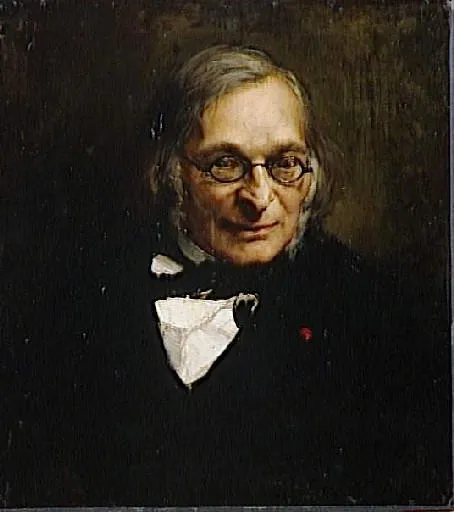
 100% Hand-Painted: Finished in 3-6 Weeks

.png)















_(1).webp)