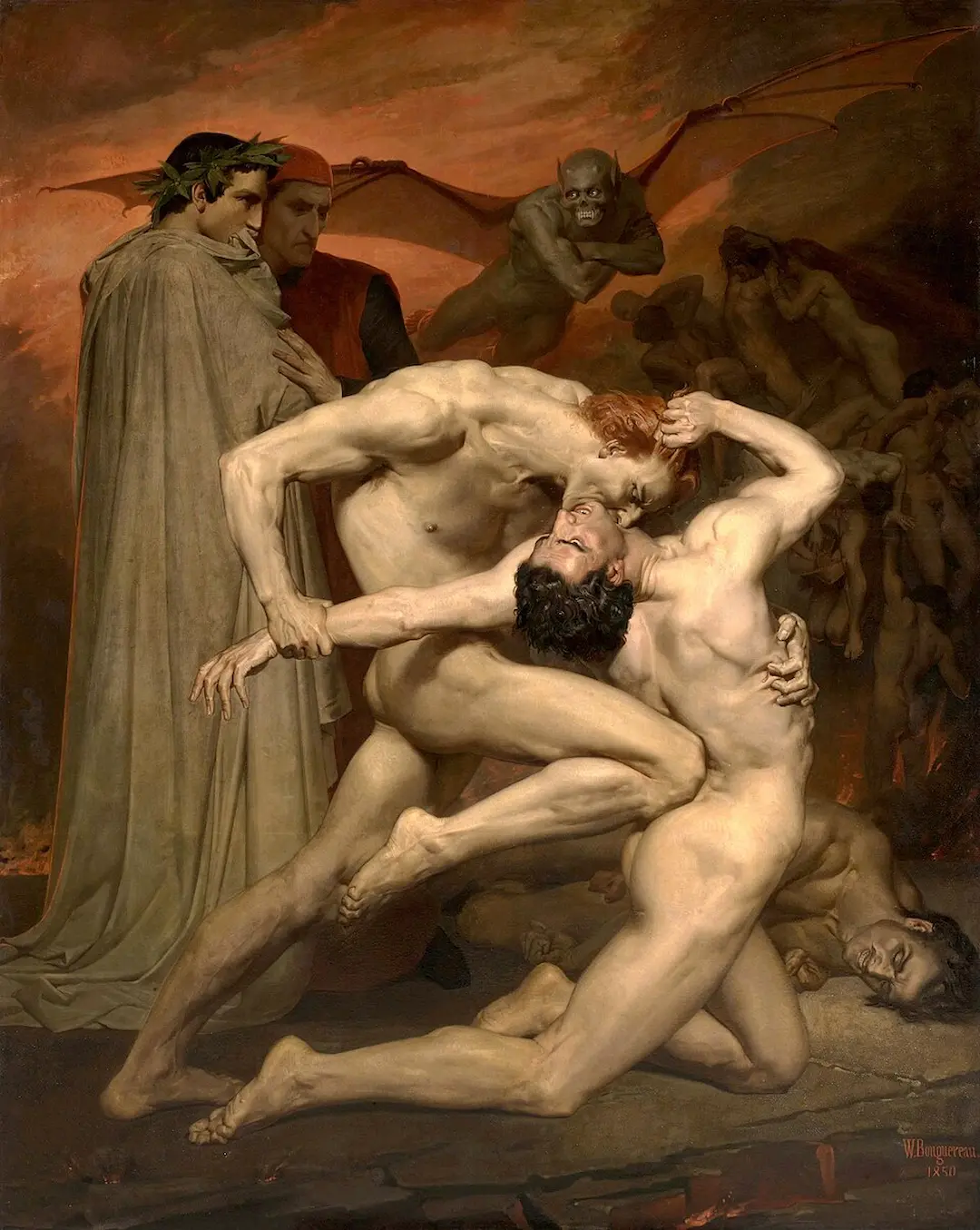
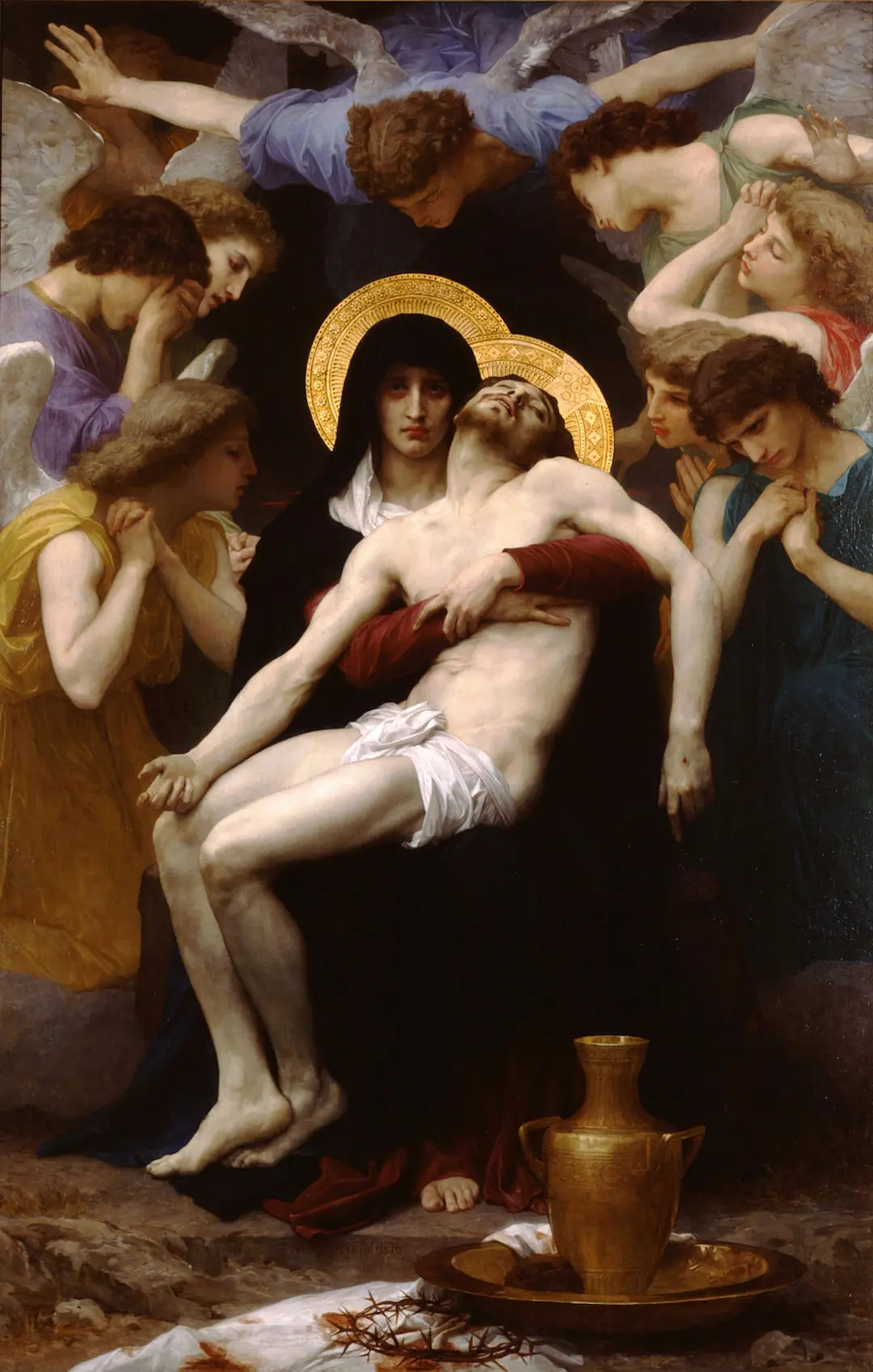
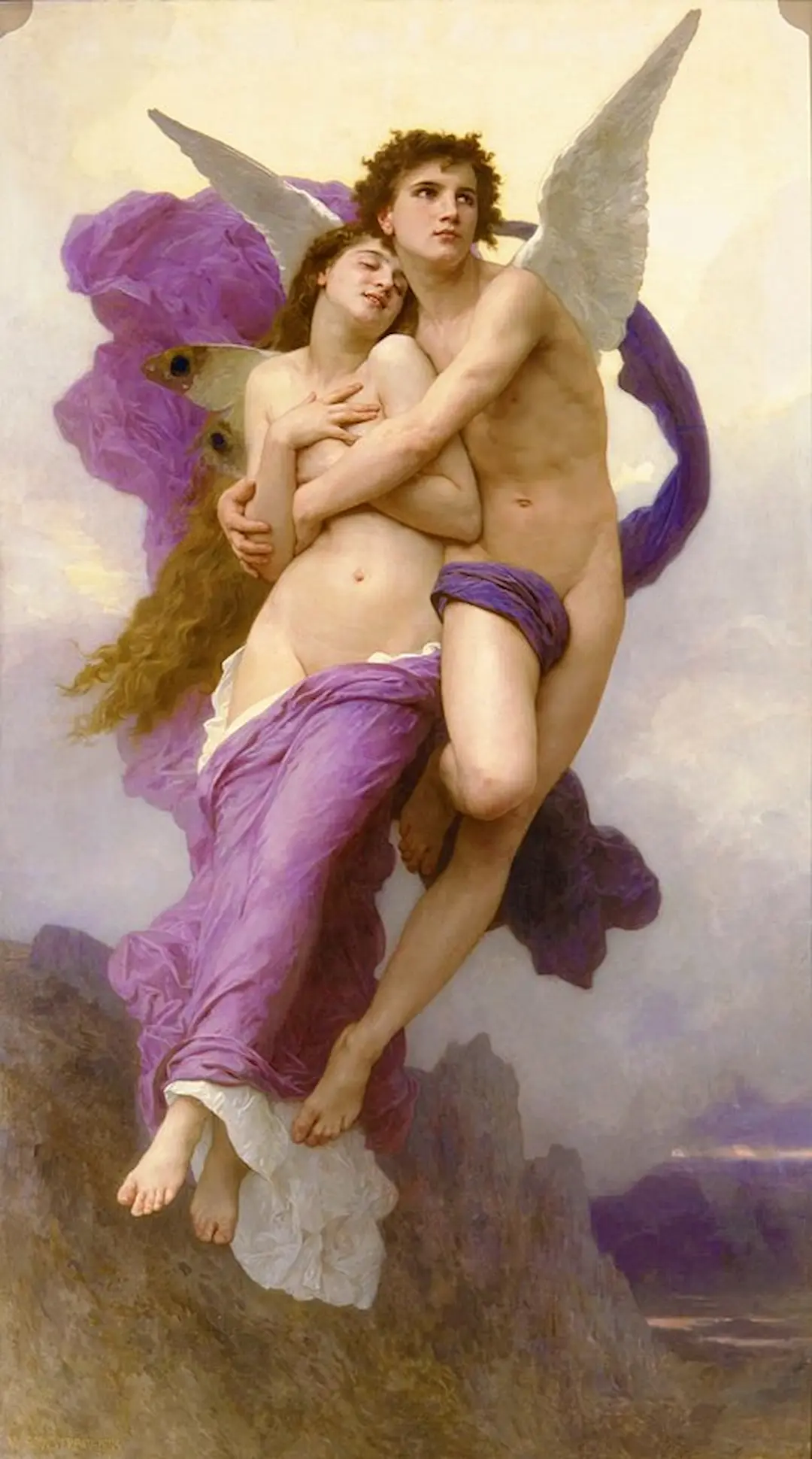
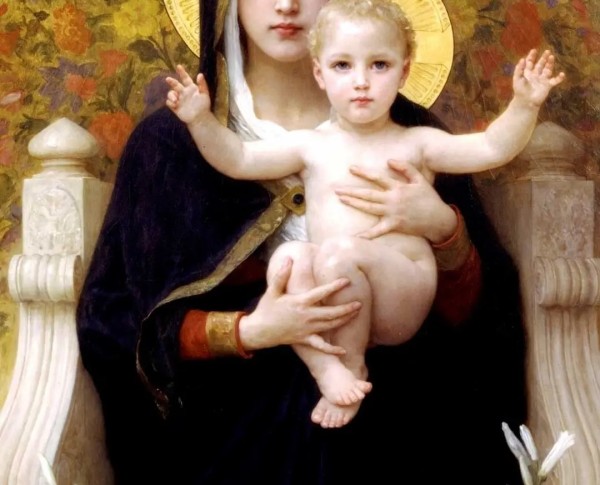
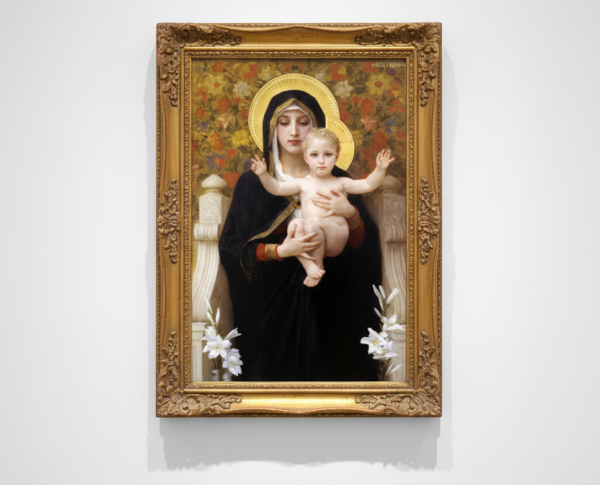
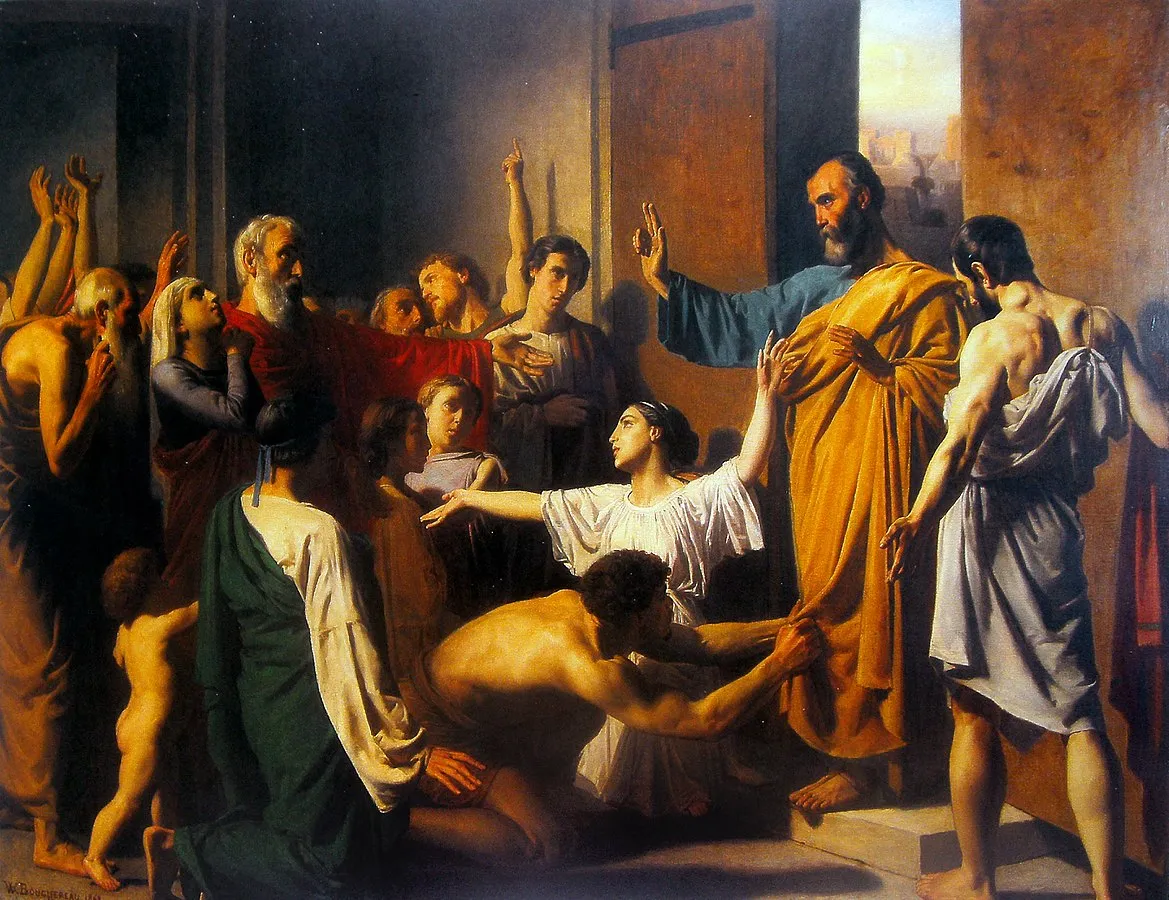
"St. Peter, after his delivery from prison by the angel" stands as a testament to William-Adolphe Bouguereau’s profound impact on the Academic Classicism movement. This hand-painted oil painting not only reflects Bouguereau’s technical mastery but also his deep respect for classical themes. Collectors and enthusiasts often seek related masterpieces by Bouguereau, such as "La Vierge au Lys (The Virgin of the Lilies)" and "Nymphes et Satyre (Nymphs and Satyr)", to complement their collections.
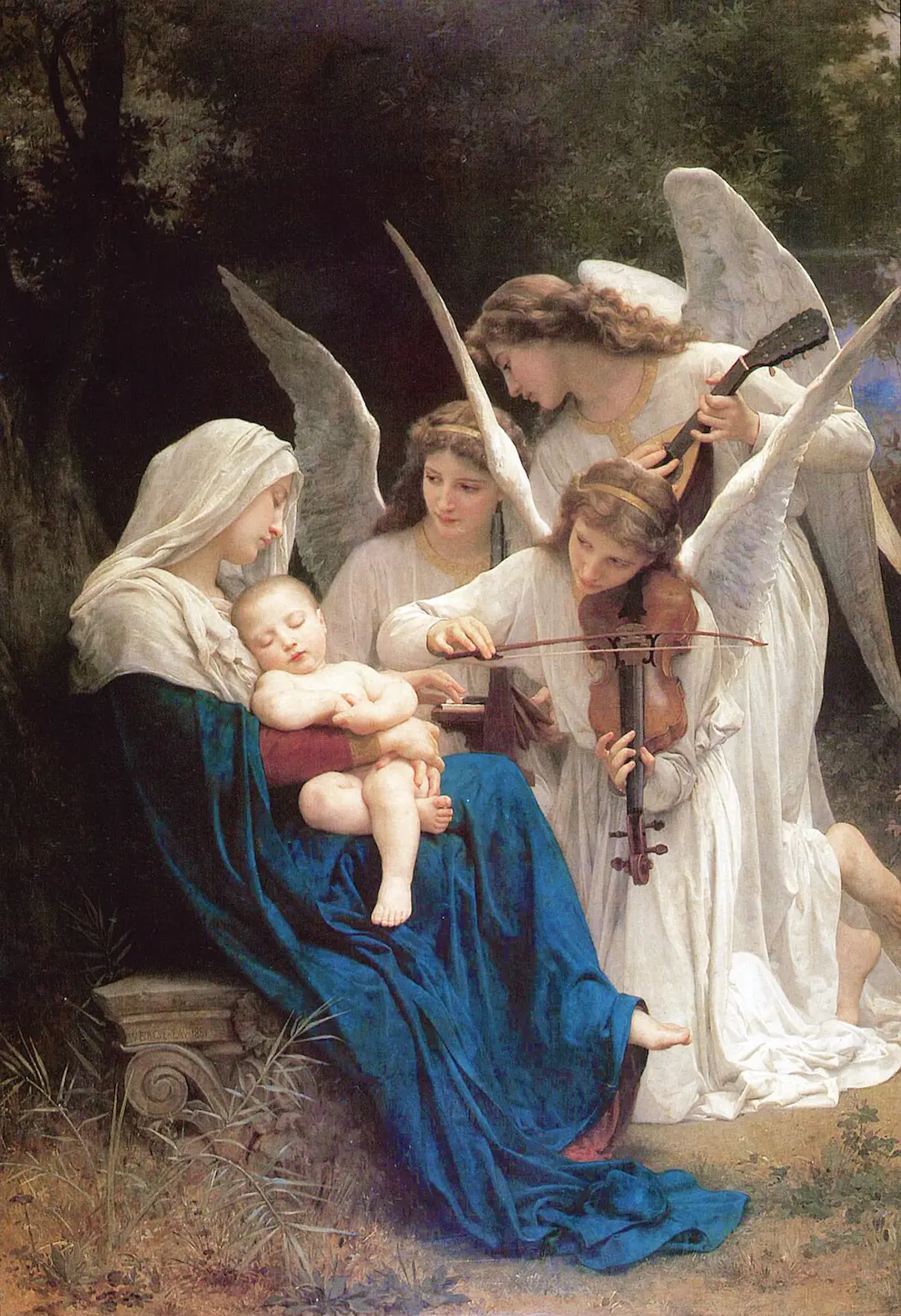
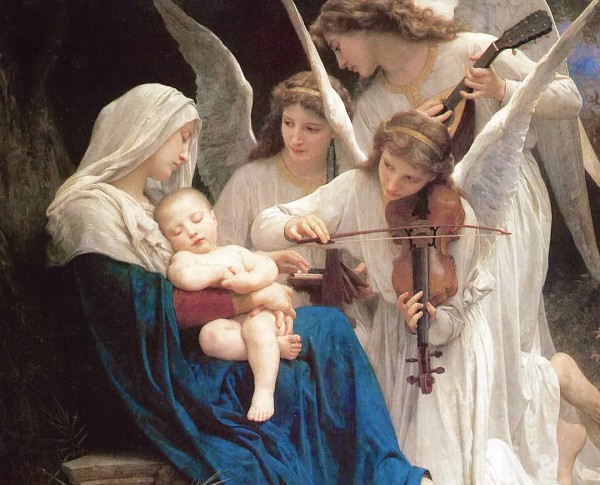
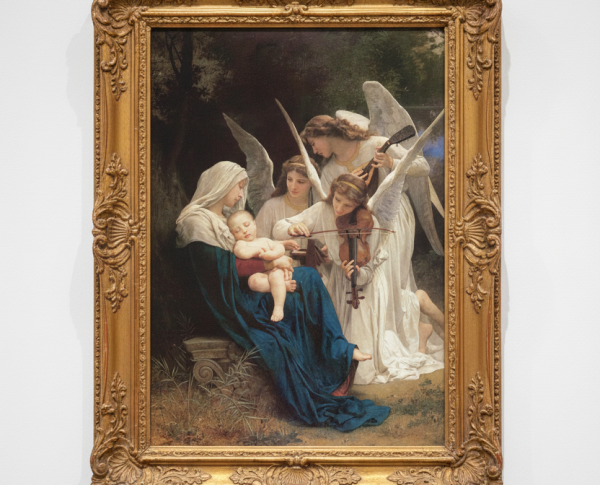
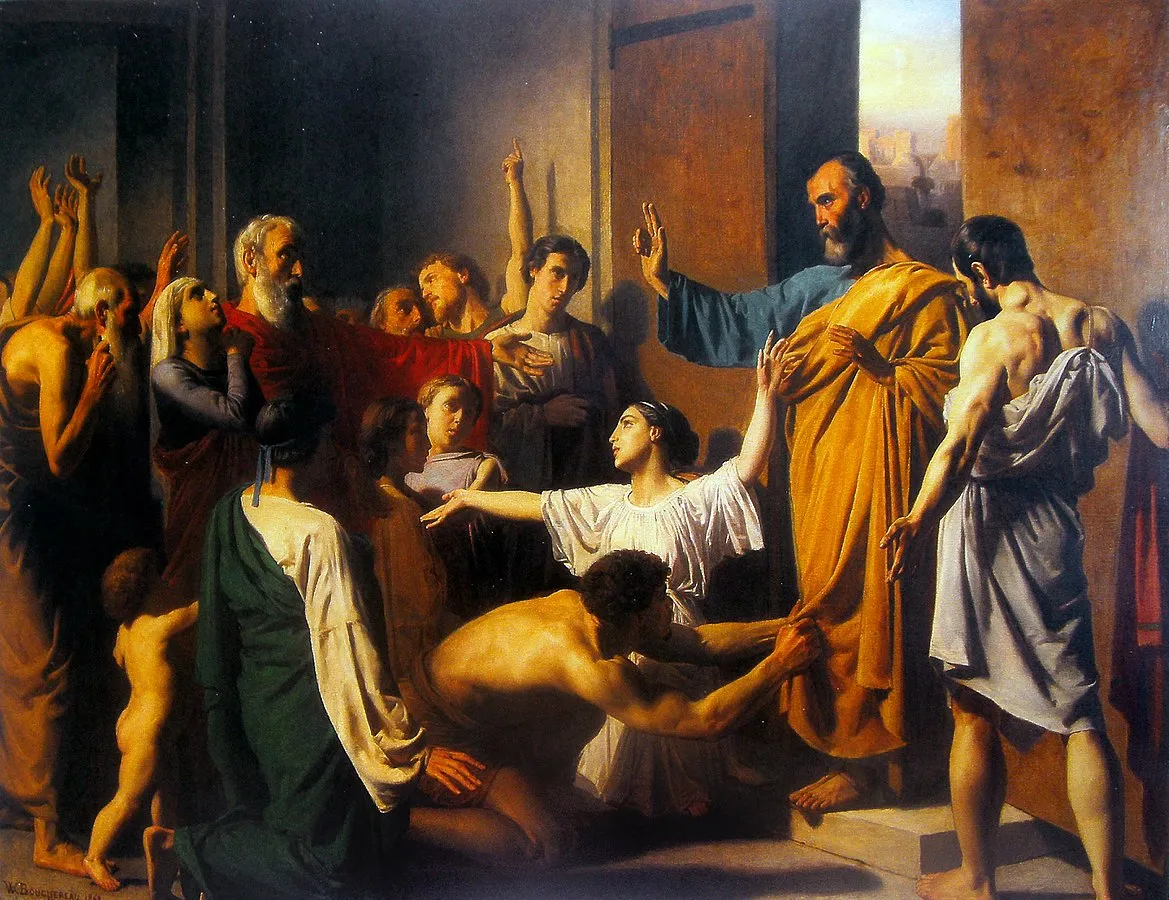
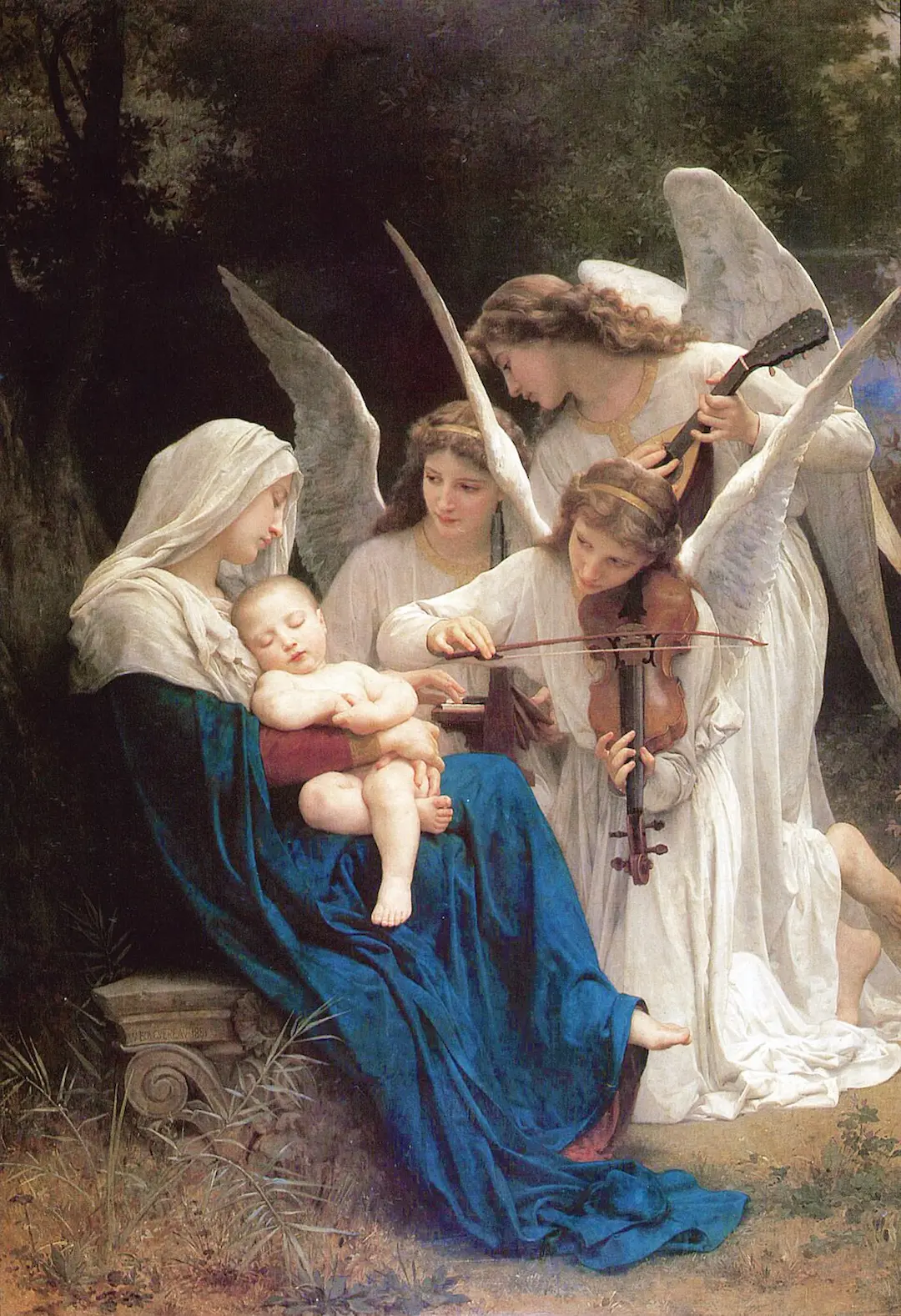
Bouguereau’s "St. Peter, after his delivery from prison by the angel" showcases his exquisite skill with oil on canvas, bringing biblical stories to life with vivid realism. The artist’s meticulous attention to detail and delicate play of light and shadow are hallmarks of Academic Classicism. This technique is similarly admired in works like "Jacob receiving Joseph's bloody coat" and "Song of the Angels", making them cherished among art lovers.
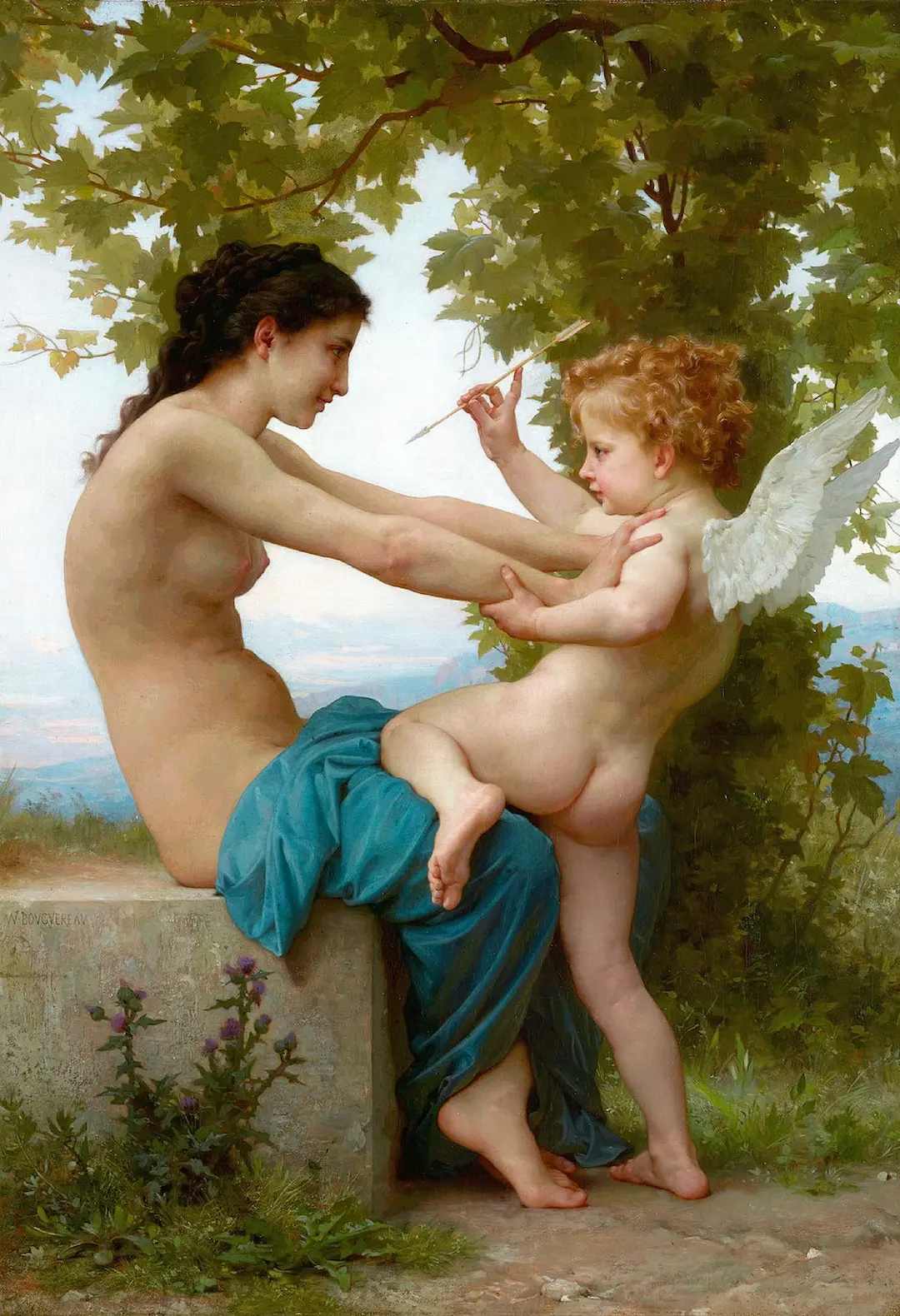
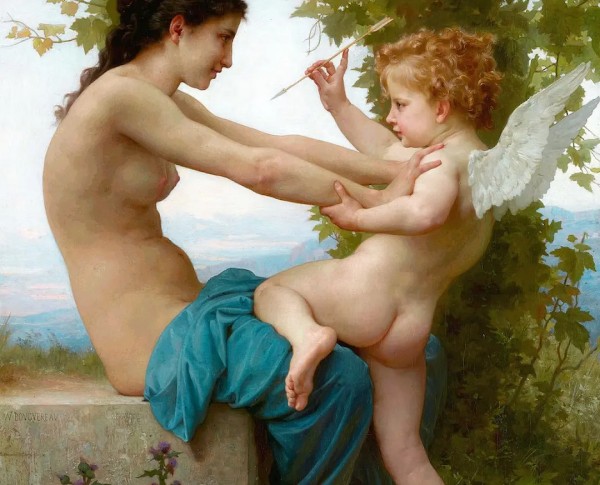
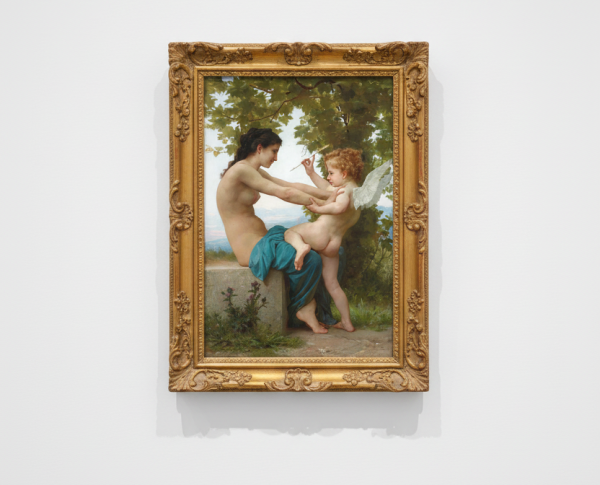
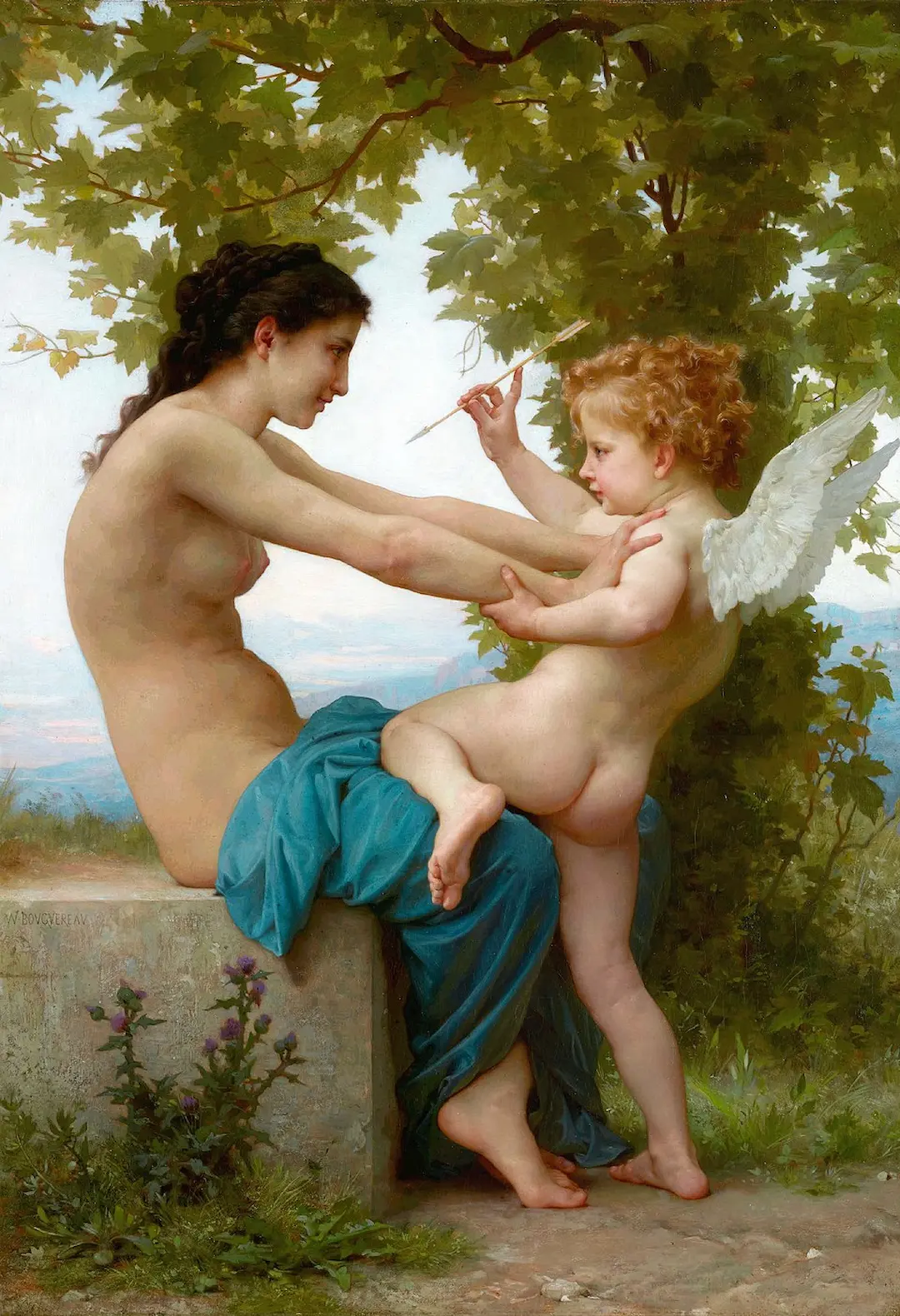
This fine art painting for sale depicts the dramatic moment of St. Peter’s liberation, symbolizing hope and divine intervention. Bouguereau’s narrative approach, steeped in the tradition of Academic Classicism, invites viewers to contemplate the deeper meanings behind each figure and gesture. Art collectors often pair this piece with emotionally charged works such as "Young Girl Defending Herself against Eros 1880" and "Calinerie (A Little Coaxing)" to enrich their galleries.
For those seeking a distinguished addition to their collection, "St. Peter, after his delivery from prison by the angel" by William-Adolphe Bouguereau is a remarkable choice. This hand-painted oil painting embodies the grace and precision of the Academic Classicism movement. Collectors frequently acquire related masterpieces like "La Vierge au Lys (The Virgin of the Lilies)" and "Nymphes et Satyre (Nymphs and Satyr)" to create an ensemble of timeless elegance.
When Art Meets History
William-Adolphe Bouguereau, a master of the Academic Classicism movement, brings history to life with his hand-painted oil painting, "St. Peter, after his delivery from prison by the angel." This artwork captures a pivotal biblical moment, blending faith and narrative with meticulous skill. Bouguereau’s attention to detail is reminiscent of his other masterpieces such as "Cimabue's Celebrated Madonna" and "Venus Rising," making this painting a significant piece within art history.
Techniques That Speak
Bouguereau’s "St. Peter, after his delivery from prison by the angel" exemplifies the refined techniques of oil on canvas, a hallmark of Academic Classicism. The artist’s ability to render delicate textures, dramatic lighting, and lifelike figures is comparable to his work in "Bonaparte Before the Sphinx." Through masterful brushwork, Bouguereau elevates the emotional intensity of the scene, showcasing the technical brilliance that defines his celebrated career.
Emotions on Display
This fine art painting for sale captures the profound emotional transformation of St. Peter, evoking awe and relief after his miraculous escape. Bouguereau’s skillful use of light and composition creates an intimate connection between subject and viewer, similar to the evocative storytelling in "Slave Market in Rome" and "The Storm." The painting’s emotive power is a testament to the artist’s mastery of expressing complex human experiences through Academic Classicism.
Coveted by Collectors
As a remarkable example of Academic Classicism, "St. Peter, after his delivery from prison by the angel" is highly sought after by those searching for a hand-painted oil painting by William-Adolphe Bouguereau. Collectors value this piece alongside other renowned works like "Venus Rising" and "The Storm" for its historical significance and technical excellence. Its presence in any collection elevates the prestige and depth of fine art holdings.
Related Academic Classicism Hand-Painted Oil Paintings by Other Artists
Other Famous Academic Classicism Artists:
Frequently Asked Questions About St. Peter, after his delivery from prison by the angel
What is the historical context of "St. Peter, after his delivery from prison by the angel"?
This painting by William-Adolphe Bouguereau reflects the biblical narrative found in the Book of Acts, where St. Peter is miraculously freed from prison by an angel. This event symbolizes divine intervention and the triumph of faith over adversity.
What artistic techniques did Bouguereau employ in this painting?
Bouguereau is renowned for his mastery of realism and attention to detail. In this work, he utilizes soft brushwork, a rich color palette, and dramatic lighting to enhance the emotional intensity of the scene.
What symbolism is present in the painting?
The angel represents divine guidance and protection, while St. Peter's expression conveys a mix of relief and gratitude. The chains that lie at his feet symbolize his previous captivity and the liberation of the soul through faith.
How does this painting reflect the themes of faith and redemption?
The depiction of St. Peter's release from prison serves as a powerful metaphor for spiritual liberation. It emphasizes the belief that faith can lead to redemption, even in the darkest of times.
In what ways does Bouguereau's style contribute to the overall impact of the painting?
Bouguereau's neoclassical style, characterized by its clarity and idealized forms, enhances the narrative's emotional depth. His ability to portray human emotion through facial expressions and body language draws the viewer into the spiritual experience of the moment.
What was the reception of Bouguereau's work during his lifetime?
During his lifetime, Bouguereau was highly regarded and achieved significant acclaim in the art world. His works were celebrated for their technical skill and emotional resonance, making him one of the most popular painters of the 19th century.
How does "St. Peter, after his delivery from prison by the angel" fit into Bouguereau's body of work?
This painting is representative of Bouguereau's interest in religious themes, which often explore the intersection of the divine and human experience. It showcases his ability to convey complex narratives through visual art.
What influences can be seen in Bouguereau's portrayal of biblical subjects?
Bouguereau was influenced by classical art and the Renaissance, drawing on historical techniques and themes. His portrayal of biblical subjects often incorporates elements of realism and emotional depth, making them relatable to contemporary audiences.
What is the significance of the setting in this painting?
The setting plays a crucial role in establishing the mood of the painting. The dimly lit prison contrasts with the ethereal presence of the angel, symbolizing the transition from despair to hope and the power of divine intervention.
How does this painting compare to other works depicting St. Peter?
Unlike many traditional depictions that focus on St. Peter's martyrdom, Bouguereau's work emphasizes his deliverance and the theme of hope. This approach offers a unique perspective on the apostle's journey and highlights the importance of faith in overcoming challenges.






















_GFM_Painting_(1).webp)


 100% Hand-Painted: Finished in 3-6 Weeks

.png)












.webp)
.webp)
.webp)



_(1).webp)