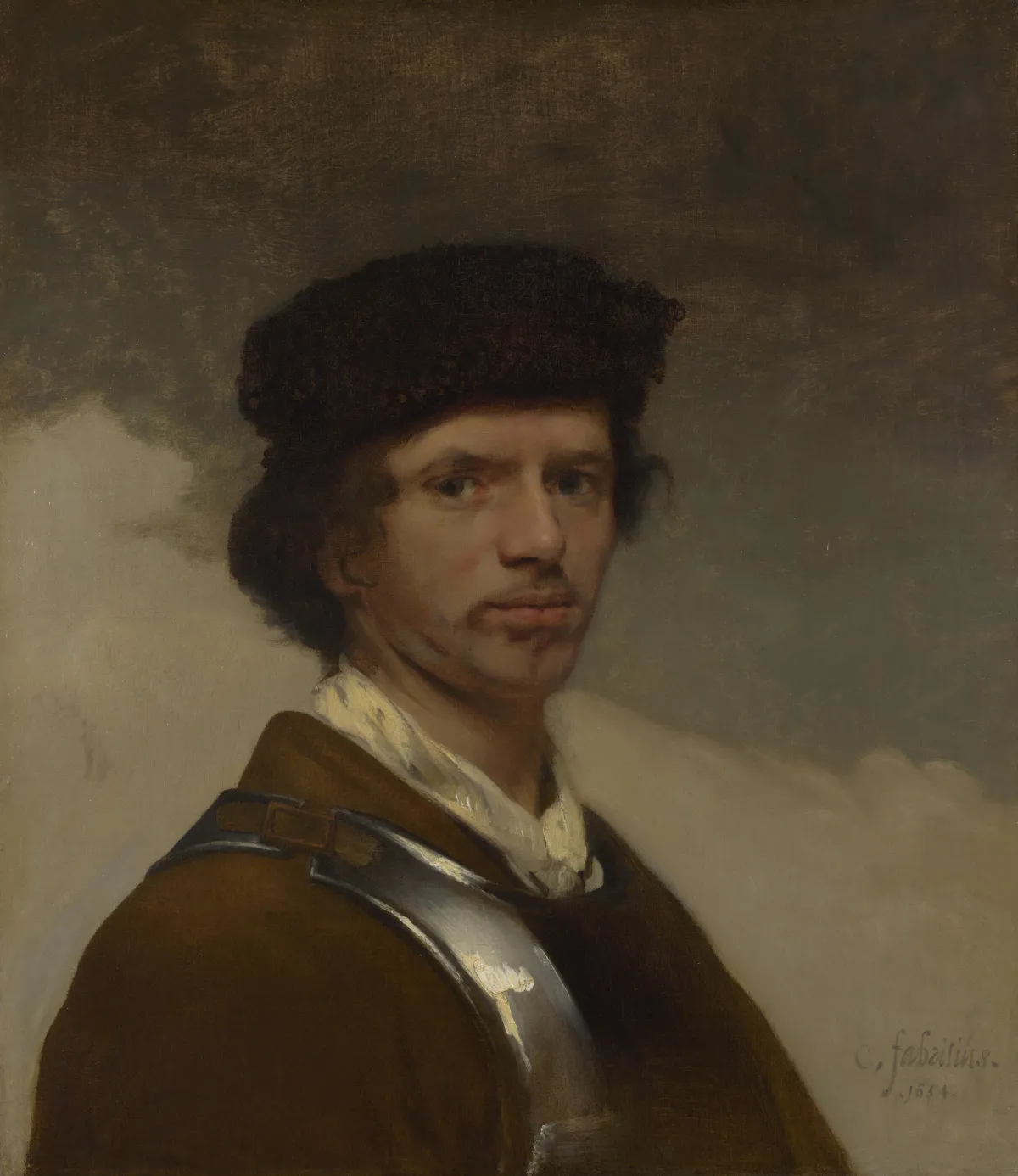
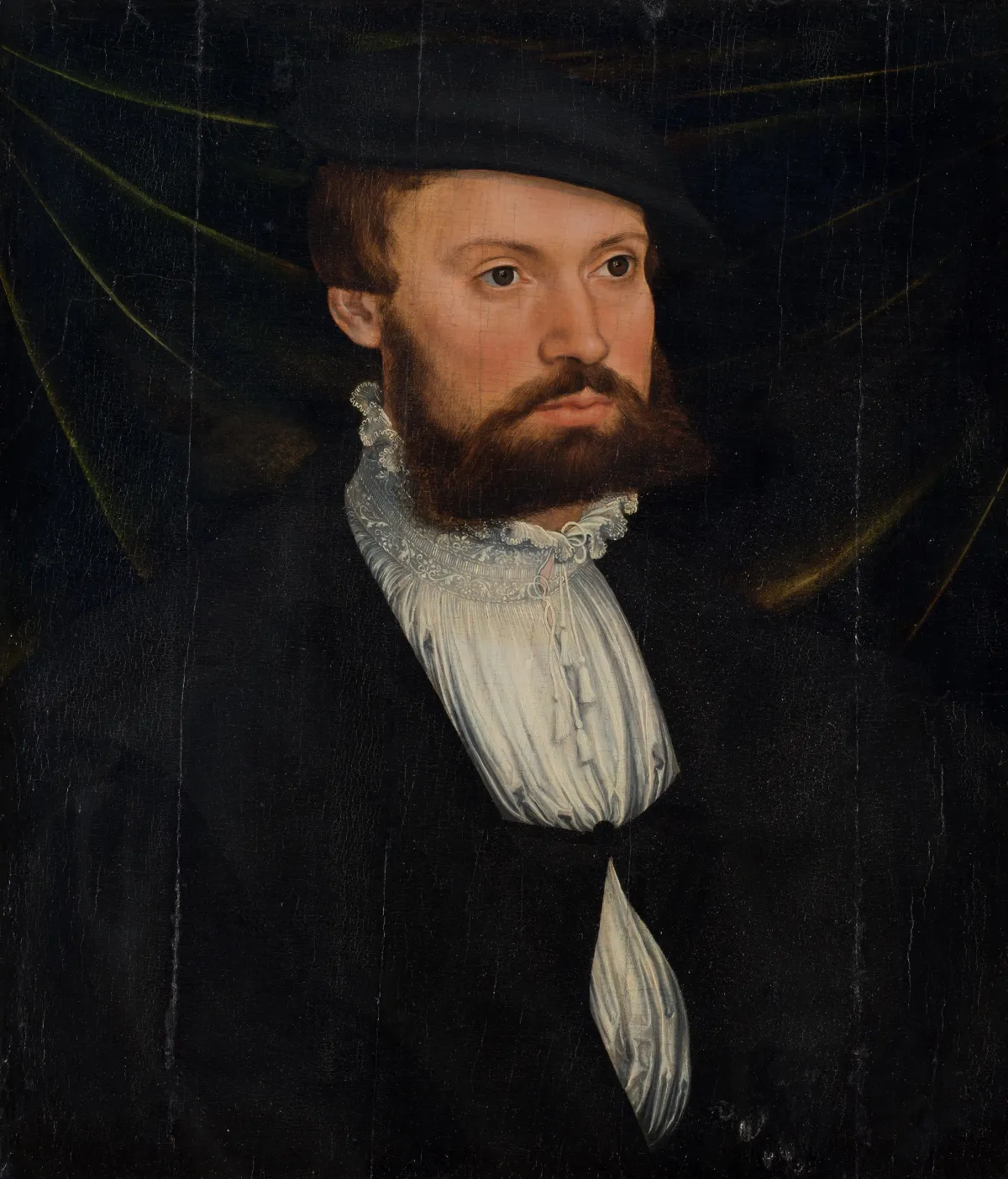
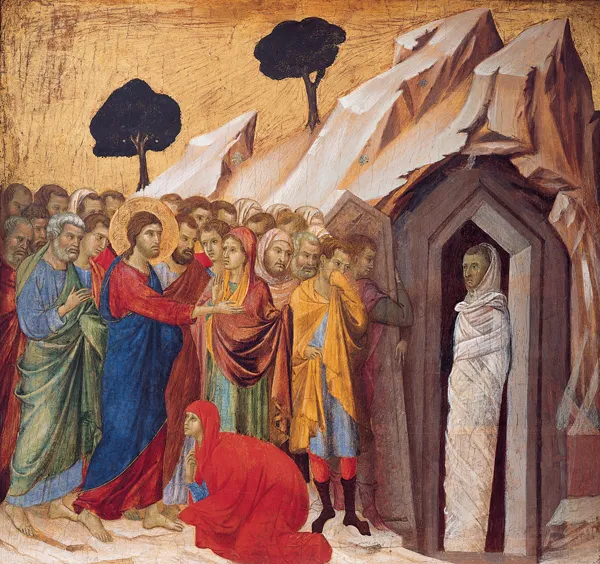
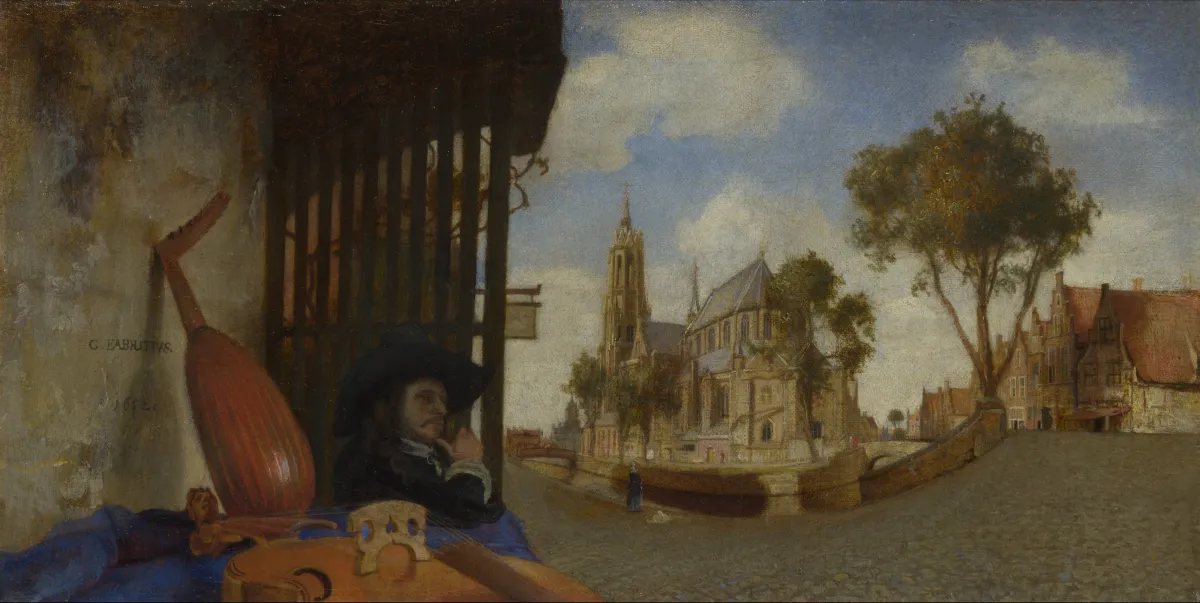
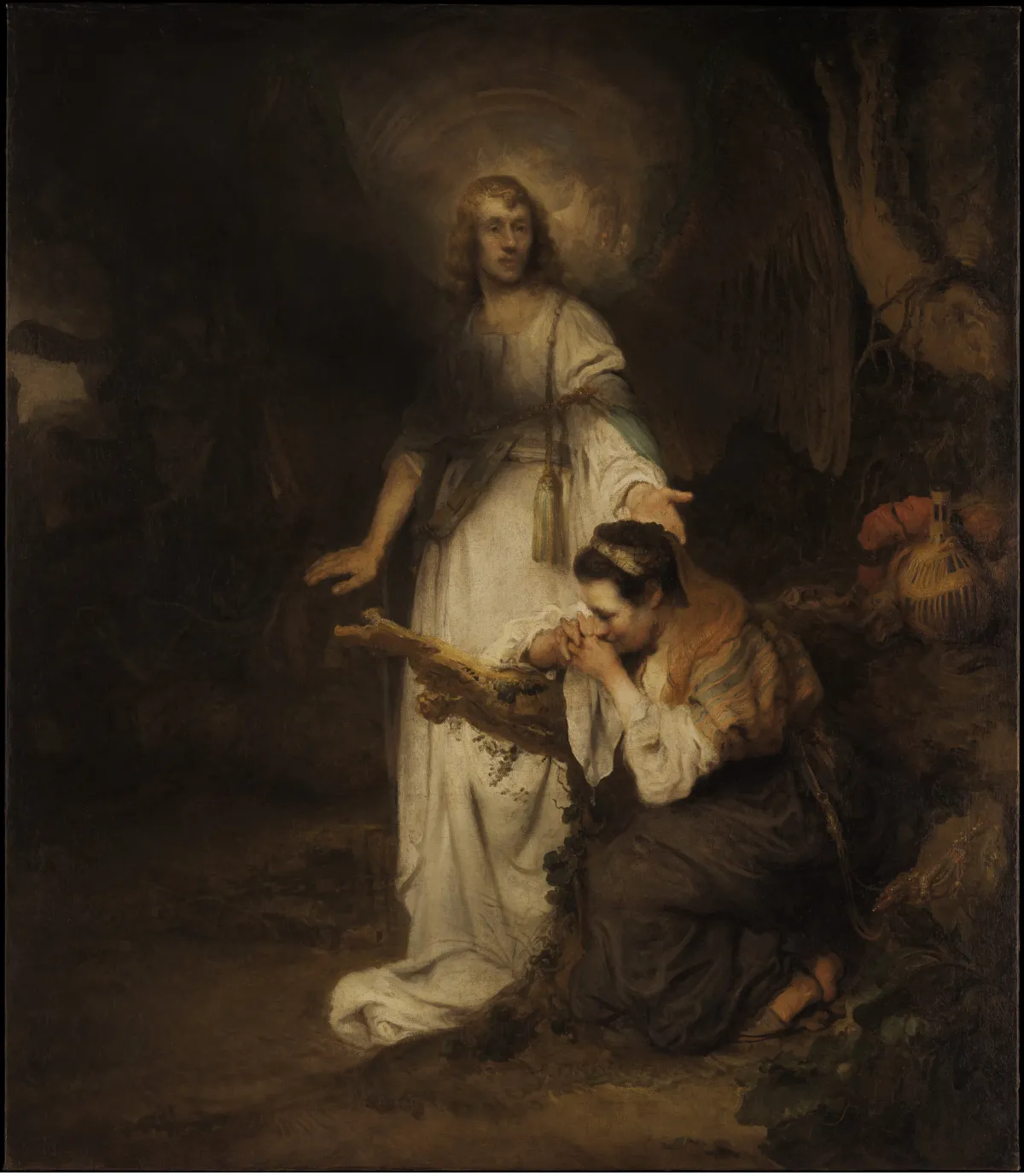
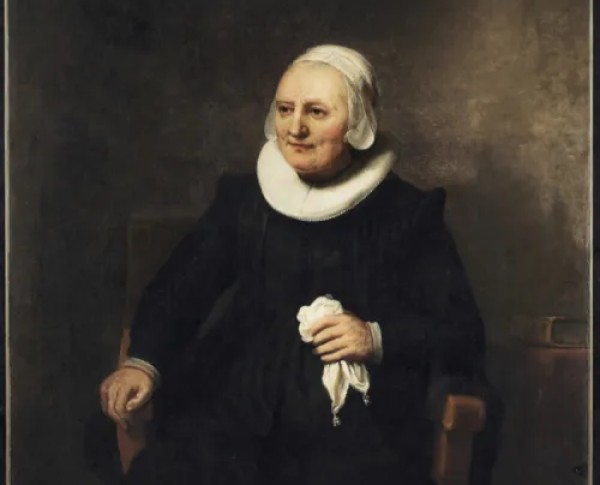
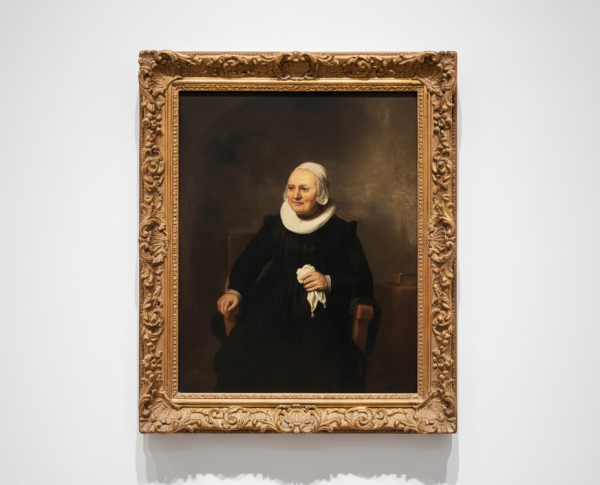
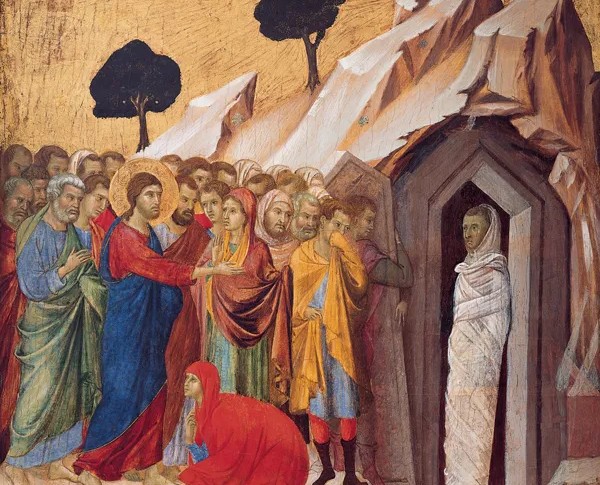
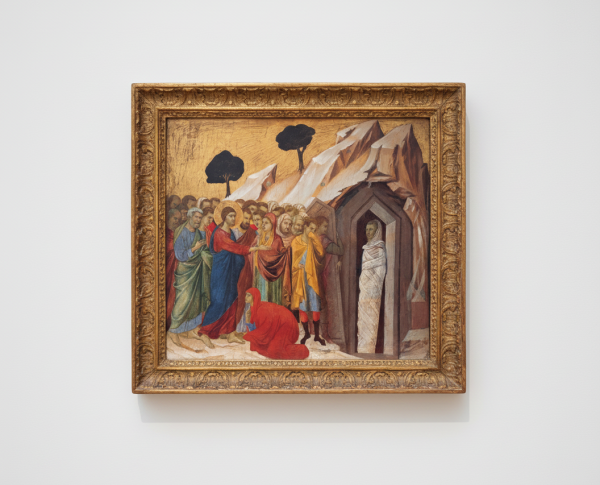
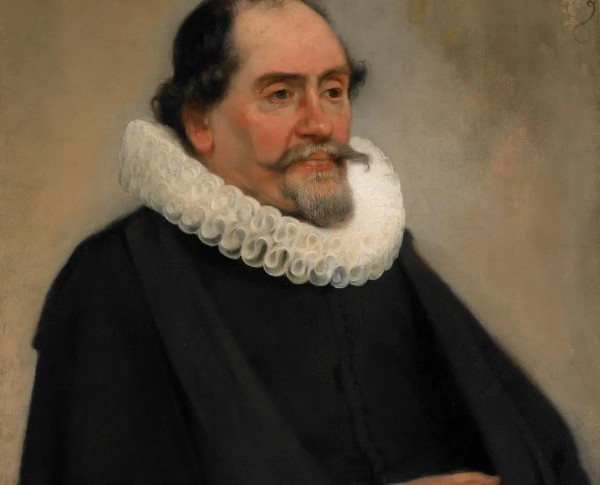
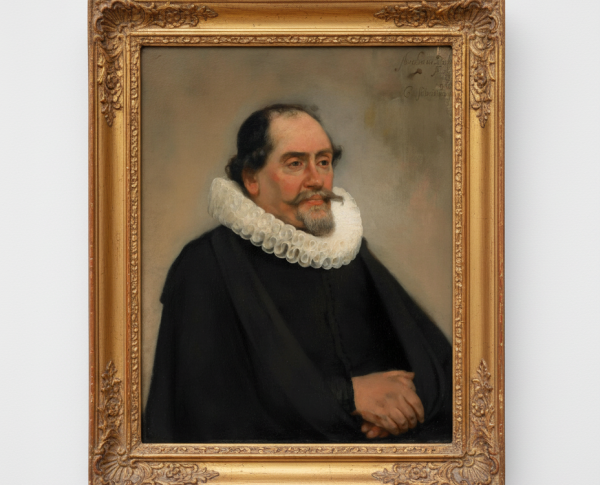
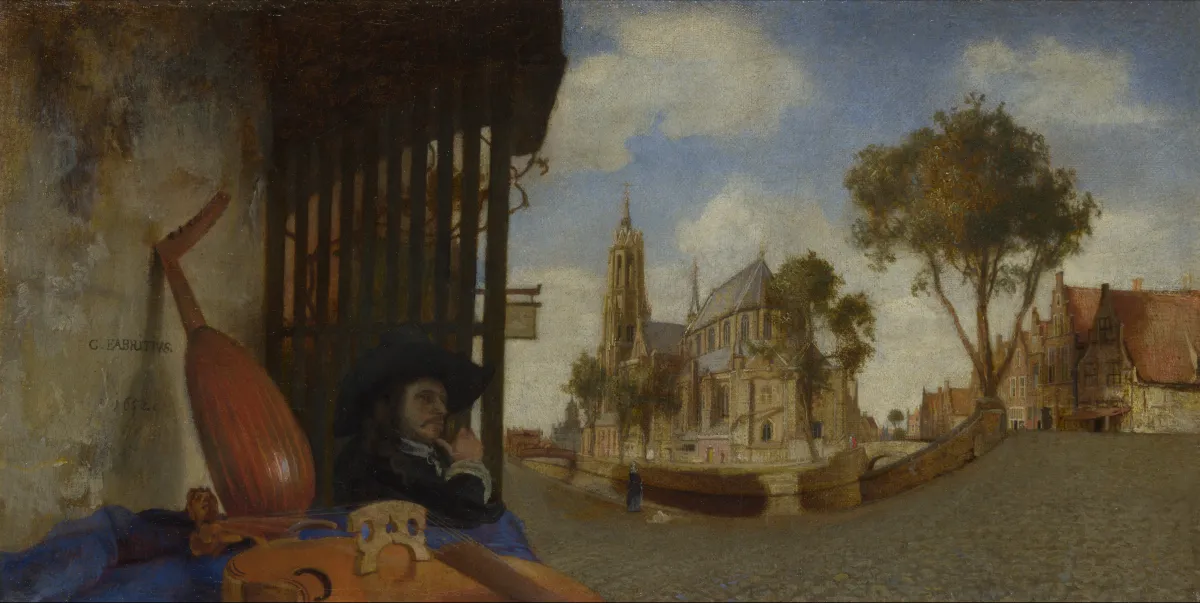
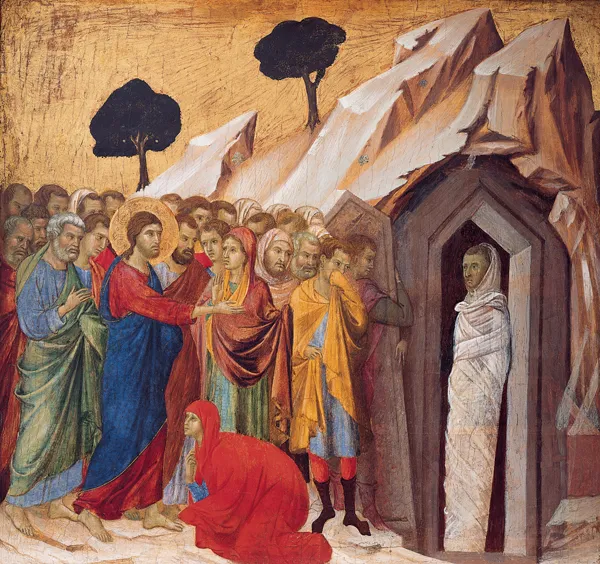
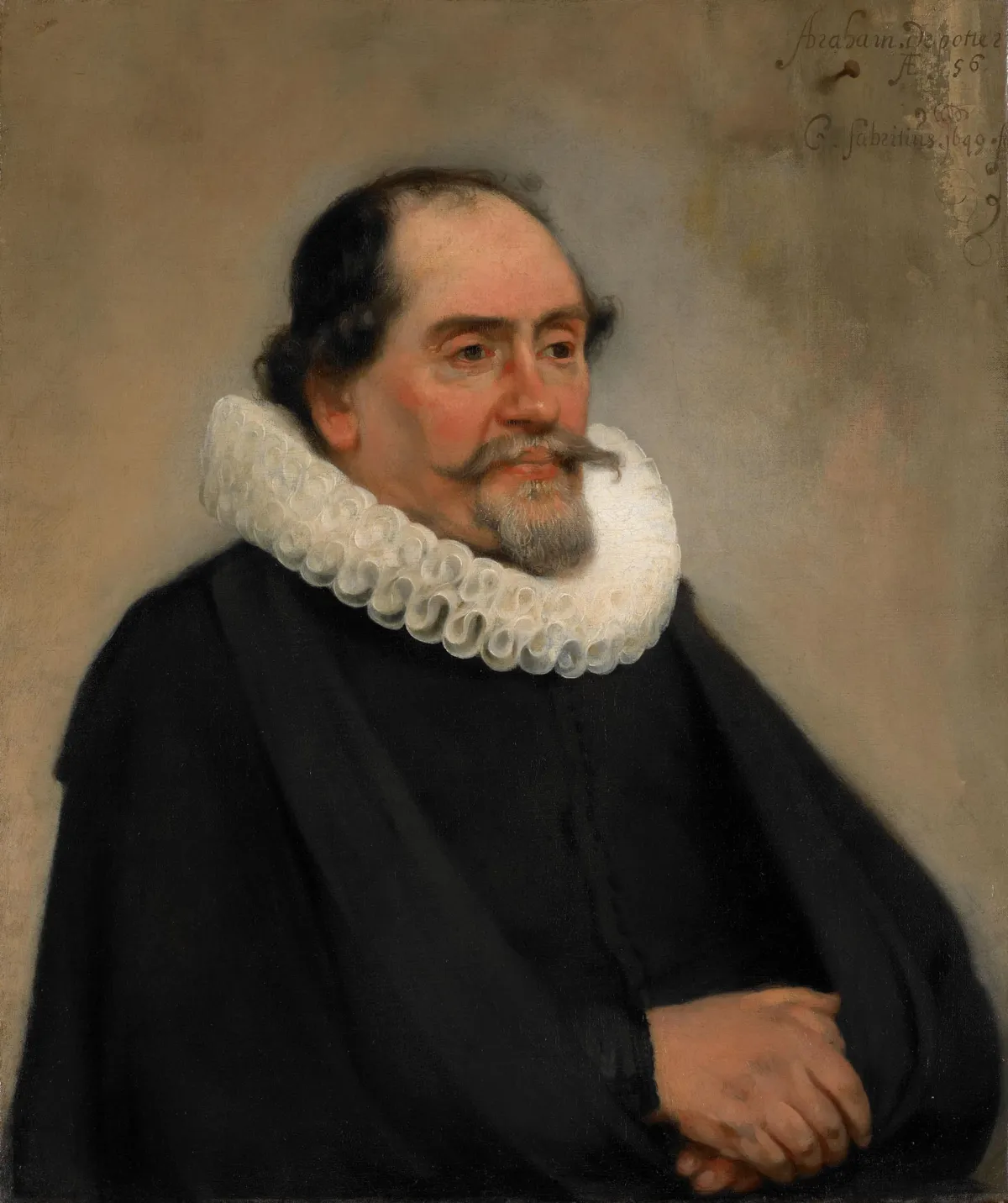
With "A View of Delft," Fabritius demonstrates exceptional skill in oil on canvas, blending light and perspective to evoke a lifelike cityscape. His technique, characteristic of the Dutch Golden Age, is evident in other masterpieces such as "Portrait of Abraham de Potter" and "The Raising of Lazarus." Art enthusiasts admire how Fabritius’s brushwork brings depth and realism to his subjects, making every oil on canvas a testament to his mastery and enduring legacy.
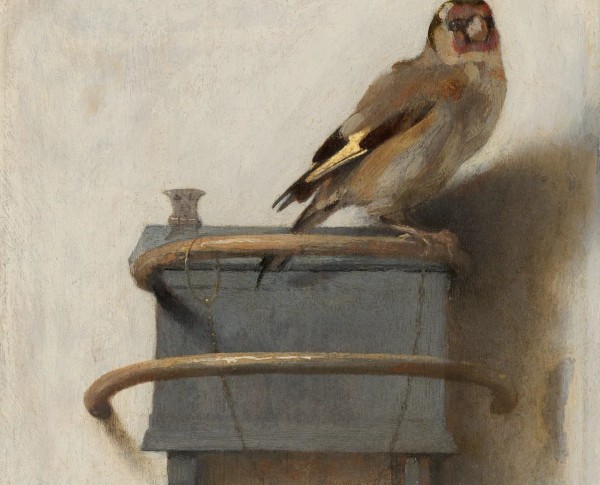
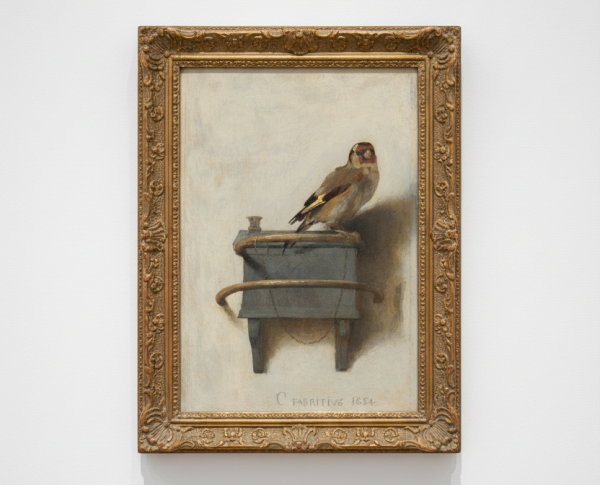
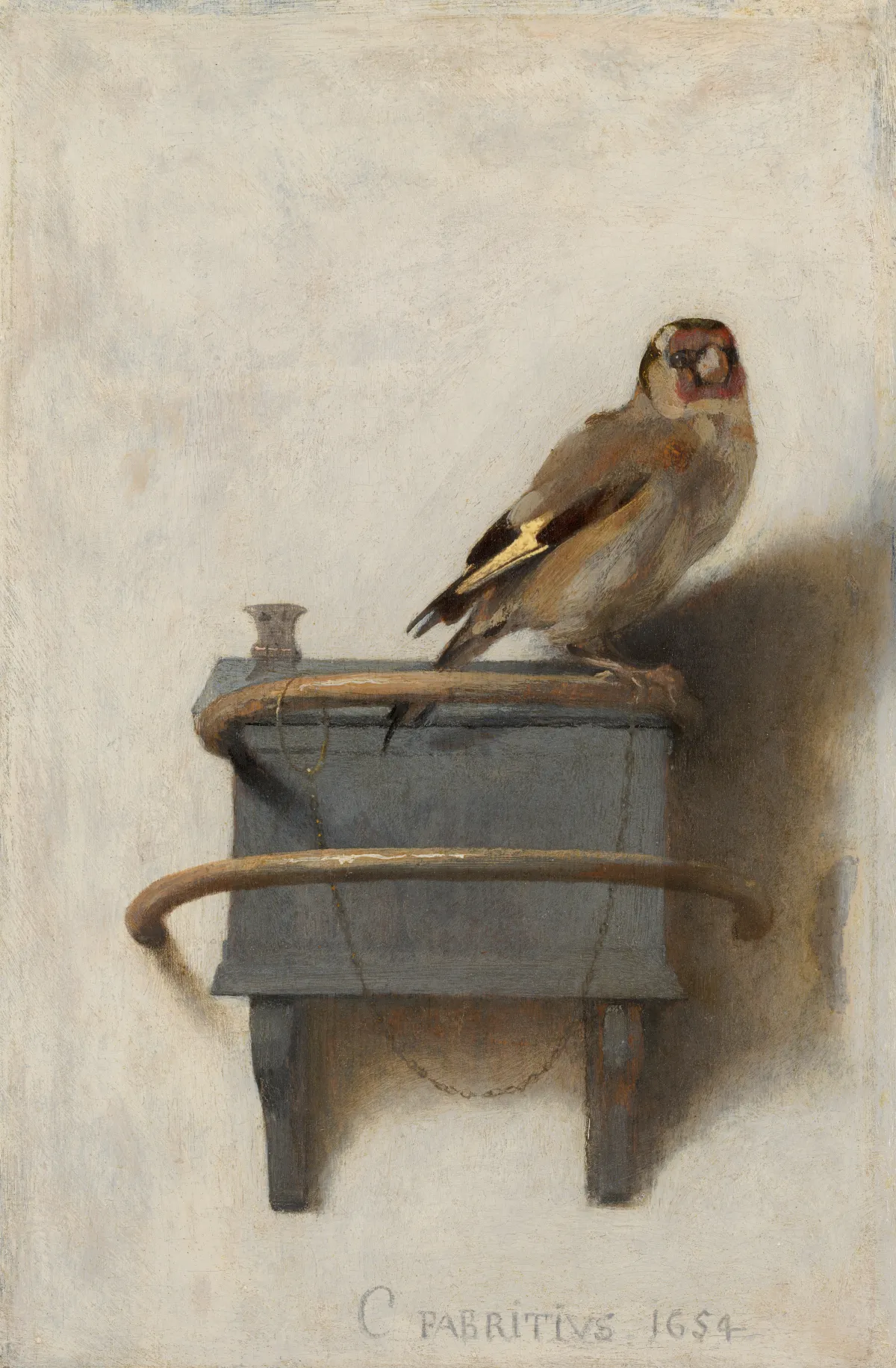
Every detail in "A View of Delft" offers insight into the vibrant life and culture of the Dutch Golden Age. As a fine art painting for sale, it invites viewers to interpret the subtle stories and symbols embedded in the cityscape. Fabritius’s ability to weave narrative elements into his work is echoed in related pieces like "The Goldfinch." Each painting is a window into the past, rich with meaning and artistic innovation.
For collectors seeking a distinguished addition, "A View of Delft" by Carel Fabritius stands out as a hand-painted oil painting of immense value. The Dutch Golden Age produced many treasures, and this piece rivals others such as "Portrait of Abraham de Potter" and "The Raising of Lazarus." Owning such a work not only enhances a collection but also connects one to the vibrant history and artistic achievements of the period, making it a prized fine art painting for sale.
When Art Meets History
"A View of Delft" by Carel Fabritius is a remarkable hand-painted oil painting from the Dutch Golden Age movement. Created in the mid-17th century, this piece captures the historic city of Delft with an extraordinary sense of realism and atmosphere. Fabritius, a contemporary of Vermeer, masterfully illustrates the era’s architectural charm. Related works like "Woman with a Pearl Necklace" and "The Procuress" further exemplify the historical richness embedded in Dutch Golden Age masterpieces.
Techniques That Speak
Carel Fabritius employed innovative oil on canvas techniques in "A View of Delft," using light, perspective, and subtle brushstrokes to bring the cityscape to life. The painting’s depth and softness reveal the influence of his mentor, Rembrandt, while standing out for its unique atmospheric effects. Similar attention to technique can be seen in "The Astronomer" and "Girl with a Pearl Earring c. 1665," both of which showcase the Dutch Golden Age’s dedication to technical excellence.
Emotions on Display
In "A View of Delft," Fabritius channels a quiet tranquility and profound sense of place, inviting viewers to experience the city’s serenity. The fine art painting for sale elicits emotions of nostalgia and wonder, much like "Allegory of the Catholic Faith" and other Dutch Golden Age works. Through careful composition and light, Fabritius conveys both the grandeur and intimacy of everyday life in 17th-century Delft, leaving a lasting emotional impression.
Coveted by Collectors
Collectors highly seek "A View of Delft" for its historical significance and exquisite artistry, making it a coveted hand-painted oil painting. Fabritius’s work, alongside paintings like "The Procuress" and "Girl with a Pearl Earring c. 1665," represents the pinnacle of the Dutch Golden Age movement. These masterpieces are prized additions to any collection, celebrated for their enduring beauty and the masterful skill of their creators, ensuring their legacy in the world of fine art.
Related Dutch Golden Age Hand-Painted Oil Paintings by Other Artists
Other Famous Dutch Golden Age Artists:
Frequently Asked Questions About A View of Delft
What is the historical significance of "A View of Delft"?
"A View of Delft" is significant as it represents a pivotal moment in Dutch Golden Age painting, showcasing the city of Delft with remarkable clarity and detail. Created by Carel Fabritius in 1652, it reflects the artistic innovations of the time and the burgeoning interest in landscape painting.
Who was Carel Fabritius and what influenced his work?
Carel Fabritius was a Dutch painter and a pupil of Rembrandt. His work is characterized by a unique use of light and color, which was influenced by his teacher's techniques as well as his own explorations of perspective and composition. Fabritius's short career was tragically cut short by a fire in 1654, making his surviving works particularly valuable.
What artistic techniques are employed in "A View of Delft"?
In "A View of Delft," Fabritius employs techniques such as chiaroscuro, which contrasts light and shadow to create depth, and atmospheric perspective, which gives a sense of distance through color gradation. His meticulous attention to detail and innovative brushwork contribute to the painting's realism.
What does the composition of "A View of Delft" convey?
The composition of "A View of Delft" is carefully structured, with the cityscape framed by the foreground elements, leading the viewer's eye toward the horizon. This arrangement not only highlights the beauty of Delft but also reflects the harmony between nature and urban life during the 17th century.
What is the significance of the color palette used in the painting?
The color palette of "A View of Delft" is notable for its use of soft blues, greens, and warm earth tones, which evoke a sense of tranquility and harmony. Fabritius's choice of colors enhances the atmospheric quality of the scene, inviting viewers to experience the serene beauty of the city.
How does "A View of Delft" reflect the cultural context of its time?
"A View of Delft" reflects the cultural context of the Dutch Golden Age, a period marked by economic prosperity and artistic achievement. The painting captures the pride of the Dutch people in their urban landscapes and serves as a testament to the advancements in art and science during this era.
What symbols can be found in "A View of Delft"?
While "A View of Delft" is primarily a landscape painting, it contains subtle symbols of prosperity and stability, such as the well-maintained buildings and the calm water. These elements symbolize the thriving economy and the peaceful coexistence of nature and urban development in 17th-century Delft.
What impact did "A View of Delft" have on later artists?
"A View of Delft" had a significant impact on later artists, particularly in the realm of landscape painting. Fabritius's innovative techniques and emphasis on light and atmosphere influenced subsequent generations, including the Impressionists, who sought to capture the fleeting effects of light in their own works.
Where is "A View of Delft" currently located?
"A View of Delft" is currently housed in the Mauritshuis museum in The Hague, Netherlands. This prestigious museum is known for its collection of Dutch Golden Age paintings, making it an appropriate home for Fabritius's masterpiece.
Why is "A View of Delft" considered a masterpiece?
"A View of Delft" is considered a masterpiece due to its exceptional technical execution, innovative use of light and color, and its ability to evoke emotion and a sense of place. The painting exemplifies the height of Dutch landscape painting and showcases Fabritius's unique artistic vision.






















_GFM_Painting_(1).webp)


 100% Hand-Painted: Finished in 3-6 Weeks

.png)















_(1).webp)