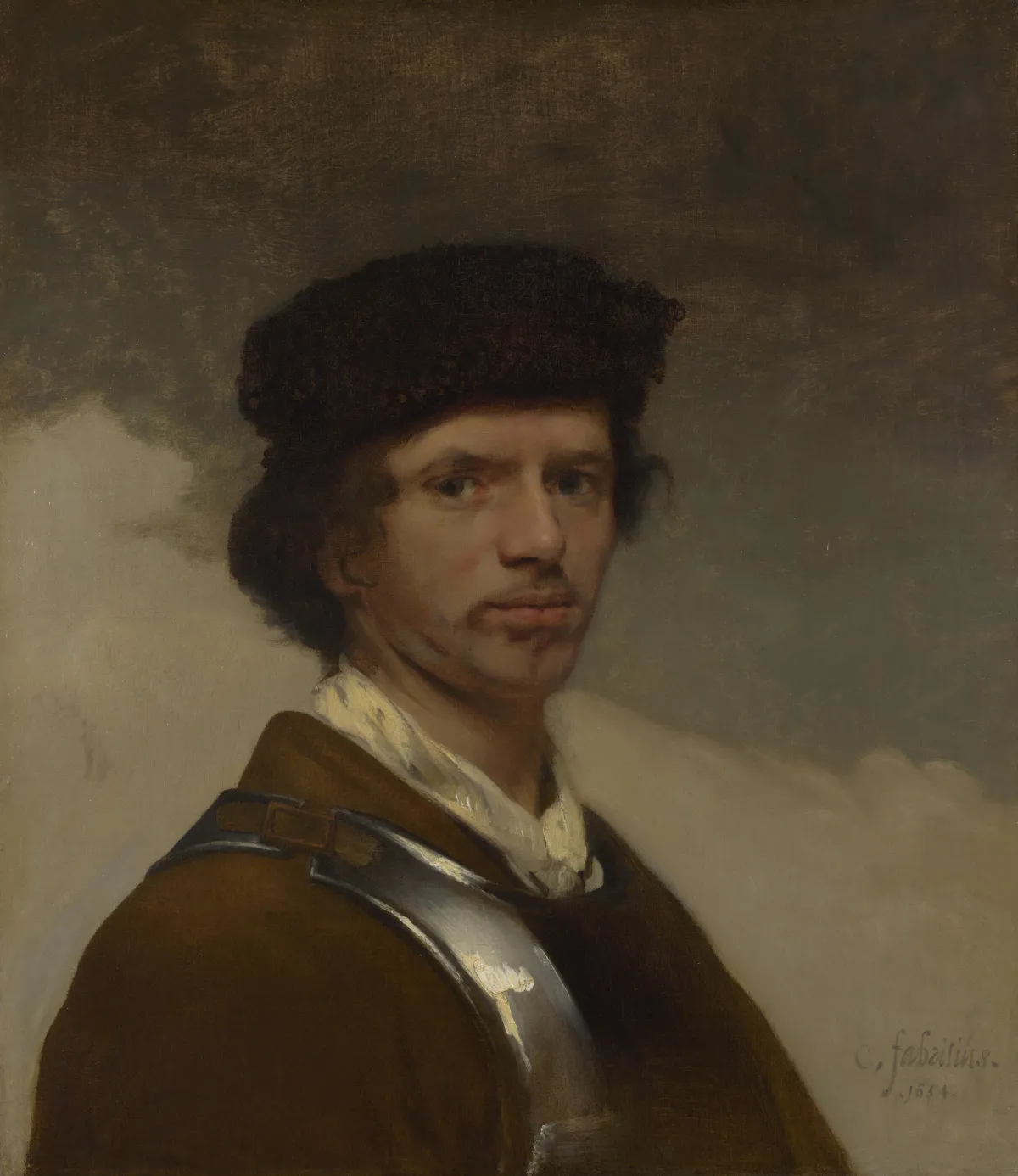
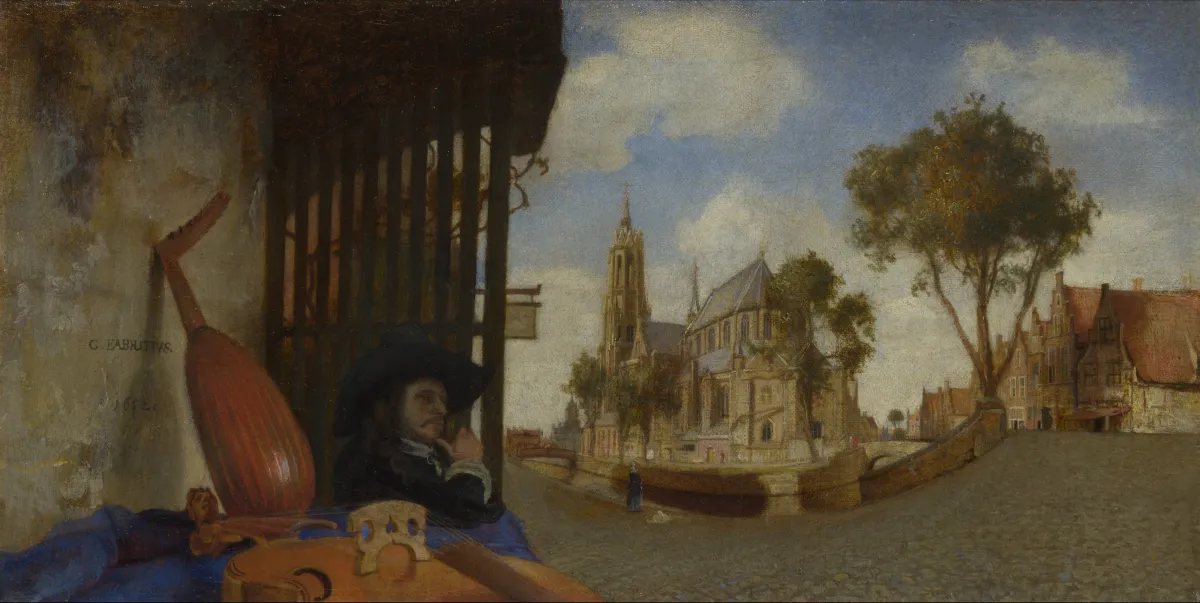
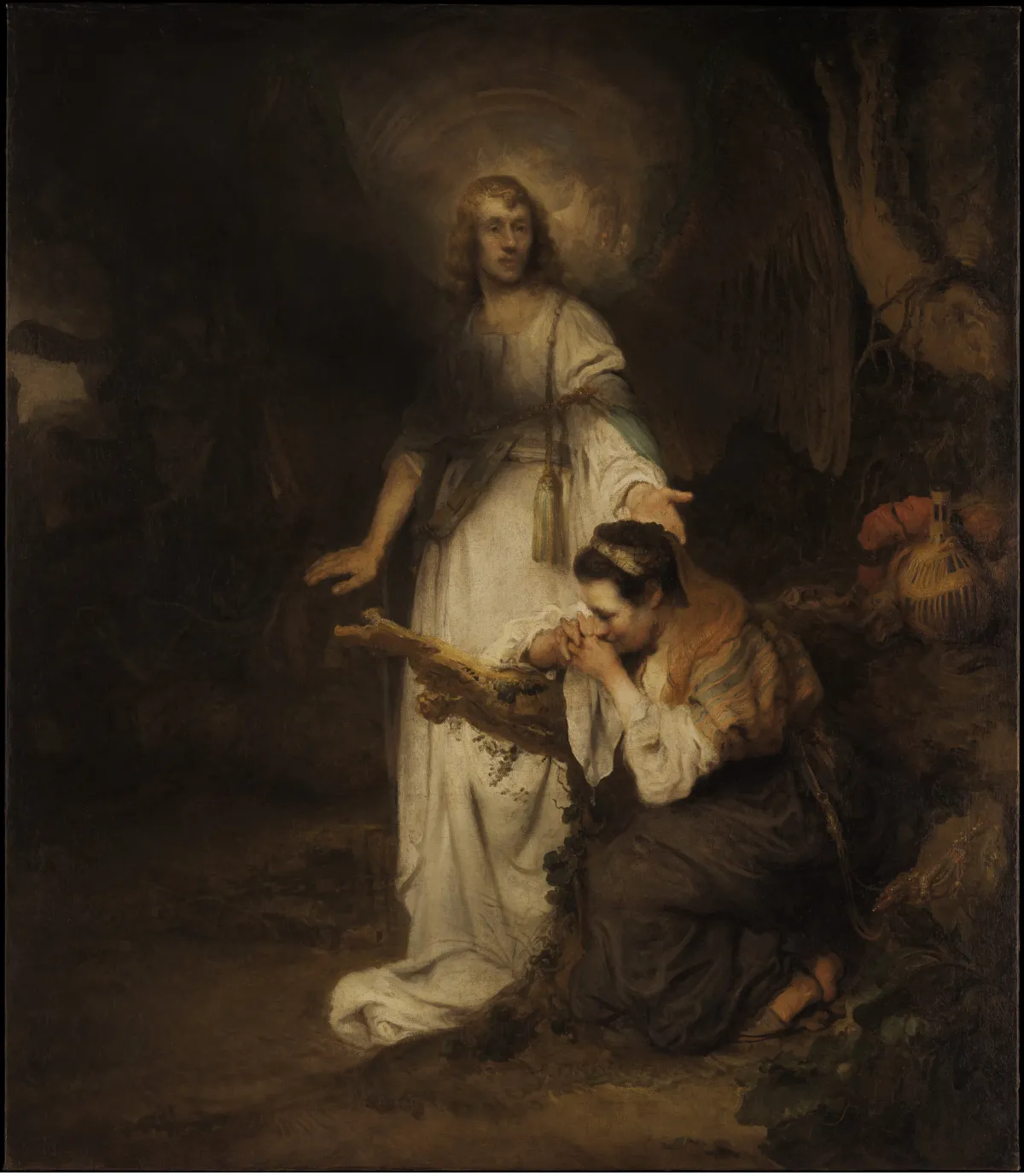
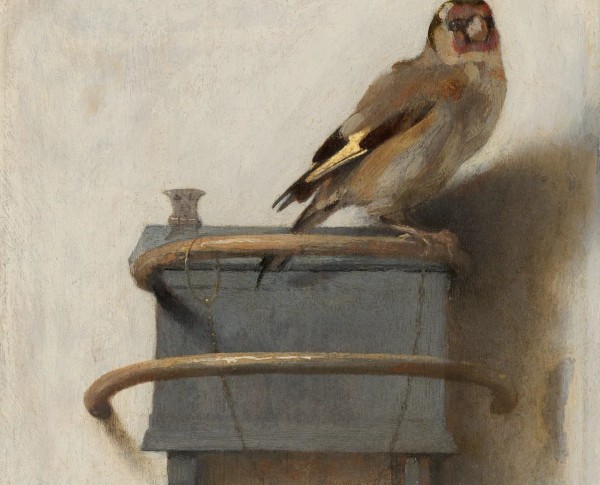
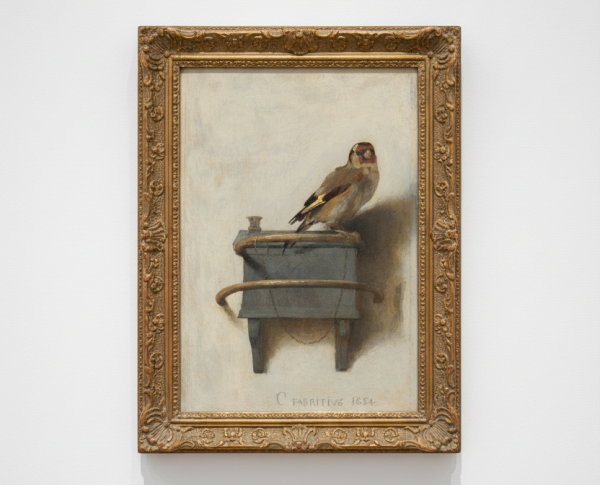
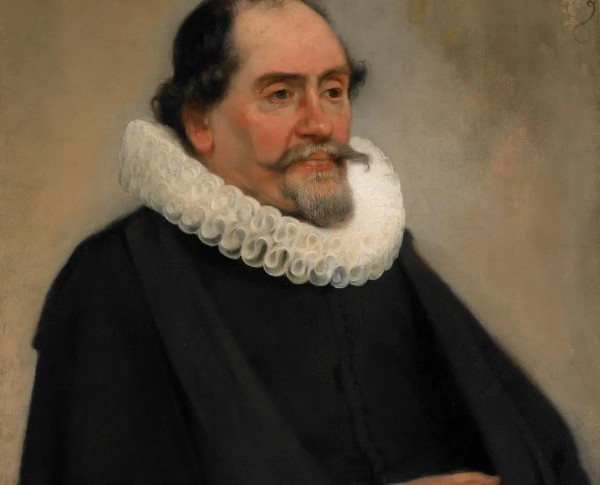
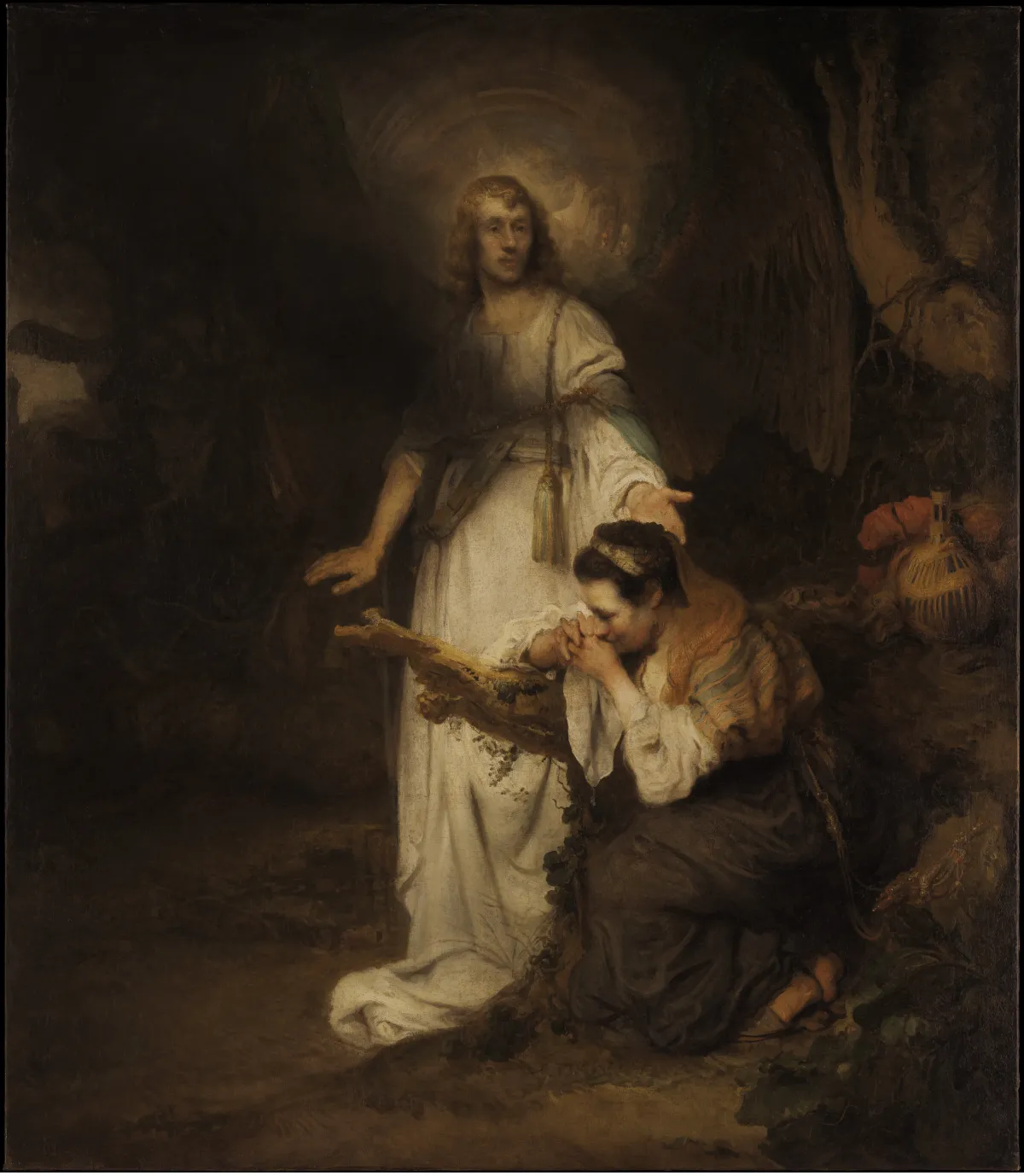
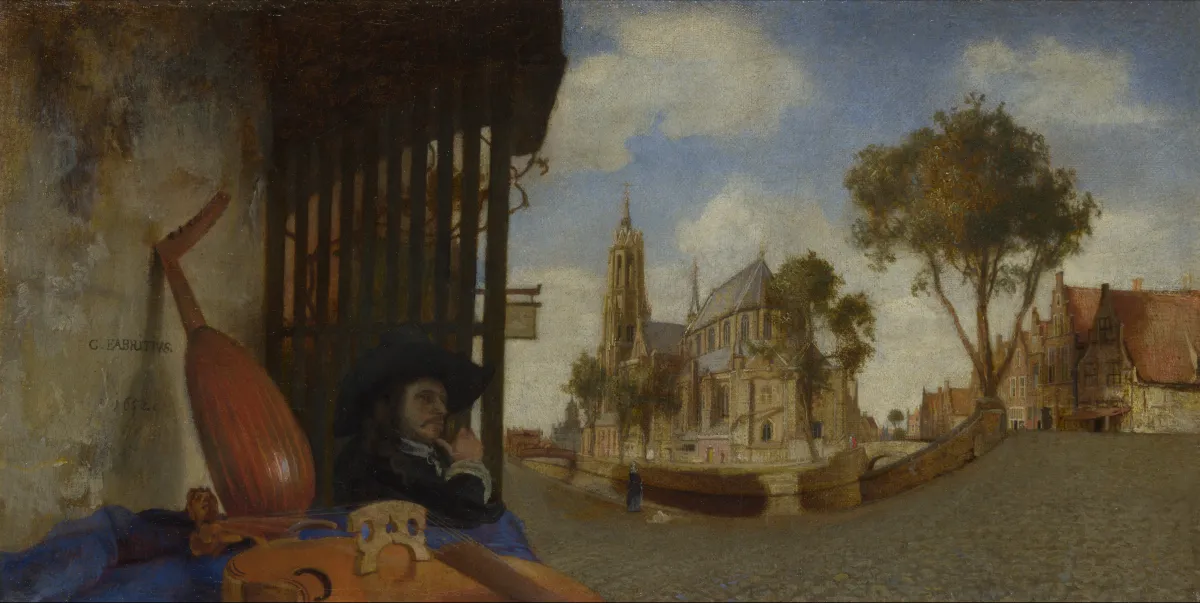
With his delicate use of oil on canvas, Carel Fabritius brings "Hagar and the Angel" to life, demonstrating his mastery of light and shadow. The painting’s intricate brushwork and nuanced color palette are hallmarks of the Dutch Golden Age movement. Fabritius’s technique can also be admired in works like "A View of Delft" and "Young Man in a Fur Cap," which exemplify his attention to detail and innovative approach to composition in oil on canvas.
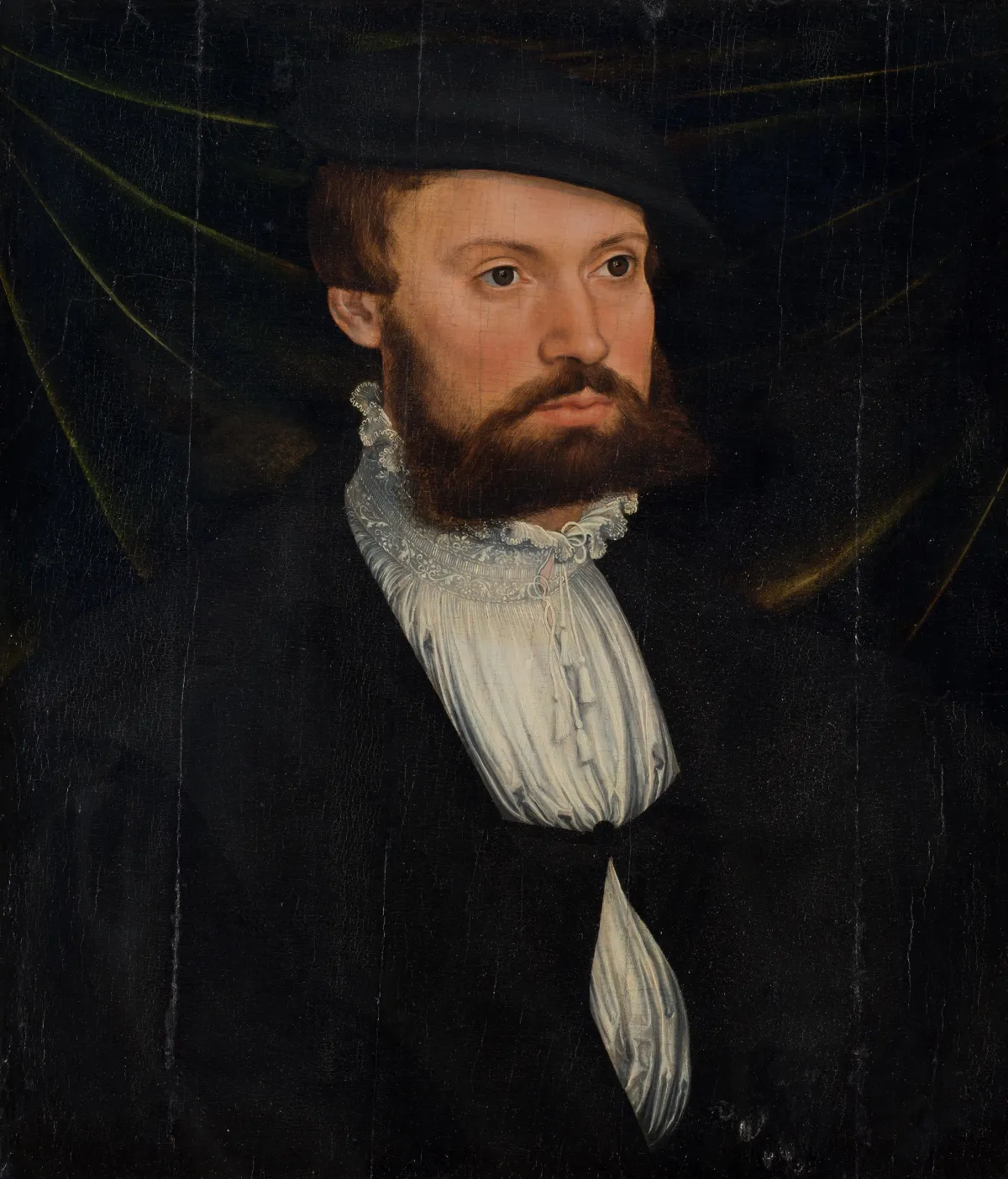
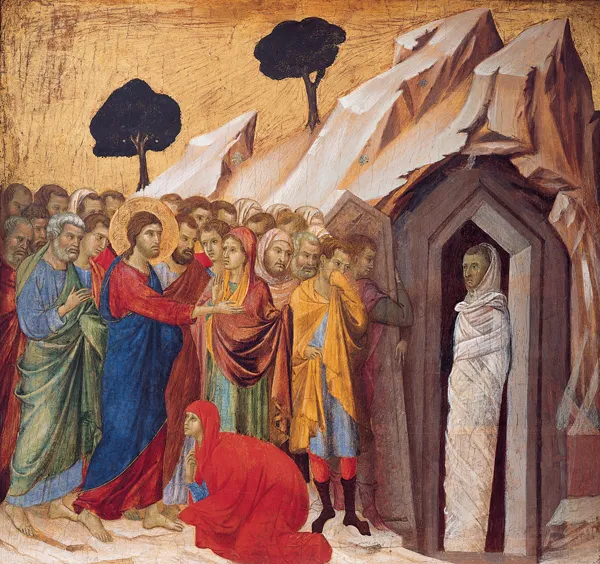
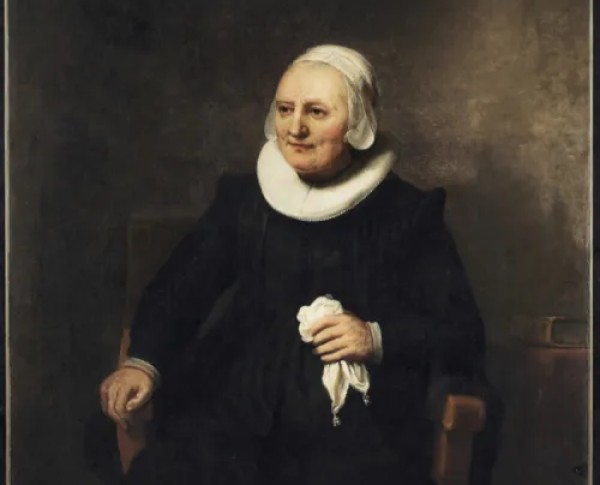
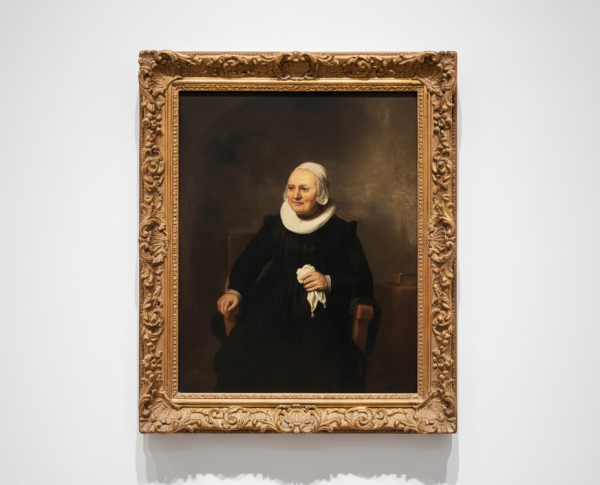
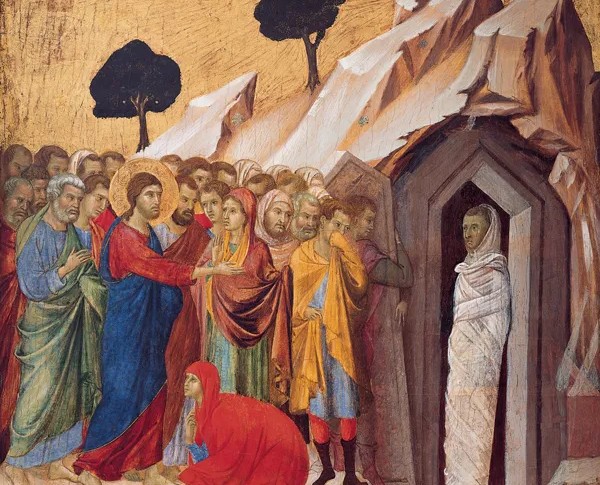
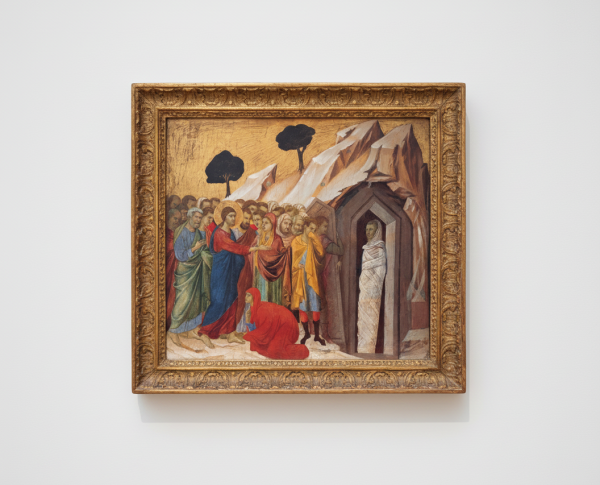
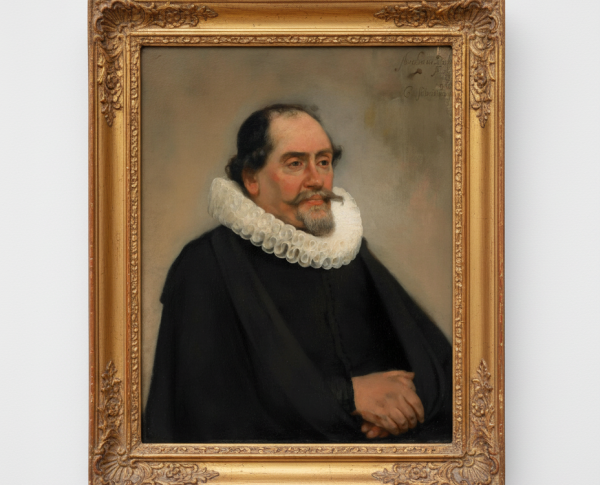
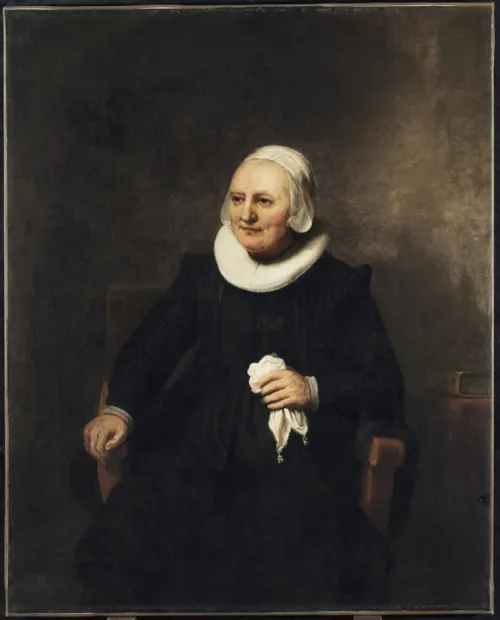
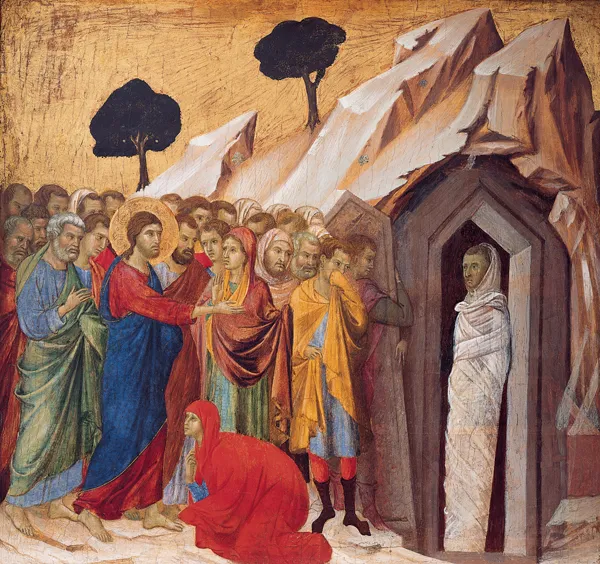
"Hagar and the Angel" by Carel Fabritius captures a poignant biblical scene, rich in narrative and symbolism—a hallmark of Dutch Golden Age art. The hand-painted oil painting invites viewers to contemplate themes of hope, faith, and divine intervention. Similar narrative depth can be found in "The Raising of Lazarus" and "Portrait of a Seated Woman with a Handkerchief," making these works compelling choices for collectors seeking meaningful fine art painting for sale.
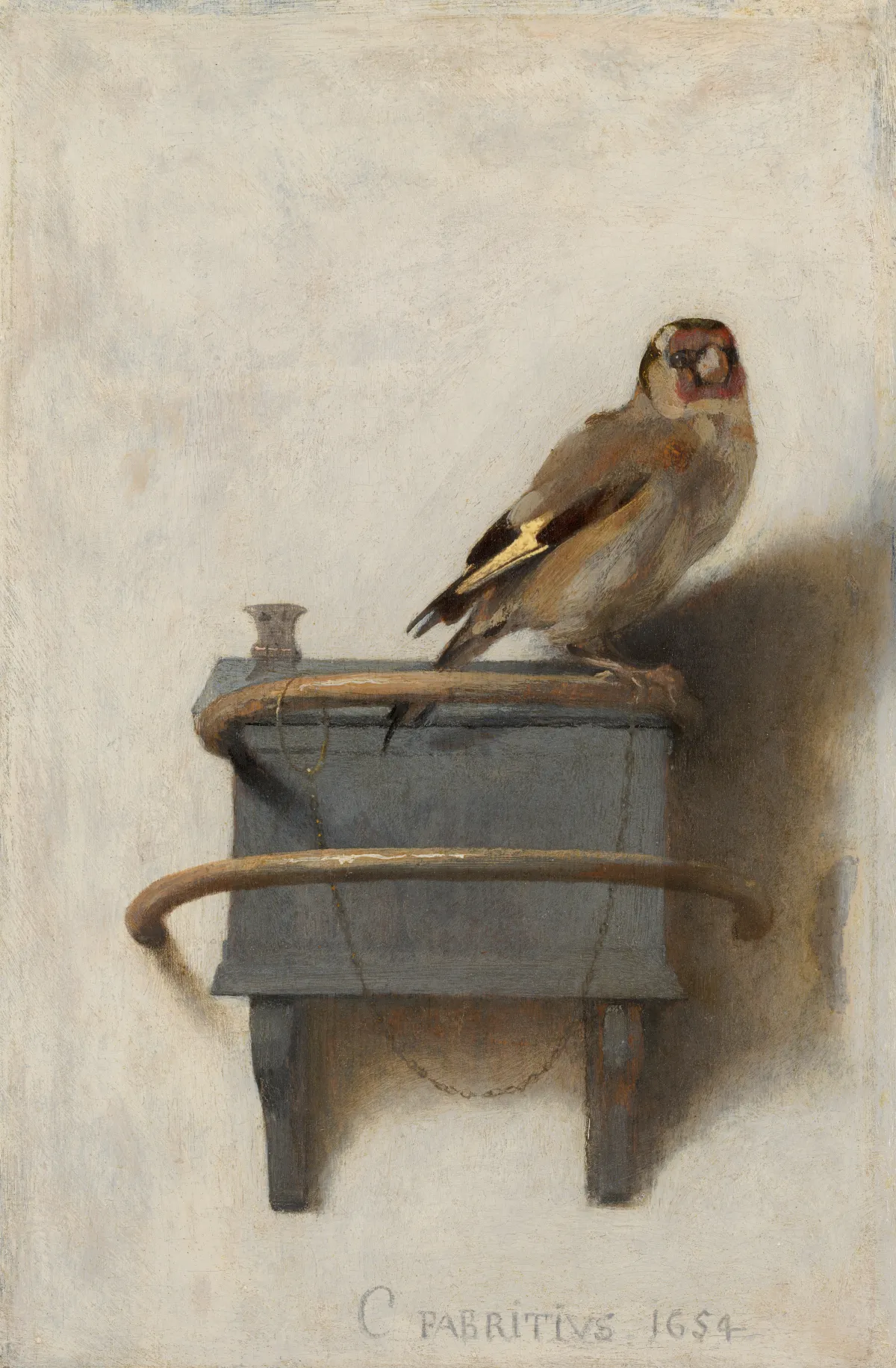
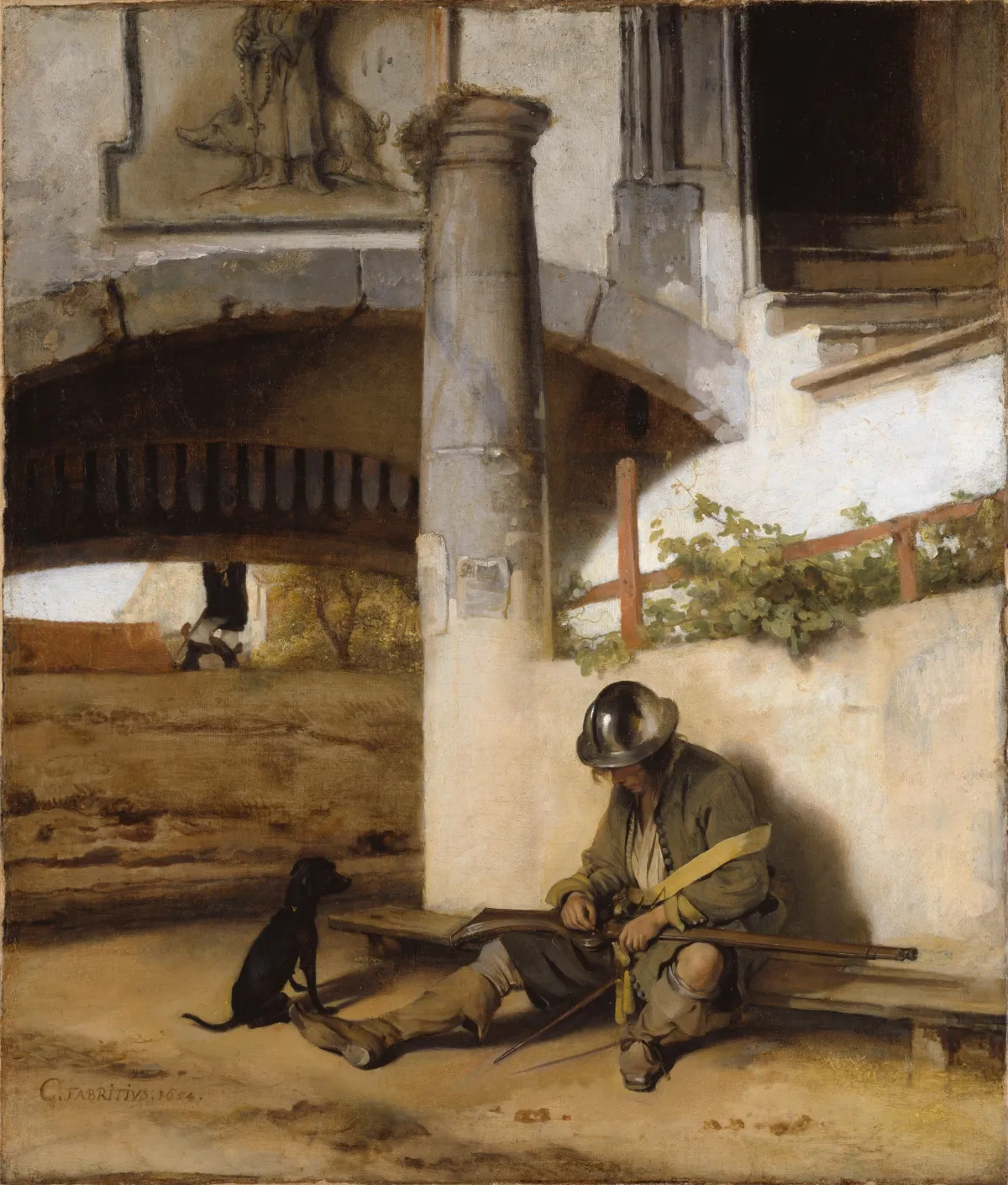
As a highly sought-after fine art painting for sale, "Hagar and the Angel" stands as a testament to Carel Fabritius’s legacy and the enduring appeal of Dutch Golden Age masterpieces. Collectors often seek related works such as "The Sentry" and "A View of Delft" to complement their collections. Investing in Fabritius’s art not only provides aesthetic pleasure but also connects owners to a rich cultural heritage, making each acquisition truly invaluable.
When Art Meets History
"Hagar and the Angel" by Carel Fabritius stands as a testament to the Dutch Golden Age, a period renowned for its masterful hand-painted oil paintings. Created during a time of immense cultural and artistic growth, this work captures a biblical scene with a unique sensitivity. Fabritius, a student of Rembrandt, brings historical narratives to life much like other masterpieces of the era, such as "Man in a Golden Helmet c. 1650" and "The Procuress."
Techniques That Speak
Fabritius's use of oil on canvas in "Hagar and the Angel" showcases his exceptional technique and attention to detail. The artist’s manipulation of light and shadow creates depth, enhancing the emotional gravity of the scene. This approach, also seen in "The Astronomer c. 1668" and "The Little Street," defines the Dutch Golden Age’s technical brilliance. Each brushstroke in this painting reflects Fabritius’s mastery and his dedication to the craft of oil on canvas artistry.
Emotions on Display
In "Hagar and the Angel," Carel Fabritius expertly conveys deep emotion through composition and expression, a hallmark of Dutch Golden Age painting. The interaction between Hagar and the angel is rendered with poignant realism, inviting viewers to empathize with their plight. This fine art painting for sale resonates emotionally, much like "Woman with a Lute," drawing the audience into the narrative and evoking a profound sense of compassion and wonder.
Coveted by Collectors
As a rare example of Carel Fabritius’s work, "Hagar and the Angel" is highly sought after by collectors of Dutch Golden Age art. Its status as a hand-painted oil painting, combined with its historical significance, makes it a prized possession. Collectors who appreciate masterpieces such as "Man in a Golden Helmet c. 1650" or "The Procuress" recognize the enduring value and beauty of this remarkable fine art painting for sale in today’s market.
Related Dutch Golden Age Hand-Painted Oil Paintings by Other Artists
Other Famous Dutch Golden Age Artists:
Frequently Asked Questions About Hagar and the Angel
What is the historical context of "Hagar and the Angel"?
"Hagar and the Angel" was painted in the 17th century, during the Dutch Golden Age, a period marked by significant advancements in art, science, and trade. Carel Fabritius, a pupil of Rembrandt, created this work around 1651, reflecting the era's fascination with biblical themes and human emotion.
Who is depicted in the painting and what is their significance?
The painting depicts Hagar, an Egyptian servant of Sarah, and the angel who provides her with comfort and guidance. This biblical narrative symbolizes themes of divine intervention, maternal struggle, and the complexities of human relationships.
What artistic techniques did Carel Fabritius employ in this painting?
Fabritius utilized chiaroscuro to create depth and drama, contrasting light and shadow to highlight the figures. His use of color is also notable, with a palette that enhances the emotional intensity of the scene.
What is the symbolism behind the angel in the painting?
The angel represents divine guidance and protection, serving as a mediator between Hagar and God. This symbolizes hope and reassurance in times of despair, reflecting the broader theme of faith in divine providence.
How does the composition of the painting contribute to its meaning?
The composition draws the viewer's eye towards the interaction between Hagar and the angel, emphasizing their emotional exchange. The placement of figures against a dark background enhances the focus on their expressions and the gravity of the moment.
What influences can be seen in Fabritius's style in this painting?
Fabritius's style shows the influence of Rembrandt, particularly in the use of light and shadow. However, he also incorporates his unique approach to color and form, which distinguishes his work within the Dutch painting tradition.
What is the significance of the setting in "Hagar and the Angel"?
The setting, characterized by a stark and simple background, serves to isolate the figures, highlighting their emotional state. This minimalist approach allows the viewer to focus on the narrative and the psychological depth of the characters.
How does "Hagar and the Angel" reflect the themes of the Dutch Golden Age?
The painting embodies the Dutch Golden Age's exploration of human emotion and spirituality. It reflects the period's interest in biblical narratives, as well as the emphasis on individual experience and the complexities of life.
What role does color play in conveying the painting's message?
Color in "Hagar and the Angel" is used to evoke emotion and highlight the contrast between despair and hope. The warm tones of Hagar's clothing juxtaposed with the cooler hues of the angel create a visual dialogue that enhances the narrative's emotional impact.
What can be learned about Carel Fabritius's artistic legacy through this painting?
"Hagar and the Angel" showcases Fabritius's innovative approach to composition and light, marking him as a significant figure in Dutch art. His ability to convey deep emotional narratives through visual means has influenced subsequent generations of artists.






















_GFM_Painting_(1).webp)


 100% Hand-Painted: Finished in 3-6 Weeks

.png)















_(1).webp)