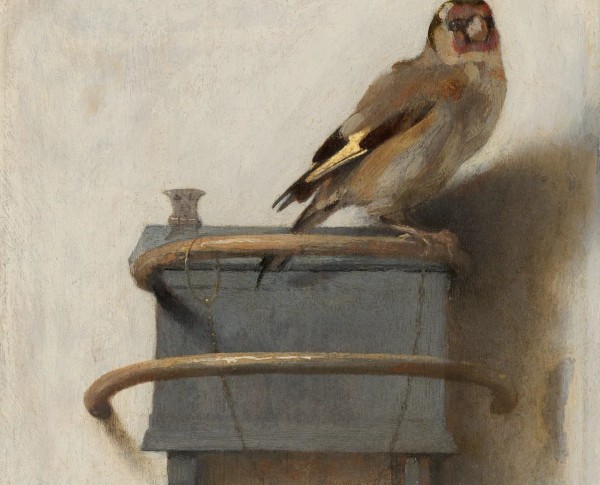
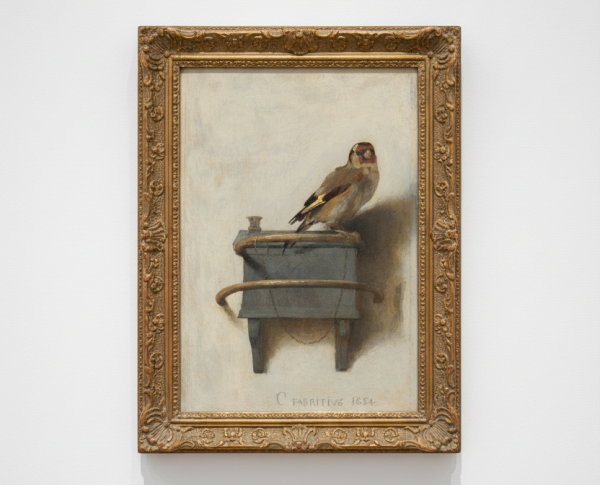
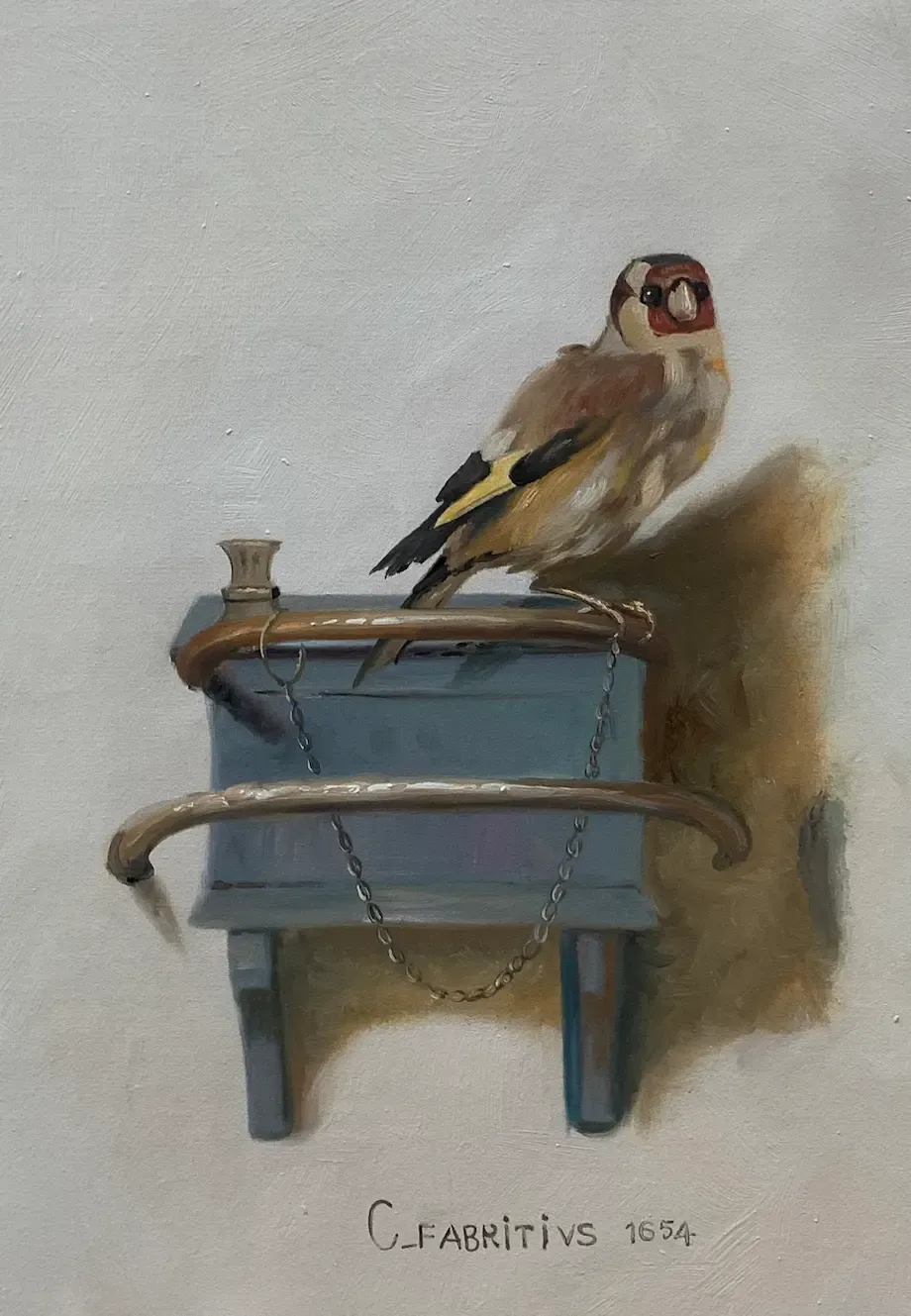
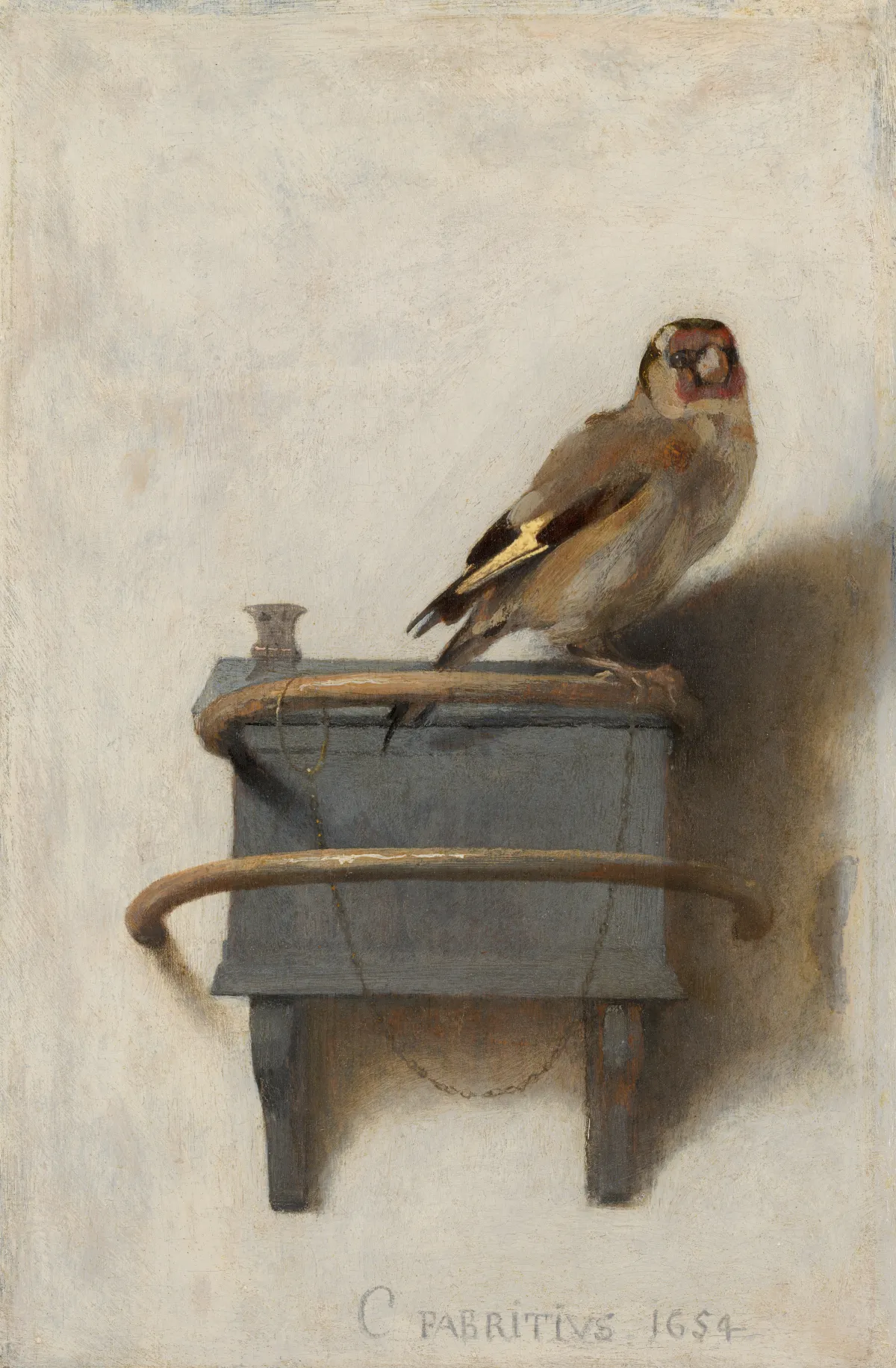
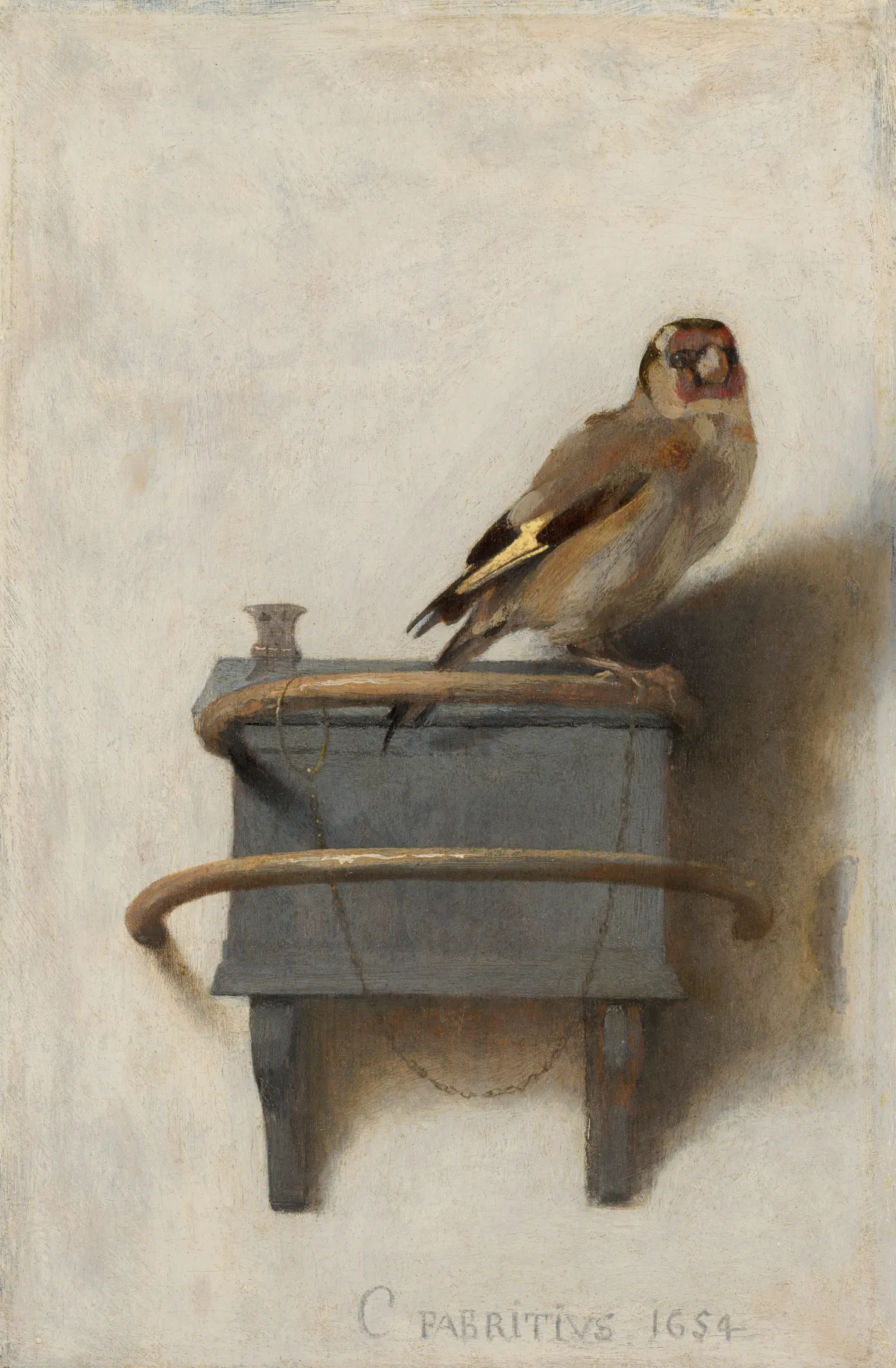
Carel Fabritius employed exquisite technique in "The Goldfinch," utilizing oil on canvas to achieve remarkable texture and luminosity. His mastery is evident in the subtle play of light and shadow, making the painting a standout example of Dutch Golden Age artistry. Collectors of fine art painting for sale often seek out such works, as well as related pieces like "A Slaughtered Ox" and "Mercury and Aglauros," for their exceptional craftsmanship and historical significance.
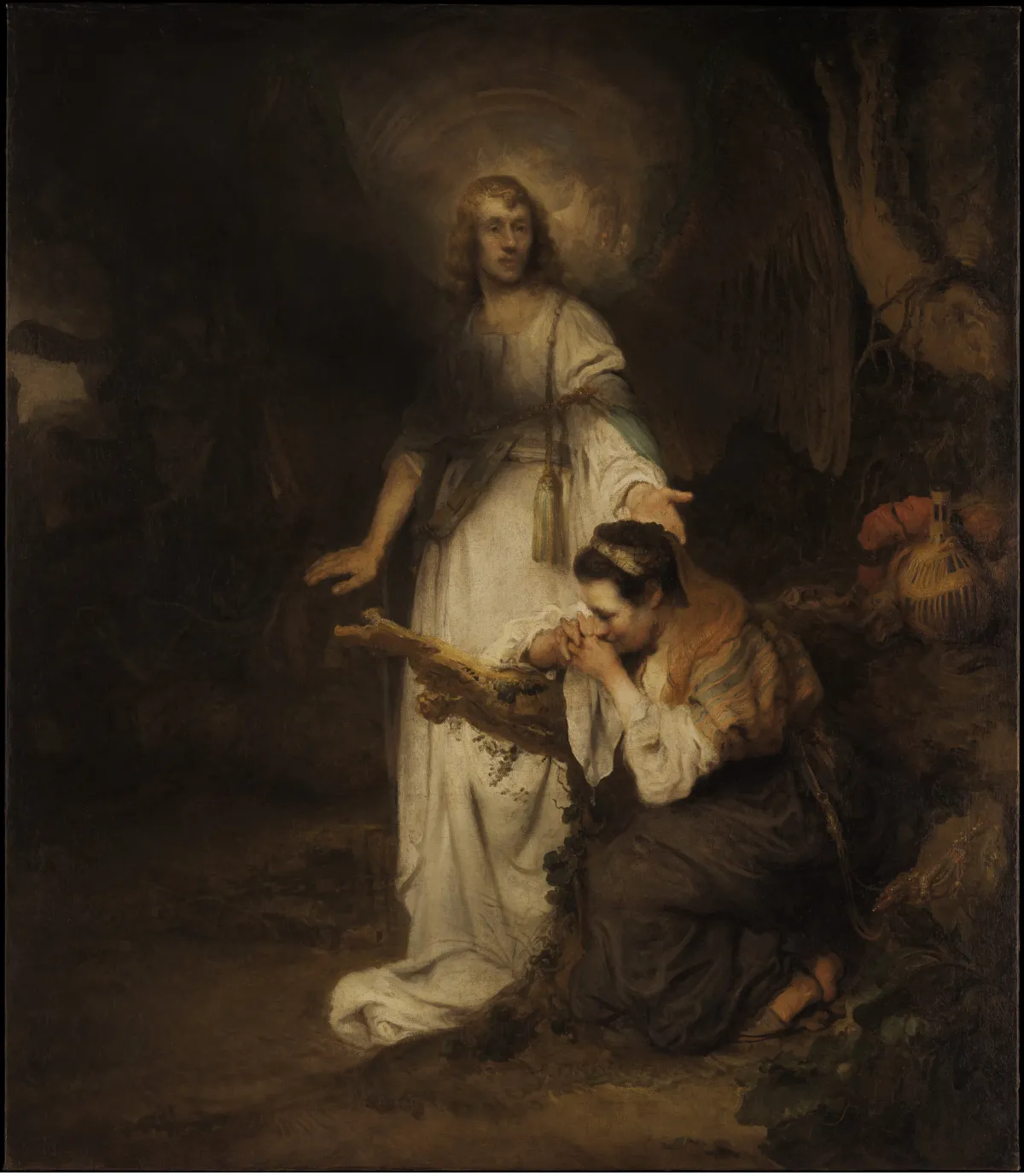
"The Goldfinch" is more than a simple portrait of a bird; it is rich in symbolism and narrative. This oil on canvas artwork reflects themes of captivity and freedom, common motifs in the Dutch Golden Age. Carel Fabritius’s attention to detail invites viewers to ponder deeper meanings, much like his contemporaries did. Art lovers may also explore related products such as "Hera hiding during the battle between the gods and the giants" for further narrative depth.
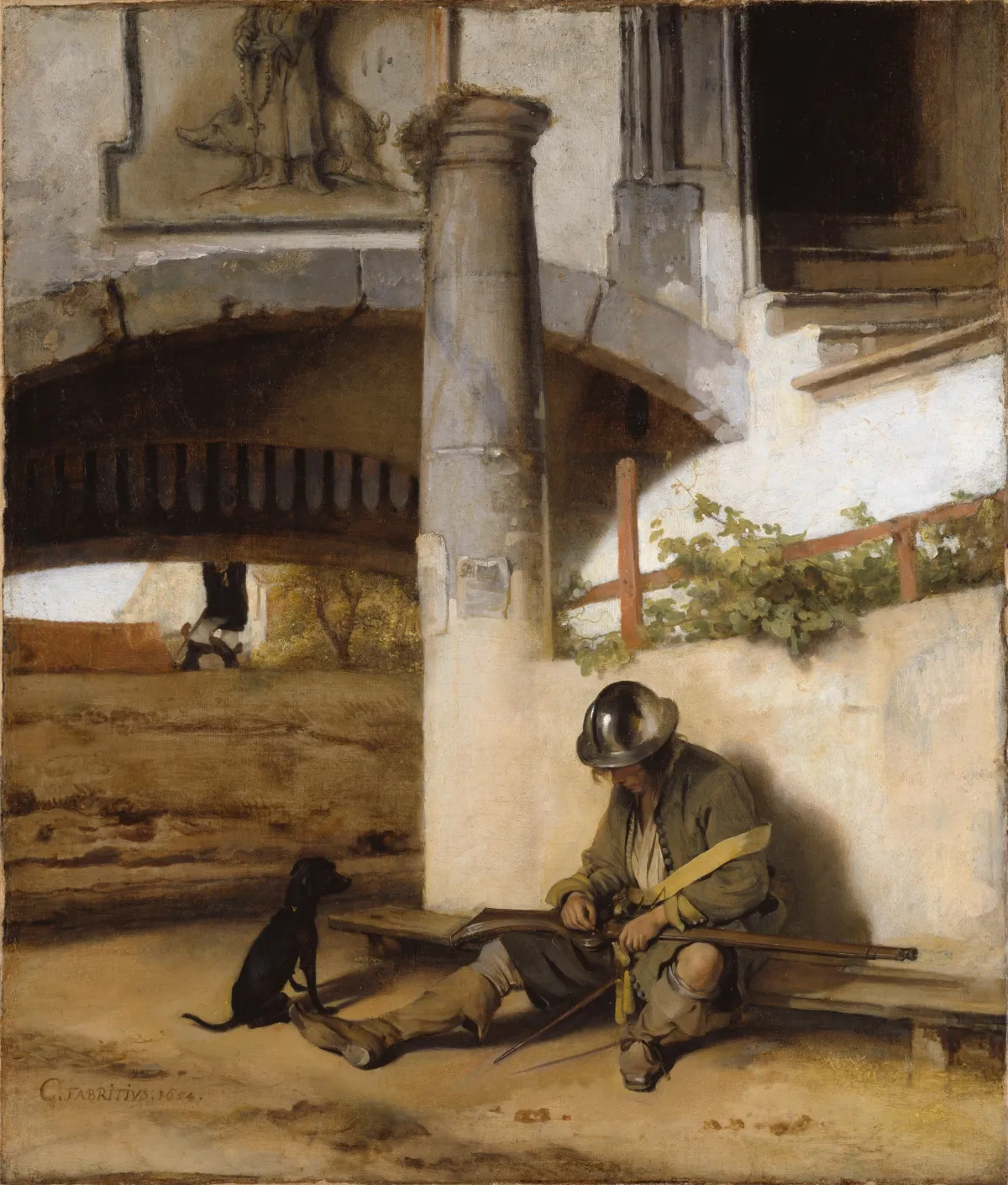
Owning a fine art painting for sale like "The Goldfinch" offers a unique connection to history, artistry, and the genius of Carel Fabritius. This Dutch Golden Age masterpiece has become a coveted collector’s item, admired for its lifelike depiction and emotional resonance. Art enthusiasts often expand their collections with related products, including "The Sentry," to celebrate the enduring legacy of this remarkable period in art history.
When Art Meets History
"The Goldfinch" by Carel Fabritius stands as a testament to the Dutch Golden Age, a period known for its remarkable innovation and artistry. Created in 1654, this hand-painted oil painting captures a moment in time when artists like Vermeer and Rembrandt flourished. Fabritius’s work, alongside masterpieces such as "Girl with a Pearl Earring c. 1665" and "The Night Watch," offers viewers a glimpse into a rich cultural heritage that continues to inspire art lovers today.
Techniques That Speak
Carel Fabritius’s "The Goldfinch" showcases his mastery of oil on canvas, a medium favored by many Dutch Golden Age painters. Through delicate brushwork and subtle lighting, Fabritius brings the small bird to life, creating depth and realism rarely seen in such intimate compositions. The techniques used here resonate with those found in related paintings like "Woman with a Water Jug" and "Woman with a Pearl Necklace," highlighting the skill that defines this artistic movement.
Emotions on Display
The quiet vulnerability of the chained goldfinch in Fabritius’s fine art painting for sale evokes a sense of empathy and wonder. This emotional resonance is a hallmark of the Dutch Golden Age, shared by works such as "The Return of the Prodigal Son c. 1669." Fabritius’s ability to capture the spirit of his subject in "The Goldfinch" ensures a lasting connection with viewers, making it a beloved piece among art enthusiasts.
Coveted by Collectors
As a hand-painted oil painting from the Dutch Golden Age, "The Goldfinch" by Carel Fabritius remains highly sought after by collectors and museums worldwide. Its rarity and historical significance place it alongside iconic works like "The Night Watch" and "Girl with a Pearl Earring c. 1665." For those passionate about acquiring a piece of art history, masterpieces like "The Goldfinch" represent the pinnacle of fine art painting for sale.
Related Dutch Golden Age Hand-Painted Oil Paintings by Other Artists
Other Famous Dutch Golden Age Artists:
Frequently Asked Questions About The Goldfinch
Who is the artist of The Goldfinch?
The Goldfinch was painted by the Dutch artist Carel Fabritius in 1654.
What is the historical significance of The Goldfinch?
The Goldfinch is significant as it represents the mastery of light and shadow during the Dutch Golden Age, showcasing Fabritius's innovative techniques that influenced later artists.
What techniques did Carel Fabritius use in The Goldfinch?
Fabritius employed a technique known as chiaroscuro, utilizing strong contrasts between light and dark to create depth and realism in the depiction of the goldfinch.
What does the goldfinch symbolize in the painting?
The goldfinch is often interpreted as a symbol of innocence and the fleeting nature of life, reflecting themes of mortality and the beauty of the natural world.
How does The Goldfinch reflect the artistic style of its time?
The Goldfinch exemplifies the Dutch still-life tradition, characterized by meticulous attention to detail, vibrant color, and a focus on everyday subjects, which was prevalent during the 17th century.
What materials were used in The Goldfinch?
The painting was created using oil on canvas, a common medium in the 17th century that allowed for rich color and fine detail.
What is the significance of the birdcage in The Goldfinch?
The birdcage in the painting serves as a metaphor for confinement and freedom, highlighting the tension between the beauty of the goldfinch and its captivity.
How did Carel Fabritius's life influence his work?
Fabritius was a pupil of Rembrandt, and his exposure to Rembrandt's techniques and philosophies profoundly influenced his artistic development, evident in the emotional depth of his works.
What is the current location of The Goldfinch?
The Goldfinch is housed in the Mauritshuis museum in The Hague, Netherlands, where it is part of the permanent collection.
Why is The Goldfinch considered a masterpiece?
The Goldfinch is regarded as a masterpiece due to its exquisite detail, emotional resonance, and the innovative techniques employed by Fabritius, which have left a lasting impact on the art world.






















_GFM_Painting_(1).webp)


 100% Hand-Painted: Finished in 3-6 Weeks

.png)















_(1).webp)