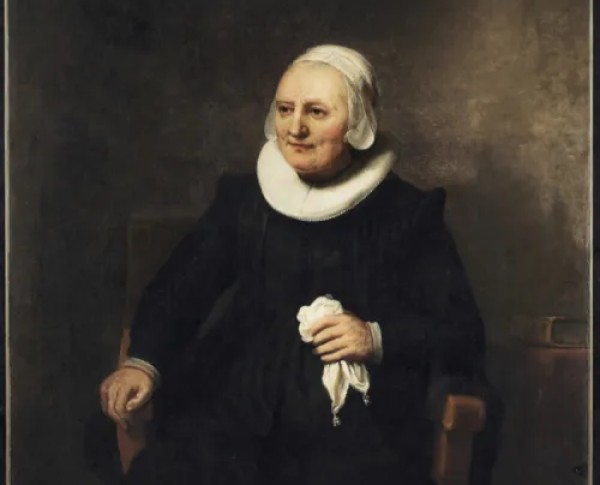
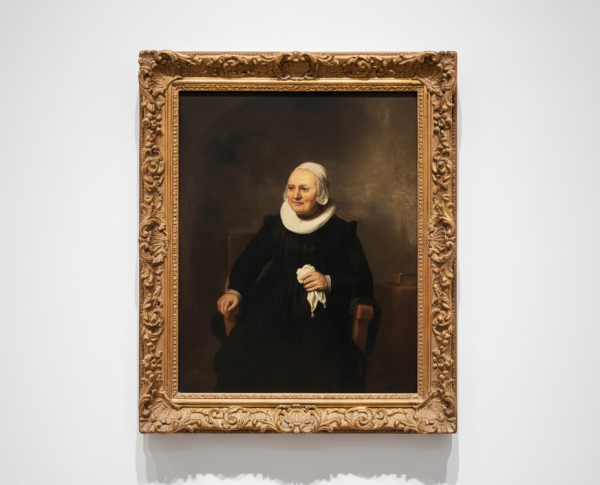
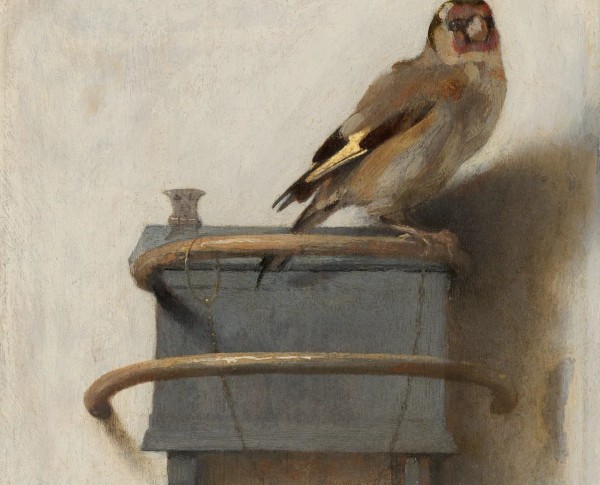
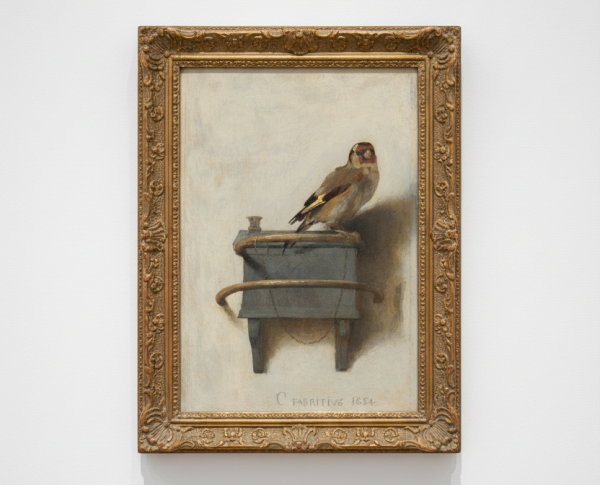
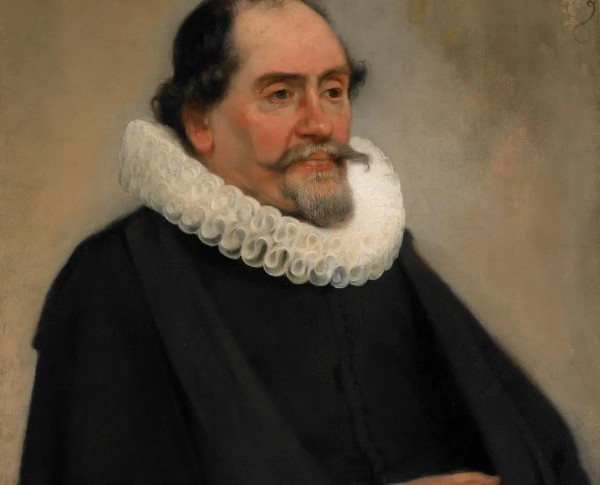
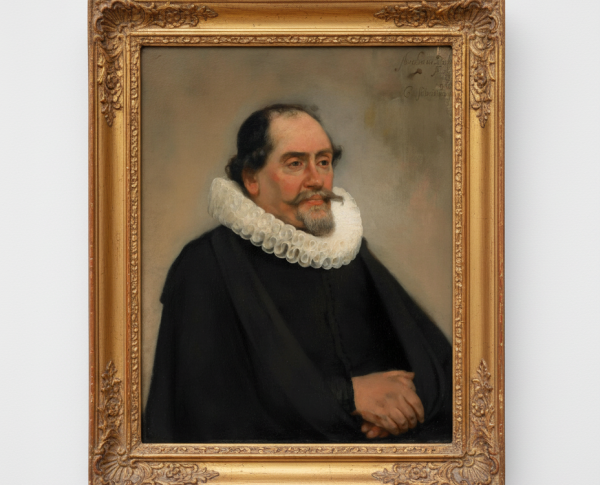
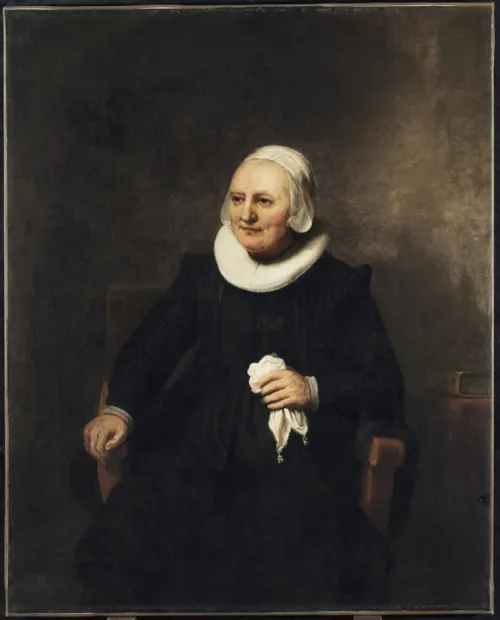
With "Portrait of a Seated Woman with a Handkerchief," Carel Fabritius demonstrates his exceptional skill in oil on canvas. Each brushstroke reveals the artist’s deep understanding of light, texture, and human expression. As a leading figure in the Dutch Golden Age movement, Fabritius’s technique elevates this portrait, highlighting the subtlety and sophistication of his approach. The painting’s lifelike qualities continue to inspire admiration from art lovers and historians alike.
"Portrait of a Seated Woman with a Handkerchief" is more than just a fine art painting for sale; it is a window into the stories and symbols of 17th-century Dutch society. Carel Fabritius masterfully embeds subtle hints within the sitter’s posture and accessories, inviting viewers to ponder her status and identity. This oil on canvas artwork remains a captivating piece for those who appreciate the hidden narratives of the Dutch Golden Age.
Owning a work like "Portrait of a Seated Woman with a Handkerchief" by Carel Fabritius is a dream for collectors of Dutch Golden Age masterpieces. This hand-painted oil painting is celebrated for its rarity and historical value, making it a prized addition to any fine art collection. As interest in oil on canvas works from this period grows, Fabritius’s portrait stands out as a truly exceptional treasure for discerning buyers and enthusiasts.
When Art Meets History
"Portrait of a Seated Woman with a Handkerchief" by Carel Fabritius stands as a testament to the Dutch Golden Age, a period renowned for its masterful artistry and innovation. This hand-painted oil painting captures the elegance and dignity of its subject, echoing the refined sensibilities of the era. Fabritius, a contemporary of Vermeer and Rembrandt, contributed greatly to this movement, alongside related works such as "The Love Letter" and "Man in a Golden Helmet c. 1650."
Techniques That Speak
Carel Fabritius employed remarkable techniques in this oil on canvas masterpiece, showcasing his expertise in subtle lighting and delicate brushwork. The painting’s soft textures and realistic depiction of fabric display the artist’s command over the medium, comparable to the finesse seen in "The Little Street" or "The Geographer." Each stroke in this portrait reveals the meticulous craftsmanship that defined Dutch Golden Age painting, making it a true gem among oil on canvas works.
Emotions on Display
The emotional depth in "Portrait of a Seated Woman with a Handkerchief" is palpable, as Fabritius masterfully conveys introspection and grace. Through careful attention to facial expression and posture, the artist invites viewers to connect with the sitter’s quiet dignity. This fine art painting for sale shares a soulful resonance with other Dutch Golden Age portraits, such as "Girl with a Pearl Earring c. 1665," making it a captivating piece for art lovers.
Coveted by Collectors
Collectors greatly value "Portrait of a Seated Woman with a Handkerchief" for its historical significance and artistic excellence within the Dutch Golden Age. As a hand-painted oil painting by Carel Fabritius, it stands alongside masterpieces like "The Geographer" and "The Love Letter" in desirability. Its rarity and the artist’s legacy make it a highly sought-after work, ensuring its status as a treasured addition to any fine art collection.
Related Dutch Golden Age Hand-Painted Oil Paintings by Other Artists
Other Famous Dutch Golden Age Artists:
Frequently Asked Questions About Portrait of a Seated Woman with a Handkerchief
Who is the artist of the painting "Portrait of a Seated Woman with a Handkerchief"?
The painting was created by the Dutch artist Carel Fabritius, who was a prominent figure in the 17th-century art scene.
What is the historical context of this artwork?
This painting was completed in the mid-17th century, a period marked by the Dutch Golden Age, when Dutch art flourished and portraiture became a significant genre.
What artistic techniques did Carel Fabritius employ in this painting?
Fabritius is known for his innovative use of light and shadow, as well as his ability to capture the texture of fabrics, which is evident in the depiction of the woman's handkerchief.
What is the significance of the handkerchief in the painting?
The handkerchief serves as a symbol of femininity and domesticity, reflecting the social roles of women during the 17th century while also showcasing Fabritius's skill in rendering delicate details.
How does this painting reflect the characteristics of Dutch portraiture?
This artwork exemplifies the Dutch portraiture style through its focus on realism, attention to detail, and the portrayal of the subject's personality and social status.
What are the notable features of the woman depicted in the painting?
The seated woman is portrayed with an air of elegance and poise, her expression suggesting introspection, which invites viewers to contemplate her story and identity.
What influences can be seen in Fabritius's work?
Fabritius was influenced by his mentor Rembrandt, particularly in his use of chiaroscuro, but he also developed a unique style that emphasized clarity and color.
What is the significance of the composition in "Portrait of a Seated Woman with a Handkerchief"?
The composition is carefully balanced, with the woman positioned centrally, drawing the viewer's attention and creating a sense of intimacy and connection.
How does this painting fit into Carel Fabritius's overall body of work?
This painting is representative of Fabritius's focus on portraiture and his ability to convey emotion and personality, making it a significant example of his artistic contributions.
What impact did "Portrait of a Seated Woman with a Handkerchief" have on later artists?
The painting has influenced subsequent generations of artists by showcasing the importance of psychological depth in portraiture and the innovative use of light and texture.






















_GFM_Painting_(1).webp)


 100% Hand-Painted: Finished in 3-6 Weeks

.png)















_(1).webp)